
Family gatherings and socializing on the beach at sunset. The family walks along the sandy beach. Contact Lens safety near water

Contact Lens Care in the Heat: Best Practices for Summer Activities

Summer is the season of outdoor fun. Days are filled with beach days, pool parties, hikes, and sports in the sun. It’s a time when we all want to be outside, soaking up the warm weather and enjoying every moment of the longer days. However, while these activities are refreshing for the soul, they can present unique challenges for those who wear contact lenses. The combination of hot weather, increased exposure to the elements, and heightened levels of physical activity can sometimes lead to discomfort, dryness, and even potential risks for your eyes if your lenses aren’t properly cared for.

Sweat, sunscreen, and sand can all make their way into your eyes, causing irritation and making it difficult for your lenses to stay clean. Moreover, the sun’s strong UV rays and exposure to chlorinated or salt water can further complicate things, potentially leading to dry or irritated eyes. Therefore, understanding how to properly care for your contact lenses during these months is essential—not only for comfort but also for maintaining your eye health and preventing infections. By following a few simple guidelines, you can ensure that your eyes stay healthy and your vision remains clear, allowing you to fully enjoy all that summer has to offer.

Here are some key tips to help you navigate the summer heat with ease and confidence while wearing your contact lenses.

1. Hydration is Key

The summer heat can lead to dehydration, which affects your entire body, including your eyes. Dehydrated eyes can become dry, making contact lenses uncomfortable to wear. Ensure you stay hydrated by drinking plenty of water throughout the day. Consider using rewetting drops approved for contact lens use to keep your lenses moist and comfortable.

2. Wear Sunglasses to Protect Your Eyes

Exposure to UV rays is harmful to your eyes, and contact lenses alone don’t provide full protection. Wearing sunglasses with 100% UV protection is important, especially during the summer. Look for wraparound styles that offer more coverage. These types of sunglasses shield your eyes from the sides as well as the front. This not only protects your eyes but also helps prevent your contact lenses from drying out.

3. Be Cautious with Water Activities

Swimming in pools, lakes, or the ocean with contact lenses can be risky. Water can introduce harmful bacteria and pathogens that may lead to serious eye infections. If you plan to swim, it’s best to wear daily disposable lenses and discard them immediately after swimming. Better yet, consider wearing prescription swim goggles to protect your eyes while ensuring clear vision.

4. Practice Good Hygiene on the Go

Summer often means travel, whether for a weekend getaway or a longer vacation. When you’re on the go, maintaining proper hygiene with your contact lenses is essential. Always wash your hands with soap and water before handling your lenses, and never use water to clean them. Carry travel-sized contact lens solution and a clean case to store your lenses. If you’re flying, remember to pack your contact lens supplies in your carry-on bag in case of delays.

5. Manage Allergies Proactively

Summer can be a challenging time for those with allergies, as pollen and other allergens are prevalent. Allergens can adhere to your contact lenses, causing discomfort and irritation. Consider using daily disposable lenses during allergy season to reduce allergen buildup. Additionally, wearing sunglasses outdoors can help shield your eyes from airborne allergens.

6. Avoid Direct Sunlight Exposure

Direct exposure to intense sunlight can dry out your contact lenses and make your eyes feel uncomfortable. If you’re spending extended periods outdoors, take breaks in the shade and use lubricating eye drops as needed. Wearing a wide-brimmed hat can also help reduce direct sunlight on your face and eyes, keeping you cooler and more comfortable.

7. Don’t Forget Your Spare Glasses

Accidents happen, and it’s always a good idea to have a backup plan. Carrying a pair of prescription glasses with you can be a lifesaver if you need to remove your contact lenses unexpectedly. Whether your lenses become uncomfortable, you lose one, or you’re simply giving your eyes a break, having glasses on hand ensures you’re never without clear vision.

Summer activities can be enjoyed to the fullest when you take the necessary steps to care for your contact lenses in the heat. By staying hydrated, protecting your eyes from UV rays, and practicing good lens hygiene, you can keep your eyes healthy and comfortable all season long.

For questions or concerns regarding contact lens care please contact our office at 724-443-6767 or 724-226-0444.


About Bissell Eye Care: John D. Bissell, OD owns and operates Bissell Eye Care servicing Northern Pittsburgh and Alle-Kiski Valley regions. With two locations to treat patients, we offer evening appointments. Bissell Eye Care provides comprehensive eye examinations for the entire family beginning as early as 6 months, ocular disease detection and treatment, eyeglasses, sunglasses, activewear, contact lenses, and low vision examinations for those with significant vision loss. We accept most types of vision and health insurance plans. For more information, visit bisselleyecare.com or call our Bakerstown Office at 724-443-6767 or Natrona Heights office at 724-226-0444.

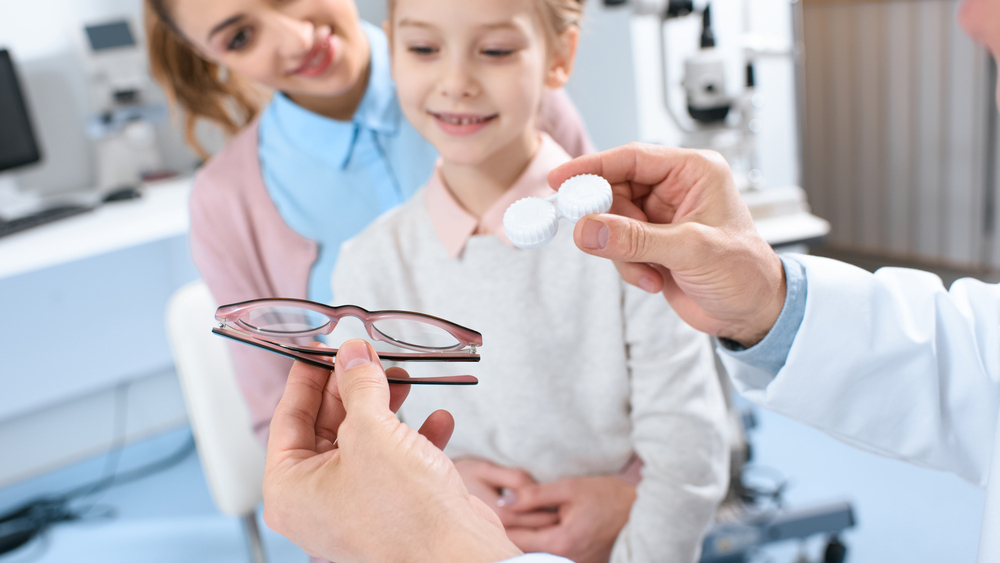
young childs in eye exam room geting fitted for contacts and glasses. Is my child ready for contacts.

Is My Child Ready for Contacts? A Parent’s Guide to Making the Decision

As children grow, their needs and preferences evolve—sometimes in surprising ways. The request for contact lenses is one common milestone that often leaves parents wondering is now the right time. Whether it’s for sports, aesthetics, or simply the desire to ditch glasses, many kids eventually ask, “Can I get contacts?” But how do you know if your child is truly ready? Here are some tips to help you decide if contact lenses are the right choice for your child.

Understanding the Basics: What Are Contact Lenses?

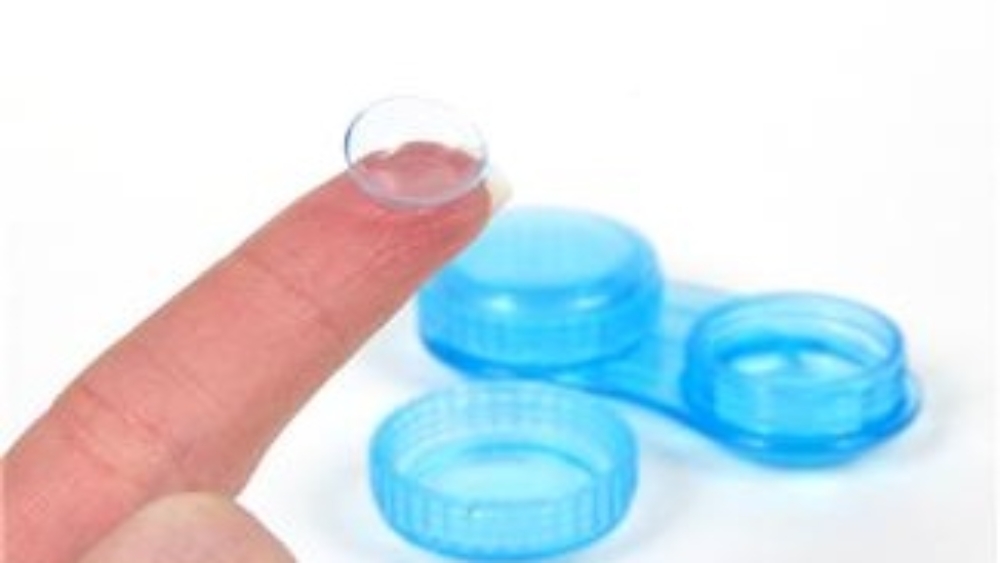
Contact lenses are thin, curved discs that sit directly on the surface of the eye to correct vision. They can be used to correct the same issues that glasses address, such as nearsightedness, farsightedness, astigmatism, and even presbyopia. Contacts offer some unique benefits, especially for active children, as they provide a wider field of vision and don’t get in the way during physical activities.

Signs Your Child May Be Ready for Contacts

Every child is different, and readiness for contact lenses isn’t determined solely by age. Instead, it’s about a combination of factors, including responsibility, maturity, and lifestyle. Here are some signs that your child may be ready to make the switch:

1. Maturity and Responsibility

The most important factor in determining whether your child is ready for contacts is their level of responsibility. Wearing contacts requires daily care and hygiene. Your child needs to be able to follow instructions carefully, clean their lenses regularly, and handle them with clean hands to avoid eye infections. If your child reliably handles other responsibilities, such as homework and chores, they may be ready for the added responsibility of contact lenses.

2. Expressing a Strong Interest

If your child has been asking for contact lenses and seems genuinely motivated to wear them, this is a good sign. A child who is interested in contacts is more likely to be diligent about taking care of them. This interest might stem from wanting to participate in sports without the hassle of glasses, feeling more confident without glasses, or simply wanting a change.

3. Active Lifestyle

For children involved in sports or other physical activities, contact lenses can offer significant advantages. Contacts don’t fog up, fall off, or get in the way during activities. They also provide better peripheral vision, which can be beneficial in sports. If your child frequently complains about their glasses interfering with their activities, contacts might be a good solution.

4. Discomfort or Dissatisfaction with Glasses

Some children find glasses uncomfortable or dislike how they look in them. If your child frequently expresses discomfort or is unhappy with wearing glasses, contacts could be a suitable alternative. It’s important to have a conversation with your child about why they want contacts and ensure their reasons are based on comfort and practicality, not just peer pressure.

Considerations Before Making the Switch

While there are many benefits to contact lenses, they also come with certain responsibilities and risks. Here are some considerations to keep in mind:

1. Age and Eye Health

There isn’t a specific age at which children should start wearing contacts, but most eye care professionals recommend waiting until a child is at least 8 to 10 years old. At this age, children are typically mature enough to handle the responsibilities that come with contacts. Additionally, it’s essential to ensure your child’s eyes are healthy enough for contacts. An eye exam will help determine if contact lenses are a suitable option for your child.

2. Commitment to Hygiene

Proper hygiene is critical when wearing contacts. Children must be committed to washing their hands before touching their lenses, cleaning the lenses as instructed, and replacing them on schedule. Poor hygiene can lead to eye infections, which can be serious. If your child is prone to skipping steps in their daily routine, contacts may not be the best choice right now.

3. Understanding the Risks

Children (and parents) should be aware of the risks associated with contact lens wear. These include eye infections, irritation, and the potential for more severe eye conditions if lenses are not cared for properly. It’s important to discuss these risks with your child so they understand the importance of following the care instructions provided by their eye care professional.

4. Financial Considerations

Contacts can be more expensive than glasses due to the need for regular replacement lenses, cleaning solutions, and follow-up eye exams. Consider whether your family is prepared for the ongoing costs associated with contact lenses.

Determining whether your child is ready for contact lenses is a personal decision that depends on your child’s maturity, responsibility level, and lifestyle needs. If your child is motivated, responsible, and ready to take on the extra care that contacts require, they could be an excellent option. However, if you’re unsure, it’s always a good idea to discuss the pros and cons with the doctors at Bissell Eye Care, who can help guide you through the decision-making process. Ultimately, the goal is to ensure your child’s vision is clear, comfortable, and well cared for—whether that’s with glasses, contacts, or a combination of both.

Give our office a call at 724-443-6767 or 724-226-0444 to explore various brands of contact lenses and answer any questions you may have.


About Bissell Eye Care: John D. Bissell, OD owns and operates Bissell Eye Care servicing Northern Pittsburgh and Alle-Kiski Valley regions. With two locations to treat patients, we offer evening appointments. Bissell Eye Care provides comprehensive eye examinations for the entire family beginning as early as 6 months, ocular disease detection and treatment, eyeglasses, sunglasses, activewear, contact lenses, and low vision examinations for those with significant vision loss. We accept most types of vision and health insurance plans. For more information, visit bisselleyecare.com or call our Bakerstown Office at 724-443-6767 or Natrona Heights office at 724-226-0444.
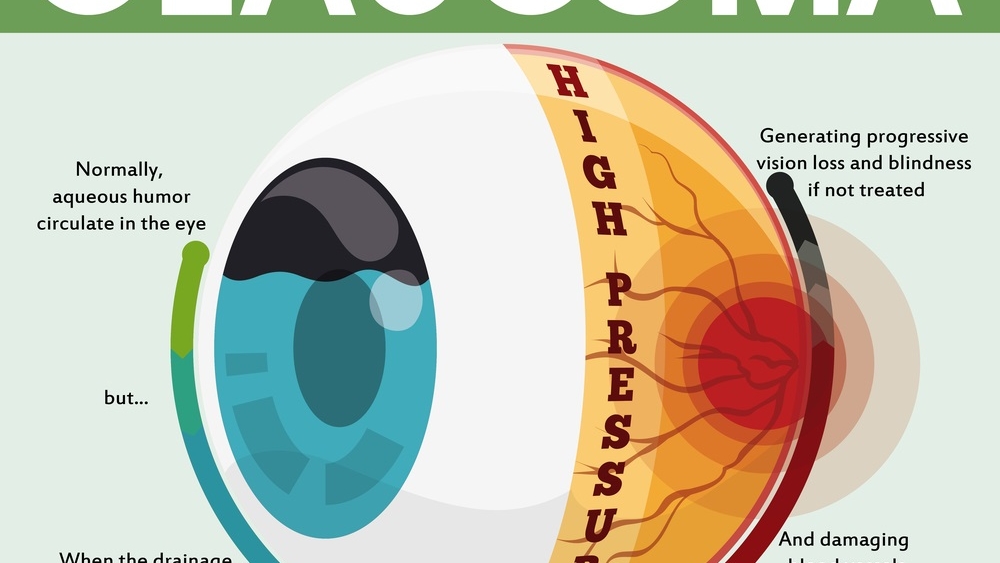
Infographic-poster-with-detailed-effects-of-untreated-glaucoma-disease-showing-the-passing-through-a-good-and-healthy-eye-to-a-rogressive-vision loss

Glaucoma Awareness – Screen, Protect & Cure

More than 3 million people in the United States have glaucoma. The National Eye Institute projects this number will reach 4.2 million by 2030, a 58 percent increase. Glaucoma is caused by the eye’s failure to maintain the balance of pressure between the internal fluid and the amount of fluid it drains away. High eye pressure caused by this imbalance causes pressure to build up against the optic nerve causing nerve damage.

Damage typically starts in the outside peripheral vision and is often not recognized by patients. A dilated eye exam is necessary to examine the optic nerve. Treatment generally begins with eye drops. Just as in any other prescribed medication, it’s important to consistently take the drops as prescribed. Since glaucoma symptoms are typically undetected, patients will not realize the damage that can be done without following the prescription.

If the optometrists at Bissell Eye Care deem that eye drops aren’t the best course of action, lasers or in extreme cases surgical procedures may be necessary to treat the disease. For those recently diagnosed with glaucoma, you can request a free educational booklet from the Glaucoma Research Foundation.

Smart contact lenses offer an exciting breakthrough in diagnosis and treatment of glaucoma. Smart contact lenses use tiny sensors, like those found in smartphones and other wearable devices, to collect data about the pressure inside your eye. As a result, they accurately measure intraocular pressure. These contact lenses can be personalized for each patient’s unique clinical needs, they may provide a promising treatment option for glaucoma.

Glaucoma Awareness – Types of Glaucoma Include:

Chronic (Open Angle) Glaucoma is the most common form of the disease. In open angle glaucoma, aqueous fluid drains too slowly and pressure inside the eye builds up. It usually results from aging of the drainage channel, which doesn’t work as well over time. However, younger people can also develop this type of glaucoma.

Normal Tension Glaucoma is a form of open angle glaucoma not related to high pressure. People with normal tension glaucoma may be unusually sensitive to normal levels of pressure. Reduced blood supply to the optic nerve may also play a role in normal tension glaucoma.

Acute (Angle Closure) Glaucoma: occurs more in Asian and Native American descents which are at higher risk for this form of glaucoma. This type of glaucoma occurs when the drainage system of the eye becomes blocked. This causes a sudden rise in pressure, requiring immediate, emergency medical care. The signs are usually serious and may include blurred vision, severe headaches, eye pain, nausea, vomiting or seeing rainbow-like halos around lights.

January is Glaucoma Awareness Month. Don’t let the “thief of sight” rob you of your independence. If you haven’t scheduled a regular eye exam, now is the time to do so. Call it your New Year’s Resolution to better health. Take action and call our office 724-443-6767 or 724-226-0444 to schedule your annual eye exam!


 About Bissell Eye Care: John D. Bissell, OD owns and operates Bissell Eye Care servicing Northern Pittsburgh and Alle-Kiski Valley regions. With two locations to treat patients, we offer evening and Saturday appointments. Bissell Eye Care provides comprehensive eye examinations for the entire family beginning as early as 6 months, ocular disease detection and treatment, eyeglasses, sunglasses, activewear, contact lenses, and low vision examinations for those with significant vision loss. We accept most types of vision and health insurance plans. For more Information, visit bisselleyecare.com or call our Bakerstown Office at 724-443-6767 or Natrona Heights office at 724-226-0444.
Introducing ALTIUS™ – Contact Lenses For Outdoor Sports Performance

Bissell Eye Care is pleased to announce we are the first optometry practice in Western Pennsylvania to carry ALTIUS™ – a new sports performance contact lens. On land sports or water activities, ALTIUS™ incorporates Light Architecture© and 360 Degree Total Immersion Technology© into a single-use soft contact lens modality to decrease visual distractions. This design allows athletes and recreationists to perform with maximum visual comfort, clarity and quickness under wide-ranging environmental conditions.

The lenses are designed for people who may or may not need vision correction and are available in two outdoor use tints, ALTIUS™ Amber and ALTIUS™ Grey-Green. ALTIUS™. These contacts are an adjunct to, not necessarily a replacement for safety glasses. You can wear these contacts and have safety glasses, or glasses or shields over it. They are designed for light enhancement and contrast, so they are good to be used for any of the designed purposes without putting the eye at risk.

Amber is engineered for dynamic, reactive sports in a wide range of outdoor light conditions. ALTIUS™ Grey-Green is engineered for open-air activities on water and land in varying outdoor light conditions.

Users found utilizing the ALTIUS™ Grey-Green soft sports contact lenses are designed to aid visual performance by enhancing contrast and enabling the wearer to see with greater clarity in outdoor activities such as:

  •         Surfing
  •         Golfing
  •         Kayaking
  •         Fly Fishing
  •         Hiking
  •         Running
  •         Cycling
  •         Equestrian
  •         Water Skiing
  •         Sailing/Boating
  •         Skateboarding


The ALTIUS AMBER soft sport contact lenses are engineered for dynamic, reactive sports in a wide range of outdoor light conditions. These soft sports contact lenses are designed to aid visual performance in athletic and recreational settings by enhancing contrast and enabling the wearer to see objects with greater clarity for athletic sports such as:

  •         Baseball
  •         Soccer
  •         Football
  •         Volleyball
  •         Lacrosse
  •         Tennis
  •         Archery
  •         Softball
  •         Rugby
  •         Hunting
  •         Sporting Clays
  •         Snow Sports


This lens is the result of decades of research to develop “game-changing” optical solutions to address a wide range of lighting conditions in sports, recreation, education or work,” said AlanW. Reichow, OD, MEd, FAAO, Founder, President & CEO of PVTI.

Both the ALTIUS™ Amber and ALTIUS™ Grey-Green can improve the vision of more than just athletes. A high school student who recently suffered a concussion reported that “I am recovering from a concussion and have had a reduced ability to read on the computer. These lenses have changed my life! I can read for a longer duration without eye strain and am wearing the lenses most days in school.”

For more information on single-use ALTIUS™ sports performance contact lenses, call Bissell Eye Care’s Bakerstown office at 724-443-6767 or the Natrona Heights Office at 724-226-0444.


About Bissell Eye Care: John D. Bissell, OD owns and operates Bissell Eye Care servicing Northern Pittsburgh and Alle-Kiski Valley regions. With two locations to treat patients, we offer evening and Saturday appointments. Bissell Eye Care provides comprehensive eye examinations for the entire family beginning as early as 6 months, ocular disease detection and treatment, eyeglasses, sunglasses, activewear, contact lenses, and low vision examinations for those with significant vision loss. We accept most types of vision and health insurance plans. For more information, visit bisselleyecare.com or call our Bakerstown Office at 724-443-6767 or Natrona Heights office at 724-226-0444.
Depositphotos_191401424_S

Technology Improvements for Bifocal and Multi-focal Contacts

Are you tired of always switching glasses or searching for reading glasses? Do you need to wear bifocals to see both near and far? Some people find they struggle to read newspapers, books or menus and must hold them further away to be able to see the print better. If that is the case, it may be time to look at bi-focal contacts again. Great for people with active lifestyles who do not want to be chained to their reading glasses. After age 40, it is typical to lose your ability to focus on objects up close. Tasks such as painting fine details or sewing may cause you to squint or hold the object at arm’s length.

The main vision disorder that multifocal and bifocal lenses are used for is presbyopia – a condition that happens as we age which affects our ability to focus on objects that are close. For instance, if tasks such as threading a needle or reading your favorite book have become nearly impossible without the help of reading glasses, then you are probably suffering from this condition. The doctors at Bissell Eye Care can give a proper diagnosis as well as help you find the best treatment options.

Monovision involves using single-vision lenses to put your near prescription on one eye and your distance prescription on the other. Modified monovision uses a single-vision lens on one eye and a multifocal lens on the other.

Bifocal contact lenses have been around for many years, but until recently they weren’t very popular. Older bifocal designs didn’t satisfy many people, leading to frustration among wearers and prescribers alike. Today, new technology has produced more successful designs, as well as a greater variety of designs. If one design doesn’t work for you, another might.

Bifocal and multifocal lenses come in both soft and rigid gas permeable materials. They also come in a hybrid form. This means that the contacts have the option to be used and disposed of at set times.

How Bifocal Contact Lenses Work

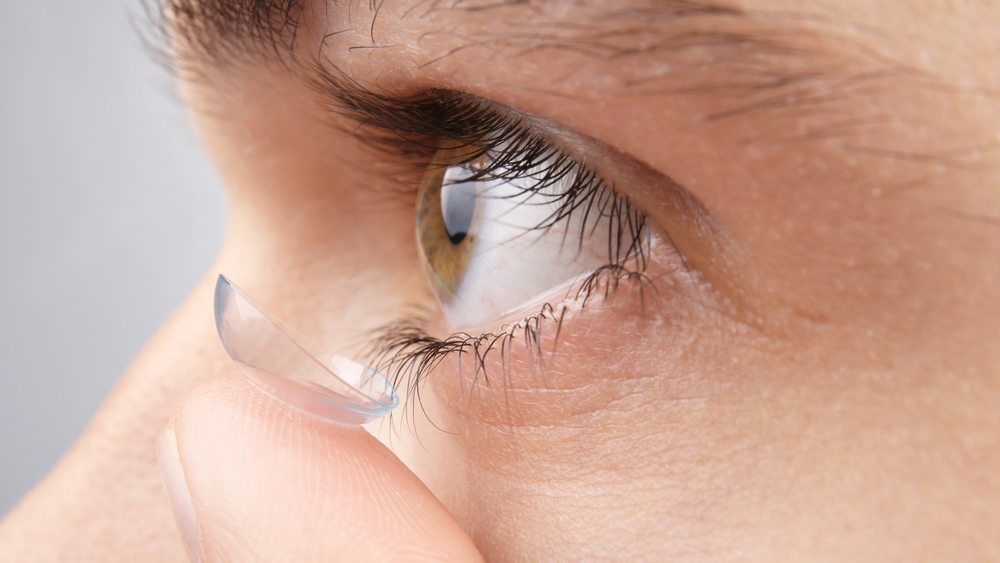
Bifocal contact lenses have two different prescriptions in the same lens. They are similar to bifocal glasses where the top half is used for seeing far while the bottom is used for seeing close. A segmented bifocal, and sometimes also referred to as an alternating or translating bifocal places the near vision prescription in the lower part of the lens, and the normal, distance prescription is in the rest of the lens.

Multifocal Contact Lenses Differ from Bifocal Contacts

Multifocal contacts have a range of powers in each lens and are designed two different ways.

  1. Simultaneous Vision. This option is set up so your eye looks through both near and far at the same time. Your brain adapts and allows focus on either the near or far prescription depending on the distance of the object.
  2. Alternating Vision. In the alternation set up more like a bifocal glasses design. It allows your pupil to move up or down as necessary to get the proper focus.

People who once thought they could never benefit from contact lenses now have a second chance. Remember that as you begin to rely on reading glasses for tasks of everyday living, that there are alternatives to the standard bifocal glasses. Technology continually finds new ways of improving vision now and may be the time to take a second look at contact lenses.


About Bissell Eye Care: John D. Bissell, OD owns and operates Bissell Eye Care servicing Northern Pittsburgh and Alle-Kiski Valley regions. With two locations to treat patients, we offer evening and Saturday appointments. Bissell Eye Care provides comprehensive eye examinations for the entire family beginning as early as 6 months, ocular disease detection and treatment, eyeglasses, sunglasses, activewear, contact lenses, and low vision examinations for those with significant vision loss. We accept most types of vision and health insurance plans. For more information, visit bisselleyecare.com or call our Bakerstown Office at 724-443-6767 or Natrona Heights office at 724-226-0444.

Bifocal Contact Lenses

Bifocal Contact Lenses & Aging

Your eyesight is the key to independence as we age and although bifocal contact lenses have been around for many years, until recently they weren’t very popular. New technology has changed that is bringing to market a greater variety of designs. If one design or brand doesn’t work for you, another might. People who once thought they could never benefit from contact lenses now have a second chance.

Often after the age of 40 people develop presbyopia, a condition that affects our ability to focus on objects that are nearby. Do you have a separate pair of glasses for reading or working on the computer? Do you find your arms getting shorter as you must hold newspapers, books, or menus further away to be able to see the print better? Bifocal contact lenses are great for people with active lifestyles who do not want to be chained to their reading glasses.

There are several different types of contacts that can be used to find what works best for you to replace your need for reading glasses or bifocals. The doctors at Bissell Eye Care can give a proper diagnosis as well as help you find the best treatment options.

Concentric multifocal contact lens design contains the lens power for seeing distant objects in the center of the lens, which is surrounded by concentric rings of near and distance powers of your bifocal contact lens prescription.

The design of aspheric multifocal contact lenses is similar to that of progressive eyeglass lenses — there’s a gradual change in power from far to near, with no visible lines in the lenses. Unlike eyeglasses, however, aspheric multifocal contacts are simultaneous vision lenses, so your visual system must learn to select the proper lens power for the moment.

There are no hard and fast rules, but aspheric multifocal contact lenses tend to work best for mild to moderate presbyopia, and concentric or segmented multifocal contacts often are more successful for advanced presbyopia.

Bifocal and multifocal lenses come in both soft and rigid gas permeable materials. They also come in a hybrid form. This means that the contacts have the option to be used and disposed of at set times, and can even be daily in some cases.

What is the difference……Bifocal, Multifocal contacts?

Bifocal contact lenses have two different prescriptions in the same lens. They are similar to bifocal glasses where the top half is used for seeing far while the bottom is used for seeing close. A segmented bifocal, and sometimes also referred to as an alternating or translating bifocal places the near vision prescription in the lower part of the lens, and the normal, distance prescription is in the rest of the lens.

Multifocal Contact Lenses and how they work

Multifocal contacts have a range of powers in each lens and are designed in two different ways.

  1. Simultaneous Vision. This option is set up so your eye looks through both near and far at the same time. Your brain adapts and allows focus on either the near or far prescription depending on the distance of the object.
  2. Alternating Vision. In the alternation setup is more like a bifocal glasses design. It allows your pupil to move up or down as necessary to get the proper focus.

If you’re tired of carrying around two pairs of glasses, or have tried bi-focal contacts years ago but couldn’t wear them, technology has changed. The doctors at Bissell Eye Care will work with you to see how bi-focal contact lenses can benefit you.

Embrace something new and experience the freedom of not having to wear glasses. Are you ready to enjoy outdoor activities such as gardening and sports more easily? To learn more about the latest technology in bi-focal contact lenses, give our office a call at 724-444-6767 or 724-226-0444.


About Bissell Eye Care: John D. Bissell, OD owns and operates Bissell Eye Care servicing Northern Pittsburgh and Alle-Kiski Valley regions. With two locations to treat patients, we offer evening and Saturday appointments. Bissell Eye Care provides comprehensive eye examinations for the entire family beginning as early as 6 months, ocular disease detection and treatment, eyeglasses, sunglasses, activewear, contact lenses, and low vision examinations for those with significant vision loss. We accept most types of vision and health insurance plans. For more information, visit bisselleyecare.com or call our Bakerstown Office at 724-443-6767 or Natrona Heights office at 724-226-0444.
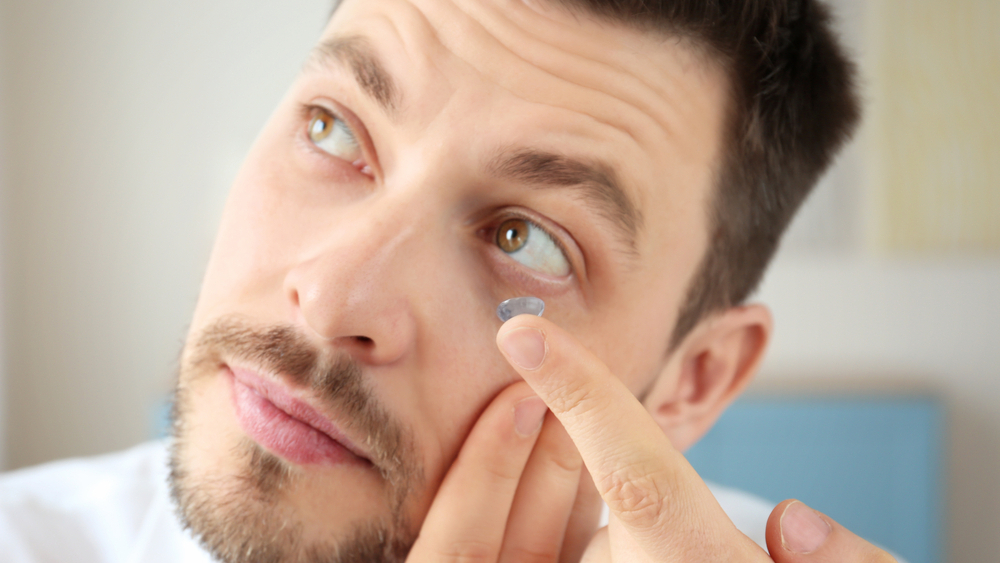
Contact Lenses

TIPS TO AVOID MISUSE OF CONTACT LENSES

Contact lenses – you either love them or can’t wear them. If you are a contact lens wearer you have more than likely noticed how far we have come in the development of contact lenses since you started using them. Perhaps you have also been guilty of ignoring the wearing and care instructions from your optometrist. In a recent study 99% of people admitted they practiced at least one bad habit with their contact lenses and that puts them at a higher risk for eye infections.

Contacts are a convenient alternative to wearing eyeglasses. If you are like many Americans you have become quite accustomed to your contacts and may sometime forget you have them in. This usually leads to pushing the envelope on wearing them or leaving contacts in at times when you should not. Contaminated solutions can lead to infection. Are you changing the solution in your cases daily?

While contacts are more convenient and provide a greater range of clarity than glasses, improper handling can lead to eye infections. People who wear contact lenses have a higher risk for keratitis, an infection of the cornea, the clear outer covering of your eye. They’re also called corneal ulcers. Viruses, bacteria, fungi, and a rare but serious eye parasite can also cause keratitis.

Depending on the type of contact lenses you have, some of the most common misuses for contacts are:

  • Wearing contact lenses overnight while sleeping.
  • Napping while wearing lenses.
  • Nonuse of a sterile wetting solution
  • Topping off your disinfecting solution in lens storage case rather than emptying it and using new solution.
  • Using your contact lenses longer than recommended.
  • Not replacing the lens storage case at least once every 3 months.

Not surprising that of those surveyed nearly one-third of respondents reported having red and or painful eye pain that resulted in a visit to the doctor.

Mild pinkeye can be caused by solutions used for cleaning contacts. It is important to clean your contacts thoroughly to remove any virus or bacteria from the contacts after having pinkeye. If the contacts are not thoroughly cleaned, they can re-infect your eye. Do not wear contact lenses until the pinkeye is gone. Sterilize your contacts, and clean your storage case. If you wear disposable contacts, use a new pair when your eye has cleared and it is safe to wear contacts again. Wait at least 2 days after the symptoms are gone before you wear contacts again.

Following these steps along with the recommended use from the contact lens manufacturer will help to prevent eye irritation or infection. If you do find that your eye becomes irritated take the contact lenses out immediately and use your prescription glasses. If the irritation and pain become worse or does not improve, seek medical attention immediately as these are signs of an infection in the eye.

Enjoy clearer vision with contact lenses, but follow the recommendations for care and cleaning to prevent infection.

About Bissell Eye Care: John D. Bissell, OD owns and operates Bissell Eye Care servicing Northern Pittsburgh and Alle-Kiski Valley regions. With two locations to treat patients, we offer evening and Saturday appointments. Bissell Eye Care provides comprehensive eye examinations for the entire family beginning as early as 6 months, ocular disease detection and treatment, eyeglasses, sunglasses, activewear, contact lenses, and low vision examinations for those with significant vision loss. We accept most types of vision and health insurance plans. For more information, visit bisselleyecare.com or call our Bakerstown Office at 724-443-6767 or Natrona Heights office at 724-226-0444.

DO YOU KNOW YOUR FLEXIBLE SPENDING ACCOUNT (FSA) NUMBERS?


White paper with text FSA with dollars on the calculator with pen

If you haven’t checked your FSA balance recently, now may be the time to check your account. In 2018, the IRS raised the contribution limit from $2,600 in 2017 to $2,650 for 2018. FSAs are pretax monies that can save an employee up approximately 30% on their out of pocket medical expenses. Employees may use their FSA funds to cover certain qualified medical expenses that their employer’s plan does not cover, such as co-pays and deductibles. Other qualified medical expenses include contact lenses, eye exams, eyeglasses, crutches and hearing aids.

Different than a Health Savings Account, FSA’s must be used within the calendar year. In January of each year, employees must decide how many pretax monies are withheld in the form of payroll deductions. Employees must anticipate what they feel they will spend during that year that is not covered by insurance. Because many employees are concerned when judging what they may spend, they opt not to participate in FSA’s and actually leave money on the table.

Depending on your employer – they can offer employees two options to use it or lose it rule, or none at all. However, the employee must choose one of the two options. The carryover option allows an employee to transfer $500 of unused contributions from one plan year to the next. For example, if an employee has $500 of unused contributions in 2018, then he or she may carry those funds over into the 2019 plan year.

Second, with the grace period option, an employee has 2 1/2 months after the end of the plan year in which to use his or her unused contributions. For example, if an employee has unused contributions at the end of a plan year (December 31, 2018), then he or she must use those contributions by the following March 15, 2019, or risk forfeiting them.

The best solution is to know your balance and prepare to spend down those pretax dollars. Your best move is to do a good job of accurately estimating your healthcare and dependent care expenses for the year so that you don’t run into a situation where you’re struggling to deplete your account balance. But if your company offers one of the above protections, you’ll go in with less risk.

Bissell Eye Care provides comprehensive eye care for the entire family. New designer frames, contact lenses, sunglasses, and protective eyewear are items that can be used to spend down your account.

About the author: John D. Bissell, owner of Bissell Eye Care and Tri-State Low Vision Services, offers comprehensive eye examinations for the entire family, ocular disease detection and treatment, eye glasses, sun glasses, active wear, contact lenses, and low vision examinations for those with significant vision loss. He has undergone specialized training for treatment of low vision by the International Academy of Low Vision Specialists utilizing customized telescopic eyeglasses, prisms and telescopic implants for patients who qualify. The practice accepts most types of vision and health insurance plans.

HALLOWEEN COSTUME SAFETY TIPS

Although it’s been a warm October, the signs of fall are certainly around us. The leaves on the trees are turning, haunted houses are popping up. There’s a nip in the air, pumpkin patches are in full swing and children’s Halloween costumes are being planned. We wanted to offer a few tips to ensure a safe and enjoyable holiday for you and your family.

Does your costume block your vision?

Masks, wigs and eye patches may make an outfit complete, but make sure these accessories don’t significantly obstruct your field of view. Some masks are very dangerous for children because they block their side vision and can cause a trip hazard. A better, safer option is to decorate your child’s face with face paint or makeup.

Avoid over the counter decorative contact lenses.

Don’t buy or wear decorative contact lenses that have not been prescribed by an eye doctor. The decorative lenses make the wearer’s eyes appear to glow in the dark, create the illusion of vertical “cat eyes,” or change the wearer’s eye color. These lenses are particularly popular for teens.

Despite the fact that it’s illegal to sell decorative contact lenses without a valid prescription, the FDA says the lenses are sold on the Internet and in retail shops and salons. Decorative lenses from unlicensed manufacturers may be made from inferior plastic or may contain toxic dyes. In addition, untrained individuals may not follow proper hygiene in inserting or removing the devices. Eye infections related to improper wearing and handling of contact lenses can rapidly develop into corneal ulcers, which can cause permanent blindness.

Say NO to long costumes.

Long costumes can cause a trip hazard. Be sure your child’s costume ends above their ankles to avoid a trip hazard. Use well-fitting shoes or boots for safe walking. Make sure your child’s costume is flame resistant and avoid baggy, billowing skirts and cloaks that might brush against a candle-lit jack-o’-lantern or luminary.

Use FDA approved makeup.

If you decide to disguise your child with makeup instead of a mask, use hypo-allergenic options and keep it away from the eyes. Make sure that any color additives to the face paint are FDA approved (check the Summary of Additives on the FDA website). When applying makeup near or around the eye, stay away from the lid margin, or lash line—the area where you would normally apply eyeliner. If you are applying make-up very close to the eye, use only products approved for use in that area such as an eye-liner or eyeshadow. Do not use blush or lip-liner to create a “red” effect. It is a good idea to carry a damp towel or washcloth in case the makeup begins to run while trick-or-treating.

Don’t allow sharp objects to be used as props.

Some costumes don’t seem complete without swords or wands. Elementary and nursery schools are very strict in prohibiting these props for school parties. Sharp, pointed props endanger your child’s eyes as well as the eyes of other children. If your child must carry a sword, find a belt carrier or scabbard where the sword can stay safely nestled while the kids roam the neighborhood. Buy or construct only accessories made of soft or flexible materials.

Make sure costumes are reflective.

If the costume your child chooses is not made of reflective material, sew on reflective fabric strips or use stick-on strips of reflective tape. You want your child to be seen, especially crossing streets in the dark. Place reflective material on the front, back and sides of your child’s costume.

Happy haunting….be informed, be safe and have a Happy Halloween.

About the author: John D. Bissell, owner of Bissell Eye Care and Tri-State Low Vision Services, offers comprehensive eye examinations for the entire family, ocular disease detection and treatment, eye glasses, sun glasses, active wear, contact lenses, and low vision examinations for those with significant vision loss. He has undergone specialized training for treatment of low vision by the International Academy of Low Vision Specialists utilizing customized telescopic eyeglasses, prisms and telescopic implants for patients who qualify. The practice accepts most types of vision and health insurance plans.

Watery eyes

ALLERGY SEASON IS IN FULL FORCE!

Watery eyesIt was a long hard winter, but the cold winter months have passed and we are in the midst of a stellar allergy season. You look outside and everything is covered in a yellow film causing itchy, red, or even burning sensations in your eyes. Allergy suffers, you aren’t alone in your symptoms. Did you know that the American College of Allergy, Asthma, and Immunology estimates that 50 million people in the United States have seasonal allergies? This affects approximately 30% of adults and 40% of children.

Because the symptoms of seasonal allergy can resemble those of dry eye disease, diagnosis can be a challenge. Although patients may have only seasonal allergies or only dry eye disease, there is a good possibility that both conditions are present.

Be nice to your eyes. When avoidance is not an option, there are still steps that you can take to reduce the allergen’s impact and increase eye comfort. Here are some relief and tips for prevention to avoid or limit exposure with your trigger(s).

Outdoor Tips for Allergy Season

  • How do I know what the pollen count is you may ask? The weather channel for Pittsburgh provides an allergy tracker.
  • Avoid going outside and close windows when pollen count is high.
  • Use A/C and air filters/purifiers and be sure to change them regularly and perhaps more often during peak allergy season.
  • Wear sunglasses or glasses when outside to keep the pollen out of your eyes

Indoor Tips for Allergy Season

To minimize dust mites:

  • Use special pillow covers to keep allergens out
  • Wash bedding frequently in hot water
  • Consider replacing old mattresses
  • Clean floors with a damp mop
  • Replace carpeting with hardwood for an easier clean

Curtail the contacts. Contact lens wearers tend to be disproportionately affected by allergy. Even if a patient is a successful contact lens wearer for most of the year, allergy season can make them quite uncomfortable, particularly when contacts are worn for extended periods of time.

For any contact lens wearers, you may want to remove your contacts and opt for your eyeglasses until your allergy symptoms are gone. This is because the surface of contact lenses can attract and accumulate airborne allergens. If wearing your glasses is not an option, you can switch to daily disposable contacts to avoid allergen and other debris buildup.

A last bit of advice: Avoid rubbing your eyes, it will only irritate your eyes more! Dry eye patients, regardless of other treatment they may be on, should use consider the artificial tears and lubricants as a protective measure to reduce discomfort.

About the author: John D. Bissell, owner of Bissell Eye Care and Tri-State Low Vision Services, offers comprehensive eye examinations for the entire family, ocular disease detection and treatment, eye glasses, sun glasses, active wear, contact lenses, and low vision examinations for those with significant vision loss. He has undergone specialized training for treatment of low vision by the International Academy of Low Vision Specialists utilizing customized telescopic eyeglasses, prisms and telescopic implants for patients who qualify. The practice accepts most types of vision and health insurance plans.