
Two smiling woman wearing glasses with a young child between them also smiling and wearing glasses

Women’s Eye Health Month: Why Women Are at Greater Risk for Vision Problems

April is National Women’s Eye Health and Safety Month, a time dedicated to raising awareness about the unique vision challenges women face. Did you know that two out of every three people living with blindness or vision problems are women? This makes prioritizing eye health especially important.

Women are at a higher risk for sight-threatening eye diseases, as well as vision changes linked to hormonal shifts throughout life—including puberty, pregnancy, and menopause.

Why Women Are More Vulnerable to Eye Conditions

Hormonal fluctuations—especially changes in estrogen—can significantly impact eye health.

During Puberty
Increased estrogen levels can affect the shape and structure of the eye, potentially leading to nearsightedness or farsightedness. These changes may also increase the risk of conditions like dry eye syndrome or keratoconus.

During Pregnancy
Hormonal changes can temporarily affect the cornea, lens, and retina. Many women experience blurred vision, light sensitivity, or difficulty seeing at night. Pregnancy can also increase the risk of conditions like gestational diabetes, which may impact eye health.

During Menopause
A drop in estrogen levels can lead to dry eye syndrome, causing discomfort, blurred vision, and even damage to the eye’s surface. Additionally, the risk for age-related conditions such as cataracts and macular degeneration increases after menopause.

Because of these life-stage changes, regular comprehensive eye exams are essential for early detection and treatment.

Tips to Maintain Optimal Eye Health

  • Wear UV protection: Choose sunglasses that block 100% of UV rays and consider a wide-brimmed hat for added protection.
  • Eat for your eyes: Include leafy greens, colorful fruits, and omega-3-rich foods like salmon and flaxseed.
  • Quit smoking: Smoking increases the risk of cataracts, macular degeneration, and other serious eye conditions.
  • Limit screen strain: Take regular breaks from digital devices, blink often, and use artificial tears if needed.
  • Practice good hygiene: Wash your hands before touching your eyes and avoid sharing makeup or brushes.
  • Manage health conditions: Keep conditions like diabetes and high blood pressure under control to protect your vision.

Take Charge of Your Eye Health

Women’s Eye Health Month is a reminder to make your vision a priority. With women making up the majority of those affected by vision loss, proactive care is key. Your eyes are precious—take care of them!

Schedule your comprehensive eye exam today to protect your sight for years to come. Call our office at 724-443-6767 or 724-226-0444 to get started.


About Bissell Eye Care: John D. Bissell, OD, is the owner of Bissell Eye Care, proudly serving the Northern Pittsburgh and Alle-Kiski Valley regions. Dr. Bissell has received advanced training through the International Academy of Low Vision Specialists, enabling him to help patients living with vision impairment and low vision challenges. With two convenient office locations and evening appointments available, Bissell Eye Care offers comprehensive eye exams for the entire family—starting as young as six months. Our services include ocular disease detection and treatment, prescription eyeglasses and sunglasses, specialty activewear eyewear, contact lenses, and dedicated low vision evaluations for those with significant vision impairment and vision loss. We accept most vision and health insurance plans. To learn more, visit bisselleyecare.com or call our Bakerstown office at 724-443-6767 or our Natrona Heights office at 724-226-0444.

a senior gentleman and woman at a computer keyboard smiling and looking and pointing at the computer screen.

How People with Low Vision Can Use a Computer More Comfortably

Using a computer can feel challenging for individuals with low vision—but with today’s technology and simple adjustments, it’s more accessible than ever. From built-in tools to helpful accessories, there are many ways to make digital screens easier to see and navigate.

Screen Readers: Let Your Computer Talk to You

For those with tunnel vision or central vision loss, reading an entire screen can be tiring. Screen-reading programs provide a helpful solution by reading text, icons, and menus aloud in a synthetic voice. Some even announce cursor location.

Many modern computers come with built-in screen readers, and additional programs can be installed if needed. Some tools also allow you to highlight specific text, so only what you want is read aloud.

Increase Text and Screen Size

Small text and icons can be a major barrier for low-vision users. Fortunately, you can easily enlarge them:

  • On a PC: Hold Ctrl + “+”
  • On a Mac: Hold Command + “+”
  • Use your browser’s zoom feature
  • Install magnification software to enlarge everything on your screen, including the cursor and icons

These adjustments can make a big difference in readability and comfort.

Choose a Low Vision-Friendly Mouse

Clicking small icons can be difficult, which is why some people prefer keyboard shortcuts.

However, if you use a mouse:

  • Opt for an ergonomic design for better control
  • Consider a wireless mouse for easier movement
  • Adjust the cursor speed so it’s easier to track on screen

Small changes like these can improve accuracy and reduce frustration.

Reduce Glare and Improve Contrast

Glare can make screens harder to see, especially for those with vision impairment. To reduce it:

  • Position your screen away from windows
  • Use blinds or curtains to control light
  • Tilt your monitor to minimize reflections
  • Consider an anti-glare screen or hood

Increasing your screen’s contrast settings can also make text and images appear sharper and easier to distinguish.

Upgrade Your Monitor

Older monitors can flicker and contribute to digital eye strain. Switching to a modern flat-panel display can provide a clearer, more stable image.

For best results, choose a monitor that’s at least 21 inches to allow for larger, more comfortable viewing.

We’re Here to Help with Low Vision Solutions

Living with low vision doesn’t mean giving up your independence. With the right tools and support, you can continue to use digital devices, read, cook, and enjoy everyday activities.

Through specialized training through the International Academy of Low Vision Specialists, Dr. Bissell offers personalized low vision solutions, including specialized aids and devices tailored to your needs and lifestyle.

Call 724-443-6767 or 724-226-0444 to schedule a low vision consultation with Dr. Bissell for yourself or a loved one and take the next step towards maintaining your independence.


About Bissell Eye Care: John D. Bissell, OD, is the owner of Bissell Eye Care, proudly serving the Northern Pittsburgh and Alle-Kiski Valley regions. Dr. Bissell has received advanced training through the International Academy of Low Vision Specialists, enabling him to help patients living with vision impairment and low vision challenges. With two convenient office locations and evening appointments available, Bissell Eye Care offers comprehensive eye exams for the entire family—starting as young as six months. Our services include ocular disease detection and treatment, prescription eyeglasses and sunglasses, specialty activewear eyewear, contact lenses, and dedicated low vision evaluations for those with significant vision impairment and vision loss. We accept most vision and health insurance plans. To learn more, visit bisselleyecare.com or call our Bakerstown office at 724-443-6767 or our Natrona Heights office at 724-226-0444.
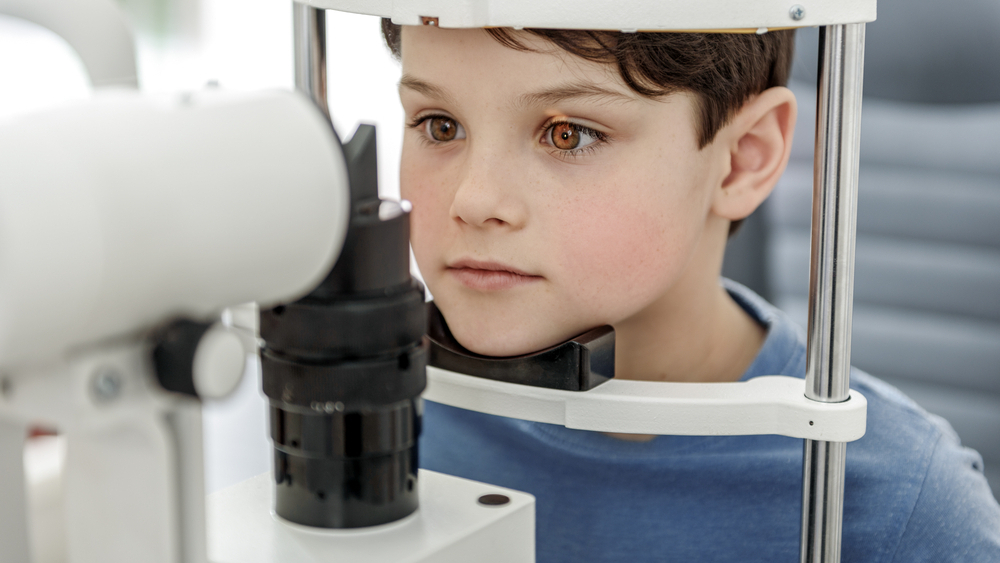
Boy undergoing eyesight examination with slit lamp biomicroscope in ophthalmology clinic back-to-school eye exam

Back-to-School Eye Exams: An Important Step for Academic Success

As the school year begins, many parents focus on gathering school supplies, organizing schedules, and preparing their children for the classroom. But there’s one essential item that’s often overlooked—an annual eye exam. Good vision is foundational to a child’s ability to learn, and yet vision issues can often go unnoticed, especially by children themselves.


Why Eye Exams Matter More Than You Think

Did you know that 80% of what children learn in school is presented visually? From reading and writing to using digital devices and viewing the board, clear vision is essential. However, vision screenings done at school or pediatric offices are not comprehensive. They may miss issues like eye teaming, focusing problems, or even moderate refractive errors such as nearsightedness, farsightedness, and astigmatism.

How Vision Problems Impact Learning

Children with undiagnosed vision issues may struggle to focus, avoid reading, or fall behind academically. In fact, many symptoms of vision problems can be mistaken for behavioral issues, such as ADHD or lack of interest. Common signs to watch for include:

  • Frequent squinting or tilting the head
  • Holding books or screens very close
  • Complaints about headaches or tired eyes
  • Difficulty paying attention in class
  • Poor reading comprehension or slow reading pace
  • Excessive eye rubbing
  • Eye Strain and Digital Learning

With the growing use of tablets and computers in schools, children are spending more time than ever in front of screens. This can lead to digital eye strain, also known as computer vision syndrome. Symptoms may include:

  • Blurred or double vision
  • Eye fatigue
  • Dry or irritated eyes
  • Difficulty refocusing from screen to distance

Annual eye exams can help identify and manage these issues early, ensuring your child is visually prepared for the demands of today’s learning environment.

When Should Children Have Their Eyes Examined?

The American Optometric Association recommends the following schedule:

  • First exam at 6 months
  • Second exam at age 3
  • Before starting kindergarten
  • Annually thereafter, or as recommended by your optometrist

Early detection of vision issues can prevent long-term learning difficulties and give your child the best chance for success—both in and out of the classroom.

Set Your Child Up for Success

As you prepare for the school year ahead, make sure an eye exam is on your checklist. A simple visit to your optometrist can make a world of difference in your child’s academic performance, confidence, and comfort.

Book your child’s back-to-school eye exam today—and help them start the year off seeing clearly and learning confidently.  Call 724-443-6767 or 724-226-0444 to schedule your child’s appointment.


About Bissell Eye Care: John D. Bissell, OD, is the owner of Bissell Eye Care, proudly serving the Northern Pittsburgh and Alle-Kiski Valley regions. Dr. Bissell has received advanced training through the International Academy of Low Vision Specialists, enabling him to help patients living with vision impairment and low vision challenges. With two convenient office locations and evening appointments available, Bissell Eye Care offers comprehensive eye exams for the entire family—starting as young as six months. Our services include ocular disease detection and treatment, prescription eyeglasses and sunglasses, specialty activewear eyewear, contact lenses, and dedicated low vision evaluations for those with significant vision impairment and vision loss. We accept most vision and health insurance plans. To learn more, visit bisselleyecare.com or call our Bakerstown office at 724-443-6767 or our Natrona Heights office at 724-226-0444.

pair of mirror sunglasses in front of forest scene - with clarity in glasses Managing light sensitivity with Stargardt disease

Managing Light Sensitivity with Stargardt Disease This Summer

Summer’s long, sunny days are something many look forward to—but if you’re living with Stargardt disease, this season can bring increased challenges. Bright sunlight and glare can significantly impact your comfort and ability to see clearly, making everyday activities more difficult.

At Dr. Bissell’s low vision clinic, he understands how overwhelming bright light can be for individuals with Stargardt disease. That’s why he offers personalized solutions to help you manage light sensitivity and maintain your independence.

As a proud member of the International Academy of Low Vision Specialists (IALVS), we believe that vision loss doesn’t have to limit your lifestyle—even during the sunniest time of year.

Why Stargardt Disease Makes Summer More Difficult

Stargardt disease affects the macula, the part of the eye responsible for sharp central vision. Over time, it can cause bright light to feel uncomfortable and reduce your ability to see detail—especially in high-glare environments like beaches, pavement, or water.

You may notice yourself squinting more often, avoiding time outdoors, or feeling frustrated by reflective surfaces. Our goal is to help you make the most of your remaining vision and feel more comfortable—even in harsh sunlight.

Solutions for Seeing Better in Bright Conditions

Our practice takes a personalized approach to low vision care. After understanding your specific needs and daily challenges, we may recommend:

  • Custom-tinted low vision glasses to reduce glare and enhance contrast
  • UV-protective lenses for added comfort and eye protection outdoors
  • Wraparound frames or side shields to block peripheral light
  • Wide-brimmed hats or visors for additional sun protection
  • Adjusting outdoor activities to early morning or late afternoon when the sun is lower

We’ll also help you improve indoor lighting so you can reduce eye strain even as daylight hours extend.

You Can Enjoy Summer Again

If vision loss is affecting your quality of life, you’re not alone—and you don’t have to navigate it without support. Contact Dr. Bissell today at 724-443-6767 or 724-226-0444 to explore individualized low vision solutions. With the right guidance and devices, you can feel more comfortable in bright conditions and return to the summer activities you enjoy most.


About Bissell Eye Care: John D. Bissell, OD, is the owner of Bissell Eye Care, proudly serving the Northern Pittsburgh and Alle-Kiski Valley regions. Dr. Bissell has received advanced training through the International Academy of Low Vision Specialists, enabling him to help patients living with vision impairment and low vision challenges. With two convenient office locations and evening appointments available, Bissell Eye Care offers comprehensive eye exams for the entire family—starting as young as six months. Our services include ocular disease detection and treatment, prescription eyeglasses and sunglasses, specialty activewear eyewear, contact lenses, and dedicated low vision evaluations for those with significant vision impairment and vision loss. We accept most vision and health insurance plans. To learn more, visit bisselleyecare.com or call our Bakerstown office at 724-443-6767 or our Natrona Heights office at 724-226-0444.
basket of fresh vegetables and fruit indicating Healthy Summer Vision

The Link Between Diet, Hydration, and Healthy Summer Vision

Summer brings sunny days, outdoor adventures, and fresh seasonal foods—but did you know your summer habits can directly impact your eye health? What you eat and drink this season doesn’t just fuel your body; it can help protect your vision too. Here’s how smart choices around diet and hydration can keep your eyes comfortable and healthy all summer long.


Hydration: Quenching More Than Your Thirst

Hot weather and outdoor activities make dehydration a common summer concern—and your eyes can feel it first. When you’re dehydrated, your body produces fewer tears, which can lead to dry, itchy, or burning eyes. Staying hydrated by drinking plenty of water helps keep your eyes moist, supports tear production, and reduces the risk of irritation from heat, wind, and air conditioning.

Tip: Aim for at least eight glasses of water a day, and remember to drink even when you’re not thirsty—especially after outdoor sports, time at the pool, or walking in the heat.

Eat with Your Eyes in Mind

Summer is the perfect time to add colorful, nutrient-rich foods to your meals. Many summer fruits and vegetables contain antioxidants, vitamins, and minerals that help protect your eyes from sun damage and age-related conditions.

Some summer favorites to add to your plate:

  • Leafy greens (spinach, kale, collard greens): Rich in lutein and zeaxanthin, antioxidants that filter harmful light and protect your retina.
  • Berries (blueberries, strawberries, raspberries): Packed with vitamin C, which supports healthy blood vessels in your eyes.
  • Carrots and bell peppers: Excellent sources of beta-carotene and vitamin A, essential for good night vision and overall eye health.
  • Watermelon and cucumbers: Hydrating foods that help your body (and eyes) stay moist.

Don’t Forget Omega-3s

Dry eyes can be more noticeable in the summer heat. Adding foods high in omega-3 fatty acids—like salmon, walnuts, and flaxseeds—can help improve tear quality and reduce dryness.

Protecting Your Eyes from the Inside Out

While sunglasses with 100% UVA/UVB protection are essential, your diet and hydration habits add another layer of defense. Nutrients like lutein, zeaxanthin, and vitamin C help protect your eyes against the harmful effects of UV rays and oxidative stress, both of which increase in the summer.

Small Changes, Big Difference

Enjoy summer to the fullest by caring for your vision from the inside out:

  • Drink plenty of water
  • Choose fresh, colorful produce
  • Include omega-3-rich foods
  • Wear quality sunglasses with UV protection outdoors

Healthy summer vision starts on your plate and in your glass. If you’d like personalized tips for summer eye care or it’s time for your annual eye exam, our office is here to help! Call 724-443-6767 or 724-226-0400 to schedule your next appointment.


About Bissell Eye Care: John D. Bissell, OD, is the owner of Bissell Eye Care, proudly serving the Northern Pittsburgh and Alle-Kiski Valley regions. Dr. Bissell has received advanced training through the International Academy of Low Vision Specialists, enabling him to help patients living with vision impairment and low vision challenges. With two convenient office locations and evening appointments available, Bissell Eye Care offers comprehensive eye exams for the entire family—starting as young as six months. Our services include ocular disease detection and treatment, prescription eyeglasses and sunglasses, specialty activewear eyewear, contact lenses, and dedicated low vision evaluations for those with significant vision impairment and vision loss. We accept most vision and health insurance plans. To learn more, visit bisselleyecare.com or call our Bakerstown office at 724-443-6767 or our Natrona Heights office at 724-226-0444.

image of a senior age woman with her chin in her hand representing Low Vision After a Stroke

Vision Impairment and Low Vision After a Stroke: What You Should Know

A stroke can dramatically change many aspects of a person’s life, and vision is no exception. While most people associate strokes with weakness or speech difficulties, it’s important to recognize that strokes can also affect the way we see the world. Vision impairment and low vision are common consequences that can impact independence, safety, and overall quality of life.


How Strokes Affect Vision

A stroke occurs when blood flow to a part of the brain is blocked or when a blood vessel in the brain bursts. Depending on where the stroke happens, it can damage areas of the brain responsible for processing visual information. This can lead to a range of visual problems, including:

  • Hemianopia – Loss of vision on one side of each eye (often the same side).
  • Quadrantanopia – Loss of vision in a quarter of the visual field.
  • Blurred or double vision – Difficulty focusing on objects.
  • Visual neglect – The brain ignores part of the visual field, even though the eyes can still see it.

These issues often fall under the category of low vision, which means vision loss that cannot be fully corrected with glasses, contact lenses, medication, or surgery.

Living With Low Vision After a Stroke

Adjusting to vision impairment after a stroke can feel overwhelming, but support and resources are available. Here are a few strategies and tools that may help:

  • Comprehensive eye exams: Regular checkups with an eye care professional can help monitor changes and recommend tailored solutions.
  • Vision rehabilitation: Specialized therapists can teach techniques to scan the environment, improve coordination, and make the most of remaining vision.
  • Assistive devices: Magnifiers, specialized lighting, large-print materials, and electronic aids can improve daily functioning.
  • Home modifications: Simple changes like increasing contrast on stairs, decluttering walkways, and labeling items can help prevent accidents.

Don’t Face It Alone

Vision impairment after a stroke is life-changing, but there is help. Low vision specialists such as Dr. Bissell, occupational therapists, and stroke support groups can provide guidance, training, and emotional support. If you or a loved one has experienced a stroke, schedule a comprehensive low vision eye exam with Dr. Bissell to discuss your concerns and explore ways to adapt and live safely and independently. Call 724-443-6767 or 724-226-0444 to schedule your appointment.


About Bissell Eye Care: John D. Bissell, OD, is the owner of Bissell Eye Care, proudly serving the Northern Pittsburgh and Alle-Kiski Valley regions. Dr. Bissell has received advanced training through the International Academy of Low Vision Specialists, enabling him to help patients living with vision impairment and low vision challenges. With two convenient office locations and evening appointments available, Bissell Eye Care offers comprehensive eye exams for the entire family—starting as young as six months. Our services include ocular disease detection and treatment, prescription eyeglasses and sunglasses, specialty activewear eyewear, contact lenses, and dedicated low vision evaluations for those with significant vision impairment and vision loss. We accept most vision and health insurance plans. To learn more, visit bisselleyecare.com or call our Bakerstown office at 724-443-6767 or our Natrona Heights office at 724-226-0444.
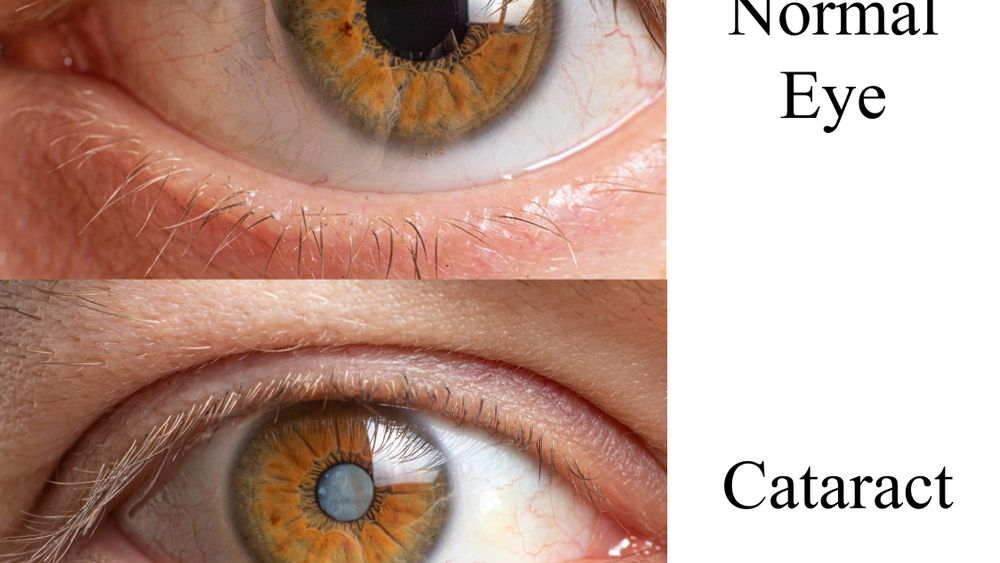
Comparison of a healthy human eye and an eye with a clouded lens cataract - to prevent cataracts

Can You Prevent Cataracts? Lifestyle Tips for Healthier Vision

June is Cataract Awareness Month—an important time to understand how to protect your sight as you age. In recognition of Cataract Awareness Month, let’s take a closer look at what cataracts are, why early detection matters, and how healthy lifestyle choices can support long-term eye health.

Cataracts are one of the most common causes of vision loss worldwide, especially among adults over 60. Although cataracts are often a natural part of aging, there are proactive steps you can take to protect your vision and possibly delay their development.

What Are Cataracts?

A cataract is a clouding of the eye’s natural lens, which lies behind the iris and the pupil. As cataracts develop, they block light from passing clearly through the lens, making your vision appear blurry, foggy, or dim. Cataracts can form in one or both eyes and typically progress slowly over time.

Common symptoms of cataracts include:

  • Blurred or cloudy vision
  • Glare and halos around lights, especially at night
  • Faded colors
  • Frequent changes in eyeglass prescriptions
  • Difficulty seeing in low light

Can Cataracts Be Prevented?

While not all cataracts can be prevented—especially those related to aging—certain lifestyle habits may slow their development or reduce your risk. Here’s how:

Protect Your Eyes from UV Rays

  • Long-term exposure to ultraviolet (UV) light is a known risk factor for cataracts.
  • Tip: Always wear sunglasses with 100% UVA and UVB protection, even on cloudy days.

Quit Smoking

  • Smoking increases oxidative stress on the lens of the eye and significantly raises the risk of developing cataracts earlier.
  • Tip: If you smoke, talk to your doctor about quitting strategies and support.

Eat a Diet Rich in Antioxidants

  • Nutrients like vitamins C and E, lutein, and zeaxanthin may support eye health and slow the progression of cataracts.
  • Tip: Include colorful fruits and vegetables, leafy greens, and omega-3 fatty acids in your daily meals.

Manage Health Conditions Like Diabetes

  • Uncontrolled diabetes can accelerate cataract development.
  • Tip: Maintain healthy blood sugar levels through regular checkups, medication, and lifestyle changes.

Limit Alcohol Intake

  • Excessive alcohol consumption may increase the risk of cataracts.
  • Tip: Stick to moderate or occasional drinking when possible.

Why Early Detection and Treatment Matter

If left untreated, cataracts can significantly impair your vision and limit your ability to drive, read, or live independently. Fortunately, cataracts are treatable with safe and highly effective outpatient surgery, which replaces the clouded lens with a clear artificial one.

The key is catching them early—which is why regular, comprehensive eye exams are essential, especially after age 60. During your exam the doctors at Bissell Eye Care can detect early signs of cataracts and monitor their progression over time. Early diagnosis allows for timely treatment and better outcomes.

Your Vision Deserves Attention

Take steps to protect your eyes and encourage loved ones to do the same. Schedule your annual eye exam, wear your UV-protective sunglasses, eat for eye health, and talk to the doctors at Bissell Eye Care about any changes in your vision.

Cataracts may be common, but vision loss doesn’t have to be. With smart lifestyle choices and regular eye care, you can stay focused on what matters most—seeing clearly and living fully. Call 724-443-6767 or 724-226-0444 today to schedule your comprehensive eye exam.


About Bissell Eye Care: John D. Bissell, OD owns and operates Bissell Eye Care servicing Northern Pittsburgh and Alle-Kiski Valley regions. With two locations to treat patients, we offer evening appointments. Bissell Eye Care provides comprehensive eye examinations for the entire family beginning as early as 6 months, ocular disease detection and treatment, eyeglasses, sunglasses, activewear, contact lenses, and low vision examinations for those with significant vision loss. We accept most types of vision and health insurance plans. For more information, visit bisselleyecare.com or call our Bakerstown Office at 724-443-6767 or Natrona Heights office at 724-226-0444.

pink glasses with attached black rings that are ioptic telescopic glasses

Is it Time for Bioptic Telescopic Glasses? What You Should Know.

For individuals living with low vision due to macular degeneration, Stargardt disease, diabetic retinopathy, or other eye conditions, everyday tasks like reading street signs, watching television, or recognizing faces can become difficult—even with regular glasses. If you’ve been told “nothing more can be done,” it may be time to explore a powerful tool in the world of low vision care: bioptic telescopic glasses.

What Are Bioptic Telescopic Glasses?

Bioptic telescopic glasses are a specialized type of eyewear that combines a prescription lens with miniature telescopes mounted toward the top portion of the lens. These miniature telescopes act much like binoculars, allowing the wearer to focus on distant objects with greater clarity. Patients can look through the regular portion of the glasses for normal viewing and tilt their head slightly to engage the telescope for enhanced distance vision.

This “look down, look up” design provides a natural way for users to alternate between their regular view and the magnified view—offering functional vision support without overwhelming the eyes.

How Do They Help with Independence?

Bioptic telescopes are often used to improve vision for activities that require seeing detail at a distance—such as:

  • Driving (where legal): Recognizing street signs or traffic lights
  • Watching TV or live performances
  • Reading publications
  • Reading classroom whiteboards or presentations
  • Facial recognition in social settings
  • Navigating public spaces like airports, stores, or parking lots

For many individuals, these glasses offer a renewed sense of confidence and greater independence. With the ability to see more clearly at a distance, patients can participate more fully in daily life, travel more freely, and rely less on others for help.

Are You a Candidate?

Not everyone with low vision qualifies for bioptic telescopic glasses. The ideal candidate typically has stable vision loss, strong motivation, and the ability to learn how to use the devices properly. A thorough low vision evaluation is essential to determine candidacy.

Why Choose a Doctor Trained by IALVS?

Dr. Bissell who is specially trained by the International Academy of Low Vision Specialists (IALVS), brings advanced expertise to the table. IALVS doctors are dedicated to helping individuals with vision loss regain usable sight through customized solutions, including bioptic telescopes, E-Scoop glasses, magnification systems, and more.

IALVS-trained doctors don’t just prescribe glasses—they evaluate your lifestyle, visual goals, and functional challenges to create a personalized plan. Their focus is on helping you maintain as much independence and quality of life as possible.

Final Thoughts

If you or a loved one struggles with vision loss that isn’t corrected by regular glasses, it may be time to explore bioptic telescopic glasses. These specialized tools have helped thousands of individuals live more independently, pursue hobbies, and—in some cases—legally drive again.

Don’t give up on your vision. Schedule a consultation with Dr. Bissell, a low vision specialist trained by IALVS and see what’s possible. Call 724-443-6767 or 724-226-0444 today to learn more about low vision services.


About Bissell Eye Care: John D. Bissell, OD owns and operates Bissell Eye Care servicing Northern Pittsburgh and Alle-Kiski Valley regions. With two locations to treat patients, we offer evening appointments. Bissell Eye Care provides comprehensive eye examinations for the entire family beginning as early as 6 months, ocular disease detection and treatment, eyeglasses, sunglasses, activewear, contact lenses, and low vision examinations for those with significant vision loss. We accept most types of vision and health insurance plans. For more information, visit bisselleyecare.com or call our Bakerstown Office at 724-443-6767 or Natrona Heights office at 724-226-0444.

senior couple sitting arm in arm in front of a body of water representing summer with low vision

Summer with Low Vision: Travel Smart, Stay Safe in the Sun & Keep Moving

Do you have summer vacation plans coming up? Summer is right around the corner and with it comes the chance to get outside, visit new places, and spend quality time with family and friends. If you’re living with low vision, you might face some extra hurdles, but that doesn’t mean you have to sit this season out. With the right tools and expert support, you can enjoy an active, independent summer.

Dr. Bissell has undergone additional training through the International Academy of Low Vision Specialists (IALVS). This elite group of optometrists is specially trained to assess, fit, and adjust low vision aids. Low vision patients who work with Dr. Bissell can receive low vision support that can help you get ready to make the most of your travel adventures.

Smart Travel Tips for People with Low Vision

Planning a vacation, family visit, or day trip? Vision loss doesn’t have to slow you down. We can help you travel with more confidence by recommending portable, low vision-friendly tools like E-Scoop® eyewear, digital magnifiers, telescopic glasses, or custom reading aids that make navigating unfamiliar spaces much easier.

Travel Tips for those with Low Vision:

  • Organize travel documents in large print or digital format
  • Look up hotel and transportation accessibility in advance
  • Notify airlines or bus services ahead of time if you need extra assistance

If vision challenges have made travel feel overwhelming, we’re here to help restore your confidence and independence.

Sun Protection That Works for Low Vision

Bright summer days can be tough on the eyes—especially if you have low vision—but UV protection is essential for everyone, regardless of vision status. The sun’s ultraviolet (UV) rays can cause both short-term discomfort and long-term damage to your eyes, increasing the risk of cataracts, macular degeneration, and other vision problems over time.

For individuals with low vision, the brightness and glare of summer light can make it even harder to see clearly outdoors. Dr. Bissell’s low vision services offer custom-tinted eyewear designed to reduce glare, enhance contrast, and protect sensitive eyes from harmful UV exposure. Larger lenses or wraparound styles also provide added protection by blocking light from multiple angles.

Should You Wear UV Protection if You Don’t Have Low Vision?

But even if you don’t have vision loss, UV protection should still be part of your everyday eye care routine. We recommend that all patients:

  • Wear sunglasses with 100% UVA and UVB protection—even on cloudy days
  • Use wide-brimmed hats to reduce direct sun exposure
  • Seek shade during peak sunlight hours (10 a.m. to 4 p.m.)
  • Schedule regular eye exams to monitor eye health and early signs of UV-related damage

The doctors at Bissell Eye Care can help you select the right sun protection—whether you’re looking for everyday sunglasses, custom low vision lenses, or specialty outdoor eyewear. With the right protection, you can stay comfortable, preserve your long-term vision, and make the most of your summer.

To learn more about vision services at Bissell Eye Care, call our office at 724-443-6767 or 724-226-0444.


About Bissell Eye Care: John D. Bissell, OD owns and operates Bissell Eye Care servicing Northern Pittsburgh and Alle-Kiski Valley regions. With two locations to treat patients, we offer evening appointments. Bissell Eye Care provides comprehensive eye examinations for the entire family beginning as early as 6 months, ocular disease detection and treatment, eyeglasses, sunglasses, activewear, contact lenses, and low vision examinations for those with significant vision loss. We accept most types of vision and health insurance plans. For more information, visit bisselleyecare.com or call our Bakerstown Office at 724-443-6767 or Natrona Heights office at 724-226-0444.

senior individual in blue shirt preparing to put on a pair of e-scoop eyewear glasses

Regaining Independence with E-Scoop Eyewear: A Game-Changer for Those with Low Vision

For individuals living with low vision, everyday tasks like reading a menu, watching TV, or recognizing faces can become daunting challenges. These struggles often lead to frustration, isolation, and a loss of independence. But there’s new hope for those seeking to reclaim their daily lives: E-Scoop® eyewear, a specialized solution designed to improve vision for people with macular degeneration and other low vision conditions.


What is E-Scoop® Eyewear?

E-Scoop glasses are uniquely designed to enhance distance vision by combining five optical elements:

  • Specific lens tint to reduce glare and enhance contrast
  • Custom lens thickness to shift the image to a healthier part of the retina
  • Magnification to make images appear larger
  • Base curve to improve light gathering
  • Prism to reposition the image away from the damaged central retina

The result? A sharper, clearer image that improves the wearer’s ability to see and interact with the world around them—often for the first time in years.

Why Specialized Training Matters

E-Scoop glasses are not available through a standard eye exam. Instead, they require precise customization by a doctor trained in low vision rehabilitation. Dr. Bissell has undergone additional training through the International Academy of Low Vision Specialists (IALVS). This elite group of optometrists is specially trained to assess, fit, and adjust low vision aids like E-Scoop glasses for maximum effectiveness.

This expertise ensures that each patient receives a thorough evaluation and a tailored solution that addresses their unique visual challenges—something traditional eyeglasses or even surgery cannot always offer.

The Value of Independence

One of the greatest challenges for individuals with low vision is the gradual erosion of independence. Driving, reading, cooking, shopping, or even watching loved ones’ expressions can become difficult or impossible. E-Scoop eyewear helps bridge that gap. By enhancing visual function, these glasses enable wearers to return to many of the activities they once enjoyed.

Whether it’s navigating the grocery store without assistance or being able to recognize road signs again, the difference E-Scoop glasses make is not just about seeing better—it’s about living better.

A Personalized Approach to Hope

If you or a loved one is living with low vision and has been told “nothing more can be done,” E-Scoop eyewear may offer a new path forward. Schedule a consultation with Dr. Bissell to find out if you’re a candidate for this life-enhancing technology.

Independence is possible. E-Scoop eyewear can help bring your world back into focus. To learn more about low vision services, call our office at 724-443-6767 or 724-226-0444.


About Bissell Eye Care: John D. Bissell, OD owns and operates Bissell Eye Care servicing Northern Pittsburgh and Alle-Kiski Valley regions. With two locations to treat patients, we offer evening appointments. Bissell Eye Care provides comprehensive eye examinations for the entire family beginning as early as 6 months, ocular disease detection and treatment, eyeglasses, sunglasses, activewear, contact lenses, and low vision examinations for those with significant vision loss. We accept most types of vision and health insurance plans. For more information, visit bisselleyecare.com or call our Bakerstown Office at 724-443-6767 or Natrona Heights office at 724-226-0444.