
A group of young children in Halloween costumes on a front porch, representing how to protect your vision this Halloween

Spooky Season Safety: How to Protect Your Vision This Halloween

Halloween is a time for fun costumes, creative decorations, and plenty of spooky adventures. But while you’re planning your costume and gearing up for trick-or-treating, it’s important to remember that certain elements of Halloween fun can pose risks to your vision. The doctors at Bissell Eye Care want to help you enjoy the holiday while staying safe. Let’s talk about how to protect your eyes from costume-related hazards, including masks, trip hazards, and non-prescription decorative contacts.

Masks and Obstructed Vision

Wearing a mask is a quick way to transform into your favorite spooky character, but some masks can block your field of vision, making it difficult to see clearly. This is especially dangerous when walking in dimly lit areas or navigating stairs and uneven surfaces.

  • Opt for face paint or makeup rather than full-face masks to maintain clear vision.
  • If a mask is essential for your costume, make sure the eye holes are large enough for an unobstructed view.
  • Avoid wearing masks while walking long distances or in unfamiliar areas.

Trip Hazards in Dark Costumes

Black capes, long dresses, and flowing fabrics are common for Halloween costumes, but they can also become trip hazards, especially in low light. The combination of dark streets, reduced visibility, and flowing costumes can lead to accidents that harm not just your body but your eyes as well.

  • Hem long costumes to avoid tripping.
  • Carry a flashlight or use reflective tape on your costume for better visibility.
  • Make sure shoes are secure and comfortable for walking.

Decorative Contacts: The Hidden Danger

Decorative or “cosmetic” contact lenses can be a fun way to enhance your Halloween look, but using non-prescription lenses is dangerous. Non-prescription lenses may not fit properly, leading to corneal abrasions, infections, and even vision loss.

  • Only purchase decorative lenses from reputable sources with a prescription.
  • Never share contact lenses with others.
  • Always follow proper contact lens hygiene: clean your lenses, store them correctly, and never wear them for longer than directed.

Glow Sticks

Glow sticks offer several key benefits for safety on Halloween, especially when trick-or-treating in low-light conditions. Here’s why they are a smart choice:

  • Increased Visibility – Glow sticks emit a bright, noticeable light that helps make you more visible to drivers and others in the dark. This is especially important for children walking along streets, as they may be harder to spot in dimly lit areas.
  • No Need for Batteries – Unlike flashlights, glow sticks don’t require batteries, so you don’t have to worry about them losing power during the night. Once activated, they provide several hours of continuous light.
  • Hands-Free Safety -Glow sticks are lightweight and can easily be worn as necklaces, bracelets, or attached to costumes, leaving hands free for holding bags, candy, or guiding younger children.
  • Non-Heat Emitting – Since glow sticks don’t generate heat, they are safer to carry around, particularly for children, as there’s no risk of burns or fires compared to candles or open flames.
  • Cost-Effective – Glow sticks are inexpensive, making them an affordable safety option for Halloween, especially if you need multiple lights for a group.

General Safety Tips for Halloween

In addition to costume-related hazards, keep these general eye safety tips in mind:

  • Beware of sharp costume props like wands or swords that could accidentally poke someone in the eye.
  • Use hypoallergenic makeup and avoid applying it too close to your eyes. Be sure to remove it before bed to prevent irritation or infection.

Halloween is a time to get creative and enjoy some spooky fun, but it’s important to keep your safety and vision a top priority. By using glow sticks, trick-or-treaters and party-goers can enhance their safety in a fun, colorful way while staying visible in the dark. The staff at Bissell Eye Care wish you a safe and frightfully fun Halloween night.


About Bissell Eye Care: John D. Bissell, OD owns and operates Bissell Eye Care servicing Northern Pittsburgh and Alle-Kiski Valley regions. With two locations to treat patients, we offer evening appointments. Bissell Eye Care provides comprehensive eye examinations for the entire family beginning as early as 6 months, ocular disease detection and treatment, eyeglasses, sunglasses, activewear, contact lenses, and low vision examinations for those with significant vision loss. We accept most types of vision and health insurance plans. For more information, visit bisselleyecare.com or call our Bakerstown Office at 724-443-6767 or Natrona Heights office at 724-226-0444.
Man in plaid shirt working on lawn mower in garage, representing eye injury prevention safety around the home

October is Eye Injury Prevention Month: Protect Your Vision at Home and Work

Eye injuries can happen when you least expect them. Many people think that eye injuries occur primarily in high-risk workplaces like factories or construction sites, but in reality, most eye injuries happen right at home. October is Eye Injury Prevention Month, and it’s the perfect time to raise awareness about how to protect your vision during everyday activities. According to the Discovery Eye Foundation, more than 1 million people suffer an eye injury each year in the U.S., and most of these injuries could have been avoided simply by wearing proper protective eyewear.

Eye injuries at home are more common than you think. It may surprise you to learn that nearly half of all eye injuries occur in the home, often during routine activities like yardwork, home repairs, cleaning, and cooking. A study conducted by the American Academy of Ophthalmology (AAO) and the American Society of Ocular Trauma, states that home-based activities account for over 40% of eye injuries. Everyday tasks like mowing the lawn, trimming shrubs, cleaning gutters, and using household chemicals can create hazardous situations for your eyes.

Some common causes of eye injuries at home include:

  • Flying debris from yardwork, such as grass, twigs, or small rocks thrown by lawnmowers or power trimmers.
  • Chemical splashes from cleaning solutions, pesticides, or pool chemicals, which can burn and permanently damage your eyes.
  • Sharp tools used for home repairs or crafts that can cause serious injuries if not handled carefully.

According to the American Academy of Ophthalmology, “Each year an estimated 2 million eye injuries occur in the United States. Using protective eyewear can prevent 90% of all eye injuries. Unfortunately, despite these risks, only three out of ten people wear protective eyewear during these tasks, leaving the majority vulnerable to preventable eye injuries. Accidents involving common household products cause 125,000 eye injuries each year. More than 18,500 people injure their eyes at work every year.”

While home-based injuries are common, eye injuries can also happen in the workplace, especially for independent contractors or small business owners who may not always have the same access to safety gear as employees at larger companies. Many workers, especially those who perform side jobs or contract work, underestimate the risks of working without eye protection.

Whether you’re handling power tools for construction, working with chemicals in a manufacturing environment, or are performing repairs or maintenance tasks, the risk of an eye injury is real. Eye injuries at work can lead to significant time off, loss of wages, and even permanent vision loss, which could impact your career. The simple act of wearing protective eyewear can make all the difference.

Some of the most frequent types of eye injuries include:

  • Corneal abrasions: These occur when small particles like dust, dirt, or wood chips scratch the surface of the eye, causing pain, redness, and sensitivity to light.
  • Chemical burns: These happen when cleaning solutions or other hazardous substances splash into the eyes, leading to irritation, pain, and possible permanent damage.
  • Blunt trauma: Impact injuries, often caused by flying debris or tools, can result in bruising, retinal detachment, or even vision loss.

There are several types of safety glasses to consider depending on the task at hand:

  • Safety glasses look like regular eyeglasses but are made with impact-resistant lenses. They often have side shields for added protection and are ideal for tasks that could produce flying debris, like yardwork or repairs.
  • Safety Goggles provide a tight seal around the eyes, protecting them from dust, chemicals, and other fine particles. They are best for activities that involve exposure to chemicals, such as cleaning or painting.
  • Face shields cover the entire face and are used in combination with safety glasses or goggles. They provide extra protection from larger projectiles or hazardous splashes, commonly used in industrial work or welding.
  • Many eye injuries occur during recreational activities. Sports eyewear, such as polycarbonate goggles or face shields, can prevent injuries during high-risk sports like basketball, racquetball, or hockey.

Home Safety Tips

  • Before mowing or trimming, inspect your yard for rocks or debris that could become dangerous projectiles.
  • When working with chemicals, read product labels carefully, and avoid mixing chemicals that could create hazardous reactions. Always work in well-ventilated areas and point nozzles away from your face.
  • Wear protective eyewear when handling any task that could expose your eyes to sharp objects, chemicals, or flying debris.
  • Keep a first aid kit and eyewash station handy in case of accidental splashes or injuries.
  • Don’t Forget UV Protection

While October is focused on injury prevention, it’s important to remember that long-term protection against harmful UV radiation is also crucial for eye health. Wearing UV-blocking sunglasses outdoors can prevent cumulative damage that leads to cataracts or macular degeneration. Many insurance plans even cover prescription sunglasses, so it’s worth looking into as part of your eye care routine.

At Bissell Eye Care, we offer a variety of safety and sports eyewear to help protect your eyes, whether you’re at home, at work, or enjoying recreational activities. Both our Bakerstown and Natrona Heights locations carry ANSI-approved protective glasses that can significantly reduce your risk of eye injury. Investing in a quality pair of safety glasses today could save your vision tomorrow. If you have any questions about protective eyewear or want to schedule an eye exam, contact us today at 724-443-6767 or 724-226-0444.


About Bissell Eye Care: John D. Bissell, OD owns and operates Bissell Eye Care servicing Northern Pittsburgh and Alle-Kiski Valley regions. With two locations to treat patients, we offer evening appointments. Bissell Eye Care provides comprehensive eye examinations for the entire family beginning as early as 6 months, ocular disease detection and treatment, eyeglasses, sunglasses, activewear, contact lenses, and low vision examinations for those with significant vision loss. We accept most types of vision and health insurance plans. For more information, visit bisselleyecare.com or call our Bakerstown Office at 724-443-6767 or Natrona Heights office at 724-226-0444.
night time traffic on a highway with blurred tail gate lights from poor vision - safe night driving

Navigating Night Driving: A Guide for Older Adults as Fall Approaches

It’s hard to believe another season is fast approaching. As the days grow shorter and nights longer with the arrival of fall, many older adults find themselves facing the challenge of driving in the dark more frequently. Night driving can be daunting, especially for those who experience age-related vision changes. When you are driving at night, depth perception, color recognition and peripheral vision can be compromised in the dark, and the glare of headlights from an oncoming vehicle can temporarily blind a driver. These are some common issues all drivers face, but in particular older adults are more challenged due to vision changes.

Understanding Age-Related Vision Changes

According to the American Optometric Association, “If you are 60 or older, driving a car may be increasingly difficult. Age-related vision changes and eye diseases can negatively affect your driving abilities, even before you are aware of symptoms. Some age-related vision changes that commonly affect seniors’ driving are:

  • Not being able to see road signs as clearly.
  • Difficulty seeing objects up close, like the car instrument panel or road maps.
  • Difficulty judging distances and speed.
  • Changes in color perception.
  • Problems seeing in low light or at night.
  • Difficulty adapting to bright sunlight or glare from headlights.
  • Experiencing a loss of side vision.

What Changes In Our Eyesight

As we age, our eyes undergo several changes that can affect our ability to see well at night.

  • Reduced Pupil Size: The pupils become smaller and less responsive to changes in light, making it harder to see in low-light conditions.
  • Decreased Night Vision: The rods in our eyes, which are responsible for seeing in dim light, become less effective with age.
  • Increased Sensitivity to Glare: Older adults often experience more difficulty with glare from oncoming headlights, streetlights, and reflective surfaces.
  • Cataracts: The development of cataracts can cause vision to become cloudy or blurry, making night driving particularly challenging.

Tips for Safe Night Driving

While these changes are a natural part of aging, there are several strategies older adults can take to improve their night driving experience:

  • Schedule Regular Eye Exams – Regular comprehensive eye exams are important for monitoring changes in vision and updating prescriptions. Ensure that your eyewear is optimized for night driving, and ask the doctors at Bissell Eye Care about anti-reflective coatings to reduce glare.
  • Use Proper Lighting – Ensure that your vehicle’s headlights are clean and properly aligned. Consider upgrading to high-intensity discharge (HID) or LED headlights for better illumination. Inside the car, keep the dashboard lights dim to reduce glare.
  • Minimize Glare – Avoid looking directly at oncoming headlights and use the road’s right edge as a guide. Wearing polarized sunglasses during the day can help reduce overall light sensitivity at night.
  • Take It Slow – Reducing speed can help compensate for decreased visibility and reaction time. This gives you more time to spot and react to potential hazards on the road.
  • Avoid Driving After Dark – Whenever possible, try to schedule outings during daylight hours. If you must drive at night, plan your route in advance and choose well-lit roads.
  • Keep Your Windshield Clean – A clean windshield can significantly reduce glare and improve visibility. Make it a habit to clean your windshield inside and out regularly.
  • Consider Vision Aids – Special lenses designed for night driving, often referred to as “night driving glasses,” may help. These typically have a yellow tint and anti-glare coating, but it’s essential to consult with your optometrist to see if they’re suitable for you.
  • Stay Alert – Fatigue can further impair night vision. Make sure you’re well-rested before driving at night and take breaks if you’re driving for an extended period.

If you are unsure of where to find a free ride, PennDOT developed an online tool called Find My Ride that allows older drivers to access free ride services online. This free transportation program allows citizens aged 65 or older to ride for free on a local, fixed-route service whenever local public transportation is operating. During FY 2022-23, there were more than 2.2 million Senior Shared Rides.  To learn more, visit: findmyride.penndot.pa.gov.

If you find that night driving is becoming increasingly difficult or unsafe, it may be time to consult with the doctors at Bissell Eye Care. In some cases, underlying conditions like cataracts or macular degeneration could be contributing to the issue. Our doctors can provide tailored advice, recommend vision aids, or suggest medical interventions if necessary. Night driving doesn’t have to be a daunting task as you age. By understanding the changes in your vision and taking proactive steps to address them, you can maintain your independence and continue to drive safely. For questions or concerns regarding night driving or other eye conditions, contact the doctors at Bissell Eye Care at 724-443-6767 or 724-226-0444.


About Bissell Eye Care: John D. Bissell, OD owns and operates Bissell Eye Care servicing Northern Pittsburgh and Alle-Kiski Valley regions. With two locations to treat patients, we offer evening appointments. Bissell Eye Care provides comprehensive eye examinations for the entire family beginning as early as 6 months, ocular disease detection and treatment, eyeglasses, sunglasses, activewear, contact lenses, and low vision examinations for those with significant vision loss. We accept most types of vision and health insurance plans. For more information, visit bisselleyecare.com or call our Bakerstown Office at 724-443-6767 or Natrona Heights office at 724-226-0444.
Senior couple walking hand in hand, gleaming at each other with eye glasses on, in the outdoors with big trees in the backgroundWays to Prevent Vision Loss

Healthy Aging and Your Eyesight: A Guide to Preserving You Vision

As we age, our bodies undergo various changes, and our eyes are no exception. According to the National Eye Institute, with the aging population, vision loss from eye disease is becoming a major public health concern. More than 40 million people are age 65 or older, and that number is expected to grow to more than 88 million by 2050. Maintaining good eye health is the key to maintaining our quality of life and independence. Understanding common eye diseases that affect older adults and taking proactive steps to care for your eyes today can lead to a brighter, clearer future.

Common Eye Diseases in Older Adults

Aging increases the risk of several eye conditions. Awareness of these diseases and scheduling comprehensive eye exams with the doctors at Bissell Eye Care can help in early detection and management.

  • Cataracts occur when the lens of the eye becomes cloudy, leading to blurred vision, glare, and difficulty seeing at night. This condition is extremely common in older adults and can significantly impair daily activities. Fortunately, cataract surgery is a safe and effective treatment that can restore vision.
  • Glaucoma – Known as the “silent thief of sight,” glaucoma is a group of eye conditions that damage the optic nerve, often due to high eye pressure. It develops gradually and can lead to irreversible vision loss if not detected early. Regular comprehensive eye exams are essential for monitoring eye pressure and catching glaucoma in its early stages.
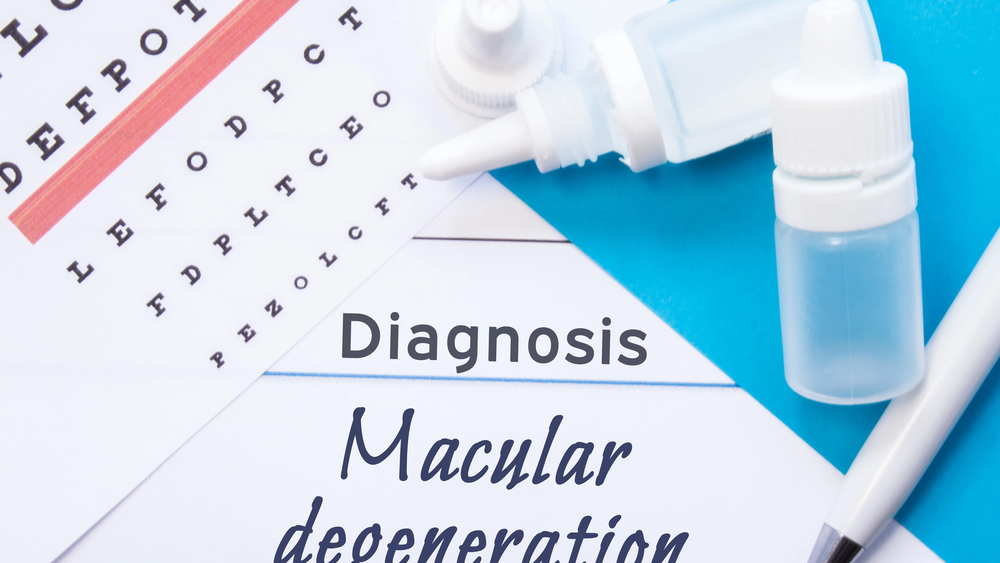
  • Age-Related Macular Degeneration (AMD) AMD affects the macula, the part of the retina responsible for central vision. This condition can cause blurred or distorted vision and is a leading cause of vision loss in older adults. While there is no cure, treatments such as lifestyle changes, nutritional supplements, and medical interventions can slow its progression.
  • Diabetic Retinopathy Diabetes can lead to diabetic retinopathy, a condition where high blood sugar levels damage the blood vessels in the retina. This can result in vision loss if left untreated. Managing blood sugar levels and regular eye check-ups are key to preventing or managing this condition.
  • Dry Eye Syndrome As we age, our eyes produce fewer tears, leading to dry eye syndrome. This condition can cause discomfort, redness, and blurred vision. Over-the-counter eye drops, prescription medications, and lifestyle adjustments can help alleviate symptoms.

Ways to Prevent Vision Loss

Healthy aging starts with the choices you make today. Here are some steps you can take to protect your eyes and maintain good vision as you age:

  • Schedule regular comprehensive eye exams which vital for detecting eye diseases in their early stages when they are most treatable. Even if you don’t have vision problems, seeing an optometrist annually can help catch potential issues before they become serious.
  • A healthy diet rich in fruits, vegetables, and omega-3 fatty acids can support eye health. Foods like leafy greens, carrots, fish, and nuts provide essential nutrients such as vitamins C and E, zinc, and lutein, which are important for eye health.
  • Managing chronic health conditions like diabetes and hypertension can have a significant impact on your eyesight. These conditions which are managed through medication, diet, and regular check-ups can reduce the risk of eye-related complications.
  • Quit smoking as it is a major risk factor for your overall health as well as several eye diseases, including cataracts and AMD.
  • Protect Your Eyes from UV radiation from the sun which can damage your eyes over time. Wearing sunglasses with UV protection and a wide-brimmed hat can shield your eyes from harmful rays.
  • Stay physically active by participating in regular exercise that improves circulation, which is beneficial for your eyes and helps lower the risk of conditions like diabetes and high blood pressure.
  • Quality sleep is essential for overall health, including your eyes. Resting your eyes during sleep allows them to recover and stay healthy.

Your eyes are your windows to the world and the pathway to maintaining your independence. By understanding common eye diseases and adopting healthy habits today, you can preserve your vision and enjoy a high quality of life well into your later years. Regular comprehensive eye exams, a healthy diet, and a proactive approach to managing your health are key to keeping your eyes sharp and your outlook bright. Don’t delay call our office at 724-443-6767 or 724-226-0444 to schedule your appointment today!


About Bissell Eye Care: John D. Bissell, OD owns and operates Bissell Eye Care servicing Northern Pittsburgh and Alle-Kiski Valley regions. With two locations to treat patients, we offer evening appointments. Bissell Eye Care provides comprehensive eye examinations for the entire family beginning as early as 6 months, ocular disease detection and treatment, eyeglasses, sunglasses, activewear, contact lenses, and low vision examinations for those with significant vision loss. We accept most types of vision and health insurance plans. For more information, visit bisselleyecare.com or call our Bakerstown Office at 724-443-6767 or Natrona Heights office at 724-226-0444.
Family gatherings and socializing on the beach at sunset. The family walks along the sandy beach. Contact Lens safety near water

Contact Lens Care in the Heat: Best Practices for Summer Activities

Summer is the season of outdoor fun. Days are filled with beach days, pool parties, hikes, and sports in the sun. It’s a time when we all want to be outside, soaking up the warm weather and enjoying every moment of the longer days. However, while these activities are refreshing for the soul, they can present unique challenges for those who wear contact lenses. The combination of hot weather, increased exposure to the elements, and heightened levels of physical activity can sometimes lead to discomfort, dryness, and even potential risks for your eyes if your lenses aren’t properly cared for.

Sweat, sunscreen, and sand can all make their way into your eyes, causing irritation and making it difficult for your lenses to stay clean. Moreover, the sun’s strong UV rays and exposure to chlorinated or salt water can further complicate things, potentially leading to dry or irritated eyes. Therefore, understanding how to properly care for your contact lenses during these months is essential—not only for comfort but also for maintaining your eye health and preventing infections. By following a few simple guidelines, you can ensure that your eyes stay healthy and your vision remains clear, allowing you to fully enjoy all that summer has to offer.

Here are some key tips to help you navigate the summer heat with ease and confidence while wearing your contact lenses.

1. Hydration is Key

The summer heat can lead to dehydration, which affects your entire body, including your eyes. Dehydrated eyes can become dry, making contact lenses uncomfortable to wear. Ensure you stay hydrated by drinking plenty of water throughout the day. Consider using rewetting drops approved for contact lens use to keep your lenses moist and comfortable.

2. Wear Sunglasses to Protect Your Eyes

Exposure to UV rays is harmful to your eyes, and contact lenses alone don’t provide full protection. Wearing sunglasses with 100% UV protection is important, especially during the summer. Look for wraparound styles that offer more coverage. These types of sunglasses shield your eyes from the sides as well as the front. This not only protects your eyes but also helps prevent your contact lenses from drying out.

3. Be Cautious with Water Activities

Swimming in pools, lakes, or the ocean with contact lenses can be risky. Water can introduce harmful bacteria and pathogens that may lead to serious eye infections. If you plan to swim, it’s best to wear daily disposable lenses and discard them immediately after swimming. Better yet, consider wearing prescription swim goggles to protect your eyes while ensuring clear vision.

4. Practice Good Hygiene on the Go

Summer often means travel, whether for a weekend getaway or a longer vacation. When you’re on the go, maintaining proper hygiene with your contact lenses is essential. Always wash your hands with soap and water before handling your lenses, and never use water to clean them. Carry travel-sized contact lens solution and a clean case to store your lenses. If you’re flying, remember to pack your contact lens supplies in your carry-on bag in case of delays.

5. Manage Allergies Proactively

Summer can be a challenging time for those with allergies, as pollen and other allergens are prevalent. Allergens can adhere to your contact lenses, causing discomfort and irritation. Consider using daily disposable lenses during allergy season to reduce allergen buildup. Additionally, wearing sunglasses outdoors can help shield your eyes from airborne allergens.

6. Avoid Direct Sunlight Exposure

Direct exposure to intense sunlight can dry out your contact lenses and make your eyes feel uncomfortable. If you’re spending extended periods outdoors, take breaks in the shade and use lubricating eye drops as needed. Wearing a wide-brimmed hat can also help reduce direct sunlight on your face and eyes, keeping you cooler and more comfortable.

7. Don’t Forget Your Spare Glasses

Accidents happen, and it’s always a good idea to have a backup plan. Carrying a pair of prescription glasses with you can be a lifesaver if you need to remove your contact lenses unexpectedly. Whether your lenses become uncomfortable, you lose one, or you’re simply giving your eyes a break, having glasses on hand ensures you’re never without clear vision.

Summer activities can be enjoyed to the fullest when you take the necessary steps to care for your contact lenses in the heat. By staying hydrated, protecting your eyes from UV rays, and practicing good lens hygiene, you can keep your eyes healthy and comfortable all season long.

For questions or concerns regarding contact lens care please contact our office at 724-443-6767 or 724-226-0444.


About Bissell Eye Care: John D. Bissell, OD owns and operates Bissell Eye Care servicing Northern Pittsburgh and Alle-Kiski Valley regions. With two locations to treat patients, we offer evening appointments. Bissell Eye Care provides comprehensive eye examinations for the entire family beginning as early as 6 months, ocular disease detection and treatment, eyeglasses, sunglasses, activewear, contact lenses, and low vision examinations for those with significant vision loss. We accept most types of vision and health insurance plans. For more information, visit bisselleyecare.com or call our Bakerstown Office at 724-443-6767 or Natrona Heights office at 724-226-0444.

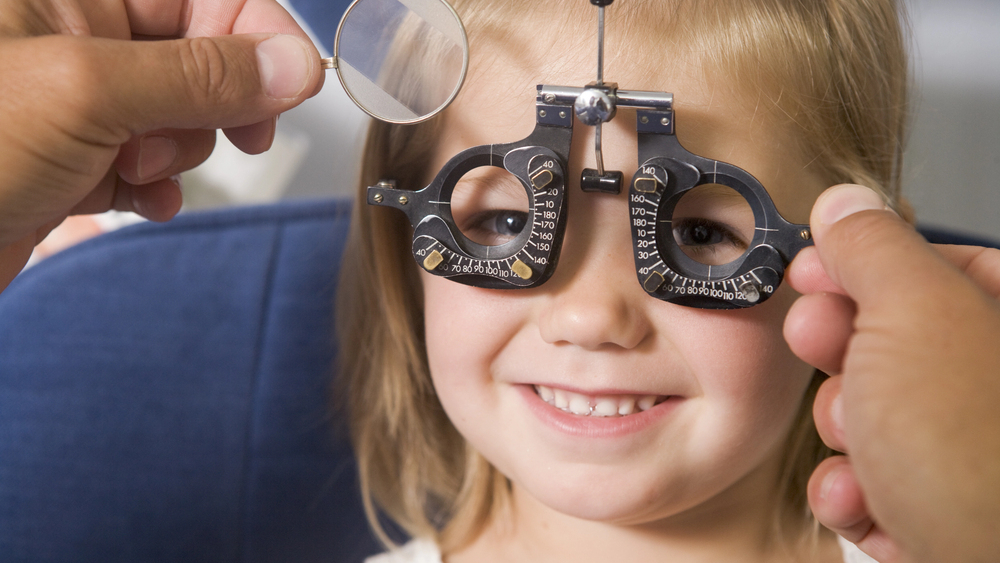
young childs in eye exam room geting fitted for contacts and glasses. Is my child ready for contacts.

Is My Child Ready for Contacts? A Parent’s Guide to Making the Decision

As children grow, their needs and preferences evolve—sometimes in surprising ways. The request for contact lenses is one common milestone that often leaves parents wondering is now the right time. Whether it’s for sports, aesthetics, or simply the desire to ditch glasses, many kids eventually ask, “Can I get contacts?” But how do you know if your child is truly ready? Here are some tips to help you decide if contact lenses are the right choice for your child.

Understanding the Basics: What Are Contact Lenses?

Contact lenses are thin, curved discs that sit directly on the surface of the eye to correct vision. They can be used to correct the same issues that glasses address, such as nearsightedness, farsightedness, astigmatism, and even presbyopia. Contacts offer some unique benefits, especially for active children, as they provide a wider field of vision and don’t get in the way during physical activities.

Signs Your Child May Be Ready for Contacts

Every child is different, and readiness for contact lenses isn’t determined solely by age. Instead, it’s about a combination of factors, including responsibility, maturity, and lifestyle. Here are some signs that your child may be ready to make the switch:

1. Maturity and Responsibility

The most important factor in determining whether your child is ready for contacts is their level of responsibility. Wearing contacts requires daily care and hygiene. Your child needs to be able to follow instructions carefully, clean their lenses regularly, and handle them with clean hands to avoid eye infections. If your child reliably handles other responsibilities, such as homework and chores, they may be ready for the added responsibility of contact lenses.

2. Expressing a Strong Interest

If your child has been asking for contact lenses and seems genuinely motivated to wear them, this is a good sign. A child who is interested in contacts is more likely to be diligent about taking care of them. This interest might stem from wanting to participate in sports without the hassle of glasses, feeling more confident without glasses, or simply wanting a change.

3. Active Lifestyle

For children involved in sports or other physical activities, contact lenses can offer significant advantages. Contacts don’t fog up, fall off, or get in the way during activities. They also provide better peripheral vision, which can be beneficial in sports. If your child frequently complains about their glasses interfering with their activities, contacts might be a good solution.

4. Discomfort or Dissatisfaction with Glasses

Some children find glasses uncomfortable or dislike how they look in them. If your child frequently expresses discomfort or is unhappy with wearing glasses, contacts could be a suitable alternative. It’s important to have a conversation with your child about why they want contacts and ensure their reasons are based on comfort and practicality, not just peer pressure.

Considerations Before Making the Switch

While there are many benefits to contact lenses, they also come with certain responsibilities and risks. Here are some considerations to keep in mind:

1. Age and Eye Health

There isn’t a specific age at which children should start wearing contacts, but most eye care professionals recommend waiting until a child is at least 8 to 10 years old. At this age, children are typically mature enough to handle the responsibilities that come with contacts. Additionally, it’s essential to ensure your child’s eyes are healthy enough for contacts. An eye exam will help determine if contact lenses are a suitable option for your child.

2. Commitment to Hygiene

Proper hygiene is critical when wearing contacts. Children must be committed to washing their hands before touching their lenses, cleaning the lenses as instructed, and replacing them on schedule. Poor hygiene can lead to eye infections, which can be serious. If your child is prone to skipping steps in their daily routine, contacts may not be the best choice right now.

3. Understanding the Risks

Children (and parents) should be aware of the risks associated with contact lens wear. These include eye infections, irritation, and the potential for more severe eye conditions if lenses are not cared for properly. It’s important to discuss these risks with your child so they understand the importance of following the care instructions provided by their eye care professional.

4. Financial Considerations

Contacts can be more expensive than glasses due to the need for regular replacement lenses, cleaning solutions, and follow-up eye exams. Consider whether your family is prepared for the ongoing costs associated with contact lenses.

Determining whether your child is ready for contact lenses is a personal decision that depends on your child’s maturity, responsibility level, and lifestyle needs. If your child is motivated, responsible, and ready to take on the extra care that contacts require, they could be an excellent option. However, if you’re unsure, it’s always a good idea to discuss the pros and cons with the doctors at Bissell Eye Care, who can help guide you through the decision-making process. Ultimately, the goal is to ensure your child’s vision is clear, comfortable, and well cared for—whether that’s with glasses, contacts, or a combination of both.

Give our office a call at 724-443-6767 or 724-226-0444 to explore various brands of contact lenses and answer any questions you may have.


About Bissell Eye Care: John D. Bissell, OD owns and operates Bissell Eye Care servicing Northern Pittsburgh and Alle-Kiski Valley regions. With two locations to treat patients, we offer evening appointments. Bissell Eye Care provides comprehensive eye examinations for the entire family beginning as early as 6 months, ocular disease detection and treatment, eyeglasses, sunglasses, activewear, contact lenses, and low vision examinations for those with significant vision loss. We accept most types of vision and health insurance plans. For more information, visit bisselleyecare.com or call our Bakerstown Office at 724-443-6767 or Natrona Heights office at 724-226-0444.

young woman lying on couch with coldpack over her eyes with migraines

Understanding Migraines and Their Impact on Eye Health

Migraines are more than just severe headaches. They can be debilitating episodes that affect various aspects of a person’s life, including their vision. Understanding the connection between migraines and eye care is crucial for managing both conditions effectively.

These intense, throbbing headaches are often accompanied by nausea, vomiting, and sensitivity to light and sound. They can last anywhere from a few hours to several days and can significantly impact daily activities. According to the World Health Organization, migraines are among the most disabling medical conditions globally.

The Connection Between Migraines and Vision

Migraines can have a profound impact on vision. Some common vision-related symptoms include:

  • Visual Aura is a common symptom experienced by about 25% of people with migraines. It usually occurs before the headache starts and lasts for about 20-60 minutes. Auras can include flashing lights, zigzag patterns, or blind spots.
    • Why It Happens: These visual disturbances are caused by changes in the brain’s electrical activity and blood flow, particularly in areas that process visual information.
  • Increased sensitivity to light, known as Photophobia, is a hallmark symptom of migraines. Bright lights can trigger or worsen migraine pain.
    • Why It Happens: Photophobia during migraines is believed to be due to overactivity in the brain areas that process light. The retina and optic nerve may also be more sensitive during a migraine attack.
  • Blurry vision can occur during or after a migraine attack, making it difficult to focus on objects.
    • Why It Happens: Blurry vision may result from the aura or as a side effect of the pain and stress associated with the migraine.
  • Some migraine sufferers report experiencing “Visual Snow,” which appears as tiny flickering dots or static in the visual field.
    • Why It Happens: This phenomenon is not fully understood but is thought to be related to abnormal visual processing in the brain during a migraine.

Eye Conditions That Can Mimic Migraines

Certain eye conditions can present with symptoms similar to migraines, making accurate diagnosis and treatment important. These include:

  • Ocular Migraine: Also known as retinal migraine, it involves repeated episodes of temporary vision loss or visual disturbances in one eye, typically followed by a headache.
  • Angle-Closure Glaucoma: This eye condition causes a rapid increase in eye pressure and can mimic migraine symptoms with sudden, severe eye pain, headache, and visual disturbances.

Regular eye exams are vital for individuals who experience migraines, as they can help rule out or manage eye-related issues. Comprehensive eye exams can detect eye conditions that may contribute to migraine symptoms, such as dry eye, refractive errors, or ocular misalignment. For those with photophobia, specially tinted glasses can help reduce light sensitivity and minimize migraine triggers. Adjusting screen brightness, using anti-glare screens, and taking regular breaks can help reduce eye strain and potentially decrease the frequency of migraines.

According to the Mayo Clinic lifestyle changes can help manage and reduce the frequency of migraines.

These lifestyle changes include:

  • Maintaining a Consistent Sleep Schedule: Irregular sleep patterns can trigger migraines.
  • Staying Hydrated: Dehydration is a common migraine trigger.
  • Managing Stress: Techniques like meditation, yoga, and regular exercise can help reduce stress levels.
  • Avoiding Known Triggers: Identifying and avoiding personal migraine triggers, such as certain foods, caffeine, or alcohol, can prevent attacks.

If you experience new or worsening visual symptoms during a migraine, it’s important to seek medical advice. Sudden vision changes, severe eye pain, or persistent visual disturbances should be evaluated promptly to rule out more serious conditions. Collaboration between eye care professionals at Bissell Eye Care and neurologists can provide a holistic approach to managing migraines and their visual symptoms.

Regular eye care is important to manage the visual disturbances associated with migraines. If you suffer from migraines, consider discussing your symptoms with the doctors at Bissell Eye Care and your healthcare provider to create a comprehensive management plan.


About Bissell Eye Care: John D. Bissell, OD owns and operates Bissell Eye Care servicing Northern Pittsburgh and Alle-Kiski Valley regions. With two locations to treat patients, we offer evening appointments. Bissell Eye Care provides comprehensive eye examinations for the entire family beginning as early as 6 months, ocular disease detection and treatment, eyeglasses, sunglasses, activewear, contact lenses, and low vision examinations for those with significant vision loss. We accept most types of vision and health insurance plans. For more information, visit bisselleyecare.com or call our Bakerstown Office at 724-443-6767 or Natrona Heights office at 724-226-0444.
branded image with Bissell logo of young child receiving a comprehensive eye exam

The Importance of Early Diagnosis Through Comprehensive Eye Exams

As parents, recognizing when your child feels unwell or needs medical attention often comes naturally. However, identifying vision problems can be more challenging, especially for younger children who might not realize they aren’t seeing as clearly as they should. Infants and toddlers may not have the verbal skills or awareness to communicate their visual experiences effectively.


The Invisible Struggle

Unlike adults, children lack a baseline to gauge their vision against. For them, the world is new and full of wonder, and they may not perceive that their view is blurred or distorted. As a parent, ensuring your child’s visual world is clear and vibrant is important, and this starts with scheduling routine eye exams. Early diagnosis of vision problems is essential because untreated eye issues can lead to permanent vision loss or developmental delays.

The American Optometric Association (AOA) suggests the following eye exam schedule for children:

  • First Exam: At 6 months old.
  • Second Exam: At 3 years old.
  • Third Exam: Before starting kindergarten, typically around ages 5-6.
  • Ongoing Exams: Every two years if no vision correction is needed; annually if corrective lenses are required.

These comprehensive exams go beyond the basic vision screenings often provided in preschools and elementary schools. While school screenings typically involve reading letters from an eye chart, they do not delve into the eye’s internal health or functional vision issues that can significantly impact a child’s development and learning.

Why Comprehensive Eye Exams Matter

Comprehensive eye exams are vital as they assess more than just how well a child can see an eye chart. They evaluate:

  • Eye teaming (binocularity) skills: How well the eyes work together.
  • Focusing skills: The ability to maintain clear vision at various distances.
  • Peripheral awareness: The ability to see objects outside of the direct line of sight.
  • Eye movement skills: The ability to track moving objects smoothly.
  • Eye/hand coordination: Critical for activities like writing and sports.

Identifying and correcting vision problems early can prevent more serious issues and support your child’s overall development. For instance, conditions like amblyopia (lazy eye) and strabismus (crossed eyes) can often be treated effectively if caught early.

Vision and Learning

Learning to read, and acquiring comprehension, requires well-tuned visual systems. As children grow, their vision plays a pivotal role in learning and interacting with the world.

Clear vision is essential for:
  • Reading and writing: Whether it’s seeing the whiteboard from the back of the class or reading a book, good vision is crucial for academic success.
  • Social interaction: Watching how others interact and respond is a big part of social learning.
  • Safety and independence: Navigating their environment safely and confidently relies on good vision.

Without the ability to see clearly, children may struggle in these areas, putting them at a disadvantage. A child with undiagnosed vision issues might not complain or express difficulty because blurry or unclear vision could be their normal.

As parents, our goal is to provide the best start for our children. This includes making sure they have the vision they need to succeed in all aspects of life. If a child’s vision is impaired, they might not experience pain or discomfort but will simply struggle to see clearly, impacting their ability to learn and interact. Don’t wait until problems arise—make eye exams a routine part of their healthcare.

With 4th of July over, families that are involved in school sports and band are gearing up for another school year. Practices will begin toward the end of the month and before you know it, school shopping will begin. Be sure to include a back to school eye exam on your to do list before your child goes back to the classroom. Give our offices a call – Bakerstown 724-443-6767 or Natrona Heights 724-226-0444 and schedule your back to school appointment today.


About Bissell Eye Care: John D. Bissell, OD owns and operates Bissell Eye Care servicing Northern Pittsburgh and Alle-Kiski Valley regions. With two locations to treat patients, we offer evening appointments. Bissell Eye Care provides comprehensive eye examinations for the entire family beginning as early as 6 months, ocular disease detection and treatment, eyeglasses, sunglasses, activewear, contact lenses, and low vision examinations for those with significant vision loss. We accept most types of vision and health insurance plans. For more information, visit bisselleyecare.com or call our Bakerstown Office at 724-443-6767 or Natrona Heights office at 724-226-0444.

Fireworks safety - American family celebrating Independence Day. Picnic and fireworks on 4th of July - children sitting on ground watching fireworks celebration in big blue sky.

Fireworks Safety and Backyard Celebrations

We are starting to see displays of fireworks in local retail stores. Families are beginning to plan for Fourth of July celebrations. While these shows bring joy and excitement, it’s important to remember that fireworks can pose a risk to our eyes. In this blog, we’ll discuss the importance of fireworks safety, the dangers of sparklers for young children, and practical tips to protect your eyes during celebrations.

According to the American Academy of Ophthalmology “Fireworks caused 11 deaths and 10,200 injuries in 2022, according to the U.S. Consumer Product Safety Commission’s most recent annual fireworks injury report (PDF). Most fireworks injuries happen between mid-June and mid-July.

Fireworks are advertised like toys around the Fourth of July. You may think you know how to handle them safely. Regardless of how careful you are, flaws in equipment and explosives are a leading cause of fireworks injuries and deaths — and more people are harmed every year.”

The most vulnerable group is children and young adults, often due to improper handling and lack of protective measures.

Sparklers, often viewed as the safer alternative to larger fireworks, are deceptively dangerous, especially for young children.

Here’s why sparklers pose a significant risk:

  • High Temperatures: Sparklers can burn at temperatures exceeding 1,200 degrees Fahrenheit, hot enough to cause severe burns almost instantly.
  • Eye Hazards: The bright, sparkling light can lead to debris and sparks flying into the eyes, causing injuries ranging from minor irritations to serious burns.
  • Young Children’s Coordination: Children under five years old, who are often given sparklers, lack the fine motor control and understanding to handle them safely, increasing the risk of accidental injuries.

To keep kids safe, it’s best to consider alternatives like glow sticks or LED light wands, which provide fun without the danger.

The safest way to enjoy fireworks is at a professional fireworks display where experts handle the pyrotechnics. Watch from a safe distance to reduce the risk of injury. Stay at least 500 feet away from the fireworks launch site. This distance helps protect you from falling debris and potential malfunctions.

Wear protective eyewear if you’re handling fireworks or are in close proximity, wear safety goggles or shatterproof glasses. Regular glasses or sunglasses do not provide adequate protection. Only use fireworks as intended. Do not attempt to modify or combine them. Read and follow all instructions provided by the manufacturer. If a firework fails to ignite, do not try to relight it. Wait for at least 20 minutes and then soak it in water before disposing of it. Keep pets indoors during fireworks displays to prevent them from being startled or injured.

First Aid for Eye Injuries

Despite precautions, accidents can still happen. Knowing how to respond promptly can make a significant difference:

  • Do Not Rub the Eye: Rubbing can cause further damage.
  • Flush with Water: Use clean water to gently rinse the eye if debris or chemicals enter it.
  • Do Not Apply Pressure: Avoid putting pressure on the injured eye.
  • Seek Immediate Medical Attention: Contact an eye care professional or visit the emergency room immediately. Time is crucial in preventing long-term damage.

Fireworks add magic to our celebrations, but safety must always come first. By understanding the risks and taking appropriate precautions, you can protect your eyes and ensure a safe, enjoyable experience for everyone. Wishing everyone a safe and memorable 4th of July.


About Bissell Eye Care: John D. Bissell, OD owns and operates Bissell Eye Care servicing Northern Pittsburgh and Alle-Kiski Valley regions. With two locations to treat patients, we offer evening appointments. Bissell Eye Care provides comprehensive eye examinations for the entire family beginning as early as 6 months, ocular disease detection and treatment, eyeglasses, sunglasses, activewear, contact lenses, and low vision examinations for those with significant vision loss. We accept most types of vision and health insurance plans. For more information, visit bisselleyecare.com or call our Bakerstown Office at 724-443-6767 or Natrona Heights office at 724-226-0444.

Depositphotos_11621882_S

Are Your Sunglasses Protecting Your Eyes from UV Rays?

As the days get sunnier and warmer, many of us reach for our favorite sunglasses, not just as a fashion statement but as a way to protect our eyes. While sunglasses can be stylish, their primary role is far more significant: shielding your eyes from the harmful effects of ultraviolet (UV) rays. At Bissell Eye Care we’re committed to educating our patients about eye health and want to share how to choose the right pair of sunglasses for optimal protection.

Why UV Protection is important.

The sun emits UV radiation, which is categorized into three types: UVA, UVB, and UVC. While the Earth’s atmosphere blocks most UVC rays, UVA and UVB can reach us and pose risks to our health. Prolonged exposure to these rays can cause various eye problems, such as:

  • Cataracts: UV exposure can accelerate the development of cataracts, a clouding of the eye’s lens that can lead to vision impairment.
  • Macular Degeneration: UV rays can damage the retina, particularly the macula, leading to age-related macular degeneration (AMD), a major cause of vision loss in older adults.
  • Photokeratitis: This is essentially a sunburn of the eye, which can cause pain, redness, and temporary vision loss.
  • Pterygium: A growth on the white part of the eye that can extend to the cornea and affect vision.
  • Skin Cancer: The delicate skin around the eyes is also susceptible to UV-induced skin cancers, such as basal cell carcinoma.

How to Choose the Right Sunglasses

When selecting sunglasses, it’s important to consider both style and functionality. Look for UV protection labels to ensure that the sunglasses offer 100% UV protection. This might be labeled as “UV400,” meaning they block all UVA and UVB rays. Be wary of fashion sunglasses that may not provide adequate protection.

Choose the Right Lens Color:

  • Gray: Reduces overall brightness without distorting colors, suitable for most activities.
  • Brown/Amber: Enhances contrast and depth perception, ideal for driving and outdoor sports.
  • Green: Reduces glare and enhances contrast, maintaining natural color balance.
  • Yellow/Gold: Improves visibility in low-light conditions but can alter color perception.

Larger frames provide more coverage and better protection from peripheral UV rays. Wraparound styles are excellent for blocking light from the sides.

Polarized lenses reduce glare from reflective surfaces like water and pavement, enhancing comfort and visibility, especially during activities like driving or fishing. A mirror coating reflects more light and is beneficial in extremely bright conditions. Anti-scratch and anti-reflective coatings: prolong the life of your sunglasses and improve visual comfort.

Special Considerations for Different Activities

  • For Outdoor Sports: Opt for polycarbonate lenses and wraparound frames for durability and protection.
  • For Driving: Polarized lenses can significantly reduce glare from the road and other vehicles.
  • For Everyday Use: A versatile pair with 100% UV protection and a comfortable fit is ideal for daily wear.

Whether you’re selecting sunglasses for daily use, sports, or prescription lenses, the professionals at Bissell Eye Care can help you choose the best option for your eye health and lifestyle. For questions regarding your eye health, call one of our offices at 724-443-6767 or 724-226-0444 Let’s keep your eyes healthy and happy all year round!


About Bissell Eye Care: John D. Bissell, OD owns and operates Bissell Eye Care servicing Northern Pittsburgh and Alle-Kiski Valley regions. With two locations to treat patients, we offer evening appointments. Bissell Eye Care provides comprehensive eye examinations for the entire family beginning as early as 6 months, ocular disease detection and treatment, eyeglasses, sunglasses, activewear, contact lenses, and low vision examinations for those with significant vision loss. We accept most types of vision and health insurance plans. For more information, visit bisselleyecare.com or call our Bakerstown Office at 724-443-6767 or Natrona Heights office at 724-226-0444.