

fruits are the main element of healthy eating

Insight into Women’s Eye Health: Risks, Prevention, and Care

April is Women’s Eye Health and Safety Month, shining a spotlight on women’s overall well-being. Often the ones managing their family’s healthcare, women sometimes overlook their own needs. According to the National Eye Institute, two out of every three people living with blindness or vision problems are women. This important initiative aims to increase awareness about eye diseases and conditions that disproportionately affect women.

Research indicates that women are more prone to certain eye issues, especially as they age and undergo hormonal changes. For example, dry eye syndrome, a condition where the eyes lack sufficient lubrication, becomes more common after menopause. Hormonal imbalances during menopause can affect the glands of the eyes and eyelids, exacerbating dry eye symptoms.

While dry eye affects both genders, women are disproportionately affected, particularly during menopausal and post-menopausal stages. It’s an often undetected aspect of aging that impacts millions of Americans each year, affecting not only quality of life but also physical health.

To maintain optimal eye health, here are some tips tailored for women:

  • Schedule Regular Eye Exams: Many eye conditions don’t show early symptoms, so establishing a baseline eye exam by age 40 is recommended. Early detection through comprehensive eye exams can prevent vision loss.
  • Maintain a Healthy Weight: Obesity increases the risk of conditions like diabetes, which can lead to eye diseases.
  • Stay Active: Regular exercise not only benefits overall health but also helps protect vision. If you’re not active, consider discussing lifestyle changes with your doctor.
  • Quit Smoking: Smoking isn’t just harmful to your lungs; it also increases the risk of eye diseases like glaucoma and cataracts.
  • Wear UV-Protective Sunglasses: UV exposure contributes to age-related macular degeneration and cataracts. Invest in sunglasses that provide full UV protection, even on cloudy days.
  • Use Proper Eye Protection: Whether at work, home, or play, wear appropriate eye protection like safety glasses, goggles, or face shields to prevent accidents.

By taking proactive steps to care for your eyes, you can safeguard your vision for years to come. To learn more about eye health, including dry eye management, reach out to Bissell Eye Care at 724-443-6767 or 724-226-0444. Your eyes deserve the same attention you give to the rest of your health!


About Bissell Eye Care: John D. Bissell, OD owns and operates Bissell Eye Care servicing Northern Pittsburgh and Alle-Kiski Valley regions. With two locations to treat patients, we offer evening appointments. Bissell Eye Care provides comprehensive eye examinations for the entire family beginning as early as 6 months, ocular disease detection and treatment, eyeglasses, sunglasses, activewear, contact lenses, and low vision examinations for those with significant vision loss. We accept most types of vision and health insurance plans. For more information, visit bisselleyecare.com or call our Bakerstown Office at 724-443-6767 or Natrona Heights office at 724-226-0444.


Eye protection - Caucasian Florist at Work

SPRING CLEAN UP AND EYE PROTECTION

Spring brings with it the urge to throw open the windows, let in the fresh air, and tackle those long-neglected chores. Spring cleaning isn’t just about tidying up our living spaces; it’s also an opportunity to refresh and revitalize our outdoor surroundings. From decluttering closets to scrubbing floors and clearing winter debris from flowerbeds, we throw ourselves into tasks with gusto. But amidst the hustle and bustle, it’s easy to overlook the importance of eye safety.

The Hazards of Cleaning Chemicals

Many household cleaning products contain chemicals that can be harmful if they come into contact with our eyes. Spraying, wiping, and scrubbing can inadvertently lead to splashes or fumes reaching our eyes, causing irritation or even damage. To protect yourself, always read labels carefully, use products in well-ventilated areas, and wear safety glasses or goggles when handling cleaning chemicals.

Yard Work: A Potential Danger Zone

As we transition from indoor to outdoor chores, the risk of eye injuries doesn’t disappear—in fact, it may increase. Yard work involves activities such as mowing the lawn, trimming hedges, and raking leaves, all of which can propel debris into the air. Flying branches, rocks, or even stray insects pose a threat to our eyes, making protective eyewear important.

Safety Glasses: Your Springtime Sidekick

When it comes to eye protection, safety glasses are your best friend. Unlike regular eyeglasses, safety glasses are designed to withstand impact and shield your eyes from flying objects, chemicals, and debris. They come in various styles, including wraparound frames for maximum coverage, and are available with prescription lenses if needed. Before starting any cleaning or yard work, don’t forget to put on your safety glasses to safeguard your vision.

Tips for Eye Safety During Spring Cleaning and Yard Work:

  • Wear Safety Glasses: Invest in a pair of high-quality safety glasses or goggles and wear them consistently during cleaning and yard work.
  • Read Labels: Familiarize yourself with the chemicals in cleaning products and follow safety instructions to avoid accidents.
  • Ventilation is Key: Use cleaning products in well-ventilated areas to minimize exposure to fumes.
  • Mind Your Surroundings: Be aware of potential hazards in your environment, such as loose branches or rocks, and take precautions to avoid accidents.
  • Stay Focused: Avoid distractions while operating machinery or handling cleaning chemicals to reduce the risk of accidents.
  • Take Breaks: Give your eyes a rest periodically, especially during prolonged cleaning or yard work sessions, to prevent fatigue and strain.

Eye Emergencies:

Eye Emergencies do occur and are often accompanied by pain. When should you act and seek emergency eye care? At Bissell Eye Care, we have invested in state-of-the-art technology that can look into the back of the eye to determine what steps should be taken.

Situations like getting hit in the eye, chemical burn, sudden onset of blurry or loss of vision, eye scratches, flashes of light or floaters, and abrupt headaches with or without visual impacts would qualify as an emergency and should be checked. Sudden or noticeable change in the quality of your vision must be addressed quickly.

Remember, if an eye injury does occur despite precautions, seek medical attention immediately. Your eyes are precious—protect them at all costs. Don’t hesitate to contact Bissell Eye Care at 724-443-6767 or 724-226-0444 for evaluation and treatment. Prompt intervention can help alleviate symptoms and prevent future eye damage.

Your best line of protection starts by wearing safety glasses, reading labels, and staying vigilant. So, grab your safety glasses, roll up your sleeves, and let’s make this spring a safe and sparkling one!


About Bissell Eye Care: John D. Bissell, OD owns and operates Bissell Eye Care servicing Northern Pittsburgh and Alle-Kiski Valley regions. With two locations to treat patients, we offer evening appointments. Bissell Eye Care provides comprehensive eye examinations for the entire family beginning as early as 6 months, ocular disease detection and treatment, eyeglasses, sunglasses, activewear, contact lenses, and low vision examinations for those with significant vision loss. We accept most types of vision and health insurance plans. For more information, visit bisselleyecare.com or call our Bakerstown Office at 724-443-6767 or Natrona Heights office at 724-226-0444.

Eye-Safe Skywatching Amazing scientific background - total solar eclipse in dark red glowing sky, mysterious natural phenomenon when Moon passes between planet Earth and Sun

The Great North American Eclipse: A Viewer’s Guide to Eye-Safe Skywatching

Get ready, skywatchers! Something super cool is about to happen in the sky on April 8, 2024. It’s called “The Great North American Eclipse.” Imagine a game of cosmic peek-a-boo where the moon covers up the sun for a little while, creating a magical show in the sky. It’s like nature’s own big screen event, and everyone’s invited to watch. But wait, before participating there’s an important rule: you need to keep your eyes safe! Let’s chat about how to enjoy the eclipse without hurting our eyes.

Understanding the Solar Eclipse:

A solar eclipse occurs when the moon aligns perfectly with the sun, causing its shadow to fall on the earth. There are three main types of solar eclipses: total, partial, and annular. The upcoming eclipse is expected to be a total eclipse, offering a unique and breathtaking experience for observers.

Why Eye Protection is Crucial:

While witnessing a solar eclipse is undoubtedly a mesmerizing experience, it’s important to prioritize eye safety. Staring directly at the sun, even during an eclipse, can cause severe and permanent damage to your eyes. The sun’s powerful rays can lead to solar retinopathy, a condition where the sensitive cells in the retina are damaged, resulting in vision impairment or blindness.

Tips for Protecting Your Eyes:

Solar Viewing Glasses:

Invest in certified solar viewing glasses that meet the ISO 12312-2 international safety standard. These glasses effectively block harmful ultraviolet, visible, and infrared radiation, allowing you to safely observe the eclipse. Ensure that the glasses are in good condition without any scratches, as even small damages can compromise their protective capabilities.

Pinhole Projector:

For those who prefer an indirect method, consider creating a pinhole projector. This simple and effective DIY solution projects an image of the eclipse onto the surface, allowing you to view the event safely without direct eye exposure.

Welding Glass:

If you’re unable to obtain solar viewing glasses, welder’s glass with a minimum shade of 14 is a viable alternative. However, ensure that it’s free of cracks or damage, as compromised glass can jeopardize eye safety.

Telescopes and Binoculars:

If you plan to use telescopes or binoculars to observe the eclipse, be sure to attach a solar filter to the front of the device. Never look through these optical instruments without proper solar filters, as the concentrated sunlight can cause irreversible eye damage.

The upcoming solar eclipse promises to be a breathtaking event, captivating observers around the world. However, enjoying this celestial show requires a responsible approach to eye safety. Whether you choose solar viewing glasses, a pinhole projector, or welding glass, prioritize protecting your vision to ensure a memorable and safe viewing experience. By following these precautions, you can observe the solar eclipse without compromising the health of your eyes.

For questions regarding solar glasses and eye protection, call our office at 724-443-6767 or 724-226-0444.


About Bissell Eye Care: John D. Bissell, OD owns and operates Bissell Eye Care servicing Northern Pittsburgh and Alle-Kiski Valley regions. With two locations to treat patients, we offer evening and Saturday appointments. Bissell Eye Care provides comprehensive eye examinations for the entire family beginning as early as 6 months, ocular disease detection and treatment, eyeglasses, sunglasses, activewear, contact lenses, and low vision examinations for those with significant vision loss. We accept most types of vision and health insurance plans. For more information, visit bisselleyecare.com or call our Bakerstown Office at 724-443-6767 or Natrona Heights office at 724-226-0444.

Child’s Eye Exams group of young children playing with colorful blocks on white table

Preschool Registration and the ABCs of Your Child’s Eye Exams

Preschool registration marks a significant milestone in a child’s educational journey, opening the doors to a world of learning and discovery. Children are introduced to a structured learning environment, but they also build social and cognitive skills. In this environment, young minds take their first steps toward independence, creativity, and cooperation. Preschool offers opportunities for growth, as children prepare to immerse themselves in a nurturing environment designed to foster curiosity and a love for learning.

Did you know that 5-10% of preschoolers and 25% of school-aged children may face vision problems? Every experience a preschooler encounters is a chance for growth, and their vision plays a crucial role in guiding these learning adventures.

Between the ages of 2 and 5, your child is refining the visual skills acquired during infancy while developing new ones. As they embark on their pre-school journey, their vision becomes a key player in mastering tasks that pave the way for future academic success. Visually guided eye-hand-body coordination, fine motor skills, and visual perceptual abilities are honed, setting the stage for learning to read and write.

It’s important to understand the difference between a vision screening and a comprehensive eye examination. While vision screenings are helpful indicators, they can’t diagnose eye or vision problems conclusively. They may overlook up to 60% of children with potential issues, leaving a false sense of security. Hence, the importance of a comprehensive eye exam, especially before entering the first grade.

The American Optometric Association (AOA) emphasizes that one in four school-aged kids may have undetected vision problems, impacting crucial visual perceptual skills like recognition, comprehension, and retention.

To ensure your child’s vision is in top shape, follow these tips for their eye exams:

  • Schedule appointments during times when your child is alert and content, considering napping and eating routines.
  • Provide a detailed case history, including birth information, weight, medical history, and allergies.
  • Take note of any delays in motor development, poor eye tracking, or frequent eye rubbing or blinking.

At Bissell Eye Care our approach involves making the eye exam enjoyable for children. Our doctors utilize puppets and special lights to track and measure vision acuity. By assessing how the eyes track and turn, checking for refractive errors, and ensuring overall eye health, we make the process as smooth for a 2-year-old as for an adult.

Even if your child hasn’t mastered letters yet, we use shapes and colors for a stress-free experience. Remember, regardless of age, regular eye exams are important. If you have any concerns about your child’s vision or eye health, give our offices a call at 724-443-6767 or 724-226-0444. It’s all about setting the stage for a bright, clear future!


About Bissell Eye Care: John D. Bissell, OD owns and operates Bissell Eye Care servicing Northern Pittsburgh and Alle-Kiski Valley regions. With two locations to treat patients, we offer evening and Saturday appointments. Bissell Eye Care provides comprehensive eye examinations for the entire family beginning as early as 6 months, ocular disease detection and treatment, eyeglasses, sunglasses, activewear, contact lenses, and low vision examinations for those with significant vision loss. We accept most types of vision and health insurance plans. For more information, visit bisselleyecare.com or call our Bakerstown Office at 724-443-6767 or Natrona Heights office at 724-226-0444.
Parent Tips to Manage Eye Strain: concept of eye strain due to over night video game play - Two kids playing video game during late night at home and one kid rubbing his eyes due eye irritations.

Parent Tips to Manage Eye Strain

Although we’ve had a mild winter, the cold weather and long winter nights keep many indoors. It’s no surprise that technology has become a trusty companion for both kids and parents combating cabin fever. Smartphones, iPads, computers, and gaming systems provide entertainment, but recent studies suggest that this increased screen time might be contributing to eye strain in children. Recognizing the symptoms and implementing preventive measures is important for safeguarding eye health.

The Impact of Winter Screen Time:

The winter season often confines families indoors, prompting an uptick in screen usage for both educational and recreational purposes. However, prolonged exposure to screens can result in eye strain, leading to symptoms such as headaches and blurry vision.

Recognizing Eye Strain Symptoms:

For parents concerned about their children’s eye health, being vigilant for symptoms of eye strain is important for your child’s overall well-being. Look for signs such as blurry vision, double vision, headaches, dry and sore eyes, which may indicate the need for a break from screens.

Tips to promote healthier screen habits:

Diversify Activities: Encourage alternative activities beyond screens, such as outdoor exercise, walks, or engaging in board games for quality family time. Balancing screen use with other pursuits is vital for eye health.

Maintain Proper Distance: Ensure your child maintains a reasonable distance from screens. Constant proximity to the TV or holding devices close may signal vision issues that need attention.

Encourage Blinking: Remind children to blink regularly, even during intense screen focus. Extended screen time without blinking can contribute to dry eyes, discomfort, and potential eye strain.

Follow the 20-20-20 Rule: Institute the 20-20-20 rule—every 20 minutes of screen use, take a 20-second break to focus on an object at least 20 feet away. This practice allows the eyes periodic rest, reducing the risk of strain.

Promote Moderation: Emphasize the importance of moderation. While occasional use of devices may not immediately impact vision, extended and frequent screen exposure can lead to discomfort and potential eye difficulties.

Technology is an integral part of children’s daily lives as well as their education. By promoting a balanced approach to screen time, encouraging breaks, and incorporating diverse activities, parents can help ensure their children’s eye health. Remember, moderation is the key to preserving vision health in the digital age. For questions or concerns, contact our office at 724-443-6767 or 724-226-0444.


About Bissell Eye Care: John D. Bissell, OD owns and operates Bissell Eye Care servicing Northern Pittsburgh and Alle-Kiski Valley regions. With two locations to treat patients, we offer evening and Saturday appointments. Bissell Eye Care provides comprehensive eye examinations for the entire family beginning as early as 6 months, ocular disease detection and treatment, eyeglasses, sunglasses, activewear, contact lenses, and low vision examinations for those with significant vision loss. We accept most types of vision and health insurance plans. For more information, visit bisselleyecare.com or call our Bakerstown Office at 724-443-6767 or Natrona Heights office at 724-226-0444.

Vision Matters - car on highway with black-gray blur around it depicting low vision from macular degeneration.

Vision Matters: A Closer Look at February’s AMD Awareness Initiatives

This month is designated as National Age-related Macular Degeneration (AMD) and Low Vision Awareness Month. Millions of people in the United States are living with a visual impairment that can significantly impact the quality of life for millions of Americans aged 60 and above. Current statistics reveal that an alarming 1.6 million Americans are grappling with the effects of AMD.

AMD is a disease that blurs the sharp, central vision you need for straight-ahead activities and tasks such as reading and driving. The disease affects the macula; the part of the eye that allows you to see fine detail.

Dr. Bissell is a member of the International Academy of Low Vision Specialists. He has been specially trained in low vision to help patients suffering from AMD. Using low-vision glasses and devices can help you manage the condition by enhancing your remaining vision using magnification, filters, and prisms. The biopic telescopic glasses magnify and make distant objects more visible. Think of them like miniature binoculars in your eyeglasses above your line of sight.

For those with low vision, the quality of their vision interferes with their ability to perform everyday activities. Tasks such as reading the mail or a book are challenging. Other obstacles include activities such as shopping, cooking, writing, driving and even the ability to enjoy a movie or television. Besides those difficulties, low vision results in anxiety and frustration when people lose their vision as well as visual independence.

Understanding AMD:

AMD is a progressive eye disease that affects the macula, the central portion of the retina responsible for sharp, central vision. As AMD advances, it can lead to a loss of this crucial vision, impacting daily activities such as reading, driving, and recognizing faces. Two main types of AMD exist: dry AMD, characterized by the accumulation of drusen, and wet AMD, marked by the growth of abnormal blood vessels beneath the macula.

Identifying Risk Factors:

Several risk factors contribute to the development and progression of AMD, emphasizing the importance of early detection and proactive management. Some key risk factors include:

  • Age: The risk of AMD increases with age, particularly for individuals over 60.
  • Genetics: A family history of AMD can elevate the risk for developing the condition.
  • Smoking: Tobacco use is a significant modifiable risk factor, with smokers having a higher likelihood of developing AMD.
  • Race and Gender: Caucasians and females are reported to have a higher prevalence of AMD.
  • Cardiovascular Health: Conditions like hypertension and high cholesterol can contribute to AMD risk.
  • Nutrition: A diet lacking in certain nutrients, such as vitamins C and E, zinc, and omega-3 fatty acids, may increase the likelihood of AMD.

Regular comprehensive eye examinations, particularly for those over 60 or with a family history of AMD, can aid in early diagnosis and intervention. Lifestyle modifications, including adopting a healthy diet rich in nutrients, quitting smoking, and managing cardiovascular health, can contribute to reducing the risk of AMD.

Dr. Bissell states, “It is one of the most rewarding experiences to watch someone regain the ability to read a book, watch TV or walk safely down a sidewalk without fear of injury.” Low Vision appointments last longer than regular appointments due to the additional time needed to test various telescopic prescription lenses. The glasses are not covered by insurance with costs starting at $500. It’s a small price to pay for independence. Live life to the fullest. To learn more about low vision services, call our office at 724-443-6767 or 724-226-0444.


About Bissell Eye Care: John D. Bissell, OD owns and operates Bissell Eye Care servicing Northern Pittsburgh and Alle-Kiski Valley regions. With two locations to treat patients, we offer evening and Saturday appointments. Bissell Eye Care provides comprehensive eye examinations for the entire family beginning as early as 6 months, ocular disease detection and treatment, eyeglasses, sunglasses, activewear, contact lenses, and low vision examinations for those with significant vision loss. We accept most types of vision and health insurance plans. For more information, visit bisselleyecare.com or call our Bakerstown Office at 724-443-6767 or Natrona Heights office at 724-226-0444.
a-woman-getting-her-vision-checked-at-a-optomotrists office.

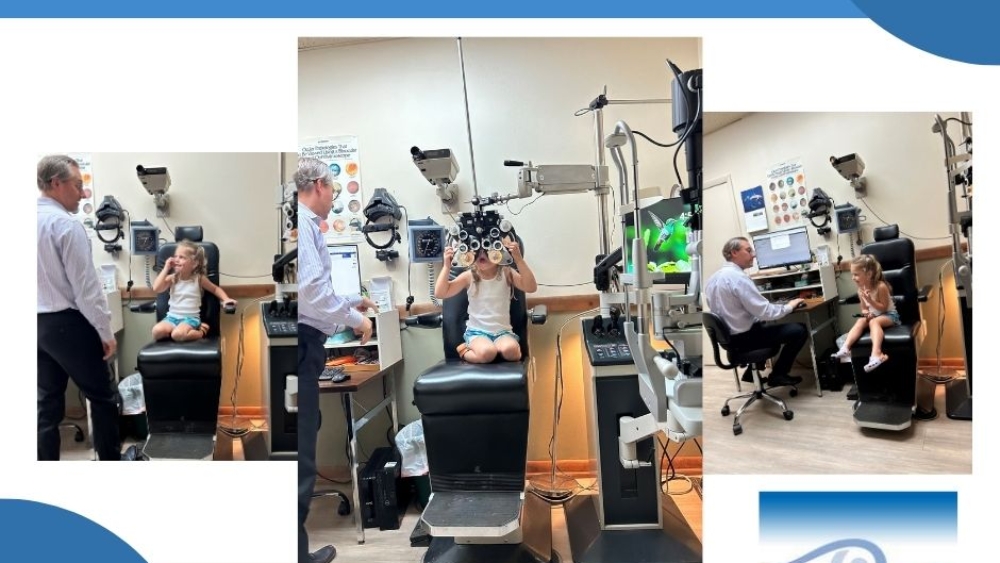
Understanding Glaucoma & the Value of a Comprehensive Eye Exam

Are you ready for the New Year? Resolutions for better health often include eating better, exercising, and cutting down on sugar intake. While many people have resolutions to improve their health, they tend to not include an annual medical physical, 6 month dental visits and an annual eye exam. 

Vision, a priceless gift often taken for granted, can be threatened by silent conditions like glaucoma. Glaucoma is a group of eye diseases that damage the optic nerve, often leading to irreversible vision loss and is often referred to as the Thief of Sight. According to the National Eye Institute, “Glaucoma is a leading cause of vision loss and blindness in the United States. But half of people with glaucoma don’t know they have it.

Glaucoma has no early symptoms. The only way to check for it is to get a comprehensive dilated eye exam. There’s no cure for glaucoma but starting treatment as early as possible can help stop vision loss.”

Glaucoma is a complex eye condition characterized by increased intraocular pressure (IOP), which can damage the optic nerve over time. The optic nerve is responsible for transmitting visual information from the eyes to the brain. When damaged, it can result in peripheral vision loss that often goes unnoticed until significant damage has occurred.

There are different types of glaucoma, with primary open-angle glaucoma being the most common. However, other forms, such as angle-closure glaucoma and normal-tension glaucoma, also exist. The risk factors for glaucoma include age, family history, elevated intraocular pressure, and certain medical conditions like diabetes.

The Importance of Dilated Eye Exams:

  • Early Detection: Dilated eye exams involve the use of eye drops to enlarge the pupils, allowing the doctors at Bissell Eye Care to get a clear view of the optic nerve and retina. This enables early detection of signs of glaucoma, such as optic nerve cupping or changes in the optic nerve head.
  • Comprehensive Assessment: Unlike standard eye exams or screenings that only evaluate visual acuity, dilated eye exams provide a more comprehensive assessment of the overall eye health. They help identify not only glaucoma but also other conditions such as diabetic retinopathy, macular degeneration, and retinal detachments.
  • Pressure Measurement: Dilated exams allow for accurate measurement of intraocular pressure. While elevated pressure is a risk factor for glaucoma, not everyone with glaucoma has high intraocular pressure, making the comprehensive assessment crucial for diagnosis.
  • Monitoring Progression: For individuals diagnosed with glaucoma, dilated eye exams are important for monitoring the progression of the disease. Regular evaluations help adjust treatment plans, ensuring that the condition is effectively managed to prevent further vision loss.
  • Risk Reduction: Dilated eye exams empower the doctors at Bissell Eye Care to identify and address risk factors that may contribute to glaucoma development or progression. This proactive approach aids in implementing preventive measures, such as lifestyle changes or early interventions.

Comprehensive eye exams that are performed by an optometrist are designed to not only evaluate your visual acuity, but also to check the overall health of your eye. As an added health bonus, your optometrist can also detect early signs of health problems such as diabetes, high blood pressure and stroke risk; all based on the appearance of the delicate blood vessels and other structures within the eye.

As the New Year brings about resolve to change, consider your body’s overall health. Scheduling annual eye exams at Bissell Eye Care, but also to your medical doctor for a yearly physical can help to keep your body in top shape and provide early detection of any medical conditions before they become serious problems. Here’s to a healthy and happy 2024!


About Bissell Eye Care: John D. Bissell, OD owns and operates Bissell Eye Care servicing Northern Pittsburgh and Alle-Kiski Valley regions. With two locations to treat patients, we offer evening and Saturday appointments. Bissell Eye Care provides comprehensive eye examinations for the entire family beginning as early as 6 months, ocular disease detection and treatment, eyeglasses, sunglasses, activewear, contact lenses, and low vision examinations for those with significant vision loss. We accept most types of vision and health insurance plans. For more information, visit bisselleyecare.com or call our Bakerstown Office at 724-443-6767 or Natrona Heights office at 724-226-0444.

A-Square-outline-divided-in-4-quadrants-showing-an-illustration-with-4-eyeballs-with-different-types-of-conjunctivitis.

Is it Pink Eye?

Flu season is in full swing with the flu and conjunctivitis often referred to as pink eye often goes hand in hand with a cold or flu. While it might sound like a minor inconvenience, pink eye can be uncomfortable and, in some cases, highly contagious. Nonetheless, proper handwashing can be the key to not spreading those nasty germs.

Pink eye, or conjunctivitis, is caused by inflammation of the conjunctiva, which is the tissue that lines the inside of the eyelid and helps to keep the eyelid and eyeball moist. The condition can be caused by bacteria, a virus, allergens, or other irritants. The same viruses that cause colds and the flu—such as adenovirus, enterovirus, and influenza virus—can also cause pink eye.

Cold and flu viruses can cause pink eye by traveling through the tear duct from the nose to the eye. However, most pink eye cases are caused by failing to wash your hands after you blow your nose or if you unknowingly touch a surface or object that someone with the flu or a cold has recently touched. If you then rub your eyes, you’re transferring the virus or bacteria to your eyes.

  • Viral Conjunctivitis is the most common form of pink eye and is often associated with the same viruses responsible for the common cold. It is highly contagious and can spread through respiratory droplets or by touching contaminated surfaces.
  • Bacterial Conjunctivitis is caused by bacteria such as Staphylococcus or Streptococcus and is a result of exposure to contaminated hands, towels, or other personal items. It is also highly contagious and may cause more severe symptoms than viral conjunctivitis.
  • Allergic Conjunctivitis is associated with allergens like pollen, pet dander, or dust mites leading to pink eye symptoms. Unlike viral or bacterial conjunctivitis, this type is not contagious.
  • Irritant Conjunctivitis occurs with exposure to irritants like smoke, chlorine, or harsh chemicals can cause irritation and redness in the eyes, resembling pink eye symptoms. This form of conjunctivitis is also not contagious.

Symptoms that present with conjunctivitis include:

  • Gritty feeling in the eye or both eyes
  • Excessive tearing
  • Itchy or burning sensation
  • Discharge and/or swollen eyelids
  • Pink Discoloration
  • Sensitivity to light

Various forms of conjunctivitis are contagious so take these steps to avoid “sharing the joy” with others:

  • Practice good hygiene and teach your children how to properly wash their hands.
  • Don’t touch your face with your hands.
  • Avoid using cosmetics and eye care items and discard those currently used (particularly mascara) when first diagnosed with conjunctivitis to prevent spreading the infection.
  • Change towels and washcloths daily and avoid sharing with others.
  • Avoid wearing contact lenses and dispose of those used at the start of the infection.

Pink eye can last from 10 days to two weeks, but there are several treatment options available depending on the cause and severity that can help alleviate your symptoms. Topical steroid drops and/or antibiotics based on which type of conjunctivitis you have will be used to treat conjunctivitis. Viral conjunctivitis much like the common cold must run the course and only in severe cases are steroids used.

The best course of action is to schedule an appointment with your optometrist to properly diagnose and treat your infection. At Bissell Eye Care, we also have tests that examine the optic nerve to ensure there’s not an underlying problem that can become more serious. If in doubt, don’t delay – have your eyes checked for infection.


About Bissell Eye Care: John D. Bissell, OD owns and operates Bissell Eye Care servicing Northern Pittsburgh and Alle-Kiski Valley regions. With two locations to treat patients, we offer evening and Saturday appointments. Bissell Eye Care provides comprehensive eye examinations for the entire family beginning as early as 6 months, ocular disease detection and treatment, eyeglasses, sunglasses, activewear, contact lenses, and low vision examinations for those with significant vision loss. We accept most types of vision and health insurance plans. For more information, visit bisselleyecare.com or call our Bakerstown Office at 724-443-6767 or Natrona Heights office at 724-226-0444.
Eyes on Style: Carolina Herrera’s New Frameline Eyewear Collection

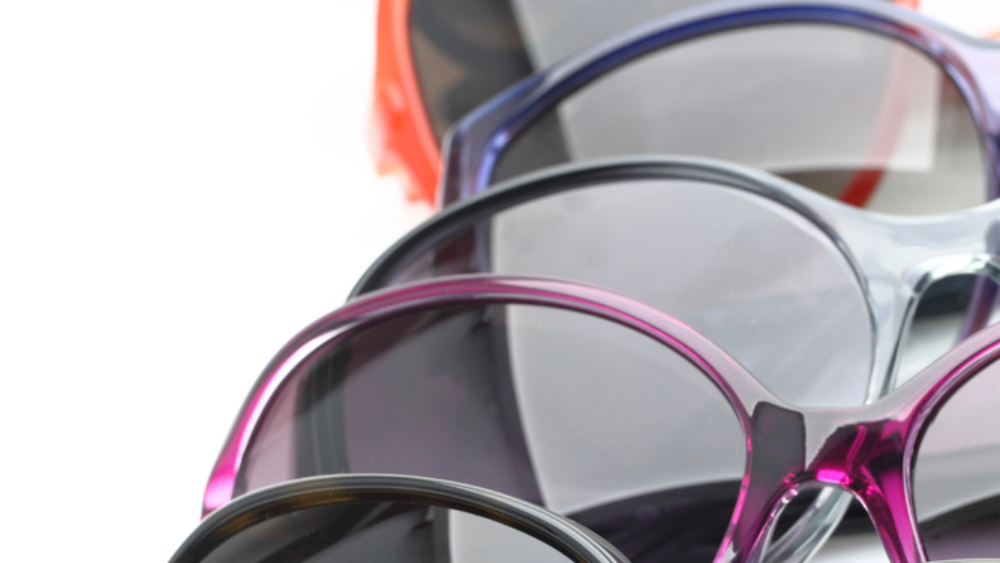
Bissell Eye Care is excited to announce Carolina Herrera, our new designer eyewear frame line. In the world of fashion and luxury, few names are as synonymous with timeless elegance and sophistication as Carolina Herrera. This eyewear is a perfect blend of high fashion, innovative design, and functional elegance, offering a unique perspective on the world of eyeglasses and sunglasses.

The Carolina Herrera’s eyewear collection is a testament to her enduring commitment to style. Whether you require prescription glasses or simply want to elevate your fashion game with a pair of chic sunglasses, her eyewear range has something for everyone.

Unique Aesthetics: Carolina Herrera eyewear is instantly recognizable for its distinctive design elements. You can expect to find frames that exude elegance, often featuring subtle but eye-catching details that set them apart from the crowd. From delicate embellishments to unique color combinations, these eyeglasses and sunglasses are a work of art in themselves.

High-Quality Materials: You’ll find frames made from premium acetate, metal, and other materials, ensuring both comfort and durability.

Comfort and Fit: The brand offers a variety of frame shapes and sizes to cater to different face shapes and personal preferences. Moreover, their attention to detail ensures that each pair of eyeglasses or sunglasses is lightweight and easy to wear all day.

Visit our Bakerstown or Natrona Heights offices to see the Carolina Herrera frame line, along with our extensive collection of designer eyewear brands.


About Bissell Eye Care: John D. Bissell, OD owns and operates Bissell Eye Care servicing Northern Pittsburgh and Alle-Kiski Valley regions. With two locations to treat patients, we offer evening and Saturday appointments. Bissell Eye Care provides comprehensive eye examinations for the entire family beginning as early as 6 months, ocular disease detection and treatment, eyeglasses, sunglasses, activewear, contact lenses, and low vision examinations for those with significant vision loss. We accept most types of vision and health insurance plans. For more Information, visit bisselleyecare.com or call our Bakerstown Office at 724-443-6767 or Natrona Heights office at 724-226-0444.

Depositphotos_517831794_S

Vision Matters: National Diabetic Month and the Fight Against Diabetic Retinopathy

November is National Diabetic Month, a time dedicated to raising awareness about diabetes, its complications, and the importance of managing this chronic condition. One aspect of diabetes management is the potential impact it can have on our eyes, particularly diabetic retinopathy. In this blog, we will explore the significance of regular eye exams, the connection between diabetes and eye health, and why diabetic eye disease is the leading cause of vision loss among working adults.

Understanding Diabetic Retinopathy

Diabetic retinopathy is a diabetes-related complication that affects the eyes. It occurs when high levels of blood sugar damage the delicate blood vessels in the retina, the light-sensitive tissue at the back of the eye. As these blood vessels weaken and leak, they can lead to vision problems or even complete blindness if left untreated. The risk of developing diabetic retinopathy is directly related to how well an individual manages their diabetes, primarily their blood sugar levels.

According to Prevent Blindness, “A new study published today in JAMA Ophthalmology, “Prevalence of Diabetic Retinopathy in the US in 2021,” found that in 2021, an estimated 9.6 million people in the United States (26.4 percent of those with diabetes) had diabetic retinopathy (DR), and 1.84 million people (5.1 percent of those with diabetes) had vision-threatening diabetic retinopathy (VTDR). The number of people aged 40 years and older living with diabetes-related eye disease more than doubled since prevalence was last estimated in 2004. VTDR has also almost doubled since last estimated in 2004.”

The Importance of Regular Eye Exams

One of the most critical steps in managing diabetic retinopathy is early detection. This is where regular eye exams come into play. For individuals living with diabetes, routine eye exams are not merely a formality; they are a lifeline for preserving vision. Here’s why:

  • Early Detection: Regular eye exams can detect diabetic retinopathy in its early stages, often before any noticeable symptoms occur. This is crucial because the earlier it is detected, the more effective treatment can be.
  • Prevent Progression: If diabetic retinopathy is detected early, interventions such as laser therapy or medication can be administered to prevent its progression. These treatments can help stop the damage to the retina and preserve vision.
  • Monitor Progress: Regular eye exams also help your eye care specialist track the progression of the condition. Adjustments to your diabetes management plan can be made to keep your blood sugar levels in check, further reducing the risk of worsening retinopathy.
  • Maintain Quality of Life: Vision is a vital sense, and its preservation is essential for maintaining a good quality of life. Regular eye exams can ensure that any vision problems associated with diabetes are addressed promptly.

Take Action 

As we observe National Diabetic Month, it’s a great time to take action and prioritize your eye health, especially if you’re living with diabetes or know someone who is. Here are some key steps you can take:

  • Schedule an Eye Exam: If you have diabetes, schedule a comprehensive eye exam with the doctors at Bissell Eye Care. Make sure to discuss your diabetes diagnosis and the need for regular eye screenings.
  • Manage Your Diabetes: Keeping your blood sugar levels in check is the best way to prevent diabetic retinopathy and other diabetes-related complications. Follow your healthcare provider’s recommendations for managing your diabetes effectively.
  • Spread Awareness: Use this month to educate your friends and family about the importance of regular eye exams for those with diabetes. Encourage loved ones with diabetes to prioritize their eye health.
  • Advocate for Eye Health: Support initiatives that promote eye health and raise awareness about the connection between diabetes and vision loss. Participate in events, share information on social media, or contribute to diabetes-related organizations.

Let’s make a collective effort to prioritize our eye health, especially for those living with diabetes. By understanding the significance of regular eye exams and the risk of diabetic retinopathy, we can take proactive steps to preserve our vision and continue to lead fulfilling lives. Regular eye exams are not just an option; they are a necessity in the battle against diabetic eye disease and vision loss.


About Bissell Eye Care: John D. Bissell, OD owns and operates Bissell Eye Care servicing Northern Pittsburgh and Alle-Kiski Valley regions. With two locations to treat patients, we offer evening and Saturday appointments. Bissell Eye Care provides comprehensive eye examinations for the entire family beginning as early as 6 months, ocular disease detection and treatment, eyeglasses, sunglasses, activewear, contact lenses, and low vision examinations for those with significant vision loss. We accept most types of vision and health insurance plans. For more Information, visit bisselleyecare.com or call our Bakerstown Office at 724-443-6767 or Natrona Heights office at 724-226-0444.