

An outline diagram of an eye viewed sideways with Eye Floaters printed above it.

Causes of Eye Floaters

Ever have a spot or line appear in your field of vision? Eye floaters are a common term for this. Most of the time, when you gaze at something bright, such as a white screen or the sky, these floaters will appear in your range of vision. When you glance around, you may see these areas, which have the appearance of floating. One or both eyes may have eye floaters.

The retina, the inner, light-sensitive layer of the eye, really sees floaters as shadows, even though they may appear to be in front of the eye. Floaters can resemble dots, threads, or cobwebs, among other things. When you try to look at floaters, they could dart away. The floaters move with the eyes because they are inside the eye.

Strands, deposits, or liquid pockets that form on the vitreous humor, or the back of the eye, are what give rise to floating objects. This area of the eye is where light traveling to the retina passes. It takes up the rear two-thirds of the eye and resembles jelly.

These strands, deposits, or liquid pockets that block light cause the surface of the retina to cast a tiny shadow, which is what is perceived as floaters. Usually, they are either gray or black in hue. These shadows provide the impression of moving up, down, left, and right as the eye moves. Patients frequently report seeing a dot or spot hovering in their range of vision because of this.

Risk Elements for Flashes and Floaters

According to Stanford Medicine certain factors make it more likely to develop floaters and flashes: being nearsighted (myopia), undergoing cataract surgery, developing eye inflammation (uveitis), getting YAG laser surgery, injuring your eye.

Most people over the age of 70 suffer from some kind of floater, and about 50% of those over the age of 60 have them as well. Many people initially notice them, but within a few months they may discover that they are less obvious as the brain and eye start to ignore them or become used to their being there.

If you notice a flurry of floaters and spots, especially if they come with light flashes, seek emergency medical attention from an eye care specialist.

Maintain your regular checkups with the doctors at Bissell Eye Care, and let us know if you detect any visual changes like floaters. Grab your sunglasses, go outside, and enjoy the summer!


About Bissell Eye Care: John D. Bissell, OD owns and operates Bissell Eye Care servicing Northern Pittsburgh and Alle-Kiski Valley regions. With two locations to treat patients, we offer evening and Saturday appointments. Bissell Eye Care provides comprehensive eye examinations for the entire family beginning as early as 6 months, ocular disease detection and treatment, eyeglasses, sunglasses, activewear, contact lenses, and low vision examinations for those with significant vision loss. We accept most types of vision and health insurance plans. For more Information, visit bisselleyecare.com or call our Bakerstown Office at 724-443-6767 or Natrona Heights office at 724-226-0444.

A caricature of an eye lifting a barbell with Healthy Eyes in Script on background.

How is Your Eye Health Stacking Up?

Good eye health involves having clear vision, comfortable eyes, and normal visual function, which are essential for daily activities such as reading, driving, and using electronic devices. Patients take their eyesight for granted until they begin having problems with their vision. Keeping up with annual checkups is as important as your annual physical. Having good vision and healthy eyes may determine your ability to remain independent and self-sufficient.

Tips To Maintain Optimal Eye Health

EAT A BALANCED DIET

As part of your healthy diet, choose foods rich in antioxidants, like vitamins A and C, foods like leafy, green vegetables and fish. Many foods – especially fatty fish such as salmon, contain essential omega-3 fatty acids that are important to the health of the macula, the part of the eye responsible for central vision. As the gardening season gets underway, be sure those green vegetables are part of your crop. High-fat diets can also cause deposits that constrict blood flow in the arteries. The eyes are especially sensitive to this, given the small size of the blood vessels that feed them.

DRINK WATER 

Did you know that drinking water can help keep your eyes hydrated and prevent dryness?

EXERCISE

Not only is exercise good for the body, but the increased blood circulation improves the oxygen level to the eyes.

USE SAFETY EYEWEAR

Chemical splashes and flying debris are the main causes of injury. Wear safety glasses or protective goggles at home while working in the yard, or at work to prevent airborne materials from entering your eye.

Sports like ice hockey, racquetball, and lacrosse can also lead to eye injury. Wear eye protection. Helmets with protective face masks or sports goggles with polycarbonate lenses will shield your eyes.

CATCH YOUR ZZZZs

How are you sleeping? A good night’s sleep allows your eyes to replenish their supply of natural tears. Go too long without enough sleep, and you may begin to notice twitchy eyelids, eye strain, or dry eyes.

STOP SMOKING

Smoking increases the risk of eye diseases such as cataracts and age-related macular degeneration. Tobacco smoke worsens dry eyes.

MANAGE CHRONIC HEALTH CONDITIONS

Not only is it good for your overall health, but managing conditions such as diabetes and hypertension can impact your eye health as well.

WASH YOUR HANDS

Maintaining good hygiene practices will help to prevent eye infections. Always remove makeup before going to bed. Bacteria will form on your eyelashes and require daily eyelid hygiene. Like brushing your teeth, your eyelids need daily care. Hot compresses help keep tear-producing glands working at top efficiency.

BREAK OUT THE SUNGLASSES

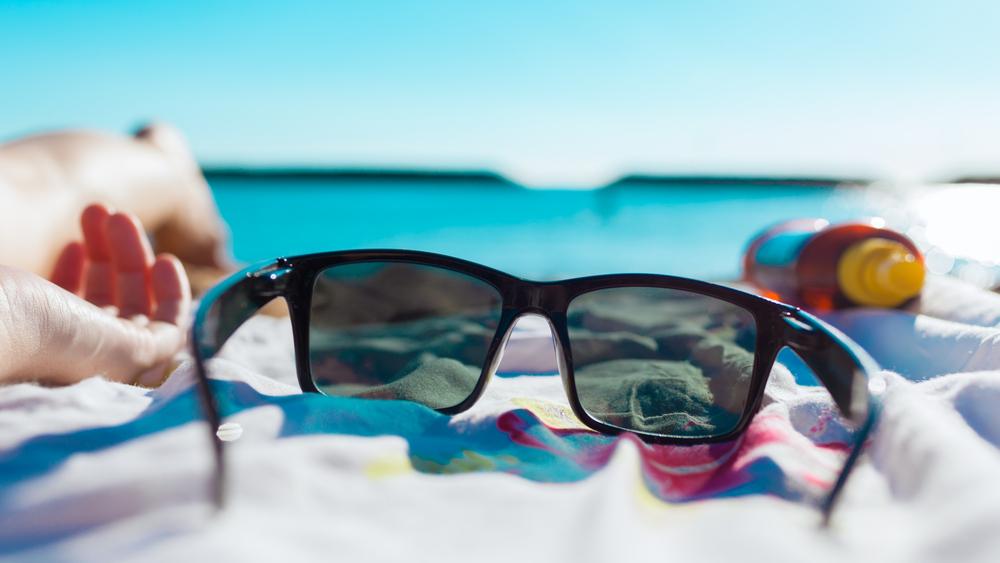
Exposure to ultraviolet UV light raises the risk of eye diseases, including cataracts, fleshy growths on the eye, and cancer.

DEVICES AND BLUE LIGHT OVERLOAD

Digital devices have become appendages – TV, computers, tablets, iPads, and smartphones. Between work and personal use, we can’t get away from technology. These devices expose your eyes to high energy blue light. It’s called blue light because the wavelengths emitted are near the bluer part of the spectrum. To avoid digital eye strain, take a break every 20 minutes, blink often, keep your computer screen within 20-24 inches of your eye, and adjust the lighting to minimize glare.

During a comprehensive eye exam at Bissell Eye Care, dilation and our state-of-the-art technology allow the doctors to look at the overall health of your eyes. Did you know that sometimes underlying medical conditions in your overall health could be uncovered during a comprehensive exam?

Be proactive, stay healthy, and protect your eyesight with annual eye exams. Make Eye Appointments A Priority! Call our office at 724-444-6767 or 724-226-0444 to schedule your eye exam today!


About Bissell Eye Care: John D. Bissell, OD owns and operates Bissell Eye Care servicing Northern Pittsburgh and Alle-Kiski Valley regions. With two locations to treat patients, we offer evening and Saturday appointments. Bissell Eye Care provides comprehensive eye examinations for the entire family beginning as early as 6 months, ocular disease detection and treatment, eyeglasses, sunglasses, activewear, contact lenses, and low vision examinations for those with significant vision loss. We accept most types of vision and health insurance plans. For more Information, visit bisselleyecare.com or call our Bakerstown Office at 724-443-6767 or Natrona Heights office at 724-226-0444.

Gardener with full face protection using a trimmer while trimming around flowers

Spring Cleanup and Eye Injuries

The trees are budding, the flowers are starting to bloom, and outdoor work is in full swing. Spring cleanup can involve a lot of physical work and exposure to potentially hazardous materials and tools. These activities can lead to an increased risk of eye injuries.

EYE INJURY CAUSES AND PREVENTION TIPS:

Yard work: Cleaning up the yard often involves using sharp tools such as pruning shears, hedge trimmers, and chainsaws. Debris such as branches, twigs, and rocks can fly up and hit the eyes, causing injury. Wear safety glasses or goggles with side shields that are specifically designed for yard work.

Cleaning: Cleaning the house and garage can also pose a risk for eye injuries. Dust, dirt, and other debris can get into the eyes and cause irritation or injury. If you are using chemical cleaners, make sure to read and follow the manufacturer’s instructions carefully and understand what to do if injured. To prevent these injuries, wear protective glasses or goggles.

Allergies: Spring is also a time when allergies can flare up, causing eye irritation and redness. To minimize eye allergies, avoid touching your eyes with your hands, and wash your hands frequently to remove allergens. Use over-the-counter eye drops to relieve the symptoms of eye allergies.

If you do experience an eye injury, seek medical attention right away. Delaying treatment can lead to further damage and potentially permanent vision loss.

WHAT CONSTITUTES AN EYE EMERGENCY?

Pain frequently accompanies eye emergencies. Eye injuries, chemical burns, sudden vision loss or blurriness, eye scrapes, flashes of light, floaters, and sudden headaches with or without visual consequences would all be considered emergencies and require medical attention. At Bissell Eye Care, we have cutting-edge equipment that can examine the back of the eye to decide the best course of action.

Any sudden or obvious change in your vision’s quality needs to be treated right away. Vision alterations frequently point to a retinal or corneal abnormality that, if left untreated, can result in permanent vision loss. Retinal detachment is one such problem. You might have a detached retina if you’re experiencing flashing lights, spots, or a shower of floating spots inside your eye.

Eye redness should, wherever feasible, be examined by the doctors at Bissell Eye Care who can determine the kind of conjunctivitis and provide the appropriate course of therapy.

The best method to prevent an avoidable eye infection or injury is to follow good eye health and safety procedures. This entails using protective eyewear in risky working situations, scheduling yearly eye exams, wearing sunglasses to shield your eyes from UV rays, wearing blue light blocking eyewear when using computers or other portable devices, and maintaining good contact lens hygiene.

Bissell Eye Care is available if you have inquiries or concerns about your vision, an injury, or eye disease.  call our office at 724-443-6767 or 724-226-0444.


About Bissell Eye Care: John D. Bissell, OD owns and operates Bissell Eye Care servicing Northern Pittsburgh and Alle-Kiski Valley regions. With two locations to treat patients, we offer evening and Saturday appointments. Bissell Eye Care provides comprehensive eye examinations for the entire family beginning as early as 6 months, ocular disease detection and treatment, eyeglasses, sunglasses, activewear, contact lenses, and low vision examinations for those with significant vision loss. We accept most types of vision and health insurance plans. For more information, visit bisselleyecare.com or call our Bakerstown Office at 724-443-6767 or Natrona Heights office at 724-226-0444.

Hand putting check mark with green marker on excellent in Health Status evaluation form.

National Women’s Eye Health Month

Every year in April, we celebrate Women’s Eye Health and Safety Month to raise awareness about the importance of eye health and safety for women. According to the National Eye Institute, women are more likely to suffer from eye diseases than men, and they are also more likely to be visually impaired or blind. 

Because of changes in estrogen levels, women’s eye health might fluctuate during puberty, pregnancy, and menopause.

Increased estrogen levels throughout puberty may alter the size and structure of the eye, which may result in nearsightedness or farsightedness. These alterations may also raise the chance of contracting diseases like keratoconus or dry eye syndrome.

Elevated amounts of estrogen and progesterone during pregnancy cause abnormalities in the cornea, lens, and retina. Temporary vision alterations like blurriness, light sensitivity, or difficulties seeing at night may result from these changes. Pregnancy can occasionally raise your risk of getting diseases like gestational diabetes, which can harm your eyes.

The drop in estrogen levels that occurs after menopause can result in dry eye syndrome, which can be uncomfortable, impaired vision, and corneal damage. The risk of getting cataracts, macular degeneration, and other age-related eye disorders can also rise after menopause.

In general, women should get routine eye exams throughout their lifetimes, but especially during these times of hormonal transition, to make sure that any abnormalities in vision or eye health are quickly identified and treated.

TIPS TO MAINTAIN OPTIMAL EYE HEALTH

  • Protect your eyes from the sun: The sun’s ultraviolet rays can cause cataracts and macular degeneration, so it’s essential to wear sunglasses that block 100% of UV rays. Additionally, wear a wide-brimmed hat to provide additional protection.
  • Eat a healthy diet: A diet rich in fruits and vegetables, particularly dark leafy greens, can help maintain eye health. Foods high in omega-3 fatty acids, such as salmon and flaxseed, can also help reduce the risk of macular degeneration.
  • Quit smoking: Smoking is a significant risk factor for age-related macular degeneration, cataracts, other eye diseases, and overall health.
  • Give your eyes a break: Spending too much time in front of a computer or other digital device can cause eye strain and dry eyes. Take regular breaks to rest your eyes, blink frequently, and use artificial tears if needed.
  • Practice good hygiene: Always wash your hands before touching your eyes or applying makeup. Avoid sharing makeup or makeup brushes with others, as this can lead to the spread of bacteria.
  • Manage chronic conditions: Diabetes, high blood pressure, and other chronic conditions can increase the risk of eye disease. It’s essential to manage these conditions through proper diet, exercise, and medication to help protect your eyes.

Women’s Eye Health and Safety Month serves as a reminder for women to prioritize their eye health and safety. By following these tips and getting regular eye exams, you can help maintain optimal eye health and prevent vision loss. Take charge of your eye health and protect your vision for years to come. Remember, your eyes are precious, so take care of them! To learn more or schedule an eye exam, call our office at 724-443-6767 or 724-226-0444.


About Bissell Eye Care: John D. Bissell, OD owns and operates Bissell Eye Care servicing Northern Pittsburgh and Alle-Kiski Valley regions. With two locations to treat patients, we offer evening and Saturday appointments. Bissell Eye Care provides comprehensive eye examinations for the entire family beginning as early as 6 months, ocular disease detection and treatment, eyeglasses, sunglasses, activewear, contact lenses, and low vision examinations for those with significant vision loss. We accept most types of vision and health insurance plans. For more information, visit bisselleyecare.com or call our Bakerstown Office at 724-443-6767 or Natrona Heights office at 724-226-0444.
Happy face kid smile.Close up portrait joy child outdoors. Little boy playful smiling holding dandelions on eyes as eyeglasses. Joyful childhood, summer day. Background green grass

Mild Winter Brings Early Allergy Season And Eye Infections

The mild winter and early spring in Pittsburgh have been one for the record books. While this might sound like a welcome change for many, it’s also resulted in an early high allergy season and an uptick in cases of conjunctivitis, or pink eye.

Conjunctivitis is an inflammation or infection of the conjunctiva, the thin, clear layer of tissue that lines the inside of the eyelid and covers the white part of the eye. It can be caused by a variety of factors, including viruses, bacteria, allergens, and irritants.

Are you experiencing these symptoms?

  • Redness in the white of the eye or inner eyelid
  • Itchy eyes
  • Swelling of the eyelid
  • Blurred vision
  • Increased amount of tears

The three most common types of conjunctivitis are:

  • Viral Conjunctivitis: is caused by a virus, typically the same virus that is a result of having a common cold. It’s highly contagious and can be spread through direct contact with an infected person or by touching contaminated surfaces. Symptoms include redness, itching, tearing, and discharge from the eyes. There is no specific treatment for viral conjunctivitis, but symptoms can be managed with artificial tears, cold compresses, and over-the-counter medications for pain relief.
  • Bacterial Conjunctivitis: is caused by bacteria and can be either acute or chronic. It’s also highly contagious and can be spread through direct contact with an infected person or by touching contaminated surfaces. Symptoms include redness, itching, tearing, and discharge from the eyes, often accompanied by crusting or stickiness. Unlike viral conjunctivitis, bacterial conjunctivitis can be treated with antibiotic eye drops or ointment. Did you know the bacteria that causes pink eye is the same bacteria that cause strep throat? Both bacterial and viral conjunctivitis are easily spread from person to person.
  • Allergic Conjunctivitis: is caused by an allergic reaction to an irritant, such as pollen, dust, or pet dander. It’s not contagious and typically affects both eyes. Symptoms include redness, itching, tearing, and swelling of the eyelids. Allergic conjunctivitis can be treated with antihistamines, decongestants, and topical corticosteroids.

In addition to these three main types of conjunctivitis, there are also other types that are less common but can still cause significant discomfort and irritation.

These include:

  • Chemical Conjunctivitis: is caused by exposure to irritants such as smoke, fumes, or chemicals. Symptoms include redness, tearing, and a feeling of burning or stinging in the eyes.
  • Neonatal Conjunctivitis: affects newborn babies and is typically caused by a bacterial infection acquired during delivery. Symptoms include redness, swelling, and discharge from the eyes. It can be treated with antibiotic eye drops or ointment.
  • Giant Papillary Conjunctivitis: is a chronic condition that typically affects contact lens wearers or people with artificial eyes. It’s caused by the buildup of protein deposits on the surface of the eye and can result in redness, itching, tearing, and discomfort when wearing contact lenses.

If you are experiencing eye irritation symptoms, take steps to avoid rubbing or touching your eyes, practice good hygiene, and avoid potential irritants.  These actions can help minimize symptoms and promote healing.

Overall, conjunctivitis can be a frustrating and uncomfortable condition to deal with, but it can be effectively managed with proper treatment and care. If you’re experiencing symptoms of conjunctivitis, it’s important to contact the doctors at Bissell Eye Care at 724-443-6767 or 724-226-0444 for an accurate diagnosis and treatment plan.


 About Bissell Eye Care: John D. Bissell, OD owns and operates Bissell Eye Care servicing Northern Pittsburgh and Alle-Kiski Valley regions. With two locations to treat patients, we offer evening and Saturday appointments. Bissell Eye Care provides comprehensive eye examinations for the entire family beginning as early as 6 months, ocular disease detection and treatment, eyeglasses, sunglasses, activewear, contact lenses, and low vision examinations for those with significant vision loss. We accept most types of vision and health insurance plans. For more Information, visit bisselleyecare.com or call our Bakerstown Office at 724-443-6767 or Natrona Heights office at 724-226-0444.
Depositphotos_124460546_S

Why Your Preschooler Should Have an Annual Eye Exam

As a parent, one of the many important decisions you will make is choosing the right preschool for your child. However, before you send your child off to school, it’s important to also have their vision checked. A comprehensive eye exam will help in preparing them for school and can identify vision problems that could hinder their learning and development. In this blog, we’ll explore the importance of a comprehensive eye exam and how it differs from a basic eye screening.

According to the American Optometric Association, one in four children has a vision problem that can interfere with their learning. Vision problems in young children can affect their ability to learn, read, write, and even play sports. In fact, studies have shown that children with untreated vision problems can experience difficulties with academic performance, behavior, and social interactions.

The early years of a child’s life are crucial for building a strong foundation for learning. Preschoolers depend on their vision to learn tasks that will prepare them for school. During this time in their lives, they are developing the visually-guided eye-hand-body coordination, fine motor skills and visual perceptual abilities necessary to learn to read and write.

If a child is unable to see correctly, it can lead to delays in learning and socialization. Early identification and treatment of vision problems can prevent these negative outcomes and give your child the best possible chance of success in school and life.

Untreated vision problems in children can lead to significant learning difficulties and impact a child’s overall quality of life. Did you know…

  • Up to 80% of learning in a child’s early years is visual.
  • 60% of children with reading difficulties have an undiagnosed vision problem.
  • Children with uncorrected vision problems are three times more likely to fall behind in school.

This is why identifying and treating vision problems in young children as early as possible is so important.

Many preschools conduct basic eye screenings as part of their admission process. While these screenings can detect some vision problems, they are not a substitute for a comprehensive eye exam. A basic eye screening typically involves the use of an eye chart to measure a child’s visual acuity or clarity. While this test can detect issues like nearsightedness or farsightedness, it doesn’t provide a complete picture of a child’s eye health or identify other common vision problems such as eye teaming, focusing, or tracking issues.

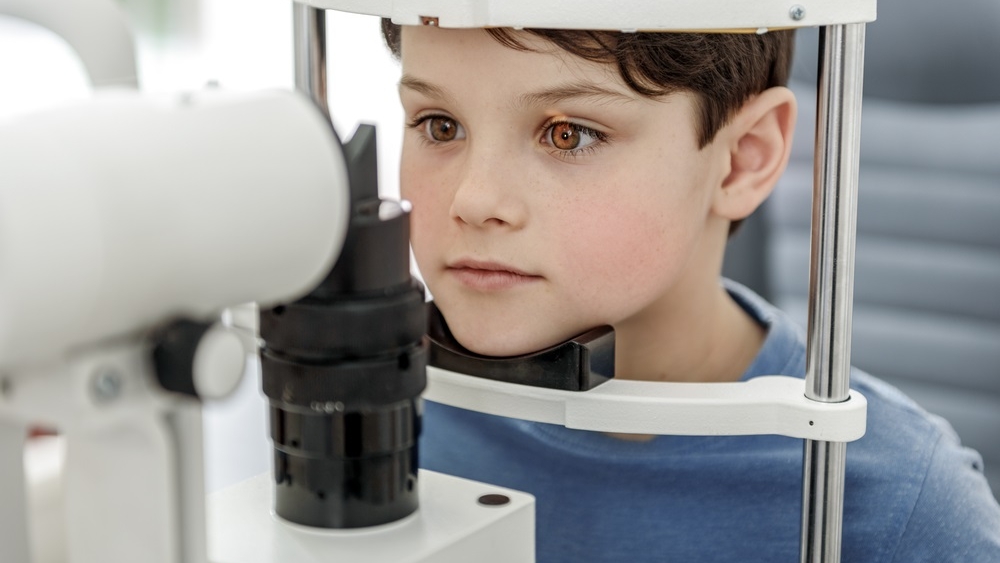
A comprehensive eye exam involves a thorough evaluation of a child’s eye health and vision. It includes tests to check for visual acuity, eye movement, binocular vision, and color vision, as well as an examination of the eye’s internal structures. A comprehensive eye exam can detect a range of vision problems that a basic screening may miss, making it a more effective way to ensure your child’s vision is in optimal condition.

In our exams when a child can’t read letters yet, we use shapes and colors.  We make children comfortable with puppets and the use of our “Special Lights” allow us to have fun as we look for the following things:

  • How the eye tracks and turns
  • High Refractive Error – meaning significant far or nearsightedness.
  • Overall Eye Health

No matter what age, regular eye exams are important. Prepare your child for success as they enter preschool and beyond. To learn more, or to schedule your child’s exam, give our offices a call at 724-443-6767 or 724-226-0444. We also invite you to join us on Facebook at facebook.com/BissellEyes for more tips on eye care.

_____________________________________________________________________________

 About Bissell Eye Care: John D. Bissell, OD owns and operates Bissell Eye Care servicing Northern Pittsburgh and Alle-Kiski Valley regions. With two locations to treat patients, we offer evening and Saturday appointments. Bissell Eye Care provides comprehensive eye examinations for the entire family beginning as early as 6 months, ocular disease detection and treatment, eyeglasses, sunglasses, activewear, contact lenses, and low vision examinations for those with significant vision loss. We accept most types of vision and health insurance plans. For more Information, visit bisselleyecare.com or call our Bakerstown Office at 724-443-6767 or Natrona Heights office at 724-226-0444.

the letters AMD in front of an eye chart

Signs And Treatment of Age-Related Macular Degeneration

February is national Age-Related Macular Degeneration (AMD) awareness month and we want to share with you the signs, symptoms, and treatments of the eye disease. Know what to look for and how you can treat AMD.

According to Hopkins Medicine, AMD is the leading cause of vision loss in people above the age of 50. AMD causes damage to the macula, a spot near the center of the retina. This disease blurs the sharp, central vision you need for “straight-ahead” activities such as reading, sewing, and driving. AMD affects the macula, the part of the eye that allows you to see fine detail.

The rate at which damage can be done can vary. In some people, it is a slow process over years. While with others it occurs more quickly and can also involve both eyes. While Age-related Macular Degeneration does not result in complete vision loss it can interfere with activities of daily living.

There are two main forms of AMD: dry and wet. Dry AMD is the most common form and progresses slowly over time. It is characterized by a gradual loss of central vision due to the thinning of the macula and the accumulation of deposits called drusen. Wet AMD is a more severe form of the disease, which occurs when abnormal blood vessels grow underneath the macula, causing bleeding and fluid accumulation. This form of AMD can lead to rapid vision loss.

Who is more susceptible to developing AMD? Can your lifestyle have an influence as to your chances of developing AMD? As we discussed, people over the age of 50 are most likely to develop this disease.

Risk Factors for Age-Related Macular Degeneration:

  • Research shows that smoking doubles the risk of developing AMD.
  • Family history. If your family history includes AMD you are at a higher risk.
  • AMD is more common in Caucasians than in other races.

You have the power to take control of your health. These tips are things you can do to help prevent AMD.

Prevention Tips for Age-Related Macular Degeneration:

  • Exercise regularly.
  • Eat a healthy diet rich in leafy veggies and fish.
  • Avoid smoking.
  • Maintain proper vitals such as blood pressure and cholesterol.

AMD is best detected by maintaining routine eye exams. Often people question why dilation is part of a regular exam. This allows us to look into the back of your eyes for any changes that may be occurring.

While there is no cure for this disease, things such as changing your diet and adding proper exercise can help to slow down the loss of vision. You have the power to choose. Take control and choose a healthier lifestyle.  Schedule your annual exam today by calling 724-443-6767 or 724-226-0444. Your eyes will thank you for it.


 About Bissell Eye Care: John D. Bissell, OD owns and operates Bissell Eye Care servicing Northern Pittsburgh and Alle-Kiski Valley regions. With two locations to treat patients, we offer evening and Saturday appointments. Bissell Eye Care provides comprehensive eye examinations for the entire family beginning as early as 6 months, ocular disease detection and treatment, eyeglasses, sunglasses, activewear, contact lenses, and low vision examinations for those with significant vision loss. We accept most types of vision and health insurance plans. For more Information, visit bisselleyecare.com or call our Bakerstown Office at 724-443-6767 or Natrona Heights office at 724-226-0444.

Portrait of male client holding and wearing different-spectacles.

Spring Into Fashion with New Eyeglass Frames

You don’t need to be a fashion expert to find eyeglass frames that look great on you. Our trained optical staff are here to help. Bissell Eyecare is excited to announce a new eyeglass frame line – Superdry from Tura.  These contemporary frames will be sure to turn heads and make a fashion statement with layered attention to detail and bold hues.

Eyeglasses can help create the image you want. Eyewear-styling experts recommend you start by considering the different aspects of your life. Ask yourself, “What are the different activities I participate in? What type of work do I do?” This speaks to why people need more than one pair of eyeglasses, just as they need more than one pair of shoes. Are you a fast-paced businessperson, an outdoor enthusiast, a busy mom, a retired senior, or a student?

To narrow down your choices, consider what eyewear experts suggest in terms of styling, color, material and size for various lifestyles.

STYLING TIPS

FACE SHAPE MATTERS:

  • Square Face: Eyeglasses that soften the angularity and sit high on the bridge of the nose look best on square faces. Oval or round eyeglasses will balance and add a thinner appearance to the angles of a square face.
  • Round Face: Eyeglass frames that are square or rectangular tend to be wider than a round face. This quality can enhance your face by making it appear slimmer and longer, adding balance to your round features.
  • Oval Face: Frames that suit an oval face have a strong bridge, are wider than the broadest part of the face, and are geometric in shape.
  • Diamond Face: Play up a narrow forehead and chin with eyeglass frames that sweep up or are wider than the cheekbones, such as cat eyeglasses and oval frames. These frames will accentuate your cheekbones and delicate features.
  • Heart-Shaped Face: Frames that balance the width of the forehead with the narrowness of the chin are ideal. Eyeglasses with low-set temples and bottom-heavy frame lines will add width to that narrower part of your face. Round eyeglasses or square eyeglasses with curved edges will help draw attention away from a broad, high forehead.

Consider Colors That Match Your Skin Tone

Skin tone sets the tone for high fashion frames. Select a shade closest to your skin tone:

Warm Skin Tone

If you have a yellow, bronze or golden cast to your skin, you have a warm complexion. Avoid contrasting colors such as pastels. The best frame colors for you are light tortoise, browns shades, gold or honey, beige, and olive green.

Cool Skin Tone

If your skin has pink or blue undertones, you have a cool complexion. Avoid colors that wash you out and instead reach for frames that are silver, black, dark tortoise, pink, purple, blue, mauve, and gray.

Choose Frames to Fit Your Lifestyle

There are eyeglass frames for every way of life! Think about the activities you will do while wearing your eyeglasses. If you are active, there are frames which can twist and bend without breaking. Need gaming glasses or computer glasses? Choose from a wide selection of stylish frames that enhance the gaming experience.

Show Your Personality

You can have a pair of glasses that showcase your fun-loving side on the weekends and a pair that emphasizes your get-down-to-business tone during the week. Update your frames to express your personality or have a small collection of frames on hand to easily alter your appearance to suit your mood.

New eyeglass frames are arriving for Spring. Visit our office in Bakerstown or Natrona Heights for the finest selection of eyewear frames, sunglasses, and protective sportswear.


 About Bissell Eye Care: John D. Bissell, OD owns and operates Bissell Eye Care servicing Northern Pittsburgh and Alle-Kiski Valley regions. With two locations to treat patients, we offer evening and Saturday appointments. Bissell Eye Care provides comprehensive eye examinations for the entire family beginning as early as 6 months, ocular disease detection and treatment, eyeglasses, sunglasses, activewear, contact lenses, and low vision examinations for those with significant vision loss. We accept most types of vision and health insurance plans. For more Information, visit bisselleyecare.com or call our Bakerstown Office at 724-443-6767 or Natrona Heights office at 724-226-0444.
Infographic-poster-with-detailed-effects-of-untreated-glaucoma-disease-showing-the-passing-through-a-good-and-healthy-eye-to-a-rogressive-vision loss

Glaucoma Awareness – Screen, Protect & Cure

More than 3 million people in the United States have glaucoma. The National Eye Institute projects this number will reach 4.2 million by 2030, a 58 percent increase. Glaucoma is caused by the eye’s failure to maintain the balance of pressure between the internal fluid and the amount of fluid it drains away. High eye pressure caused by this imbalance causes pressure to build up against the optic nerve causing nerve damage.

Damage typically starts in the outside peripheral vision and is often not recognized by patients. A dilated eye exam is necessary to examine the optic nerve. Treatment generally begins with eye drops. Just as in any other prescribed medication, it’s important to consistently take the drops as prescribed. Since glaucoma symptoms are typically undetected, patients will not realize the damage that can be done without following the prescription.

If the optometrists at Bissell Eye Care deem that eye drops aren’t the best course of action, lasers or in extreme cases surgical procedures may be necessary to treat the disease. For those recently diagnosed with glaucoma, you can request a free educational booklet from the Glaucoma Research Foundation.

Smart contact lenses offer an exciting breakthrough in diagnosis and treatment of glaucoma. Smart contact lenses use tiny sensors, like those found in smartphones and other wearable devices, to collect data about the pressure inside your eye. As a result, they accurately measure intraocular pressure. These contact lenses can be personalized for each patient’s unique clinical needs, they may provide a promising treatment option for glaucoma.

Glaucoma Awareness – Types of Glaucoma Include:

Chronic (Open Angle) Glaucoma is the most common form of the disease. In open angle glaucoma, aqueous fluid drains too slowly and pressure inside the eye builds up. It usually results from aging of the drainage channel, which doesn’t work as well over time. However, younger people can also develop this type of glaucoma.

Normal Tension Glaucoma is a form of open angle glaucoma not related to high pressure. People with normal tension glaucoma may be unusually sensitive to normal levels of pressure. Reduced blood supply to the optic nerve may also play a role in normal tension glaucoma.

Acute (Angle Closure) Glaucoma: occurs more in Asian and Native American descents which are at higher risk for this form of glaucoma. This type of glaucoma occurs when the drainage system of the eye becomes blocked. This causes a sudden rise in pressure, requiring immediate, emergency medical care. The signs are usually serious and may include blurred vision, severe headaches, eye pain, nausea, vomiting or seeing rainbow-like halos around lights.

January is Glaucoma Awareness Month. Don’t let the “thief of sight” rob you of your independence. If you haven’t scheduled a regular eye exam, now is the time to do so. Call it your New Year’s Resolution to better health. Take action and call our office 724-443-6767 or 724-226-0444 to schedule your annual eye exam!


 About Bissell Eye Care: John D. Bissell, OD owns and operates Bissell Eye Care servicing Northern Pittsburgh and Alle-Kiski Valley regions. With two locations to treat patients, we offer evening and Saturday appointments. Bissell Eye Care provides comprehensive eye examinations for the entire family beginning as early as 6 months, ocular disease detection and treatment, eyeglasses, sunglasses, activewear, contact lenses, and low vision examinations for those with significant vision loss. We accept most types of vision and health insurance plans. For more Information, visit bisselleyecare.com or call our Bakerstown Office at 724-443-6767 or Natrona Heights office at 724-226-0444.

The-words-New-Years-Resolutions-written-in-different-colors-on-chalkboard

Eye Care And New Year’s Resolutions

Your eyesight holds the key to your independence. As we turn the page to a new year, taking care of your eyesight should be on your “To Do” list. Resolutions for better health often include, eating better, exercising, or cutting down on sugar intake. While many people have resolutions to improve their health, they tend to not include an annual medical physical, 6-month dental visits, a hearing evaluation, and an annual eye exam.


3 Tips for Optimal Eye Health & Eye Care

Schedule A Check-up

As you turn the page to a new vision insurance year, put an annual eye exam on the list.

Give your eyes some rest

Give your eyes a break from screen time – both computers and smart devices.  People might say that it is their function to see, so why not use them to see. But never forget that excess of anything can have adverse effects. Enjoy the outdoors and relax your eyes.

Spread awareness about eye care

Encourage your friends and family to have an annual eye exam. You never know when this awareness will help someone with an eye problem and save their eyesight!

You or your children may receive an annual vision screening at work or school. What people don’t realize is that a vision screening is much less comprehensive than an eye exam. Vision screenings usually only take a few minutes and are often performed by volunteers, not by a certified optometrist and are designed to detect major vision problems. An eye screening is ineffective at detecting subtle vision problems or overall health diseases, which if left untreated can rob you of your vision or lead to ongoing health problems.

Comprehensive eye exams that are performed by the optometrists at Bissell Eye Care are designed to not only evaluate your visual acuity, but also to check the overall health of your eye. During your exam we will also check for signs of eye problems such as glaucoma, cataracts, macular degeneration and detached retina.

As an added health bonus, these exams can also detect early signs of health problems such as diabetes, high blood pressure and stroke risk; all based on the appearance of the delicate blood vessels and other structures within the eye.

As the New Year brings about resolve to change, consider your body’s overall health. Scheduling annual visits to Bissell Eye Care, but also to your medical doctor for a yearly physical can help to keep your body in top shape and provide early detection of any medical conditions before they become serious problems. Early detection is key to obtaining the best chance of treatment providing a positive outcome. Call our office at 724-443-6767 or 724-226-0444 today to schedule your annual eye exam. Wishing you the best of health in 2023.


 About Bissell Eye Care: John D. Bissell, OD owns and operates Bissell Eye Care servicing Northern Pittsburgh and Alle-Kiski Valley regions. With two locations to treat patients, we offer evening and Saturday appointments. Bissell Eye Care provides comprehensive eye examinations for the entire family beginning as early as 6 months, ocular disease detection and treatment, eyeglasses, sunglasses, activewear, contact lenses, and low vision examinations for those with significant vision loss. We accept most types of vision and health insurance plans. For more Information, visit bisselleyecare.com or call our Bakerstown Office at 724-443-6767 or Natrona Heights office at 724-226-0444.