
Depositphotos_70723881_S

The Correlation Between Diabetes And Eyesight

November is Diabetes Awareness Month. For the millions of us who are at risk for diabetes, it’s a time to get educated, find resources, and make sure all those around us are aware of their risk as well. Through advocacy, program development, and education the American Diabetes Organization “aims to improve the quality of life for the over 133 million Americans living with diabetes or prediabetes. New technologies to manage diabetes, better resources to educate ourselves, and a community that’s stronger than ever.”

Just as annual physicals are important to keep you in optimal health, annual eye exams may uncover undetected disease.  Did you know diabetes also can harm your eyesight? Obtaining regular screenings will allow you to monitor your health and react to any changes that may have occurred.

The American Academy of Ophthalmology (and the American Diabetes Association) recommend patients with type 1 diabetes receive an eye exam within the first 5 years after diagnosis, then one exam per year. The groups recommend those with type 2 diabetes receive an eye exam as soon as diabetes is diagnosed, and then once yearly.

All people with diabetes are at risk of developing eye disease that can permanently damage their vision and can lead to blindness.

However, some steps can be taken to help prevent diabetic eye disease, including:

  • Managing good blood sugar, blood pressure, and cholesterol control
  • Scheduling a yearly comprehensive dilated eye exam
  • Women with diabetes before pregnancy should have a comprehensive dilated eye exam early in their pregnancy. Additional exams may be recommended during pregnancy.
  • Maintaining a healthy lifestyle by exercising regularly, not smoking and following a healthy diet

While everyone needs to schedule routine eye exams, people with diabetes need to be especially vigilant in scheduling their annual exams. Diseases such as glaucoma, cataracts, and retinopathy are best treated when they are detected early and are often associated with diabetes. Talk to your eye doctor about any concerns or vision loss you may be experiencing for the best chances of early detection and treatment.

Patients often ask, “Why do I have to have my eyes dilated?” This type of exam allows doctors to check the retina for various types of disease.

Early Warning Signs Of Diabetic Eye Disease

  • Warning signs of leaky blood vessels, such as fatty deposits
  • Changes to blood vessels
  • Changes in the lens
  • Swelling of the macula
  • Damage to nerve tissue

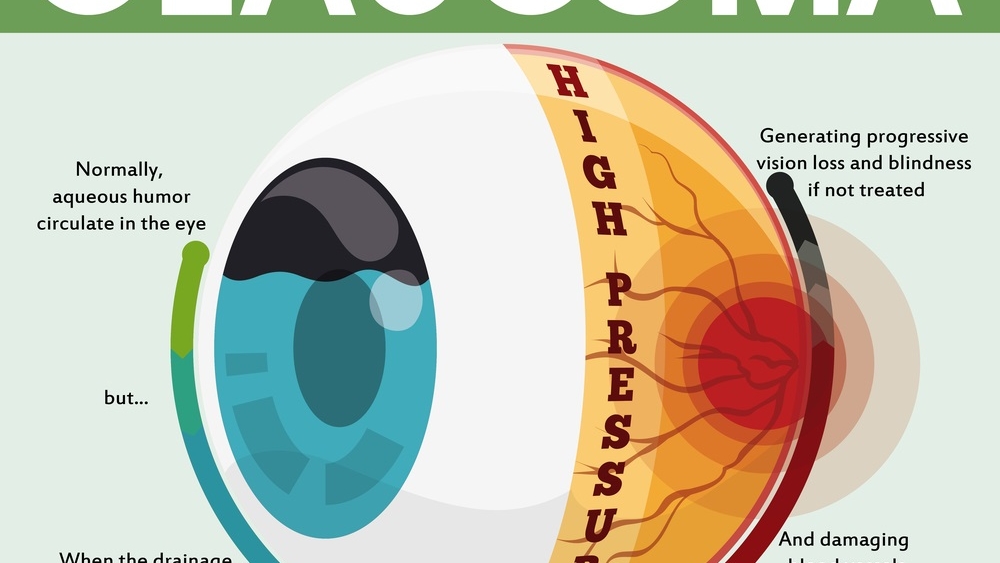
Glaucoma occurs when pressure builds inside the eye and is 40% more likely to occur in individuals who have diabetes. The pressure pinches blood vessels that carry blood to the retina and optic nerve. Vision is gradually lost as the retina and nerves are damaged from the increase in pressure. There are several treatments available for Glaucoma however some treatments may require surgery. Early detection of high pressure may be able to be managed by medication. Maintaining the proper eye pressure is key to preventing permanent damage to the eye.

As we age many people run a higher risk of developing cataracts. Those with diabetes are 60% more likely to develop them. By detecting cataracts early you can help to slow down the progression. The typical corrective action for cataracts is to remove the lens of the eye. Patients then would typically receive a new transplanted lens. In people with diabetes, vision can get worse after the removal of the lens and glaucoma may start to develop so additional treatment may be necessary.

Retinopathy is a general term used for all disorders of the retina that are caused by diabetes. The good news is that there have been giant strides in the past decade on treatment for retinopathy.

Have you noticed a pattern? Particularly those with diabetes must be extra vigilant with screenings and health checkups. The key to being able to keep your vision as clear as possible when you suffer from diabetes is early detection. Keep in mind that you often can lose more than 60% of your vision before you begin to notice significant differences. Talk with your doctor if you have diabetes so you know what symptoms to look for and schedule your annual vision screening.

Now is the time to get those regular exams scheduled. Call our office at 724-443-6767 or 724-226-0444 to schedule your annual exam today. How you take care of yourself now will determine your quality of life in years to come.


About Bissell Eye Care: John D. Bissell, OD owns and operates Bissell Eye Care servicing Northern Pittsburgh and Alle-Kiski Valley regions. With two locations to treat patients, we offer evening and Saturday appointments. Bissell Eye Care provides comprehensive eye examinations for the entire family beginning as early as 6 months, ocular disease detection and treatment, eyeglasses, sunglasses, activewear, contact lenses, and low vision examinations for those with significant vision loss. We accept most types of vision and health insurance plans. For more Information, visit bisselleyecare.com or call our Bakerstown Office at 724-443-6767 or Natrona Heights office at 724-226-0444.
Concept-words-FSA-adjustments-on-wooden-blocks-on-beautiful-background-from-dollar-bills.

Inflation and FSA Adjustments

The main purpose and benefit of contributing and using an FSA are that any contributions made are pre-tax dollars. However, any qualified medical expenses paid for using the FSA are tax-free dollars. So you effectively pay no taxes on those expenses, by reducing your taxable income.

Flexible Spending Accounts (FSAs), can help you to spend less on your health care while experiencing the maximum tax benefit. However, you must use monies within the current calendar year to reap the rewards. By spending all of the money in your account before the year-end deadline you ensure you are getting the most bang for your buck.

According to the Society for Human Resource Management, “Employees can put an extra $200 into their health care flexible spending accounts (health FSAs) next year, the IRS announced on Oct. 18, as the annual contribution limit rises to $3,050, up from $2,850 in 2022. The increase is double the $100 rise from 2021 to 2022 and reflects recent inflation.

If the employer’s plan permits the carryover of unused health FSA amounts, the maximum carryover amount rises to $610, up from $570.”

FSAs are pre-tax monies that are placed in an account and are available for use only on approved medical expenses. They differ from a health savings account, HSA, in that the money contributed can only be used for that calendar year. In other words, the FSA accounts are “Use it or Lose it”. As the year quickly draws to a close the question becomes, have you used it?

Common eligible expenses include dentist and doctor visits, procedures, and copays, prescription drug costs or co-pays, laser eye surgery, eye exams, contacts, eyeglasses, and chiropractor visits.

If you have any medical conditions that require special equipment or treatment, these expenses are typically covered as well.

While there are no exceptions that allow that money to be directly paid back to you, there are more options than you might expect as to how to spend the extra money. If you have monitored the amount spent during the year, you have an idea of what is left to spend down as December quickly approaches. There are two cases where you can get a little extra time to spend that money.

  1. A rollover option. This allows you to move up to $570 to next year’s balance.
  2. Grace period. Because most plans fall on the calendar year, this option allows you to use the money for up to 2 ½ months past the end of the year. Why is this? Because during the first few months of the year your account has accrued little funds.

Most FSA accounts come with a debit card and usually have one or the other of these two options but CANNOT have both. However, if you are required to submit a claim, be sure to watch the claim windows in which you are required to submit a claim.

How to spend FSA accounts?

If you have quite a bit left in your account, don’t despair. The list of things that you can spend the money on however is pretty large, leaving many surprised about what they can purchase using their FSA account. To get a full listing of what you’re allowed to spend money by visiting an online FSA store. These stores only sell items that qualify approved purchases using your FSA account.

Some out-of-the-ordinary expenses you can pay for using your FSA account also include:

  • Chiropractor visits
  • Artificial teeth or limbs
  • Qualified service animals, such as a guide dog, including food and grooming costs
  • Travel that was required for medical treatment.

You may also use the FSA for expenses such as hearing, vision, and dental services even if you don’t have insurance for those services.

Keeping track of your FSA account throughout the year and spending in moderation throughout the year will also help to reduce the scramble to use money that you have left as the year comes to an end. Despite the hassle of making sure all the money is spent, FSA accounts are a good way to avoid paying taxes on money that is used for medical expenses.

In today’s high inflation market consumers are utilizing all tools available to maximize their health care benefits and costs. Need to spend down some of those benefit dollars? Call our office at 724-443-6767 or 724-226-0444 to schedule your eye exam before the end of 2022.


About Bissell Eye Care: John D. Bissell, OD owns and operates Bissell Eye Care servicing Northern Pittsburgh and Alle-Kiski Valley regions. With two locations to treat patients, we offer evening and Saturday appointments. Bissell Eye Care provides comprehensive eye examinations for the entire family beginning as early as 6 months, ocular disease detection and treatment, eyeglasses, sunglasses, activewear, contact lenses, and low vision examinations for those with significant vision loss. We accept most types of vision and health insurance plans. For more Information, visit bisselleyecare.com or

Happy group of children in costumes during Halloween party - eye safety for kids

Have A Ghoulish Halloween

Although it has been a warm October, the signs of fall are here and Halloween celebrations are certainly around us. The leaves on the trees are turning and haunted houses are popping up. There is a nip in the air, pumpkin patches are in full swing and Halloween costumes are being planned. Trick-or-Treating can be a fun time for children and families and there are a few tips we would like to share to keep everyone safe. Regardless if you are planning your own costume for an adult party or a fun night out with the kids, consider these recommendations.

KEEP A CLEAR LINE OF VISION 

Does your costume or its accessories obstruct your view? Masks, wigs, and eye patches may make an outfit complete, but make sure your child can see. Some masks are very dangerous because they block your side vision and can cause a trip hazard. You might want to consider face paint or makeup for that Halloween effect.

FDA APPROVED MAKEUP

If you decide to use makeup instead of a mask, use hypo-allergenic options and keep makeup away from the eyes. Make sure that any color additives to the face paints are FDA approved (check the Summary of Additives on the FDA website). When applying makeup near or around the eye, stay away from the lid margin, or lash line—the area where you would normally apply eyeliner. If you are applying make-up very close to the eye, use only products approved for use in that area such as an eye-liner or eyeshadow. Do not use blush or lip-liner to create a “red” effect.  It is a good idea to carry a damp towel or washcloth in case the makeup begins to run while trick-or-treating.

Use a makeup remover or cotton ball with baby oil for safe removal after a night of fun.

DECORATIVE CONTACT LENSES CAN BE DANGEROUS

Decorative lenses that appear to glow in the dark or create the illusion of “cat eyes” are popular with teens. Buying the decorative contact lenses from a source other than an eye doctor can open the door to health issues.

Did you know according to the FDA that it is illegal to sell decorative contact lenses without a valid prescription? This would include the lenses that are sold on the internet, in retail shops and salons. Decorative lenses from unlicensed manufacturers may be made from inferior plastic or may contain toxic dyes. Untrained individuals may not follow proper hygiene while inserting or removing the devices. Eye infections related to improper wearing and handling of contact lenses can rapidly develop into infection and corneal ulcers, which can cause permanent blindness.

TRIP HAZARDS WITH LONG COSTUMES

Dark streets, porch steps and uneven ground are challenging especially for young children. Be sure the costume ends well above the ankles to avoid a trip hazard. Use well-fitting shoes or boots for safe walking. Make sure the costume is flame resistant and avoid baggy, billowing skirts and cloaks that might brush against a candle-lit jack-o’-lantern or luminary.

SHARP OBJECTS TO BE USED AS PROPS CAN BE DANGEROUS

Some costumes do not seem complete without swords or wands. Sharp, pointed props endanger your eyes as well as the eyes of others. If your child must carry a sword, find a belt carrier or scabbard where the sword can stay safely nestled while the kids roam the neighborhood. Buy or construct only accessories made of soft or flexible materials.

REFLECTIVE COSTUMES ARE A MUST

See and be seen! Give trick-or-treaters flashlights to find their way in the dark. There are several glow-in-the-dark devices children can wear such as necklaces or glow sticks. If the costume your child chooses is not made of reflective material, sew on reflective fabric strips or use stick-on strips of reflective tape. You want your child to be seen, especially crossing streets in the dark. Place reflective material on the front, back, and sides of your child’s costume.

Happy haunting….be informed, be safe and have a Happy Halloween.


About Bissell Eye Care: John D. Bissell, OD owns and operates Bissell Eye Care servicing Northern Pittsburgh and Alle-Kiski Valley regions. With two locations to treat patients, we offer evening and Saturday appointments. Bissell Eye Care provides comprehensive eye examinations for the entire family beginning as early as 6 months, ocular disease detection and treatment, eyeglasses, sunglasses, activewear, contact lenses, and low vision examinations for those with significant vision loss. We accept most types of vision and health insurance plans. For more information, visit bisselleyecare.com or call our Bakerstown Office at 724-443-6767 or Natrona Heights office at 724-226-0444.

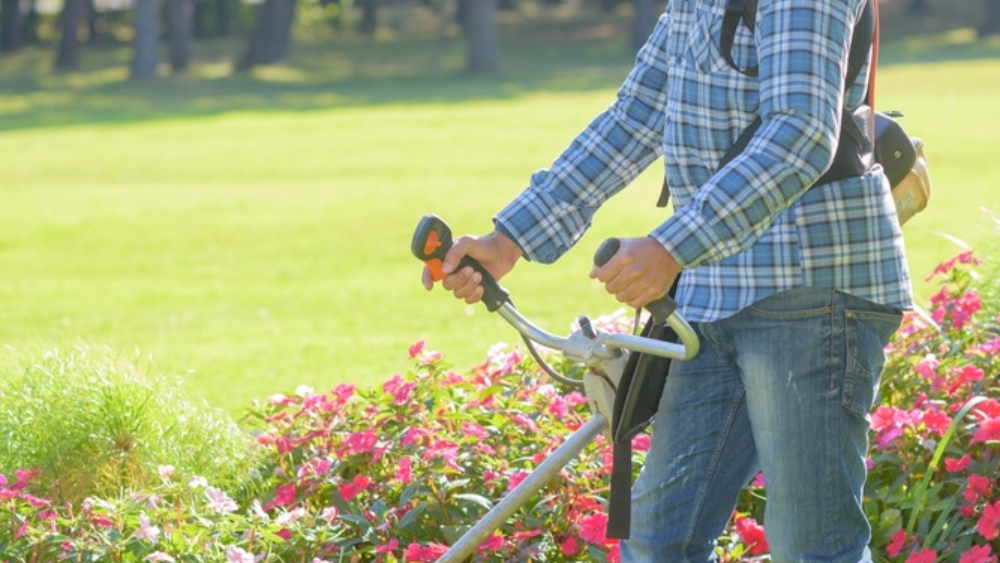
Man cutting a hedge with electrical hedge trimmer - eye injury prevention month

National Eye Injury Prevention Month

October is Eye Injury Prevention Month. According to Discovery Eye Foundation, “You may be surprised to learn that more than 1 million people suffer an eye injury every year in the United States. You may be even more surprised to learn that most of these eye injuries happen at home and can be avoided.

Unfortunately, only about three out of ten people wear protective eyewear during home projects that can cause an injury to their eyes. Wearing protective eye wear will reduce your risk for eye injury by 90 percent! The AAO urges every household to have at least one pair of ANSI-approved protective eyewear. (“ANSI-approved” means the protective eyewear is made to meet safety standards of the American National Standards Institute.)”

According to the fifth-annual Eye Injury Snapshot conducted by the American Academy of Ophthalmology and the American Society of Ocular Trauma found that:

  • “Most people believe that eye injuries are most common on the job — especially in factories and on construction sites. But in fact, nearly half of all eye injuries occurred in the home.
  • Home repairs, yard work, cleaning, and cooking caused more than 40 percent of eye injuries. More than a third of those injuries in the home happened in the kitchen, bedroom, bathroom, living or family room.
  • More than 40 percent of eye injuries every year are related to sports or recreational activities.
  • More than 78 percent of people were not wearing eyewear at the time of injury. Only 5.3 percent of those who were wearing eyewear.”

Most injuries could have been prevented by wearing protective eyewear.

Small business owners and independent contractors, you are not immune. How often do you work a “side job” without the proper eye protection? Whether you work for a large manufacturing company or are an independent business owner, you are subject to injury. Are you willing to take a risk as it could mean the loss of work, wages, and career with no safety net to ensure your financial future?

Eye injuries are not limited to the workplace. Think about the things you do around the house to get ready for winter. Flying debris or other small particles can be created from outside jobs such as trimming shrubs, raking leaves, mowing the lawn and cleaning up after a windstorm. These particles can get into your eyes and have the potential to scratch or damage your eye.  Put on protective eyewear before you use a lawnmower, power trimmer or edger and be sure to check for rocks and stones when mowing as they can become dangerous projectiles as they shoot from these machines.

Closing swimming pools, cleaning windows and gutters, as well as other projects around the house that involve the use of chemicals can lead to injury. Splashing chemicals can burn your eyes causing permanent damage. When using household chemicals, be sure to work in a well-ventilated area and keep the spray nozzle pointed away from you. Read the labels of chemicals and cleaners carefully, and do not mix products.

At Bissell Eye Care, we have many options for safety and sports eyewear available both our Bakerstown and Natrona Heights locations. If you would like to invest in your eye health, consider purchasing a reliable pair of safety glasses! As always, UV Protection is also important for optimum ocular health. Ensuring that the exposure of the eye to harmful UV radiation is as limited as possible is equally as important as wearing protective glasses during risky activities. Sunglasses may be covered under your insurance care provider (especially if they are dispensed with your current prescription).

If you have any questions or concerns regarding eye safety or would like to schedule an appointment for an eye examination, our Bakerstown office at 724-443-6767 or the Natrona Heights office at 724-226-0444.


About Bissell Eye Care: John D. Bissell, OD owns and operates Bissell Eye Care servicing Northern Pittsburgh and Alle-Kiski Valley regions. With two locations to treat patients, we offer evening and Saturday appointments. Bissell Eye Care provides comprehensive eye examinations for the entire family beginning as early as 6 months, ocular disease detection and treatment, eyeglasses, sunglasses, activewear, contact lenses, and low vision examinations for those with significant vision loss. We accept most types of vision and health insurance plans. For more information, visit bisselleyecare.com or call our Bakerstown Office at 724-443-6767 or Natrona Heights office at 724-226-0444.

Elderly couple in park after a bike ride -Take Charge of Your Health

TAKE CHARGE OF YOUR HEALTH

September is a perfect time to celebrate Healthy Aging Month. As summer winds down fall activities and upcoming holidays are top of mind. We often get so caught up with our daily routine that we forget to take care of ourselves. This month reminds us of the importance of following a healthy lifestyle to ensure we age comfortably.

Healthy aging refers to the continuous process of making lifestyle improvements that keep a person physically and mentally sharp, throughout life. The choices you make today may affect the quality of your life down the road. Diet and exercise are key components to healthy aging.

Move More, Sit Less.

Staying active can help you prevent, delay, and manage chronic diseases, improve balance and stamina, reduce the risk of falling, and improve brain health. Aim for moderate physical activity, like walking, at least 150 minutes a week (22-30 minutes a day) and muscle strengthening activities, at least 2 days a week. Things such as utilizing hand weights, carrying groceries or other activities that involve the use of your muscles. Always consult with your doctor before starting a new exercise regimen.

Use Technology to Measure Your Results

Fitbits and online apps can help track healthy eating habits and steps. Have you set a new goal to walk 10,000 steps a day? Perhaps fresh vegetables and salads are becoming a staple in your refrigerator.

Schedule Regular Checkups

As we look at the components of staying healthy – we also look at regular exams. When was the last time you had a physical, dental or eye exam? By staying up to date with regular medical exams, you can be proactive in changes that may be occurring with your health.

Seeing your eye doctor is not just about needing glasses. During the exam, you are also going to be screened for other diseases …..diabetes, cataracts, glaucoma and macular degeneration.  After the age of 40, everyone should be tested regularly for macular degeneration, especially if there is a family history of the disease.

Did you know during a comprehensive eye exam, underlying health problems can be uncovered? These are things the doctors at Bissell Eye Care look for during your exam and may uncover a health issue you may not be aware of.

  • Diabetes affects the small capillaries in the retina of the eyes. These blood vessels may leak blood or a yellowish fluid, and this may be discovered in an eye exam.
  • Hypertension presents when blood vessels in the eye exhibit bends, kinks or tears, and this may be an indication of high blood pressure.
  • Autoimmune disorders are recognized by inflammation of the eye which may be a sign of Lupus or another autoimmune disorder.
  • High cholesterol can be found with a yellowish appearance or a yellow ring around your cornea. There also may be plaques in the blood vessels of the retina which could indicate elevated cholesterol.
  • Thyroid disease will often present as bulging eyes or protruding eyeballs.
  • Cancer can be present if the structure of your eye is unusual. Ocular melanoma can develop in the cells that make pigmentation in the eye. Your eye exam can also help detect skin cancer. Basal cell carcinomas can appear on the eyelid. In any of these cases, you would be referred to a specialist.
  • Tumors can present with a droopy eyelid or irregularly shaped pupils and could possibly indicate a neck tumor or an aneurysm (Source: Digital Journal).

Just like having annual physical and regular health screenings help to detect disease, the most important lesson learned is to have an annual eye exam. Early detection of eye disease is the key to healthy vision as you age. Give our offices a call at 724-443-6767 or 724-226-0444 to schedule your annual eye exam.


About Bissell Eye Care: John D. Bissell, OD owns and operates Bissell Eye Care servicing Northern Pittsburgh and Alle-Kiski Valley regions. With two locations to treat patients, we offer evening and Saturday appointments. Bissell Eye Care provides comprehensive eye examinations for the entire family beginning as early as 6 months, ocular disease detection and treatment, eyeglasses, sunglasses, activewear, contact lenses, and low vision examinations for those with significant vision loss. We accept most types of vision and health insurance plans. For more information, visit bisselleyecare.com or call our Bakerstown Office at 724-443-6767 or Natrona Heights office at 724-226-0444.
Night driving on an asphalt road towards the headlights - tips for nigth driving

Tips for Night Driving

As September rolls around, the daylight hours become shorter and night driving occurs earlier in the evening. If night driving is difficult for you, millions of Americans feel the same way. Newer drivers can lack the experience to deal with night driving, not to mention the confidence. The National Safety Council says “Traffic death rates are three times greater at night than during the day.”


Here are some night driving safety tips.

  • Clean your windshield inside and out.
  • Lights matter – make sure yours are aimed correctly and working properly.
  • Don’t look directly into the lights of oncoming traffic.
  • Distance and speed count. Make sure to allow extra time to stop.
  • Avoid distractions such as texting or tuning the radio.
  • Watch for pedestrians and other roadside hazards.

There are things such as cataracts that affect night driving for older adults. Cataracts are not painful; however, they gradually cloud your lens. The eye’s lens is located behind the pupil. As you age cells grow and die inside of the lens. This causes debris to build up and leads to cataracts. One of the first symptoms of cataracts is decreased visibility at night. Blurry vision is also common with cataracts or seeing halos around objects.

Our pupils decrease in size and don’t dilate as dramatically in darker conditions, making it more difficult to see clearly at night. By about age 60, the human eye requires three times more light to see than at age 20. This normal decline in vision makes driving at dusk and in dark conditions more challenging for seniors. For some drivers, the effect could be as severe as wearing sunglasses while driving at night.

The cornea also clouds as the eye ages, scattering light and making older drivers sensitive to glare. This makes things like reflective road signs, the glare of streetlights on wet pavement, or headlights of oncoming vehicles harder to manage.

Lauren Fix, The Car Coach®, offers this advice for senior drivers experiencing challenges with their vision during nighttime driving: “Having bright new headlights bulbs can help seniors have clearer vision at night. Wearing yellow-tinted glasses can help cut night glare. Be aware of driving during sunrise and sunset times as the glare and lighting can make it difficult to see the road and traffic clearly. Snow and ice can cause vision issues. Always remember to clean off all the snow on all windows, lights, and signals. Make sure you can see and be seen. If driving at night is still an issue, it’s best not to take the risk and drive during daylight hours.”

If night driving is difficult for you give our offices a call at 724-443-6767 or 724-226-0444 to schedule a comprehensive eye exam.


About Bissell Eye Care: John D. Bissell, OD owns and operates Bissell Eye Care servicing Northern Pittsburgh and Alle-Kiski Valley regions. With two locations to treat patients, we offer evening and Saturday appointments. Bissell Eye Care provides comprehensive eye examinations for the entire family beginning as early as 6 months, ocular disease detection and treatment, eyeglasses, sunglasses, activewear, contact lenses, and low vision examinations for those with significant vision loss. We accept most types of vision and health insurance plans. For more information, visit bisselleyecare.com or call our Bakerstown Office at 724-443-6767 or Natrona Heights office at 724-226-0444.
health care, medicine, people, eyesight and technology concept - optometrist with trial frame checking girl patient vision at eye clinic or optics store

Back To School Eye Exams

Backpacks, lunch boxes, clothes shopping – it’s back to school time! When you mark off items on your ‘Back-To- School’ checklist, don’t forget to make an eye exam appointment for your child. Have you been bombarded with all of the health forms and documents that need to be filled out for your little one to either go back to school or start a new adventure in attending school for the first time? With all of the hustle and bustle of buying new clothes, school supplies, getting immunizations, and reviewing schedules, something as simple as your child’s eyesight can be overlooked.

Children often start their first few years of school without having a comprehensive eye exam by an optometrist. According to the American Optometric Association, 49% of parents have not had an eye exam on their children who are under six years of age, by an optometrist. A comprehensive eye exam is different than the eye screenings done by your pediatrician and/or school nurse. The organization also states as much as 80% of a child’s learning happens through his or her eyes. From reading and writing, to using a computer or writing on the blackboard, vision is a necessary component to excelling in school. While you can tell when your child is sick it is nearly impossible to determine when there is a problem that could be affecting their vision.

Young children with vision problems are unlikely to tell their teachers and parents because they don’t realize the source of the problem. Did you know that 1 in 4 children have an undetected vision problem?

It’s crucial, therefore, for adults to watch the children in our care for symptoms such as:

  •         Poor reading comprehension
  •         Slow to finish schoolwork
  •         Short attention span for close work
  •         Tendency to fidget and look away from work
  •         Frequent headaches
  •         Tendency to cover one eye
  •         Frequent blinking or eye-rubbing

With August being Children’s Eye Health and Safety Month, we want to remind parents of the importance of scheduling routine eye exams for children starting at the age of three. There is no better time to schedule your child’s checkup than before they start back to school and after-school schedules and activities become hectic.

By having routine eye visits, eye doctors can monitor your child’s vision and eye health. This will help to detect any problems with your children’s eyes that could affect their vision long-term. If their vision deteriorates, you may also see a decline in your child’s grades as struggling to see may set them at a disadvantage when it comes to watching and understanding what is being taught.

An undiagnosed eye problem could result in an academic setback in just a few short months. Some behavior problems could be linked to vision issues. These students may seem uninterested or unfocused in school when in actuality they simply cannot see clearly.

We also want to stress the importance of eye safety. As school starts back, fall sports are in full swing. As high school sports become faster-paced and highly competitive, more injuries are occurring. Eye injuries are often top of the list.  By having your children wear the proper eye protection you can help reduce the chances of sustaining an eye injury, an injury that could leave them with permanent vision loss.

Learning is fun. Make sure your child is equipped with the right tools to succeed. To schedule your child’s exam, contact our Bakerstown office at 724-443-6767 or the Natrona Heights Office at 724-226-0444.


About Bissell Eye Care: John D. Bissell, OD owns and operates Bissell Eye Care servicing Northern Pittsburgh and Alle-Kiski Valley regions. With two locations to treat patients, we offer evening and Saturday appointments. Bissell Eye Care provides comprehensive eye examinations for the entire family beginning as early as 6 months, ocular disease detection and treatment, eyeglasses, sunglasses, activewear, contact lenses, and low vision examinations for those with significant vision loss. We accept most types of vision and health insurance plans. For more information, visit bisselleyecare.com or call our Bakerstown Office at 724-443-6767 or Natrona Heights office at 724-226-0444.
Introducing ALTIUS™ – Contact Lenses For Outdoor Sports Performance

Bissell Eye Care is pleased to announce we are the first optometry practice in Western Pennsylvania to carry ALTIUS™ – a new sports performance contact lens. On land sports or water activities, ALTIUS™ incorporates Light Architecture© and 360 Degree Total Immersion Technology© into a single-use soft contact lens modality to decrease visual distractions. This design allows athletes and recreationists to perform with maximum visual comfort, clarity and quickness under wide-ranging environmental conditions.

The lenses are designed for people who may or may not need vision correction and are available in two outdoor use tints, ALTIUS™ Amber and ALTIUS™ Grey-Green. ALTIUS™. These contacts are an adjunct to, not necessarily a replacement for safety glasses. You can wear these contacts and have safety glasses, or glasses or shields over it. They are designed for light enhancement and contrast, so they are good to be used for any of the designed purposes without putting the eye at risk.

Amber is engineered for dynamic, reactive sports in a wide range of outdoor light conditions. ALTIUS™ Grey-Green is engineered for open-air activities on water and land in varying outdoor light conditions.

Users found utilizing the ALTIUS™ Grey-Green soft sports contact lenses are designed to aid visual performance by enhancing contrast and enabling the wearer to see with greater clarity in outdoor activities such as:

  •         Surfing
  •         Golfing
  •         Kayaking
  •         Fly Fishing
  •         Hiking
  •         Running
  •         Cycling
  •         Equestrian
  •         Water Skiing
  •         Sailing/Boating
  •         Skateboarding


The ALTIUS AMBER soft sport contact lenses are engineered for dynamic, reactive sports in a wide range of outdoor light conditions. These soft sports contact lenses are designed to aid visual performance in athletic and recreational settings by enhancing contrast and enabling the wearer to see objects with greater clarity for athletic sports such as:

  •         Baseball
  •         Soccer
  •         Football
  •         Volleyball
  •         Lacrosse
  •         Tennis
  •         Archery
  •         Softball
  •         Rugby
  •         Hunting
  •         Sporting Clays
  •         Snow Sports


This lens is the result of decades of research to develop “game-changing” optical solutions to address a wide range of lighting conditions in sports, recreation, education or work,” said AlanW. Reichow, OD, MEd, FAAO, Founder, President & CEO of PVTI.

Both the ALTIUS™ Amber and ALTIUS™ Grey-Green can improve the vision of more than just athletes. A high school student who recently suffered a concussion reported that “I am recovering from a concussion and have had a reduced ability to read on the computer. These lenses have changed my life! I can read for a longer duration without eye strain and am wearing the lenses most days in school.”

For more information on single-use ALTIUS™ sports performance contact lenses, call Bissell Eye Care’s Bakerstown office at 724-443-6767 or the Natrona Heights Office at 724-226-0444.


About Bissell Eye Care: John D. Bissell, OD owns and operates Bissell Eye Care servicing Northern Pittsburgh and Alle-Kiski Valley regions. With two locations to treat patients, we offer evening and Saturday appointments. Bissell Eye Care provides comprehensive eye examinations for the entire family beginning as early as 6 months, ocular disease detection and treatment, eyeglasses, sunglasses, activewear, contact lenses, and low vision examinations for those with significant vision loss. We accept most types of vision and health insurance plans. For more information, visit bisselleyecare.com or call our Bakerstown Office at 724-443-6767 or Natrona Heights office at 724-226-0444.
migraine triggers

Migraine Triggers and Vision Loss

If you are someone who suffers from migraine headaches, you may also be in the 20% of people who experience ocular migraines – often realized as a precursor to a migraine.

An ocular migraine can cause vision loss or blindness in one eye for a short time — less than an hour. This happens before or along with a migraine headache. Regular migraine attacks can also cause vision problems, called an aura, which can involve flashing lights and blind spots. But these symptoms usually happen in both eyes.

This is a visual distortion that occurs in both eyes for a short period of time and may develop as a series of bright flickering lights that will gradually obscure your vision and then go away.

Visual migraines often appear suddenly and may create the sensation of looking through a cracked window. The visual migraine aura usually moves across your field of view and disappears within 30 minutes.

The symptoms of a visual migraine typically affect both eyes and can last 30 minutes or less. A migraine headache may occur shortly after the symptoms of a visual migraine subside or you may experience no headache at all.

Painless Ocular Migraine

In some cases, ocular migraines can occur without any accompanying headache. These typically involve a widening blurry patch in your vision that is surrounded by bright, flickering lights. This will gradually spread to cover the entire field of vision, taking between a few minutes to a half an hour before going away on its own.

The visual disruption may be the only symptom, but sometimes it’s accompanied by other sensory, speech, or motor problems. If you’re doing an activity or driving when an ocular migraine occurs, stop what you are doing. If one starts coming on while you’re driving, pull over until it passes, and it may be best to lie down and relax. While these ocular migraines are usually harmless, it’s a good idea to schedule an eye exam to be sure there aren’t any underlying issues with your vision.

Migraine Aura

Migraine auras include a variety of sensations that are often visual. Auras may also include other sensations, such as numbness, that precede or accompany a migraine. A migraine aura can sometimes occur without a headache.

Visual symptoms don’t last long. A migraine aura involving your vision will affect both eyes, and you may see:

  •         Flashes of light
  •         Zigzagging patterns
  •         Blind spots
  •         Shimmering spots or stars

Web MD suggests “The first step to preventing migraines is to avoid triggers. These often include:

  •         Stress
  •         Smoking
  •         High blood pressure
  •         Hormonal birth control pills
  •         Exercise
  •         Bending over
  •         High altitude
  •         Dehydration
  •         Low blood sugar
  •         Excessive heat

Although dietary triggers — such as caffeine, alcohol, and artificial sweeteners — can cause other types of migraines, they seem less likely to trigger ocular migraines.

If other treatments don’t work and you have four or more migraine days a month, your doctor may suggest preventive medicines. You can take these regularly to reduce the severity or frequency of headaches.”

Retinal Migraine

The most dangerous form of ocular migraine is a retinal migraine. Like an aura accompanying a migraine, a retinal migraine will usually occur before a bad headache sets in, but the difference is that the visual distortions are only in a single eye.

A retinal migraine — unlike a migraine aura — will affect only one eye, not both. But usually, loss of vision in one eye isn’t related to migraine. It’s generally caused by some other more serious condition.

Retinal migraines are the rarest form of ocular migraine, but if you’ve experienced them, you should definitely see a doctor, because they are usually caused by a more serious condition.

If you’re experiencing a blind spot or other visual disturbance and you’re not sure if it’s an ocular migraine or a visual migraine, then cover one eye at a time. If the visual disturbance is occurring in just one eye, it’s likely that it’s an ocular migraine. If it affects both eyes, it’s probably a visual migraine.

But don’t take chances. If you suddenly experience any sort of blind spot in your field of vision, call our office at 724-443-6767 or 724-226-0444 immediately to determine if it’s harmless or possibly a sign of something more serious, such as a retinal detachment.


About Bissell Eye Care: John D. Bissell, OD owns and operates Bissell Eye Care servicing Northern Pittsburgh and Alle-Kiski Valley regions. With two locations to treat patients, we offer evening and Saturday appointments. Bissell Eye Care provides comprehensive eye examinations for the entire family beginning as early as 6 months, ocular disease detection and treatment, eyeglasses, sunglasses, activewear, contact lenses, and low vision examinations for those with significant vision loss. We accept most types of vision and health insurance plans. For more nformation, visit bisselleyecare.com or call our Bakerstown Office at 724-443-6767 or Natrona Heights office at 724-226-0444.

watery eyes

Why Do My Eyes Water?

Our bodies produce tears to keep our eyes lubricated, and to help remove any foreign bodies. But when the body produces too many tears, or tear drainage is affected, the result is excessively watery eyes. While not necessarily harmful, watery eyes can be troublesome and irritating. Thankfully, this condition can usually be treated quickly and effectively.

Watery eyes are characterized by an excess of tears, which can give the eyes a glassy look, and may result in tears running or dripping from the eyes.

In older adults, persistent watery eyes may occur as the aging skin of the eyelids sags away from the eyeball, allowing tears to accumulate and flow out. Dry eye syndrome, also called keratitis sicca, keratoconjunctivitis sicca, or xerophthalmia is a recurrent or persistent sensation of dryness of the eyes. The condition is uncomfortable and it can interfere with your quality of life. You may have trouble keeping your eyes open or you may not be able to work or drive due to severe dryness of your eyes. Dry eye disease can vary from mild to extremely severe.

Reflex Tears

Dry eyes can actually cause your eyes to water. The tears are similar to the tear production that is triggered when something gets in your eye. They are called reflex tears. Reflex tears don’t have the same lubricating qualities as the tears that normally protect your eyes, so they do not prevent dry eyes.

Infant and Toddler Watery Eyes Causes

Watery eyes can be a symptom of numerous medical conditions. A likely cause of watery eyes in infants can be blocked tear ducts. These often resolve on their own.

Other causes of watery eyes in infants and toddlers include infections like conjunctivitis (pink eye) or the common cold. Like adults, your child may experience watery eyes from irritants or hay fever.

Your child’s watery eyes can also be a symptom of a common cold. Children are more susceptible to colds than adults because they’ve not built up immunity and often touch their eyes, nose, and mouth, causing more germs to spread. Your child may develop watery eyes along with other cold symptoms like a stuffed or runny nose and sneezing.

Conjunctivitis, also known as pink eye, may be causing the watery eyes. This can occur in children or adults at any time. Pink eye occurs when a virus or, less commonly, bacteria get into the eye. Conjunctivitis can also be caused by irritation.

Teens And Older Adults With Too Many Tears

Tear over-secretion is usually caused by irritation or inflammation of the surface of the eye. This can occur for a number of reasons, including eyelash and eyelid problems or allergies. Oddly, a dry eye problem can sometimes cause watery eyes because the eye produces excess tears to combat the irritation and dryness.

Treatments

In the case of excessive tear production, watery eyes can often be treated very simply, with eye drops, warm compresses or sometimes medication. Treatment for tear drainage problems is usually surgical, but there’s no need to worry, as most surgical treatments are quick and highly effective.

The various causes of watery eyes in babies and toddlers require different treatments. Some require minimal action on the part of the parents, while other treatments include prescription medications or surgery.

Contact our office at 724-443-6767 or 724-226-0444 with any concerns you may have regarding watery eyes or any other eye condition.


About Bissell Eye Care: John D. Bissell, OD owns and operates Bissell Eye Care servicing Northern Pittsburgh and Alle-Kiski Valley regions. With two locations to treat patients, we offer evening and Saturday appointments. Bissell Eye Care provides comprehensive eye examinations for the entire family beginning as early as 6 months, ocular disease detection and treatment, eyeglasses, sunglasses, activewear, contact lenses, and low vision examinations for those with significant vision loss. We accept most types of vision and health insurance plans. For more nformation, visit bisselleyecare.com or call our Bakerstown Office at 724-443-6767 or Natrona Heights office at 724-226-0444.