

two young children blowing dandelions seeds with the caption Pink Eye or Allergies for eye allergies

Avoid Eye Infections This Spring: Tips for Allergy Sufferers

The trees are blooming, the grass is turning green, and spring is in the air — literally. While warmer weather and outdoor time can lift your spirits, they can also bring an unwelcome guest: seasonal allergies.

Have your eyes started watering? Is your nose feeling stuffy? If so, you’re not alone. As flowers bloom and pollen levels rise, it’s important to know how to manage allergy symptoms and prevent complications — including eye infections like pink eye.

Allergy Season Is Here — Start Preparing Now

If you typically suffer through spring, now is the time to act. Experts recommend starting allergy medications before symptoms hit. This can reduce your reaction and help you stay ahead of the pollen.

Common allergy symptoms include:

  • Itchy, red, or watery eyes
  • Clear nasal discharge
  • Sneezing
  • Scratchy throat or ears

Unlike viruses that develop gradually, allergy symptoms often come on suddenly — especially on high-pollen days. Try to limit time outdoors when pollen counts are high, keep windows closed, and use air conditioning when possible. And skip hanging laundry outside — pollen can cling to fabrics.

Eye Allergies & Pink Eye: What’s the Connection?

Among the eye-related issues triggered during allergy season, conjunctivitis (commonly called pink eye) is one of the most common. It refers to inflammation of the thin, clear tissue covering the white of the eye and inside the eyelids.

While the tissue is clear, it contains small blood vessels. When irritated or infected, these vessels enlarge, giving the eye a red or pink appearance.

3 Types of Pink Eye

Allergic Conjunctivitis

  • Triggered by allergens like pollen, dust, or pet dander.
  • Not contagious.

Bacterial Conjunctivitis

  • Caused by bacteria entering the eye.
  • Can lead to serious complications if untreated.

Viral Conjunctivitis

  • Caused by viruses similar to the common cold.
  • Highly contagious but typically clears on its own.

Treatment Options

Allergic Pink Eye:

  • Treated with antihistamines or allergy eye drops.
  • Best prevented by starting allergy medications before symptoms begin.

Bacterial Pink Eye:

  • Requires a visit to your optometrist for prescription antibiotic eye drops.
  • Prompt treatment helps prevent complications and spread.

Viral Pink Eye:

  • Usually resolves on its own in a few days.
  • Apply cool compresses to relieve discomfort — but don’t share them with others, as this form is very contagious.

Prevention Tips

Good hygiene can be the key to not sharing Pink Eye with family members. Stay healthy and reduce your risk of eye infections with these simple precautions:

  • Don’t share towels, washcloths, tissues, or eye drops.
  • Avoid rubbing or touching your eyes — especially after coughing or sneezing.
  • Never share contact lenses or contact lens cases.
  • Remove contacts before swimming, hot tubs, or even showering.
  • Wash your hands frequently, especially in schools, daycares, and other public places.

If you have seasonal allergies, talk with your doctor about prevention strategies. If you’re experiencing red, itchy, or irritated eyes — especially if accompanied by discharge or blurred vision — don’t wait it out. Let the doctors at Bissell Eye Care help you get relief and avoid potential complications.


About Bissell Eye Care: John D. Bissell, OD owns and operates Bissell Eye Care servicing Northern Pittsburgh and Alle-Kiski Valley regions. With two locations to treat patients, we offer evening appointments. Bissell Eye Care provides comprehensive eye examinations for the entire family beginning as early as 6 months, ocular disease detection and treatment, eyeglasses, sunglasses, activewear, contact lenses, and low vision examinations for those with significant vision loss. We accept most types of vision and health insurance plans. For more information, visit bisselleyecare.com or call our Bakerstown Office at 724-443-6767 or Natrona Heights office at 724-226-0444.

close up of bifocal contact lenses being placed in open eye via index finger

Bifocal Contact Lenses: A Clear Solution for Aging Eyes

Are you constantly switching between glasses — one pair for distance, another for reading? Maybe you’ve been relying on bifocals for years, or you’ve noticed that you’re starting to hold books, menus, or your phone at arm’s length just to see the text clearly.

If that sounds familiar, it might be time to consider a more flexible solution: bifocal or multifocal contact lenses.

Why Do Patients Choose Bifocal or Multifocal Contacts?

There’s a common perception that as your vision changes with age, your only options are bifocal glasses or reading glasses. But thanks to advancements in contact lens technology, many people now have a better alternative — especially those with active lifestyles who want the freedom of glasses-free vision.

These lenses are designed to help people with presbyopia — a natural, age-related condition that reduces your ability to focus on close-up objects. Presbyopia typically starts to affect people in their 40s or 50s and progresses gradually.

There are two main types of contact lenses for presbyopia:

  • Bifocal Contact Lenses

These lenses contain two distinct prescriptions in each lens — one for distance and one for near vision — much like traditional bifocal glasses. A segmented bifocal design places the reading prescription in the lower part of the lens and the distance vision in the upper portion, mimicking the design of bifocal glasses.

  • Multifocal Contact Lenses

Multifocal lenses offer a more blended visual experience. They contain multiple prescriptions across the lens, allowing your eye to transition naturally between near, intermediate, and far distances.

There are two main design styles:

  • Simultaneous Vision: Your eye views both near and far zones at the same time, and your brain automatically focuses on the appropriate one.
  • Alternating (or Translating) Vision: Similar to bifocal glasses, these lenses move with your eye’s natural motion, allowing you to shift focus as needed.

Materials & Wear Options

Bifocal and multifocal contacts are available in a variety of materials:

  • Soft lenses (comfortable and easy to adapt to)
  • Rigid gas permeable lenses (offer sharper vision for some prescriptions)
  • Hybrid lenses (combine a gas permeable center with a soft outer ring for comfort and clarity)

Many of these lenses are available in daily disposable options, offering convenience and reducing the risk of infection — a great option for those new to contact lenses or who prefer low-maintenance wear.

If you’re tired of juggling glasses or feel like reading glasses are taking over your life, you’re not alone. Many patients who thought they’d never be able to wear contacts have found success — and freedom — with bifocal and multifocal lenses.

At Bissell Eye Care, our doctors will assess your lifestyle, visual needs, and eye health to determine the best option for you. We’ll guide you through the fitting process, help you adjust, and make sure you’re seeing clearly and comfortably.

Modern Lenses

Modern contact lenses have come a long way — and so has your chance to enjoy clear vision at every distance without the hassle of multiple glasses. Whether you’re golfing, working on the computer, or reading bedtime stories to your grandchildren, there’s likely a contact lens solution that fits your needs.

Call us today at 724-443-6767 or 724-226-0444 to schedule a consultation and find out if bifocal or multifocal contact lenses are the right choice for your lifestyle.

Your vision matters — and so does your freedom.


About Bissell Eye Care: John D. Bissell, OD owns and operates Bissell Eye Care servicing Northern Pittsburgh and Alle-Kiski Valley regions. With two locations to treat patients, we offer evening appointments. Bissell Eye Care provides comprehensive eye examinations for the entire family beginning as early as 6 months, ocular disease detection and treatment, eyeglasses, sunglasses, activewear, contact lenses, and low vision examinations for those with significant vision loss. We accept most types of vision and health insurance plans. For more information, visit bisselleyecare.com or call our Bakerstown Office at 724-443-6767 or Natrona Heights office at 724-226-0444.
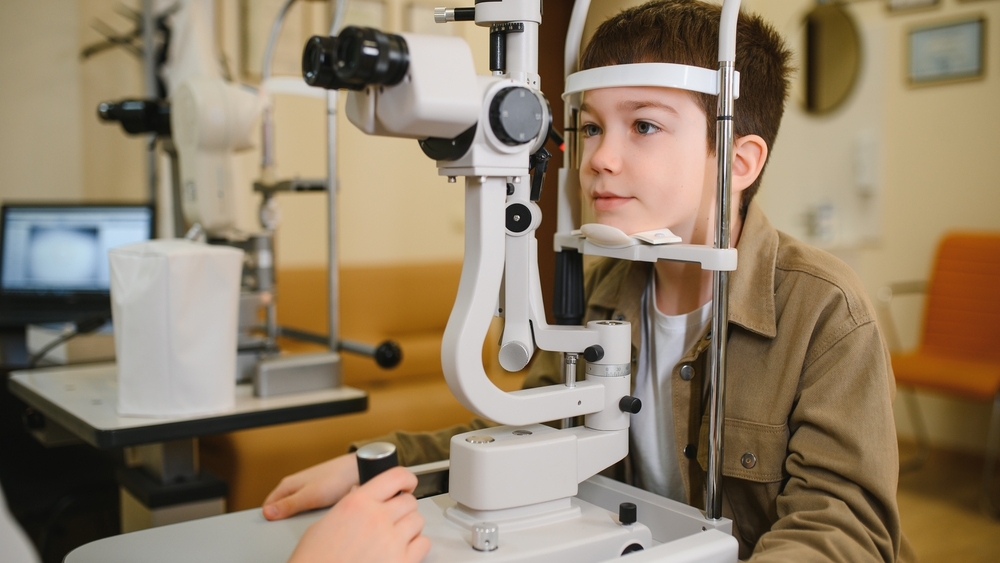
smiling young female child getting an eye exam Comprehensive Eye Exam

Preschool Registration & Your Child’s Vision: The Importance of a Comprehensive Eye Exam

Enrolling your child in preschool is an exciting milestone! As you gather school supplies, medical records, and immunization forms, don’t forget an essential step in preparing your child for success – a comprehensive eye exam.

Many parents assume that a quick vision screening at the pediatrician’s office or school is enough to detect vision problems, but these basic tests can miss up to 60% of eye conditions in young children. A comprehensive eye exam with the doctors at Bissell Eye Care will ensure your child has the clear vision and visual skills they need for learning, socializing, and exploring the world around them.

According to the American Optometric Association, “Every experience a preschooler has is an opportunity for growth and development. They use their vision to guide other learning experiences. From ages 2 to 5, a child will be fine-tuning the visual abilities gained during infancy and developing new ones.

Vision is Crucial for Early Learning

Did you know that 80% of what a child learns is processed through their eyes? Preschoolers rely on their vision for:

  • Recognizing letters, numbers, and shapes
  • Following along in books and recognizing pictures
  • Developing hand-eye coordination for coloring, puzzles, and crafts
  • Interacting with teachers and classmates

Even minor vision issues can affect a child’s ability to learn, focus, and participate in activities, potentially leading to frustration or misdiagnosed learning difficulties.

Undetected Vision Problems Can Affect Development

Children often don’t realize they have vision problems because they assume everyone sees the same way. If an issue goes undiagnosed, it can impact:

  • Depth perception – Difficulty judging distances when playing or climbing
  • Hand-eye coordination – Struggles with catching a ball, stacking blocks, or using scissors
  • Attention span – Avoiding close-up tasks or becoming easily distracted
  • Confidence – Hesitation in participating in group activities due to blurred vision

Common vision problems in preschoolers include:

  • Nearsightedness (myopia) – Difficulty seeing objects far away
  • Farsightedness (hyperopia) – Trouble focusing on close-up activities
  • Astigmatism – Blurred or distorted vision at all distances
  • Amblyopia (lazy eye) – Reduced vision in one eye that can lead to permanent vision loss if untreated
  • Strabismus (crossed eyes) – Eyes that don’t align properly, which can cause double vision and affect depth perception

Early detection is key to successful treatment!

Vision Screenings Are Not a Substitute for a Comprehensive Eye Exam. While pediatricians or schools may perform basic vision screenings, these tests only check for obvious vision issues. They do not assess eye health, focusing ability, or depth perception—all crucial for a child’s development.

A comprehensive eye exam includes:

  • A full eye health evaluation
  • Testing for eye alignment and coordination
  • Checking for refractive errors (nearsightedness, farsightedness, astigmatism)
  • Assessing depth perception and color vision

If your child does need glasses, starting early can help them adjust quickly and avoid unnecessary struggles in school.

When Should Your Child Have Their First Eye Exam?

  • 6-12 months – The first comprehensive eye exam is recommended to ensure normal development.
  • 3-5 years – A preschool eye exam checks for vision problems before starting school.
  • Before Kindergarten – An exam before formal schooling ensures clear vision for learning.

After the preschool years, children should have an eye exam at least once a year, as their vision can change rapidly as they grow.

Now is the perfect time to schedule your child’s comprehensive eye exam. Healthy vision and strong visual skills will help them thrive in the classroom and beyond! Call our offices at 724-443-6767 or 724-226-0744 today to schedule your child’s appointment.


About Bissell Eye Care: John D. Bissell, OD owns and operates Bissell Eye Care servicing Northern Pittsburgh and Alle-Kiski Valley regions. With two locations to treat patients, we offer evening appointments. Bissell Eye Care provides comprehensive eye examinations for the entire family beginning as early as 6 months, ocular disease detection and treatment, eyeglasses, sunglasses, activewear, contact lenses, and low vision examinations for those with significant vision loss. We accept most types of vision and health insurance plans. For more information, visit bisselleyecare.com or call our Bakerstown Office at 724-443-6767 or Natrona Heights office at 724-226-0444.

sign with the text spring forward by a clock on a wooden background reprensing vision and sleep

Daylight Saving Time & Your Eyes: How the Time Change Affects Vision and Sleep

Who doesn’t love longer daylight hours in the spring? Every spring, we move our clocks forward an hour for Daylight Saving Time (DST)—gaining more daylight in the evening but losing an hour of sleep. While this adjustment may seem minor, it can disrupt sleep patterns, impact overall well-being, and even affect your eye health.

If you’ve ever noticed your eyes feeling dry, irritated, or strained after a time change, you’re not alone. The shift in our internal clocks can lead to fatigue, poor focus, and even increased risk for certain eye conditions. Let’s explore how the time change affects your vision and what you can do to keep your eyes healthy.

Disrupted Sleep Leads to Eye Strain & Fatigue

Your eyes need adequate rest to function properly. Losing an hour of sleep can throw off your circadian rhythm, leading to:

  • Tired, strained eyes – Less sleep can cause the eye muscles to fatigue more quickly, making tasks like reading or using digital screens more difficult.
  • Blurred vision – Sleep deprivation can reduce tear production, leading to dryness and fluctuating vision.
  • Increased sensitivity to light – A lack of rest can make your eyes more sensitive to bright screens and sunlight.

Poor Sleep Quality Can Worsen Dry Eye Syndrome

People who already suffer from dry eye syndrome may experience worsening symptoms after the time change. Sleep deprivation can reduce tear production and cause the eyes to feel gritty, red, and irritated. This is especially true for individuals who:

  • Spend long hours in front of screens
  • Wear contact lenses
  • Have a history of dry eye disease

Blue Light Exposure at Night Disrupts Sleep & Eye Health

Many people struggle to adjust to the new time change and may use phones, tablets, or TVs before bed to wind down. However, blue light exposure from these screens can:

  • Suppress melatonin production – Making it harder to fall asleep.
  • Disrupt circadian rhythms – Leading to restless nights and tired eyes in the morning.
  • Increase digital eye strain – Causing discomfort, headaches, and blurred vision.

Increased Risk of Eye-Related Health Issues

Sleep deprivation—even from a one-hour change—can increase the risk of serious eye conditions, including:

  • Glaucoma – Poor sleep is linked to higher intraocular pressure, a major risk factor for glaucoma.
  • Retinal Damage – A lack of rest may reduce oxygen flow to the eyes, leading to long-term issues.
  • Migraines & Light Sensitivity – Poor sleep can trigger migraines, which often come with visual disturbances.

Tips to Protect Your Eyes During the Time Change

  • Adjust Your Sleep Schedule Early – Start going to bed 15-30 minutes earlier a few days before the time change to help your body adjust gradually.
  • Limit Blue Light Exposure Before Bed – Avoid screens at least an hour before bedtime or use blue light-blocking glasses.
  • Practice the 20-20-20 Rule – If you’re experiencing eye strain, take a break every 20 minutes by looking 20 feet away for 20 seconds.
  • Keep Your Eyes Hydrated – Drink plenty of water and use lubricating eye drops if you experience dryness.
  • Wear Sunglasses Outdoors – Protect your eyes from glare and UV rays, especially in the mornings when your eyes may be more sensitive.
  • Create a Sleep-Friendly Environment – Keep your bedroom cool, dark, and quiet to encourage deep, restful sleep.

Daylight Savings Time

Daylight Saving Time may only shift the clock by an hour, but its effects on sleep and vision can last for days or even weeks. By practicing healthy eye habits and prioritizing good sleep hygiene, you can minimize eye strain, dryness, and fatigue during this transition.

If you’re experiencing persistent vision problems, eye discomfort, or difficulty adjusting to the time change, schedule an eye exam. The doctors at Bissell Eye Care can check for underlying issues and recommend solutions to keep your vision sharp and comfortable.


About Bissell Eye Care: John D. Bissell, OD owns and operates Bissell Eye Care servicing Northern Pittsburgh and Alle-Kiski Valley regions. With two locations to treat patients, we offer evening appointments. Bissell Eye Care provides comprehensive eye examinations for the entire family beginning as early as 6 months, ocular disease detection and treatment, eyeglasses, sunglasses, activewear, contact lenses, and low vision examinations for those with significant vision loss. We accept most types of vision and health insurance plans. For more information, visit bisselleyecare.com or call our Bakerstown Office at 724-443-6767 or Natrona Heights office at 724-226-0444.

eye chart wtih eye drops and the text Diagnosis - Age-related Macular degeneration

Understanding Age-Related Macular Degeneration and Low Vision

February marks Age-Related Macular Degeneration (AMD) Awareness Month, an initiative led by Prevent Blindness to educate the public about the risks, symptoms, and treatment options for this leading cause of vision loss. It is also recognized as Low Vision Awareness Month, highlighting the impact of advanced AMD and other conditions that result in significant visual impairment.

What is Age-Related Macular Degeneration (AMD)?

AMD is a worsening eye disease affecting the macula, which enables sharp central vision. This condition makes it difficult to read, recognize faces, or perform detailed tasks.

There are two main types of AMD:

  • Dry AMD – The more common form, characterized by the thinning of the macula and the buildup of drusen (yellow deposits). It develops gradually over time.
  • Wet AMD – A more severe form caused by abnormal blood vessel growth under the retina, leading to sudden vision loss if untreated.

Symptoms of AMD

Early detection is key, as AMD can progress without noticeable symptoms in its early stages. However, as it advances, individuals may experience:

  • Blurred or distorted central vision
  • Difficulty recognizing faces
  • Dark or empty spots in vision
  • Straight lines appearing wavy

If you or a loved one notices any of these symptoms, scheduling an eye exam as soon as possible is crucial.

Risk Factors for AMD

While age is the biggest risk factor (AMD typically affects those over 50), other contributors include:

  • Smoking – One of the most significant preventable risk factors
  • Genetics – A family history of AMD increases risk
  • High Blood Pressure & Cardiovascular Disease – Poor circulation can contribute to macular damage
  • Poor Diet – A lack of antioxidants and omega-3 fatty acids may speed up AMD progression Excessive UV Exposure – Long-term unprotected sun exposure can damage the retina

Early Detection & Treatment Options

While there is no cure for AMD, early detection can help slow its progression. Regular comprehensive eye exams allow doctors to detect early signs and recommend lifestyle changes or treatment options.

  • Nutritional Supplements – The AREDS2 formula (a combination of vitamins C, E, zinc, copper, lutein, and zeaxanthin) can help slow the progression of intermediate AMD.
  • Anti-VEGF Injections – Used to treat wet AMD, these injections help slow abnormal blood vessel growth in the retina.
  • Healthy Lifestyle Choices – A diet rich in leafy greens, fish, and nuts, quitting smoking, and maintaining a healthy weight can help preserve vision.

Support for Those with Advanced Vision Loss

As AMD progresses, it can result in low vision, a condition where everyday tasks become challenging despite corrective lenses. February is also Low Vision Awareness Month, emphasizing the need for adaptive tools and strategies for those living with severe vision impairment.

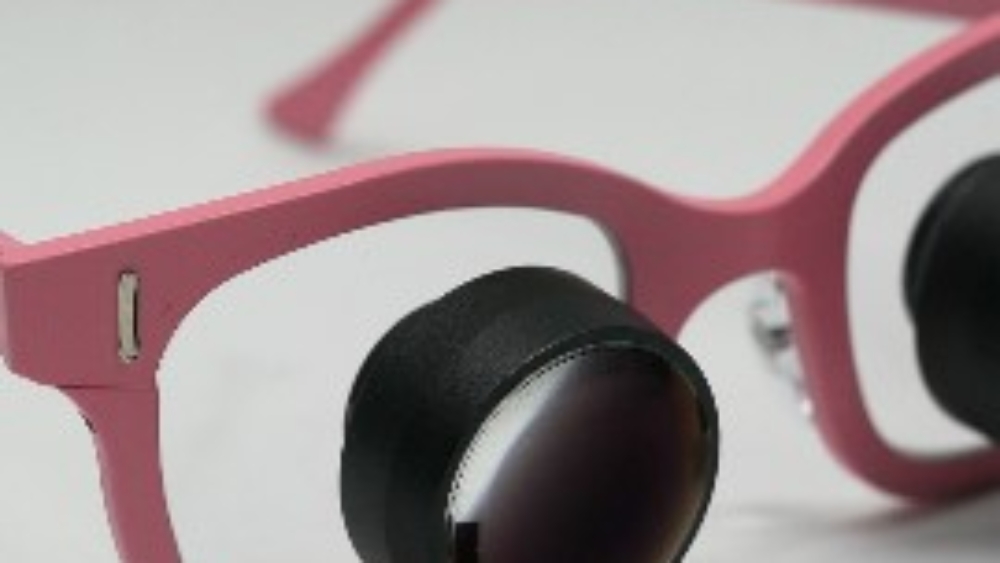
Dr. Bissell is a member of the International Academy of Low Vision Specialists (IALVS) and specializes in using specially designed telescopic glasses to help individuals with significantly decreased vision due to AMD and other ocular conditions. These advanced devices can improve quality of life by enhancing the remaining vision for reading, driving, and other essential activities.

With early detection and proper management, individuals with AMD can take steps to slow progression and maintain independence. If you or a loved one is at risk for AMD or experiencing vision changes, don’t wait—schedule a comprehensive eye exam today.  For more information about low vision services, including AMD treatment and personalized vision solutions, contact Dr. Bissell at 724-443-6767 or 724-226-0444.


About Bissell Eye Care: John D. Bissell, OD owns and operates Bissell Eye Care servicing Northern Pittsburgh and Alle-Kiski Valley regions. With two locations to treat patients, we offer evening appointments. Bissell Eye Care provides comprehensive eye examinations for the entire family beginning as early as 6 months, ocular disease detection and treatment, eyeglasses, sunglasses, activewear, contact lenses, and low vision examinations for those with significant vision loss. We accept most types of vision and health insurance plans. For more information, visit bisselleyecare.com or call our Bakerstown Office at 724-443-6767 or Natrona Heights office at 724-226-0444.

heart shaped bowl full of fruits and veggies representing heart health and your eyes

Heart Health & Your Eyes: The Link Between Cardiovascular Health and Vision Problems

February is designated as American Heart Month to raise awareness about heart disease, the leading cause of death in the United States. Did you know that your heart and eyes are more connected than you might think? While we often associate heart disease with high blood pressure or cholesterol, its effects can also extend to your vision. The eyes are full of tiny, delicate blood vessels that are highly sensitive to changes in blood flow. When your cardiovascular system is not functioning properly, your eyes may show some of the earliest warning signs.

How Heart Health Affects Your Vision

Since your eyes rely on a steady supply of oxygen-rich blood, any issues affecting your circulation can impact your vision. Here are some common cardiovascular-related eye problems:

Hypertensive Retinopathy (High Blood Pressure & Eye Damage)

High blood pressure (hypertension) can cause damage to the retina, the light-sensitive tissue at the back of your eye. Over time, this can lead to:

  • Narrowed or leaking blood vessels
  • Blurred or double vision
  • Vision loss in severe cases

If left untreated, hypertensive retinopathy can increase the risk of serious eye conditions, including retinal detachment or optic nerve damage.

Diabetic Retinopathy (Diabetes & Vision Loss)

Diabetes and heart disease often go hand in hand. High blood sugar levels can damage the small blood vessels in the retina, leading to diabetic retinopathy. Symptoms include:

  • Dark spots or floaters in vision
  • Blurry or fluctuating vision
  • Difficulty seeing at night

Diabetic retinopathy is a leading cause of blindness, making regular eye exams essential for early detection and treatment.

Retinal Artery & Vein Occlusion (Eye Strokes)

Just like the arteries in your heart, the arteries and veins in your eyes can become blocked due to poor circulation or blood clots. This is known as a retinal artery or vein occlusion, sometimes referred to as an “eye stroke.” It can cause:

  • Sudden vision loss or blurriness
  • Dark spots or a shadow in one eye
  • Pain or pressure in the eye

Since these blockages are often linked to high cholesterol, high blood pressure, or heart disease, they may be a warning sign of future cardiovascular problems.

Age-Related Macular Degeneration (AMD) & Heart Disease

AMD is a leading cause of vision loss in older adults and has been linked to cardiovascular disease. Poor circulation and inflammation can contribute to the breakdown of the macula, the part of the retina responsible for sharp, central vision. Risk factors include:

  • High blood pressure
  • High cholesterol
  • Smoking and poor diet

Keeping your heart healthy can also help slow the progression of AMD.

Protecting Your Heart & Eyes

The good news is that many of the lifestyle habits that promote heart health also benefit your eyes. Here are some ways to keep both in top shape:

  • Control Blood Pressure & Cholesterol – Follow your doctor’s advice on managing hypertension and high cholesterol.
  • Eat a Heart-Healthy Diet – Foods rich in omega-3s, antioxidants, and leafy greens support both heart and eye health.
  • Exercise Regularly – Physical activity improves circulation, reducing the risk of eye and heart conditions.
  • Quit Smoking – Smoking damages blood vessels, increasing the risk of vision loss and heart disease.
  • Schedule Regular Comprehensive Eye Exams that include dilation. The doctors at Bissell Eye Care can detect early signs of heart-related eye issues before they cause permanent damage.

Your eyes can reveal a lot about your overall health, including your risk of heart disease. If you’re experiencing any vision changes, especially sudden blurriness, vision loss, or dark spots call our office at 724-443-6767 or 724-226-0444 to schedule an eye exam as soon as possible. By taking care of your heart, you’re also protecting your eyesight for years to come.


About Bissell Eye Care: John D. Bissell, OD owns and operates Bissell Eye Care servicing Northern Pittsburgh and Alle-Kiski Valley regions. With two locations to treat patients, we offer evening appointments. Bissell Eye Care provides comprehensive eye examinations for the entire family beginning as early as 6 months, ocular disease detection and treatment, eyeglasses, sunglasses, activewear, contact lenses, and low vision examinations for those with significant vision loss. We accept most types of vision and health insurance plans. For more information, visit bisselleyecare.com or call our Bakerstown Office at 724-443-6767 or Natrona Heights office at 724-226-0444.
Woman with cup of drink and book near fireplace at home representing a cause of dry eyes in winter

What Causes Dry Eyes in Winter?

Winter creates a unique set of challenges for your eyes that make them feel drier.  The season brings about environmental changes and lifestyle factors that occur during the colder months, often leading to dry eyes in winter. Here’s why:

Dry Indoor Air: As temperatures drop, we rely on heating systems to stay warm. However, heated air often lacks humidity, drying out the natural moisture in your eyes.

Cold, Windy Conditions: When you’re outside, cold winds can strip moisture from your eyes, exacerbating dryness and irritation.

Reduced Blink Rate: During winter, we tend to spend more time indoors on digital devices. Staring at screens can reduce how often we blink, which limits the spread of tears across the eye’s surface.

Environmental Allergens: Dust and pet dander are more prevalent indoors during winter, which can aggravate dry eyes, especially for those prone to allergies.

Seasonal Tear Production Changes: Cold weather may also reduce tear production for some people, leaving their eyes less equipped to stay moist.

Symptoms of Dry Eyes

Dry eye symptoms can range from mild discomfort to more severe irritation. Common symptoms include:

  • A gritty or sandy feeling in your eyes
  • Redness or irritation
  • Excessive tearing (a response to dryness)
  • Blurred vision
  • Sensitivity to light
  • Difficulty wearing contact lenses

How to Alleviate Dry Eye Symptoms in Winter

Fortunately, there are many ways to protect your eyes from winter dryness and relieve symptoms:

Use a Humidifier: Add moisture back into the air at home or work with a humidifier. This can help prevent your eyes from drying out, especially in heated indoor spaces.

Stay Hydrated: Drink plenty of water throughout the day to keep your body—and your eyes—hydrated.

Apply Artificial Tears: Over-the-counter lubricating eye drops can help replenish moisture and relieve discomfort. Look for preservative-free options for frequent use.

Wear Protective Eyewear: When outdoors, wear wraparound sunglasses or goggles to shield your eyes from cold winds and prevent moisture loss.

Take Screen Breaks: Follow the 20-20-20 rule: every 20 minutes, look at something 20 feet away for 20 seconds. This helps maintain a healthy blink rate and prevents eye strain.

Adjust Your Diet: Incorporate omega-3 fatty acids into your diet by eating foods like salmon, walnuts, and flaxseed. These nutrients support tear production and eye health.

Limit Contact Lens Wear: If your dry eyes are severe, consider switching to glasses temporarily or use contact lenses specifically designed for dry eyes.

Avoid Direct Heat Sources: Sitting too close to heaters or fireplaces can dry out your eyes. Position yourself a few feet away and use a humidifier to counteract the dryness.

While mild dry eye symptoms can often be managed at home, you should contact our office if:

  • Your symptoms are severe or worsening.
  • You experience persistent redness, pain, or vision changes.
  • Over-the-counter treatments aren’t providing relief.

If dry eyes persist despite these measures, consult the doctors at Bissell Eye Care. They can assess the severity of your condition and recommend treatments such as prescription eye drops, punctal plugs, or other advanced therapies. Our doctors can help pinpoint the cause of your dry eyes and create a personalized treatment plan to restore comfort and clarity.

Winter weather doesn’t have to mean discomfort for your eyes. With the right preventive measures and treatments, you can keep your eyes hydrated and healthy all season long. If you have questions or concerns, contact our office at 724-443-6767 or 724-226-0444.


About Bissell Eye Care: John D. Bissell, OD owns and operates Bissell Eye Care servicing Northern Pittsburgh and Alle-Kiski Valley regions. With two locations to treat patients, we offer evening appointments. Bissell Eye Care provides comprehensive eye examinations for the entire family beginning as early as 6 months, ocular disease detection and treatment, eyeglasses, sunglasses, activewear, contact lenses, and low vision examinations for those with significant vision loss. We accept most types of vision and health insurance plans. For more information, visit bisselleyecare.com or call our Bakerstown Office at 724-443-6767 or Natrona Heights office at 724-226-0444.
 

man wtih head tilted back putting eye drops in eyes pink eyes

Pink Eye 101: Causes, Types, and Seasonal Triggers

As another season of cold and flu ramps up, another unwelcome visitor often tags along—pink eye, also known as conjunctivitis. Pink eye is a common condition, particularly during colder months, when respiratory illnesses are more prevalent. Let’s take a closer look at what causes pink eye during this time, the different types of conjunctivitis, and how to protect your eyes.

Why Does Cold and Flu Season Lead to More Cases of Pink Eye?

The cold and flu season creates the perfect environment for the spread of viruses and bacteria, which are leading culprits of pink eye. Here’s how it happens:

Respiratory Infections: Viruses like adenovirus, often responsible for colds, can also cause viral conjunctivitis. Sneezing, coughing, or touching your eyes after handling contaminated surfaces spreads the virus quickly.

Weakened Immune System: When your body is busy fighting off a cold or the flu, your immune system may be less effective at protecting your eyes from infection.

Close Contact Indoors: During colder months, people tend to spend more time indoors, increasing close contact and the likelihood of sharing germs.

Types of Conjunctivitis

There are three main types of pink eye, each with distinct causes and symptoms:

Viral Conjunctivitis:

  • Cause: Viruses like adenovirus, often linked to colds.
  • Symptoms: Watery discharge, redness, and irritation in one or both eyes.
  • Contagiousness: Highly contagious and often spreads in schools, workplaces, or households.

Treatment: No specific treatment; symptoms typically resolve within 7-14 days. Use a cold compress and artificial tears to relieve discomfort.

Bacterial Conjunctivitis:

  • Cause: Bacteria such as Staphylococcus or Streptococcus.
  • Symptoms: Thick, yellow, or greenish discharge that may cause eyelids to stick together, redness, and swelling.
  • Contagiousness: Extremely contagious and often spread through direct contact or shared items like towels.

Treatment: Requires antibiotics, either in the form of eye drops or ointments, prescribed by the doctors at Bissell Eye Care or your primary care doctor.

Allergic Conjunctivitis:

  • Cause: Allergens like pollen, pet dander, or dust mites.
  • Symptoms: Itchy, watery eyes, redness, and swelling. Symptoms often occur in both eyes.
  • Contagiousness: Not contagious.

Treatment: Over-the-counter or prescription allergy medications and eye drops can help.

How to Prevent Pink Eye During Cold and Flu Season

There are several steps you can take to reduce your risk of pink eye:

Wash Your Hands Frequently: Use soap and water to wash your hands thoroughly, especially after touching your face, coughing, or sneezing.

Avoid Touching Your Eyes: Try to avoid rubbing your eyes, as this can transfer germs directly to the eye.

Disinfect Common Surfaces: Regularly clean surfaces like doorknobs, keyboards, and smartphones to prevent the spread of bacteria and viruses.

Use Your Own Towels and Makeup: Sharing items like face towels, eye makeup, or contact lens cases can increase the risk of spreading pink eye.

Practice Respiratory Hygiene: Cover your mouth and nose with a tissue or your elbow when you sneeze or cough, and dispose of tissues immediately.

Stay Home If You’re Sick: If you have cold or flu symptoms, staying home can help prevent the spread of germs to others.

While many cases of pink eye resolve on their own, you should see the doctors at Bissell Eye Care if:

  • Your symptoms persist for more than a week.
  • You experience significant pain, blurred vision, or sensitivity to light.
  • You have a weakened immune system or an existing eye condition.

Our doctors can diagnose the type of conjunctivitis you have and recommend the best course of treatment to get you back to feeling—and seeing—your best.

Pink eye may be common during cold and flu season, but with proper hygiene and quick action, you can protect your eyes and reduce the risk of spreading this condition. If you suspect you or your child may have pink eye, don’t hesitate to schedule an appointment by calling 724-443-6767 or 724-226-0444. Healthy eyes are always worth it!


About Bissell Eye Care: John D. Bissell, OD owns and operates Bissell Eye Care servicing Northern Pittsburgh and Alle-Kiski Valley regions. With two locations to treat patients, we offer evening appointments. Bissell Eye Care provides comprehensive eye examinations for the entire family beginning as early as 6 months, ocular disease detection and treatment, eyeglasses, sunglasses, activewear, contact lenses, and low vision examinations for those with significant vision loss. We accept most types of vision and health insurance plans. For more information, visit bisselleyecare.com or call our Bakerstown Office at 724-443-6767 or Natrona Heights office at 724-226-0444.

image of US money sprawled out with block letters FSA on top representing 2024 FSA benefits

Maximize Your 2024 FSA Benefits – How to Spend Wisely Before Year-End

With rising costs in essentials like groceries, utilities, and daily living expenses, families are feeling the pinch on their budgets. As inflation continues to impact household finances, many are looking to Flexible Spending Accounts (FSAs) as a strategic way to stretch their dollars. FSAs allow individuals to set aside pre-tax income specifically for healthcare expenses, reducing taxable income while covering essential medical costs. This means families can save money by using tax-free funds to pay for eligible expenses, freeing up more of their earnings for other needs.

Maximizing FSA Dollars to Offset Rising Costs

For families feeling the strain of increased expenses, FSAs offer significant relief. By making pre-tax contributions, families reduce their taxable income, effectively lowering their overall tax burden. These savings can be directed toward various healthcare expenses, including doctor’s visits, prescription medications, dental care, vision expenses, and even specialized treatments like physical therapy and chiropractic visits.

With the 2024 contribution limit increased to $3,200, families have even more room to allocate tax-free funds toward healthcare costs. This increase allows for more financial flexibility, making it easier to cover routine check-ups, annual eye exams, vaccinations, and unforeseen medical needs without tapping into post-tax income.

Stretching Healthcare Dollars with an FSA

An FSA can be particularly valuable when it comes to planning and budgeting for healthcare. Many families use their FSAs to budget for regular expenses they know will come up, such as yearly physicals, eye exams, and prescriptions. This planning helps avoid unexpected costs that can disrupt a tight budget. And with the wide range of eligible items, FSAs can be a go-to resource for stocking up on over-the-counter medications, first-aid supplies, and other essentials that might not be covered by insurance.

Reducing End-of-Year Pressure with Smart Spending

Families who make a habit of tracking their FSA balance throughout the year are often better positioned to avoid last-minute spending to use up remaining funds. Keeping an eye on FSA spending means they can use the account for regular purchases as needed, rather than scrambling at year-end. And, with options like the FSA grace period or rollover feature (depending on their plan), families have a bit more time to make sure their healthcare dollars are used wisely.

Leveraging FSA Benefits to Offset Everyday Costs

FSAs don’t just help with doctor’s bills; they can also cover a broad array of products and services that ease the burden of everyday health and wellness needs. Commonly eligible expenses like contact lenses, glasses, and safety glasses, can all be paid for with FSA dollars. These added benefits allow families to manage costs that would otherwise be out-of-pocket, providing some relief from the rising cost of living.

Making FSA Dollars Work for You

If you’re looking for ways to maximize your FSA this year, consider scheduling routine healthcare visits, filling prescriptions, or buying necessary health supplies before the end of the year. If you’ve delayed any treatments or check-ups, using your FSA can ensure these expenses don’t affect your regular budget. Additionally, some FSA plans offer the convenience of a debit card, making it simple to pay for eligible expenses directly.

By making the most of this tax-advantaged account, families can keep healthcare costs from being an extra burden, even in today’s high-cost environment. Don’t lose those hard earned FSA funds! Schedule your annual eye exam, upgrade or change your eyeglass frames, invest in safety glasses, or purchase contact lenses at Bissell Eye Care. Call our office at 724-443-6767 or 724-226-0444 today and maximize your FSA benefits before the year ends!


About Bissell Eye Care: John D. Bissell, OD owns and operates Bissell Eye Care servicing Northern Pittsburgh and Alle-Kiski Valley regions. With two locations to treat patients, we offer evening appointments. Bissell Eye Care provides comprehensive eye examinations for the entire family beginning as early as 6 months, ocular disease detection and treatment, eyeglasses, sunglasses, activewear, contact lenses, and low vision examinations for those with significant vision loss. We accept most types of vision and health insurance plans. For more information, visit bisselleyecare.com or call our Bakerstown Office at 724-443-6767 or Natrona Heights office at 724-226-0444.
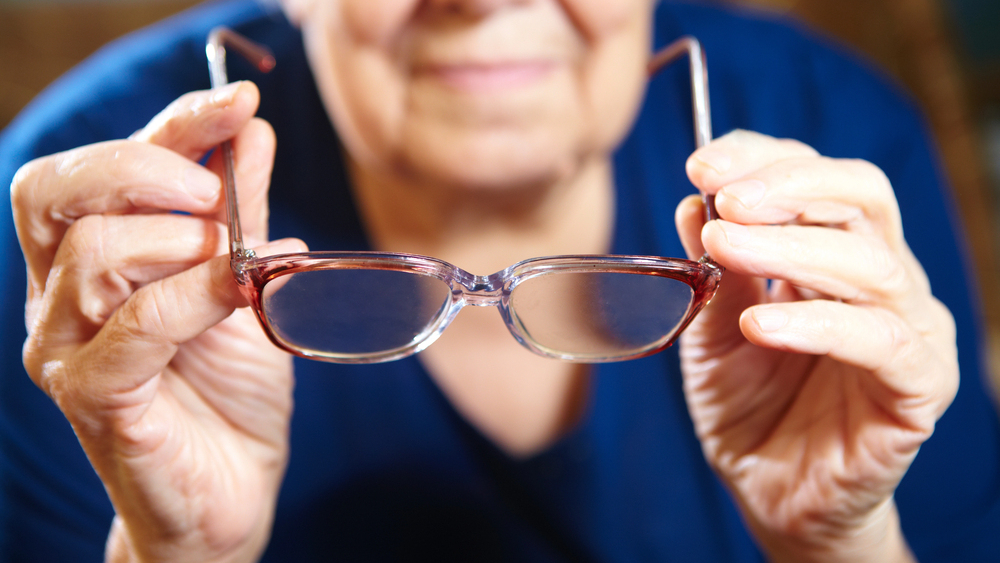
image of fruits and vegetables including apples oranges brocolli and tomatoes in a heart shaped bowl representing ways to reduce risk for diabetes

Are You at Risk for Diabetes?

November is Diabetic Eye Disease Awareness Month, an important time to learn how diabetes can affect your eyesight and why managing your vision health is essential. People with diabetes face an increased risk of vision problems, including diabetic retinopathy, glaucoma, and cataracts. However, with the right care and regular eye exams, it’s possible to maintain clear, healthy vision. The National Institute of Diabetes and Kidney Disease, states, “diabetes affects about 38 million Americans, including adults and youth. Diabetes can damage the eyes, kidneys, nerves, and heart, and it is linked to some types of cancer.”

According to the Mayo Clinic many people with diabetes will eventually experience some degree of retinal damage, known as diabetic retinopathy, regardless of how well they control their blood sugar. Studies show that 20 years after diagnosis, over 90% of individuals with type 1 diabetes and more than 60% of those with type 2 diabetes have diabetic retinopathy. This condition is often mild and may not initially impact vision.

Understanding How Diabetes Affects Your Eyesight

Diabetes can impact vision by affecting the blood vessels in your retina, leading to conditions such as:

  • Diabetic Retinopathy: The most common cause of vision loss in people with diabetes is diabetic retinopathy which occurs when high blood sugar levels damage blood vessels in the retina. In its early stages, you may not notice symptoms, but over time it can lead to vision loss if left untreated.
  • Diabetic Macular Edema (DME): DME occurs when fluid builds up in the macula, the part of the retina responsible for sharp vision, causing swelling and blurred vision.
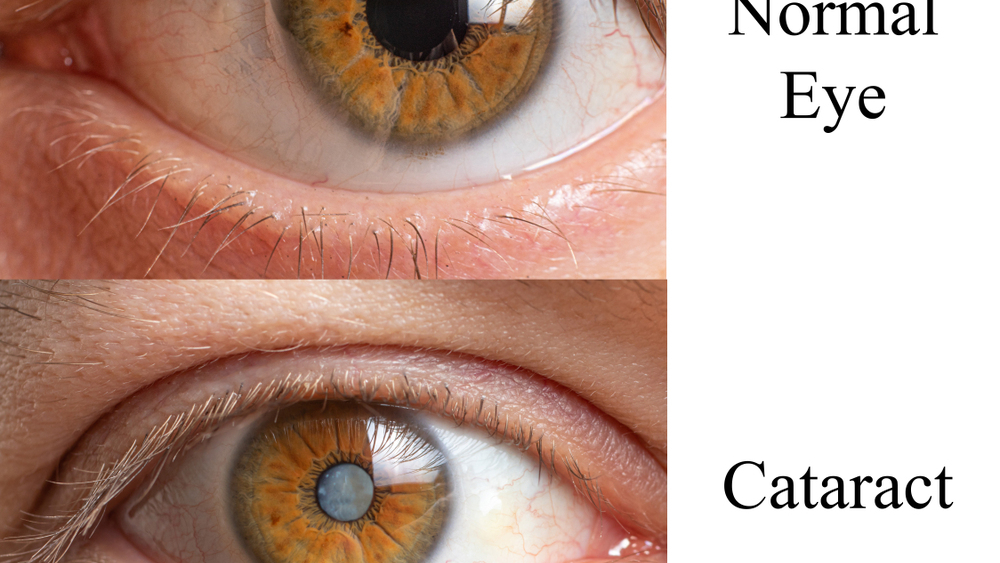
  • Cataracts and Glaucoma: Diabetes increases the risk of cataracts, where the eye lens becomes cloudy, and glaucoma, a condition where increased pressure within the eye damages the optic nerve.

The Importance of Annual Eye Exams

  • Since many diabetic eye conditions develop without symptoms, regular comprehensive eye exams are crucial for early detection and treatment. During an eye exam, the doctors at Bissell Eye Care will dilate your pupils to check for signs of diabetic retinopathy, macular edema, and other eye issues. The earlier these conditions are caught, the better the chances of slowing their progression. If untreated, diabetic macular edema can cause partial vision loss or even blindness.
  • Early Detection Saves Sight: Diabetic retinopathy is treatable if caught early, but severe cases are more challenging to manage. Annual exams ensure any issues are addressed promptly.
  • Personalized Care: The Bissell Eye Care team of doctors can tailor care recommendations based on the specific challenges related to diabetes, including medication side effects or lifestyle changes that may impact eye health.

Tips for Maintaining Healthy Vision with Diabetes

While diabetes poses certain risks to eye health, you can take proactive steps to help maintain clear vision and reduce complications.

  • Keep Blood Sugar Levels in Check: Consistently high blood sugar can damage blood vessels throughout your body, including your eyes. Following your prescribed diabetes care plan can help keep your levels stable, protecting your overall and vision health.
  • Manage Blood Pressure and Cholesterol: High blood pressure and cholesterol can further increase your risk of diabetic eye disease. Working with your doctor to keep these levels under control is beneficial for your vision.
  • Quit Smoking: Smoking exacerbates blood vessel damage, especially in those with diabetes, increasing the risk of diabetic retinopathy. Quitting smoking has significant benefits for both your eye health and overall wellness.
  • Wear Sunglasses: Protect your eyes from harmful UV rays, which can worsen eye conditions like cataracts, by wearing UV-protective sunglasses when outdoors.

Final Note on Risk for Diabetes

If you have diabetes, knowing the risks to your eyesight and how to manage them can help you protect your vision. Diabetic eye disease is often preventable with early care and lifestyle adjustments. Don’t let silent symptoms sneak up on you. Monitor your blood sugar and adopt healthy habits to safeguard your vision for years to come. Remember, maintaining your eye health starts with staying proactive—so take control of your vision by maintaining regular eye exams. Take the time this month to book your annual eye exam with Bissell Eye Care by calling 724-443-6767 or 724-226-0444 today and make your vision health a priority.


About Bissell Eye Care: John D. Bissell, OD owns and operates Bissell Eye Care servicing Northern Pittsburgh and Alle-Kiski Valley regions. With two locations to treat patients, we offer evening appointments. Bissell Eye Care provides comprehensive eye examinations for the entire family beginning as early as 6 months, ocular disease detection and treatment, eyeglasses, sunglasses, activewear, contact lenses, and low vision examinations for those with significant vision loss. We accept most types of vision and health insurance plans. For more information, visit bisselleyecare.com or call our Bakerstown Office at 724-443-6767 or Natrona Heights office at 724-226-0444.