
preschool-eye-exam

Why Your Preschooler Should Have an Annual Eye Exam

As parents prepare their children for preschool, they often focus on choosing the right classroom, teachers, and learning environment. One important step that is sometimes overlooked is making sure your child’s vision is ready for school. A comprehensive eye exam before and during the preschool years can help identify vision problems early and ensure your child is set up for success in the classroom.

Vision plays a major role in how young children learn and interact with the world around them. According to the American Optometric Association, “Vision screenings are a limited process and can’t be used to diagnose an eye or vision problem, but rather may indicate a potential need for further evaluation. They may miss as many as 60% of children with vision problems. Even if a vision screening does not identify a possible vision problem, a child may still have one.” Because many vision issues are not obvious, children may not realize they are seeing differently than others.

Vision Plays a Key Role in Early Learning

During preschool years, children develop critical visual skills that help them learn and grow. In fact, experts estimate that up to 80% of learning in a child’s early years is visual.

Preschoolers rely on their vision to develop:

  • Eye-hand coordination
  • Fine motor skills used for drawing and writing
  • Visual tracking and focusing skills
  • Visual perception needed for reading readiness

If a child cannot see clearly or struggles with how their eyes work together, it may lead to difficulties with reading, concentration, coordination, and even social interactions.

Research also shows:

  • 60% of children with reading difficulties have an undiagnosed vision problem.
  • Children with untreated vision issues are three times more likely to fall behind in school.

Identifying and treating these problems early can make a significant difference in your child’s confidence and academic success.

Vision Screenings vs. Comprehensive Eye Exams

Many preschools perform basic vision screenings as part of their enrollment process. While these screenings can be helpful, they are not a substitute for a comprehensive eye exam.

A basic screening usually checks visual clarity using an eye chart. This can detect issues like nearsightedness or farsightedness but may miss other common problems.

A comprehensive eye exam evaluates much more, including:

  • Visual acuity (how clearly your child sees)
  • Eye movement and tracking
  • How the eyes work together (binocular vision)
  • Focusing ability
  • Color vision
  • Overall eye health and internal eye structures

These detailed tests allow eye doctors to detect vision issues that screenings may overlook.

Making Eye Exams Comfortable and Fun for Children

At Bissell Eye Care, we understand that young children may feel nervous during their first eye exam. That’s why our exams are designed to be engaging and comfortable.

For children who are not yet reading letters, we use shapes and colors instead of traditional eye charts. We also use fun tools like puppets and special lights to keep children relaxed while we check their vision.

During the exam, we evaluate:

  • How the eyes track and move together
  • Signs of significant nearsightedness or farsightedness
  • Overall eye health and development

Our goal is to make the experience positive while ensuring your child’s vision is developing properly.

Set Your Child Up for Success

Regular eye exams are an important part of preparing your child for preschool and beyond. Detecting vision problems early allows for timely treatment and helps ensure your child has the visual skills needed to learn, play, and grow with confidence.

To learn more or schedule your child’s eye exam, contact Bissell Eye Care at 724-443-6767 or 724-226-0444.

You can also follow us on Facebook at facebook.com/BissellEyes for more helpful eye care tips and updates.


About Bissell Eye Care: John D. Bissell, OD, is the owner of Bissell Eye Care, proudly serving the Northern Pittsburgh and Alle-Kiski Valley regions. Dr. Bissell has received advanced training through the International Academy of Low Vision Specialists, enabling him to help patients living with vision impairment and low vision challenges. With two convenient office locations and evening appointments available, Bissell Eye Care offers comprehensive eye exams for the entire family—starting as young as six months. Our services include ocular disease detection and treatment, prescription eyeglasses and sunglasses, specialty activewear eyewear, contact lenses, and dedicated low vision evaluations for those with significant vision impairment and vision loss. We accept most vision and health insurance plans. To learn more, visit bisselleyecare.com or call our Bakerstown office at 724-443-6767 or our Natrona Heights office at 724-226-0444.
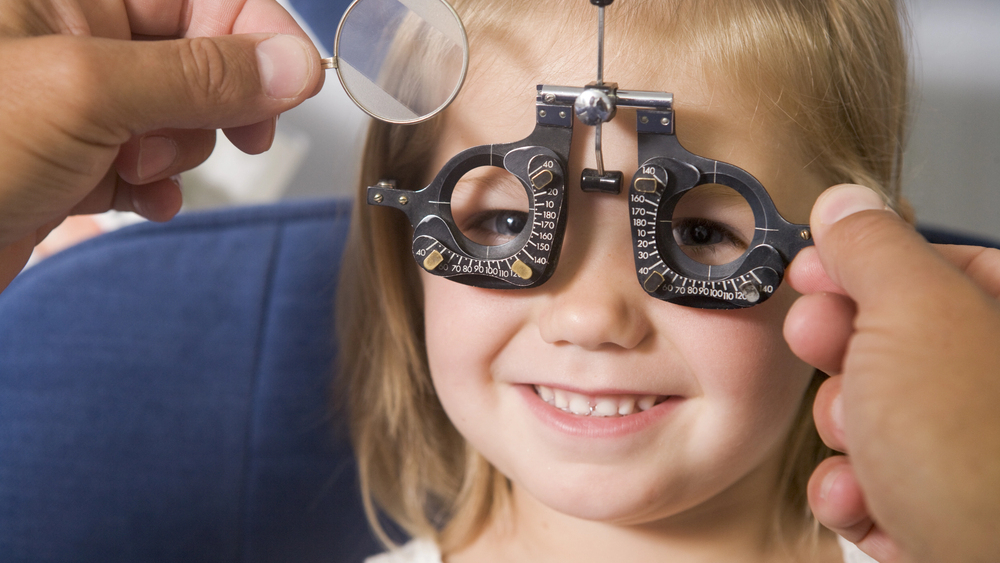
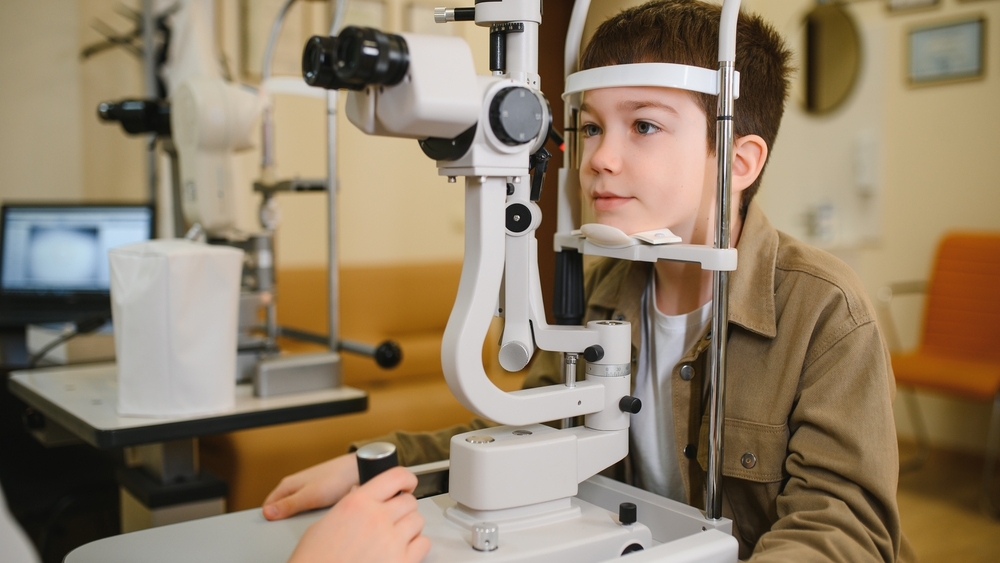
Boy undergoing eyesight examination with slit lamp biomicroscope in ophthalmology clinic back-to-school eye exam

Back-to-School Eye Exams: An Important Step for Academic Success

As the school year begins, many parents focus on gathering school supplies, organizing schedules, and preparing their children for the classroom. But there’s one essential item that’s often overlooked—an annual eye exam. Good vision is foundational to a child’s ability to learn, and yet vision issues can often go unnoticed, especially by children themselves.


Why Eye Exams Matter More Than You Think

Did you know that 80% of what children learn in school is presented visually? From reading and writing to using digital devices and viewing the board, clear vision is essential. However, vision screenings done at school or pediatric offices are not comprehensive. They may miss issues like eye teaming, focusing problems, or even moderate refractive errors such as nearsightedness, farsightedness, and astigmatism.

How Vision Problems Impact Learning

Children with undiagnosed vision issues may struggle to focus, avoid reading, or fall behind academically. In fact, many symptoms of vision problems can be mistaken for behavioral issues, such as ADHD or lack of interest. Common signs to watch for include:

  • Frequent squinting or tilting the head
  • Holding books or screens very close
  • Complaints about headaches or tired eyes
  • Difficulty paying attention in class
  • Poor reading comprehension or slow reading pace
  • Excessive eye rubbing
  • Eye Strain and Digital Learning

With the growing use of tablets and computers in schools, children are spending more time than ever in front of screens. This can lead to digital eye strain, also known as computer vision syndrome. Symptoms may include:

  • Blurred or double vision
  • Eye fatigue
  • Dry or irritated eyes
  • Difficulty refocusing from screen to distance

Annual eye exams can help identify and manage these issues early, ensuring your child is visually prepared for the demands of today’s learning environment.

When Should Children Have Their Eyes Examined?

The American Optometric Association recommends the following schedule:

  • First exam at 6 months
  • Second exam at age 3
  • Before starting kindergarten
  • Annually thereafter, or as recommended by your optometrist

Early detection of vision issues can prevent long-term learning difficulties and give your child the best chance for success—both in and out of the classroom.

Set Your Child Up for Success

As you prepare for the school year ahead, make sure an eye exam is on your checklist. A simple visit to your optometrist can make a world of difference in your child’s academic performance, confidence, and comfort.

Book your child’s back-to-school eye exam today—and help them start the year off seeing clearly and learning confidently.  Call 724-443-6767 or 724-226-0444 to schedule your child’s appointment.


About Bissell Eye Care: John D. Bissell, OD, is the owner of Bissell Eye Care, proudly serving the Northern Pittsburgh and Alle-Kiski Valley regions. Dr. Bissell has received advanced training through the International Academy of Low Vision Specialists, enabling him to help patients living with vision impairment and low vision challenges. With two convenient office locations and evening appointments available, Bissell Eye Care offers comprehensive eye exams for the entire family—starting as young as six months. Our services include ocular disease detection and treatment, prescription eyeglasses and sunglasses, specialty activewear eyewear, contact lenses, and dedicated low vision evaluations for those with significant vision impairment and vision loss. We accept most vision and health insurance plans. To learn more, visit bisselleyecare.com or call our Bakerstown office at 724-443-6767 or our Natrona Heights office at 724-226-0444.
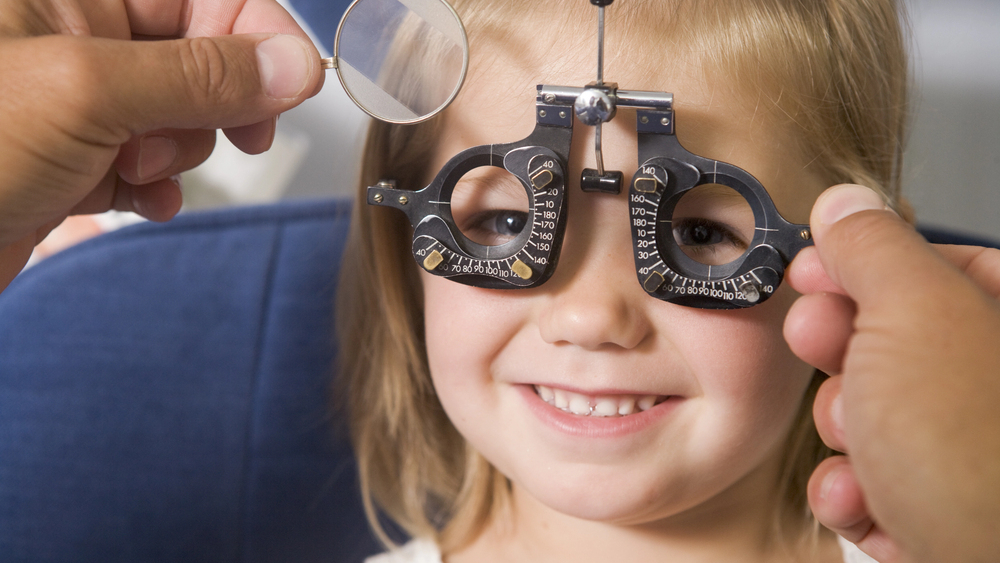
smiling young female child getting an eye exam Comprehensive Eye Exam

Preschool Registration & Your Child’s Vision: The Importance of a Comprehensive Eye Exam

Enrolling your child in preschool is an exciting milestone! As you gather school supplies, medical records, and immunization forms, don’t forget an essential step in preparing your child for success – a comprehensive eye exam.

Many parents assume that a quick vision screening at the pediatrician’s office or school is enough to detect vision problems, but these basic tests can miss up to 60% of eye conditions in young children. A comprehensive eye exam with the doctors at Bissell Eye Care will ensure your child has the clear vision and visual skills they need for learning, socializing, and exploring the world around them.

According to the American Optometric Association, “Every experience a preschooler has is an opportunity for growth and development. They use their vision to guide other learning experiences. From ages 2 to 5, a child will be fine-tuning the visual abilities gained during infancy and developing new ones.

Vision is Crucial for Early Learning

Did you know that 80% of what a child learns is processed through their eyes? Preschoolers rely on their vision for:

  • Recognizing letters, numbers, and shapes
  • Following along in books and recognizing pictures
  • Developing hand-eye coordination for coloring, puzzles, and crafts
  • Interacting with teachers and classmates

Even minor vision issues can affect a child’s ability to learn, focus, and participate in activities, potentially leading to frustration or misdiagnosed learning difficulties.

Undetected Vision Problems Can Affect Development

Children often don’t realize they have vision problems because they assume everyone sees the same way. If an issue goes undiagnosed, it can impact:

  • Depth perception – Difficulty judging distances when playing or climbing
  • Hand-eye coordination – Struggles with catching a ball, stacking blocks, or using scissors
  • Attention span – Avoiding close-up tasks or becoming easily distracted
  • Confidence – Hesitation in participating in group activities due to blurred vision

Common vision problems in preschoolers include:

  • Nearsightedness (myopia) – Difficulty seeing objects far away
  • Farsightedness (hyperopia) – Trouble focusing on close-up activities
  • Astigmatism – Blurred or distorted vision at all distances
  • Amblyopia (lazy eye) – Reduced vision in one eye that can lead to permanent vision loss if untreated
  • Strabismus (crossed eyes) – Eyes that don’t align properly, which can cause double vision and affect depth perception

Early detection is key to successful treatment!

Vision Screenings Are Not a Substitute for a Comprehensive Eye Exam. While pediatricians or schools may perform basic vision screenings, these tests only check for obvious vision issues. They do not assess eye health, focusing ability, or depth perception—all crucial for a child’s development.

A comprehensive eye exam includes:

  • A full eye health evaluation
  • Testing for eye alignment and coordination
  • Checking for refractive errors (nearsightedness, farsightedness, astigmatism)
  • Assessing depth perception and color vision

If your child does need glasses, starting early can help them adjust quickly and avoid unnecessary struggles in school.

When Should Your Child Have Their First Eye Exam?

  • 6-12 months – The first comprehensive eye exam is recommended to ensure normal development.
  • 3-5 years – A preschool eye exam checks for vision problems before starting school.
  • Before Kindergarten – An exam before formal schooling ensures clear vision for learning.

After the preschool years, children should have an eye exam at least once a year, as their vision can change rapidly as they grow.

Now is the perfect time to schedule your child’s comprehensive eye exam. Healthy vision and strong visual skills will help them thrive in the classroom and beyond! Call our offices at 724-443-6767 or 724-226-0744 today to schedule your child’s appointment.


About Bissell Eye Care: John D. Bissell, OD owns and operates Bissell Eye Care servicing Northern Pittsburgh and Alle-Kiski Valley regions. With two locations to treat patients, we offer evening appointments. Bissell Eye Care provides comprehensive eye examinations for the entire family beginning as early as 6 months, ocular disease detection and treatment, eyeglasses, sunglasses, activewear, contact lenses, and low vision examinations for those with significant vision loss. We accept most types of vision and health insurance plans. For more information, visit bisselleyecare.com or call our Bakerstown Office at 724-443-6767 or Natrona Heights office at 724-226-0444.
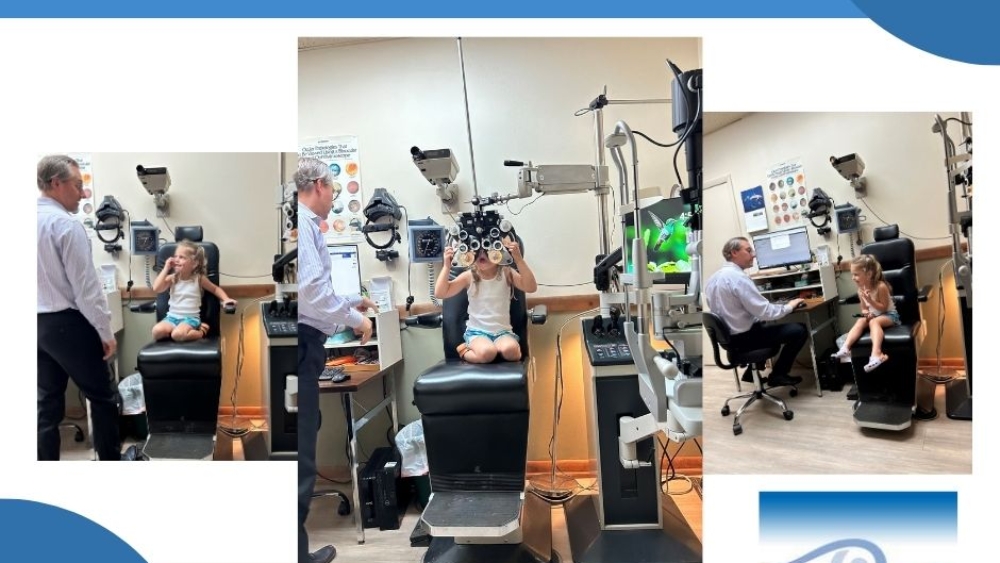
branded image with Bissell logo of young child receiving a comprehensive eye exam

The Importance of Early Diagnosis Through Comprehensive Eye Exams

As parents, recognizing when your child feels unwell or needs medical attention often comes naturally. However, identifying vision problems can be more challenging, especially for younger children who might not realize they aren’t seeing as clearly as they should. Infants and toddlers may not have the verbal skills or awareness to communicate their visual experiences effectively.


The Invisible Struggle

Unlike adults, children lack a baseline to gauge their vision against. For them, the world is new and full of wonder, and they may not perceive that their view is blurred or distorted. As a parent, ensuring your child’s visual world is clear and vibrant is important, and this starts with scheduling routine eye exams. Early diagnosis of vision problems is essential because untreated eye issues can lead to permanent vision loss or developmental delays.

The American Optometric Association (AOA) suggests the following eye exam schedule for children:

  • First Exam: At 6 months old.
  • Second Exam: At 3 years old.
  • Third Exam: Before starting kindergarten, typically around ages 5-6.
  • Ongoing Exams: Every two years if no vision correction is needed; annually if corrective lenses are required.

These comprehensive exams go beyond the basic vision screenings often provided in preschools and elementary schools. While school screenings typically involve reading letters from an eye chart, they do not delve into the eye’s internal health or functional vision issues that can significantly impact a child’s development and learning.

Why Comprehensive Eye Exams Matter

Comprehensive eye exams are vital as they assess more than just how well a child can see an eye chart. They evaluate:

  • Eye teaming (binocularity) skills: How well the eyes work together.
  • Focusing skills: The ability to maintain clear vision at various distances.
  • Peripheral awareness: The ability to see objects outside of the direct line of sight.
  • Eye movement skills: The ability to track moving objects smoothly.
  • Eye/hand coordination: Critical for activities like writing and sports.

Identifying and correcting vision problems early can prevent more serious issues and support your child’s overall development. For instance, conditions like amblyopia (lazy eye) and strabismus (crossed eyes) can often be treated effectively if caught early.

Vision and Learning

Learning to read, and acquiring comprehension, requires well-tuned visual systems. As children grow, their vision plays a pivotal role in learning and interacting with the world.

Clear vision is essential for:
  • Reading and writing: Whether it’s seeing the whiteboard from the back of the class or reading a book, good vision is crucial for academic success.
  • Social interaction: Watching how others interact and respond is a big part of social learning.
  • Safety and independence: Navigating their environment safely and confidently relies on good vision.

Without the ability to see clearly, children may struggle in these areas, putting them at a disadvantage. A child with undiagnosed vision issues might not complain or express difficulty because blurry or unclear vision could be their normal.

As parents, our goal is to provide the best start for our children. This includes making sure they have the vision they need to succeed in all aspects of life. If a child’s vision is impaired, they might not experience pain or discomfort but will simply struggle to see clearly, impacting their ability to learn and interact. Don’t wait until problems arise—make eye exams a routine part of their healthcare.

With 4th of July over, families that are involved in school sports and band are gearing up for another school year. Practices will begin toward the end of the month and before you know it, school shopping will begin. Be sure to include a back to school eye exam on your to do list before your child goes back to the classroom. Give our offices a call – Bakerstown 724-443-6767 or Natrona Heights 724-226-0444 and schedule your back to school appointment today.


About Bissell Eye Care: John D. Bissell, OD owns and operates Bissell Eye Care servicing Northern Pittsburgh and Alle-Kiski Valley regions. With two locations to treat patients, we offer evening appointments. Bissell Eye Care provides comprehensive eye examinations for the entire family beginning as early as 6 months, ocular disease detection and treatment, eyeglasses, sunglasses, activewear, contact lenses, and low vision examinations for those with significant vision loss. We accept most types of vision and health insurance plans. For more information, visit bisselleyecare.com or call our Bakerstown Office at 724-443-6767 or Natrona Heights office at 724-226-0444.
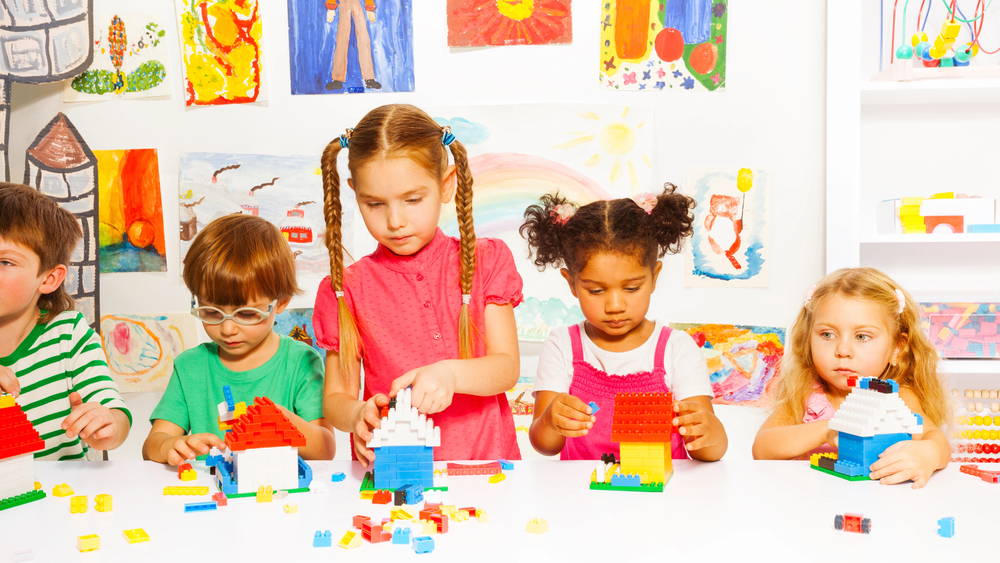
Child’s Eye Exams group of young children playing with colorful blocks on white table

Preschool Registration and the ABCs of Your Child’s Eye Exams

Preschool registration marks a significant milestone in a child’s educational journey, opening the doors to a world of learning and discovery. Children are introduced to a structured learning environment, but they also build social and cognitive skills. In this environment, young minds take their first steps toward independence, creativity, and cooperation. Preschool offers opportunities for growth, as children prepare to immerse themselves in a nurturing environment designed to foster curiosity and a love for learning.

Did you know that 5-10% of preschoolers and 25% of school-aged children may face vision problems? Every experience a preschooler encounters is a chance for growth, and their vision plays a crucial role in guiding these learning adventures.

Between the ages of 2 and 5, your child is refining the visual skills acquired during infancy while developing new ones. As they embark on their pre-school journey, their vision becomes a key player in mastering tasks that pave the way for future academic success. Visually guided eye-hand-body coordination, fine motor skills, and visual perceptual abilities are honed, setting the stage for learning to read and write.

It’s important to understand the difference between a vision screening and a comprehensive eye examination. While vision screenings are helpful indicators, they can’t diagnose eye or vision problems conclusively. They may overlook up to 60% of children with potential issues, leaving a false sense of security. Hence, the importance of a comprehensive eye exam, especially before entering the first grade.

The American Optometric Association (AOA) emphasizes that one in four school-aged kids may have undetected vision problems, impacting crucial visual perceptual skills like recognition, comprehension, and retention.

To ensure your child’s vision is in top shape, follow these tips for their eye exams:

  • Schedule appointments during times when your child is alert and content, considering napping and eating routines.
  • Provide a detailed case history, including birth information, weight, medical history, and allergies.
  • Take note of any delays in motor development, poor eye tracking, or frequent eye rubbing or blinking.

At Bissell Eye Care our approach involves making the eye exam enjoyable for children. Our doctors utilize puppets and special lights to track and measure vision acuity. By assessing how the eyes track and turn, checking for refractive errors, and ensuring overall eye health, we make the process as smooth for a 2-year-old as for an adult.

Even if your child hasn’t mastered letters yet, we use shapes and colors for a stress-free experience. Remember, regardless of age, regular eye exams are important. If you have any concerns about your child’s vision or eye health, give our offices a call at 724-443-6767 or 724-226-0444. It’s all about setting the stage for a bright, clear future!


About Bissell Eye Care: John D. Bissell, OD owns and operates Bissell Eye Care servicing Northern Pittsburgh and Alle-Kiski Valley regions. With two locations to treat patients, we offer evening and Saturday appointments. Bissell Eye Care provides comprehensive eye examinations for the entire family beginning as early as 6 months, ocular disease detection and treatment, eyeglasses, sunglasses, activewear, contact lenses, and low vision examinations for those with significant vision loss. We accept most types of vision and health insurance plans. For more information, visit bisselleyecare.com or call our Bakerstown Office at 724-443-6767 or Natrona Heights office at 724-226-0444.
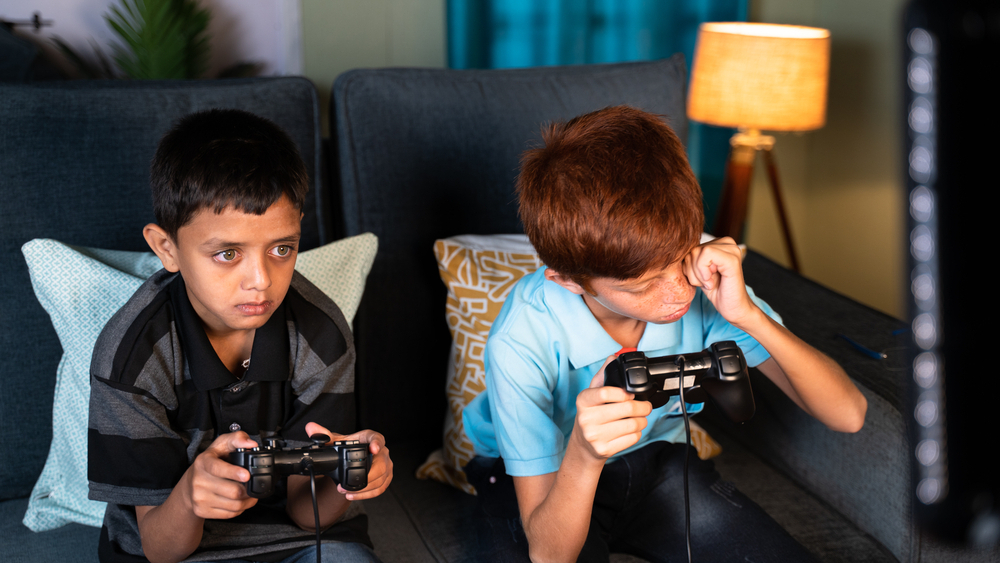
Parent Tips to Manage Eye Strain: concept of eye strain due to over night video game play - Two kids playing video game during late night at home and one kid rubbing his eyes due eye irritations.

Parent Tips to Manage Eye Strain

Although we’ve had a mild winter, the cold weather and long winter nights keep many indoors. It’s no surprise that technology has become a trusty companion for both kids and parents combating cabin fever. Smartphones, iPads, computers, and gaming systems provide entertainment, but recent studies suggest that this increased screen time might be contributing to eye strain in children. Recognizing the symptoms and implementing preventive measures is important for safeguarding eye health.

The Impact of Winter Screen Time:

The winter season often confines families indoors, prompting an uptick in screen usage for both educational and recreational purposes. However, prolonged exposure to screens can result in eye strain, leading to symptoms such as headaches and blurry vision.

Recognizing Eye Strain Symptoms:

For parents concerned about their children’s eye health, being vigilant for symptoms of eye strain is important for your child’s overall well-being. Look for signs such as blurry vision, double vision, headaches, dry and sore eyes, which may indicate the need for a break from screens.

Tips to promote healthier screen habits:

Diversify Activities: Encourage alternative activities beyond screens, such as outdoor exercise, walks, or engaging in board games for quality family time. Balancing screen use with other pursuits is vital for eye health.

Maintain Proper Distance: Ensure your child maintains a reasonable distance from screens. Constant proximity to the TV or holding devices close may signal vision issues that need attention.

Encourage Blinking: Remind children to blink regularly, even during intense screen focus. Extended screen time without blinking can contribute to dry eyes, discomfort, and potential eye strain.

Follow the 20-20-20 Rule: Institute the 20-20-20 rule—every 20 minutes of screen use, take a 20-second break to focus on an object at least 20 feet away. This practice allows the eyes periodic rest, reducing the risk of strain.

Promote Moderation: Emphasize the importance of moderation. While occasional use of devices may not immediately impact vision, extended and frequent screen exposure can lead to discomfort and potential eye difficulties.

Technology is an integral part of children’s daily lives as well as their education. By promoting a balanced approach to screen time, encouraging breaks, and incorporating diverse activities, parents can help ensure their children’s eye health. Remember, moderation is the key to preserving vision health in the digital age. For questions or concerns, contact our office at 724-443-6767 or 724-226-0444.


About Bissell Eye Care: John D. Bissell, OD owns and operates Bissell Eye Care servicing Northern Pittsburgh and Alle-Kiski Valley regions. With two locations to treat patients, we offer evening and Saturday appointments. Bissell Eye Care provides comprehensive eye examinations for the entire family beginning as early as 6 months, ocular disease detection and treatment, eyeglasses, sunglasses, activewear, contact lenses, and low vision examinations for those with significant vision loss. We accept most types of vision and health insurance plans. For more information, visit bisselleyecare.com or call our Bakerstown Office at 724-443-6767 or Natrona Heights office at 724-226-0444.
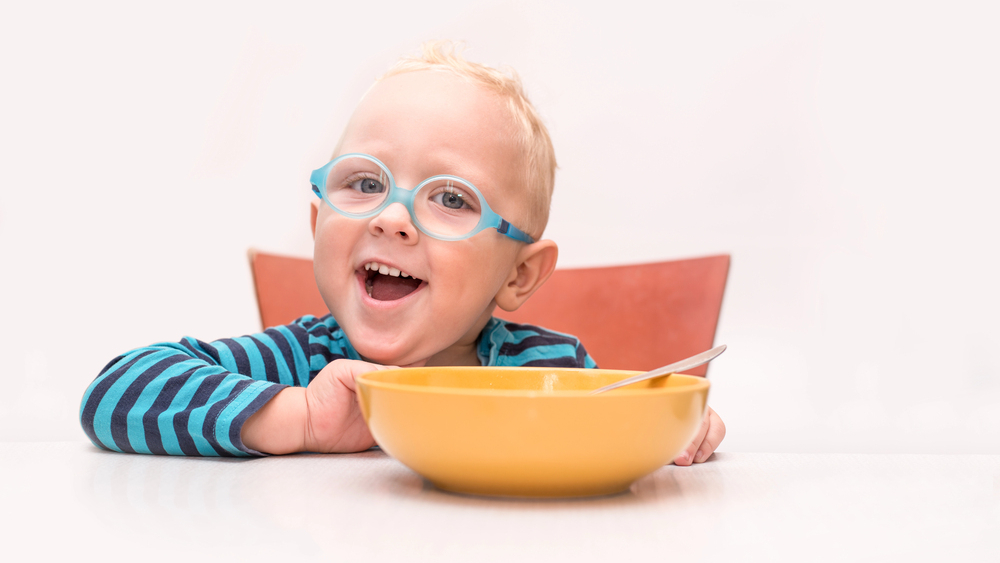
Depositphotos_124460546_S

Why Your Preschooler Should Have an Annual Eye Exam

As a parent, one of the many important decisions you will make is choosing the right preschool for your child. However, before you send your child off to school, it’s important to also have their vision checked. A comprehensive eye exam will help in preparing them for school and can identify vision problems that could hinder their learning and development. In this blog, we’ll explore the importance of a comprehensive eye exam and how it differs from a basic eye screening.

According to the American Optometric Association, one in four children has a vision problem that can interfere with their learning. Vision problems in young children can affect their ability to learn, read, write, and even play sports. In fact, studies have shown that children with untreated vision problems can experience difficulties with academic performance, behavior, and social interactions.

The early years of a child’s life are crucial for building a strong foundation for learning. Preschoolers depend on their vision to learn tasks that will prepare them for school. During this time in their lives, they are developing the visually-guided eye-hand-body coordination, fine motor skills and visual perceptual abilities necessary to learn to read and write.

If a child is unable to see correctly, it can lead to delays in learning and socialization. Early identification and treatment of vision problems can prevent these negative outcomes and give your child the best possible chance of success in school and life.

Untreated vision problems in children can lead to significant learning difficulties and impact a child’s overall quality of life. Did you know…

  • Up to 80% of learning in a child’s early years is visual.
  • 60% of children with reading difficulties have an undiagnosed vision problem.
  • Children with uncorrected vision problems are three times more likely to fall behind in school.

This is why identifying and treating vision problems in young children as early as possible is so important.

Many preschools conduct basic eye screenings as part of their admission process. While these screenings can detect some vision problems, they are not a substitute for a comprehensive eye exam. A basic eye screening typically involves the use of an eye chart to measure a child’s visual acuity or clarity. While this test can detect issues like nearsightedness or farsightedness, it doesn’t provide a complete picture of a child’s eye health or identify other common vision problems such as eye teaming, focusing, or tracking issues.

A comprehensive eye exam involves a thorough evaluation of a child’s eye health and vision. It includes tests to check for visual acuity, eye movement, binocular vision, and color vision, as well as an examination of the eye’s internal structures. A comprehensive eye exam can detect a range of vision problems that a basic screening may miss, making it a more effective way to ensure your child’s vision is in optimal condition.

In our exams when a child can’t read letters yet, we use shapes and colors.  We make children comfortable with puppets and the use of our “Special Lights” allow us to have fun as we look for the following things:

  • How the eye tracks and turns
  • High Refractive Error – meaning significant far or nearsightedness.
  • Overall Eye Health

No matter what age, regular eye exams are important. Prepare your child for success as they enter preschool and beyond. To learn more, or to schedule your child’s exam, give our offices a call at 724-443-6767 or 724-226-0444. We also invite you to join us on Facebook at facebook.com/BissellEyes for more tips on eye care.

_____________________________________________________________________________

 About Bissell Eye Care: John D. Bissell, OD owns and operates Bissell Eye Care servicing Northern Pittsburgh and Alle-Kiski Valley regions. With two locations to treat patients, we offer evening and Saturday appointments. Bissell Eye Care provides comprehensive eye examinations for the entire family beginning as early as 6 months, ocular disease detection and treatment, eyeglasses, sunglasses, activewear, contact lenses, and low vision examinations for those with significant vision loss. We accept most types of vision and health insurance plans. For more Information, visit bisselleyecare.com or call our Bakerstown Office at 724-443-6767 or Natrona Heights office at 724-226-0444.
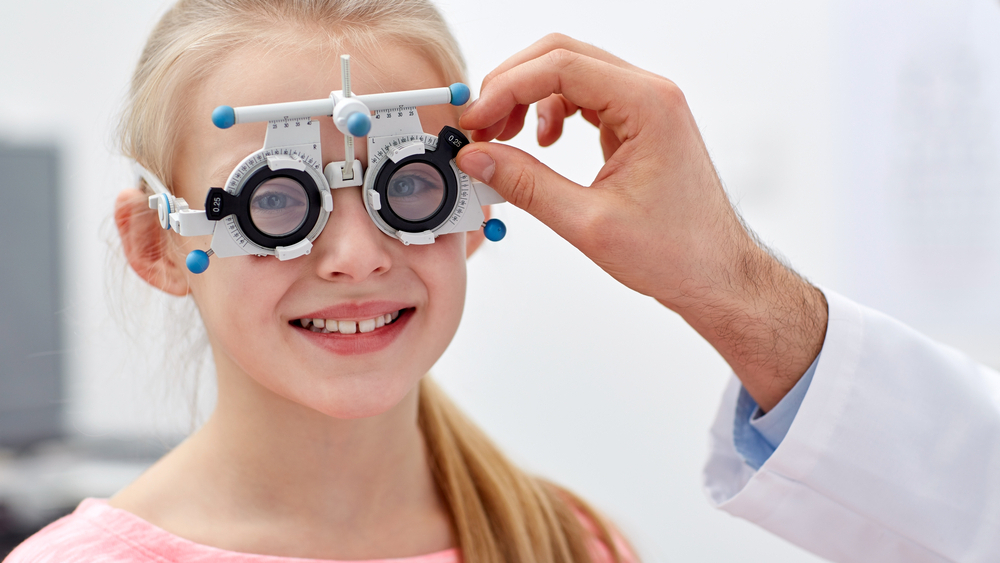
health care, medicine, people, eyesight and technology concept - optometrist with trial frame checking girl patient vision at eye clinic or optics store

Back To School Eye Exams

Backpacks, lunch boxes, clothes shopping – it’s back to school time! When you mark off items on your ‘Back-To- School’ checklist, don’t forget to make an eye exam appointment for your child. Have you been bombarded with all of the health forms and documents that need to be filled out for your little one to either go back to school or start a new adventure in attending school for the first time? With all of the hustle and bustle of buying new clothes, school supplies, getting immunizations, and reviewing schedules, something as simple as your child’s eyesight can be overlooked.

Children often start their first few years of school without having a comprehensive eye exam by an optometrist. According to the American Optometric Association, 49% of parents have not had an eye exam on their children who are under six years of age, by an optometrist. A comprehensive eye exam is different than the eye screenings done by your pediatrician and/or school nurse. The organization also states as much as 80% of a child’s learning happens through his or her eyes. From reading and writing, to using a computer or writing on the blackboard, vision is a necessary component to excelling in school. While you can tell when your child is sick it is nearly impossible to determine when there is a problem that could be affecting their vision.

Young children with vision problems are unlikely to tell their teachers and parents because they don’t realize the source of the problem. Did you know that 1 in 4 children have an undetected vision problem?

It’s crucial, therefore, for adults to watch the children in our care for symptoms such as:

  •         Poor reading comprehension
  •         Slow to finish schoolwork
  •         Short attention span for close work
  •         Tendency to fidget and look away from work
  •         Frequent headaches
  •         Tendency to cover one eye
  •         Frequent blinking or eye-rubbing

With August being Children’s Eye Health and Safety Month, we want to remind parents of the importance of scheduling routine eye exams for children starting at the age of three. There is no better time to schedule your child’s checkup than before they start back to school and after-school schedules and activities become hectic.

By having routine eye visits, eye doctors can monitor your child’s vision and eye health. This will help to detect any problems with your children’s eyes that could affect their vision long-term. If their vision deteriorates, you may also see a decline in your child’s grades as struggling to see may set them at a disadvantage when it comes to watching and understanding what is being taught.

An undiagnosed eye problem could result in an academic setback in just a few short months. Some behavior problems could be linked to vision issues. These students may seem uninterested or unfocused in school when in actuality they simply cannot see clearly.

We also want to stress the importance of eye safety. As school starts back, fall sports are in full swing. As high school sports become faster-paced and highly competitive, more injuries are occurring. Eye injuries are often top of the list.  By having your children wear the proper eye protection you can help reduce the chances of sustaining an eye injury, an injury that could leave them with permanent vision loss.

Learning is fun. Make sure your child is equipped with the right tools to succeed. To schedule your child’s exam, contact our Bakerstown office at 724-443-6767 or the Natrona Heights Office at 724-226-0444.


About Bissell Eye Care: John D. Bissell, OD owns and operates Bissell Eye Care servicing Northern Pittsburgh and Alle-Kiski Valley regions. With two locations to treat patients, we offer evening and Saturday appointments. Bissell Eye Care provides comprehensive eye examinations for the entire family beginning as early as 6 months, ocular disease detection and treatment, eyeglasses, sunglasses, activewear, contact lenses, and low vision examinations for those with significant vision loss. We accept most types of vision and health insurance plans. For more information, visit bisselleyecare.com or call our Bakerstown Office at 724-443-6767 or Natrona Heights office at 724-226-0444.
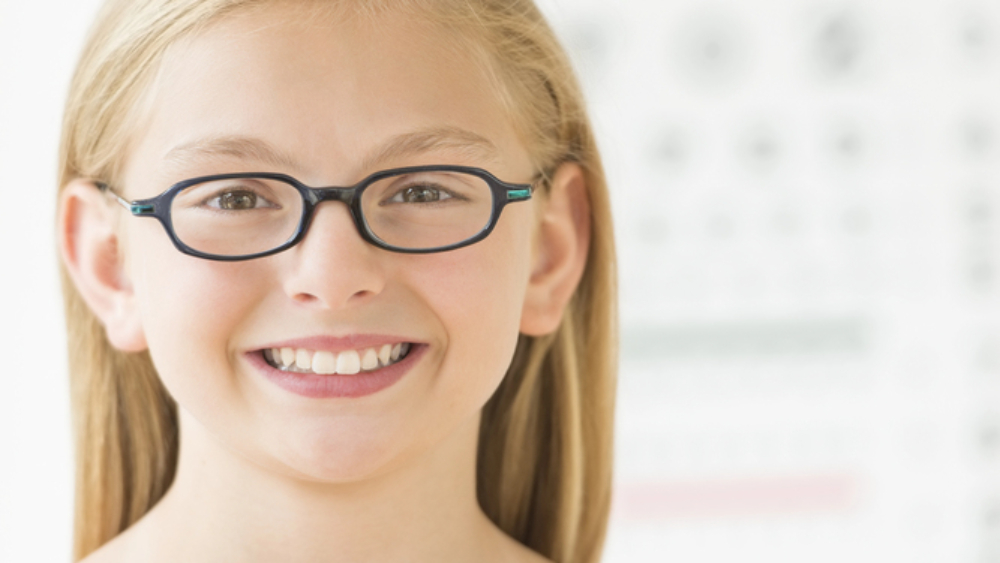
Depositphotos_32774193_S

Back To School Eye Exams

For parents of school age children, that Staples commercial of “it’s the most wonderful time of the year back to school sale” comes to mind. As your child prepares for another year, it’s a great time to schedule their annual eye exams.

August is children’s eye health and safety month. As a good rule of thumb, you should have your child’s eyes examined by an eye care professional in their first year of life as an infantSEE exam and then they should have regular eye exams starting around preschool age (three) before the start of each school year. If your child struggles to see, it may inhibit their ability to learn as they head back to school this year. If your child struggles to see, it may inhibit their ability to learn as they head back to school this year.

Through a comprehensive eye exam, the doctors at Bissell Eye Care can help to ensure your child is seeing clearly.

These exams look into the back of the eye for overall eye health but are also able to detect things such as:

  • Ptosis (drooping of the eyelid)
  • Color deficiency (color blindness)
  • Amblyopia (lazy eye)
  • Strabismus (cross eyes)

Early detection of vision problems can make a big difference when it comes to your child’s ability to learn. If they aren’t able to clearly see, they will struggle to learn as many people learn by sight.

During last year’s remote and hybrid learning, parents had many things on the plates from juggling work and home life to homeschooling their kids. More frequent digital learning is bound to cause eye strain and some children may not have the opportunity to receive the vision screenings they usually receive in school – often creating a referral point for a comprehensive eye exam. This year it’s more important than ever to have an annual eye exam.

Keeping your children’s eyes safe is another part of maintaining healthy vision. With fall sports practices underway, it’s important to ensure your child has the appropriate eye production. Did you know there are 42,000 sports related eye injuries that occur each year and those eye injuries are the leading cause of vision loss in children? If you have questions as to the proper type of protective eyewear your children should have, please give our office a call at 724-443-6767 or 724-226-0444.

Give your kids the best chance of success this year by scheduling a comprehensive eye exam. Make sure that your children can see clearly. Protecting their ability to see will help them to have the best chance of success as they head back to school this year! As we round the corner toward the end of August, the staff at Bissell Eye Care wish you a safe and productive school year.


About Bissell Eye Care: John D. Bissell, OD owns and operates Bissell Eye Care servicing Northern Pittsburgh and Alle-Kiski Valley regions. With two locations to treat patients, we offer evening and Saturday appointments. Bissell Eye Care provides comprehensive eye examinations for the entire family beginning as early as 6 months, ocular disease detection and treatment, eyeglasses, sunglasses, activewear, contact lenses, and low vision examinations for those with significant vision loss. We accept most types of vision and health insurance plans. For more information, visit bisselleyecare.com or call our Bakerstown Office at 724-443-6767 or Natrona Heights office at 724-226-0444.

Distance Learning and Vision Problems

Distance Learning and Vision Problems

There are a number of changes that occurred during the past year as a result of the pandemic and distant learning. Many young students spent more time than ever staring at their computer screens, tablets and phones. Between school and social interaction and play, electronic devices seemed to be attached to kids and adults alike.

Because many kids spent last year learning from home, the vision screenings that typically occurred during the school year were delayed or not given at all. This has created a perfect storm for issues regarding your child’s eyesight.

Nearsightedness or myopia seems to be increasing at a faster than expected rate for kids who spend long hours engaged in close up work. Because kids were kept indoors during much of last year, time outside was minimized. Time away from the computer screens is a factor thought to help lower the risk of myopia. You may have noticed your child squinting, tilting their head, rubbing their eyes, or complaining of headaches or dry eyes. These may be signs that your child could have a vision problem. Not only does outside play get kids away from screen time, but it’s also good for their overall health.

Digital device overuse causes us to blink less. This prevents moisture from lubricating the surface of our eyes. Because computers were positioned closer to your child, many may have stopped wearing their eyeglasses during the pandemic. Early childhood is the most critical time for your child’s vision development.

According to John Hopkins Medicine, “undetected vision problems can impact your child’s performance both in and out of the classroom. Therefore, it’s important to understand eye health so you can recognize the signs that your child may have a vision problem and possibly need glasses.

Optimal vision is essential to the learning process.

Many people don’t realize how many problems poor vision can cause for school-aged children. The visual system in a child is still developing during the first seven to eight years of life. In some cases, glasses may be necessary to help normal visual development,” says Johns Hopkins ophthalmologist Megan Collins, M.D.

Eye strain can affect college students as well. Vision problems can greatly affect learning ability, a big reason why students in college should not be dismissive of their eye health. College students who give heed to their eye health care now may avoid potentially serious problems later.

While preparing your back-to-school checklist, be sure to schedule your child’s annual eye exam. As kids head back to the classroom, having the tools to succeed will provide a fresh start to a new year.


About Bissell Eye Care: John D. Bissell, OD owns and operates Bissell Eye Care servicing Northern Pittsburgh and Alle-Kiski Valley regions. With two locations to treat patients, we offer evening and Saturday appointments. Bissell Eye Care provides comprehensive eye examinations for the entire family beginning as early as 6 months, ocular disease detection and treatment, eyeglasses, sunglasses, activewear, contact lenses, and low vision examinations for those with significant vision loss. We accept most types of vision and health insurance plans. For more information, visit bisselleyecare.com or call our Bakerstown Office at 724-443-6767 or Natrona Heights office at 724-226-0444.