
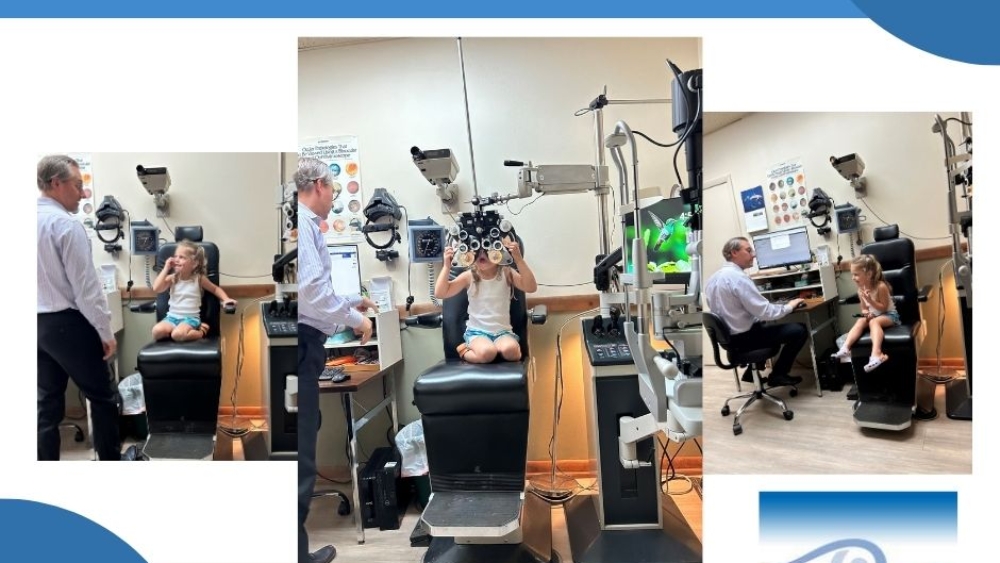
branded image with Bissell logo of young child receiving a comprehensive eye exam

The Importance of Early Diagnosis Through Comprehensive Eye Exams

As parents, recognizing when your child feels unwell or needs medical attention often comes naturally. However, identifying vision problems can be more challenging, especially for younger children who might not realize they aren’t seeing as clearly as they should. Infants and toddlers may not have the verbal skills or awareness to communicate their visual experiences effectively.


The Invisible Struggle

Unlike adults, children lack a baseline to gauge their vision against. For them, the world is new and full of wonder, and they may not perceive that their view is blurred or distorted. As a parent, ensuring your child’s visual world is clear and vibrant is important, and this starts with scheduling routine eye exams. Early diagnosis of vision problems is essential because untreated eye issues can lead to permanent vision loss or developmental delays.

The American Optometric Association (AOA) suggests the following eye exam schedule for children:

  • First Exam: At 6 months old.
  • Second Exam: At 3 years old.
  • Third Exam: Before starting kindergarten, typically around ages 5-6.
  • Ongoing Exams: Every two years if no vision correction is needed; annually if corrective lenses are required.

These comprehensive exams go beyond the basic vision screenings often provided in preschools and elementary schools. While school screenings typically involve reading letters from an eye chart, they do not delve into the eye’s internal health or functional vision issues that can significantly impact a child’s development and learning.

Why Comprehensive Eye Exams Matter

Comprehensive eye exams are vital as they assess more than just how well a child can see an eye chart. They evaluate:

  • Eye teaming (binocularity) skills: How well the eyes work together.
  • Focusing skills: The ability to maintain clear vision at various distances.
  • Peripheral awareness: The ability to see objects outside of the direct line of sight.
  • Eye movement skills: The ability to track moving objects smoothly.
  • Eye/hand coordination: Critical for activities like writing and sports.

Identifying and correcting vision problems early can prevent more serious issues and support your child’s overall development. For instance, conditions like amblyopia (lazy eye) and strabismus (crossed eyes) can often be treated effectively if caught early.

Vision and Learning

Learning to read, and acquiring comprehension, requires well-tuned visual systems. As children grow, their vision plays a pivotal role in learning and interacting with the world.

Clear vision is essential for:
  • Reading and writing: Whether it’s seeing the whiteboard from the back of the class or reading a book, good vision is crucial for academic success.
  • Social interaction: Watching how others interact and respond is a big part of social learning.
  • Safety and independence: Navigating their environment safely and confidently relies on good vision.

Without the ability to see clearly, children may struggle in these areas, putting them at a disadvantage. A child with undiagnosed vision issues might not complain or express difficulty because blurry or unclear vision could be their normal.

As parents, our goal is to provide the best start for our children. This includes making sure they have the vision they need to succeed in all aspects of life. If a child’s vision is impaired, they might not experience pain or discomfort but will simply struggle to see clearly, impacting their ability to learn and interact. Don’t wait until problems arise—make eye exams a routine part of their healthcare.

With 4th of July over, families that are involved in school sports and band are gearing up for another school year. Practices will begin toward the end of the month and before you know it, school shopping will begin. Be sure to include a back to school eye exam on your to do list before your child goes back to the classroom. Give our offices a call – Bakerstown 724-443-6767 or Natrona Heights 724-226-0444 and schedule your back to school appointment today.


About Bissell Eye Care: John D. Bissell, OD owns and operates Bissell Eye Care servicing Northern Pittsburgh and Alle-Kiski Valley regions. With two locations to treat patients, we offer evening appointments. Bissell Eye Care provides comprehensive eye examinations for the entire family beginning as early as 6 months, ocular disease detection and treatment, eyeglasses, sunglasses, activewear, contact lenses, and low vision examinations for those with significant vision loss. We accept most types of vision and health insurance plans. For more information, visit bisselleyecare.com or call our Bakerstown Office at 724-443-6767 or Natrona Heights office at 724-226-0444.

Introducing ALTIUS™ – Contact Lenses For Outdoor Sports Performance

Bissell Eye Care is pleased to announce we are the first optometry practice in Western Pennsylvania to carry ALTIUS™ – a new sports performance contact lens. On land sports or water activities, ALTIUS™ incorporates Light Architecture© and 360 Degree Total Immersion Technology© into a single-use soft contact lens modality to decrease visual distractions. This design allows athletes and recreationists to perform with maximum visual comfort, clarity and quickness under wide-ranging environmental conditions.

The lenses are designed for people who may or may not need vision correction and are available in two outdoor use tints, ALTIUS™ Amber and ALTIUS™ Grey-Green. ALTIUS™. These contacts are an adjunct to, not necessarily a replacement for safety glasses. You can wear these contacts and have safety glasses, or glasses or shields over it. They are designed for light enhancement and contrast, so they are good to be used for any of the designed purposes without putting the eye at risk.

Amber is engineered for dynamic, reactive sports in a wide range of outdoor light conditions. ALTIUS™ Grey-Green is engineered for open-air activities on water and land in varying outdoor light conditions.

Users found utilizing the ALTIUS™ Grey-Green soft sports contact lenses are designed to aid visual performance by enhancing contrast and enabling the wearer to see with greater clarity in outdoor activities such as:

  •         Surfing
  •         Golfing
  •         Kayaking
  •         Fly Fishing
  •         Hiking
  •         Running
  •         Cycling
  •         Equestrian
  •         Water Skiing
  •         Sailing/Boating
  •         Skateboarding


The ALTIUS AMBER soft sport contact lenses are engineered for dynamic, reactive sports in a wide range of outdoor light conditions. These soft sports contact lenses are designed to aid visual performance in athletic and recreational settings by enhancing contrast and enabling the wearer to see objects with greater clarity for athletic sports such as:

  •         Baseball
  •         Soccer
  •         Football
  •         Volleyball
  •         Lacrosse
  •         Tennis
  •         Archery
  •         Softball
  •         Rugby
  •         Hunting
  •         Sporting Clays
  •         Snow Sports


This lens is the result of decades of research to develop “game-changing” optical solutions to address a wide range of lighting conditions in sports, recreation, education or work,” said AlanW. Reichow, OD, MEd, FAAO, Founder, President & CEO of PVTI.

Both the ALTIUS™ Amber and ALTIUS™ Grey-Green can improve the vision of more than just athletes. A high school student who recently suffered a concussion reported that “I am recovering from a concussion and have had a reduced ability to read on the computer. These lenses have changed my life! I can read for a longer duration without eye strain and am wearing the lenses most days in school.”

For more information on single-use ALTIUS™ sports performance contact lenses, call Bissell Eye Care’s Bakerstown office at 724-443-6767 or the Natrona Heights Office at 724-226-0444.


About Bissell Eye Care: John D. Bissell, OD owns and operates Bissell Eye Care servicing Northern Pittsburgh and Alle-Kiski Valley regions. With two locations to treat patients, we offer evening and Saturday appointments. Bissell Eye Care provides comprehensive eye examinations for the entire family beginning as early as 6 months, ocular disease detection and treatment, eyeglasses, sunglasses, activewear, contact lenses, and low vision examinations for those with significant vision loss. We accept most types of vision and health insurance plans. For more information, visit bisselleyecare.com or call our Bakerstown Office at 724-443-6767 or Natrona Heights office at 724-226-0444.


FSA

Do You Know Your FSA Balance?

It’s that time of year. Have you checked the balance in your Flexible Spending Accounts (FSA’s)? This pretax medical deduction can help you to spend less on your health care while experiencing the maximum tax benefit. There is a catch – you must use monies within the current calendar year to reap the rewards. By spending all of the money in your account before the year-end deadline, you ensure you are getting the most benefit from your hard-earned dollars.

FSA’s allow you to set money aside pre-tax from each paycheck to contribute to your yearly medical expenses. The entirety of that account is available for you to use at any time for medical care, including dental and vision. However, as these accounts are annual, which means that you must use these funds prior to the start of the next calendar year.

What does this mean?

Because your FSA account funds typically do not roll over for the next calendar year, unlike health savings accounts or HSA’s, now is a good time to check that balance. If you still have a balance left in your account, consider scheduling an eye exam before you lose those funds.

What is eligible for FSA funds?

FSA funds can be applied to eye exams and some procedures, but they can also be eligible for use for:

  • Prescription eyeglasses
  • Prescription sunglasses
  • Reading glasses
  • Contact lenses and contact lens care

While FSA funds can generally be applied to all these different forms of eye care, some exceptions do exist. For example, while all corrective contact lenses are eligible, the eligibility of lens cases, solutions, and contact lens-specific eye drops depend on the product itself. Some brands may also have different eligibilities, which you should discuss with your prescriber and provider prior to purchase.

Other than reading glasses, FSA’s do not cover non-prescription eyewear, or non-prescription color contact lenses. However, FSA does cover eye exam co-pays and often partially covers some eye procedures such as LASIK, which is deemed medically necessary. This can be especially helpful for those at higher risk for eye conditions, such as those with diabetes.

If you are unable to purchase necessary eye care supplies such as contact lenses in person, it is also good to know that FSA can also be used online, by entering in the card numbers as you would with any spending card. If you do not currently have a spending card associated with your FSA, you may also be able to send a copy of your eye care receipt to your provider for FSA reimbursement. To get the most out of your FSA funds, check your balance today and discuss any needed exams or eyewear with Bissell Eye Care!


About Bissell Eye Care: John D. Bissell, OD owns and operates Bissell Eye Care servicing Northern Pittsburgh and Alle-Kiski Valley regions. With two locations to treat patients, we offer evening and Saturday appointments. Bissell Eye Care provides comprehensive eye examinations for the entire family beginning as early as 6 months, ocular disease detection and treatment, eyeglasses, sunglasses, activewear, contact lenses, and low vision examinations for those with significant vision loss. We accept most types of vision and health insurance plans. For more information, visit bisselleyecare.com or call our Bakerstown Office at 724-443-6767 or Natrona Heights office at 724-226-0444.
Depositphotos_476816040_S

Technology and Blue Light Overload

Do you find yourself spending more time in front of your computer?  Working from home, remote learning for your kids, texting, social media, TV – we never seem to be able to take a break from technology.  All that blue light can cause a number of symptoms.  The artificial blue light emitted from our smart devices is high-energy and can have some long term effects on our vision.

Blue light is all around us, there are both natural blue light and artificial blue light.  Natural blue light comes from the sun. It is a short wavelength of visible blue light and high in energy.  Artificial blue light also a short wavelength of visible blue light is high-energy and remains high all the time. Prolonged exposure to blue light has shown to damage the retina, the part of the eye that detects qualities such as color and light intensity.

Blue light comes primarily from the sun and artificial light sources like digital screens and fluorescent lights. Blue light could be the reason your kids find it difficult to fall asleep at night, struggle with concentration, and develop eye-strain.

Ever wonder why you can’t go to sleep after scrolling on social media, checking email, or texting?  Did you know that blue light disrupts your circadian rhythm by reducing melatonin production? This is the hormone that tells your brain when it’s time to sleep. Blue light tricks your body into thinking it is daytime.

Other symptoms include:

  • Headaches/Migraines
  • Eye Strain
  • Blurry Vision
  • Dry Eyes
  • Inability to focus
  • Disruptive Sleep Patterns

Although there are many alternatives to blue light blocking, the most effective is blue light protection eyewear glasses because it provides protection all day. Just think about it, how quickly do you switch from looking at your computer screen to your phone or television to take a break? How about the LED lights at the supermarket or workplace? We can’t escape blue light, but we can surely decrease our exposure to it.


About Bissell Eye Care: John D. Bissell, OD owns and operates Bissell Eye Care servicing Northern Pittsburgh and Alle-Kiski Valley regions. With two locations to treat patients, we offer evening and Saturday appointments. Bissell Eye Care provides comprehensive eye examinations for the entire family beginning as early as 6 months, ocular disease detection and treatment, eyeglasses, sunglasses, activewear, contact lenses, and low vision examinations for those with significant vision loss. We accept most types of vision and health insurance plans. For more information, visit bisselleyecare.com or call our Bakerstown Office at 724-443-6767 or Natrona Heights office at 724-226-0444.
Confident Girl Wearing Glasses Against Eye Chart

Back to School Eye Exams

As the 2020–2021 school year begins parents and school districts alike are making decisions on in-person, hybrid, or remote learning.  Regardless of how your children will be learning, this is a great time to schedule your kids’ annual eye exams.

August is Children’s Eye Health and Safety month.  As a good rule of thumb, you should have your children’s eye examined by an eye care professional during their well visits starting around the age of three and also before the start of each school year.  If your children struggle to see, it may inhibit their ability to learn as they head back to school this year.

Pupil dilation is performed to purposefully increase the size of the pupils during an eye exam so that the eye doctors at Bissell Eye Care can fully examine the health of the optic nerve and retina. The exam is critical to preventing and treating eye conditions that could potentially lead to vision loss.

The view to the back of the eye is limited when the pupil is not dilated. When your pupil is small we can see your optic nerve and macula but the view is limited. To see the entire retina, the pupil must be dilated. This is achieved through the use of eye drops.

Comprehensive eye exams look into the back of the eye for overall eye health but are also able to detect things such as:

  • Ptosis (drooping of the eyelid)
  • Color deficiency (color blindness)
  • Amblyopia (lazy eye)
  • Strabismus (cross eyes)

Often children receive a screening at school or through other means that provide parents with a false sense of security.  According to the American Optometric Association, “Parents of children who “pass” a vision screening are often given a false sense that their child’s eyes are healthy, when they may have a serious, undiagnosed eye or vision condition. These screenings provide less than 4% of the information generated during a comprehensive eye exam and they miss up to 75% of children with vision problems. These children are less likely to receive timely treatment for their vision problem, allowing the impairment to become worse and to have a greater impact on their health and development.”

Early detection of vision problems can make a big difference when it comes to your child’s ability to learn.  If they suffer to see, they will more than likely suffer to learn as many people learn by sight.

Keeping your children’s eyes safe is another part of maintaining healthy vision.  Did you know those eye injuries are the leading cause of vision loss in children?  There are a few basic rules that you should follow to help ensure that your child is not one of the 42,000 sports-related eye injuries that occur each year.

  • All children should wear protective eye gear while participating in sports or physical activities.
  • Be sure to purchase age-appropriate toys and avoid those toys which have sharp or pointy edges.

No matter how they are learning this year, give your kids the best chance of success by scheduling a comprehensive eye exam.  Make sure that your children can see clearly.   Protecting their ability to see will help them be successful as they head back to school this year!


About Bissell Eye Care: John D. Bissell, OD owns and operates Bissell Eye Care servicing Northern Pittsburgh and Alle-Kiski Valley regions. With two locations to treat patients, we offer evening and Saturday appointments. Bissell Eye Care provides comprehensive eye examinations for the entire family beginning as early as 6 months, ocular disease detection and treatment, eyeglasses, sunglasses, activewear, contact lenses, and low vision examinations for those with significant vision loss. We accept most types of vision and health insurance plans. For more information, visit bisselleyecare.com or call our Bakerstown Office at 724-443-6767 or Natrona Heights office at 724-226-0444.
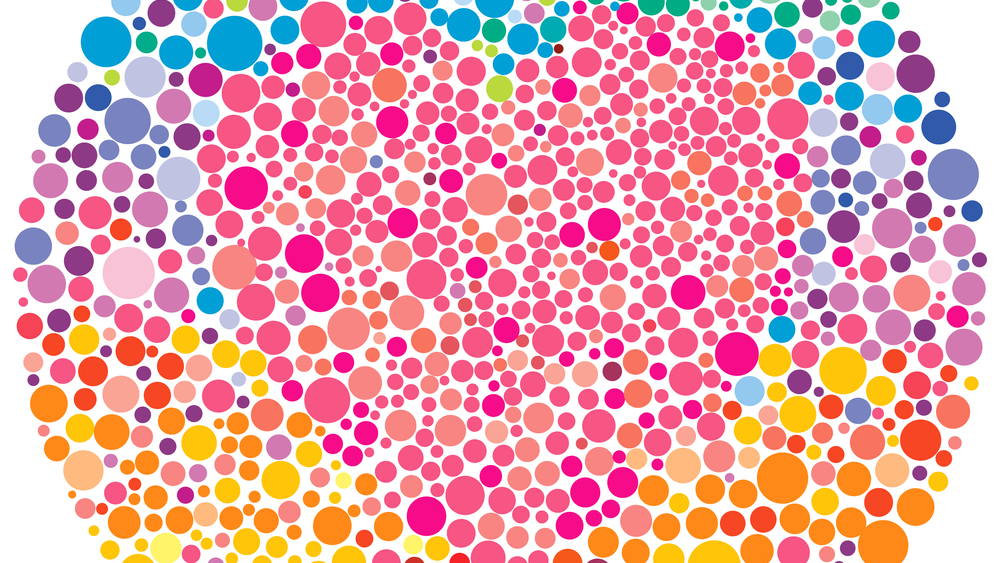
Color Blindness graphic

Color Blindness Affects Learning

As toddlers grow, some of the first things they learn are colors and shapes.  When you think about early children’s games such as Candyland, Go Fish, and Uno – they all depend on recognizing colors.  Children that have color blindness will have trouble distinguishing between colors, or not be able to recognize color at all.  Color vision deficiency, or color blindness, is a hereditary trait that has a 50% chance to be genetically passed down.

As children enter school the problem continues as most grade schools focus on learning through letters, numbers, and colors. A child that can’t discern between colors is already at a disadvantage as the foundations of learning are built upon in the early years of education.   They need help overcoming this obstacle since many schools heavily rely on colors to relay educational messages and lessons.

If a child is suspected of being color blind some clues to look out for are:

  • Reading issues with colored pages or worksheets produced with color on color
  • Children may complain that their eyes or head hurt if looking at something red on a green background, or vice versa
  • Using the wrong colors for an object – e.g. navy leaves on trees, particularly using dark colors inappropriately
  • Low attention span when coloring in worksheets
  • Problems in identifying red or green color pencils or any color pencil with red or green in its composition. (e.g. purple, brown)
  • Identification of color may be made worse by low-level light, small areas of color and colors of the same hue
  • Excellent night vision
  • Sensitivity to bright lights

The most common types of color blindness are inherited.  Color blindness can range greatly in the degree of colors that are able to be seen.  Some people can see darker colors easier than light, such as a dark red vs. a light red, with the light red being more difficult to distinguish.

There are three main categories that people who are color blind fall into.

  • Red-Green Color Blindness. The most common type of color blindness.  It is caused by the loss or limited function of a red cone or green cone photo pigments.  People with red-green color blindness struggle to distinguish red and green colors, seeing them as different colors or even black.
  • Blue-Yellow Color Blindness. This color loss is rarer than red-green color blindness.  The blue-cone photo pigments are either missing or have limited function.  This form of color blindness affects the ability to distinguish yellow and often shows yellow and red as pink.  Blue can also appear as green and yellows as violet or light gray.
  • Complete Color Blindness. People who suffer from complete color blindness see no colors at all. They may also have the clearness of their vision affected in people who suffer from complete color blindness.

There are many tests that your eye doctor can perform to determine if you are color blind.  If so, to determine what category of color blindness that you fall into.  It is important to have children checked at a young age as many times they do not know that they are color blind.

Children that are born with difficulty seeing colors do not know the difference of what life is like with all colors being portrayed as they should be.  Because color blindness is hereditary, it is especially important if one parent is color blind to have regular checkups for the entire family.

There is currently no cure for color blindness, however people with red-green color blindness may be able to use a special set of lenses to help them see colors more accurately.  These lenses are typically only to be used outdoors under bright light conditions.


About Bissell Eye Care: John D. Bissell, OD owns and operates Bissell Eye Care servicing Northern Pittsburgh and Alle-Kiski Valley regions. With two locations to treat patients, we offer evening and Saturday appointments. Bissell Eye Care provides comprehensive eye examinations for the entire family beginning as early as 6 months, ocular disease detection and treatment, eyeglasses, sunglasses, activewear, contact lenses, and low vision examinations for those with significant vision loss. We accept most types of vision and health insurance plans. For more information, visit bisselleyecare.com or call our Bakerstown Office at 724-443-6767 or Natrona Heights office at 724-226-0444.

Doctor shows information: dry eye syndrome

Dry Eyes

Our bodies produce tears to keep our eyes lubricated, and to help remove any foreign bodies. But when the body doesn’t produce enough tears or tear drainage is affected, the result is dry eyes. Dry eyes can be troublesome and irritating. Thankfully, this condition can usually be treated quickly and effectively.

Tears are a mixture of oils, water, mucus, antibodies, and protein that form to keep your eyes comfortable.  Watery eyes are characterized by an excess of tears, which can give the eyes a glassy look, and may result in tears running or dripping from the eyes.

When tears don’t provide enough moisture, you might notice:

  • A gritty feeling
  • Feeling like there’s something in your eye
  • Itching
  • Redness
  • Blurry vision
  • Light sensitivity

Some Causes of Dry Eyes

Sometimes, there’s a lack of balance in your tear-flow system. Your environment such as an air conditioner, heater, or other things around you could dry out your tear film. Other causes include:

  • Overuse of technology and not taking a break from screen time.
  • The natural aging process, especially menopause
  • Side effects of certain drugs like antihistamines
  • Diseases that affect your ability to make tears
  • Problems that don’t allow your eyelids to close the way they should

Treatment for Dry Eyes

  • Artificial tear drops and ointments are the most common treatment options. Many types of drops are available over the counter. No one product works for everyone, so you might have to try a few to figure out the one that’s right for you.
  • A surgical procedure that plugs the tear duct
  • Unclogging glands on the eyelids
  • Prescription cream

The various causes of dry eyes require different treatments.  Contact our office at 724-443-6767 or 724-226-0444 with any concerns you may have regarding dry eyes or any other eye condition.


About Bissell Eye Care: John D. Bissell, OD owns and operates Bissell Eye Care servicing Northern Pittsburgh and Alle-Kiski Valley regions. With two locations to treat patients, we offer evening and Saturday appointments. Bissell Eye Care provides comprehensive eye examinations for the entire family beginning as early as 6 months, ocular disease detection and treatment, eyeglasses, sunglasses, activewear, contact lenses, and low vision examinations for those with significant vision loss. We accept most types of vision and health insurance plans. For more information, visit bisselleyecare.com or call our Bakerstown Office at 724-443-6767 or Natrona Heights office at 724-226-0444.
Portrait of cute girl holding sparkling lights smiling at camera against USA flag background, copy space

Fireworks Eye Safety

With the changes in outdoor gatherings this year, many large fireworks displays have been cancelled.  So that leaves families bringing the fireworks celebrations closer to home releasing fireworks in their own backyards.  Each year, thousands of people are injured by fireworks in June and July and almost half of those injured are children and teenagers.  Over a thousand of those are eye injuries.

There are certain precautions you can take to prevent eye injury or at least decrease the risk. Even when using sparklers, make sure that your kids are supervised. They should also keep the sparklers at arm’s length and never swing them around or run with them   Sparklers burn at about 2,000 degrees – hot enough to melt some metals. Sparklers can quickly ignite clothing, and children have received severe burns from dropping sparklers on their feet.

According to the National Fire Protection Association, sparklers alone account for more than 25% of emergency room visits for fireworks injuries. For children under 5 years of age, sparklers accounted for nearly half of the total estimated injuries.  Particularly for younger children, consider using safer alternatives, such as glow sticks, confetti poppers or colored streamers?

Fireworks can cause devastating and life-changing injuries. Simple ways to protect yourself and your children include staying at least 500 feet away from fireworks, allowing trained professionals to light fireworks and not allowing children to handle any fireworks.   Everyone who lights a firework should wear gloves and safety goggles. Work gloves protect the hands, where 28% of firework injuries occur.

If a firework doesn’t go off right away, don’t relight it. Don’t touch it or stand over it, either. Just leave it until it’s time to dispose of the shells.  If you find unexploded fireworks, call your police or fire department to dispose of them.  Do not touch them or try to light them.

If you suffer an injury due to fireworks, especially to your eyes, seek help immediately.

  • Do not rub the eyes
  • Do not rinse the eyes
  • Do not apply pressure
  • Do not put on ointments or take any blood thinning pain medication

If you have any questions or need information on eye injury following an accident, call Bissell Eye Care at (724) 444-6767 or 724-226-0444.  Remember 4th of July is about enjoying our freedom.  Be sure to thank a Veteran for their sacrifice and service.  Wishing you and your family a happy and safe summer.


About Bissell Eye Care: John D. Bissell, OD owns and operates Bissell Eye Care servicing Northern Pittsburgh and Alle-Kiski Valley regions. With two locations to treat patients, we offer evening and Saturday appointments. Bissell Eye Care provides comprehensive eye examinations for the entire family beginning as early as 6 months, ocular disease detection and treatment, eyeglasses, sunglasses, activewear, contact lenses, and low vision examinations for those with significant vision loss. We accept most types of vision and health insurance plans. For more information, visit bisselleyecare.com or call our Bakerstown Office at 724-443-6767 or Natrona Heights office at 724-226-0444.
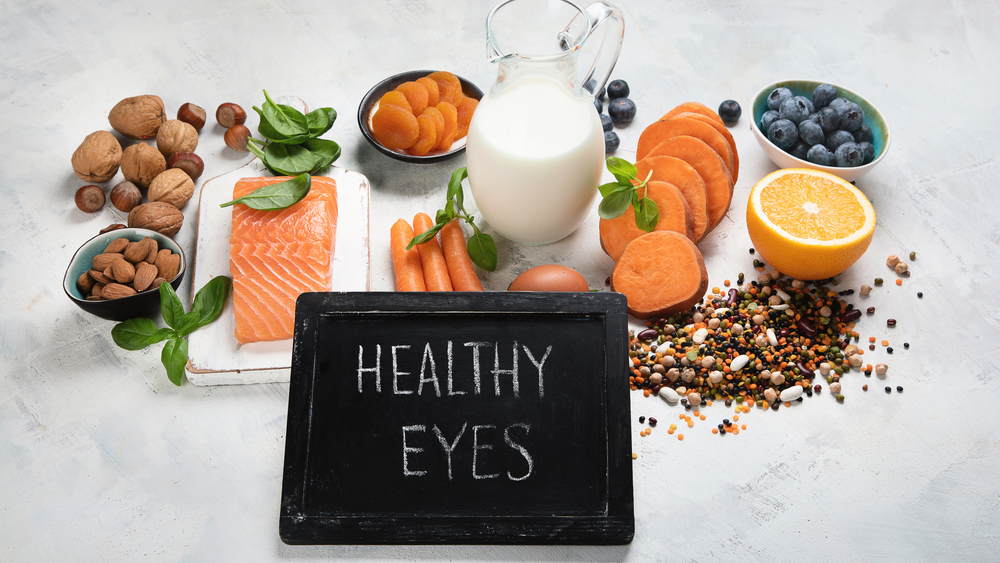
Healthy Eyes

Cataract Awareness – Know the Facts

June is Cataract Awareness Month. Most people will develop a cataract at some point in their life.  Cataracts are the leading cause of vision impairment of loss in this country. Did you know by the age of 80, more than half of all Americans either have a cataract or have had cataract surgery?

What happens when you have a cataract?

Cataracts are a clouding of the lens of the eye, which prevents the passage of light into the eye. Seeing with cataracts is like looking through a frosty or fogged window.   Cataract sufferers may also experience sensitivity to light, see “halos” around lights, notice fading or yellowing colors or have double vision in one eye.

The solution to cataracts is cataract surgery, which requires a surgeon to remove the deteriorated lens and replace it with an artificial lens called an intraocular lens or IOL.

There are over 3 million cataract surgeries performed in the US each year with each surgery lasting about 20 minutes.  Recovery time is minimal and most people can resume normal activities fairly rapidly.

Diseases such as diabetes, lifestyle choices such as smoking, excessive alcohol use, and prolonged exposure to UV rays all can contribute to your chances of developing cataracts.

Did you know there are other types of cataracts?

  • Secondary cataract. Cataracts can form after surgery for other eye problems, such as glaucoma. Cataracts also can develop in people who have other health problems, such as diabetes. Cataracts are sometimes linked to steroid use.
  • Traumatic cataract. Cataracts can develop after an eye injury, sometimes years later.
  • Congenital cataract. Some babies are born with cataracts or develop them in childhood, often in both eyes. These cataracts may be so small that they do not affect vision. If they do, the lenses may need to be removed.
  • Radiation cataract. Cataracts can develop after exposure to some types of radiation.

Annual eye exams to include dilation can detect the onset of cataracts, as well as other types of eye disease.  These preventive measures, along with healthy eating will help to maintain overall eye health.  Call 724-444-6767 or 724-226-0444 to schedule your exam today!


About Bissell Eye Care: John D. Bissell, OD owns and operates Bissell Eye Care servicing Northern Pittsburgh and Alle-Kiski Valley regions. With two locations to treat patients, we offer evening and Saturday appointments. Bissell Eye Care provides comprehensive eye examinations for the entire family beginning as early as 6 months, ocular disease detection and treatment, eyeglasses, sunglasses, activewear, contact lenses, and low vision examinations for those with significant vision loss. We accept most types of vision and health insurance plans. For more information, visit bisselleyecare.com or call our Bakerstown Office at 724-443-6767 or Natrona Heights office at 724-226-0444.

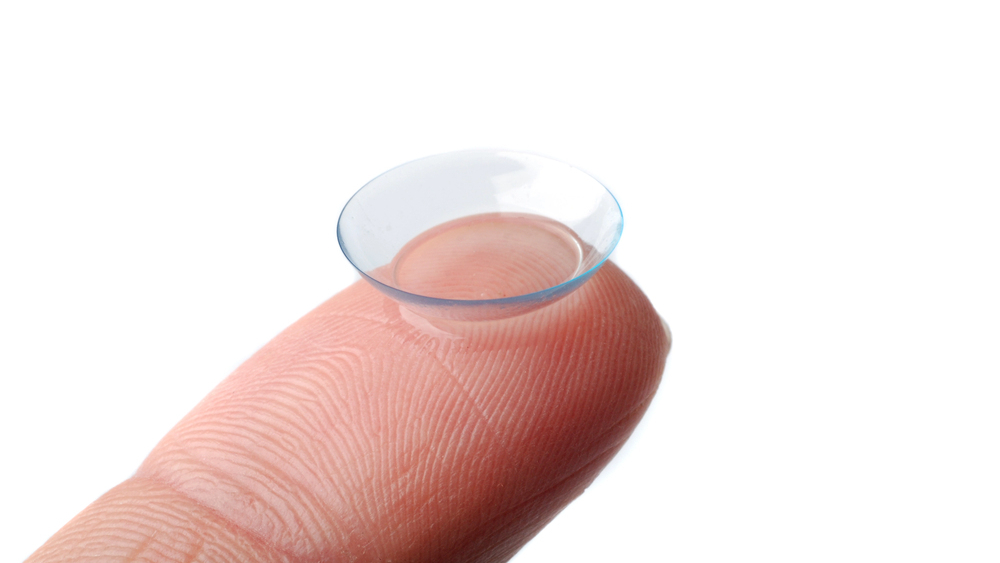
Depositphotos_1473579_S

New Technology for Bifocal Contact Lenses

Bifocal contact lenses have been around for many years, but until recently they weren’t very popular.  Today, new technology has produced more successful and a greater variety of designs. So if one design or brand doesn’t work for you, another might.

Often after the age of 40 people develop presbyopia, a condition that affects our ability to focus on objects that are near.  Think about it.  Do you have a separate pair of glasses for reading?  Or do you need to wear bifocals to see both near and far?  Some people find that they struggle to read newspapers, books, or menus and must hold them further away to be able to see the print better.  Bifocal contact lenses are great for people with active lifestyles who do not want to be chained to their reading glasses.

There are several different types of contacts that can be used to find what works best for you to replace your need for reading glasses or bifocals.  The doctors at Bissell Eye Care can give a proper diagnosis as well as help you find the best treatment options.

Concentric multifocal contact lens design contains the lens power for seeing distant objects in the center of the lens, which is surrounded by concentric rings of near and distance powers of your bifocal contact lens prescription.

The design of aspheric multifocal contact lenses is similar to that of progressive eyeglass lenses — there’s a gradual change in power from far to near, with no visible lines in the lenses.  Unlike eyeglasses, however, aspheric multifocal contacts are simultaneous vision lenses, so your visual system must learn to select the proper lens power for the moment.

Your pupil size and your “add,” or near prescription are two factors our doctors consider in choosing a bifocal contact lens that is best for you.   There are no hard and fast rules; but, aspheric multifocal contact lenses tend to work best for mild to moderate presbyopia, and concentric or segmented multifocal contacts often are more successful for advanced presbyopia.

Bifocal and multifocal lenses come in both soft and rigid gas permeable materials.  They also come in a hybrid form.  This means that the contacts have the option to be used and disposed of at set times, and can even be daily in some cases.

What is the difference……Bifocal, Multifocal contacts?

Bifocal contact lenses have two different prescriptions in the same lens.  They are similar to bifocal glasses where the top half is used for seeing far while the bottom is used for seeing close.  A segmented bifocal, and sometimes also referred to as an alternating or translating bifocal places the near vision prescription in the lower part of the lens, and the normal, distance prescription is in the rest of the lens.

Multifocal Contact Lenses and how they work

Multifocal contacts have a range of powers in each lens and are designed two different ways.

  1. Simultaneous Vision. This option is set up so your eye looks through both near and far at the same time.  Your brain adapts and allows focus on either the near or far prescription depending on the distance of the object.
  2. Alternating Vision. In the alternation set up is more like a bifocal glasses design.  It allows your pupil to move up or down as necessary to get the proper focus.

If you’re tired of carrying around two pairs of glasses, or have tried bi-focal contacts years ago but couldn’t wear them, technology has changed.    The doctors at Bissell Eye Care will work with you to see how bi-focal contact lenses can benefit you.

Are you ready to enjoy outdoor activities such as gardening and sports more easily?  People who once thought they could never benefit from contact lenses now have a second chance.  To learn more about the latest technology in bi-focal contact lenses, give our office a call at 724-444-6767 or 724-226-0444.


About Bissell Eye Care: John D. Bissell, OD owns and operates Bissell Eye Care servicing Northern Pittsburgh and Alle-Kiski Valley regions. With two locations to treat patients, we offer evening and Saturday appointments. Bissell Eye Care provides comprehensive eye examinations for the entire family beginning as early as 6 months, ocular disease detection and treatment, eyeglasses, sunglasses, activewear, contact lenses, and low vision examinations for those with significant vision loss. We accept most types of vision and health insurance plans. For more information, visit bisselleyecare.com or call our Bakerstown Office at 724-443-6767 or Natrona Heights office at 724-226-0444.