
EYE SAFETY TIPS FOR SWIMMERS

Memorial Day marks the start of the public pool season. Community pools open for business and we want to offer some tips to keep you and your family safe this season. All kids love a day at the pool, but the combination of intense sun and pool chemicals can wreak havoc on the eyes. There are some things you can do to make pool days pain-free for your family.

Ever had red, bloodshot eyes after a day swimming in a public pool? Exposure to the sun and pool chemicals can irritate your eye’s cornea and cause the eyes to become dry. Increased exposure to this fun in the sun may cause your eyes to become irritated. If you’re prone to getting red eyes from swimming, you should always wear goggles in the pool.

Here are some pool safety tips to keep your family healthy this summer.

  • Purchase swim goggles with UV protection so when in the pool, the eyes will be protected from the sun’s harmful rays. Adjust goggles to make them watertight.
  • Sunglasses rule when out of the water. Always wear sunglasses to shield eyes from dangerous UV rays. Eyes can get sunburned from the reflective pool.
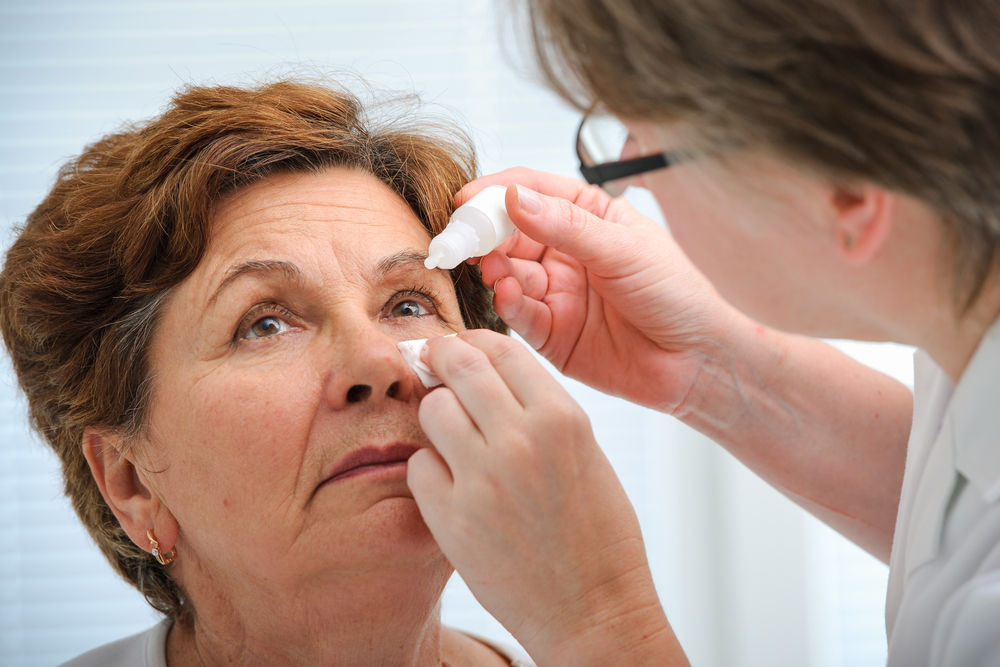
  • Rinse chemicals from sensitive eyes with fresh tap water. Saline drops can come in handy for this task and can easily be put in pool bags.
  • Avoid swimming with contact lenses as bacteria can collect on lenses and lead to infection.

If your child experiences extreme eye irritation, blurry vision or eye pain after a day at the pool, we recommend you contact Bissell Eye Care to avoid damage or infection.

About the author: John D. Bissell, owner of Bissell Eye Care and Tri-State Low Vision Services, offers comprehensive eye examinations for the entire family, ocular disease detection and treatment, eye glasses, sun glasses, active wear, contact lenses, and low vision examinations for those with significant vision loss. He has undergone specialized training for treatment of low vision by the International Academy of Low Vision Specialists utilizing customized telescopic eyeglasses, prisms and telescopic implants for patients who qualify. The practice accepts most types of vision and health insurance plans.

SPRING CLEANUP AND EYE PROTECTION


Gardener strimming and strimmer

It’s grass mowing, yard cleanup time of year. The leaves are out, flower beds are starting to show their color and you’re getting ready for summer entertaining. It’s important to be proactive about eye protection as you mow, trim, use weed whackers and hedge trimmers. The speed involved while using machinery can cause the unpredictable trajectory of clippings and debris.

While many people routinely don gardening gloves, sun hats, and mud boots, the eyes are often left exposed to everything from prickly branches to flinging rocks. All those powerful yard tools are great at cutting grass and leaves – but they’re also great at kicking up dirt, stones, dust, wood chips, and more. Your eyelids and eyelashes help keep some of the debris and dust out. Unfortunately, we see it all too often and it’s all too easy for something small to fly up and hit your eye when you least expect it!

Safety glasses provide a solid barrier to keep those flying stones and little bits of wood from striking your eye. They’re designed to cover more area around the eye including around the sides if you use a wrap-around style. Better than ordinary glasses, this type of safety glasses help minimize the possibility of something slipping under or around them.

Injuries from these flying objects run from small but painful scratches on the cornea to bits of dirt or wood actually getting stuck in your eye. As you can imagine, not only is this painful, it could impair your eyesight. The foreign objects have to be removed and your eye treated to prevent infections and repair damage.

The American Academy of Ophthalmology offers the following tips for common yard-work eye issues:

  • If sand or small debris gets in the eye, use an eyewash to flush the eye. Don’t rub the eye. If the debris doesn’t come out, lightly bandage the eye and see your eye doctor.
  • For blows to the eye, gently apply small cold compresses to reduce pain and swelling. Don’t apply any pressure. Seek emergency medical care if there is pain, reduced vision or discoloration, such as a black eye.
  • For cuts or punctures to the eye, bandage the eye without applying any pressure and seek emergency medical care immediately. Don’t attempt to wash the eye or remove any object stuck in the eye.

The eyes can be damaged by sun exposure too, not just chemicals, dust or objects, so make sure to wear UV protecting sunglasses while outdoors. Whether you are a professional landscaper or you mow your own lawn, don’t forget to protect your eyes while performing yardwork this spring and summer!

About the author: John D. Bissell, owner of Bissell Eye Care and Tri-State Low Vision Services, offers comprehensive eye examinations for the entire family, ocular disease detection and treatment, eye glasses, sun glasses, active wear, contact lenses, and low vision examinations for those with significant vision loss. He has undergone specialized training for treatment of low vision by the International Academy of Low Vision Specialists utilizing customized telescopic eyeglasses, prisms and telescopic implants for patients who qualify. The practice accepts most types of vision and health insurance plans.

TIPS ON CHOOSING EYEWEAR FRAMES


In Optics Shop. Portrait of male client holding and wearing different spectacles, choosing and trying on new glasses at optical store. Man picking frame for vision correction, closeup.

Bissell Eye Care prides itself on carrying unique brands of eyewear. You won’t find many of our frames at some of the big box stores. What that means is you also won’t see yourself coming and going on the street with the same eyewear frames. Our staff are trained to help you choose the best frame for your face shape, skin tone, and style. Use the following tips to find the frames that work best for you.

Your face shape will help you determine which frames enhance your look.

Round Face

  • If you have a round face, look for eyeglass frames that are square or rectangular. These shapes tend to be wider than a round face and can enhance your face by making it appear slimmer and longer, adding balance to your round features.
  • Avoid rimless frames, round frames. Small frames will accentuate the roundness, making your round face look even rounder.

Oval Face

  • If you have an oval face, frames that look best have a strong bridge, are wider than the broadest part of the face and are geometric in shape.
  • Avoid eyeglasses that are overlarge and cover up more than half of your face. This frame style will throw off the natural balance and symmetry of the oval face.

Square Face

  • Eyeglasses for a square face soften the angularity and sit high on the bridge of the nose. Oval or round eyeglasses will balance and add a thinner appearance to the angles of a square face.
  • Avoid angular and boxy eyeglass frames. They will sharpen and draw attention to your angular features, making a square face appear bulky.

Diamond Face

  • Diamond face shapes play up a narrow forehead and chin with eyeglass frames what sweep up or are wider than the cheekbones, such as cat-eye glasses and oval frames. These frames will accentuate your cheekbones and delicate features.
  • Avoid boxy and narrow frames that will accentuate the width of your cheeks, drawing attention to your narrow features rather than enhancing them.

Heart-Shaped Face

  • Heart-Shaped face looks the best with frames that balance the width of the forehead with the narrowness of the chin. Eyeglasses with low-set temples and bottom heavy frame lines will add width to that narrower part of your face. Round eyeglasses or square eyeglasses with curved edges will help draw attention away from a broad, high forehead.
  • Avoid any style or color of frames that draw attention to the forehead. This includes frames with decorative temples or embellished tops.

When it comes to face shape, select eyeglasses that contrast from your facial contours and bring symmetry and balance to your prominent features.

Skin Tone and Eye Frame Colors

Just as the shape of your face helps determine which frames look best, so does your skin tone. More important than hair color and more decisive than eye color, skin tone sets the tone for high fashion frames. Select a shade closest to your skin tone:

  • Warm Skin Tone: If you have a yellow, bronze or golden cast to your skin, you have a warm complexion. Stay away from contrasting colors such as pastels. White and black frames are not flattering either. Instead, the best frame colors for you are a light tortoise, brown shades, gold or honey, beige, and olive green.
  • Cool Skin Tone: If your skin has pink or blue undertones, you have a cool complexion. Avoid colors that wash you out and instead reach for frames that are silver, black, dark tortoise, pink, purple, blue, mauve and gray.

Lifestyle Matters

There are eyeglass frames for every way of life! Think about the activities you will do while wearing your eyeglasses. If you’re active, perhaps you want to choose frames which can twist and bend without breaking. Need gaming glasses? Gamers can choose from a wide selection of stylish frames that enhance the gaming experience. When impressing the big wigs at the office, you can accessorize your business savvy with sensible style.

The frames you wear can say a lot about your personality. You can have a pair of glasses that showcase your fun-loving side on the weekends and a pair that emphasizes your get down to business tone during the week.

At Bissell Eye Care – we have you covered. We carry a vast selection of designer eyewear to fit your facial shape, skin tone, and life style.

About the author: John D. Bissell, owner of Bissell Eye Care and Tri-State Low Vision Services, offers comprehensive eye examinations for the entire family, ocular disease detection and treatment, eye glasses, sun glasses, active wear, contact lenses, and low vision examinations for those with significant vision loss. He has undergone specialized training for treatment of low vision by the International Academy of Low Vision Specialists utilizing customized telescopic eyeglasses, prisms and telescopic implants for patients who qualify. The practice accepts most types of vision and health insurance plans.

SPRING ALLERGIES AND PINK EYE

With the warm weather finally arriving, we’re beginning to see signs of spring. Have your eyes started to water? Are your eyes red? Do you feel your nose starting to get stuffed up again? It’s that time of the year, the time when the weather gets warmer, you want to get outside, and all the plants and trees start to bloom. As spring approaches, learn how to help prevent symptoms and avoid eye infections.

Among eye infections associated with allergies, pink eye is one the most common. Pink eye is an inflammation of the thin, clear covering of the white of the eye and the inside of the eyelids. While this part of the eye is clear it contains small blood vessels. When an infection occurs, these blood vessels dilate, giving the eye the red color. It is more frequently experienced with people who are in close proximity to others such as students, school workers, daycare workers and medical professionals.

Types of Pink Eye

  • Allergic: This form of pink eye may be associated with pollen but can also be flared up by dust or pet dander
  • Bacterial: Bacterial pink eye is caused by bacteria entering the eye. It can cause serious damage to the eye if left untreated.
  • Viral: Caused by a virus similar to the common cold. This is the most contagious form but will usually clear up on its own in a few days without medical treatment.

Treatments

  • Allergic: Allergy medications can often help to prevent or shorten the duration of the infection. It is a common practice to start the medication prior to allergy season or known flare ups.
  • Bacterial: An optometrist appointment is necessary and they will prescribe eye drops.
  • Viral: This form will run its course over several days requiring no medical treatment. Using a cold wet compress will help relieve some of the symptoms. Do not share this compress as the viral form is the most contagious.

As we approach spring and allergy season, follow these tips to help prevent eye infections.

Prevention

  • Avoid sharing items such as washcloths, tissues, or towels.
  • Avoid rubbing or touching your eyes after covering your mouth to cough or sneeze.
  • Never share contact lenses with anyone.
  • If you experience seasonal allergies consult your doctor on how to minimize symptoms.
  • Remove contacts before using a hot tub, being in water, and even showering.
  • Wash hands frequently, especially in areas of high public traffic (schools, daycares, public places).

If you do experience an infection don’t hesitate to contact the doctors at Bissell Eye Care to confirm if you will need medication to help combat the infection and prevent future eye damage.

About the author: John D. Bissell, owner of Bissell Eye Care and Tri-State Low Vision Services, offers comprehensive eye examinations for the entire family, ocular disease detection and treatment, eye glasses, sun glasses, active wear, contact lenses, and low vision examinations for those with significant vision loss. He has undergone specialized training for treatment of low vision by the International Academy of Low Vision Specialists utilizing customized telescopic eyeglasses, prisms and telescopic implants for patients who qualify. The practice accepts most types of vision and health insurance plans.

IS IT TOO EARLY FOR YOUR CHILD’S FIRST EYE EXAM?

You may notice many preschools are starting to advertise registration for the 2019-2020 school year. Something to consider before your child enters preschool is an eye exam. Did you know that Bissell Eye Care provides comprehensive eye examinations for children as young as 6 months of age? For children under the age of one, we do not charge for the examination.

According to the American Optometric Association (AOA), “infants should have their first comprehensive eye exam at 6 months of age. Experts say 5 -10 % of preschoolers and 25 % of school-aged children have vision problems.

Preschoolers depend on their vision to learn tasks that will prepare them for school. During this time in their lives, they are developing the visually-guided eye-hand-body coordination, fine motor skills and visual perceptual abilities necessary to learn to read and write.

Early identification of a child’s vision problem is crucial because, if left untreated, some childhood vision problems can cause permanent vision loss. Children then should have additional eye exams at age 3, and just before they enter the first grade – at about age 5 or 6.”

The AOA estimates one in four school-aged kids have undetected vision problems that critically impact their visual perceptual skills:

  • RECOGNITION – knowing the difference between letters like ‘b’ and ‘d’
  • COMPREHENSION – ‘picturing’ what’s happening in a story they’re reading
  • RETENTION – remembering and recalling details about what they’ve just read

Here are some tips for eye exams for young children.

  • Schedule the appointment during a time when your child is alert and happy, taking into account napping and eating times.
  • A case history will be conducted to determine birth history, birth weight, medical issues, and any allergies.
  • Be sure to note any delayed motor development, failure to maintain eye contact, poor eye tracking, frequent eye rubbing or blinking.

Making a child comfortable with puppets and the use of our “Special Lights” allow us to have fun with children as we look for the following things:

  • How the eye tracks and turns
  • High Refractive Error – meaning significant far or nearsightedness
  • Overall Eye Health

For young children who can’t read letters yet, no worries, we use of shapes and colors. No matter what age, regular eye exams are important. Prepare your child for success as they enter preschool and beyond. To learn more, give our offices a call at 724-443-6767 or 724-226-0444.

About the author: John D. Bissell, owner of Bissell Eye Care and Tri-State Low Vision Services, offers comprehensive eye examinations for the entire family, ocular disease detection and treatment, eye glasses, sun glasses, active wear, contact lenses, and low vision examinations for those with significant vision loss. He has undergone specialized training for treatment of low vision by the International Academy of Low Vision Specialists utilizing customized telescopic eyeglasses, prisms and telescopic implants for patients who qualify. The practice accepts most types of vision and health insurance plans.

Eye-Protection-In-Sports

PLAY BALL AND GEAR UP!

Eye-Protection-In-SportsSpring arrives this month and that means spring sports are lining up into full gear. According to the to Prevent Blindness organization, “every 13 minutes, an emergency room treats a sports-related eye injury. And, 43 percent of sports-related eye injuries are to children ages 14 and younger.”

By using the right protective eye gear, the good news is that ninety percent of these eye injuries can be prevented. Know that regular glasses don’t provide enough protection. Use batting helmets with polycarbonate face shields for youth baseball.

For the Pittsburgh Pirates, and many of the high school baseball and softball teams, spring training has already begun. Baseball is the sport most frequently associated with eye injuries among five to 14-year-old athletes, yet statistics show that 90 percent of sports-related eye injuries are preventable.

By wearing protective eyewear, a young person can avoid or reduce the impact of a serious injury. Without protective gear, a fast-moving baseball can injure the bones around the eye or even the eyeball itself, causing temporary or permanent vision problems; other players’ hands or gloves can scratch the eye, causing damage to the eye’s surface; and a misguided bat can cause head injuries leading to vision problems.

Protective eyewear like sports goggles can be either prescription or non-prescription. Sports goggles should be made of non-breakable materials. Helmets or headgear can also play an important role in protecting eyesight and preventing head injuries. In order to be assured that your eyes are protected, it is important that any eye guard or sports protective eyewear are labeled as ASTM F803 approved. This eyewear is performance tested to give you the highest levels of protection.

If an eye injury occurs while playing a spring sport, young people should be seen by their eye doctor or primary care provider as soon as the injury occurs. If not properly treated, vision problems can persist and lead to lifelong difficulty playing sports, driving or even maintaining certain jobs.

Poor depth-perception or other vision problems could present in the following ways:

  • Always swinging the bat too early or too late
  • Missing often while trying to catch the ball
  • Squinting to see the ball or other players

Bissell Eye Care is a recognized Performance Vision Center by the Prevent Blindness organization. Our staff will help you select the right type of eye gear for the sport you are playing. Whatever your game, whatever your age, when playing any type of sports, you need to protect your eyes!

About the author: John D. Bissell, owner of Bissell Eye Care and Tri-State Low Vision Services, offers comprehensive eye examinations for the entire family, ocular disease detection and treatment, eye glasses, sun glasses, active wear, contact lenses, and low vision examinations for those with significant vision loss. He has undergone specialized training for treatment of low vision by the International Academy of Low Vision Specialists utilizing customized telescopic eyeglasses, prisms and telescopic implants for patients who qualify. The practice accepts most types of vision and health insurance plans.

EYE INFECTIONS AND COLD AND FLU SEASON

As of Feb. 2, 2019, the flu is widespread in 47 states, and 24 states are experiencing high levels of the disease. In addition, hospitalizations are increasing, according to the U.S. Centers for Disease Control and Prevention. “Flu activity has continued to increase this week,” said Lynnette Brammer, the lead of CDC’s domestic influenza surveillance team.

It seems like everywhere you turn, someone is sick. For those individuals who received the flu shot, your symptoms may not be quite as severe, and Brammer urges individuals who haven’t gotten the flu shot to get one as long as we’re in flu season.

When we think of the flu, things such as body aches, fever, and stomach viruses come to mind but flu season may also bring an unexpected surprise in the form of conjunctivitis, most commonly referred to as “pink eye.”

There are three types of conjunctivitis: 1) Bacterial 2) Allergic and 3) Viral Conjunctivitis. Symptoms that present with conjunctivitis include:

  • Gritty feeling in the eye or both eyes
  • Excessive tearing
  • Itchy or burning sensation
  • Discharge and/or swollen eyelids
  • Pink Discoloration
  • Sensitivity to light

Conjunctivitis is contagious, so take these steps to avoid “sharing the joy” with others:

  • Practice good hygiene and teach your children how to properly wash their hands
  • Don’t touch your face with your hands
  • Avoid using cosmetics and eye care items and discard those currently used (particularly mascara) when first diagnosed with conjunctivitis to prevent spreading the infection
  • Change towels and washcloths daily and avoid sharing with others
  • Avoid wearing contact lenses and dispose of those used at the start of the infection

Conjunctivitis treatment varies. Topical steroid drops and/or antibiotics based on which type of conjunctivitis you have will be used to treat conjunctivitis. Viral conjunctivitis, much like the common cold, must run the course and only in severe cases are steroids used.

The best course of action is to schedule an appointment with your optometrist to properly diagnose and treat your infection. At Bissell Eye Care, we also have tests that examine the optic nerve to ensure there’s not an underlying problem that can become more serious.

About the author: John D. Bissell, owner of Bissell Eye Care and Tri-State Low Vision Services, offers comprehensive eye examinations for the entire family, ocular disease detection and treatment, eye glasses, sun glasses, active wear, contact lenses, and low vision examinations for those with significant vision loss. He has undergone specialized training for treatment of low vision by the International Academy of Low Vision Specialists utilizing customized telescopic eyeglasses, prisms and telescopic implants for patients who qualify. The practice accepts most types of vision and health insurance plans.

Age-Related-Macro-Degeneration

AGE-RELATED MACULAR DEGENERATION EARLY DETECTION

Age-Related-Macro-DegenerationFebruary is National Age-Related Macular Degeneration (AMD) awareness month. We want to make sure that you know what side effects to be on the lookout for. While there is not a cure for Macular Degeneration early detection is key to slowing down vision loss and keeping your sight.

Macular degeneration is one of the leading causes of vision loss. It is caused by the deterioration of the central portion of the retina. The central portion of the retina, known as the macula, is responsible for focusing vision for your eye, allowing us to read, recognize faces or colors, drive and do many day-to-day activities.

While there is no cure for this disease, there are treatments to help slow it down. It is important to maintain yearly eye exams for early detection. AMD is very difficult to notice until you have already lost a large portion of your vision.

Bissell Eye Care utilized Optical Coherence Tomography (OCT) is a non-invasive, office-based imaging test that uses a special light to scan the macula and determine whether there is fluid in the macula, potentially signifying wet AMD.

Lifestyle changes can help lower your risk of developing AMD. Some lifestyle changes might include proper exercise and diet, avoiding smoking, and protecting your eyes from the UV rays of the sun. People that run a higher risk of developing AMD are people who have a family history and race. Caucasians are more likely to develop the disease than African American or Hispanic heritage, and smokers.

There are three stages of AMD:

  1. Early AMD: At this stage most people do not experience vision loss. The presence of medium-sized drusen (yellow deposits beneath the retina), is usually an early sign you eye doctor looks for.
  2. Intermediate AMD: This is where vision loss may start to be noticed, however it may not be enough to be noticeable. Specific tests will look for pigment changes in the retina and larger drusen deposits.
  3. Late AMD: At this stage vision loss has become noticeable.

There are some new medications available that can help slow the progression of wet AMD.

Remember that early detection and treatment is key to help save your vision. Be sure to tell your eye doctor if anyone in your family has or had Macular Degeneration. Take charge of your health and see clearly with routine eye exams.

About the author: John D. Bissell, owner of Bissell Eye Care and Tri-State Low Vision Services, offers comprehensive eye examinations for the entire family, ocular disease detection and treatment, eye glasses, sun glasses, active wear, contact lenses, and low vision examinations for those with significant vision loss. He has undergone specialized training for treatment of low vision by the International Academy of Low Vision Specialists utilizing customized telescopic eyeglasses, prisms and telescopic implants for patients who qualify. The practice accepts most types of vision and health insurance plans.

Treating-Glaucoma

IS MARIJUANA A VIABLE TREATMENT FOR GLAUCOMA?

Treating-GlaucomaDid you know over 2.8 million Americans have glaucoma and that number is expected to rise by 50% by the year 2032? Glaucoma, a group of eye diseases that gradually steal sight without warning, is caused by the eye’s failure to maintain the balance of pressure between the internal fluid and the amount of fluid it drains away. High eye pressure caused by this imbalance creates pressure build up against the optic nerve causing nerve damage. The most common forms primarily affect the middle-aged and the elderly, but glaucoma can affect people of all ages, particularly if you have a family history of the disease.

Vision loss is caused by damage to the optic nerve. This nerve acts like an electric cable with over a million wires. It is responsible for carrying images from the eye to the brain.

Damage typically starts in the outside peripheral vision and is often not recognized by patients. A dilated eye exam is necessary to examine the optic nerve. Treatment generally begins with eye drops. Just as in any other prescribed medication, it’s important to consistently take the drops as prescribed. Since glaucoma symptoms are typically undetected, patients will not realize the damage that can be done without following the prescription.

With increased awareness of the acceptance of marijuana in the treatment of various diseases, and the legalization of the drug, the Glaucoma Research Foundation states, “While marijuana does lower intraocular pressure (IOP), it has major drawbacks as a treatment for a chronic, long-term, disease like glaucoma. First, in contrast to conventional glaucoma eye drops (some of which are effective for up to 24 hours), smoking THC, or tetrahydrocannabinol, the chemical responsible for most of marijuana’s psychological effects reduces eye pressure for only 3-4 hours. To control IOP would require 8-10 doses of marijuana per day. This would not only cost more than typical glaucoma treatment, but the physical and mental side-effects of frequent marijuana use would prevent functioning productively.

Long-term Safety Concerns

Concerns also exist regarding the long-term safety of marijuana use, due to its associations with permanent lung damage when smoked, and possible permanent adverse effects on cognition and mental health. With regular use, tolerance to the eye pressure-lowering effects develops, meaning that increasing drug levels would be required to prevent the progression of glaucoma. Finally, lack of regulation and quality control makes efficacy and safety of marijuana unpredictable. Research efforts to develop THC eye drops that can effectively lower eye pressure while minimizing side effects are underway but have not yet been successful.”

For these reasons, while marijuana does lower eye pressure, it is not recommended as a medical treatment for glaucoma. If you use marijuana, let your eye doctor know since it may have an impact on your eye pressure readings. Also, it is very important to continue your current glaucoma therapy and regular monitoring as recommended by your eye doctor.

If your optometrist deems that eye drops aren’t the best course of action, lasers or in extreme cases surgical procedures may be necessary to treat the disease.

Types of glaucoma include:

Chronic (Open Angle) Glaucoma: The most common form. In open angle glaucoma, aqueous fluid drains too slowly and pressure inside the eye builds up. It usually results from aging of the drainage channel, which doesn’t work as well over time. However, younger people can also get this type of glaucoma.

Normal Tension Glaucoma: This is a form of open angle glaucoma not related to high pressure. People with normal tension glaucoma may be unusually sensitive to normal levels of pressure. Reduced blood supply to the optic nerve may also play a role in normal tension glaucoma.

Acute (Angle Closure) Glaucoma: Those of Asian and Native American descent are at higher risk for this form of glaucoma. It occurs when the drainage system of the eye becomes blocked. It causes a sudden rise in pressure, requiring immediate, emergency medical care. The signs are usually serious and may include blurred vision, severe headaches, eye pain, nausea, vomiting or seeing rainbow-like halos around lights.

January is Glaucoma Awareness Month. If you haven’t scheduled a regular eye exam, now is the time to do so. Call it your New Year’s Resolution to better health. Take action and call our offices at 724-443-6767 or 724-226-0444 and schedule your eye exam today!

About the author: John D. Bissell, owner of Bissell Eye Care and Tri-State Low Vision Services, offers comprehensive eye examinations for the entire family, ocular disease detection and treatment, eye glasses, sun glasses, active wear, contact lenses, and low vision examinations for those with significant vision loss. He has undergone specialized training for treatment of low vision by the International Academy of Low Vision Specialists utilizing customized telescopic eyeglasses, prisms and telescopic implants for patients who qualify. The practice accepts most types of vision and health insurance plans.

IS SCREEN TIME CREATING DIGITAL EYE STRAIN IN CHILDREN?

You’ve probably felt it before after a long day looking at your computer screen or spending too much time on your smart phone – digital eye strain. Perhaps your child received a new electronic device for Christmas and now they seem glued to the new tablet or phone. Did you know that your kids could be dealing with digital eye strain too?

Between school and home, kids are using tablets, smartphones, computers, and other digital devices at an alarming rate. In fact, they’re probably getting more digital device time than you are. All that computer usage at school along with hours of video games, surfing social media on smartphones and watching television could be damaging the eyes of your children.

EYE STRAIN IS TOUGH ON DEVELOPING EYES IN YOUNG CHILDREN

Eye strain is bad for the eyes, but it’s particularly tough on the eyes of a child because they are still developing. When kids deal with eye strain, they may deal with symptoms like blurry vision, problems shifting their focus to items in the distance, eye fatigue, back and neck pain, headaches, and eye dryness.

Kids often make the mistake of holding their smartphone or tablet too close to their eyes. Doing this often can result in digital eye strain. To reduce strain on the eyes, a screen should be an arm’s length away from the eyes.

Not knowing the difference, children are more likely to deal with digital eye strain because they’re often unaware that they’re having problems. Kids may not realize how much time they spend looking at a screen. They lack the ability to know when to take a break from the screen which can result in eye strain and dry eyes. Since children usually think that everyone sees the same way they do, their vision problems are often left undetected and untreated.

Too much screen time can result in digital eyestrain, which can include burning, itchy, or tired eyes. Headaches, fatigue, blurred or double vision, loss of focus, and head and neck pain are other threats for children using screens too often and too long.

TIPS TO PREVENT EYE STRAIN

  • Monitor Screen Time. Since spending a lot of time looking at digital screens can be tough on a child’s eyes, it’s important to limit digital device time to prevent eye strain.
  • Exercise. Get kids outside regularly. They’re less likely to develop nearsightedness if they spend more time playing outside. When your kids do use digital devices, ensure they’re taking regular breaks.
  • Take Breaks. Every 20 minutes, teach your child to look away at their screen at something that’s about 20 feet away. Ask your child to remember to blink. This gives the eyes a break and reduces the risk of digital eye strain.
  • Ergonomics. Screen positioning. Make sure the screen on your child’s desktop or laptop computer is slightly below eye level. Looking up at a screen opens eyes wider and dries them out quicker.
  • Sleep. Not getting enough shut-eye leads to tired, sore eyes. The American Association of Pediatrics (AAP) recommends children not sleep with devices in their bedrooms, including TVs, computers, and smartphones. In addition, the AAP recommends avoiding exposure to screens for 1 hour before going to bed. Using devices past bedtime, especially for violent video games or shows, can interfere with sleep. Studies also suggest the blue light given off by screens might also make it difficult to sleep.

It’s important to schedule routine eye exams for your kids to ensure their eyes are healthy and developing as they should. Regular eye care now can ensure your child has healthy vision for life. For questions or concerns regarding your child’s eye health, or to schedule an appointment, call our offices at 724-443-6767 or 724-226-0444.

About the author: John D. Bissell, owner of Bissell Eye Care and Tri-State Low Vision Services, offers comprehensive eye examinations for the entire family, ocular disease detection and treatment, eye glasses, sun glasses, active wear, contact lenses, and low vision examinations for those with significant vision loss. He has undergone specialized training for treatment of low vision by the International Academy of Low Vision Specialists utilizing customized telescopic eyeglasses, prisms and telescopic implants for patients who qualify. The practice accepts most types of vision and health insurance plans.