Depositphotos_455397178_S

Bissell Eyecare Operations Update

As businesses begin to reopen, Bissell Eye Care will be following the CDC and State Health Guidelines as it pertains to generalized non-emergent eyecare. Our staff will be reaching out to reschedule annual eye exams and follow-up care. As of May 18, 2020, we are not permitted to do contact fits on patients who have never previously worn them, but can continue all other contact lens services. This may change at any time, so we will continue to keep everyone updated on the latest information provided to us by the CDC, AOA, and POA.

We want to assure you that the Bissell Eye Care staff stands ready to serve you and your family. You may have concerns about the Coronavirus (COVID-19) so we want to take the time to let our patients know what extra precautions the Bissell Eye Care staff are taking in our efforts to help keep everyone healthy:

  • Daily monitoring of the CDC updates and recommendations
  • Increasing the frequency of cleaning/disinfecting of heavy use patient areas and in house eyeglass frames
  • Limiting the number of patients in the office at one time, including limiting who may accompany a patient to their appointment. We ask that only the patient come into the building and others remain outside the building unless the patient needs a caretaker (i.e. child, elderly, medical condition, etc.)
  • Curbside pick-up of glasses, contacts, and other goods
  • Temperature check of employees and patients
  • Mandatory use of masks of all employees and patients while in the building
  • Providing hand sanitizer to patients and employees
  • Discussing prevention measures daily
  • Ensuring any employee displaying signs or symptoms of illness do not come into the office

The staff at Bissell Eye Care request any patients experiencing symptoms such as cough, fever or shortness of breath to please reschedule any appointments and follow CDC guidelines for monitoring.

We remain focused on doing our part in keeping you safe and healthy.

Depositphotos_1473579_S

New Technology for Bifocal Contact Lenses

Bifocal contact lenses have been around for many years, but until recently they weren’t very popular.  Today, new technology has produced more successful and a greater variety of designs. So if one design or brand doesn’t work for you, another might.

Often after the age of 40 people develop presbyopia, a condition that affects our ability to focus on objects that are near.  Think about it.  Do you have a separate pair of glasses for reading?  Or do you need to wear bifocals to see both near and far?  Some people find that they struggle to read newspapers, books, or menus and must hold them further away to be able to see the print better.  Bifocal contact lenses are great for people with active lifestyles who do not want to be chained to their reading glasses.

There are several different types of contacts that can be used to find what works best for you to replace your need for reading glasses or bifocals.  The doctors at Bissell Eye Care can give a proper diagnosis as well as help you find the best treatment options.

Concentric multifocal contact lens design contains the lens power for seeing distant objects in the center of the lens, which is surrounded by concentric rings of near and distance powers of your bifocal contact lens prescription.

The design of aspheric multifocal contact lenses is similar to that of progressive eyeglass lenses — there’s a gradual change in power from far to near, with no visible lines in the lenses.  Unlike eyeglasses, however, aspheric multifocal contacts are simultaneous vision lenses, so your visual system must learn to select the proper lens power for the moment.

Your pupil size and your “add,” or near prescription are two factors our doctors consider in choosing a bifocal contact lens that is best for you.   There are no hard and fast rules; but, aspheric multifocal contact lenses tend to work best for mild to moderate presbyopia, and concentric or segmented multifocal contacts often are more successful for advanced presbyopia.

Bifocal and multifocal lenses come in both soft and rigid gas permeable materials.  They also come in a hybrid form.  This means that the contacts have the option to be used and disposed of at set times, and can even be daily in some cases.

What is the difference……Bifocal, Multifocal contacts?

Bifocal contact lenses have two different prescriptions in the same lens.  They are similar to bifocal glasses where the top half is used for seeing far while the bottom is used for seeing close.  A segmented bifocal, and sometimes also referred to as an alternating or translating bifocal places the near vision prescription in the lower part of the lens, and the normal, distance prescription is in the rest of the lens.

Multifocal Contact Lenses and how they work

Multifocal contacts have a range of powers in each lens and are designed two different ways.

  1. Simultaneous Vision. This option is set up so your eye looks through both near and far at the same time.  Your brain adapts and allows focus on either the near or far prescription depending on the distance of the object.
  2. Alternating Vision. In the alternation set up is more like a bifocal glasses design.  It allows your pupil to move up or down as necessary to get the proper focus.

If you’re tired of carrying around two pairs of glasses, or have tried bi-focal contacts years ago but couldn’t wear them, technology has changed.    The doctors at Bissell Eye Care will work with you to see how bi-focal contact lenses can benefit you.

Are you ready to enjoy outdoor activities such as gardening and sports more easily?  People who once thought they could never benefit from contact lenses now have a second chance.  To learn more about the latest technology in bi-focal contact lenses, give our office a call at 724-444-6767 or 724-226-0444.


About Bissell Eye Care: John D. Bissell, OD owns and operates Bissell Eye Care servicing Northern Pittsburgh and Alle-Kiski Valley regions. With two locations to treat patients, we offer evening and Saturday appointments. Bissell Eye Care provides comprehensive eye examinations for the entire family beginning as early as 6 months, ocular disease detection and treatment, eyeglasses, sunglasses, activewear, contact lenses, and low vision examinations for those with significant vision loss. We accept most types of vision and health insurance plans. For more information, visit bisselleyecare.com or call our Bakerstown Office at 724-443-6767 or Natrona Heights office at 724-226-0444.

Man in formal clothes sitting by the table with laptop and feels bad.

Up Your Game to Better Eye Health

No matter what age you are, taking care of your eyes should in your game plan for optimal health.  Often patients take their eyesight for granted until they begin having problems with their vision.  Keeping up with annual checkups is as important as your annual physical.

When day-to-day activities become challenging, that will trigger a call for an eye appointment.  Having good vision and healthy eyes may determine your ability to remain independent and self-sufficient.  Here are some tips to maintain optimal eye health.

EAT A BALANCED DIET

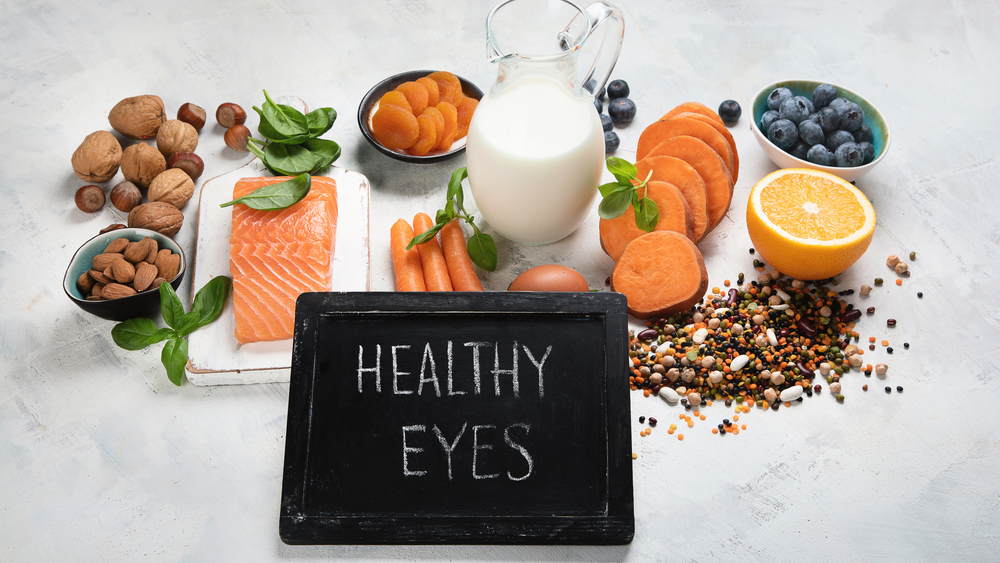
As part of your healthy diet, choose foods rich in antioxidants, like Vitamins A and C; foods like leafy, green vegetables, and fish.  Many foods – especially fatty fish such as salmon – contain essential omega-3 fatty acids that are important to the health of the macula, the part of the eye responsible for central vision.  As the gardening season gets underway, be sure those green vegetables are part of your crop.  High-fat diets can also cause deposits that constrict blood flow in the arteries. The eyes are especially sensitive to this, given the small size of the blood vessels that feed them.

EXERCISE

Not only is exercise good for the body, but the increased blood circulation improves the oxygen level to the eyes.

CATCH YOUR ZZZZs

A good night’s sleep allows your eyes to replenish the supply of natural tears.  Go too long without enough sleep, and you might start getting twitchy eyelids, eye strain, or dry eye.

STOP SMOKING

Smoking increases the risk of eye diseases such as cataracts and age-related macular degeneration.  Tobacco smoke worsens dry eye.

WASH YOUR HANDS

Maintaining good hygiene practices will help to prevent eye infection.  Always remove makeup before going to bed.    Bacteria will form from your eyelashes and requires daily eyelid hygiene. Like brushing your teeth, your eyelids need daily care.  Hot compresses help keep tear-producing glands working at top efficiency.

BREAK OUT THE SUNGLASSES

Exposure to ultraviolet UV light raises the risk of eye diseases, including cataracts, fleshy growths on the eye, and cancer.

DEVICES AND BLUE LIGHT OVERLOAD

Digital devices have become appendages – TV, computer, tablets, ipads, and smartphones.  Between work and personal use, we can’t get away from technology.  These devices are exposing your eyes to high energy blue light. It’s called blue light because the wavelengths emitted are near the bluer part of the spectrum.  To avoid digital eye strain, take a break every 20 minutes, blink often, keep your computer screen within 20-24 inches of your eye, and adjust the lighting to minimize glare.

The good news is most vision loss is preventable. During a comprehensive eye exam at Bissell Eye Care, dilation and our state-of-the-art technology allow us to look at the overall health of your eyes.    During these exams, we may discover conditions that affect your eyes.   In addition, an underlying medical condition in your overall general health could be uncovered.  This will ultimately help your primary care provider enhance your overall health and wellness program.

Be proactive, stay healthy, and protect your eyesight with annual eye exams.  Make Eye Appointments A Priority – call our office at 724-444-6767 or 724-226-0444 to schedule your eye exam today!


About Bissell Eye Care: John D. Bissell, OD owns and operates Bissell Eye Care servicing Northern Pittsburgh and Alle-Kiski Valley regions. With two locations to treat patients, we offer evening and Saturday appointments. Bissell Eye Care provides comprehensive eye examinations for the entire family beginning as early as 6 months, ocular disease detection and treatment, eyeglasses, sunglasses, activewear, contact lenses, and low vision examinations for those with significant vision loss. We accept most types of vision and health insurance plans. For more information, visit bisselleyecare.com or call our Bakerstown Office at 724-443-6767 or Natrona Heights office at 724-226-0444.

Eye Emergencies

EYE EMERGENCIES

Eye Emergencies are often accompanied by pain. When should you act and seek emergency eye care? At Bissell Eye Care, we have invested in state of the art technology that can look into the back of the eye to determine what steps should be taken to best treat your injury.

Situations like being hit in the eye, a chemical burn, sudden onset of blurry or loss of vision, eye scratches, flashes of light or floaters, and abrupt headaches with or without visual impacts would qualify as an emergency and should be checked. A sudden or noticeable change in the quality of your vision must be addressed quickly. Vision changes often indicate a retinal or corneal defect that can cause permanent vision loss if left untreated. One such defect is retinal detachment. If you’re seeing flashing lights and spots and/or a shower of floating spots from within the eye, you may have a detached retina.

Whenever possible, eye redness should be evaluated by a vision-care specialist who can differentiate the type of conjunctivitis and prescribe the proper treatment.

The American Optometric Association recommends seeking medical attention if you experience:

  • eye burning or stinging
  • one eye not moving like the other
  • decreased or double vision
  • light sensitivity
  • bruising and/or bleeding around the eye
  • blood in the white of the eye
  • discharge from the eye
  • severe itching
  • new or severe headaches

The best way to avoid unnecessary injury or eye infection is to practice good eye health and safety measures. This includes wearing protective eyewear when in hazardous working conditions, staying on top of your yearly eye exams, protecting your eyes from harmful UV rays with sunglasses, utilizing blue light protective lenses when working on computers or handheld devices, and practicing good hygiene when wearing contact lenses.

If you have questions or concern regarding your vision or an eye condition, Bissell Eye Care is here for you. Call our office at 724-443-6767 or 724-226-0444. When in doubt, get your eyes checked out!

Buds, Blooms and Allergies

Buds, Blooms and Allergies

Trees are blooming and the green is popping out on the hillside. Have your eyes started to water? Do you feel your nose starting to get stuffed up again? It’s that time of the year, the time when the weather gets warmer, you want to get outside and all the plants and trees start to bloom. As spring approaches learn how to help prevent symptoms and avoid eye infections.

If you typically suffer through the flowering of spring, experts say you should be taking precautions now to stay healthy and start taking an allergy medication that has controlled those symptoms in the past. Know the signs of allergy symptoms that include itchy eyes, red eyes, clear nasal discharge, and a scratchy feeling in your ears or throat. Unlike a virus that comes on gradually, allergy symptoms tend to hit quickly.

Pollen can serve as a major trigger for allergy sufferers. When pollen counts are high try and limit your exposure to the outdoors, don’t hang laundry outside, utilize air conditioning, and allergy medication can help to relieve symptoms.

Among eye infections associated with allergies, pink eye is one the most common. Pink eye is inflammation of the thin, clear covering of the white of the eye and the inside of the eyelids. While this part of the eye is clear it contains small blood vessels. When an infection occurs these blood vessels dilate, giving the eye the red color. It is more frequently experienced with people who are close to others such as students, school workers, daycare workers and medical professionals.

Types of Pink Eye

  • Allergic: This form of pink eye may be associated with pollen but can also be flared up by dust or pet dander
  • Bacterial: Bacterial pink eye is caused by bacteria entering the eye. It can cause serious damage to the eye if left untreated.
  • Viral: Caused by a virus similar to the common cold. This is the most contagious form but will usually clear up on its own in a few days without medical treatment.

Treatments

  • Allergic: Allergy medications can often help to prevent or shorten the duration of the infection. It is a common practice to start the medication before allergy season or known flare-ups.
  • Bacterial: An optometrist appointment is necessary and they will prescribe eye drops.
  • Viral: This form will run its course over several days requiring no medical treatment. Using a cold wet compress will help relieve some of the symptoms do not share this compress as the viral form is the most contagious.

As we approach spring and allergy season follow these tips to help prevent eye infections.

Prevention

  • Avoid sharing items such as washcloths, tissues, or towels.
  • Avoid rubbing or touching your eyes after covering your mouth to cough or sneeze.
  • Never share contact lenses with anyone.
  • If you experience seasonal allergies consult your doctor on how to minimize symptoms.
  • Remove contacts before using a hot tub, being in the water, and even showering.
  • Wash hands frequently, especially in areas of high public traffic (schools, daycares, public places).

If you do experience an infection don’t hesitate to contact the doctors at Bissell Eye Care to confirm if you will need medication to help combat the infection and prevent future eye damage.

Sports Protection - Performance Vision Center

DON’T LET YOUR CHILD’S SPORTS SEASON BE SIDELINED BY EYE INJURY

Eye injuries are the leading cause of blindness in children and most eye injuries among kids aged 11-14 occur while playing sports. Among the sports with high rates of eye injuries: basketball, baseball, softball, soccer, and cycling. Youth sports leagues don’t always require players to use protective eyewear, but as parents, we can take a stand to protect our children.

Children’s sports eye injuries can range from abrasions of the cornea and bruises of the lid to internal eye injuries, such as retinal detachments and internal bleeding. Such injuries often do not get the attention with regard to prevention that statistics suggest they warrant.

All athletes should wear protective eyewear, but not just any eyewear. Use protection specifically designed for the sport. The guide below will help you determine which type of eye protection is necessary for the sport your child plays.

  • Baseball: Polycarbonate or wire faceguard attached to the helmet; sports goggles with polycarbonate lenses while on the field
  • Basketball: Sports goggles with polycarbonate lenses
  • Field hockey: Full face mask for the goalie; sports goggles with polycarbonate lenses/wire mesh goggles while on the field
  • Football: Polycarbonate eye shield attached to the helmet with wire face mask
  • Ice hockey: Helmet with full face protection
  • Lacrosse: Helmet with full face protection or sports goggles with polycarbonate lenses/wire mesh goggles
  • Paintball: Full-face-protection goggles — covering the cheeks, ears, and eyes — with eye protection lenses at least 1/10 inch thick
  • Racquet sports: Sports goggles with polycarbonate lenses

By using the right protective eye gear, the good news is that ninety percent of these eye injuries can be prevented. Without protective gear, a fast-moving baseball can injure the bones around the eye or even the eyeball itself, causing temporary or permanent vision problems; other players’ hands or gloves can scratch the eye, causing damage to the eye’s surface; and a misguided bat can cause head injuries leading to vision problems.

Poor depth-perception or other vision problems could present in the following ways:

  • Always swinging the bat too early or too late
  • Missing often while trying to catch the ball
  • Squinting to see the ball or other players

If an eye injury occurs while playing a spring sport, seek medical attention by an eye doctor or primary care provider as soon as the injury occurs. If not properly treated, vision problems can persist and lead to lifelong difficulty playing sports, driving or even maintaining certain jobs.

Bissell Eye Care is a recognized Performance Vision Center by the Prevent Blindness organization. Our staff will help you select the right type of eye gear for the sport you are playing. Suit Up and …let us help you stay at the top of your game! To learn more about protective eye gear, give our offices a call.

About Bissell Eye Care: John D. Bissell, OD owns and operates Bissell Eye Care servicing Northern Pittsburgh and Alle-Kiski Valley regions. With two locations to treat patients, we offer evening and Saturday appointments. Bissell Eye Care provides comprehensive eye examinations for the entire family beginning as early as 6 months, ocular disease detection and treatment, eyeglasses, sunglasses, activewear, contact lenses, and low vision examinations for those with significant vision loss. We accept most types of vision and health insurance plans. For more information, visit bisselleyecare.com or call our Bakerstown Office at 724-443-6767 or Natrona Heights office at 724-226-0444.

 

Mom with daughter in ophthalmology clinic

What to Expect at My Child’s First Eye Exam

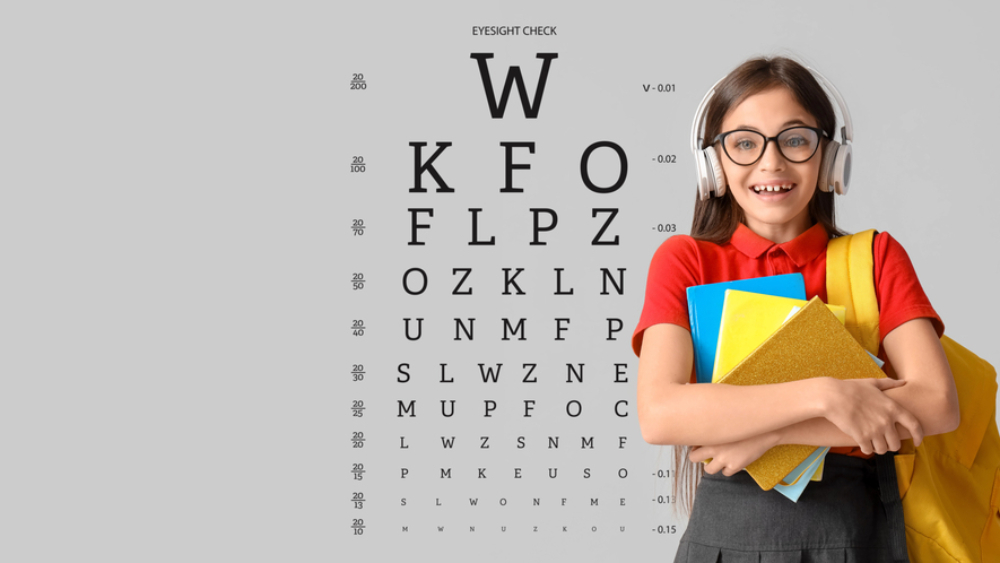
American Optometric Association (AOA), states “infants should have their first comprehensive eye exam at 6 months of age.” Did you know that Bissell Eye Care provides eye examinations for free to children as young as 6 months up to one year old? As children enter preschool around 3 years of age they should be rechecked and then again right before kindergarten. Experts say 5 -10 % of preschoolers and 25 % of school-aged children have vision problems.

During a child’s eye exam, we will perform three assessments, including a vision test, pupil test, and eye movement test. You’ll be asked about your family’s medical history, your child’s medical history, developmental observations and any vision problems that you might be observing with your child.

We encourage you to stay with your child through the entire examination. Infants and small children sit on a parent’s lap during the exam. Older children are encouraged to sit in the exam chair by themselves.
Eye drops are used to dilate the pupils, which gives the optometrists a better view of the structures inside the eye, such as the retina, optic nerve, and blood vessels. The drops take about 30 to 45 minutes to become fully effective.

The Bissell Eye Care optometrists will carefully observe each eye as your child follows lights or toys. This gives a very good estimate of a child’s visual function. Children do not need to be able to talk or read to get an accurate eyeglass prescription. Children who talk but cannot read or count may be asked to identify pictures of common objects.

Once the dilation drops kick in, the doctor will use a retinoscope, a handheld polarized light, and lenses to read each of the eye’s red reflex. This allows the doctor to get an accurate eyeglasses prescription without feedback from the patient, allowing nonverbal or young children to get glasses.

These same eye drops also cause a temporary weakness of the eyes’ focusing muscles. This allows us to determine if your child has a focusing or refractive error that requires glasses. Refractive errors include:

  • Nearsightedness (myopia)
  • Farsightedness (hyperopia)
  • Distorted vision (astigmatism)

You may notice many preschools are starting to advertise registration for the 2020-2021 school year. Young children depend on their vision to learn tasks that will prepare them for school. During this time in their lives, they are developing the visually-guided eye-hand-body coordination, fine motor skills and visual perceptual abilities necessary to learn to read and write.

Early identification of a child’s vision problem is crucial because, if left untreated, some childhood vision problems can cause permanent vision loss. The AOA estimates one in four school-aged kids have undetected vision problems that critically impact their visual perceptual skills -better known – as the 3 R’s:

  • RECOGNITION — knowing the difference between letters like ‘b’ and ‘d’
  • COMPREHENSION — ‘picturing’ what’s happening in a story they’re reading
  • RETENTION – remembering and recalling details about what they’ve just read

Here are some tips for eye exams for young children:

Schedule the appointment during a time when your child is alert and happy taking into account napping and eating times.
A case history will be conducted to determine birth history, birth weight, medical issues, and any allergies
Be sure to note any delayed motor development, failure to maintain eye contact, poor eye tracking, frequent eye rubbing or blinking.

Prepare your child for success as they enter preschool and beyond. To schedule your child’s eye exam, give our offices a call at 724-443-6767 or 724-226-0444.

About Bissell Eye Care: John D. Bissell, OD owns and operates Bissell Eye Care servicing Northern Pittsburgh and Alle-Kiski Valley regions. With two locations to treat patients, we offer evening and Saturday appointments. Bissell Eye Care provides comprehensive eye examinations for the entire family beginning as early as 6 months, ocular disease detection and treatment, eyeglasses, sunglasses, activewear, contact lenses, and low vision examinations for those with significant vision loss. We accept most types of vision and health insurance plans. For more information, visit bisselleyecare.com or call our Bakerstown Office at 724-443-6767 or Natrona Heights office at 724-226-0444.

Contact Lenses

TIPS TO AVOID MISUSE OF CONTACT LENSES

Contact lenses – you either love them or can’t wear them. If you are a contact lens wearer you have more than likely noticed how far we have come in the development of contact lenses since you started using them. Perhaps you have also been guilty of ignoring the wearing and care instructions from your optometrist. In a recent study 99% of people admitted they practiced at least one bad habit with their contact lenses and that puts them at a higher risk for eye infections.

Contacts are a convenient alternative to wearing eyeglasses. If you are like many Americans you have become quite accustomed to your contacts and may sometime forget you have them in. This usually leads to pushing the envelope on wearing them or leaving contacts in at times when you should not. Contaminated solutions can lead to infection. Are you changing the solution in your cases daily?

While contacts are more convenient and provide a greater range of clarity than glasses, improper handling can lead to eye infections. People who wear contact lenses have a higher risk for keratitis, an infection of the cornea, the clear outer covering of your eye. They’re also called corneal ulcers. Viruses, bacteria, fungi, and a rare but serious eye parasite can also cause keratitis.

Depending on the type of contact lenses you have, some of the most common misuses for contacts are:

  • Wearing contact lenses overnight while sleeping.
  • Napping while wearing lenses.
  • Nonuse of a sterile wetting solution
  • Topping off your disinfecting solution in lens storage case rather than emptying it and using new solution.
  • Using your contact lenses longer than recommended.
  • Not replacing the lens storage case at least once every 3 months.

Not surprising that of those surveyed nearly one-third of respondents reported having red and or painful eye pain that resulted in a visit to the doctor.

Mild pinkeye can be caused by solutions used for cleaning contacts. It is important to clean your contacts thoroughly to remove any virus or bacteria from the contacts after having pinkeye. If the contacts are not thoroughly cleaned, they can re-infect your eye. Do not wear contact lenses until the pinkeye is gone. Sterilize your contacts, and clean your storage case. If you wear disposable contacts, use a new pair when your eye has cleared and it is safe to wear contacts again. Wait at least 2 days after the symptoms are gone before you wear contacts again.

Following these steps along with the recommended use from the contact lens manufacturer will help to prevent eye irritation or infection. If you do find that your eye becomes irritated take the contact lenses out immediately and use your prescription glasses. If the irritation and pain become worse or does not improve, seek medical attention immediately as these are signs of an infection in the eye.

Enjoy clearer vision with contact lenses, but follow the recommendations for care and cleaning to prevent infection.

About Bissell Eye Care: John D. Bissell, OD owns and operates Bissell Eye Care servicing Northern Pittsburgh and Alle-Kiski Valley regions. With two locations to treat patients, we offer evening and Saturday appointments. Bissell Eye Care provides comprehensive eye examinations for the entire family beginning as early as 6 months, ocular disease detection and treatment, eyeglasses, sunglasses, activewear, contact lenses, and low vision examinations for those with significant vision loss. We accept most types of vision and health insurance plans. For more information, visit bisselleyecare.com or call our Bakerstown Office at 724-443-6767 or Natrona Heights office at 724-226-0444.
AMD - Age-related Macular Degeneration and Memory Loss

AGE-RELATED MACULAR DEGENERATION AND MEMORY LOSS

February is national Age-Related Macular Degeneration (AMD) awareness month. While there is no cure for Macular Degeneration early detection is key to slowing down vision loss and keeping your sight. Studies have also shown that AMD can have an effect on cognitive functioning. For those that are visually impaired memory is one of the most important things.

Macular degeneration is one of the leading causes of vision loss. It is caused by the deterioration of the central portion of the retina. The central portion of the retina, known as the macula, is responsible for focusing vision for the eye, allowing us to read, recognize faces or colors, drive and do many day-to-day activities.
While there is no cure for this disease there are treatments to help slow it down. It is important to maintain yearly eye exams for early detection. This disease like so many is very difficult to notice until you have already lost a large portion of your vision.

Lifestyle changes can help lower your risk of developing AMD. Some lifestyle changes might include proper exercise and diet, avoiding smoking, and protecting your eyes from the UV rays of the sun. People that run a higher risk of developing AMD are people who have a family history, race, Caucasians are more likely to develop the disease than African American or Hispanic heritage, and smokers.

There are three stages of AMD:

  1. Early AMD: At this stage, most people do not experience vision loss. The presence of medium-sized drusen (yellow deposits beneath the retina), is usually an early sign your eye doctor looks for.
  2. Intermediate AMD: This is where vision loss may start to be noticed, however it may not be enough to be noticeable. Specific tests will look for pigment changes in the retina and larger drusen deposits.
  3. Late AMD: At this stage vision loss has become noticeable.

Additional factors that may increase your risk are:

  • Smoking. Research shows that smoking doubles the risk of developing AMD.
  • Family history. If your family history includes AMD you are at a higher risk.
  • Ethnicity. AMD is more common in Caucasians than other races.

You have the power to take control of your health. These are some things you can do to help prevent AMD:

  • Exercise Regularly
  • Eat a healthy diet rich in leafy veggies and fish
  • Avoid smoking
  • Maintain proper vitals such as blood pressure and cholesterol.

AMD is best detected by maintaining routine eye exams. Be sure to tell your eye doctor if anyone in your family has or had Macular Degeneration. Often people question why dilation is part of a regular exam. This allows us to look into the back of your eyes for any changes that may be occurring.

While there is no cure for this disease things such as changing your diet and adding proper exercise can help to slow down the loss of vision. You have the power to choose. Take control and choose a healthier lifestyle. Your eyes will thank you for it.

About Bissell Eye Care: John D. Bissell, OD owns and operates Bissell Eye Care servicing Northern Pittsburgh and Alle-Kiski Valley regions. With two locations to treat patients, we offer evening and Saturday appointments. Bissell Eye Care provides comprehensive eye examinations for the entire family beginning as early as 6 months, ocular disease detection and treatment, eyeglasses, sunglasses, activewear, contact lenses, and low vision examinations for those with significant vision loss. We accept most types of vision and health insurance plans. For more information, visit bisselleyecare.com or call our Bakerstown Office at 724-443-6767 or Natrona Heights office at 724-226-0444.
Depositphotos_16276245_S

Prepare for Flu Season and Conjunctivitis

The 2019 – 2020 flu season is in full swing with the flu and conjunctivitis often going hand in hand.  Experts are predicting epidemic levels of cold and flu will continue during peak flu season.  It seems like everywhere you turn, someone is sick.  For those individuals who received a flu shot your symptoms may not be quite as severe.  Nonetheless, proper handwashing can be the key to not spreading those nasty germs.

When we think of the flu, things such as body aches, fever, and stomach viruses come to mind but flu season may also bring an unexpected surprise in the form of conjunctivitis most commonly referred to as “pink eye”.  Unfortunately, pink eye rides on the coattails of the flu and cold season and is adding to many people’s uncomfortable symptoms.

Pink eye, or conjunctivitis, is caused by inflammation of the conjunctiva, which is the tissue that lines the inside of the eyelid and helps to keep the eyelid and eyeball moist. The condition can be caused by bacteria, a virus, allergens, or other irritants. The same viruses that cause colds and the flu—such as adenovirus, enterovirus, and influenza virus—can also cause pink eye.

Cold and flu viruses can cause pink eye by traveling through the tear duct from the nose to the eye. However, most pink eye cases are caused by failing to wash your hands after you blow your nose or if you unknowingly touch a surface or object that someone with the flu or cold has recently touched. If you then rub your eyes, you’re transferring the virus or bacteria to your eyes.

There are three types of conjunctivitis:  1) Bacterial   2) Allergic and 3) Viral Conjunctivitis. 

Symptoms that present with conjunctivitis include:

  • Gritty feeling in the eye or both eyes
  • Excessive tearing
  • Itchy or burning sensation
  • Discharge and/or swollen eyelids
  • Pink Discoloration
  • Sensitivity to light.

Conjunctivitis is contagious so take these steps to avoid “sharing the joy” with others:

  • Practice good hygiene and teach your children how to properly wash their hands
  • Don’t touch your face with your hands
  • Avoid using cosmetics and eye care items and discard those currently used (particularly mascara) when first diagnosed with conjunctivitis to prevent spreading the infection.
  • Change towels and washcloths daily and avoid sharing with others
  • Avoid wearing contact lenses and dispose of those used at the start of the infection.

Pink eye can last from 10 days to two weeks, but there are several treatment options available depending on the cause and severity that can help alleviate your symptoms. Topical steroid drops and/or antibiotics based on which type of conjunctivitis you have will be used to treat conjunctivitis.  Viral conjunctivitis much like the common cold must run the course and only in severe cases are steroids used.

The best course of action is to schedule an appointment with your optometrist to properly diagnose and treat your infection.  At Bissell Eye Care, we also have tests that examine the optic nerve to ensure there’s not an underlying problem that can become more serious.  If in doubt, don’t delay – have your eye’s checked for infection.

About Bissell Eye Care: John D. Bissell, OD owns and operates Bissell Eye Care servicing Northern Pittsburgh and Alle-Kiski Valley regions. With two locations to treat patients, we offer evening and Saturday appointments. Bissell Eye Care provides comprehensive eye examinations for the entire family beginning as early as 6 months, ocular disease detection and treatment, eyeglasses, sunglasses, activewear, contact lenses, and low vision examinations for those with significant vision loss. We accept most types of vision and health insurance plans. For more information, visit bisselleyecare.com or call our Bakerstown Office at 724-443-6767 or Natrona Heights office at 724-226-0444.