

Depositphotos_32774193_S

Back To School Eye Exams

For parents of school age children, that Staples commercial of “it’s the most wonderful time of the year back to school sale” comes to mind. As your child prepares for another year, it’s a great time to schedule their annual eye exams.

August is children’s eye health and safety month. As a good rule of thumb, you should have your child’s eyes examined by an eye care professional in their first year of life as an infantSEE exam and then they should have regular eye exams starting around preschool age (three) before the start of each school year. If your child struggles to see, it may inhibit their ability to learn as they head back to school this year. If your child struggles to see, it may inhibit their ability to learn as they head back to school this year.

Through a comprehensive eye exam, the doctors at Bissell Eye Care can help to ensure your child is seeing clearly.

These exams look into the back of the eye for overall eye health but are also able to detect things such as:

  • Ptosis (drooping of the eyelid)
  • Color deficiency (color blindness)
  • Amblyopia (lazy eye)
  • Strabismus (cross eyes)

Early detection of vision problems can make a big difference when it comes to your child’s ability to learn. If they aren’t able to clearly see, they will struggle to learn as many people learn by sight.

During last year’s remote and hybrid learning, parents had many things on the plates from juggling work and home life to homeschooling their kids. More frequent digital learning is bound to cause eye strain and some children may not have the opportunity to receive the vision screenings they usually receive in school – often creating a referral point for a comprehensive eye exam. This year it’s more important than ever to have an annual eye exam.

Keeping your children’s eyes safe is another part of maintaining healthy vision. With fall sports practices underway, it’s important to ensure your child has the appropriate eye production. Did you know there are 42,000 sports related eye injuries that occur each year and those eye injuries are the leading cause of vision loss in children? If you have questions as to the proper type of protective eyewear your children should have, please give our office a call at 724-443-6767 or 724-226-0444.

Give your kids the best chance of success this year by scheduling a comprehensive eye exam. Make sure that your children can see clearly. Protecting their ability to see will help them to have the best chance of success as they head back to school this year! As we round the corner toward the end of August, the staff at Bissell Eye Care wish you a safe and productive school year.


About Bissell Eye Care: John D. Bissell, OD owns and operates Bissell Eye Care servicing Northern Pittsburgh and Alle-Kiski Valley regions. With two locations to treat patients, we offer evening and Saturday appointments. Bissell Eye Care provides comprehensive eye examinations for the entire family beginning as early as 6 months, ocular disease detection and treatment, eyeglasses, sunglasses, activewear, contact lenses, and low vision examinations for those with significant vision loss. We accept most types of vision and health insurance plans. For more information, visit bisselleyecare.com or call our Bakerstown Office at 724-443-6767 or Natrona Heights office at 724-226-0444.
Distance Learning and Vision Problems

Distance Learning and Vision Problems

There are a number of changes that occurred during the past year as a result of the pandemic and distant learning. Many young students spent more time than ever staring at their computer screens, tablets and phones. Between school and social interaction and play, electronic devices seemed to be attached to kids and adults alike.

Because many kids spent last year learning from home, the vision screenings that typically occurred during the school year were delayed or not given at all. This has created a perfect storm for issues regarding your child’s eyesight.

Nearsightedness or myopia seems to be increasing at a faster than expected rate for kids who spend long hours engaged in close up work. Because kids were kept indoors during much of last year, time outside was minimized. Time away from the computer screens is a factor thought to help lower the risk of myopia. You may have noticed your child squinting, tilting their head, rubbing their eyes, or complaining of headaches or dry eyes. These may be signs that your child could have a vision problem. Not only does outside play get kids away from screen time, but it’s also good for their overall health.

Digital device overuse causes us to blink less. This prevents moisture from lubricating the surface of our eyes. Because computers were positioned closer to your child, many may have stopped wearing their eyeglasses during the pandemic. Early childhood is the most critical time for your child’s vision development.

According to John Hopkins Medicine, “undetected vision problems can impact your child’s performance both in and out of the classroom. Therefore, it’s important to understand eye health so you can recognize the signs that your child may have a vision problem and possibly need glasses.

Optimal vision is essential to the learning process.

Many people don’t realize how many problems poor vision can cause for school-aged children. The visual system in a child is still developing during the first seven to eight years of life. In some cases, glasses may be necessary to help normal visual development,” says Johns Hopkins ophthalmologist Megan Collins, M.D.

Eye strain can affect college students as well. Vision problems can greatly affect learning ability, a big reason why students in college should not be dismissive of their eye health. College students who give heed to their eye health care now may avoid potentially serious problems later.

While preparing your back-to-school checklist, be sure to schedule your child’s annual eye exam. As kids head back to the classroom, having the tools to succeed will provide a fresh start to a new year.


About Bissell Eye Care: John D. Bissell, OD owns and operates Bissell Eye Care servicing Northern Pittsburgh and Alle-Kiski Valley regions. With two locations to treat patients, we offer evening and Saturday appointments. Bissell Eye Care provides comprehensive eye examinations for the entire family beginning as early as 6 months, ocular disease detection and treatment, eyeglasses, sunglasses, activewear, contact lenses, and low vision examinations for those with significant vision loss. We accept most types of vision and health insurance plans. For more information, visit bisselleyecare.com or call our Bakerstown Office at 724-443-6767 or Natrona Heights office at 724-226-0444.
Choosing Sunglasses

Tips for Choosing Sunglasses

Available in many shapes and styles, sunglasses are more than fashion accessories – they are important tools to protect your eyes from ultraviolet (UV) rays, the radiation energy produced by the sun. UV rays are a contributing factor in developing cataracts. Did you know two types of radiation – UVA and UVB rays occur with exposure to sunlight? Ultraviolet radiation from the sun can cause cumulative damage to your eyes as you age, but you can protect your vision by wearing sunglasses every day.

Polarized sunglass lenses reduce light glare and eyestrain. Because of this, they improve vision and safety in the sun. Polarization itself does not provide UV protection. Instead, it provides a better visual experience for certain activities like driving, boating, or golfing. People who use polarized sunglasses often say they are less tired than usual after hours of battling sun glare. There are polarized lenses made with a UV-blocking substance. Check the label of polarized sunglasses to make sure they provide maximum UV protection.

On polarized sunglasses, the filter creates vertical openings for light. Only light rays that approach your eyes vertically can fit through those openings. The lenses block all the horizontal light waves bouncing off a smooth pond or a shiny car hood, for instance. As a result of this filtering, the image you see with polarized lenses is a bit darker than usual. But objects look crisper and clearer with polarized lenses, and details are easier to see.

UV Blocking and Polarization Are Not the Same

Since UV light carries more energy than visible light, it can do greater damage to our eyes. As we age, the damage simply has more time to accumulate: a cataract, (cloudiness of the lens) for example, is believed to be caused by many years of exposure to bright sunlight. Choose sunglasses with 100% UV blockage. Since you can’t tell by looking at the glasses for UV blockage. Just because glasses have a darker tint it not an indication of protection, you should always look at the label.

Tips for Choosing the Best Sunglasses

According to the American Academy of Ophthalmology (AAO), the best sunglasses offer:

  • 100% UV protection
  • High optical quality (lenses are free of manufacturing defects like bubbles or waves that could bother your eyes
  • Scratch-resistant lenses
  • A larger frame offers more coverage of eye area

A person’s lifestyle can affect their choices in sunglasses. Special features in sunglasses can include:

  • Mirror coatings. These thin layers of various metallic coatings can reduce the amount of visible light entering the eyes. They are popular in high-glare environments and when combined with the wraparound feature, they can even provide added protection to the skin surrounding the eye area. UV protection, however, is not guaranteed.
  • Gradient. These lenses are permanently shaded from top to bottom or from top and bottom toward the middle.
  • Impact resistant. While all sunglasses must meet minimum FDA standards regarding impact resistance, no lens is truly shatterproof. Plastic lenses are less likely to shatter upon impact than glass lenses. And, polycarbonate plastic, used in many sports sunglasses, is even more impact resistant than regular plastic but scratches easily. If you buy polycarbonate lenses, look for ones /with scratch-resistant coatings.

Protection from the ultraviolet rays from the sun can occur by wearing sunglasses and a wide-brimmed hat. These two things can significantly reduce eye exposure to UVB radiation. Although cataracts are not completely preventable, their occurrence can be delayed. Smoking, avoiding excess amounts of alcohol, eating plenty of fresh fruits and vegetables may delay the formation of cataracts.

Keep in mind that if your sunglasses are labeled as blocking the sun’s harmful ultraviolet (UV) rays, it does not mean they are polarized too. Polarized lenses will have a label saying so.

To learn more about choosing the best type of sunglasses for your lifestyle, give our office a call at 724-443-6767 or 724-226-0444.


About Bissell Eye Care: John D. Bissell, OD owns and operates Bissell Eye Care servicing Northern Pittsburgh and Alle-Kiski Valley regions. With two locations to treat patients, we offer evening and Saturday appointments. Bissell Eye Care provides comprehensive eye examinations for the entire family beginning as early as 6 months, ocular disease detection and treatment, eyeglasses, sunglasses, activewear, contact lenses, and low vision examinations for those with significant vision loss. We accept most types of vision and health insurance plans. For more information, visit bisselleyecare.com or call our Bakerstown Office at 724-443-6767 or Natrona Heights office at 724-226-0444.

Depositphotos_26309471_S

Fireworks Eye Safety

Family gatherings, picnics and many community celebration events are returning to pre-Covid normal. That doesn’t mean that families won’t bring the fireworks celebrations closer to home releasing fireworks in their own backyards. Fireworks can easily be found everywhere this time of the year and many are advertised like toys. Each year, thousands of people are injured by fireworks in June and July and almost half of those injured are children and teenagers.

According to the American Academy of Ophthalmology, the most recent Consumer Product Safety Commission report found that 15% of fireworks injuries were eye injuries. In the most severe cases, fireworks can rupture the globe of the eye, cause chemical and thermal burns, corneal abrasions, and retinal detachment — all of which can cause permanent eye damage and vision loss.

Children and young adults are frequent victims. Children age 15 and under accounted for 36% of the total injuries, according to the commission’s report. And half of the injuries requiring an emergency room visit were to people age 20 or younger.

Even sparklers can be dangerous, as they burn at more than 2,000 degrees Fahrenheit. Sparklers were responsible for 1,200 of the injuries in the latest report, and a sparkler mishap caused one of the fireworks deaths reported in 2017.

There are certain precautions you can take to prevent eye injury or at least decrease the risk. Even when using sparklers, make sure that your kids are supervised. Children should keep the sparklers at arm’s length and never swing them around or run with them. Sparklers can quickly ignite clothing, and children have received severe burns from dropping sparklers on their feet.

According to the National Fire Protection Association, sparklers alone account for more than 25% of emergency room visits for fireworks injuries. For children under 5 years of age, sparklers accounted for nearly half of the total estimated injuries. As an alternative particularly for younger children, consider using safer alternatives, such as glow sticks, confetti poppers, or colored streamers?

Fireworks can cause devastating and life-changing injuries. Simple ways to protect yourself and your children include staying at least 500 feet away from fireworks, allowing trained professionals to light fireworks, and not allowing children to handle any fireworks. Everyone who lights a firework should wear gloves and safety goggles. Work gloves protect the hands, where 28% of firework injuries occur.

If a firework doesn’t go off right away, don’t relight it. Don’t touch it or stand over it, either. Just leave it until it’s time to dispose of the shells. If you find unexploded fireworks, call your police or fire department to dispose of them. Do not touch them or try to light them.

If you suffer an injury due to fireworks, especially to your eyes, seek help immediately.

  • Do not rub the eyes
  • Do not rinse the eyes
  • Do not apply pressure
  • Do not put on ointments or take any blood-thinning pain medication

If you have any questions or need information on eye injury following an accident, call Bissell Eye Care at (724) 444-6767 or 724-226-0444.

Remember 4th of July is about enjoying our freedom. Be sure to thank a Veteran for their sacrifice and service. Wishing you and your family a happy and safe summer.


About Bissell Eye Care: John D. Bissell, OD owns and operates Bissell Eye Care servicing Northern Pittsburgh and Alle-Kiski Valley regions. With two locations to treat patients, we offer evening and Saturday appointments. Bissell Eye Care provides comprehensive eye examinations for the entire family beginning as early as 6 months, ocular disease detection and treatment, eyeglasses, sunglasses, activewear, contact lenses, and low vision examinations for those with significant vision loss. We accept most types of vision and health insurance plans. For more information, visit bisselleyecare.com or call our Bakerstown Office at 724-443-6767 or Natrona Heights office at 724-226-0444.

Cataract Awareness Month

Tips on Cataracts and Eye Floaters

June is Cataract Awareness Month. Did you know by the age of 80, more than half of all Americans either have a cataract or have had cataract surgery?

What happens when you have a cataract?

Cataracts are a clouding of the lens of the eye, which prevents the passage of light into the eye. Seeing with cataracts is like looking through a frosty or fogged window. Cataract sufferers may also experience sensitivity to light, see “halos” around lights, notice fading or yellowing colors or have double vision in one eye.

The solution to cataracts is cataract surgery, which requires a surgeon to remove the deteriorated lens and replace it with an artificial lens called an intraocular lens or IOL. There are over 3 million cataract surgeries performed in the US each year with each surgery lasting about 20 minutes. Recovery time is minimal and most people can resume normal activities fairly rapidly.

Diseases such as diabetes, lifestyle choices such as smoking, excessive alcohol use, and prolonged exposure to UV rays all can contribute to your chances of developing cataracts.

Did you know there are different types of cataracts?

  • Secondary cataract. A side effect of the cataract surgery procedure affecting approximately 1/3 of the people who have had surgery is that cataract symptoms return. The side effect is called posterior capsule opacification, also known as a secondary cataract.
  • Traumatic cataract. Cataracts can develop after an eye injury, sometimes years later.
  • Congenital cataract. Some babies are born with cataracts or develop them in childhood, often in both eyes. These cataracts may be so small that they do not affect vision. If they do, the lenses may need to be removed.
  • Radiation cataract. Cataracts can develop after exposure to some types of radiation.

Moving Spots Called Eye Floaters

Do you ever see moving spots that appear in your field of vision? They’re called eye floaters and could be especially noticeable when you look at something bright, such as white paper or a blue sky. As you age, often between the ages of 50 and 75, the vitreous and its millions of fine collagen fibers shrink and become shred-like. Shreds can accumulate in the vitreous that can cause a change in the amount of light that hits the retina — the light-sensitive tissue in the back of the eye. This change causes the symptoms of eye floaters.

Eye floaters can be annoying, but they generally don’t interfere with your sight and can improve over time. These floaters come in many shapes such as black or gray dots, squiggly lines, threadlike strands, which can be knobby and semi-transparent, cobwebs, or ring shaped.

But sometimes eye floaters are a sign of a more serious condition as a result of a retinal detachment, retinal tear, or bleeding within the eye. You should seek immediate medical attention if you notice a sudden increase in the number of eye floaters or the floaters are accompanied by flashes of light or a loss of side vision.

Annual eye exams to include dilation can detect the onset of cataracts, eye floaters, as well as other types of eye disease. These preventive measures, along with healthy eating will help to maintain overall eye health. Call 724-444-6767 or 724-226-4444 to schedule your exam today!


About Bissell Eye Care: John D. Bissell, OD owns and operates Bissell Eye Care servicing Northern Pittsburgh and Alle-Kiski Valley regions. With two locations to treat patients, we offer evening and Saturday appointments. Bissell Eye Care provides comprehensive eye examinations for the entire family beginning as early as 6 months, ocular disease detection and treatment, eyeglasses, sunglasses, activewear, contact lenses, and low vision examinations for those with significant vision loss. We accept most types of vision and health insurance plans. For more information, visit bisselleyecare.com or call our Bakerstown Office at 724-443-6767 or Natrona Heights office at 724-226-0444.
Depositphotos_25792959_S

Tips to Better Eye Health

By taking control of your eye health now, you could set yourself up for a lifetime of seeing well. We’d like to share some tips to keep you and your family healthy. Just because your eyes feel okay doesn’t necessarily mean there isn’t an underlying eye problem. Often patients take their eyesight for granted until they begin having problems with their vision. When day-to-day activities become challenging, that will trigger a call for an eye appointment. Having good vision and healthy eyes may determine your ability to remain independent and self-sufficient.

Did you know an annual comprehensive dilated eye exam is the best thing you can do for your eyes? The eye drops dilate or (widen) your pupil. Think of it this way, dilating your pupil lets more light into your eye — just like opening a door lets light into a dark room. Dilation helps the doctors at Bissell Eye Care see further into the eye enabling them to check for many common eye problems, including diabetic retinopathy, glaucoma, and age-related macular degeneration (AMD).

Detection is key to preventable vision loss. The good news is most vision loss is preventable. Here are some additional tips to take control of your eye health today:

  1. Early signs of disease or changes in vision may begin at 40. Get a yearly comprehensive medical eye exam. A comprehensive eye exam to include dilation by an eye care professional provides the opportunity to identify diseases and conditions that are not symptomatic in the early stages.
  2. Know your family history. Certain eye diseases can be inherited – macular degeneration and glaucoma in your family’s history can increase your risk by 50% for macular degeneration and from four to nine times for glaucoma. If you haven’t talked with family members about their eye conditions, now is the time to do so.
  3. Eat healthy foods. A diet low in fat and rich in fruits, vegetables, and whole grains benefit the entire body, including the eyes.
  4. Stop smoking. Smoking increases the risk for eye diseases such as cataract and age-related macular degeneration. Tobacco smoke worsens dry eye.
  5. Wear sunglasses. Exposure to ultraviolet UV light raises the risk of eye diseases, including cataracts, fleshy growths on the eye, and cancer.
  6. Bacteria will form from your eyelashes and requires daily eyelid hygiene. Like brushing your teeth, your eyelids need daily care. Hot compresses help keep tear-producing glands working at top efficiency.

In a comprehensive eye exam at Bissell Eye Care, our state-of-the-art technology allow us to look at the overall health of your eyes. During these exams, we may discover conditions that affect your eyes. In some cases, we may uncover an underlying medical condition in your overall general health. This will ultimately help your medical doctor to provide care toward your overall wellbeing.

By taking control of your eye health now, you could set yourself up for a lifetime of seeing well. If you haven’t scheduled your annual eye exam – now is the time to do so. The choices you make today will affect the overall quality of life as you age.


About Bissell Eye Care: John D. Bissell, OD owns and operates Bissell Eye Care servicing Northern Pittsburgh and Alle-Kiski Valley regions. With two locations to treat patients, we offer evening and Saturday appointments. Bissell Eye Care provides comprehensive eye examinations for the entire family beginning as early as 6 months, ocular disease detection and treatment, eyeglasses, sunglasses, activewear, contact lenses, and low vision examinations for those with significant vision loss. We accept most types of vision and health insurance plans. For more information, visit bisselleyecare.com or call our Bakerstown Office at 724-443-6767 or Natrona Heights office at 724-226-0444.

Depositphotos_83008640_S

Designer Frames To Fit Your Lifestyle

Last month we talked about facial features when it comes to eyewear frame selection, but other factors play a role in selecting the best fit. Frame shape and size may also be dictated by bi-focal or trifocal lines that could be needed. Although they may be a top choice, those little rectangle frames may not be an option for patients who need trifocal lenses. Our optical specialists will be able to guide you as to the best style and shape not only for your facial shape, skin tone, and lifestyle; but they keep in mind the type of eye correction that is needed.

Skin Tone and Eye Frame Colors

Just as the shape of your face helps determine which frames look best, so does your skin tone. More important than hair color and more decisive than eye color, skin tone sets the tone for high fashion frames.

Warm Skin Tone – If you have a yellow, bronze, or golden cast to your skin, you have a warm complexion. You might want to stay away from contrasting colors such as pastels. White and black frames are not flattering either. Instead, the best frame colors for you are a light tortoise, browns shades, gold or honey, beige, and olive green.

Cool Skin Tone – If your skin has pink or blue undertones, you have a cool complexion. Avoid colors that wash you out and instead reach for frames that are silver, black, dark tortoise, pink, purple, blue, mauve, and gray.

Lifestyle

There are eyeglass frames for every way of life! Think about the activities you will do while wearing your eyeglasses. If you’re active, perhaps you want to choose frames that can twist and bend without breaking. Need computer or gaming glasses? Gamers can choose from a wide selection of stylish frames that enhance the gaming experience.

The frames you wear can say a lot about your personality. You can have a pair of glasses that showcase your fun-loving side on the weekends and a pair that emphasizes your get down to business tone during the week.

At Bissell Eye Care – we have you covered. We carry a vast selection of designer eyewear to fit your facial shape, skin tone, and lifestyle. Are you ready for a new look for spring? Give our office a call at 724-443-6767 or 724-226-0444 to schedule a visit and see what’s new.


About Bissell Eye Care: John D. Bissell, OD owns and operates Bissell Eye Care servicing Northern Pittsburgh and Alle-Kiski Valley regions. With two locations to treat patients, we offer evening and Saturday appointments. Bissell Eye Care provides comprehensive eye examinations for the entire family beginning as early as 6 months, ocular disease detection and treatment, eyeglasses, sunglasses, activewear, contact lenses, and low vision examinations for those with significant vision loss. We accept most types of vision and health insurance plans. For more information, visit bisselleyecare.com or call our Bakerstown Office at 724-443-6767 or Natrona Heights office at 724-226-0444.
Beautiful little curly girl blowing dandelion, horizontal shot

Spring Weather, Allergies and Eye Infections

Spring has sprung and the buds are ready to burst. For some individuals it means watery eyes and eye infections! It’s that time of the year, the time when the weather becomes warmer, you want to get outside and all the plants and trees start to bloom. As spring approaches learn how to help prevent watery eye symptoms and avoid eye infections.

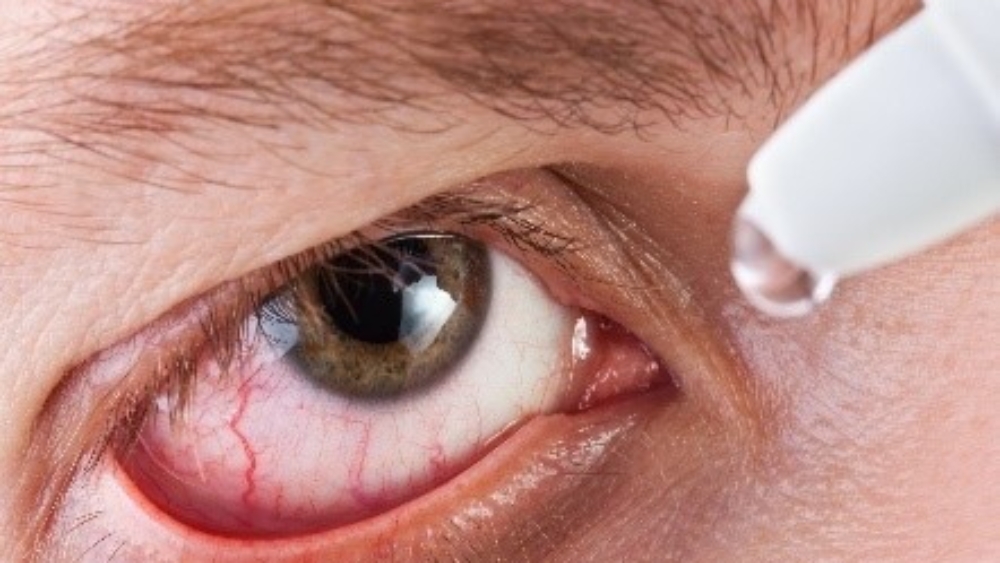
Among eye infections associated with allergies, pink eye is one the most common. Pink eye or conjunctivitis is inflammation of the thin, clear covering of the white of the eye and the inside of the eyelids. While this part of the eye is clear it contains small blood vessels. When an infection occurs these blood vessels dilate, giving the eye the red color. These infections are more frequently experienced by those who are in close proximity to others such as students, school workers, daycare workers and medical professionals. Did you know the bacteria that cause pink eye is the same bacteria that cause strep throat? Both bacterial and viral conjunctivitis are easily spread from person to person.

Bacterial and Viral Pink Eye are contagious and are spread by direct contact with an infected person’s bodily fluids, usually through hand-to-eye contact. Not cleaning contact lenses properly can also lead to infection. We talk about decorative contacts a lot during the Halloween season. These types of contacts pose infection risks as well. Allergic pink eye is not contagious and is often associated with pollen, dust, or sometimes pet dander.

Treatments

  • Allergic: Allergy medications can often help to prevent or shorten the duration of the infection. It is a common practice to start the medication prior to allergy season or known flare-ups.
  • Bacterial: An optometrist appointment is necessary and they will prescribe eye drops.
  • Viral: This form of infection will run its course over several days. Using a cold wet compress will help relieve some of the symptoms. Do not share this compress as the viral form of conjunctivitis is the most contagious.As we approach spring and allergy season follow these tips to help prevent eye infections.

Stop the Spread

  • Don’t share items such as washcloths, tissues, or towels.
  • Avoid rubbing or touching your eyes after covering your mouth to cough or sneeze.
    Never share contact lenses with anyone.
  • Bacteria can live in makeup. This can cause pink eye which can lead to a dangerous infection of the cornea. Do not use eye makeup while your eyes are infected. Replace your makeup if you have an eye infection. And never share eye makeup with others.
  • If you experience seasonal allergies, consult your doctor on how to minimize symptoms.
    Wash hands frequently, especially in areas of high public traffic (schools, daycares, public places).

If you do experience an infection, don’t hesitate to contact the doctors at Bissell Eye Care to confirm if you will need medication to help combat the infection and prevent future eye damage.


About Bissell Eye Care: John D. Bissell, OD owns and operates Bissell Eye Care servicing Northern Pittsburgh and Alle-Kiski Valley regions. With two locations to treat patients, we offer evening and Saturday appointments. Bissell Eye Care provides comprehensive eye examinations for the entire family beginning as early as 6 months, ocular disease detection and treatment, eyeglasses, sunglasses, activewear, contact lenses, and low vision examinations for those with significant vision loss. We accept most types of vision and health insurance plans. For more information, visit bisselleyecare.com or call our Bakerstown Office at 724-443-6767 or Natrona Heights office at 724-226-0444.

In Optics Shop. Portrait of male client holding and wearing different spectacles, choosing and trying on new glasses at optical store. Man picking frame for vision correction, closeup.

Tips to Choosing Eyewear Frames

Bissell Eye Care prides itself on carrying unique brands of eyewear frames. Based on your face shape here are tips we take into account when helping our patients select just the right frame. Some patients struggle in their frame selection when it’s time for new glasses. Because we offer different frames that are often found in the big box stores, patients are sometimes overwhelmed with the selection. Personalized service and fit are what our staff specializes in which in turn helps our patients look their best in the frames they select.

We carry brands such as Scott Harris, Ray-Ban, Steve Madden, Ted Baker, State, Nike, Tiffany, and many more.

Face Shape

Round Face

  • If you have a round face… look for eyeglass frames that are square or rectangular. These shapes tend to be wider than a round face and can enhance your face by making it appear slimmer and longer, adding balance to your round features.
  • Avoid rimless frames and round frames. Small frames will accentuate the roundness, making your round face look even rounder.

Square Face

  • Eyeglasses for a square face soften the angularity and sit high on the bridge of the nose. It’s hip to be square. Oval or round eyeglasses will balance and add a thinner appearance to the angles of a square face. Think about rimless or semi-rimless frames.
  • Avoid angular and boxy eyeglass frames. They will sharpen and draw attention to your angular features, making a square face appear bulky.

Oval Face

  • If you have an oval face… frames that look best have a strong bridge, are wider than the broadest part of the face and are geometric in shape. Most styles will work with an oval face. Feel free to go bold with a funky color, texture, or frame shape. Square, trapezoid, tortoise, and rectangular – the possibilities are endless!
  • Avoid eyeglasses that are overlarge and cover up more than half of your face. This frame style will throw off the natural balance and symmetry of the oval face.

Diamond Face

  • Diamond face shapes play up a narrow forehead and chin with eyeglass frames that sweep up or are wider than the cheekbones, a rimless or oval frame with a strong brow line such as cat-eyeglasses and oval frames. These frames will accentuate your cheekbones and delicate features.
  • Avoid boxy and narrow frames that will accentuate the width of your cheeks, drawing attention to your narrow features rather than enhancing them.

Heart-Shaped Face

  • Heart-Shaped face look best with frames that balance the width of the forehead with the narrowness of the chin. Eyeglasses with low-set temples and bottom-heavy frame lines will add width to that narrower part of your face. Round eyeglasses or square eyeglasses with curved edges will help draw attention away from a broad, high forehead.
  • Avoid any style or color of frames that draw attention to the forehead. This includes frames with decorative temples or embellished tops.

When it comes to face shape, select eyeglasses that contrast from your facial contours and bring symmetry and balance to your prominent features. Spring into a new look and select frames that best fit your facial features. Schedule an appointment to see what’s new at Bissell Eye Care.


About Bissell Eye Care: John D. Bissell, OD owns and operates Bissell Eye Care servicing Northern Pittsburgh and Alle-Kiski Valley regions. With two locations to treat patients, we offer evening and Saturday appointments. Bissell Eye Care provides comprehensive eye examinations for the entire family beginning as early as 6 months, ocular disease detection and treatment, eyeglasses, sunglasses, activewear, contact lenses, and low vision examinations for those with significant vision loss. We accept most types of vision and health insurance plans. For more information, visit bisselleyecare.com or call our Bakerstown Office at 724-443-6767 or Natrona Heights office at 724-226-0444.

Kick-Off-Spring-Sports

Kick Off Spring Sports

Spring sports are making their way into homes across the region and families are gearing up. Whatever sport your child enjoys, it’s important that his or her eyes are protected appropriately. Did you know according to the American Optometric Association, sports related injuries are the leading cause of school-age children’s eye injuries? Approximately 40,000 sports-related eye injuries are severe enough to require emergency room care in the United States every year, according to Prevent Blindness America. Experts say that 90% of these injuries could be prevented with protective eyeglasses.

NOW…the good news is that with proper protection, these injuries are preventable.

WHICH SPORTS CAUSE THE MOST EYE INJURIES?

Sports-related injuries in all age groups happen most often in basketball, racquet sports, and baseball. Other high-risk sports are hockey, football, lacrosse, boxing, and soccer. Not only are these sports high impact, but there is the risk of dust and dirt from the field of play.

The sport your child plays will determine the best protective glasses. Wearing glasses, sunglasses, or other non-ASTM (American Society for Testing and Materials) approved glasses can put you at a higher risk for injury. Eyewear that is not specifically designed to help protect your eye can shatter or break. These shards can enter the eye or the area around the eye and make wearing non-approved eye protection more dangerous than wearing nothing at all.

The guide below will help you determine which type of eye protection is necessary for the sport your child plays.

  • Baseball/Softball: Polycarbonate or wire faceguard attached to the helmet; sports goggles with polycarbonate lenses while on the field
  • Basketball: Sports goggles with polycarbonate lenses
  • Field hockey: Full face mask for the goalie; sports goggles with polycarbonate lenses/wire mesh goggles while on the field
  • Football: Polycarbonate eye shield attached to the helmet with wire face mask
  • Ice hockey: Helmet with full face protection
  • Lacrosse: Helmet with full face protection or sports goggles with polycarbonate lenses/wire mesh goggles
  • Paintball: Full-face-protection goggles – covering the cheeks, ears, and eyes – with eye protection lenses at least 1/10 inch thick
  • Racquet sports: Sports goggles with polycarbonate lenses

Most sports glasses are available with both prescription and non-prescription lenses, so even if your child does not need corrective lenses to see, the added protection of sports glasses can be beneficial. At the end of the day, your child’s personal preferences and type of sport they are involved in will be the best deciding factor for his or her sports glasses.


About Bissell Eye Care: John D. Bissell, OD owns and operates Bissell Eye Care servicing Northern Pittsburgh and Alle-Kiski Valley regions. With two locations to treat patients, we offer evening and Saturday appointments. Bissell Eye Care provides comprehensive eye examinations for the entire family beginning as early as 6 months, ocular disease detection and treatment, eyeglasses, sunglasses, activewear, contact lenses, and low vision examinations for those with significant vision loss. We accept most types of vision and health insurance plans. For more information, visit bisselleyecare.com or call our Bakerstown Office at 724-443-6767 or Natrona Heights office at 724-226-0444.