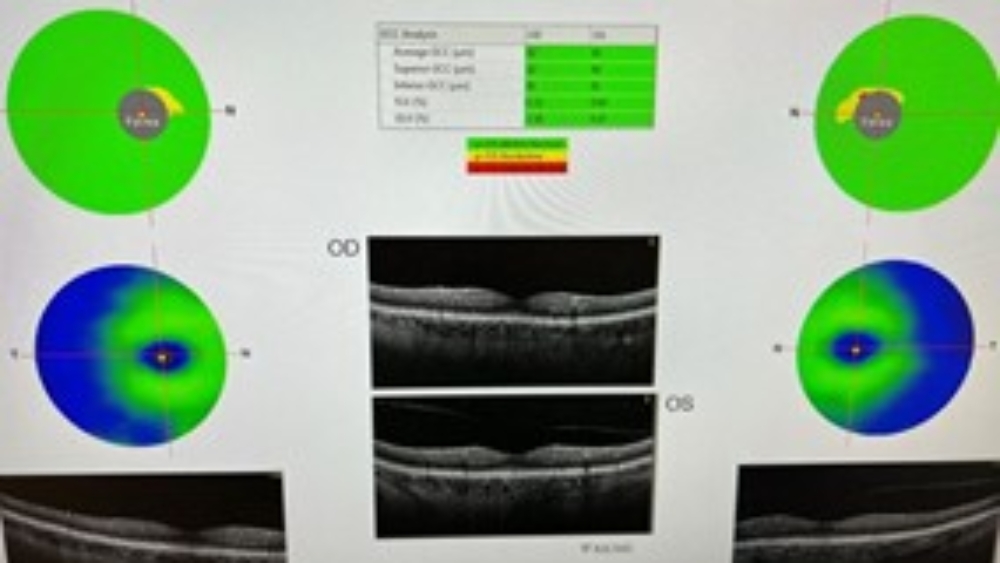

Macular degeneration  (AMD or ARMD)- is a medical condition which may result in blurred or no vision in the center of the visual field. Diagnosis in Opthalmology.

Low Vision Awareness

February is national age-related macular degeneration (AMD) and low vision awareness month. AMD is the leading cause of low vision and blindness in Americans age 60 years and older and affects 1.6 million Americans. As the Baby Boomer generation ages, the rates of AMD are expected to reach “epidemic proportions”. AMD is a disease that blurs the sharp, central vision you need for straight-ahead activities and tasks such as reading and driving. The disease affects the macula; the part of the eye that allows you to see fine detail.

The most common causes of low vision in the USA are macular degeneration, followed by glaucoma and diabetic retinopathy. For those with low vision, the quality of their vision interferes with their ability to perform everyday activities. Tasks such as reading the mail or a book are challenging. Other obstacles include activities such as shopping, cooking, writing, driving and even the ability to enjoy a movie or television. Besides those difficulties, low vision results in anxiety and frustration when people lose their vision as well as visual independence.

What are the risk factors?

  • Age: Affects more than 2 million Americans over 50 years old. The prevalence of age-related macular degeneration in the USA is around 6% when 65 and almost 20% when 75 years old.
  • Genetics: Family history (many genes being studied)
  • Smoking: Increases your risk for progression
  • Other eye conditions: hyperopia and light-colored iris
  • Systemic diseases associated: hypertension, hypercholesterolemia, cardiovascular disease
  • Gender: women are more likely to be affected than men
  • Race: Caucasian
  • UV light: no significant proven risk but caution and sunglasses advised.

Low Vision care is a unique method of care because it considers your personal life and favorite activities, not only the extent of your visual difficulties. Low Vision specialists work closely with each patient to determine the best visual aids and devices to improve their quality of life.

Dr. Bissell is a low vision specialist and has undergone extensive training at the International Academy of Low Vision Specialists (IALVS). People with low vision have a diminished ability to engage in their daily tasks, whether around the house or elsewhere. The goal in treating patients with low vision is to help them remain independent and do the things they love and enjoy through the use of customized vision aids and devices.

Various types of advanced technology include microscope and telescope lenses that improve upon the individual’s prescription lenses and magnify them far beyond the capability of standard lenses. These can be used in combination with other technologies to expand a patient’s environment for those living with low vision caused by eye diseases.

Dr. Bissell states, “It is one of the most rewarding experiences to watch someone regain the ability to read a book, watch TV or walk safely down a sidewalk without fear of injury.” Low Vision appointments last longer than regular appointments due to the additional time needed to test various telescopic prescription lenses. The glasses are not covered by insurance with costs starting at $500. But it’s a small price to pay for independence.

Live life to the fullest. To learn more about low vision services, call our office at 724-443-6767 or 724-226-0444.


About Bissell Eye Care: John D. Bissell, OD owns and operates Bissell Eye Care servicing Northern Pittsburgh and Alle-Kiski Valley regions. With two locations to treat patients, we offer evening and Saturday appointments. Bissell Eye Care provides comprehensive eye examinations for the entire family beginning as early as 6 months, ocular disease detection and treatment, eyeglasses, sunglasses, activewear, contact lenses, and low vision examinations for those with significant vision loss. We accept most types of vision and health insurance plans. For more information, visit bisselleyecare.com or call our Bakerstown Office at 724-443-6767 or Natrona Heights office at 724-226-0444.

January is National Glaucoma Awareness Month

Glaucoma Awareness Month

January is Glaucoma Awareness Month. In the United States, Glaucoma is the leading cause of vision loss and blindness. While it is commonly believed that only diabetics can suffer from glaucoma, anyone is susceptible to this condition. Because glaucoma has no early symptoms, it is important to continually monitor your eyes and have an annual comprehensive eye exam to ensure continued eye health. This Glaucoma Awareness Month, make sure you are caring for your vision and know what signs to look for!

Glaucoma – “Thief of Sight”

Glaucoma is a group of conditions damaging your eye’s optic nerve, usually when fluid builds in the front of your eye. Increased pressure due to this fluid damages the optic nerve, leaving you susceptible to eventual vision loss. As optic nerve fibers die, you will develop blind spots in your vision. Once all fibers die, you will become blind.

This condition remains the leading cause of blindness in people over 60, but can be prevented with vigilance and early treatment. Unfortunately, any damage done by glaucoma is irreversible, so it is extremely important to be aware of your risk level as open-angle glaucoma is hereditary.

No Symptoms

Glaucoma can be additionally tricky to prevent and treat because of the lack of early symptoms. In fact, it is believed that half the people who have glaucoma do not know. While anyone can potentially develop this condition, some demographics are at higher risk. These groups include:

  • Diabetics and those with high blood pressure.
  • Everyone over the age of 60, particularly Hispanics.
  • African Americans over the age of 40.
  • People with a family history of glaucoma.
  • Users of long-term steroid medication.
  • People who have had an eye injury.

If you are included in any of these groups, we recommend additional vigilance. One of the only symptoms of glaucoma is higher than normal eye pressure. If you begin noticing increased pressure in your eyes, schedule an exam with one of the doctors at Bissell Eye Care. While there is currently no cure for glaucoma, early intervention can often stop the damage in its tracks. Our doctors can help you determine if you are showing signs of glaucoma and determine treatments to help you protect your eyes.

Annual Exams

Glaucoma is a serious condition and early treatment is essential to preserve your vision and your general eye health. To ensure proper eye health and potentially prevent glaucoma, you should always schedule annual eye exams. The only way to determine if you are suffering from glaucoma is to have a comprehensive dilated eye exam, often done during your regular annual exam. Call Bissell Eye Care at 724-443-6767 or 724-226-0444 to schedule your annual exam and take full advantage of Glaucoma Awareness Month!


About Bissell Eye Care: John D. Bissell, OD owns and operates Bissell Eye Care servicing Northern Pittsburgh and Alle-Kiski Valley regions. With two locations to treat patients, we offer evening and Saturday appointments. Bissell Eye Care provides comprehensive eye examinations for the entire family beginning as early as 6 months, ocular disease detection and treatment, eyeglasses, sunglasses, activewear, contact lenses, and low vision examinations for those with significant vision loss. We accept most types of vision and health insurance plans. For more information, visit bisselleyecare.com or call our Bakerstown Office at 724-443-6767 or Natrona Heights office at 724-226-0444.

Dry Eyes

The Dangers of Dry Eyes

When it comes to our vision, dry eyes may not seem like something we need to worry much about. However, the reality is that dry eyes can pose damage on our vision. Despite being very common, not everyone knows how to prevent or the most effective treatment of dry eyes.

Dry eye is classified as when a person does not have enough tears to properly lubricate and nourish their eyes. Quality tears are essential to maintaining the health of the front of the eye, as well as for maintaining clear vision. Symptoms of dry eyes commonly include but are not limited to, redness, stringy mucus near the eye, blurry visions, and stinging, scratching, or burning sensations.

Cold Weather

This January is shaping up to be a cold one! As we begin to see a drop in temperatures and forecasts of snow are on the rise, it is important to consider the effect this weather can have on your eyes. While many factors can lead to dry eyes, cold weather is a common one especially during this time of year.

Environmental factors such as lower indoor humidity and high winds, commonly associated with winter weather, can easily contribute to dry eyes as they contribute to tear evaporation. To protect yourself from developing worsening symptoms, you can implement the use of artificial tears, eye ointments, humidifiers, and warm compresses to help your eyes produce quality tears and remain properly lubricated.

Sign of Aging

In addition to cold weather, dry eyes can also naturally be caused by the aging process. In fact, most adults over the age of 65 experience some symptoms of dry eyes. Studies have also shown that the risk for dry eye increases every five years after the age of 50 in both women and men, though women are thought to have a generally higher susceptibility.

As we grow older, the lacrimal gland in our eyes naturally produces a lower number of tears necessary to maintain proper eye lubrication. While growing older is unavoidable, dry eyes do not have to be. To offset the effect of this and other factors for dry eye caused by the aging process, you may consider using over-the-counter treatments like eye drops, drinking at least 8 cups of water a day, using a humidifier in your home, and reducing screen time.

Computer Strain

Consistent computer use has also been shown to commonly cause eye strain, irritation, burning sensations, and eye dryness. It is common for computer users to have a decreased blink rate, which can contribute to dry eyes by way of an improper level of lubrication. For contact lens wearers, this is found to be even higher.

Because computer use is increasingly an unavoidable part of our society, it is essential to make sure you are properly caring for your eyes and compensating for any strain or dryness looking at a screen may cause. Patients should consider the use of lubricating eye drops (those designed for use for contact lens wearers) to improve and reduce dryness and irritation. You should also try to take frequent breaks from using your computer and maintain a fair distance between yourself and the screen.

If you believe you are suffering from dry eyes, the condition can be diagnosed through a comprehensive eye exam. The doctors at Bissell Eye Care may also choose to evaluate the quantity and quality of the tears your eyes are producing to check for any abnormalities. External examination of the eye and a review of your patient history may also help your doctor determine if you are suffering from dry eyes and how to proceed with treatment.


About Bissell Eye Care: John D. Bissell, OD owns and operates Bissell Eye Care servicing Northern Pittsburgh and Alle-Kiski Valley regions. With two locations to treat patients, we offer evening and Saturday appointments. Bissell Eye Care provides comprehensive eye examinations for the entire family beginning as early as 6 months, ocular disease detection and treatment, eyeglasses, sunglasses, activewear, contact lenses, and low vision examinations for those with significant vision loss. We accept most types of vision and health insurance plans. For more information, visit bisselleyecare.com or call our Bakerstown Office at 724-443-6767 or Natrona Heights office at 724-226-0444.
FSA

Do You Know Your FSA Balance?

It’s that time of year. Have you checked the balance in your Flexible Spending Accounts (FSA’s)? This pretax medical deduction can help you to spend less on your health care while experiencing the maximum tax benefit. There is a catch – you must use monies within the current calendar year to reap the rewards. By spending all of the money in your account before the year-end deadline, you ensure you are getting the most benefit from your hard-earned dollars.

FSA’s allow you to set money aside pre-tax from each paycheck to contribute to your yearly medical expenses. The entirety of that account is available for you to use at any time for medical care, including dental and vision. However, as these accounts are annual, which means that you must use these funds prior to the start of the next calendar year.

What does this mean?

Because your FSA account funds typically do not roll over for the next calendar year, unlike health savings accounts or HSA’s, now is a good time to check that balance. If you still have a balance left in your account, consider scheduling an eye exam before you lose those funds.

What is eligible for FSA funds?

FSA funds can be applied to eye exams and some procedures, but they can also be eligible for use for:

  • Prescription eyeglasses
  • Prescription sunglasses
  • Reading glasses
  • Contact lenses and contact lens care

While FSA funds can generally be applied to all these different forms of eye care, some exceptions do exist. For example, while all corrective contact lenses are eligible, the eligibility of lens cases, solutions, and contact lens-specific eye drops depend on the product itself. Some brands may also have different eligibilities, which you should discuss with your prescriber and provider prior to purchase.

Other than reading glasses, FSA’s do not cover non-prescription eyewear, or non-prescription color contact lenses. However, FSA does cover eye exam co-pays and often partially covers some eye procedures such as LASIK, which is deemed medically necessary. This can be especially helpful for those at higher risk for eye conditions, such as those with diabetes.

If you are unable to purchase necessary eye care supplies such as contact lenses in person, it is also good to know that FSA can also be used online, by entering in the card numbers as you would with any spending card. If you do not currently have a spending card associated with your FSA, you may also be able to send a copy of your eye care receipt to your provider for FSA reimbursement. To get the most out of your FSA funds, check your balance today and discuss any needed exams or eyewear with Bissell Eye Care!


About Bissell Eye Care: John D. Bissell, OD owns and operates Bissell Eye Care servicing Northern Pittsburgh and Alle-Kiski Valley regions. With two locations to treat patients, we offer evening and Saturday appointments. Bissell Eye Care provides comprehensive eye examinations for the entire family beginning as early as 6 months, ocular disease detection and treatment, eyeglasses, sunglasses, activewear, contact lenses, and low vision examinations for those with significant vision loss. We accept most types of vision and health insurance plans. For more information, visit bisselleyecare.com or call our Bakerstown Office at 724-443-6767 or Natrona Heights office at 724-226-0444.

November is Diabetes Month

National Diabetes Awareness Month

November is National Diabetes Awareness Month. For the over 10% of the United States population with diabetes, this month serves as a reminder to take care of your health. In particular for diabetics, regular eye exams are essential to maintaining your eyesight.

Because obesity is running ramped, being overweight and often not eating properly has led to an increasing diagnosis of diabetes among young and old alike. According to the American Federation for the Blind, approximately 33% of Americans with Diabetes are unaware they have the disease.

Importance of Eye Exams

Eye care is important for everyone, but for diabetics, vigilance is especially important. If you do have diabetes, the National Institutes of Health recommends annual comprehensive dilated eye exams. While caring for your diabetes in other ways, such as monitoring your blood sugar, cholesterol, and blood pressure are essential, so too is caring for your eyes.

Diabetic eye disease is the leading cause of vision loss among working-age adults. Diabetes impacts the eyes when blood glucose and blood sugar rise to dangerous levels, causing changes in the eye fluid levels, swelling of tissues, and blurry vision. When these levels stay elevated for longer periods of time, the result can be permanent eye damage. While this is common among diabetics, it also happens in those who are prediabetic.

Your eye care team at Bissell Eye Care can help you stay healthy and protect your vision. Because certain conditions can be hard to detect until more serious stages, it is important to have regular eye exams. Seeing your eye doctor regularly can allow them to take note of any changes in your vision.

What Comprehensive Eye Exams Can Uncover?

Comprehensive eye exams can uncover serious conditions like glaucoma, cataracts, and diabetic retinopathy. During these exams, a patient’s eyes are dilated to widen your pupil. This allows the doctors at Bissell eye care to examine your retina more closely. Bissell Eye Care also offers 3-D optic nerve and retinal imaging, which can also help uncover potential unknown eye conditions that would benefit from immediate treatment.

Diabetic retinopathy usually has no symptoms until vision loss occurs, but annual dilated eye exams can identify signs of it. In fact, about 90% of diabetes-related blindness is preventable through early detection, timely treatment and appropriate follow-up care. With all this to consider, do yourself a favor this November and schedule an eye exam at Bissell Eye Care if you’ve not already done so.


About Bissell Eye Care: John D. Bissell, OD owns and operates Bissell Eye Care servicing Northern Pittsburgh and Alle-Kiski Valley regions. With two locations to treat patients, we offer evening and Saturday appointments. Bissell Eye Care provides comprehensive eye examinations for the entire family beginning as early as 6 months, ocular disease detection and treatment, eyeglasses, sunglasses, activewear, contact lenses, and low vision examinations for those with significant vision loss. We accept most types of vision and health insurance plans. For more information, visit bisselleyecare.com or call our Bakerstown Office at 724-443-6767 or Natrona Heights office at 724-226-0444.

Halloween eye safety tips

Seeing Clearly on Halloween: Tips to Keep You and Your Family Safe

With Halloween on the horizon, many parents may be concerned about their children’s safety and all that candy. But it is also important to remember to continue to take care of your eyes at this time of year!

Masks and Costumes

While costumes are fun, they can also present some potential problems. In particular, it is important to consider if you and your children can see clearly through a costume mask. Eye injuries due to costume masks are common this time of year, as masks often obscure our peripheral vision. Instead of tripping in the dark during trick-or-treat, consider choosing a mask with wider eyeholes or even widening them yourself at home with a pair of scissors to ensure the mask-wearer can properly see.

When choosing a costume look for any sharp edges on the costume itself. If costumes come with sharp accessories such as plastic swords, consider getting a soft version that will reduce the risk of injury, or forgoing the accessory altogether.

Avoid Trip Hazards

Trick-or-treat often takes place as the sun is setting or when it is already dark. The lack of sunlight combined with vision-restrictors like costume masks make Halloween a prime situation for tripping. In addition to widening eyeholes if wearing a mask, you should also consider the use of reflective strips or glow stick jewelry to help being seen by others as you walk around your neighborhood.

The Danger of Decorative Contact Lenses

Another serious eye hazard associated with Halloween is decorative contact lenses, such as cat eyes or specially colored contact lenses. You should only buy FDA-cleared or approved contacts from a trusted vendor or obtain a prescription from your eye doctor. If not used correctly, you risk suffering from allergic reactions, decreased vision, infection, scratches to your cornea, or perhaps blindness.

If you do decide to use decorative contact lenses this Halloween, the FDA recommends you follow these guidelines:

  1. Get an eye exam from a licensed eye doctor to ensure the lenses fit properly.
  2. Obtain a prescription for your decorative lenses from your eye doctor.
  3. Follow the care instructions for wearing, cleaning, and disinfecting your lenses.
  4. Seek medical attention immediately and remove contact lenses if your eyes are red or if you experience persistent pain or discharge.
  5. Do not share your contact lenses with anyone else.
  6. Do not buy any lenses without a prescription.

Halloween should be a fun day for all ages. By planning ahead and taking these safety factors into consideration, you can ensure a fun, candy-filled night!


About Bissell Eye Care: John D. Bissell, OD owns and operates Bissell Eye Care servicing Northern Pittsburgh and Alle-Kiski Valley regions. With two locations to treat patients, we offer evening and Saturday appointments. Bissell Eye Care provides comprehensive eye examinations for the entire family beginning as early as 6 months, ocular disease detection and treatment, eyeglasses, sunglasses, activewear, contact lenses, and low vision examinations for those with significant vision loss. We accept most types of vision and health insurance plans. For more information, visit bisselleyecare.com or call our Bakerstown Office at 724-443-6767 or Natrona Heights office at 724-226-0444.
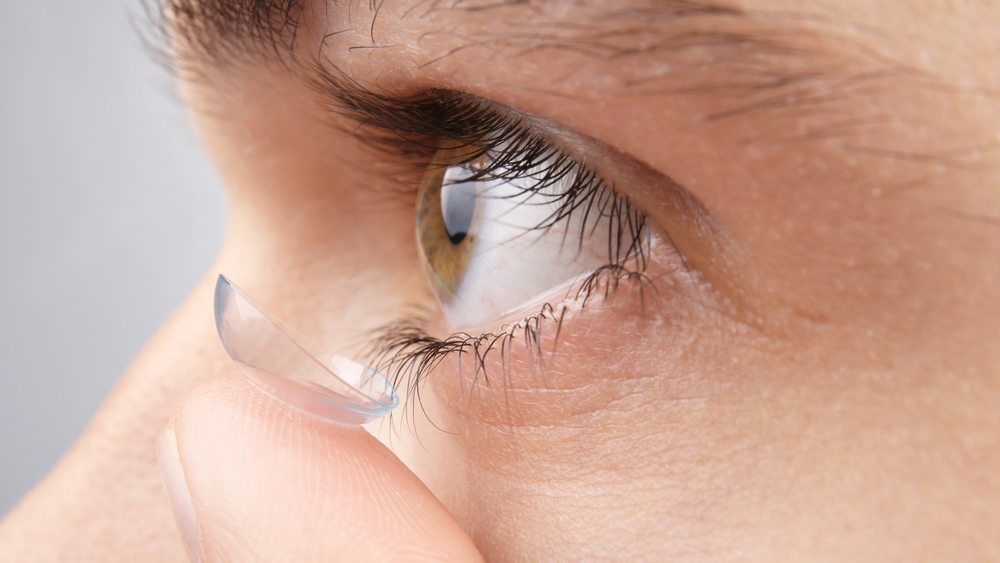
eye inuries

Eye Injury Prevention Month: How Can You Stay Safe?

October is Eye Injury Prevention Month. You can experience serious eye injuries while at home, at work, or at play. According to experts, more than 90 percent of eye injuries could be prevented with the use of protective eyewear and some simple precautions.

At Home: When to Use Eye Protection

Closing your pool? Cleaning the house in anticipation of the holidays? Eye injuries due to cleaning chemicals account for over 125,000 eye injuries each year. Eye injuries are also commonly caused during home improvement and yard work. Despite these common injuries, only 3 out of 10 people wear protective eyewear.

The American Academy of Ophthalmologists, recommends wearing protective eyewear if what you are doing involves hazardous chemicals or other substances that could damage your eyes upon contact, flying debris, or other small particles and projectiles. The most effective eyewear is that with a snug fit and wrap-style frame to keep airborne particles from getting behind the lenses.

Staying Safe at Work

According to the U.S. Bureau of Labor Statistics, about 20,000 eye injuries occur in the workplace annually and often require at least one missed workday for recovery. Workplace eye injuries can range from simple strain to severe and permanent damage. The Occupational Safety and Health Administration (OSHA) determines the eye protection needed to do your job safely. Your company’s human resources department or OSHA compliance overseer will provide the proper guidance on eye safety. (Source: Prevent Workplace Eye Injuries)

Play it Safe: Sports Eye Protection

Eye injuries can also occur in sports and other physical activities. It is essential to consider which kind of eye protection is appropriate for you, as regular eyeglasses can pose more harm than good if they shatter. Projectiles and other sharp objects increase the risk of eye injury, so consider protective sports glasses with shatterproof plastic, also known as polycarbonate lenses, when engaging in sports such as basketball (the leading cause of sports-related eye injuries), racquet sports, soccer, and field hockey.

When selecting your protective eyewear, choose those that have been tested to meet the American Society of Testing and Materials (ASTM) standards or that pass the CSA racquet sports standard. (Source: Sports Eye Safety)

To learn more about eye safety, or to schedule your annual eye exam, give our offices a call at 724-443-6767 or 724-226-0444.


About Bissell Eye Care: John D. Bissell, OD owns and operates Bissell Eye Care servicing Northern Pittsburgh and Alle-Kiski Valley regions. With two locations to treat patients, we offer evening and Saturday appointments. Bissell Eye Care provides comprehensive eye examinations for the entire family beginning as early as 6 months, ocular disease detection and treatment, eyeglasses, sunglasses, activewear, contact lenses, and low vision examinations for those with significant vision loss. We accept most types of vision and health insurance plans. For more information, visit bisselleyecare.com or call our Bakerstown Office at 724-443-6767 or Natrona Heights office at 724-226-0444.
healthy living and eating

September is Healthy Aging Month

As a new season rolls around, the days become shorter, school is back in session, and summer winds down, September is a perfect time to celebrate Healthy Aging Month. Drawing on the “back to school” urge embedded in everyone from childhood, the observance month’s activities are designed to encourage people to rejuvenate and get going on positive measures that can impact the areas of physical, social, financial, and mental health. As the number of people age 45 and older grows every year, the focus of September’s Healthy Aging® Month is to inspire these adults to improve their overall health and well-being.

Are you doing all you can to stay active and healthy? The choices you make today may affect the quality of your life down the road. Diet and exercise are key components to healthy aging. Fitbits and online apps can help track healthy eating habits and steps. Have you set a new goal to walk 10,000 steps a day? Perhaps fresh vegetables and salads are becoming a staple in your refrigerator.

Posture plays a key role in how we age. Walking and standing tall will help to maintain posture and balance as aging occurs. Preventing falls as we age is a key component to remaining independent.

When was the last time you had a physical, dental, or eye exam? By staying up to date with regular medical exams, you can be proactive in changes that may be occurring with your health.

Seeing your eye doctor is not just about needing glasses. During your annual comprehensive eye exam, you are also going to be screened for other diseases …. diabetes, cataracts, glaucoma, and macular degeneration. After the age of 40, everyone should be tested regularly for macular degeneration, especially if there is a family history of the disease.

These are things the doctors at Bissell Eye Care look for during your exam and may uncover a health issue you may not be aware of.

7 Types of Health Issues an Eye Exam Can Help Uncover

  • Diabetes affects the small capillaries in the retina of the eyes. These blood vessels may leak blood or a yellowish fluid, and this may be discovered in an eye exam.
  • Hypertension presents when blood vessels in the eye exhibit bends, kinks or tears, and this may be an indication of high blood pressure.
  • Autoimmune disorders are recognized by inflammation of the eye which may be a sign of Lupus or another autoimmune disorder.
  • High cholesterol can be found with a yellowish appearance or a yellow ring around your cornea. There also may be plaques in the blood vessels of the retina which could indicate elevated cholesterol.
  • Thyroid disease will often present as bulging eyes or protruding eyeballs.
  • Cancer can be present if the structure of your eye is unusual. Ocular melanoma can develop in the cells that make pigmentation in the eye. Your eye exam can also help detect skin cancer. Basal cell carcinomas can appear on the eyelid. In any of these cases, you would be referred to a specialist.
  • Tumors can present with a droopy eyelid or irregularly shaped pupils and could possibly indicate a neck tumor or an aneurysm (Source: Digital Journal).

At-risk factors for age-related macular degeneration (AMD) include high blood pressure (hypertension), smoking, obesity, race, and family history of (AMD). AMD is painless and can progress slowly over time or suddenly with dramatic changes in your vision. Early detection is key to slowing vision loss. AMD — damages then destroys central vision. Central vision is your “straight-ahead”, finely detailed vision. This eye disease takes two forms, “dry” and “wet”. Most AMD cases are dry. The “wet”, is a more damaging form of AMA that is responsible for about 90% of serious vision loss.

Cataracts are small at first and may not affect vision. But the denser they grow, the more they will affect your vision. As cataracts grow, they may hinder your ability to drive safely.

Just as annual physical and regular health screenings help to detect disease, the most important lesson learned is to have an annual eye exam as well.

Early detection of eye disease is the key to healthy vision as you age. Give our offices a call at 724-443-6767 or 724-226-0444 to schedule your annual eye exam.


About Bissell Eye Care: John D. Bissell, OD owns and operates Bissell Eye Care servicing Northern Pittsburgh and Alle-Kiski Valley regions. With two locations to treat patients, we offer evening and Saturday appointments. Bissell Eye Care provides comprehensive eye examinations for the entire family beginning as early as 6 months, ocular disease detection and treatment, eyeglasses, sunglasses, activewear, contact lenses, and low vision examinations for those with significant vision loss. We accept most types of vision and health insurance plans. For more information, visit bisselleyecare.com or call our Bakerstown Office at 724-443-6767 or Natrona Heights office at 724-226-0444.

Bifocal Contact Lenses

Bifocal Contact Lenses & Aging

Your eyesight is the key to independence as we age and although bifocal contact lenses have been around for many years, until recently they weren’t very popular. New technology has changed that is bringing to market a greater variety of designs. If one design or brand doesn’t work for you, another might. People who once thought they could never benefit from contact lenses now have a second chance.

Often after the age of 40 people develop presbyopia, a condition that affects our ability to focus on objects that are nearby. Do you have a separate pair of glasses for reading or working on the computer? Do you find your arms getting shorter as you must hold newspapers, books, or menus further away to be able to see the print better? Bifocal contact lenses are great for people with active lifestyles who do not want to be chained to their reading glasses.

There are several different types of contacts that can be used to find what works best for you to replace your need for reading glasses or bifocals. The doctors at Bissell Eye Care can give a proper diagnosis as well as help you find the best treatment options.

Concentric multifocal contact lens design contains the lens power for seeing distant objects in the center of the lens, which is surrounded by concentric rings of near and distance powers of your bifocal contact lens prescription.

The design of aspheric multifocal contact lenses is similar to that of progressive eyeglass lenses — there’s a gradual change in power from far to near, with no visible lines in the lenses. Unlike eyeglasses, however, aspheric multifocal contacts are simultaneous vision lenses, so your visual system must learn to select the proper lens power for the moment.

There are no hard and fast rules, but aspheric multifocal contact lenses tend to work best for mild to moderate presbyopia, and concentric or segmented multifocal contacts often are more successful for advanced presbyopia.

Bifocal and multifocal lenses come in both soft and rigid gas permeable materials. They also come in a hybrid form. This means that the contacts have the option to be used and disposed of at set times, and can even be daily in some cases.

What is the difference……Bifocal, Multifocal contacts?

Bifocal contact lenses have two different prescriptions in the same lens. They are similar to bifocal glasses where the top half is used for seeing far while the bottom is used for seeing close. A segmented bifocal, and sometimes also referred to as an alternating or translating bifocal places the near vision prescription in the lower part of the lens, and the normal, distance prescription is in the rest of the lens.

Multifocal Contact Lenses and how they work

Multifocal contacts have a range of powers in each lens and are designed in two different ways.

  1. Simultaneous Vision. This option is set up so your eye looks through both near and far at the same time. Your brain adapts and allows focus on either the near or far prescription depending on the distance of the object.
  2. Alternating Vision. In the alternation setup is more like a bifocal glasses design. It allows your pupil to move up or down as necessary to get the proper focus.

If you’re tired of carrying around two pairs of glasses, or have tried bi-focal contacts years ago but couldn’t wear them, technology has changed. The doctors at Bissell Eye Care will work with you to see how bi-focal contact lenses can benefit you.

Embrace something new and experience the freedom of not having to wear glasses. Are you ready to enjoy outdoor activities such as gardening and sports more easily? To learn more about the latest technology in bi-focal contact lenses, give our office a call at 724-444-6767 or 724-226-0444.


About Bissell Eye Care: John D. Bissell, OD owns and operates Bissell Eye Care servicing Northern Pittsburgh and Alle-Kiski Valley regions. With two locations to treat patients, we offer evening and Saturday appointments. Bissell Eye Care provides comprehensive eye examinations for the entire family beginning as early as 6 months, ocular disease detection and treatment, eyeglasses, sunglasses, activewear, contact lenses, and low vision examinations for those with significant vision loss. We accept most types of vision and health insurance plans. For more information, visit bisselleyecare.com or call our Bakerstown Office at 724-443-6767 or Natrona Heights office at 724-226-0444.

Night Driving

Road Trips & Night Driving Safety Tips

When vacation traveling comes to mind, some families prefer to travel at night. There may be less traffic, families may have young children, or a time element could be involved. But night driving can also present its challenges for those behind the wheel.

There’s no denying that late-night driving can be nerve-racking—especially during road trips. And for good reason—because of factors like low visibility and fatigue, driving in the dark can be more dangerous than driving when the sun is out. The National Safety Council (NSC) estimates that traffic deaths are three times greater at night compared to the day.

It doesn’t matter if you’re 16 or 60. The ability to drive represents a sense of freedom for adults of all ages. But, as we get older, changes to the body and mind can make driving increasingly difficult. Night vision worsens with age due to a number of factors: pupil size, retinal changes, and cataracts.

According to the American Optometric Association, “When driving, you may notice additional glare from headlights at night or sun reflecting off windshields or pavement during the day. Changes in your lenses in your eyes cause light entering the eye to be scattered rather than focused precisely on the retina. This creates more glare.”

Pupils shrink and don’t dilate as much in the dark as we age, reducing the amount of light entering the eye. Smaller pupils limit the amount of light that reaches the back of the eye called the retina. Because the retina of an 80-year-old receives far less light than the retina of a 20-year-old, it can seem like you are wearing dark sunglasses at night.

NIGHT DRIVING SAFETY TIPS:

  1. Start your trip with a vehicle maintenance checkup.
  2. Keep windshields clean inside and out. Cracked or chipped windshields can have the same effect, so it’s best to get them fixed before a trip.
  3. Damaged headlights shine less on the road ahead so have them replaced.
  4. Help drivers see you in twilight by turning your headlights on before sunset and keeping them on for an hour after sunrise.
  5. Use high beams in isolated areas and switch to low beams when driving behind someone or in areas of fog, rain, or snow.
  6. Allow more time for your own journey, so you’re not driving under pressure.
  7. Avoid looking directly at approaching vehicles at night, even when their lights are dimmed.
  8. Watch for signs of fatigue. If you experience eye droop or fatigue, find a place to pull over and rest or switch drivers.
  9. Plan for emergencies with jumper cables, flares, blankets, first aid kit, and flashlights. You never know when things will pop up.
  10. Have regular eye exams to check for such things as cataracts that can cause nighttime vision loss.

Avoid driving along at 50 mph, dropping to 40 mph when there’s oncoming traffic and then speeding up again. It makes it very confusing for drivers traveling behind you. It’s better to aim for a speed you can maintain such as 45mph and sticking to it, even if there are times you could go faster.

Vacations are to be enjoyable. Be proactive in taking care of your health and safety while driving. If a driving situation makes you uncomfortable, be honest with yourself and don’t put yourself and others at risk. As we age, many older drivers voluntarily begin to make changes in their driving practices. If fast-moving traffic bothers you, consider staying off freeways, highways, and find street routes instead. You may also decide to avoid driving in bad weather (rain, thunderstorms, snow, hail, ice). If you are going to a place that is unfamiliar to you, it is a good idea to plan your route before you leave so that you feel more confident and avoid getting lost.

Should you have concerns regarding your vision and driving, please call our office at 724-443-6767 or 724-226-0444 to schedule an appointment.


About Bissell Eye Care: John D. Bissell, OD owns and operates Bissell Eye Care servicing Northern Pittsburgh and Alle-Kiski Valley regions. With two locations to treat patients, we offer evening and Saturday appointments. Bissell Eye Care provides comprehensive eye examinations for the entire family beginning as early as 6 months, ocular disease detection and treatment, eyeglasses, sunglasses, activewear, contact lenses, and low vision examinations for those with significant vision loss. We accept most types of vision and health insurance plans. For more information, visit bisselleyecare.com or call our Bakerstown Office at 724-443-6767 or Natrona Heights office at 724-226-0444.