
Elderly couple in park after a bike ride -Take Charge of Your Health

TAKE CHARGE OF YOUR HEALTH

September is a perfect time to celebrate Healthy Aging Month. As summer winds down fall activities and upcoming holidays are top of mind. We often get so caught up with our daily routine that we forget to take care of ourselves. This month reminds us of the importance of following a healthy lifestyle to ensure we age comfortably.

Healthy aging refers to the continuous process of making lifestyle improvements that keep a person physically and mentally sharp, throughout life. The choices you make today may affect the quality of your life down the road. Diet and exercise are key components to healthy aging.

Move More, Sit Less.

Staying active can help you prevent, delay, and manage chronic diseases, improve balance and stamina, reduce the risk of falling, and improve brain health. Aim for moderate physical activity, like walking, at least 150 minutes a week (22-30 minutes a day) and muscle strengthening activities, at least 2 days a week. Things such as utilizing hand weights, carrying groceries or other activities that involve the use of your muscles. Always consult with your doctor before starting a new exercise regimen.

Use Technology to Measure Your Results

Fitbits and online apps can help track healthy eating habits and steps. Have you set a new goal to walk 10,000 steps a day? Perhaps fresh vegetables and salads are becoming a staple in your refrigerator.

Schedule Regular Checkups

As we look at the components of staying healthy – we also look at regular exams. When was the last time you had a physical, dental or eye exam? By staying up to date with regular medical exams, you can be proactive in changes that may be occurring with your health.

Seeing your eye doctor is not just about needing glasses. During the exam, you are also going to be screened for other diseases …..diabetes, cataracts, glaucoma and macular degeneration.  After the age of 40, everyone should be tested regularly for macular degeneration, especially if there is a family history of the disease.

Did you know during a comprehensive eye exam, underlying health problems can be uncovered? These are things the doctors at Bissell Eye Care look for during your exam and may uncover a health issue you may not be aware of.

  • Diabetes affects the small capillaries in the retina of the eyes. These blood vessels may leak blood or a yellowish fluid, and this may be discovered in an eye exam.
  • Hypertension presents when blood vessels in the eye exhibit bends, kinks or tears, and this may be an indication of high blood pressure.
  • Autoimmune disorders are recognized by inflammation of the eye which may be a sign of Lupus or another autoimmune disorder.
  • High cholesterol can be found with a yellowish appearance or a yellow ring around your cornea. There also may be plaques in the blood vessels of the retina which could indicate elevated cholesterol.
  • Thyroid disease will often present as bulging eyes or protruding eyeballs.
  • Cancer can be present if the structure of your eye is unusual. Ocular melanoma can develop in the cells that make pigmentation in the eye. Your eye exam can also help detect skin cancer. Basal cell carcinomas can appear on the eyelid. In any of these cases, you would be referred to a specialist.
  • Tumors can present with a droopy eyelid or irregularly shaped pupils and could possibly indicate a neck tumor or an aneurysm (Source: Digital Journal).

Just like having annual physical and regular health screenings help to detect disease, the most important lesson learned is to have an annual eye exam. Early detection of eye disease is the key to healthy vision as you age. Give our offices a call at 724-443-6767 or 724-226-0444 to schedule your annual eye exam.


About Bissell Eye Care: John D. Bissell, OD owns and operates Bissell Eye Care servicing Northern Pittsburgh and Alle-Kiski Valley regions. With two locations to treat patients, we offer evening and Saturday appointments. Bissell Eye Care provides comprehensive eye examinations for the entire family beginning as early as 6 months, ocular disease detection and treatment, eyeglasses, sunglasses, activewear, contact lenses, and low vision examinations for those with significant vision loss. We accept most types of vision and health insurance plans. For more information, visit bisselleyecare.com or call our Bakerstown Office at 724-443-6767 or Natrona Heights office at 724-226-0444.

Night driving on an asphalt road towards the headlights - tips for nigth driving

Tips for Night Driving

As September rolls around, the daylight hours become shorter and night driving occurs earlier in the evening. If night driving is difficult for you, millions of Americans feel the same way. Newer drivers can lack the experience to deal with night driving, not to mention the confidence. The National Safety Council says “Traffic death rates are three times greater at night than during the day.”


Here are some night driving safety tips.

  • Clean your windshield inside and out.
  • Lights matter – make sure yours are aimed correctly and working properly.
  • Don’t look directly into the lights of oncoming traffic.
  • Distance and speed count. Make sure to allow extra time to stop.
  • Avoid distractions such as texting or tuning the radio.
  • Watch for pedestrians and other roadside hazards.

There are things such as cataracts that affect night driving for older adults. Cataracts are not painful; however, they gradually cloud your lens. The eye’s lens is located behind the pupil. As you age cells grow and die inside of the lens. This causes debris to build up and leads to cataracts. One of the first symptoms of cataracts is decreased visibility at night. Blurry vision is also common with cataracts or seeing halos around objects.

Our pupils decrease in size and don’t dilate as dramatically in darker conditions, making it more difficult to see clearly at night. By about age 60, the human eye requires three times more light to see than at age 20. This normal decline in vision makes driving at dusk and in dark conditions more challenging for seniors. For some drivers, the effect could be as severe as wearing sunglasses while driving at night.

The cornea also clouds as the eye ages, scattering light and making older drivers sensitive to glare. This makes things like reflective road signs, the glare of streetlights on wet pavement, or headlights of oncoming vehicles harder to manage.

Lauren Fix, The Car Coach®, offers this advice for senior drivers experiencing challenges with their vision during nighttime driving: “Having bright new headlights bulbs can help seniors have clearer vision at night. Wearing yellow-tinted glasses can help cut night glare. Be aware of driving during sunrise and sunset times as the glare and lighting can make it difficult to see the road and traffic clearly. Snow and ice can cause vision issues. Always remember to clean off all the snow on all windows, lights, and signals. Make sure you can see and be seen. If driving at night is still an issue, it’s best not to take the risk and drive during daylight hours.”

If night driving is difficult for you give our offices a call at 724-443-6767 or 724-226-0444 to schedule a comprehensive eye exam.


About Bissell Eye Care: John D. Bissell, OD owns and operates Bissell Eye Care servicing Northern Pittsburgh and Alle-Kiski Valley regions. With two locations to treat patients, we offer evening and Saturday appointments. Bissell Eye Care provides comprehensive eye examinations for the entire family beginning as early as 6 months, ocular disease detection and treatment, eyeglasses, sunglasses, activewear, contact lenses, and low vision examinations for those with significant vision loss. We accept most types of vision and health insurance plans. For more information, visit bisselleyecare.com or call our Bakerstown Office at 724-443-6767 or Natrona Heights office at 724-226-0444.

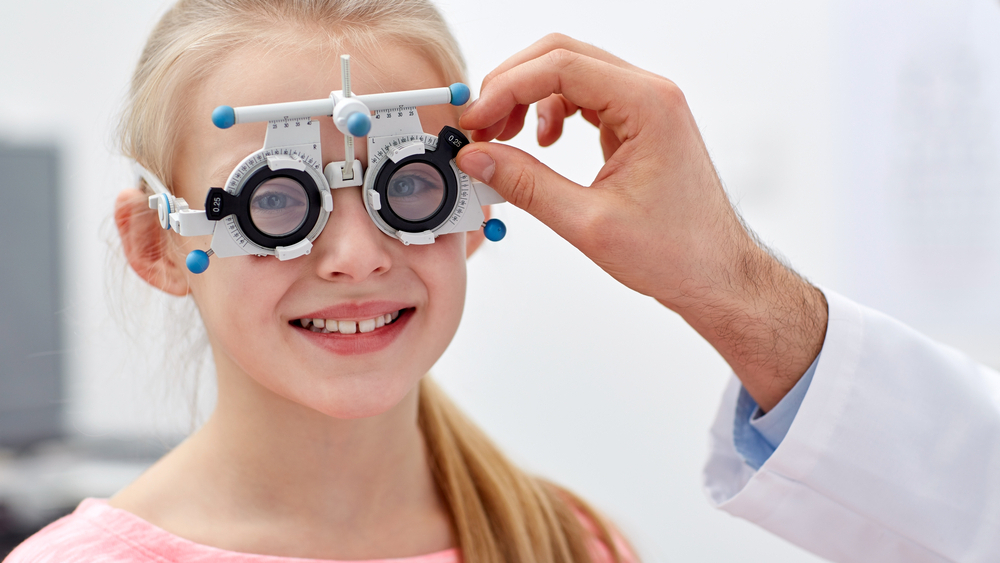
health care, medicine, people, eyesight and technology concept - optometrist with trial frame checking girl patient vision at eye clinic or optics store

Back To School Eye Exams

Backpacks, lunch boxes, clothes shopping – it’s back to school time! When you mark off items on your ‘Back-To- School’ checklist, don’t forget to make an eye exam appointment for your child. Have you been bombarded with all of the health forms and documents that need to be filled out for your little one to either go back to school or start a new adventure in attending school for the first time? With all of the hustle and bustle of buying new clothes, school supplies, getting immunizations, and reviewing schedules, something as simple as your child’s eyesight can be overlooked.

Children often start their first few years of school without having a comprehensive eye exam by an optometrist. According to the American Optometric Association, 49% of parents have not had an eye exam on their children who are under six years of age, by an optometrist. A comprehensive eye exam is different than the eye screenings done by your pediatrician and/or school nurse. The organization also states as much as 80% of a child’s learning happens through his or her eyes. From reading and writing, to using a computer or writing on the blackboard, vision is a necessary component to excelling in school. While you can tell when your child is sick it is nearly impossible to determine when there is a problem that could be affecting their vision.

Young children with vision problems are unlikely to tell their teachers and parents because they don’t realize the source of the problem. Did you know that 1 in 4 children have an undetected vision problem?

It’s crucial, therefore, for adults to watch the children in our care for symptoms such as:

  •         Poor reading comprehension
  •         Slow to finish schoolwork
  •         Short attention span for close work
  •         Tendency to fidget and look away from work
  •         Frequent headaches
  •         Tendency to cover one eye
  •         Frequent blinking or eye-rubbing

With August being Children’s Eye Health and Safety Month, we want to remind parents of the importance of scheduling routine eye exams for children starting at the age of three. There is no better time to schedule your child’s checkup than before they start back to school and after-school schedules and activities become hectic.

By having routine eye visits, eye doctors can monitor your child’s vision and eye health. This will help to detect any problems with your children’s eyes that could affect their vision long-term. If their vision deteriorates, you may also see a decline in your child’s grades as struggling to see may set them at a disadvantage when it comes to watching and understanding what is being taught.

An undiagnosed eye problem could result in an academic setback in just a few short months. Some behavior problems could be linked to vision issues. These students may seem uninterested or unfocused in school when in actuality they simply cannot see clearly.

We also want to stress the importance of eye safety. As school starts back, fall sports are in full swing. As high school sports become faster-paced and highly competitive, more injuries are occurring. Eye injuries are often top of the list.  By having your children wear the proper eye protection you can help reduce the chances of sustaining an eye injury, an injury that could leave them with permanent vision loss.

Learning is fun. Make sure your child is equipped with the right tools to succeed. To schedule your child’s exam, contact our Bakerstown office at 724-443-6767 or the Natrona Heights Office at 724-226-0444.


About Bissell Eye Care: John D. Bissell, OD owns and operates Bissell Eye Care servicing Northern Pittsburgh and Alle-Kiski Valley regions. With two locations to treat patients, we offer evening and Saturday appointments. Bissell Eye Care provides comprehensive eye examinations for the entire family beginning as early as 6 months, ocular disease detection and treatment, eyeglasses, sunglasses, activewear, contact lenses, and low vision examinations for those with significant vision loss. We accept most types of vision and health insurance plans. For more information, visit bisselleyecare.com or call our Bakerstown Office at 724-443-6767 or Natrona Heights office at 724-226-0444.

Introducing ALTIUS™ – Contact Lenses For Outdoor Sports Performance

Bissell Eye Care is pleased to announce we are the first optometry practice in Western Pennsylvania to carry ALTIUS™ – a new sports performance contact lens. On land sports or water activities, ALTIUS™ incorporates Light Architecture© and 360 Degree Total Immersion Technology© into a single-use soft contact lens modality to decrease visual distractions. This design allows athletes and recreationists to perform with maximum visual comfort, clarity and quickness under wide-ranging environmental conditions.

The lenses are designed for people who may or may not need vision correction and are available in two outdoor use tints, ALTIUS™ Amber and ALTIUS™ Grey-Green. ALTIUS™. These contacts are an adjunct to, not necessarily a replacement for safety glasses. You can wear these contacts and have safety glasses, or glasses or shields over it. They are designed for light enhancement and contrast, so they are good to be used for any of the designed purposes without putting the eye at risk.

Amber is engineered for dynamic, reactive sports in a wide range of outdoor light conditions. ALTIUS™ Grey-Green is engineered for open-air activities on water and land in varying outdoor light conditions.

Users found utilizing the ALTIUS™ Grey-Green soft sports contact lenses are designed to aid visual performance by enhancing contrast and enabling the wearer to see with greater clarity in outdoor activities such as:

  •         Surfing
  •         Golfing
  •         Kayaking
  •         Fly Fishing
  •         Hiking
  •         Running
  •         Cycling
  •         Equestrian
  •         Water Skiing
  •         Sailing/Boating
  •         Skateboarding


The ALTIUS AMBER soft sport contact lenses are engineered for dynamic, reactive sports in a wide range of outdoor light conditions. These soft sports contact lenses are designed to aid visual performance in athletic and recreational settings by enhancing contrast and enabling the wearer to see objects with greater clarity for athletic sports such as:

  •         Baseball
  •         Soccer
  •         Football
  •         Volleyball
  •         Lacrosse
  •         Tennis
  •         Archery
  •         Softball
  •         Rugby
  •         Hunting
  •         Sporting Clays
  •         Snow Sports


This lens is the result of decades of research to develop “game-changing” optical solutions to address a wide range of lighting conditions in sports, recreation, education or work,” said AlanW. Reichow, OD, MEd, FAAO, Founder, President & CEO of PVTI.

Both the ALTIUS™ Amber and ALTIUS™ Grey-Green can improve the vision of more than just athletes. A high school student who recently suffered a concussion reported that “I am recovering from a concussion and have had a reduced ability to read on the computer. These lenses have changed my life! I can read for a longer duration without eye strain and am wearing the lenses most days in school.”

For more information on single-use ALTIUS™ sports performance contact lenses, call Bissell Eye Care’s Bakerstown office at 724-443-6767 or the Natrona Heights Office at 724-226-0444.


About Bissell Eye Care: John D. Bissell, OD owns and operates Bissell Eye Care servicing Northern Pittsburgh and Alle-Kiski Valley regions. With two locations to treat patients, we offer evening and Saturday appointments. Bissell Eye Care provides comprehensive eye examinations for the entire family beginning as early as 6 months, ocular disease detection and treatment, eyeglasses, sunglasses, activewear, contact lenses, and low vision examinations for those with significant vision loss. We accept most types of vision and health insurance plans. For more information, visit bisselleyecare.com or call our Bakerstown Office at 724-443-6767 or Natrona Heights office at 724-226-0444.

migraine triggers

Migraine Triggers and Vision Loss

If you are someone who suffers from migraine headaches, you may also be in the 20% of people who experience ocular migraines – often realized as a precursor to a migraine.

An ocular migraine can cause vision loss or blindness in one eye for a short time — less than an hour. This happens before or along with a migraine headache. Regular migraine attacks can also cause vision problems, called an aura, which can involve flashing lights and blind spots. But these symptoms usually happen in both eyes.

This is a visual distortion that occurs in both eyes for a short period of time and may develop as a series of bright flickering lights that will gradually obscure your vision and then go away.

Visual migraines often appear suddenly and may create the sensation of looking through a cracked window. The visual migraine aura usually moves across your field of view and disappears within 30 minutes.

The symptoms of a visual migraine typically affect both eyes and can last 30 minutes or less. A migraine headache may occur shortly after the symptoms of a visual migraine subside or you may experience no headache at all.

Painless Ocular Migraine

In some cases, ocular migraines can occur without any accompanying headache. These typically involve a widening blurry patch in your vision that is surrounded by bright, flickering lights. This will gradually spread to cover the entire field of vision, taking between a few minutes to a half an hour before going away on its own.

The visual disruption may be the only symptom, but sometimes it’s accompanied by other sensory, speech, or motor problems. If you’re doing an activity or driving when an ocular migraine occurs, stop what you are doing. If one starts coming on while you’re driving, pull over until it passes, and it may be best to lie down and relax. While these ocular migraines are usually harmless, it’s a good idea to schedule an eye exam to be sure there aren’t any underlying issues with your vision.

Migraine Aura

Migraine auras include a variety of sensations that are often visual. Auras may also include other sensations, such as numbness, that precede or accompany a migraine. A migraine aura can sometimes occur without a headache.

Visual symptoms don’t last long. A migraine aura involving your vision will affect both eyes, and you may see:

  •         Flashes of light
  •         Zigzagging patterns
  •         Blind spots
  •         Shimmering spots or stars

Web MD suggests “The first step to preventing migraines is to avoid triggers. These often include:

  •         Stress
  •         Smoking
  •         High blood pressure
  •         Hormonal birth control pills
  •         Exercise
  •         Bending over
  •         High altitude
  •         Dehydration
  •         Low blood sugar
  •         Excessive heat

Although dietary triggers — such as caffeine, alcohol, and artificial sweeteners — can cause other types of migraines, they seem less likely to trigger ocular migraines.

If other treatments don’t work and you have four or more migraine days a month, your doctor may suggest preventive medicines. You can take these regularly to reduce the severity or frequency of headaches.”

Retinal Migraine

The most dangerous form of ocular migraine is a retinal migraine. Like an aura accompanying a migraine, a retinal migraine will usually occur before a bad headache sets in, but the difference is that the visual distortions are only in a single eye.

A retinal migraine — unlike a migraine aura — will affect only one eye, not both. But usually, loss of vision in one eye isn’t related to migraine. It’s generally caused by some other more serious condition.

Retinal migraines are the rarest form of ocular migraine, but if you’ve experienced them, you should definitely see a doctor, because they are usually caused by a more serious condition.

If you’re experiencing a blind spot or other visual disturbance and you’re not sure if it’s an ocular migraine or a visual migraine, then cover one eye at a time. If the visual disturbance is occurring in just one eye, it’s likely that it’s an ocular migraine. If it affects both eyes, it’s probably a visual migraine.

But don’t take chances. If you suddenly experience any sort of blind spot in your field of vision, call our office at 724-443-6767 or 724-226-0444 immediately to determine if it’s harmless or possibly a sign of something more serious, such as a retinal detachment.


About Bissell Eye Care: John D. Bissell, OD owns and operates Bissell Eye Care servicing Northern Pittsburgh and Alle-Kiski Valley regions. With two locations to treat patients, we offer evening and Saturday appointments. Bissell Eye Care provides comprehensive eye examinations for the entire family beginning as early as 6 months, ocular disease detection and treatment, eyeglasses, sunglasses, activewear, contact lenses, and low vision examinations for those with significant vision loss. We accept most types of vision and health insurance plans. For more nformation, visit bisselleyecare.com or call our Bakerstown Office at 724-443-6767 or Natrona Heights office at 724-226-0444.

watery eyes

Why Do My Eyes Water?

Our bodies produce tears to keep our eyes lubricated, and to help remove any foreign bodies. But when the body produces too many tears, or tear drainage is affected, the result is excessively watery eyes. While not necessarily harmful, watery eyes can be troublesome and irritating. Thankfully, this condition can usually be treated quickly and effectively.

Watery eyes are characterized by an excess of tears, which can give the eyes a glassy look, and may result in tears running or dripping from the eyes.

In older adults, persistent watery eyes may occur as the aging skin of the eyelids sags away from the eyeball, allowing tears to accumulate and flow out. Dry eye syndrome, also called keratitis sicca, keratoconjunctivitis sicca, or xerophthalmia is a recurrent or persistent sensation of dryness of the eyes. The condition is uncomfortable and it can interfere with your quality of life. You may have trouble keeping your eyes open or you may not be able to work or drive due to severe dryness of your eyes. Dry eye disease can vary from mild to extremely severe.

Reflex Tears

Dry eyes can actually cause your eyes to water. The tears are similar to the tear production that is triggered when something gets in your eye. They are called reflex tears. Reflex tears don’t have the same lubricating qualities as the tears that normally protect your eyes, so they do not prevent dry eyes.

Infant and Toddler Watery Eyes Causes

Watery eyes can be a symptom of numerous medical conditions. A likely cause of watery eyes in infants can be blocked tear ducts. These often resolve on their own.

Other causes of watery eyes in infants and toddlers include infections like conjunctivitis (pink eye) or the common cold. Like adults, your child may experience watery eyes from irritants or hay fever.

Your child’s watery eyes can also be a symptom of a common cold. Children are more susceptible to colds than adults because they’ve not built up immunity and often touch their eyes, nose, and mouth, causing more germs to spread. Your child may develop watery eyes along with other cold symptoms like a stuffed or runny nose and sneezing.

Conjunctivitis, also known as pink eye, may be causing the watery eyes. This can occur in children or adults at any time. Pink eye occurs when a virus or, less commonly, bacteria get into the eye. Conjunctivitis can also be caused by irritation.

Teens And Older Adults With Too Many Tears

Tear over-secretion is usually caused by irritation or inflammation of the surface of the eye. This can occur for a number of reasons, including eyelash and eyelid problems or allergies. Oddly, a dry eye problem can sometimes cause watery eyes because the eye produces excess tears to combat the irritation and dryness.

Treatments

In the case of excessive tear production, watery eyes can often be treated very simply, with eye drops, warm compresses or sometimes medication. Treatment for tear drainage problems is usually surgical, but there’s no need to worry, as most surgical treatments are quick and highly effective.

The various causes of watery eyes in babies and toddlers require different treatments. Some require minimal action on the part of the parents, while other treatments include prescription medications or surgery.

Contact our office at 724-443-6767 or 724-226-0444 with any concerns you may have regarding watery eyes or any other eye condition.


About Bissell Eye Care: John D. Bissell, OD owns and operates Bissell Eye Care servicing Northern Pittsburgh and Alle-Kiski Valley regions. With two locations to treat patients, we offer evening and Saturday appointments. Bissell Eye Care provides comprehensive eye examinations for the entire family beginning as early as 6 months, ocular disease detection and treatment, eyeglasses, sunglasses, activewear, contact lenses, and low vision examinations for those with significant vision loss. We accept most types of vision and health insurance plans. For more nformation, visit bisselleyecare.com or call our Bakerstown Office at 724-443-6767 or Natrona Heights office at 724-226-0444.

Depositphotos_11078435_S

Safety Tips for 4th of July Fireworks Celebrations

The freedom we enjoy every day is something not to be taken lightly. We’d like to take a moment and recognize our service men and women as well as their families for the sacrifices they make to protect our freedom.

Summer is synonymous with barbecues, parades, and fireworks. As we celebrate the 4th of July, families are planning their picnics, vacations and fireworks celebrations. Did you know on average 9,000 injuries a year result from fireworks with 1 in 8 of those injuries being eye injuries according to the fireworks injury report from the U.S. Consumer Product Safety Commission? Nearly half of those injuries are bystanders with 30% of the total injuries being age 15 and under.

According to the National Safety Council, “Sparklers burn at about 2,000 degrees – hot enough to melt some metals. Sparklers can quickly ignite clothing, and children have received severe burns from dropping sparklers on their feet.

The National Fire Protection Association, shares that those sparklers alone account for more than 25% of emergency room visits for fireworks injuries. For children under 5 years of age, sparklers accounted for nearly half of the total estimated injuries.

Some of the most commonly experienced eye injuries from fireworks are burns, lacerations, abrasions, retinal detachment, ruptured eyeballs, and optic nerve damage. An important misconception is that once the firework explodes it is no longer dangerous. However, the sparks that produce the amazing glow often burn at temperatures over 1000 degrees and fireworks release shrapnel as they explode.

Consider these safety tips to help keep you and your loved ones safe this year:

  •         Contact your local fire department if a firework does not explode to properly handle it.
  •         Never let children play with fireworks. Even sparklers can be very dangerous to young children. Consider using safer alternatives, such as glow sticks, confetti poppers, or colored streamers.
  •         ALWAYS wear approved protective eyewear if you plan on detonating fireworks.
  •         Abide by ALL safety barricades and give yourself extra room well behind them at least 500-1000 feet away!
  •         Let the experts build and launch professional-grade fireworks.

If you are injured from fireworks, be sure to seek medical attention immediately. Be sure to follow these safety tips to help prevent making the injury worse.

  •         Do not remove any objects that are stuck in or protruding from your eye.
  •         Do not rinse or add solution to your eye.
  •         Do not rub your eyes.
  •         If any foreign objects enter the eye do not take any pain killers that will cause your blood to thin such as aspirin or ibuprofen.

Remember this year as you venture out to celebrate our nation’s freedom and independence that it’s important to respect fireworks. The safest way to watch fireworks is for you to let somebody else light off the fireworks. When we say someone else, we mean a professional – as in – go to a professionally sponsored fireworks show. If you have any questions or need information on eye injury following an accident, call Bissell Eye Care at (724) 444-6767 or 724-226-0444. Have a safe and happy holiday.


About Bissell Eye Care: John D. Bissell, OD owns and operates Bissell Eye Care servicing Northern Pittsburgh and Alle-Kiski Valley regions. With two locations to treat patients, we offer evening and Saturday appointments. Bissell Eye Care provides comprehensive eye examinations for the entire family beginning as early as 6 months, ocular disease detection and treatment, eyeglasses, sunglasses, activewear, contact lenses, and low vision examinations for those with significant vision loss. We accept most types of vision and health insurance plans. For more information, visit bisselleyecare.com or call our Bakerstown Office at 724-443-6767 or Natrona Heights office at 724-226-0444.
Happy family taking selfie on beach near sea. Summer vacation

Sunglass Protection Tips and Cataracts

June is National Cataract Awareness Month, and UV rays are a significant risk factor for the eye disorder. The proper sunglasses can help protect you. The choices you make today will result in how your quality of life will be in years to come. As we get older, our eyes undergo physiological changes that can cause vision problems.

Are sunglasses in your swim bag when you pack your towel, swimsuit, flip-flops, a cooler full of drinks, a bag of snacks, and sunscreen? Eye care is essential as you head out this summer to take that dip and cool off in the summer sun. The Ultraviolet rays of the sun, or UV rays, can harm more than cause a sunburn to your skin. UV rays can also harm your eyes. By wearing the proper eye protection, you can help reduce the short-term and long-term effects of UV exposure to your eyes.

Since UV light carries more energy than visible light, it can do greater damage to our eyes. As we age, the damage simply has more time to accumulate: a cataract, (cloudiness of the lens) for example, is believed to be caused by many years of exposure to bright sunlight. Choose sunglasses with 100% UV blockage. You can’t tell UV blockage by looking at the glasses. A darker tint is not an indication of UV blockage, you should always look at the label.

The short-term exposure to high amounts of UV rays can be similar to your skin becoming sunburned. This is referred to as photo keratitis and is considered a sunburn of the eye. Photo keratitis can be painful and is usually accompanied by symptoms such as red eyes, the feeling of foreign object in your eyes, gritty feeling in the eyes, excessive tearing, and sensitivity to light. These symptoms are usually temporary and rarely result in permanent damage.

Long-term effects of high exposure to UV rays can include a greater risk of developing cataracts or developing macular degeneration in the later years of life.

With sunglasses coming in all shapes and sizes it is important to ensure that your sunglasses have the following features to help block out the most UV rays possible:

  •         Screen out 75-90 percent of visible light.
  •         Block out 99-100 percent of UV-A and UV-B radiation.
  •         Have gray lenses to aid in proper color recognition.

According to the American Academy of Ophthalmology (AAO), the best sunglasses offer:

  •         100% UV protection
  •         High optical quality (lenses are free of manufacturing defects like bubbles or waves that could bother your eyes)
  •         Scratch-resistant lenses
  •         A larger frame offers more coverage of the eye area.

If you spend a large amount of time outdoors, consider the wrap around style of glasses. This style blocks out the most light possible granting the most protection. If you are involved in outdoor work or sports, be sure to have sunglasses that are impact-resistant to prevent eye injuries from broken glasses entering the eye.

Most cataracts develop slowly and don’t disturb your eyesight early on. But with time, cataracts will eventually interfere with your vision and your eye doctor will help you decide if surgery is right for you.

Protection from the ultraviolet rays of the sun can occur by wearing sunglasses and a wide-brimmed hat. These two things can significantly reduce eye exposure to UVB radiation. Although cataracts are not completely preventable, their occurrence can be delayed. Smoking, avoiding excess amounts of alcohol, and eating plenty of fresh fruits and vegetables may delay the formation of cataracts.

When to See a Doctor…

Make an appointment for an eye exam if you notice any changes in your vision such as double vision or blurriness, see your doctor right away. Talk with your eye doctor about whether surgery is right for you. Prevention is the easiest way to help ensure that your vision lasts well into the future, keeping your head up and you moving forward.


About Bissell Eye Care: John D. Bissell, OD owns and operates Bissell Eye Care servicing Northern Pittsburgh and Alle-Kiski Valley regions. With two locations to treat patients, we offer evening and Saturday appointments. Bissell Eye Care provides comprehensive eye examinations for the entire family beginning as early as 6 months, ocular disease detection and treatment, eyeglasses, sunglasses, activewear, contact lenses, and low vision examinations for those with significant vision loss. We accept most types of vision and health insurance plans. For more information, visit bisselleyecare.com or call our Bakerstown Office at 724-443-6767 or Natrona Heights office at 724-226-0444.

What causes eye floaters and spots

What Causes Eye Floaters and Spots?

The floating specks you sometimes see in front of your eyes are not on the surface of your eyes but inside them. Eye floaters or a spot occurring in your field of vision are common as people age. In most cases, these floaters will appear in your field of vision when you look at something bright such as a white screen or the sky. These are spots that you can see and appear to float as you look around. Eye floaters can be present in one or both eyes and can come in many different shapes:

  • Black or gray dots
  • Squiggly lines
  • Threadlike strands, which can be knobby and almost see-through
  • Cobwebs
  • Rings

Floaters are caused by strands, deposits, or liquid pockets developing on the vitreous humor, or the back part of the eye. This is the part of the eye that the light going to the retina passes through. It is a jelly like material that occupies the back two-thirds of the eye.

When the light is blocked by these strands, deposits, or liquid pockets, it casts a small shadow onto the surface of the retina, and the shadows that result are seen as floaters. They are usually black or gray in color. These shadows appear to move as the eye moves, left, right, up, and down. This is why patients often say that they see a dot or spot floating in their field of vision.

Floaters are most commonly experienced as we age and don’t totally go away. About 50% of people who are age 60 have floaters and most people over the age of 70 experience some sort of floater. While many people notice them at first, they may find that after a few months they are less noticeable as the brain and eye begin to ignore or get used to them being there.

While floaters are common, and most people will experience them, it is important to get your regular check-up with the eye doctors at Bissell Eye Care.

SEEK MEDICAL ATTENTION IMMEDIATELY if you notice a sudden increase in floaters or if you see floaters along with flashes of light in your side vision, this may be a symptom of a retinal tear or detachment. Go to an eye doctor or emergency room if you have these symptoms.

Serious eye disorders associated with floaters include:

  • Detached retina
  • Torn retina
  • Bleeding in your vitreous
  • Inflamed vitreous or retina caused by infections or an autoimmune condition
  • Eye tumors

Annual checkups are key to good eye health. Be sure to maintain your routine visit with Bissell Eye Care and tell the doctors if you notice any changes in your eyesight, such as floaters.


About Bissell Eye Care: John D. Bissell, OD owns and operates Bissell Eye Care servicing Northern Pittsburgh and Alle-Kiski Valley regions. With two locations to treat patients, we offer evening and Saturday appointments. Bissell Eye Care provides comprehensive eye examinations for the entire family beginning as early as 6 months, ocular disease detection and treatment, eyeglasses, sunglasses, activewear, contact lenses, and low vision examinations for those with significant vision loss. We accept most types of vision and health insurance plans. For more information, visit bisselleyecare.com or call our Bakerstown Office at 724-443-6767 or Natrona Heights office at 724-226-0444.

Watery eyes

Oh, My Watery Eyes!

Look no further than the oak trees outside your home or office and you’ll know what time of year is coming our way. Pollen has already started to accumulate, leading to a noticeable uptick in sniffs and sneezes. More than 20 million Americans are bracing for the annual allergy miseries: stuffy nose, sniffling, sneezing, coughing, and itchy, runny eyes that may last for weeks or even months as grass, trees and weeds roar back to life.

The spring rain and warm weather have created the perfect storm for a stellar allergy season. You look outside and everything is covered in a yellow film causing itchy, red, or even burning sensations in your eyes. Allergy suffers, you aren’t alone in your symptoms.

Allergies occur when your body becomes overly sensitive to something in the environment that typically causes no problems for most people. An allergic reaction may occur when that “something” that you are allergic to comes into contact with your eyes. In many cases, the “something” you are allergic to is airborne, such as pollen.

Because the symptoms of seasonal allergy can resemble those of dry eye disease, diagnosis can be a challenge. Although patients may have only seasonal allergies or only dry eye disease, there is a good possibility that both conditions are present.

Be nice to your eyes. When avoidance is not an option, there are still steps that you can take to reduce the allergen’s impact and increase eye comfort. Here are some relief and tips for prevention to avoid or limit exposure with your trigger(s).

There are many different medications that have proven to be effective in fighting allergies. If you cannot find a medication that helps you in combating the symptoms, it may be time to consult the eye doctors at Bissell Eye Care, as some eye diseases carry similar symptoms as allergies and will not improve with allergy treatment.

Seasonal Allergic Conjunctivitis, or SAC, is one of the most common types of eye allergy. Depending on the type of pollen that is in the air, people who suffer from SAC experience symptoms spring, summer or fall. Some of the most common symptoms are:

  • Itching
  • Redness
  • Burning
  • Clear watery discharge

People who have SAC may also notice dark circles under their eyes. These symptoms are often accompanied by a runny nose, sneezing, or nasal congestion.

Curtail the contacts. Contact lens wearers tend to be disproportionately affected by allergies. Even if a patient is a successful contact lens wearer for most of the year, allergy season can make them quite uncomfortable, particularly when contacts are worn for extended periods of time.

For any contact lens wearers, you may want to remove your contacts and opt for your eyeglasses until your allergy symptoms are gone. This is because the surface of contact lenses can attract and accumulate airborne allergens. If wearing your glasses is not an option, you can switch to daily disposable contacts to avoid allergen and other debris buildups.

There are also methods to combat your allergies that do not require medication.

  • Stay indoors at times when pollen counts are high.
  • Keep windows closed and use air-conditioning as much as possible.
  • Avoid using fans in windows as this tends to pull pollen into the house.
  • Wear glasses or sunglasses when outdoors to reduce the chances of getting pollen in your eyes.
  • Avoid rubbing your eyes when they feel itchy or watery.

Be sure to consult the doctors at Bissell Eye Care if you are using over-the-counter medications such as eye drops. Prolonged use of some eye drops may actually cause your condition to worsen and cause damage to your eyes. The proper treatment and avoiding pollen when it is at its highest will help to reduce your symptoms this allergy season. While spring allergies have been around for decades it’s important to stay ahead of your symptoms.


About Bissell Eye Care: John D. Bissell, OD owns and operates Bissell Eye Care servicing Northern Pittsburgh and Alle-Kiski Valley regions. With two locations to treat patients, we offer evening and Saturday appointments. Bissell Eye Care provides comprehensive eye examinations for the entire family beginning as early as 6 months, ocular disease detection and treatment, eyeglasses, sunglasses, activewear, contact lenses, and low vision examinations for those with significant vision loss. We accept most types of vision and health insurance plans. For more information, visit bisselleyecare.com or call our Bakerstown Office at 724-443-6767 or Natrona Heights office at 724-226-0444.