Depositphotos_80958648_S

Clear Sight, Better Game: Why Active Eyewear is a Must-Have in Sports

Participating in sports is a fantastic way to stay fit, improve coordination, and boost overall well-being. However, many sports come with inherent risks, and one aspect often overlooked is the protection of our most vital sensory organ: the eyes. Sports-related eye injuries are more common than you might think, but with proper awareness and the use of active eyewear, you can enjoy your favorite activities while safeguarding your vision.

The Prevalence of Sports-Related Eye Injuries

University of Illinois College of Medicine states, “Sports and recreational activities cause more than 40,000 eye injuries each year, according to the American Academy of Ophthalmology – and most of these accidents are preventable. Indeed, Prevent Blindness America reports that 90% of sports-related eye injuries can be prevented. Basketball and baseball cause the most eye injuries, followed by water sports and racquet sports.

The majority of all eye injuries occur in persons under thirty years of age. Children are especially vulnerable as they often have underdeveloped depth perception and may have difficulty judging the position of a flying ball. It’s not uncommon for a child to misjudge a ball in flight, miss it, and take a blow to the face instead. Safety goggles are advised for children who play softball and baseball.

The severity of sports-induced eye injuries varies from mild scrapes of the cornea to severe trauma that can cause visual impairment or even blindness.”

Sports goggles and high-impact sports eyewear are important for adults and kids alike who participate in sports for several reasons:

Eye Protection: Sports eyewear is designed to provide optimal protection for the eyes. Kids engaging in high-impact sports like basketball, soccer, hockey, baseball, and racquet sports are at a higher risk of eye injuries due to collisions, flying objects, or accidental contact. Proper eyewear can significantly reduce the risk of eye injuries by providing a physical barrier to shield the eyes.

Impact Resistance: High-impact sports eyewear is built with materials that are more resistant to impact and shattering. Regular eyeglasses are not designed to withstand the forces associated with sports activities, and they can break upon impact, causing harm to the eyes and surrounding areas. Sports eyewear, on the other hand, is constructed to withstand these forces and provide continuous protection.

Enhanced Performance: Sports goggles are designed to fit securely and comfortably, reducing the risk of the eyewear falling off during intense physical activities. This can enhance focus and confidence, allowing you to fully engage in the sport without worrying about their eyewear.

Preserving Vision: Eye injuries sustained during sports can have long-term consequences on vision. In some cases, irreversible damage can occur, leading to impaired vision or even blindness. By using sports eyewear, you can protect your eyes and preserve their long-term vision health.

Preventing UV Exposure: Some sports eyewear also offers protection against harmful ultraviolet (UV) rays from the sun. Prolonged exposure to UV rays can contribute to eye problems like cataracts and other vision issues. Wearing sports eyewear that provides UV protection can help minimize this risk.

Role Modeling Safety: Encouraging kids to wear proper sports eyewear sets a positive example of safety-conscious behavior. When kids see their peers and professional athletes using protective eyewear, they are more likely to understand its importance and adopt the habit themselves.

Regulation Compliance: Some sports leagues and organizations have specific regulations regarding safety equipment, including sports eyewear. To participate in these leagues, kids may be required to wear approved eyewear to ensure their safety and the safety of others on the field.

Injury Prevention: Properly fitted sports eyewear can help prevent injuries not only to the eyes but also to the surrounding facial areas. Goggles with padded frames and secure straps can cushion impacts and reduce the risk of cuts, bruises, and fractures in case of accidents.

Customization for Visual Impairments: Sports enthusiasts that have visual impairments require corrective lenses to achieve optimal vision. Sports eyewear can be customized to accommodate prescription lenses, allowing those with vision problems to fully participate in sports while maintaining clear vision.

Proper Use and Care of Protective Eyewear

Equally important to choosing the right eyewear is using and maintaining it properly:

Size Matters: Ensure that the eyewear fits snugly but comfortably on your face. Ill-fitting eyewear can be distracting and compromise your safety.

Clean Regularly: Regularly clean your eyewear with appropriate lens-cleaning solutions to maintain clear vision. Avoid wiping lenses with abrasive materials that could scratch them.

Replace Damaged Eyewear: If your eyewear sustains damage, replace it immediately. Cracked or scratched lenses may not provide adequate protection.

Avoid DIY Fixes: Avoid modifying or altering eyewear on your own. This could compromise the structural integrity and effectiveness of the protective gear.

In the world of sports, protecting your eyes is just as important as improving your performance. Sports-related eye injuries are preventable with the right protective eyewear. By understanding the risks associated with your favorite sports and investing in appropriate eyewear, you can enjoy the game while safeguarding your vision for a lifetime. Remember, when it comes to your eyes, prevention is key. For questions on the proper eyewear for your sport, call our office at 724-443-6767 or 724-226-0444.


About Bissell Eye Care: John D. Bissell, OD owns and operates Bissell Eye Care servicing Northern Pittsburgh and Alle-Kiski Valley regions. With two locations to treat patients, we offer evening and Saturday appointments. Bissell Eye Care provides comprehensive eye examinations for the entire family beginning as early as 6 months, ocular disease detection and treatment, eyeglasses, sunglasses, activewear, contact lenses, and low vision examinations for those with significant vision loss. We accept most types of vision and health insurance plans. For more Information, visit bisselleyecare.com or call our Bakerstown Office at 724-443-6767 or Natrona Heights office at 724-226-0444.

Depositphotos_193803530_S

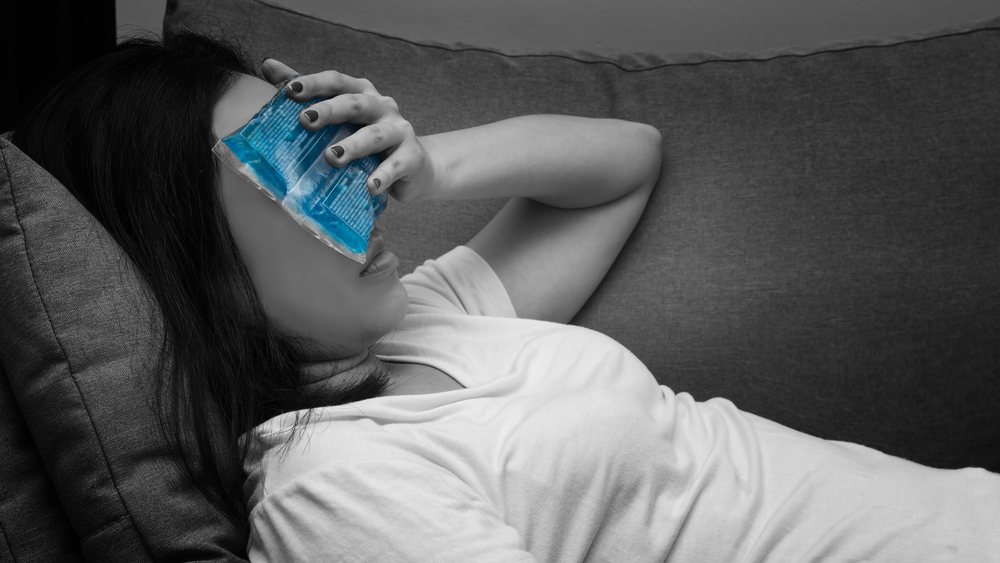
Understanding Migraines and Vision Loss: Exploring Ocular Migraine Types

Migraines are debilitating headaches that affect millions of people worldwide. While most associated with severe head pain, migraines can also involve various visual disturbances, including temporary vision loss. These episodes, known as ocular migraines, can be frightening and confusing for those experiencing them.

What are Migraines and Vision Loss?

Migraines are neurological conditions characterized by recurring severe headaches often accompanied by other symptoms. Vision loss or visual disturbances are common occurrences during a migraine attack, affecting approximately 20% of migraine sufferers. These visual disturbances can manifest in various ways, including temporary blindness, blurred or distorted vision, zigzag lines, flashing lights, and blind spots. While vision loss can be alarming, it typically resolves within minutes to an hour.

Types of Ocular Migraines:

Ocular Migraine without Headache:

This type of ocular migraine, also known as a retinal migraine, is characterized by temporary vision loss or blindness in one eye. These episodes may last less than an hour and are typically painless. Although rare, they can be caused by a sudden decrease in blood flow or blood vessel spasms in the eye.

Ocular Migraine with Aura:

Ocular migraines with aura involve visual disturbances that precede or accompany the headache phase of a migraine attack. The aura typically appears as shimmering or flickering lights, zigzag patterns, or blind spots in the visual field. These visual symptoms can last for several minutes to an hour and are followed by a headache.

Persistent Aura without Infarction (Visual Snow Syndrome):

Visual Snow Syndrome is a rare condition characterized by persistent visual disturbances. People with this condition experience a constant overlay of flickering dots or static-like visual snow in their entire visual field. It is often associated with other migraine symptoms but may persist even in the absence of a headache.

Causes of Migraines and Vision Loss:

The exact causes of migraines and vision loss are not fully understood, but several factors can contribute to their occurrence. Some common triggers include:

Genetic Predisposition: Migraines and ocular migraines tend to run in families, suggesting a genetic component in their development.

Vascular Changes: Migraine attacks are associated with changes in blood flow and blood vessel dilation in the brain and ocular structures. These changes can disrupt normal visual processing and lead to visual disturbances.

Hormonal Fluctuations: Many women experience migraines associated with hormonal changes, such as during menstruation, pregnancy, or menopause. These hormonal fluctuations can trigger ocular migraines and vision loss.

Environmental Factors: Certain environmental factors, including bright lights, strong odors, loud noises, and weather changes, can act as triggers for migraines and ocular migraines in susceptible individuals.

Managing Ocular Migraines:

While ocular migraines can be distressing, they are usually benign and do not cause permanent vision loss. However, if you experience vision loss or visual disturbances for the first time, it is crucial to seek immediate medical attention to rule out other serious conditions.

Here are some general strategies for managing ocular migraines:

Identify Triggers: Keep a diary to identify potential triggers and avoid them whenever possible.

Lifestyle Modifications: Maintain a regular sleep schedule, manage stress levels, exercise regularly, and ensure a balanced diet to minimize the frequency and intensity of migraines.

Medication: Over-the-counter pain relievers, such as acetaminophen or ibuprofen, can help alleviate symptoms during a migraine attack. In severe cases, your healthcare provider may prescribe specific medications to manage and prevent migraines.

Relaxation Techniques: Practicing relaxation techniques such as deep breathing, meditation, and yoga can help reduce stress and tension, potentially decreasing the likelihood of migraines.

If you are concerned about ocular migraines give our office a call to ensure an accurate diagnosis and rule out other potential causes. By understanding the triggers and adopting preventive measures, individuals can effectively manage migraines and reduce the frequency and intensity of ocular migraines, improving their overall quality of life. Remember, early intervention and proper self-care are crucial in dealing with migraines and associated vision loss.


About Bissell Eye Care: John D. Bissell, OD owns and operates Bissell Eye Care servicing Northern Pittsburgh and Alle-Kiski Valley regions. With two locations to treat patients, we offer evening and Saturday appointments. Bissell Eye Care provides comprehensive eye examinations for the entire family beginning as early as 6 months, ocular disease detection and treatment, eyeglasses, sunglasses, activewear, contact lenses, and low vision examinations for those with significant vision loss. We accept most types of vision and health insurance plans. For more Information, visit bisselleyecare.com or call our Bakerstown Office at 724-443-6767 or Natrona Heights office at 724-226-0444.
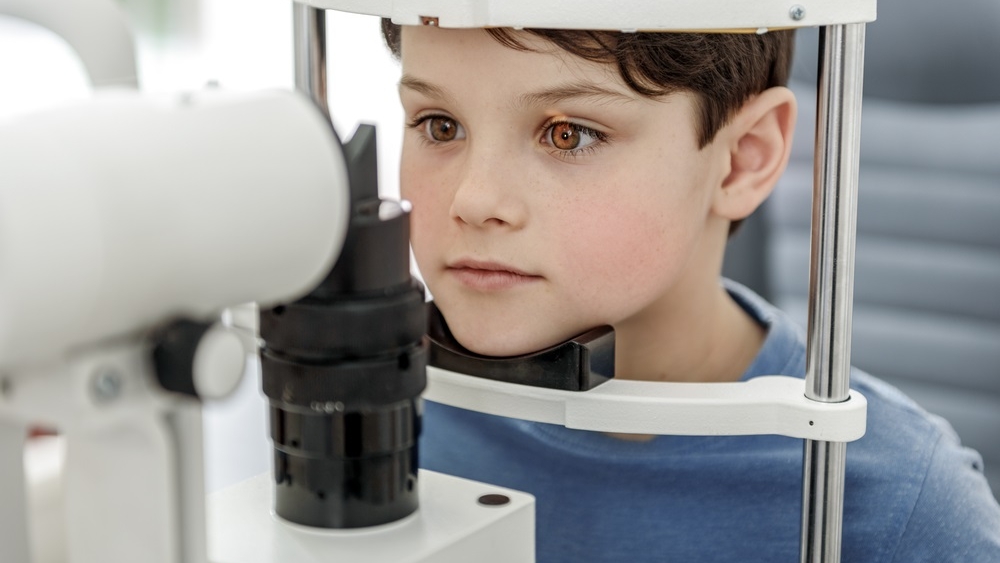
Attentive boy is looking in special apparatus, checking his eye sight.

From Blurry to Brilliant: How Eye Exams Improve Learning Outcomes in Children

As parents, we prioritize our children’s overall health and well-being by making sure they receive proper nutrition, regular check-ups, and vaccinations. However, one aspect of their health that is sometimes overlooked is their vision. The ability to see clearly plays a crucial role in a child’s learning and development. Undiagnosed vision problems can significantly impact their educational progress and overall quality of life.

The Connection between Vision and Learning:

According to the American Optometric Association, one in four school-age children has a vision disorder, yet school vision screenings miss up to 75 percent of children with vision problems. Vision is essential for the learning process, as it allows children to gather information from their surroundings. Children’s Clear Vision states, “It is estimated that over 60% of problem learners have undiagnosed vision problems and 80% of learning in the classroom is visual”. In the early years of a child’s life, they rely heavily on visual cues to explore their environment, learn language, and develop fine motor skills. Thus, any undetected vision problems can hinder their ability to absorb and process information effectively.

Common Vision Problems in Children:

Several vision problems can affect children, including refractive errors (nearsightedness, farsightedness, astigmatism), lazy eye (amblyopia), crossed or misaligned eyes (strabismus), and difficulty focusing (accommodative disorders). These conditions may occur independently or in combination, leading to challenges in reading, writing, and comprehension.

The Impact of Vision Problems on Learning:

Academic Performance: Uncorrected vision problems can hamper a child’s academic performance. They may struggle to read, write, and maintain focus, leading to difficulties in various subjects. Over time, this can lead to a lack of confidence and decreased motivation to learn.

Developmental Delays: Vision problems can cause developmental delays in young children. Early childhood is a critical period for brain development, and any disruption in visual input can impede the formation of neural connections. This can hinder the acquisition of important skills, such as hand-eye coordination, spatial awareness, and visual-motor integration.

Behavioral Issues: Undiagnosed vision problems can manifest as behavioral issues. Children may become frustrated, exhibit poor concentration, or act out in the classroom. These behaviors can be misinterpreted as attention deficit hyperactivity disorder (ADHD) or learning disabilities, leading to unnecessary interventions or medications.

Benefits of Early Intervention:

Improved Learning: Timely identification and correction of vision problems enable children to see clearly and efficiently process visual information. This improves their reading, writing, and comprehension skills, leading to better academic performance and overall learning outcomes.

Enhanced Development: Addressing vision problems early on can minimize the risk of developmental delays. By providing children with clear vision, they can more effectively explore their environment, develop fine motor skills, and acquire essential visual-spatial abilities crucial for activities such as sports and art.

Boosted Confidence: Clear vision allows children to fully participate in various activities, both in and outside the classroom. Improved academic performance and increased participation contribute to enhanced self-esteem and confidence, fostering a positive attitude towards learning and social interaction.

Regular comprehensive eye exams at Bissell Eye Care play a vital role in ensuring early detection and intervention for vision problems in children. These exams evaluate various aspects of vision, such as visual acuity, eye alignment, focusing ability, and eye health.

By identifying and addressing vision problems early on, we can prevent potential learning difficulties and developmental delays. Investing in their visual well-being empowers children to fully explore their world, excel academically, and grow into confident individuals. Let’s prioritize eye exams for kids, and provide them with the clear vision they need to thrive.

To schedule your child’s eye exam call one of our offices at 724-443-6767 or 724-226-0444.


About Bissell Eye Care: John D. Bissell, OD owns and operates Bissell Eye Care servicing Northern Pittsburgh and Alle-Kiski Valley regions. With two locations to treat patients, we offer evening and Saturday appointments. Bissell Eye Care provides comprehensive eye examinations for the entire family beginning as early as 6 months, ocular disease detection and treatment, eyeglasses, sunglasses, activewear, contact lenses, and low vision examinations for those with significant vision loss. We accept most types of vision and health insurance plans. For more Information, visit bisselleyecare.com or call our Bakerstown Office at 724-443-6767 or Natrona Heights office at 724-226-0444.

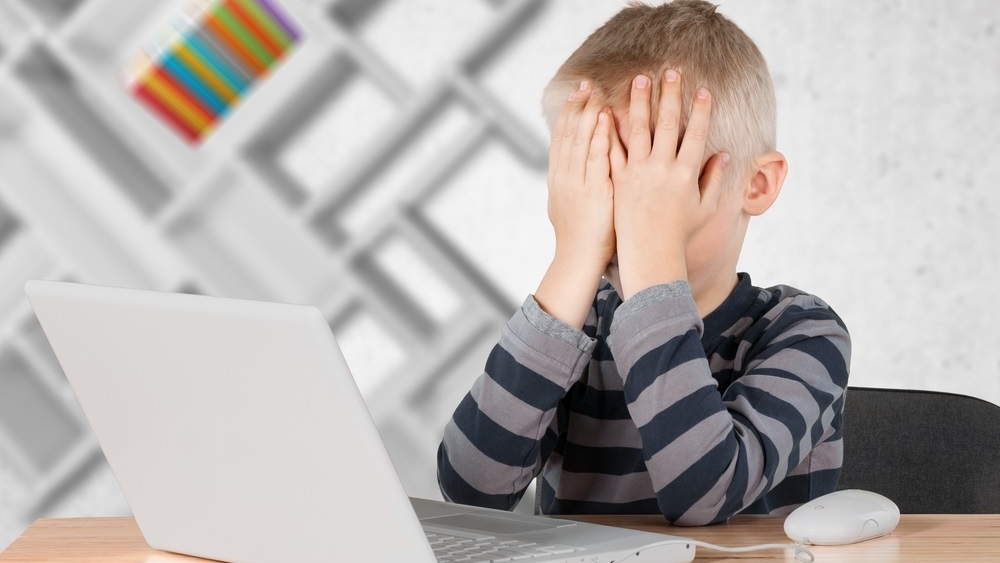
A Little Boy With His Hands Over His Eyes Sitting In Front Of His Computer

From Backpacks to Blue Light: Tips on Preserving Eye Health in the Back-to-School Hustle

The excitement of going back to school is often accompanied by a flurry of preparations, from shopping for school supplies to adjusting to new routines. However, in our increasingly digital world, another aspect that parents need to be mindful of is the potential for eye strain and blue technology overload in children. 

Do you find yourself spending more time in front of your computer? Working from home, remote learning for your kids, texting, social media, TV – we never seem to be able to take a break from technology. The artificial blue light emitted from our smart devices is high-energy and can have some long-term effects on our vision.

Blue light is all around us, there are both natural blue light and artificial blue light. Natural blue light comes from the sun. It is a short wavelength of visible blue light and high in energy. Artificial blue light, also a short wavelength of visible blue light, is high-energy and remains high all the time. Prolonged exposure to blue light has been shown to damage the retina, the part of the eye that detects qualities such as color and light intensity.

Signs of Blue Technology Overload:

The term “blue technology overload” refers to the excessive use of digital devices that emit blue light, such as smartphones, tablets, computers, and even LED lighting. Blue light has a shorter wavelength and higher energy compared to other visible light, and prolonged exposure can have negative effects on our eyes and sleep patterns.

Do your children mention or complain of the following symptoms?

  • Eye Discomfort: One of the most common signs is eye discomfort or strain. Children might complain of dryness, irritation, or a burning sensation in their eyes after extended periods of screen time.
  • Digital Eye Strain: Also known as “computer vision syndrome,” this can manifest as headaches, blurred vision, and difficulty focusing on objects at different distances.
  • Sleep Disturbances: Exposure to blue light, especially before bedtime, can interfere with the body’s natural production of melatonin, a hormone that regulates sleep. This can lead to difficulties falling asleep and disrupted sleep patterns.
  • Irritability and Fatigue: Too much screen time can contribute to increased irritability and fatigue, affecting your child’s mood and overall well-being.

How to Minimize Blue Light Exposure:

While it might be challenging to eliminate screen time, there are several steps you can take to minimize your child’s exposure to blue light and reduce the risk of eye strain:

  • Set Screen Time Limits: Establish clear rules regarding screen time duration. Encourage breaks every 20-30 minutes to give their eyes a rest.
  • Use Blue Light Filters: Many devices now offer built-in blue light filters that can be activated to reduce the amount of blue light emitted. Additionally, consider installing screen-filtering apps or software that adjust the color temperature of the display.
  • Promote Outdoor Activities: Encourage your child to engage in outdoor activities and spend time away from screens. This not only reduces blue light exposure but also supports their overall physical and mental well-being.
  • Create a Device-Free Bedtime Routine: Establish a device-free period at least an hour before bedtime to help your child’s body adjust to the natural sleep-wake cycle.
  • Proper Lighting: Ensure that the room where your child uses digital devices has appropriate lighting. Avoid harsh overhead lighting that can contribute to glare on screens.
  • Regular Eye Exams: Schedule regular eye exams for your child. An eye care professional can detect early signs of eye strain and provide guidance on maintaining healthy vision.
  • Encourage Healthy Habits: Teach your child the importance of the 20-20-20 rule: Every 20 minutes, look at something 20 feet away for at least 20 seconds. This helps relax eye muscles.

As the new school year approaches, it’s important to strike a balance between the benefits of technology in education and the potential risks it poses to our children’s eye health and well-being. By understanding the signs of blue technology overload and adopting healthy screen time habits, you can ensure that your child’s back-to-school experience is not only productive but also comfortable and safe for their eyes. For questions about blue light protection and eye strain, call our office at 724-443-6767 or 724-226-0444.


About Bissell Eye Care: John D. Bissell, OD owns and operates Bissell Eye Care servicing Northern Pittsburgh and Alle-Kiski Valley regions. With two locations to treat patients, we offer evening and Saturday appointments. Bissell Eye Care provides comprehensive eye examinations for the entire family beginning as early as 6 months, ocular disease detection and treatment, eyeglasses, sunglasses, activewear, contact lenses, and low vision examinations for those with significant vision loss. We accept most types of vision and health insurance plans. For more Information, visit bisselleyecare.com or call our Bakerstown Office at 724-443-6767 or Natrona Heights office at 724-226-0444.
Depositphotos_52636759_S

Tips for a Safe 4th of July Celebrations

Fireworks have long been associated with celebrations, captivating audiences with their vibrant displays of light and color. However, it’s crucial to remember that fireworks are not just innocent sources of entertainment. They come with inherent risks and dangers, particularly when handled by untrained individuals. By raising awareness about fireworks safety, we hope to ensure that celebrations remain accident-free for everyone involved.

Personal fireworks, such as firecrackers, bottle rockets, and Roman candles, may seem harmless when viewed from afar. However, the reality is far from it. In untrained hands, these pyrotechnic devices can quickly become dangerous projectiles. Fireworks can be highly unpredictable, with occasional malfunctions or irregular fusing leading to unexpected explosions. This unpredictability increases the risk of accidents and injuries.

Sparklers: A Deceptive Threat

Sparklers are often considered a safer alternative to traditional fireworks, especially for children. However, they still pose significant dangers and should be handled with extreme caution.

Here’s why:

High Temperature: Sparklers burn at extremely high temperatures, often exceeding 1,000 degrees Fahrenheit. This intense heat can cause severe burns, particularly when mishandled or brought too close to the body or clothing.

Lack of Supervision: Sparklers are often handed to young children, who may not fully understand the potential risks involved. Without proper adult supervision, accidents can easily occur.

Eye Injuries: While sparklers are not as visually intimidating as larger fireworks, they still pose a significant risk to the eyes. Small sparks or ignited metal fragments can cause eye injuries, leading to permanent vision loss if not treated promptly.

Alternatives to sparklers that can be just as enjoyable and safe.

  • Glow Sticks: Glow sticks are a popular alternative that provide a colorful and captivating experience for children. They are safe, easy to use, and come in various shapes and sizes. Children can wear them as bracelets, necklaces, or even create glowing designs in the dark.
  • LED Balloons: LED balloons are a fun and visually appealing option. These balloons contain LED lights inside that create a glowing effect. Children can play with them, toss them around, or even have balloon races in the evening.
  • Light-up Wands and Toys: There are a variety of light-up wands, swords, and toys available that emit colorful lights without any fire or spark. Children can wave them around, create light patterns, and enjoy their own light show.
  • Confetti Poppers: Confetti poppers are a safe and exciting way to add a festive touch to celebrations. These handheld devices shoot out colorful confetti when the string is pulled, creating a joyful atmosphere for children to enjoy.
  • Patriotic Crafts and Art Activities: Engage children in patriotic crafts and art activities to celebrate the 4th of July. They can create their own flags, decorate T-shirts with fabric paint, or make festive crafts using red, white, and blue materials.
  • Outdoor Games: Plan a variety of outdoor games to keep children entertained. Classic games like sack races, three-legged races, or water balloon tosses can be a lot of fun and provide an active and engaging experience for everyone.

Remember, always prioritize the safety and age-appropriateness of the activities. Adult supervision is crucial to ensure a secure and enjoyable celebration for young children. These alternatives keep the focus on fun, creativity, and togetherness during the 4th of July festivities. Despite warnings and safety campaigns, fireworks-related injuries continue to occur each year, with a substantial portion of these incidents involving eye injuries.

If you suffer an injury due to fireworks, especially to your eyes, seek help immediately.

  • Do not rub the eyes
  • Do not rinse the eyes
  • Do not apply pressure
  • Do not put on ointments or take any blood-thinning pain medication

The safest way to watch fireworks is for you to let somebody else light off the fireworks. When we say someone else, we mean a professional – as in – go to a fireworks show. If you have any questions or need information on eye injury following an accident, call Bissell Eye Care at (724) 444-6767 or 724-226-0444.

Remember 4th of July is about enjoying our freedom.  Be sure to thank a Veteran and their family for their sacrifice and service.  Wishing you and your family a happy and safe summer.


About Bissell Eye Care: John D. Bissell, OD owns and operates Bissell Eye Care servicing Northern Pittsburgh and Alle-Kiski Valley regions. With two locations to treat patients, we offer evening and Saturday appointments. Bissell Eye Care provides comprehensive eye examinations for the entire family beginning as early as 6 months, ocular disease detection and treatment, eyeglasses, sunglasses, activewear, contact lenses, and low vision examinations for those with significant vision loss. We accept most types of vision and health insurance plans. For more information, visit bisselleyecare.com or call our Bakerstown Office at 724-443-6767 or Natrona Heights office at 724-226-0444.

dark summer sunglasses on bright summer day on beach towel with blue water in the background

Summer, Sunglasses & Sunscreen

It seems like June and summer hit all at once. As we enjoy the outdoor activities of summer, sunscreen and sunglasses are a winning combination. Sunglasses are an easy solution that makes life more comfortable when outdoors, while also providing critical protection from the sun’s damaging ultraviolet (UV) rays.  But…all sunglasses don’t provide the protection you need to protect your eyes. UV sunglasses play a crucial role in protecting our eyes from the harmful effects of ultraviolet (UV) rays.

Importance of UV Sunglasses:

UV rays, particularly UVA and UVB, can cause significant damage to our eyes. Prolonged exposure to UV radiation can lead to various eye conditions, including cataracts, macular degeneration, and photokeratitis (sunburn of the cornea). Wearing UV sunglasses helps minimize the risk of these problems and ensures long-term eye health.

Effect of UV Rays on Cataracts:

Cataracts occur when the lens of the eye becomes clouded, resulting in blurry vision. UV radiation is a known risk factor for cataracts. The lens of the eye is highly sensitive to UV rays, and prolonged exposure can accelerate the formation and progression of cataracts. Wearing UV-protective sunglasses helps reduce the cumulative exposure to UV radiation and lowers the risk of cataract development.

How to Choose Sunglasses:

When choosing sunglasses for UV protection, consider the following factors:

  • UV Protection: Look for sunglasses that provide 100% UV protection or block both UVA and UVB rays. The label should indicate this feature.
  • Lens Quality: Opt for sunglasses with high-quality lenses that offer clear and undistorted vision.
  • Lens Color: While lens color doesn’t necessarily indicate UV protection, gray, green, and brown lenses are good choices as they reduce brightness without altering colors.
  • Polarized Lenses: Polarized sunglasses can help reduce glare, improving visual comfort, especially in outdoor activities near water or snow.
  • Fit and Coverage: Select sunglasses that fit well and provide adequate coverage, ensuring that UV rays don’t reach your eyes from the sides or top.

Sunglasses and Kids:

  • Protecting children’s eyes from UV rays is equally important. Here are some considerations:
  • Look for sunglasses specifically designed for children, as they are more likely to fit properly.
  • Choose sunglasses that offer 100% UV protection.
  • Opt for shatterproof lenses, as children are generally more active and prone to accidents.
  • Consider wraparound styles or sunglasses with side shields to provide better coverage.
  • Encourage children to wear sunglasses, especially during peak UV exposure times, such as midday.

Remember, in addition to wearing sunglasses, it’s essential to practice other sun safety measures, such as wearing a wide-brimmed hat and applying sunscreen around the eyes, for comprehensive eye protection during the summer or when exposed to strong sunlight.  Time to hit the pool and enjoy the summer.  If you have any questions on the best sunglasses for you or your family, call Bissell Eye Care at (724) 444-6767 or 724-226-0444.


About Bissell Eye Care: John D. Bissell, OD owns and operates Bissell Eye Care servicing Northern Pittsburgh and Alle-Kiski Valley regions. With two locations to treat patients, we offer evening and Saturday appointments. Bissell Eye Care provides comprehensive eye examinations for the entire family beginning as early as 6 months, ocular disease detection and treatment, eyeglasses, sunglasses, activewear, contact lenses, and low vision examinations for those with significant vision loss. We accept most types of vision and health insurance plans. For more information, visit bisselleyecare.com or call our Bakerstown Office at 724-443-6767 or Natrona Heights office at 724-226-0444.

An outline diagram of an eye viewed sideways with Eye Floaters printed above it.

Causes of Eye Floaters

Ever have a spot or line appear in your field of vision? Eye floaters are a common term for this. Most of the time, when you gaze at something bright, such as a white screen or the sky, these floaters will appear in your range of vision. When you glance around, you may see these areas, which have the appearance of floating. One or both eyes may have eye floaters.

The retina, the inner, light-sensitive layer of the eye, really sees floaters as shadows, even though they may appear to be in front of the eye. Floaters can resemble dots, threads, or cobwebs, among other things. When you try to look at floaters, they could dart away. The floaters move with the eyes because they are inside the eye.

Strands, deposits, or liquid pockets that form on the vitreous humor, or the back of the eye, are what give rise to floating objects. This area of the eye is where light traveling to the retina passes. It takes up the rear two-thirds of the eye and resembles jelly.

These strands, deposits, or liquid pockets that block light cause the surface of the retina to cast a tiny shadow, which is what is perceived as floaters. Usually, they are either gray or black in hue. These shadows provide the impression of moving up, down, left, and right as the eye moves. Patients frequently report seeing a dot or spot hovering in their range of vision because of this.

Risk Elements for Flashes and Floaters

According to Stanford Medicine certain factors make it more likely to develop floaters and flashes: being nearsighted (myopia), undergoing cataract surgery, developing eye inflammation (uveitis), getting YAG laser surgery, injuring your eye.

Most people over the age of 70 suffer from some kind of floater, and about 50% of those over the age of 60 have them as well. Many people initially notice them, but within a few months they may discover that they are less obvious as the brain and eye start to ignore them or become used to their being there.

If you notice a flurry of floaters and spots, especially if they come with light flashes, seek emergency medical attention from an eye care specialist.

Maintain your regular checkups with the doctors at Bissell Eye Care, and let us know if you detect any visual changes like floaters. Grab your sunglasses, go outside, and enjoy the summer!


About Bissell Eye Care: John D. Bissell, OD owns and operates Bissell Eye Care servicing Northern Pittsburgh and Alle-Kiski Valley regions. With two locations to treat patients, we offer evening and Saturday appointments. Bissell Eye Care provides comprehensive eye examinations for the entire family beginning as early as 6 months, ocular disease detection and treatment, eyeglasses, sunglasses, activewear, contact lenses, and low vision examinations for those with significant vision loss. We accept most types of vision and health insurance plans. For more Information, visit bisselleyecare.com or call our Bakerstown Office at 724-443-6767 or Natrona Heights office at 724-226-0444.
A caricature of an eye lifting a barbell with Healthy Eyes in Script on background.

How is Your Eye Health Stacking Up?

Good eye health involves having clear vision, comfortable eyes, and normal visual function, which are essential for daily activities such as reading, driving, and using electronic devices. Patients take their eyesight for granted until they begin having problems with their vision. Keeping up with annual checkups is as important as your annual physical. Having good vision and healthy eyes may determine your ability to remain independent and self-sufficient.

Tips To Maintain Optimal Eye Health

EAT A BALANCED DIET

As part of your healthy diet, choose foods rich in antioxidants, like vitamins A and C, foods like leafy, green vegetables and fish. Many foods – especially fatty fish such as salmon, contain essential omega-3 fatty acids that are important to the health of the macula, the part of the eye responsible for central vision. As the gardening season gets underway, be sure those green vegetables are part of your crop. High-fat diets can also cause deposits that constrict blood flow in the arteries. The eyes are especially sensitive to this, given the small size of the blood vessels that feed them.

DRINK WATER 

Did you know that drinking water can help keep your eyes hydrated and prevent dryness?

EXERCISE

Not only is exercise good for the body, but the increased blood circulation improves the oxygen level to the eyes.

USE SAFETY EYEWEAR

Chemical splashes and flying debris are the main causes of injury. Wear safety glasses or protective goggles at home while working in the yard, or at work to prevent airborne materials from entering your eye.

Sports like ice hockey, racquetball, and lacrosse can also lead to eye injury. Wear eye protection. Helmets with protective face masks or sports goggles with polycarbonate lenses will shield your eyes.

CATCH YOUR ZZZZs

How are you sleeping? A good night’s sleep allows your eyes to replenish their supply of natural tears. Go too long without enough sleep, and you may begin to notice twitchy eyelids, eye strain, or dry eyes.

STOP SMOKING

Smoking increases the risk of eye diseases such as cataracts and age-related macular degeneration. Tobacco smoke worsens dry eyes.

MANAGE CHRONIC HEALTH CONDITIONS

Not only is it good for your overall health, but managing conditions such as diabetes and hypertension can impact your eye health as well.

WASH YOUR HANDS

Maintaining good hygiene practices will help to prevent eye infections. Always remove makeup before going to bed. Bacteria will form on your eyelashes and require daily eyelid hygiene. Like brushing your teeth, your eyelids need daily care. Hot compresses help keep tear-producing glands working at top efficiency.

BREAK OUT THE SUNGLASSES

Exposure to ultraviolet UV light raises the risk of eye diseases, including cataracts, fleshy growths on the eye, and cancer.

DEVICES AND BLUE LIGHT OVERLOAD

Digital devices have become appendages – TV, computers, tablets, iPads, and smartphones. Between work and personal use, we can’t get away from technology. These devices expose your eyes to high energy blue light. It’s called blue light because the wavelengths emitted are near the bluer part of the spectrum. To avoid digital eye strain, take a break every 20 minutes, blink often, keep your computer screen within 20-24 inches of your eye, and adjust the lighting to minimize glare.

During a comprehensive eye exam at Bissell Eye Care, dilation and our state-of-the-art technology allow the doctors to look at the overall health of your eyes. Did you know that sometimes underlying medical conditions in your overall health could be uncovered during a comprehensive exam?

Be proactive, stay healthy, and protect your eyesight with annual eye exams. Make Eye Appointments A Priority! Call our office at 724-444-6767 or 724-226-0444 to schedule your eye exam today!


About Bissell Eye Care: John D. Bissell, OD owns and operates Bissell Eye Care servicing Northern Pittsburgh and Alle-Kiski Valley regions. With two locations to treat patients, we offer evening and Saturday appointments. Bissell Eye Care provides comprehensive eye examinations for the entire family beginning as early as 6 months, ocular disease detection and treatment, eyeglasses, sunglasses, activewear, contact lenses, and low vision examinations for those with significant vision loss. We accept most types of vision and health insurance plans. For more Information, visit bisselleyecare.com or call our Bakerstown Office at 724-443-6767 or Natrona Heights office at 724-226-0444.
Gardener with full face protection using a trimmer while trimming around flowers

Spring Cleanup and Eye Injuries

The trees are budding, the flowers are starting to bloom, and outdoor work is in full swing. Spring cleanup can involve a lot of physical work and exposure to potentially hazardous materials and tools. These activities can lead to an increased risk of eye injuries.

EYE INJURY CAUSES AND PREVENTION TIPS:

Yard work: Cleaning up the yard often involves using sharp tools such as pruning shears, hedge trimmers, and chainsaws. Debris such as branches, twigs, and rocks can fly up and hit the eyes, causing injury. Wear safety glasses or goggles with side shields that are specifically designed for yard work.

Cleaning: Cleaning the house and garage can also pose a risk for eye injuries. Dust, dirt, and other debris can get into the eyes and cause irritation or injury. If you are using chemical cleaners, make sure to read and follow the manufacturer’s instructions carefully and understand what to do if injured. To prevent these injuries, wear protective glasses or goggles.

Allergies: Spring is also a time when allergies can flare up, causing eye irritation and redness. To minimize eye allergies, avoid touching your eyes with your hands, and wash your hands frequently to remove allergens. Use over-the-counter eye drops to relieve the symptoms of eye allergies.

If you do experience an eye injury, seek medical attention right away. Delaying treatment can lead to further damage and potentially permanent vision loss.

WHAT CONSTITUTES AN EYE EMERGENCY?

Pain frequently accompanies eye emergencies. Eye injuries, chemical burns, sudden vision loss or blurriness, eye scrapes, flashes of light, floaters, and sudden headaches with or without visual consequences would all be considered emergencies and require medical attention. At Bissell Eye Care, we have cutting-edge equipment that can examine the back of the eye to decide the best course of action.

Any sudden or obvious change in your vision’s quality needs to be treated right away. Vision alterations frequently point to a retinal or corneal abnormality that, if left untreated, can result in permanent vision loss. Retinal detachment is one such problem. You might have a detached retina if you’re experiencing flashing lights, spots, or a shower of floating spots inside your eye.

Eye redness should, wherever feasible, be examined by the doctors at Bissell Eye Care who can determine the kind of conjunctivitis and provide the appropriate course of therapy.

The best method to prevent an avoidable eye infection or injury is to follow good eye health and safety procedures. This entails using protective eyewear in risky working situations, scheduling yearly eye exams, wearing sunglasses to shield your eyes from UV rays, wearing blue light blocking eyewear when using computers or other portable devices, and maintaining good contact lens hygiene.

Bissell Eye Care is available if you have inquiries or concerns about your vision, an injury, or eye disease.  call our office at 724-443-6767 or 724-226-0444.


About Bissell Eye Care: John D. Bissell, OD owns and operates Bissell Eye Care servicing Northern Pittsburgh and Alle-Kiski Valley regions. With two locations to treat patients, we offer evening and Saturday appointments. Bissell Eye Care provides comprehensive eye examinations for the entire family beginning as early as 6 months, ocular disease detection and treatment, eyeglasses, sunglasses, activewear, contact lenses, and low vision examinations for those with significant vision loss. We accept most types of vision and health insurance plans. For more information, visit bisselleyecare.com or call our Bakerstown Office at 724-443-6767 or Natrona Heights office at 724-226-0444.
Hand putting check mark with green marker on excellent in Health Status evaluation form.

National Women’s Eye Health Month

Every year in April, we celebrate Women’s Eye Health and Safety Month to raise awareness about the importance of eye health and safety for women. According to the National Eye Institute, women are more likely to suffer from eye diseases than men, and they are also more likely to be visually impaired or blind. 

Because of changes in estrogen levels, women’s eye health might fluctuate during puberty, pregnancy, and menopause.

Increased estrogen levels throughout puberty may alter the size and structure of the eye, which may result in nearsightedness or farsightedness. These alterations may also raise the chance of contracting diseases like keratoconus or dry eye syndrome.

Elevated amounts of estrogen and progesterone during pregnancy cause abnormalities in the cornea, lens, and retina. Temporary vision alterations like blurriness, light sensitivity, or difficulties seeing at night may result from these changes. Pregnancy can occasionally raise your risk of getting diseases like gestational diabetes, which can harm your eyes.

The drop in estrogen levels that occurs after menopause can result in dry eye syndrome, which can be uncomfortable, impaired vision, and corneal damage. The risk of getting cataracts, macular degeneration, and other age-related eye disorders can also rise after menopause.

In general, women should get routine eye exams throughout their lifetimes, but especially during these times of hormonal transition, to make sure that any abnormalities in vision or eye health are quickly identified and treated.

TIPS TO MAINTAIN OPTIMAL EYE HEALTH

  • Protect your eyes from the sun: The sun’s ultraviolet rays can cause cataracts and macular degeneration, so it’s essential to wear sunglasses that block 100% of UV rays. Additionally, wear a wide-brimmed hat to provide additional protection.
  • Eat a healthy diet: A diet rich in fruits and vegetables, particularly dark leafy greens, can help maintain eye health. Foods high in omega-3 fatty acids, such as salmon and flaxseed, can also help reduce the risk of macular degeneration.
  • Quit smoking: Smoking is a significant risk factor for age-related macular degeneration, cataracts, other eye diseases, and overall health.
  • Give your eyes a break: Spending too much time in front of a computer or other digital device can cause eye strain and dry eyes. Take regular breaks to rest your eyes, blink frequently, and use artificial tears if needed.
  • Practice good hygiene: Always wash your hands before touching your eyes or applying makeup. Avoid sharing makeup or makeup brushes with others, as this can lead to the spread of bacteria.
  • Manage chronic conditions: Diabetes, high blood pressure, and other chronic conditions can increase the risk of eye disease. It’s essential to manage these conditions through proper diet, exercise, and medication to help protect your eyes.

Women’s Eye Health and Safety Month serves as a reminder for women to prioritize their eye health and safety. By following these tips and getting regular eye exams, you can help maintain optimal eye health and prevent vision loss. Take charge of your eye health and protect your vision for years to come. Remember, your eyes are precious, so take care of them! To learn more or schedule an eye exam, call our office at 724-443-6767 or 724-226-0444.


About Bissell Eye Care: John D. Bissell, OD owns and operates Bissell Eye Care servicing Northern Pittsburgh and Alle-Kiski Valley regions. With two locations to treat patients, we offer evening and Saturday appointments. Bissell Eye Care provides comprehensive eye examinations for the entire family beginning as early as 6 months, ocular disease detection and treatment, eyeglasses, sunglasses, activewear, contact lenses, and low vision examinations for those with significant vision loss. We accept most types of vision and health insurance plans. For more information, visit bisselleyecare.com or call our Bakerstown Office at 724-443-6767 or Natrona Heights office at 724-226-0444.