
Family gatherings and socializing on the beach at sunset. The family walks along the sandy beach. Contact Lens safety near water

Contact Lens Care in the Heat: Best Practices for Summer Activities

Summer is the season of outdoor fun. Days are filled with beach days, pool parties, hikes, and sports in the sun. It’s a time when we all want to be outside, soaking up the warm weather and enjoying every moment of the longer days. However, while these activities are refreshing for the soul, they can present unique challenges for those who wear contact lenses. The combination of hot weather, increased exposure to the elements, and heightened levels of physical activity can sometimes lead to discomfort, dryness, and even potential risks for your eyes if your lenses aren’t properly cared for.

Sweat, sunscreen, and sand can all make their way into your eyes, causing irritation and making it difficult for your lenses to stay clean. Moreover, the sun’s strong UV rays and exposure to chlorinated or salt water can further complicate things, potentially leading to dry or irritated eyes. Therefore, understanding how to properly care for your contact lenses during these months is essential—not only for comfort but also for maintaining your eye health and preventing infections. By following a few simple guidelines, you can ensure that your eyes stay healthy and your vision remains clear, allowing you to fully enjoy all that summer has to offer.

Here are some key tips to help you navigate the summer heat with ease and confidence while wearing your contact lenses.

1. Hydration is Key

The summer heat can lead to dehydration, which affects your entire body, including your eyes. Dehydrated eyes can become dry, making contact lenses uncomfortable to wear. Ensure you stay hydrated by drinking plenty of water throughout the day. Consider using rewetting drops approved for contact lens use to keep your lenses moist and comfortable.

2. Wear Sunglasses to Protect Your Eyes

Exposure to UV rays is harmful to your eyes, and contact lenses alone don’t provide full protection. Wearing sunglasses with 100% UV protection is important, especially during the summer. Look for wraparound styles that offer more coverage. These types of sunglasses shield your eyes from the sides as well as the front. This not only protects your eyes but also helps prevent your contact lenses from drying out.

3. Be Cautious with Water Activities

Swimming in pools, lakes, or the ocean with contact lenses can be risky. Water can introduce harmful bacteria and pathogens that may lead to serious eye infections. If you plan to swim, it’s best to wear daily disposable lenses and discard them immediately after swimming. Better yet, consider wearing prescription swim goggles to protect your eyes while ensuring clear vision.

4. Practice Good Hygiene on the Go

Summer often means travel, whether for a weekend getaway or a longer vacation. When you’re on the go, maintaining proper hygiene with your contact lenses is essential. Always wash your hands with soap and water before handling your lenses, and never use water to clean them. Carry travel-sized contact lens solution and a clean case to store your lenses. If you’re flying, remember to pack your contact lens supplies in your carry-on bag in case of delays.

5. Manage Allergies Proactively

Summer can be a challenging time for those with allergies, as pollen and other allergens are prevalent. Allergens can adhere to your contact lenses, causing discomfort and irritation. Consider using daily disposable lenses during allergy season to reduce allergen buildup. Additionally, wearing sunglasses outdoors can help shield your eyes from airborne allergens.

6. Avoid Direct Sunlight Exposure

Direct exposure to intense sunlight can dry out your contact lenses and make your eyes feel uncomfortable. If you’re spending extended periods outdoors, take breaks in the shade and use lubricating eye drops as needed. Wearing a wide-brimmed hat can also help reduce direct sunlight on your face and eyes, keeping you cooler and more comfortable.

7. Don’t Forget Your Spare Glasses

Accidents happen, and it’s always a good idea to have a backup plan. Carrying a pair of prescription glasses with you can be a lifesaver if you need to remove your contact lenses unexpectedly. Whether your lenses become uncomfortable, you lose one, or you’re simply giving your eyes a break, having glasses on hand ensures you’re never without clear vision.

Summer activities can be enjoyed to the fullest when you take the necessary steps to care for your contact lenses in the heat. By staying hydrated, protecting your eyes from UV rays, and practicing good lens hygiene, you can keep your eyes healthy and comfortable all season long.

For questions or concerns regarding contact lens care please contact our office at 724-443-6767 or 724-226-0444.


About Bissell Eye Care: John D. Bissell, OD owns and operates Bissell Eye Care servicing Northern Pittsburgh and Alle-Kiski Valley regions. With two locations to treat patients, we offer evening appointments. Bissell Eye Care provides comprehensive eye examinations for the entire family beginning as early as 6 months, ocular disease detection and treatment, eyeglasses, sunglasses, activewear, contact lenses, and low vision examinations for those with significant vision loss. We accept most types of vision and health insurance plans. For more information, visit bisselleyecare.com or call our Bakerstown Office at 724-443-6767 or Natrona Heights office at 724-226-0444.

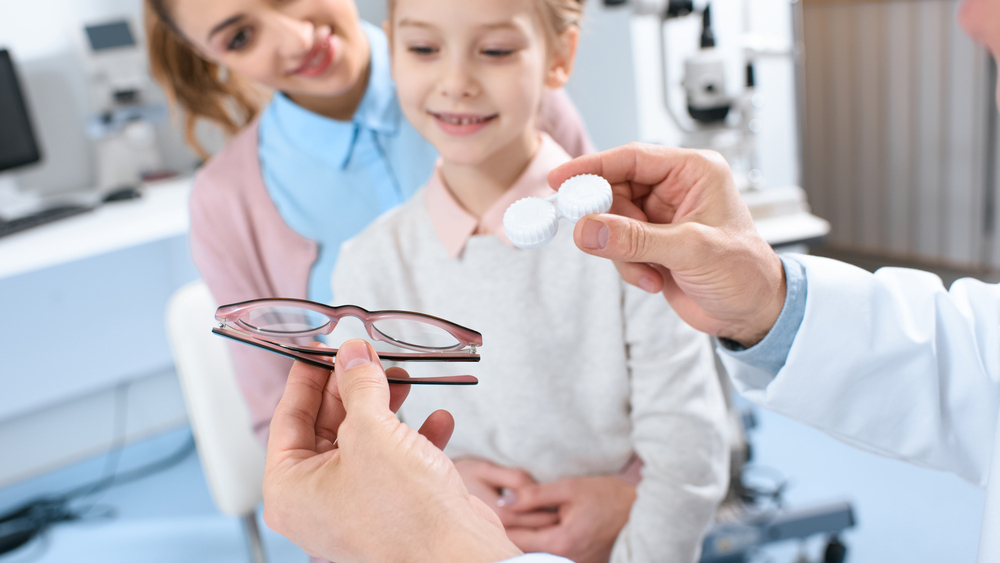
young childs in eye exam room geting fitted for contacts and glasses. Is my child ready for contacts.

Is My Child Ready for Contacts? A Parent’s Guide to Making the Decision

As children grow, their needs and preferences evolve—sometimes in surprising ways. The request for contact lenses is one common milestone that often leaves parents wondering is now the right time. Whether it’s for sports, aesthetics, or simply the desire to ditch glasses, many kids eventually ask, “Can I get contacts?” But how do you know if your child is truly ready? Here are some tips to help you decide if contact lenses are the right choice for your child.

Understanding the Basics: What Are Contact Lenses?

Contact lenses are thin, curved discs that sit directly on the surface of the eye to correct vision. They can be used to correct the same issues that glasses address, such as nearsightedness, farsightedness, astigmatism, and even presbyopia. Contacts offer some unique benefits, especially for active children, as they provide a wider field of vision and don’t get in the way during physical activities.

Signs Your Child May Be Ready for Contacts

Every child is different, and readiness for contact lenses isn’t determined solely by age. Instead, it’s about a combination of factors, including responsibility, maturity, and lifestyle. Here are some signs that your child may be ready to make the switch:

1. Maturity and Responsibility

The most important factor in determining whether your child is ready for contacts is their level of responsibility. Wearing contacts requires daily care and hygiene. Your child needs to be able to follow instructions carefully, clean their lenses regularly, and handle them with clean hands to avoid eye infections. If your child reliably handles other responsibilities, such as homework and chores, they may be ready for the added responsibility of contact lenses.

2. Expressing a Strong Interest

If your child has been asking for contact lenses and seems genuinely motivated to wear them, this is a good sign. A child who is interested in contacts is more likely to be diligent about taking care of them. This interest might stem from wanting to participate in sports without the hassle of glasses, feeling more confident without glasses, or simply wanting a change.

3. Active Lifestyle

For children involved in sports or other physical activities, contact lenses can offer significant advantages. Contacts don’t fog up, fall off, or get in the way during activities. They also provide better peripheral vision, which can be beneficial in sports. If your child frequently complains about their glasses interfering with their activities, contacts might be a good solution.

4. Discomfort or Dissatisfaction with Glasses

Some children find glasses uncomfortable or dislike how they look in them. If your child frequently expresses discomfort or is unhappy with wearing glasses, contacts could be a suitable alternative. It’s important to have a conversation with your child about why they want contacts and ensure their reasons are based on comfort and practicality, not just peer pressure.

Considerations Before Making the Switch

While there are many benefits to contact lenses, they also come with certain responsibilities and risks. Here are some considerations to keep in mind:

1. Age and Eye Health

There isn’t a specific age at which children should start wearing contacts, but most eye care professionals recommend waiting until a child is at least 8 to 10 years old. At this age, children are typically mature enough to handle the responsibilities that come with contacts. Additionally, it’s essential to ensure your child’s eyes are healthy enough for contacts. An eye exam will help determine if contact lenses are a suitable option for your child.

2. Commitment to Hygiene

Proper hygiene is critical when wearing contacts. Children must be committed to washing their hands before touching their lenses, cleaning the lenses as instructed, and replacing them on schedule. Poor hygiene can lead to eye infections, which can be serious. If your child is prone to skipping steps in their daily routine, contacts may not be the best choice right now.

3. Understanding the Risks

Children (and parents) should be aware of the risks associated with contact lens wear. These include eye infections, irritation, and the potential for more severe eye conditions if lenses are not cared for properly. It’s important to discuss these risks with your child so they understand the importance of following the care instructions provided by their eye care professional.

4. Financial Considerations

Contacts can be more expensive than glasses due to the need for regular replacement lenses, cleaning solutions, and follow-up eye exams. Consider whether your family is prepared for the ongoing costs associated with contact lenses.

Determining whether your child is ready for contact lenses is a personal decision that depends on your child’s maturity, responsibility level, and lifestyle needs. If your child is motivated, responsible, and ready to take on the extra care that contacts require, they could be an excellent option. However, if you’re unsure, it’s always a good idea to discuss the pros and cons with the doctors at Bissell Eye Care, who can help guide you through the decision-making process. Ultimately, the goal is to ensure your child’s vision is clear, comfortable, and well cared for—whether that’s with glasses, contacts, or a combination of both.

Give our office a call at 724-443-6767 or 724-226-0444 to explore various brands of contact lenses and answer any questions you may have.


About Bissell Eye Care: John D. Bissell, OD owns and operates Bissell Eye Care servicing Northern Pittsburgh and Alle-Kiski Valley regions. With two locations to treat patients, we offer evening appointments. Bissell Eye Care provides comprehensive eye examinations for the entire family beginning as early as 6 months, ocular disease detection and treatment, eyeglasses, sunglasses, activewear, contact lenses, and low vision examinations for those with significant vision loss. We accept most types of vision and health insurance plans. For more information, visit bisselleyecare.com or call our Bakerstown Office at 724-443-6767 or Natrona Heights office at 724-226-0444.

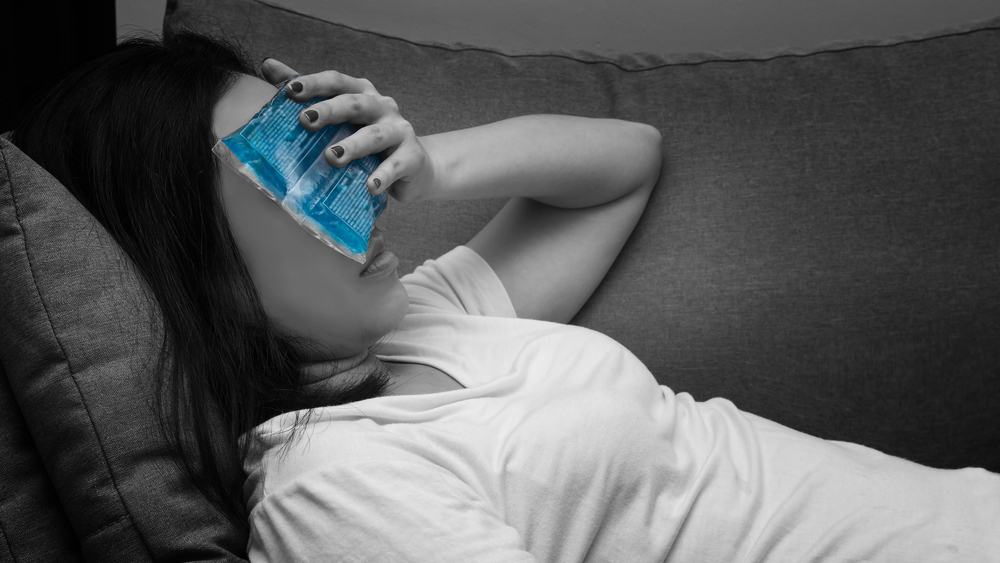
young woman lying on couch with coldpack over her eyes with migraines

Understanding Migraines and Their Impact on Eye Health

Migraines are more than just severe headaches. They can be debilitating episodes that affect various aspects of a person’s life, including their vision. Understanding the connection between migraines and eye care is crucial for managing both conditions effectively.

These intense, throbbing headaches are often accompanied by nausea, vomiting, and sensitivity to light and sound. They can last anywhere from a few hours to several days and can significantly impact daily activities. According to the World Health Organization, migraines are among the most disabling medical conditions globally.

The Connection Between Migraines and Vision

Migraines can have a profound impact on vision. Some common vision-related symptoms include:

  • Visual Aura is a common symptom experienced by about 25% of people with migraines. It usually occurs before the headache starts and lasts for about 20-60 minutes. Auras can include flashing lights, zigzag patterns, or blind spots.
    • Why It Happens: These visual disturbances are caused by changes in the brain’s electrical activity and blood flow, particularly in areas that process visual information.
  • Increased sensitivity to light, known as Photophobia, is a hallmark symptom of migraines. Bright lights can trigger or worsen migraine pain.
    • Why It Happens: Photophobia during migraines is believed to be due to overactivity in the brain areas that process light. The retina and optic nerve may also be more sensitive during a migraine attack.
  • Blurry vision can occur during or after a migraine attack, making it difficult to focus on objects.
    • Why It Happens: Blurry vision may result from the aura or as a side effect of the pain and stress associated with the migraine.
  • Some migraine sufferers report experiencing “Visual Snow,” which appears as tiny flickering dots or static in the visual field.
    • Why It Happens: This phenomenon is not fully understood but is thought to be related to abnormal visual processing in the brain during a migraine.

Eye Conditions That Can Mimic Migraines

Certain eye conditions can present with symptoms similar to migraines, making accurate diagnosis and treatment important. These include:

  • Ocular Migraine: Also known as retinal migraine, it involves repeated episodes of temporary vision loss or visual disturbances in one eye, typically followed by a headache.
  • Angle-Closure Glaucoma: This eye condition causes a rapid increase in eye pressure and can mimic migraine symptoms with sudden, severe eye pain, headache, and visual disturbances.

Regular eye exams are vital for individuals who experience migraines, as they can help rule out or manage eye-related issues. Comprehensive eye exams can detect eye conditions that may contribute to migraine symptoms, such as dry eye, refractive errors, or ocular misalignment. For those with photophobia, specially tinted glasses can help reduce light sensitivity and minimize migraine triggers. Adjusting screen brightness, using anti-glare screens, and taking regular breaks can help reduce eye strain and potentially decrease the frequency of migraines.

According to the Mayo Clinic lifestyle changes can help manage and reduce the frequency of migraines.

These lifestyle changes include:

  • Maintaining a Consistent Sleep Schedule: Irregular sleep patterns can trigger migraines.
  • Staying Hydrated: Dehydration is a common migraine trigger.
  • Managing Stress: Techniques like meditation, yoga, and regular exercise can help reduce stress levels.
  • Avoiding Known Triggers: Identifying and avoiding personal migraine triggers, such as certain foods, caffeine, or alcohol, can prevent attacks.

If you experience new or worsening visual symptoms during a migraine, it’s important to seek medical advice. Sudden vision changes, severe eye pain, or persistent visual disturbances should be evaluated promptly to rule out more serious conditions. Collaboration between eye care professionals at Bissell Eye Care and neurologists can provide a holistic approach to managing migraines and their visual symptoms.

Regular eye care is important to manage the visual disturbances associated with migraines. If you suffer from migraines, consider discussing your symptoms with the doctors at Bissell Eye Care and your healthcare provider to create a comprehensive management plan.


About Bissell Eye Care: John D. Bissell, OD owns and operates Bissell Eye Care servicing Northern Pittsburgh and Alle-Kiski Valley regions. With two locations to treat patients, we offer evening appointments. Bissell Eye Care provides comprehensive eye examinations for the entire family beginning as early as 6 months, ocular disease detection and treatment, eyeglasses, sunglasses, activewear, contact lenses, and low vision examinations for those with significant vision loss. We accept most types of vision and health insurance plans. For more information, visit bisselleyecare.com or call our Bakerstown Office at 724-443-6767 or Natrona Heights office at 724-226-0444.

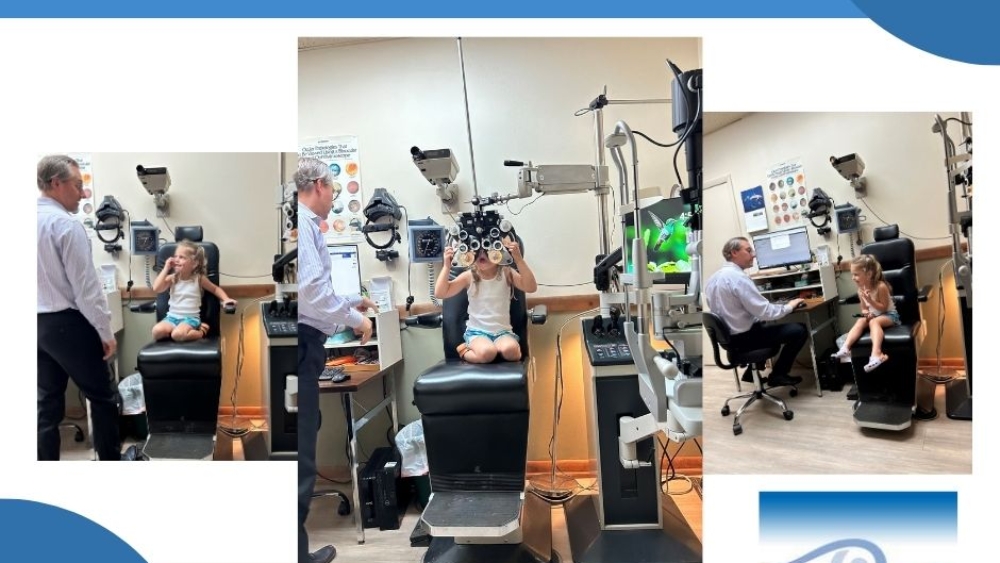
branded image with Bissell logo of young child receiving a comprehensive eye exam

The Importance of Early Diagnosis Through Comprehensive Eye Exams

As parents, recognizing when your child feels unwell or needs medical attention often comes naturally. However, identifying vision problems can be more challenging, especially for younger children who might not realize they aren’t seeing as clearly as they should. Infants and toddlers may not have the verbal skills or awareness to communicate their visual experiences effectively.


The Invisible Struggle

Unlike adults, children lack a baseline to gauge their vision against. For them, the world is new and full of wonder, and they may not perceive that their view is blurred or distorted. As a parent, ensuring your child’s visual world is clear and vibrant is important, and this starts with scheduling routine eye exams. Early diagnosis of vision problems is essential because untreated eye issues can lead to permanent vision loss or developmental delays.

The American Optometric Association (AOA) suggests the following eye exam schedule for children:

  • First Exam: At 6 months old.
  • Second Exam: At 3 years old.
  • Third Exam: Before starting kindergarten, typically around ages 5-6.
  • Ongoing Exams: Every two years if no vision correction is needed; annually if corrective lenses are required.

These comprehensive exams go beyond the basic vision screenings often provided in preschools and elementary schools. While school screenings typically involve reading letters from an eye chart, they do not delve into the eye’s internal health or functional vision issues that can significantly impact a child’s development and learning.

Why Comprehensive Eye Exams Matter

Comprehensive eye exams are vital as they assess more than just how well a child can see an eye chart. They evaluate:

  • Eye teaming (binocularity) skills: How well the eyes work together.
  • Focusing skills: The ability to maintain clear vision at various distances.
  • Peripheral awareness: The ability to see objects outside of the direct line of sight.
  • Eye movement skills: The ability to track moving objects smoothly.
  • Eye/hand coordination: Critical for activities like writing and sports.

Identifying and correcting vision problems early can prevent more serious issues and support your child’s overall development. For instance, conditions like amblyopia (lazy eye) and strabismus (crossed eyes) can often be treated effectively if caught early.

Vision and Learning

Learning to read, and acquiring comprehension, requires well-tuned visual systems. As children grow, their vision plays a pivotal role in learning and interacting with the world.

Clear vision is essential for:
  • Reading and writing: Whether it’s seeing the whiteboard from the back of the class or reading a book, good vision is crucial for academic success.
  • Social interaction: Watching how others interact and respond is a big part of social learning.
  • Safety and independence: Navigating their environment safely and confidently relies on good vision.

Without the ability to see clearly, children may struggle in these areas, putting them at a disadvantage. A child with undiagnosed vision issues might not complain or express difficulty because blurry or unclear vision could be their normal.

As parents, our goal is to provide the best start for our children. This includes making sure they have the vision they need to succeed in all aspects of life. If a child’s vision is impaired, they might not experience pain or discomfort but will simply struggle to see clearly, impacting their ability to learn and interact. Don’t wait until problems arise—make eye exams a routine part of their healthcare.

With 4th of July over, families that are involved in school sports and band are gearing up for another school year. Practices will begin toward the end of the month and before you know it, school shopping will begin. Be sure to include a back to school eye exam on your to do list before your child goes back to the classroom. Give our offices a call – Bakerstown 724-443-6767 or Natrona Heights 724-226-0444 and schedule your back to school appointment today.


About Bissell Eye Care: John D. Bissell, OD owns and operates Bissell Eye Care servicing Northern Pittsburgh and Alle-Kiski Valley regions. With two locations to treat patients, we offer evening appointments. Bissell Eye Care provides comprehensive eye examinations for the entire family beginning as early as 6 months, ocular disease detection and treatment, eyeglasses, sunglasses, activewear, contact lenses, and low vision examinations for those with significant vision loss. We accept most types of vision and health insurance plans. For more information, visit bisselleyecare.com or call our Bakerstown Office at 724-443-6767 or Natrona Heights office at 724-226-0444.

Fireworks safety - American family celebrating Independence Day. Picnic and fireworks on 4th of July - children sitting on ground watching fireworks celebration in big blue sky.

Fireworks Safety and Backyard Celebrations

We are starting to see displays of fireworks in local retail stores. Families are beginning to plan for Fourth of July celebrations. While these shows bring joy and excitement, it’s important to remember that fireworks can pose a risk to our eyes. In this blog, we’ll discuss the importance of fireworks safety, the dangers of sparklers for young children, and practical tips to protect your eyes during celebrations.

According to the American Academy of Ophthalmology “Fireworks caused 11 deaths and 10,200 injuries in 2022, according to the U.S. Consumer Product Safety Commission’s most recent annual fireworks injury report (PDF). Most fireworks injuries happen between mid-June and mid-July.

Fireworks are advertised like toys around the Fourth of July. You may think you know how to handle them safely. Regardless of how careful you are, flaws in equipment and explosives are a leading cause of fireworks injuries and deaths — and more people are harmed every year.”

The most vulnerable group is children and young adults, often due to improper handling and lack of protective measures.

Sparklers, often viewed as the safer alternative to larger fireworks, are deceptively dangerous, especially for young children.

Here’s why sparklers pose a significant risk:

  • High Temperatures: Sparklers can burn at temperatures exceeding 1,200 degrees Fahrenheit, hot enough to cause severe burns almost instantly.
  • Eye Hazards: The bright, sparkling light can lead to debris and sparks flying into the eyes, causing injuries ranging from minor irritations to serious burns.
  • Young Children’s Coordination: Children under five years old, who are often given sparklers, lack the fine motor control and understanding to handle them safely, increasing the risk of accidental injuries.

To keep kids safe, it’s best to consider alternatives like glow sticks or LED light wands, which provide fun without the danger.

The safest way to enjoy fireworks is at a professional fireworks display where experts handle the pyrotechnics. Watch from a safe distance to reduce the risk of injury. Stay at least 500 feet away from the fireworks launch site. This distance helps protect you from falling debris and potential malfunctions.

Wear protective eyewear if you’re handling fireworks or are in close proximity, wear safety goggles or shatterproof glasses. Regular glasses or sunglasses do not provide adequate protection. Only use fireworks as intended. Do not attempt to modify or combine them. Read and follow all instructions provided by the manufacturer. If a firework fails to ignite, do not try to relight it. Wait for at least 20 minutes and then soak it in water before disposing of it. Keep pets indoors during fireworks displays to prevent them from being startled or injured.

First Aid for Eye Injuries

Despite precautions, accidents can still happen. Knowing how to respond promptly can make a significant difference:

  • Do Not Rub the Eye: Rubbing can cause further damage.
  • Flush with Water: Use clean water to gently rinse the eye if debris or chemicals enter it.
  • Do Not Apply Pressure: Avoid putting pressure on the injured eye.
  • Seek Immediate Medical Attention: Contact an eye care professional or visit the emergency room immediately. Time is crucial in preventing long-term damage.

Fireworks add magic to our celebrations, but safety must always come first. By understanding the risks and taking appropriate precautions, you can protect your eyes and ensure a safe, enjoyable experience for everyone. Wishing everyone a safe and memorable 4th of July.


About Bissell Eye Care: John D. Bissell, OD owns and operates Bissell Eye Care servicing Northern Pittsburgh and Alle-Kiski Valley regions. With two locations to treat patients, we offer evening appointments. Bissell Eye Care provides comprehensive eye examinations for the entire family beginning as early as 6 months, ocular disease detection and treatment, eyeglasses, sunglasses, activewear, contact lenses, and low vision examinations for those with significant vision loss. We accept most types of vision and health insurance plans. For more information, visit bisselleyecare.com or call our Bakerstown Office at 724-443-6767 or Natrona Heights office at 724-226-0444.

Depositphotos_11621882_S

Are Your Sunglasses Protecting Your Eyes from UV Rays?

As the days get sunnier and warmer, many of us reach for our favorite sunglasses, not just as a fashion statement but as a way to protect our eyes. While sunglasses can be stylish, their primary role is far more significant: shielding your eyes from the harmful effects of ultraviolet (UV) rays. At Bissell Eye Care we’re committed to educating our patients about eye health and want to share how to choose the right pair of sunglasses for optimal protection.

Why UV Protection is important.

The sun emits UV radiation, which is categorized into three types: UVA, UVB, and UVC. While the Earth’s atmosphere blocks most UVC rays, UVA and UVB can reach us and pose risks to our health. Prolonged exposure to these rays can cause various eye problems, such as:

  • Cataracts: UV exposure can accelerate the development of cataracts, a clouding of the eye’s lens that can lead to vision impairment.
  • Macular Degeneration: UV rays can damage the retina, particularly the macula, leading to age-related macular degeneration (AMD), a major cause of vision loss in older adults.
  • Photokeratitis: This is essentially a sunburn of the eye, which can cause pain, redness, and temporary vision loss.
  • Pterygium: A growth on the white part of the eye that can extend to the cornea and affect vision.
  • Skin Cancer: The delicate skin around the eyes is also susceptible to UV-induced skin cancers, such as basal cell carcinoma.

How to Choose the Right Sunglasses

When selecting sunglasses, it’s important to consider both style and functionality. Look for UV protection labels to ensure that the sunglasses offer 100% UV protection. This might be labeled as “UV400,” meaning they block all UVA and UVB rays. Be wary of fashion sunglasses that may not provide adequate protection.

Choose the Right Lens Color:

  • Gray: Reduces overall brightness without distorting colors, suitable for most activities.
  • Brown/Amber: Enhances contrast and depth perception, ideal for driving and outdoor sports.
  • Green: Reduces glare and enhances contrast, maintaining natural color balance.
  • Yellow/Gold: Improves visibility in low-light conditions but can alter color perception.

Larger frames provide more coverage and better protection from peripheral UV rays. Wraparound styles are excellent for blocking light from the sides.

Polarized lenses reduce glare from reflective surfaces like water and pavement, enhancing comfort and visibility, especially during activities like driving or fishing. A mirror coating reflects more light and is beneficial in extremely bright conditions. Anti-scratch and anti-reflective coatings: prolong the life of your sunglasses and improve visual comfort.

Special Considerations for Different Activities

  • For Outdoor Sports: Opt for polycarbonate lenses and wraparound frames for durability and protection.
  • For Driving: Polarized lenses can significantly reduce glare from the road and other vehicles.
  • For Everyday Use: A versatile pair with 100% UV protection and a comfortable fit is ideal for daily wear.

Whether you’re selecting sunglasses for daily use, sports, or prescription lenses, the professionals at Bissell Eye Care can help you choose the best option for your eye health and lifestyle. For questions regarding your eye health, call one of our offices at 724-443-6767 or 724-226-0444 Let’s keep your eyes healthy and happy all year round!


About Bissell Eye Care: John D. Bissell, OD owns and operates Bissell Eye Care servicing Northern Pittsburgh and Alle-Kiski Valley regions. With two locations to treat patients, we offer evening appointments. Bissell Eye Care provides comprehensive eye examinations for the entire family beginning as early as 6 months, ocular disease detection and treatment, eyeglasses, sunglasses, activewear, contact lenses, and low vision examinations for those with significant vision loss. We accept most types of vision and health insurance plans. For more information, visit bisselleyecare.com or call our Bakerstown Office at 724-443-6767 or Natrona Heights office at 724-226-0444.

fruits are the main element of healthy eating

Insight into Women’s Eye Health: Risks, Prevention, and Care

April is Women’s Eye Health and Safety Month, shining a spotlight on women’s overall well-being. Often the ones managing their family’s healthcare, women sometimes overlook their own needs. According to the National Eye Institute, two out of every three people living with blindness or vision problems are women. This important initiative aims to increase awareness about eye diseases and conditions that disproportionately affect women.

Research indicates that women are more prone to certain eye issues, especially as they age and undergo hormonal changes. For example, dry eye syndrome, a condition where the eyes lack sufficient lubrication, becomes more common after menopause. Hormonal imbalances during menopause can affect the glands of the eyes and eyelids, exacerbating dry eye symptoms.

While dry eye affects both genders, women are disproportionately affected, particularly during menopausal and post-menopausal stages. It’s an often undetected aspect of aging that impacts millions of Americans each year, affecting not only quality of life but also physical health.

To maintain optimal eye health, here are some tips tailored for women:

  • Schedule Regular Eye Exams: Many eye conditions don’t show early symptoms, so establishing a baseline eye exam by age 40 is recommended. Early detection through comprehensive eye exams can prevent vision loss.
  • Maintain a Healthy Weight: Obesity increases the risk of conditions like diabetes, which can lead to eye diseases.
  • Stay Active: Regular exercise not only benefits overall health but also helps protect vision. If you’re not active, consider discussing lifestyle changes with your doctor.
  • Quit Smoking: Smoking isn’t just harmful to your lungs; it also increases the risk of eye diseases like glaucoma and cataracts.
  • Wear UV-Protective Sunglasses: UV exposure contributes to age-related macular degeneration and cataracts. Invest in sunglasses that provide full UV protection, even on cloudy days.
  • Use Proper Eye Protection: Whether at work, home, or play, wear appropriate eye protection like safety glasses, goggles, or face shields to prevent accidents.

By taking proactive steps to care for your eyes, you can safeguard your vision for years to come. To learn more about eye health, including dry eye management, reach out to Bissell Eye Care at 724-443-6767 or 724-226-0444. Your eyes deserve the same attention you give to the rest of your health!


About Bissell Eye Care: John D. Bissell, OD owns and operates Bissell Eye Care servicing Northern Pittsburgh and Alle-Kiski Valley regions. With two locations to treat patients, we offer evening appointments. Bissell Eye Care provides comprehensive eye examinations for the entire family beginning as early as 6 months, ocular disease detection and treatment, eyeglasses, sunglasses, activewear, contact lenses, and low vision examinations for those with significant vision loss. We accept most types of vision and health insurance plans. For more information, visit bisselleyecare.com or call our Bakerstown Office at 724-443-6767 or Natrona Heights office at 724-226-0444.


Eye protection - Caucasian Florist at Work

SPRING CLEAN UP AND EYE PROTECTION

Spring brings with it the urge to throw open the windows, let in the fresh air, and tackle those long-neglected chores. Spring cleaning isn’t just about tidying up our living spaces; it’s also an opportunity to refresh and revitalize our outdoor surroundings. From decluttering closets to scrubbing floors and clearing winter debris from flowerbeds, we throw ourselves into tasks with gusto. But amidst the hustle and bustle, it’s easy to overlook the importance of eye safety.

The Hazards of Cleaning Chemicals

Many household cleaning products contain chemicals that can be harmful if they come into contact with our eyes. Spraying, wiping, and scrubbing can inadvertently lead to splashes or fumes reaching our eyes, causing irritation or even damage. To protect yourself, always read labels carefully, use products in well-ventilated areas, and wear safety glasses or goggles when handling cleaning chemicals.

Yard Work: A Potential Danger Zone

As we transition from indoor to outdoor chores, the risk of eye injuries doesn’t disappear—in fact, it may increase. Yard work involves activities such as mowing the lawn, trimming hedges, and raking leaves, all of which can propel debris into the air. Flying branches, rocks, or even stray insects pose a threat to our eyes, making protective eyewear important.

Safety Glasses: Your Springtime Sidekick

When it comes to eye protection, safety glasses are your best friend. Unlike regular eyeglasses, safety glasses are designed to withstand impact and shield your eyes from flying objects, chemicals, and debris. They come in various styles, including wraparound frames for maximum coverage, and are available with prescription lenses if needed. Before starting any cleaning or yard work, don’t forget to put on your safety glasses to safeguard your vision.

Tips for Eye Safety During Spring Cleaning and Yard Work:

  • Wear Safety Glasses: Invest in a pair of high-quality safety glasses or goggles and wear them consistently during cleaning and yard work.
  • Read Labels: Familiarize yourself with the chemicals in cleaning products and follow safety instructions to avoid accidents.
  • Ventilation is Key: Use cleaning products in well-ventilated areas to minimize exposure to fumes.
  • Mind Your Surroundings: Be aware of potential hazards in your environment, such as loose branches or rocks, and take precautions to avoid accidents.
  • Stay Focused: Avoid distractions while operating machinery or handling cleaning chemicals to reduce the risk of accidents.
  • Take Breaks: Give your eyes a rest periodically, especially during prolonged cleaning or yard work sessions, to prevent fatigue and strain.

Eye Emergencies:

Eye Emergencies do occur and are often accompanied by pain. When should you act and seek emergency eye care? At Bissell Eye Care, we have invested in state-of-the-art technology that can look into the back of the eye to determine what steps should be taken.

Situations like getting hit in the eye, chemical burn, sudden onset of blurry or loss of vision, eye scratches, flashes of light or floaters, and abrupt headaches with or without visual impacts would qualify as an emergency and should be checked. Sudden or noticeable change in the quality of your vision must be addressed quickly.

Remember, if an eye injury does occur despite precautions, seek medical attention immediately. Your eyes are precious—protect them at all costs. Don’t hesitate to contact Bissell Eye Care at 724-443-6767 or 724-226-0444 for evaluation and treatment. Prompt intervention can help alleviate symptoms and prevent future eye damage.

Your best line of protection starts by wearing safety glasses, reading labels, and staying vigilant. So, grab your safety glasses, roll up your sleeves, and let’s make this spring a safe and sparkling one!


About Bissell Eye Care: John D. Bissell, OD owns and operates Bissell Eye Care servicing Northern Pittsburgh and Alle-Kiski Valley regions. With two locations to treat patients, we offer evening appointments. Bissell Eye Care provides comprehensive eye examinations for the entire family beginning as early as 6 months, ocular disease detection and treatment, eyeglasses, sunglasses, activewear, contact lenses, and low vision examinations for those with significant vision loss. We accept most types of vision and health insurance plans. For more information, visit bisselleyecare.com or call our Bakerstown Office at 724-443-6767 or Natrona Heights office at 724-226-0444.

Eye-Safe Skywatching Amazing scientific background - total solar eclipse in dark red glowing sky, mysterious natural phenomenon when Moon passes between planet Earth and Sun

The Great North American Eclipse: A Viewer’s Guide to Eye-Safe Skywatching

Get ready, skywatchers! Something super cool is about to happen in the sky on April 8, 2024. It’s called “The Great North American Eclipse.” Imagine a game of cosmic peek-a-boo where the moon covers up the sun for a little while, creating a magical show in the sky. It’s like nature’s own big screen event, and everyone’s invited to watch. But wait, before participating there’s an important rule: you need to keep your eyes safe! Let’s chat about how to enjoy the eclipse without hurting our eyes.

Understanding the Solar Eclipse:

A solar eclipse occurs when the moon aligns perfectly with the sun, causing its shadow to fall on the earth. There are three main types of solar eclipses: total, partial, and annular. The upcoming eclipse is expected to be a total eclipse, offering a unique and breathtaking experience for observers.

Why Eye Protection is Crucial:

While witnessing a solar eclipse is undoubtedly a mesmerizing experience, it’s important to prioritize eye safety. Staring directly at the sun, even during an eclipse, can cause severe and permanent damage to your eyes. The sun’s powerful rays can lead to solar retinopathy, a condition where the sensitive cells in the retina are damaged, resulting in vision impairment or blindness.

Tips for Protecting Your Eyes:

Solar Viewing Glasses:

Invest in certified solar viewing glasses that meet the ISO 12312-2 international safety standard. These glasses effectively block harmful ultraviolet, visible, and infrared radiation, allowing you to safely observe the eclipse. Ensure that the glasses are in good condition without any scratches, as even small damages can compromise their protective capabilities.

Pinhole Projector:

For those who prefer an indirect method, consider creating a pinhole projector. This simple and effective DIY solution projects an image of the eclipse onto the surface, allowing you to view the event safely without direct eye exposure.

Welding Glass:

If you’re unable to obtain solar viewing glasses, welder’s glass with a minimum shade of 14 is a viable alternative. However, ensure that it’s free of cracks or damage, as compromised glass can jeopardize eye safety.

Telescopes and Binoculars:

If you plan to use telescopes or binoculars to observe the eclipse, be sure to attach a solar filter to the front of the device. Never look through these optical instruments without proper solar filters, as the concentrated sunlight can cause irreversible eye damage.

The upcoming solar eclipse promises to be a breathtaking event, captivating observers around the world. However, enjoying this celestial show requires a responsible approach to eye safety. Whether you choose solar viewing glasses, a pinhole projector, or welding glass, prioritize protecting your vision to ensure a memorable and safe viewing experience. By following these precautions, you can observe the solar eclipse without compromising the health of your eyes.

For questions regarding solar glasses and eye protection, call our office at 724-443-6767 or 724-226-0444.


About Bissell Eye Care: John D. Bissell, OD owns and operates Bissell Eye Care servicing Northern Pittsburgh and Alle-Kiski Valley regions. With two locations to treat patients, we offer evening and Saturday appointments. Bissell Eye Care provides comprehensive eye examinations for the entire family beginning as early as 6 months, ocular disease detection and treatment, eyeglasses, sunglasses, activewear, contact lenses, and low vision examinations for those with significant vision loss. We accept most types of vision and health insurance plans. For more information, visit bisselleyecare.com or call our Bakerstown Office at 724-443-6767 or Natrona Heights office at 724-226-0444.

Child’s Eye Exams group of young children playing with colorful blocks on white table

Preschool Registration and the ABCs of Your Child’s Eye Exams

Preschool registration marks a significant milestone in a child’s educational journey, opening the doors to a world of learning and discovery. Children are introduced to a structured learning environment, but they also build social and cognitive skills. In this environment, young minds take their first steps toward independence, creativity, and cooperation. Preschool offers opportunities for growth, as children prepare to immerse themselves in a nurturing environment designed to foster curiosity and a love for learning.

Did you know that 5-10% of preschoolers and 25% of school-aged children may face vision problems? Every experience a preschooler encounters is a chance for growth, and their vision plays a crucial role in guiding these learning adventures.

Between the ages of 2 and 5, your child is refining the visual skills acquired during infancy while developing new ones. As they embark on their pre-school journey, their vision becomes a key player in mastering tasks that pave the way for future academic success. Visually guided eye-hand-body coordination, fine motor skills, and visual perceptual abilities are honed, setting the stage for learning to read and write.

It’s important to understand the difference between a vision screening and a comprehensive eye examination. While vision screenings are helpful indicators, they can’t diagnose eye or vision problems conclusively. They may overlook up to 60% of children with potential issues, leaving a false sense of security. Hence, the importance of a comprehensive eye exam, especially before entering the first grade.

The American Optometric Association (AOA) emphasizes that one in four school-aged kids may have undetected vision problems, impacting crucial visual perceptual skills like recognition, comprehension, and retention.

To ensure your child’s vision is in top shape, follow these tips for their eye exams:

  • Schedule appointments during times when your child is alert and content, considering napping and eating routines.
  • Provide a detailed case history, including birth information, weight, medical history, and allergies.
  • Take note of any delays in motor development, poor eye tracking, or frequent eye rubbing or blinking.

At Bissell Eye Care our approach involves making the eye exam enjoyable for children. Our doctors utilize puppets and special lights to track and measure vision acuity. By assessing how the eyes track and turn, checking for refractive errors, and ensuring overall eye health, we make the process as smooth for a 2-year-old as for an adult.

Even if your child hasn’t mastered letters yet, we use shapes and colors for a stress-free experience. Remember, regardless of age, regular eye exams are important. If you have any concerns about your child’s vision or eye health, give our offices a call at 724-443-6767 or 724-226-0444. It’s all about setting the stage for a bright, clear future!


About Bissell Eye Care: John D. Bissell, OD owns and operates Bissell Eye Care servicing Northern Pittsburgh and Alle-Kiski Valley regions. With two locations to treat patients, we offer evening and Saturday appointments. Bissell Eye Care provides comprehensive eye examinations for the entire family beginning as early as 6 months, ocular disease detection and treatment, eyeglasses, sunglasses, activewear, contact lenses, and low vision examinations for those with significant vision loss. We accept most types of vision and health insurance plans. For more information, visit bisselleyecare.com or call our Bakerstown Office at 724-443-6767 or Natrona Heights office at 724-226-0444.