
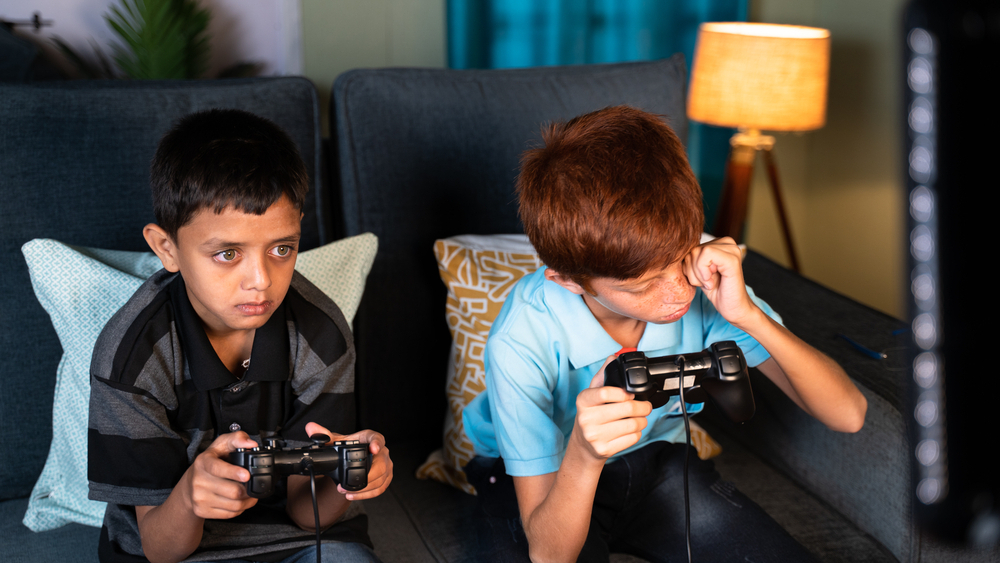
Parent Tips to Manage Eye Strain: concept of eye strain due to over night video game play - Two kids playing video game during late night at home and one kid rubbing his eyes due eye irritations.

Parent Tips to Manage Eye Strain

Although we’ve had a mild winter, the cold weather and long winter nights keep many indoors. It’s no surprise that technology has become a trusty companion for both kids and parents combating cabin fever. Smartphones, iPads, computers, and gaming systems provide entertainment, but recent studies suggest that this increased screen time might be contributing to eye strain in children. Recognizing the symptoms and implementing preventive measures is important for safeguarding eye health.

The Impact of Winter Screen Time:

The winter season often confines families indoors, prompting an uptick in screen usage for both educational and recreational purposes. However, prolonged exposure to screens can result in eye strain, leading to symptoms such as headaches and blurry vision.

Recognizing Eye Strain Symptoms:

For parents concerned about their children’s eye health, being vigilant for symptoms of eye strain is important for your child’s overall well-being. Look for signs such as blurry vision, double vision, headaches, dry and sore eyes, which may indicate the need for a break from screens.

Tips to promote healthier screen habits:

Diversify Activities: Encourage alternative activities beyond screens, such as outdoor exercise, walks, or engaging in board games for quality family time. Balancing screen use with other pursuits is vital for eye health.

Maintain Proper Distance: Ensure your child maintains a reasonable distance from screens. Constant proximity to the TV or holding devices close may signal vision issues that need attention.

Encourage Blinking: Remind children to blink regularly, even during intense screen focus. Extended screen time without blinking can contribute to dry eyes, discomfort, and potential eye strain.

Follow the 20-20-20 Rule: Institute the 20-20-20 rule—every 20 minutes of screen use, take a 20-second break to focus on an object at least 20 feet away. This practice allows the eyes periodic rest, reducing the risk of strain.

Promote Moderation: Emphasize the importance of moderation. While occasional use of devices may not immediately impact vision, extended and frequent screen exposure can lead to discomfort and potential eye difficulties.

Technology is an integral part of children’s daily lives as well as their education. By promoting a balanced approach to screen time, encouraging breaks, and incorporating diverse activities, parents can help ensure their children’s eye health. Remember, moderation is the key to preserving vision health in the digital age. For questions or concerns, contact our office at 724-443-6767 or 724-226-0444.


About Bissell Eye Care: John D. Bissell, OD owns and operates Bissell Eye Care servicing Northern Pittsburgh and Alle-Kiski Valley regions. With two locations to treat patients, we offer evening and Saturday appointments. Bissell Eye Care provides comprehensive eye examinations for the entire family beginning as early as 6 months, ocular disease detection and treatment, eyeglasses, sunglasses, activewear, contact lenses, and low vision examinations for those with significant vision loss. We accept most types of vision and health insurance plans. For more information, visit bisselleyecare.com or call our Bakerstown Office at 724-443-6767 or Natrona Heights office at 724-226-0444.

Vision Matters - car on highway with black-gray blur around it depicting low vision from macular degeneration.

Vision Matters: A Closer Look at February’s AMD Awareness Initiatives

This month is designated as National Age-related Macular Degeneration (AMD) and Low Vision Awareness Month. Millions of people in the United States are living with a visual impairment that can significantly impact the quality of life for millions of Americans aged 60 and above. Current statistics reveal that an alarming 1.6 million Americans are grappling with the effects of AMD.

AMD is a disease that blurs the sharp, central vision you need for straight-ahead activities and tasks such as reading and driving. The disease affects the macula; the part of the eye that allows you to see fine detail.

Dr. Bissell is a member of the International Academy of Low Vision Specialists. He has been specially trained in low vision to help patients suffering from AMD. Using low-vision glasses and devices can help you manage the condition by enhancing your remaining vision using magnification, filters, and prisms. The biopic telescopic glasses magnify and make distant objects more visible. Think of them like miniature binoculars in your eyeglasses above your line of sight.

For those with low vision, the quality of their vision interferes with their ability to perform everyday activities. Tasks such as reading the mail or a book are challenging. Other obstacles include activities such as shopping, cooking, writing, driving and even the ability to enjoy a movie or television. Besides those difficulties, low vision results in anxiety and frustration when people lose their vision as well as visual independence.

Understanding AMD:

AMD is a progressive eye disease that affects the macula, the central portion of the retina responsible for sharp, central vision. As AMD advances, it can lead to a loss of this crucial vision, impacting daily activities such as reading, driving, and recognizing faces. Two main types of AMD exist: dry AMD, characterized by the accumulation of drusen, and wet AMD, marked by the growth of abnormal blood vessels beneath the macula.

Identifying Risk Factors:

Several risk factors contribute to the development and progression of AMD, emphasizing the importance of early detection and proactive management. Some key risk factors include:

  • Age: The risk of AMD increases with age, particularly for individuals over 60.
  • Genetics: A family history of AMD can elevate the risk for developing the condition.
  • Smoking: Tobacco use is a significant modifiable risk factor, with smokers having a higher likelihood of developing AMD.
  • Race and Gender: Caucasians and females are reported to have a higher prevalence of AMD.
  • Cardiovascular Health: Conditions like hypertension and high cholesterol can contribute to AMD risk.
  • Nutrition: A diet lacking in certain nutrients, such as vitamins C and E, zinc, and omega-3 fatty acids, may increase the likelihood of AMD.

Regular comprehensive eye examinations, particularly for those over 60 or with a family history of AMD, can aid in early diagnosis and intervention. Lifestyle modifications, including adopting a healthy diet rich in nutrients, quitting smoking, and managing cardiovascular health, can contribute to reducing the risk of AMD.

Dr. Bissell states, “It is one of the most rewarding experiences to watch someone regain the ability to read a book, watch TV or walk safely down a sidewalk without fear of injury.” Low Vision appointments last longer than regular appointments due to the additional time needed to test various telescopic prescription lenses. The glasses are not covered by insurance with costs starting at $500. It’s a small price to pay for independence. Live life to the fullest. To learn more about low vision services, call our office at 724-443-6767 or 724-226-0444.


About Bissell Eye Care: John D. Bissell, OD owns and operates Bissell Eye Care servicing Northern Pittsburgh and Alle-Kiski Valley regions. With two locations to treat patients, we offer evening and Saturday appointments. Bissell Eye Care provides comprehensive eye examinations for the entire family beginning as early as 6 months, ocular disease detection and treatment, eyeglasses, sunglasses, activewear, contact lenses, and low vision examinations for those with significant vision loss. We accept most types of vision and health insurance plans. For more information, visit bisselleyecare.com or call our Bakerstown Office at 724-443-6767 or Natrona Heights office at 724-226-0444.

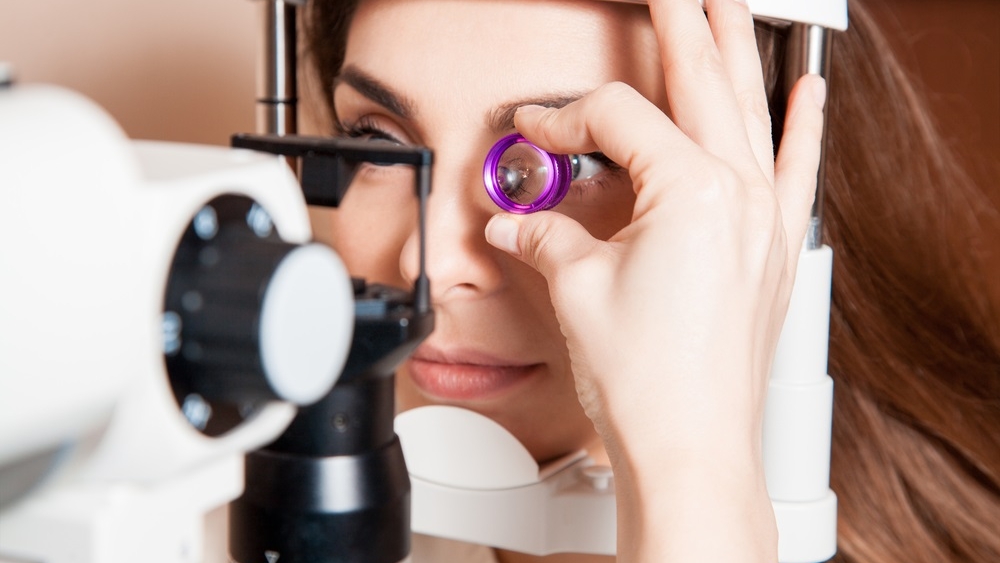
a-woman-getting-her-vision-checked-at-a-optomotrists office.

Understanding Glaucoma & the Value of a Comprehensive Eye Exam

Are you ready for the New Year? Resolutions for better health often include eating better, exercising, and cutting down on sugar intake. While many people have resolutions to improve their health, they tend to not include an annual medical physical, 6 month dental visits and an annual eye exam. 

Vision, a priceless gift often taken for granted, can be threatened by silent conditions like glaucoma. Glaucoma is a group of eye diseases that damage the optic nerve, often leading to irreversible vision loss and is often referred to as the Thief of Sight. According to the National Eye Institute, “Glaucoma is a leading cause of vision loss and blindness in the United States. But half of people with glaucoma don’t know they have it.

Glaucoma has no early symptoms. The only way to check for it is to get a comprehensive dilated eye exam. There’s no cure for glaucoma but starting treatment as early as possible can help stop vision loss.”

Glaucoma is a complex eye condition characterized by increased intraocular pressure (IOP), which can damage the optic nerve over time. The optic nerve is responsible for transmitting visual information from the eyes to the brain. When damaged, it can result in peripheral vision loss that often goes unnoticed until significant damage has occurred.

There are different types of glaucoma, with primary open-angle glaucoma being the most common. However, other forms, such as angle-closure glaucoma and normal-tension glaucoma, also exist. The risk factors for glaucoma include age, family history, elevated intraocular pressure, and certain medical conditions like diabetes.

The Importance of Dilated Eye Exams:

  • Early Detection: Dilated eye exams involve the use of eye drops to enlarge the pupils, allowing the doctors at Bissell Eye Care to get a clear view of the optic nerve and retina. This enables early detection of signs of glaucoma, such as optic nerve cupping or changes in the optic nerve head.
  • Comprehensive Assessment: Unlike standard eye exams or screenings that only evaluate visual acuity, dilated eye exams provide a more comprehensive assessment of the overall eye health. They help identify not only glaucoma but also other conditions such as diabetic retinopathy, macular degeneration, and retinal detachments.
  • Pressure Measurement: Dilated exams allow for accurate measurement of intraocular pressure. While elevated pressure is a risk factor for glaucoma, not everyone with glaucoma has high intraocular pressure, making the comprehensive assessment crucial for diagnosis.
  • Monitoring Progression: For individuals diagnosed with glaucoma, dilated eye exams are important for monitoring the progression of the disease. Regular evaluations help adjust treatment plans, ensuring that the condition is effectively managed to prevent further vision loss.
  • Risk Reduction: Dilated eye exams empower the doctors at Bissell Eye Care to identify and address risk factors that may contribute to glaucoma development or progression. This proactive approach aids in implementing preventive measures, such as lifestyle changes or early interventions.

Comprehensive eye exams that are performed by an optometrist are designed to not only evaluate your visual acuity, but also to check the overall health of your eye. As an added health bonus, your optometrist can also detect early signs of health problems such as diabetes, high blood pressure and stroke risk; all based on the appearance of the delicate blood vessels and other structures within the eye.

As the New Year brings about resolve to change, consider your body’s overall health. Scheduling annual eye exams at Bissell Eye Care, but also to your medical doctor for a yearly physical can help to keep your body in top shape and provide early detection of any medical conditions before they become serious problems. Here’s to a healthy and happy 2024!


About Bissell Eye Care: John D. Bissell, OD owns and operates Bissell Eye Care servicing Northern Pittsburgh and Alle-Kiski Valley regions. With two locations to treat patients, we offer evening and Saturday appointments. Bissell Eye Care provides comprehensive eye examinations for the entire family beginning as early as 6 months, ocular disease detection and treatment, eyeglasses, sunglasses, activewear, contact lenses, and low vision examinations for those with significant vision loss. We accept most types of vision and health insurance plans. For more information, visit bisselleyecare.com or call our Bakerstown Office at 724-443-6767 or Natrona Heights office at 724-226-0444.

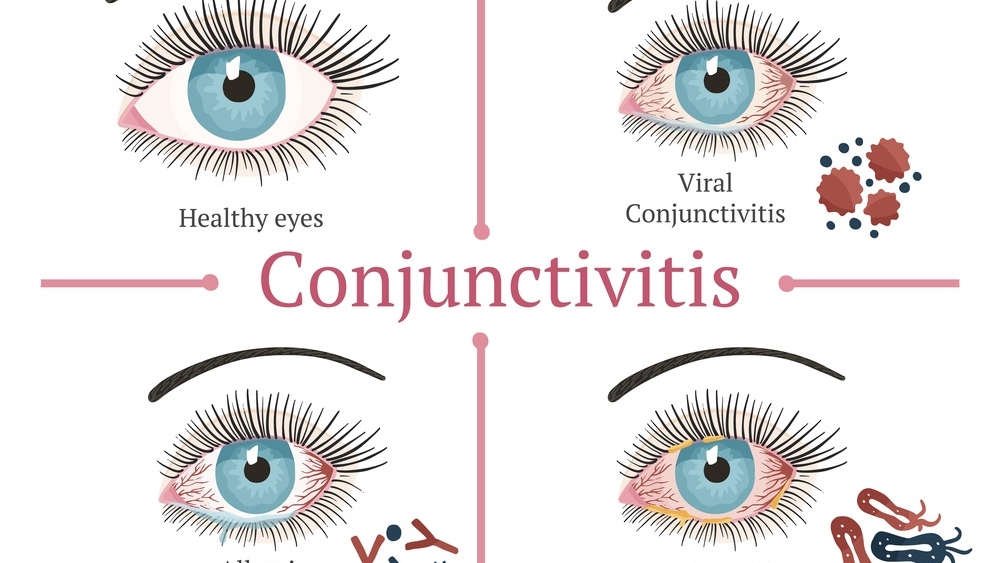
A-Square-outline-divided-in-4-quadrants-showing-an-illustration-with-4-eyeballs-with-different-types-of-conjunctivitis.

Is it Pink Eye?

Flu season is in full swing with the flu and conjunctivitis often referred to as pink eye often goes hand in hand with a cold or flu. While it might sound like a minor inconvenience, pink eye can be uncomfortable and, in some cases, highly contagious. Nonetheless, proper handwashing can be the key to not spreading those nasty germs.

Pink eye, or conjunctivitis, is caused by inflammation of the conjunctiva, which is the tissue that lines the inside of the eyelid and helps to keep the eyelid and eyeball moist. The condition can be caused by bacteria, a virus, allergens, or other irritants. The same viruses that cause colds and the flu—such as adenovirus, enterovirus, and influenza virus—can also cause pink eye.

Cold and flu viruses can cause pink eye by traveling through the tear duct from the nose to the eye. However, most pink eye cases are caused by failing to wash your hands after you blow your nose or if you unknowingly touch a surface or object that someone with the flu or a cold has recently touched. If you then rub your eyes, you’re transferring the virus or bacteria to your eyes.

  • Viral Conjunctivitis is the most common form of pink eye and is often associated with the same viruses responsible for the common cold. It is highly contagious and can spread through respiratory droplets or by touching contaminated surfaces.
  • Bacterial Conjunctivitis is caused by bacteria such as Staphylococcus or Streptococcus and is a result of exposure to contaminated hands, towels, or other personal items. It is also highly contagious and may cause more severe symptoms than viral conjunctivitis.
  • Allergic Conjunctivitis is associated with allergens like pollen, pet dander, or dust mites leading to pink eye symptoms. Unlike viral or bacterial conjunctivitis, this type is not contagious.
  • Irritant Conjunctivitis occurs with exposure to irritants like smoke, chlorine, or harsh chemicals can cause irritation and redness in the eyes, resembling pink eye symptoms. This form of conjunctivitis is also not contagious.

Symptoms that present with conjunctivitis include:

  • Gritty feeling in the eye or both eyes
  • Excessive tearing
  • Itchy or burning sensation
  • Discharge and/or swollen eyelids
  • Pink Discoloration
  • Sensitivity to light

Various forms of conjunctivitis are contagious so take these steps to avoid “sharing the joy” with others:

  • Practice good hygiene and teach your children how to properly wash their hands.
  • Don’t touch your face with your hands.
  • Avoid using cosmetics and eye care items and discard those currently used (particularly mascara) when first diagnosed with conjunctivitis to prevent spreading the infection.
  • Change towels and washcloths daily and avoid sharing with others.
  • Avoid wearing contact lenses and dispose of those used at the start of the infection.

Pink eye can last from 10 days to two weeks, but there are several treatment options available depending on the cause and severity that can help alleviate your symptoms. Topical steroid drops and/or antibiotics based on which type of conjunctivitis you have will be used to treat conjunctivitis. Viral conjunctivitis much like the common cold must run the course and only in severe cases are steroids used.

The best course of action is to schedule an appointment with your optometrist to properly diagnose and treat your infection. At Bissell Eye Care, we also have tests that examine the optic nerve to ensure there’s not an underlying problem that can become more serious. If in doubt, don’t delay – have your eyes checked for infection.


About Bissell Eye Care: John D. Bissell, OD owns and operates Bissell Eye Care servicing Northern Pittsburgh and Alle-Kiski Valley regions. With two locations to treat patients, we offer evening and Saturday appointments. Bissell Eye Care provides comprehensive eye examinations for the entire family beginning as early as 6 months, ocular disease detection and treatment, eyeglasses, sunglasses, activewear, contact lenses, and low vision examinations for those with significant vision loss. We accept most types of vision and health insurance plans. For more information, visit bisselleyecare.com or call our Bakerstown Office at 724-443-6767 or Natrona Heights office at 724-226-0444.

Eyes on Style: Carolina Herrera’s New Frameline Eyewear Collection

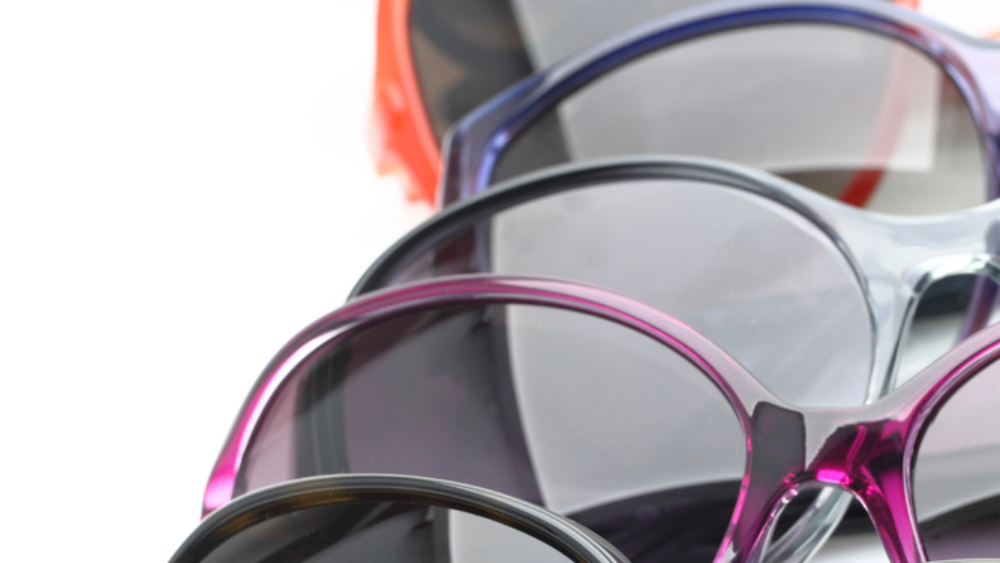
Bissell Eye Care is excited to announce Carolina Herrera, our new designer eyewear frame line. In the world of fashion and luxury, few names are as synonymous with timeless elegance and sophistication as Carolina Herrera. This eyewear is a perfect blend of high fashion, innovative design, and functional elegance, offering a unique perspective on the world of eyeglasses and sunglasses.

The Carolina Herrera’s eyewear collection is a testament to her enduring commitment to style. Whether you require prescription glasses or simply want to elevate your fashion game with a pair of chic sunglasses, her eyewear range has something for everyone.

Unique Aesthetics: Carolina Herrera eyewear is instantly recognizable for its distinctive design elements. You can expect to find frames that exude elegance, often featuring subtle but eye-catching details that set them apart from the crowd. From delicate embellishments to unique color combinations, these eyeglasses and sunglasses are a work of art in themselves.

High-Quality Materials: You’ll find frames made from premium acetate, metal, and other materials, ensuring both comfort and durability.

Comfort and Fit: The brand offers a variety of frame shapes and sizes to cater to different face shapes and personal preferences. Moreover, their attention to detail ensures that each pair of eyeglasses or sunglasses is lightweight and easy to wear all day.

Visit our Bakerstown or Natrona Heights offices to see the Carolina Herrera frame line, along with our extensive collection of designer eyewear brands.


About Bissell Eye Care: John D. Bissell, OD owns and operates Bissell Eye Care servicing Northern Pittsburgh and Alle-Kiski Valley regions. With two locations to treat patients, we offer evening and Saturday appointments. Bissell Eye Care provides comprehensive eye examinations for the entire family beginning as early as 6 months, ocular disease detection and treatment, eyeglasses, sunglasses, activewear, contact lenses, and low vision examinations for those with significant vision loss. We accept most types of vision and health insurance plans. For more Information, visit bisselleyecare.com or call our Bakerstown Office at 724-443-6767 or Natrona Heights office at 724-226-0444.

Depositphotos_517831794_S

Vision Matters: National Diabetic Month and the Fight Against Diabetic Retinopathy

November is National Diabetic Month, a time dedicated to raising awareness about diabetes, its complications, and the importance of managing this chronic condition. One aspect of diabetes management is the potential impact it can have on our eyes, particularly diabetic retinopathy. In this blog, we will explore the significance of regular eye exams, the connection between diabetes and eye health, and why diabetic eye disease is the leading cause of vision loss among working adults.

Understanding Diabetic Retinopathy

Diabetic retinopathy is a diabetes-related complication that affects the eyes. It occurs when high levels of blood sugar damage the delicate blood vessels in the retina, the light-sensitive tissue at the back of the eye. As these blood vessels weaken and leak, they can lead to vision problems or even complete blindness if left untreated. The risk of developing diabetic retinopathy is directly related to how well an individual manages their diabetes, primarily their blood sugar levels.

According to Prevent Blindness, “A new study published today in JAMA Ophthalmology, “Prevalence of Diabetic Retinopathy in the US in 2021,” found that in 2021, an estimated 9.6 million people in the United States (26.4 percent of those with diabetes) had diabetic retinopathy (DR), and 1.84 million people (5.1 percent of those with diabetes) had vision-threatening diabetic retinopathy (VTDR). The number of people aged 40 years and older living with diabetes-related eye disease more than doubled since prevalence was last estimated in 2004. VTDR has also almost doubled since last estimated in 2004.”

The Importance of Regular Eye Exams

One of the most critical steps in managing diabetic retinopathy is early detection. This is where regular eye exams come into play. For individuals living with diabetes, routine eye exams are not merely a formality; they are a lifeline for preserving vision. Here’s why:

  • Early Detection: Regular eye exams can detect diabetic retinopathy in its early stages, often before any noticeable symptoms occur. This is crucial because the earlier it is detected, the more effective treatment can be.
  • Prevent Progression: If diabetic retinopathy is detected early, interventions such as laser therapy or medication can be administered to prevent its progression. These treatments can help stop the damage to the retina and preserve vision.
  • Monitor Progress: Regular eye exams also help your eye care specialist track the progression of the condition. Adjustments to your diabetes management plan can be made to keep your blood sugar levels in check, further reducing the risk of worsening retinopathy.
  • Maintain Quality of Life: Vision is a vital sense, and its preservation is essential for maintaining a good quality of life. Regular eye exams can ensure that any vision problems associated with diabetes are addressed promptly.

Take Action 

As we observe National Diabetic Month, it’s a great time to take action and prioritize your eye health, especially if you’re living with diabetes or know someone who is. Here are some key steps you can take:

  • Schedule an Eye Exam: If you have diabetes, schedule a comprehensive eye exam with the doctors at Bissell Eye Care. Make sure to discuss your diabetes diagnosis and the need for regular eye screenings.
  • Manage Your Diabetes: Keeping your blood sugar levels in check is the best way to prevent diabetic retinopathy and other diabetes-related complications. Follow your healthcare provider’s recommendations for managing your diabetes effectively.
  • Spread Awareness: Use this month to educate your friends and family about the importance of regular eye exams for those with diabetes. Encourage loved ones with diabetes to prioritize their eye health.
  • Advocate for Eye Health: Support initiatives that promote eye health and raise awareness about the connection between diabetes and vision loss. Participate in events, share information on social media, or contribute to diabetes-related organizations.

Let’s make a collective effort to prioritize our eye health, especially for those living with diabetes. By understanding the significance of regular eye exams and the risk of diabetic retinopathy, we can take proactive steps to preserve our vision and continue to lead fulfilling lives. Regular eye exams are not just an option; they are a necessity in the battle against diabetic eye disease and vision loss.


About Bissell Eye Care: John D. Bissell, OD owns and operates Bissell Eye Care servicing Northern Pittsburgh and Alle-Kiski Valley regions. With two locations to treat patients, we offer evening and Saturday appointments. Bissell Eye Care provides comprehensive eye examinations for the entire family beginning as early as 6 months, ocular disease detection and treatment, eyeglasses, sunglasses, activewear, contact lenses, and low vision examinations for those with significant vision loss. We accept most types of vision and health insurance plans. For more Information, visit bisselleyecare.com or call our Bakerstown Office at 724-443-6767 or Natrona Heights office at 724-226-0444.

Little children in Halloween costumes representing halloween costume safety

Halloween Costume Safety and Eye Care: A Spooktacular Guide

Halloween is a favorite holiday for many, offering the chance to transform into someone or something entirely different for a night of spooky fun. However, amidst the excitement of picking the perfect costume, it’s important to prioritize safety and eye care. From tripping hazards to sharp objects and nonprescription contacts, understanding the potential risks is essential to ensure a safe and enjoyable Halloween.


1. Avoid Tripping Hazards

When choosing or creating a Halloween costume, it’s important to consider the potential tripping hazards. Costumes that are too long or have loose, trailing fabric can pose a risk for tripping, especially in dimly lit areas. Choose costumes that are the appropriate length and securely hemmed to minimize the risk of falling or stumbling. If your costume includes a cape or trailing elements, ensure they’re short enough to prevent tripping or securely fastened to avoid entanglement.

2. Watch Out for Sharp Objects

Some costumes may incorporate props or accessories that contain sharp objects, such as swords, knives, or other pointed accessories. While these accessories enhance the costume’s theme and appearance, they can also be hazardous, especially in crowded spaces. Make sure any sharp objects are securely attached to your costume and blunted to reduce the risk of injury to yourself or others.

3. The Dangers of Nonprescription Contacts

Colored or decorative contact lenses are popular for adding an extra element of fright to Halloween costumes. However, it’s crucial to prioritize eye safety when using nonprescription contact lenses. Over-the-counter or online-purchased lenses without proper fitting and consultation from an eye care professional can lead to serious eye complications, including:

  • Corneal Abrasions: Poorly fitted lenses can scratch the surface of the eye, causing pain, redness, and potential infection.
  • Corneal Ulcers: These open sores on the cornea can result from bacterial or fungal infections due to contaminated lenses or improper use.
  • Conjunctivitis (Pink Eye): Inflammation and infection of the conjunctiva, the thin tissue covering the front of the eye, can occur from wearing dirty or ill-fitting lenses.

Ensure any contact lenses used for costumes are prescribed by an eye care professional, properly fitted, and used according to the prescribed guidelines. Never share contact lenses with others and prioritize hygiene when handling and storing them.

4. Avoid Vision Restriction

Costumes that severely limit your vision can be dangerous, especially when navigating unfamiliar or crowded areas during Halloween festivities. Masks, hoods, or other headgear should not impair your ability to see clearly. Select costumes that allow a full range of vision to ensure your safety and the safety of those around you.

5. Tips for a Safe and Spooktacular Halloween:

  • Test your costume: Walk around in your costume to identify any potential tripping hazards or vision restrictions.
  • Use safe makeup and face paint: Choose hypoallergenic, non-toxic makeup and face paint to prevent skin irritation or allergic reactions.
  • Be cautious with props: Ensure any props or accessories are lightweight, well-secured, and won’t cause injury to yourself or others.
  • Supervise children: If children are wearing costumes, make sure their outfits are safe and comfortable. Keep an eye on them to prevent accidents.

Halloween is all about having fun and being creative with your costumes. By prioritizing safety and eye care, you can ensure a memorable and safe Halloween experience for yourself and those around you. Happy Haunting!


About Bissell Eye Care: John D. Bissell, OD owns and operates Bissell Eye Care servicing Northern Pittsburgh and Alle-Kiski Valley regions. With two locations to treat patients, we offer evening and Saturday appointments. Bissell Eye Care provides comprehensive eye examinations for the entire family beginning as early as 6 months, ocular disease detection and treatment, eyeglasses, sunglasses, activewear, contact lenses, and low vision examinations for those with significant vision loss. We accept most types of vision and health insurance plans. For more information, visit bisselleyecare.com or call our Bakerstown Office at 724-443-6767 or Natrona Heights office at 724-226-0444.
man working on underside of car wearing safety glasses

Eyes on Safety: A Comprehensive Look at Safety Glasses and Their Uses

October is National Eye Safety Month, a time dedicated to raising awareness about the importance of eye health and safety. Safety glasses are an essential piece of personal protective equipment (PPE) designed to protect the eyes from potential hazards in various environments. They are crucial for maintaining eye safety in workplaces, laboratories, construction sites, and even during recreational activities. There are different types of safety glasses available, each catering to specific needs and potential risks.

According to the Bureau of Labor Statistics, “There were 18,510 eye-related injury or illness cases that resulted in at least one day away from work in 2020, leading to an incidence rate of 1.7 cases per 10,000 full-time workers. The number of cases decreased 15.6 percent from 2019, while the 2020 incidence rate was down 10.5 percent from the previous year. Contact with objects or equipment led to the majority (11,980 cases) of eye injuries and illnesses requiring days away from work in 2020. Of these cases, 59.6 percent resulted from the worker rubbing or being abraded by foreign matter in the eye. Another 35.6 percent resulted from the eye being struck by an object or equipment.”

At home as we transition into the fall season, many individuals engage in various activities, including fall cleanup, home improvement projects, and outdoor maintenance. At work or at home, it’s important to use proper eye protection when working with machinery, chemicals, or any type of outside cleanup.

Various Types of Safety Glasses and their uses.

1. Safety Glasses with Side Shields

Safety glasses with side shields provide wraparound protection for the eyes. These shields are designed to protect the eyes from flying debris, particles, and other potential hazards that could come from the sides. They are commonly used in industrial settings, laboratories, and construction sites.

These types of glasses are used for:

  • Woodworking
  • Metalworking
  • Construction and demolition
  • Laboratory work

2. Goggles

Goggles are a more comprehensive eye protection option, offering a seal around the eyes to protect against various hazards, including chemical splashes, dust, and impact. They provide a higher level of protection compared to safety glasses with side shields.

These types of safety goggles are used for:

  • Handling chemicals and hazardous substances
  • Working with liquids or powders
  • Medical and healthcare settings
  • Chemistry laboratories

3. Over-the-Glasses (OTG) Safety Glasses

These are designed to fit over prescription glasses, allowing individuals who wear corrective eyewear to have the necessary eye protection. They typically have a larger frame to accommodate existing glasses.

These types of safety glasses are used for:

  • Individuals who wear prescription glasses
  • Work environments where prescription eyewear is necessary

4. Polarized Safety Glasses

Polarized safety glasses are equipped with polarized lenses that reduce glare from reflective surfaces, making them ideal for outdoor activities and environments with intense light.

These types of safety glasses are used for:

  • Driving
  • Fishing
  • Boating
  • Outdoor construction work

5. Shaded or Tinted Safety Glasses

These safety glasses have tinted lenses that provide protection against bright light, UV rays, and other specific environmental conditions. The tinting can vary in darkness to suit different needs.

These types of safety glasses are used for:

  • Welding
  • Outdoor work under sunny conditions
  • Activities with high exposure to sunlight

6. Anti-Fog Safety Glasses

Anti-fog safety glasses are coated with a special anti-fog layer, preventing fogging of the lenses in humid or changing temperature conditions. This feature is particularly useful in environments where workers may experience temperature variations.

These types of safety glasses are used for:

  • Environments with temperature changes
  • Humid conditions
  • Indoor and outdoor use

7. Face Shields

While not strictly glasses, face shields provide full-face protection, including the eyes, from splashes, droplets, and impacts. They are usually made of clear plastic and are used in conjunction with other protective eyewear for comprehensive coverage.

These types of safety glasses are used for:

  • Medical and healthcare settings
  • Manufacturing and fabrication
  • Grinding and cutting operations

National Eye Safety Month serves as a reminder that safeguarding our eyes should always be top of mind. Choosing the appropriate safety glasses is important to ensure eye safety in various work and home environments. Always consider the specific risks associated with the task at hand and opt for the most suitable type of safety eyewear to protect your eyes effectively. Remember, your vision is priceless, so prioritize your eye safety with the right protective gear.

Bissell Eye Care offices carry a variety of safety glasses and often your place of employment may cover the cost of safety glasses. To learn more call 724-443-6767 or 724-226-0444.


About Bissell Eye Care: John D. Bissell, OD owns and operates Bissell Eye Care servicing Northern Pittsburgh and Alle-Kiski Valley regions. With two locations to treat patients, we offer evening and Saturday appointments. Bissell Eye Care provides comprehensive eye examinations for the entire family beginning as early as 6 months, ocular disease detection and treatment, eyeglasses, sunglasses, activewear, contact lenses, and low vision examinations for those with significant vision loss. We accept most types of vision and health insurance plans. For more information, visit bisselleyecare.com or call our Bakerstown Office at 724-443-6767 or Natrona Heights office at 724-226-0444.

Healthy Aging. Rond graphic with healthy icons above text healthy aging

Embracing Healthy Aging – Tips for a Vibrant Life

September is Healthy Aging Month, a time to celebrate the wisdom and experience that come with getting older while also focusing on maintaining good health and vitality. Aging is a natural part of life, and with the right approach, you can age gracefully and enjoy a high quality of life well into your golden years.

From the Greatest Generation (those now over 93), the Silent Generation (those between 75 and 92), and Baby Boomers (56 to 74) to Gen-Xers (40 to 55), individuals are determined to remain active by setting healthy goals.

As part of those goals, we want to point out some advantages of annual exams and health visits. When it comes to your vision many diseases can be slowed down, stopped, or even reversed if caught early. Having an annual comprehensive eye exam that includes dilation helps to give a baseline for the doctors at Bissell Eye Care to be able to notice changes in your eyes.

The Importance of Regular Eye Exams

Eye health is often overlooked in discussions about healthy aging, but it’s a vital aspect of overall well-being. Regular eye exams can uncover underlying issues and help preserve your vision. Some benefits of regular eye exams include:

  • Detection of eye diseases: Conditions like glaucoma, macular degeneration, and diabetic retinopathy often show no early symptoms but can be detected through eye exams.
  • Correcting vision problems: Regular exams help identify and address common vision issues like nearsightedness, farsightedness, and astigmatism with prescription eyeglasses or contact lenses.
  • Monitoring overall health: The eyes can provide insights into your overall health. Changes in the eyes’ blood vessels can indicate conditions such as diabetes or hypertension.

Stay Active and Exercise Regularly

Physical activity is a cornerstone of healthy aging. Regular exercise offers a myriad of benefits, including improved cardiovascular health, muscle strength, flexibility, and mental well-being. Aim for at least 150 minutes of moderate-intensity aerobic exercise or 75 minutes of vigorous-intensity aerobic exercise per week, as recommended by health experts.

Consider activities like brisk walking, swimming, yoga, or strength training to maintain muscle mass and bone density. Exercise not only helps you stay physically fit but also boosts mood and cognitive function, reducing the risk of age-related mental decline.

Maintain a Balanced Diet

Eating a well-balanced diet is another key to healthy aging. Your body needs essential nutrients to function optimally and fight off age-related diseases. Incorporate the following elements into your diet:

  • Fruits and vegetables: Aim for a colorful array of fruits and vegetables, which provide essential vitamins, minerals, and antioxidants.
  • Whole grains: Choose whole grains over refined grains for sustained energy and better digestion.
  • Lean proteins: Include lean sources of protein like fish, poultry, beans, and legumes to support muscle health.
  • Healthy fats: Opt for sources of healthy fats such as nuts, seeds, avocados, and olive oil to support heart and brain health.
  • Hydration: Stay well-hydrated by drinking plenty of water throughout the day.

Regular Health Checkups

Routine health checkups are crucial for detecting and addressing potential health issues early on. Schedule regular visits to your healthcare provider to monitor your blood pressure, cholesterol levels, and overall health. These visits also provide an opportunity to discuss any concerns or changes in your health. Vaccines such as the flu and shingles, can help prevent serious illnesses that become more common as we age.

Healthy aging is about living a fulfilling and vibrant life as you grow older. By incorporating regular exercise, maintaining a balanced diet, scheduling routine health checkups, and prioritizing regular eye exams, you can take proactive steps to ensure your well-being as you age. Schedule your annual eye exam by calling 724-443-6767 or 724-226-0444.

Remember that it’s never too late to start making healthier choices and embracing the joys of growing older with grace and vitality. Celebrate Healthy Aging Month by committing to a healthier future today.


About Bissell Eye Care: John D. Bissell, OD owns and operates Bissell Eye Care servicing Northern Pittsburgh and Alle-Kiski Valley regions. With two locations to treat patients, we offer evening and Saturday appointments. Bissell Eye Care provides comprehensive eye examinations for the entire family beginning as early as 6 months, ocular disease detection and treatment, eyeglasses, sunglasses, activewear, contact lenses, and low vision examinations for those with significant vision loss. We accept most types of vision and health insurance plans. For more information, visit bisselleyecare.com or call our Bakerstown Office at 724-443-6767 or Natrona Heights office at 724-226-0444.
night vision - Two deer crossing the road at dawn

Safety at Sunset – Fall Driving Tips

Fall is a season of stunning foliage, cooler temperatures, and cozy evenings. However, as the days grow shorter, many drivers find themselves contending with decreased visibility and increased accident risks when driving at night. For older adults, who may already face certain challenges when it comes to driving, this shift in lighting conditions can be particularly challenging.


Understanding the Challenges of Fall Night Driving

  • Decreased Visibility: As autumn sets in, daylight hours become shorter, and the transition from dusk to darkness occurs earlier in the evening. This reduced visibility can make it challenging to spot obstacles, pedestrians, or wildlife on the road. The combination of twilight conditions and falling leaves can further hinder your ability to see clearly.
  • Glare from Wet Roads: Fall often brings rain showers and wet road conditions. When headlights from oncoming traffic interact with rain-slicked streets, it can create blinding glare. This glare can temporarily impair your vision and make it difficult to maintain focus. Fallen leaves can be as slick as ice when it rains and hide potholes and pavement markings making it difficult to see.
  • Increased Wildlife Activity: Fall is mating and migration season for many animals, which can lead to increased wildlife activity on roadways. Many deer are more active during this time, posing a significant collision risk for drivers. These animals are often more active during dawn and dusk, adding to the danger of fall night driving.


Safety Tips for Fall Night Driving

  • Check Lights and Tires: Ensure that all your vehicle’s lights (headlights, taillights, turn signals) are in working order. Clean the lenses regularly to remove dirt and grime that can reduce their effectiveness. Consider upgrading to brighter, more energy-efficient LED bulbs for better illumination. Check your tires’ air pressure to maintain the correct pressure as the temperature drops.
  • Adjust Your Speed: Reduce your speed when driving at night in fall, especially in areas prone to wildlife crossings. Slowing down gives you more time to react to unexpected obstacles and reduces the severity of accidents.
  • Keep Windshield and Mirrors Clean: Clean your windshield and mirrors inside and out to minimize glare from oncoming headlights and the reflection of dashboard lights. A clean windshield also improves overall visibility.
  • Use Your High Beams Wisely: Use your high beams when there is no oncoming traffic but be sure to switch to low beams when approaching other vehicles. This will help reduce glare for both you and other drivers.
  • Stay Alert and Focused: Avoid distractions like texting, eating, or adjusting the radio. Pay close attention to the road and scan for movement or reflective eyes along the roadside, which may indicate the presence of wildlife.
  • Be Prepared for Sudden Stops: Keep a safe following distance from the vehicle in front of you, allowing ample space for sudden stops. Wet leaves on the road can decrease your stopping power.
  • Watch for Fog: Fall often brings foggy conditions, especially in low-lying areas. Slow down and use your low beams when driving in fog to improve visibility.
  • Avoid Fatigue: Night driving can be more tiring than daytime driving. Make sure you are well-rested before embarking on a long journey and consider taking breaks to stay alert.


Ways to Avoid Accidents

  • Limit Distractions: Avoid using your phone or any other distractions while driving. Stay focused on the road.
  • Adaptive Driving Technologies: Consider vehicles equipped with advanced driver-assistance systems (ADAS), such as adaptive headlights and collision avoidance systems, which can be particularly helpful for older adults.
  • Drive at a Comfortable Speed: Don’t feel pressured to drive at the speed limit if it doesn’t feel safe. Driving at a comfortable speed for your visibility and reaction time is more important.
  • Stay Informed: Check the weather and road conditions before heading out. Be aware of any animal crossing areas and adjust your driving accordingly.

Fall may bring stunning scenery and cool weather, but it also comes with challenges for drivers and particularly older adults who drive during the early dusk hours. By following the safety tips and being aware of the potential risks, all drivers can enjoy their independence while staying safe on the roads. Remember, being cautious and prepared is the key to a smooth and secure Autumn driving experience.

If you have any questions or concerns about your vision and night driving give one of our Bissell Eye Care offices a call at 724-444-6767 or 724-226-0444.