

Happy face kid smile.Close up portrait joy child outdoors. Little boy playful smiling holding dandelions on eyes as eyeglasses. Joyful childhood, summer day. Background green grass

Mild Winter Brings Early Allergy Season And Eye Infections

The mild winter and early spring in Pittsburgh have been one for the record books. While this might sound like a welcome change for many, it’s also resulted in an early high allergy season and an uptick in cases of conjunctivitis, or pink eye.

Conjunctivitis is an inflammation or infection of the conjunctiva, the thin, clear layer of tissue that lines the inside of the eyelid and covers the white part of the eye. It can be caused by a variety of factors, including viruses, bacteria, allergens, and irritants.

Are you experiencing these symptoms?

  • Redness in the white of the eye or inner eyelid
  • Itchy eyes
  • Swelling of the eyelid
  • Blurred vision
  • Increased amount of tears

The three most common types of conjunctivitis are:

  • Viral Conjunctivitis: is caused by a virus, typically the same virus that is a result of having a common cold. It’s highly contagious and can be spread through direct contact with an infected person or by touching contaminated surfaces. Symptoms include redness, itching, tearing, and discharge from the eyes. There is no specific treatment for viral conjunctivitis, but symptoms can be managed with artificial tears, cold compresses, and over-the-counter medications for pain relief.
  • Bacterial Conjunctivitis: is caused by bacteria and can be either acute or chronic. It’s also highly contagious and can be spread through direct contact with an infected person or by touching contaminated surfaces. Symptoms include redness, itching, tearing, and discharge from the eyes, often accompanied by crusting or stickiness. Unlike viral conjunctivitis, bacterial conjunctivitis can be treated with antibiotic eye drops or ointment. Did you know the bacteria that causes pink eye is the same bacteria that cause strep throat? Both bacterial and viral conjunctivitis are easily spread from person to person.
  • Allergic Conjunctivitis: is caused by an allergic reaction to an irritant, such as pollen, dust, or pet dander. It’s not contagious and typically affects both eyes. Symptoms include redness, itching, tearing, and swelling of the eyelids. Allergic conjunctivitis can be treated with antihistamines, decongestants, and topical corticosteroids.

In addition to these three main types of conjunctivitis, there are also other types that are less common but can still cause significant discomfort and irritation.

These include:

  • Chemical Conjunctivitis: is caused by exposure to irritants such as smoke, fumes, or chemicals. Symptoms include redness, tearing, and a feeling of burning or stinging in the eyes.
  • Neonatal Conjunctivitis: affects newborn babies and is typically caused by a bacterial infection acquired during delivery. Symptoms include redness, swelling, and discharge from the eyes. It can be treated with antibiotic eye drops or ointment.
  • Giant Papillary Conjunctivitis: is a chronic condition that typically affects contact lens wearers or people with artificial eyes. It’s caused by the buildup of protein deposits on the surface of the eye and can result in redness, itching, tearing, and discomfort when wearing contact lenses.

If you are experiencing eye irritation symptoms, take steps to avoid rubbing or touching your eyes, practice good hygiene, and avoid potential irritants.  These actions can help minimize symptoms and promote healing.

Overall, conjunctivitis can be a frustrating and uncomfortable condition to deal with, but it can be effectively managed with proper treatment and care. If you’re experiencing symptoms of conjunctivitis, it’s important to contact the doctors at Bissell Eye Care at 724-443-6767 or 724-226-0444 for an accurate diagnosis and treatment plan.


 About Bissell Eye Care: John D. Bissell, OD owns and operates Bissell Eye Care servicing Northern Pittsburgh and Alle-Kiski Valley regions. With two locations to treat patients, we offer evening and Saturday appointments. Bissell Eye Care provides comprehensive eye examinations for the entire family beginning as early as 6 months, ocular disease detection and treatment, eyeglasses, sunglasses, activewear, contact lenses, and low vision examinations for those with significant vision loss. We accept most types of vision and health insurance plans. For more Information, visit bisselleyecare.com or call our Bakerstown Office at 724-443-6767 or Natrona Heights office at 724-226-0444.
Depositphotos_124460546_S

Why Your Preschooler Should Have an Annual Eye Exam

As a parent, one of the many important decisions you will make is choosing the right preschool for your child. However, before you send your child off to school, it’s important to also have their vision checked. A comprehensive eye exam will help in preparing them for school and can identify vision problems that could hinder their learning and development. In this blog, we’ll explore the importance of a comprehensive eye exam and how it differs from a basic eye screening.

According to the American Optometric Association, one in four children has a vision problem that can interfere with their learning. Vision problems in young children can affect their ability to learn, read, write, and even play sports. In fact, studies have shown that children with untreated vision problems can experience difficulties with academic performance, behavior, and social interactions.

The early years of a child’s life are crucial for building a strong foundation for learning. Preschoolers depend on their vision to learn tasks that will prepare them for school. During this time in their lives, they are developing the visually-guided eye-hand-body coordination, fine motor skills and visual perceptual abilities necessary to learn to read and write.

If a child is unable to see correctly, it can lead to delays in learning and socialization. Early identification and treatment of vision problems can prevent these negative outcomes and give your child the best possible chance of success in school and life.

Untreated vision problems in children can lead to significant learning difficulties and impact a child’s overall quality of life. Did you know…

  • Up to 80% of learning in a child’s early years is visual.
  • 60% of children with reading difficulties have an undiagnosed vision problem.
  • Children with uncorrected vision problems are three times more likely to fall behind in school.

This is why identifying and treating vision problems in young children as early as possible is so important.

Many preschools conduct basic eye screenings as part of their admission process. While these screenings can detect some vision problems, they are not a substitute for a comprehensive eye exam. A basic eye screening typically involves the use of an eye chart to measure a child’s visual acuity or clarity. While this test can detect issues like nearsightedness or farsightedness, it doesn’t provide a complete picture of a child’s eye health or identify other common vision problems such as eye teaming, focusing, or tracking issues.

A comprehensive eye exam involves a thorough evaluation of a child’s eye health and vision. It includes tests to check for visual acuity, eye movement, binocular vision, and color vision, as well as an examination of the eye’s internal structures. A comprehensive eye exam can detect a range of vision problems that a basic screening may miss, making it a more effective way to ensure your child’s vision is in optimal condition.

In our exams when a child can’t read letters yet, we use shapes and colors.  We make children comfortable with puppets and the use of our “Special Lights” allow us to have fun as we look for the following things:

  • How the eye tracks and turns
  • High Refractive Error – meaning significant far or nearsightedness.
  • Overall Eye Health

No matter what age, regular eye exams are important. Prepare your child for success as they enter preschool and beyond. To learn more, or to schedule your child’s exam, give our offices a call at 724-443-6767 or 724-226-0444. We also invite you to join us on Facebook at facebook.com/BissellEyes for more tips on eye care.

_____________________________________________________________________________

 About Bissell Eye Care: John D. Bissell, OD owns and operates Bissell Eye Care servicing Northern Pittsburgh and Alle-Kiski Valley regions. With two locations to treat patients, we offer evening and Saturday appointments. Bissell Eye Care provides comprehensive eye examinations for the entire family beginning as early as 6 months, ocular disease detection and treatment, eyeglasses, sunglasses, activewear, contact lenses, and low vision examinations for those with significant vision loss. We accept most types of vision and health insurance plans. For more Information, visit bisselleyecare.com or call our Bakerstown Office at 724-443-6767 or Natrona Heights office at 724-226-0444.
the letters AMD in front of an eye chart

Signs And Treatment of Age-Related Macular Degeneration

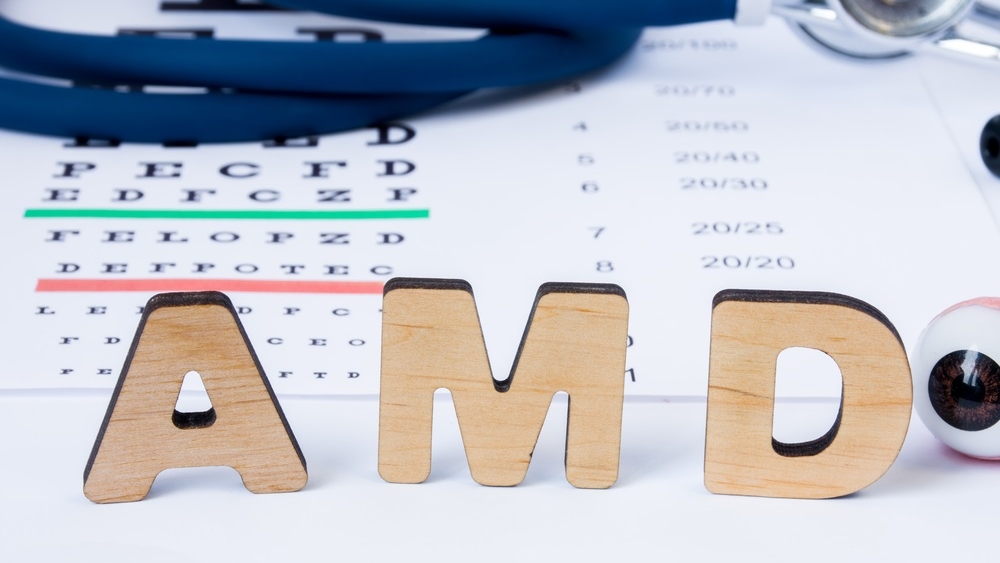
February is national Age-Related Macular Degeneration (AMD) awareness month and we want to share with you the signs, symptoms, and treatments of the eye disease. Know what to look for and how you can treat AMD.

According to Hopkins Medicine, AMD is the leading cause of vision loss in people above the age of 50. AMD causes damage to the macula, a spot near the center of the retina. This disease blurs the sharp, central vision you need for “straight-ahead” activities such as reading, sewing, and driving. AMD affects the macula, the part of the eye that allows you to see fine detail.

The rate at which damage can be done can vary. In some people, it is a slow process over years. While with others it occurs more quickly and can also involve both eyes. While Age-related Macular Degeneration does not result in complete vision loss it can interfere with activities of daily living.

There are two main forms of AMD: dry and wet. Dry AMD is the most common form and progresses slowly over time. It is characterized by a gradual loss of central vision due to the thinning of the macula and the accumulation of deposits called drusen. Wet AMD is a more severe form of the disease, which occurs when abnormal blood vessels grow underneath the macula, causing bleeding and fluid accumulation. This form of AMD can lead to rapid vision loss.

Who is more susceptible to developing AMD? Can your lifestyle have an influence as to your chances of developing AMD? As we discussed, people over the age of 50 are most likely to develop this disease.

Risk Factors for Age-Related Macular Degeneration:

  • Research shows that smoking doubles the risk of developing AMD.
  • Family history. If your family history includes AMD you are at a higher risk.
  • AMD is more common in Caucasians than in other races.

You have the power to take control of your health. These tips are things you can do to help prevent AMD.

Prevention Tips for Age-Related Macular Degeneration:

  • Exercise regularly.
  • Eat a healthy diet rich in leafy veggies and fish.
  • Avoid smoking.
  • Maintain proper vitals such as blood pressure and cholesterol.

AMD is best detected by maintaining routine eye exams. Often people question why dilation is part of a regular exam. This allows us to look into the back of your eyes for any changes that may be occurring.

While there is no cure for this disease, things such as changing your diet and adding proper exercise can help to slow down the loss of vision. You have the power to choose. Take control and choose a healthier lifestyle.  Schedule your annual exam today by calling 724-443-6767 or 724-226-0444. Your eyes will thank you for it.


 About Bissell Eye Care: John D. Bissell, OD owns and operates Bissell Eye Care servicing Northern Pittsburgh and Alle-Kiski Valley regions. With two locations to treat patients, we offer evening and Saturday appointments. Bissell Eye Care provides comprehensive eye examinations for the entire family beginning as early as 6 months, ocular disease detection and treatment, eyeglasses, sunglasses, activewear, contact lenses, and low vision examinations for those with significant vision loss. We accept most types of vision and health insurance plans. For more Information, visit bisselleyecare.com or call our Bakerstown Office at 724-443-6767 or Natrona Heights office at 724-226-0444.

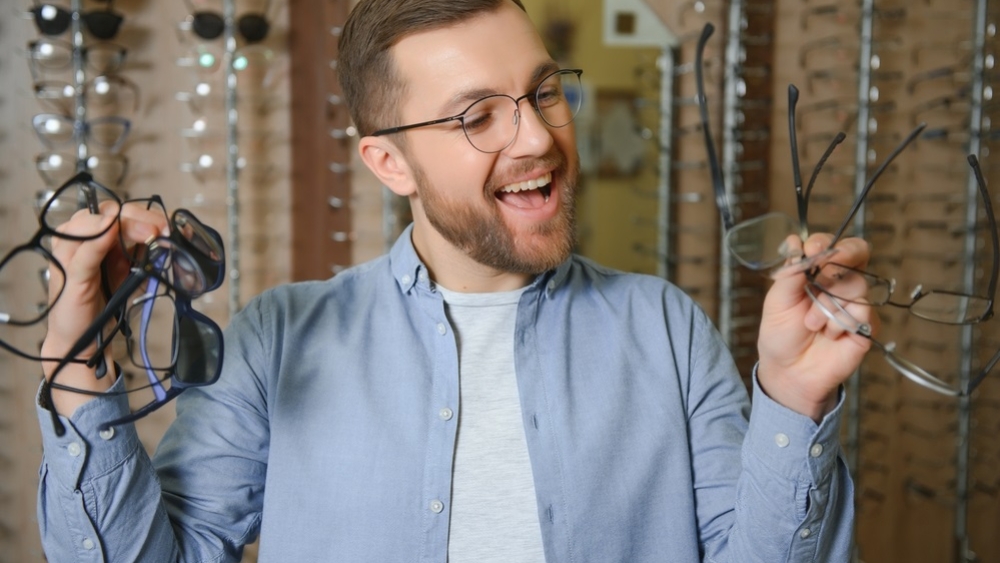
Portrait of male client holding and wearing different-spectacles.

Spring Into Fashion with New Eyeglass Frames

You don’t need to be a fashion expert to find eyeglass frames that look great on you. Our trained optical staff are here to help. Bissell Eyecare is excited to announce a new eyeglass frame line – Superdry from Tura.  These contemporary frames will be sure to turn heads and make a fashion statement with layered attention to detail and bold hues.

Eyeglasses can help create the image you want. Eyewear-styling experts recommend you start by considering the different aspects of your life. Ask yourself, “What are the different activities I participate in? What type of work do I do?” This speaks to why people need more than one pair of eyeglasses, just as they need more than one pair of shoes. Are you a fast-paced businessperson, an outdoor enthusiast, a busy mom, a retired senior, or a student?

To narrow down your choices, consider what eyewear experts suggest in terms of styling, color, material and size for various lifestyles.

STYLING TIPS

FACE SHAPE MATTERS:

  • Square Face: Eyeglasses that soften the angularity and sit high on the bridge of the nose look best on square faces. Oval or round eyeglasses will balance and add a thinner appearance to the angles of a square face.
  • Round Face: Eyeglass frames that are square or rectangular tend to be wider than a round face. This quality can enhance your face by making it appear slimmer and longer, adding balance to your round features.
  • Oval Face: Frames that suit an oval face have a strong bridge, are wider than the broadest part of the face, and are geometric in shape.
  • Diamond Face: Play up a narrow forehead and chin with eyeglass frames that sweep up or are wider than the cheekbones, such as cat eyeglasses and oval frames. These frames will accentuate your cheekbones and delicate features.
  • Heart-Shaped Face: Frames that balance the width of the forehead with the narrowness of the chin are ideal. Eyeglasses with low-set temples and bottom-heavy frame lines will add width to that narrower part of your face. Round eyeglasses or square eyeglasses with curved edges will help draw attention away from a broad, high forehead.

Consider Colors That Match Your Skin Tone

Skin tone sets the tone for high fashion frames. Select a shade closest to your skin tone:

Warm Skin Tone

If you have a yellow, bronze or golden cast to your skin, you have a warm complexion. Avoid contrasting colors such as pastels. The best frame colors for you are light tortoise, browns shades, gold or honey, beige, and olive green.

Cool Skin Tone

If your skin has pink or blue undertones, you have a cool complexion. Avoid colors that wash you out and instead reach for frames that are silver, black, dark tortoise, pink, purple, blue, mauve, and gray.

Choose Frames to Fit Your Lifestyle

There are eyeglass frames for every way of life! Think about the activities you will do while wearing your eyeglasses. If you are active, there are frames which can twist and bend without breaking. Need gaming glasses or computer glasses? Choose from a wide selection of stylish frames that enhance the gaming experience.

Show Your Personality

You can have a pair of glasses that showcase your fun-loving side on the weekends and a pair that emphasizes your get-down-to-business tone during the week. Update your frames to express your personality or have a small collection of frames on hand to easily alter your appearance to suit your mood.

New eyeglass frames are arriving for Spring. Visit our office in Bakerstown or Natrona Heights for the finest selection of eyewear frames, sunglasses, and protective sportswear.


 About Bissell Eye Care: John D. Bissell, OD owns and operates Bissell Eye Care servicing Northern Pittsburgh and Alle-Kiski Valley regions. With two locations to treat patients, we offer evening and Saturday appointments. Bissell Eye Care provides comprehensive eye examinations for the entire family beginning as early as 6 months, ocular disease detection and treatment, eyeglasses, sunglasses, activewear, contact lenses, and low vision examinations for those with significant vision loss. We accept most types of vision and health insurance plans. For more Information, visit bisselleyecare.com or call our Bakerstown Office at 724-443-6767 or Natrona Heights office at 724-226-0444.

Infographic-poster-with-detailed-effects-of-untreated-glaucoma-disease-showing-the-passing-through-a-good-and-healthy-eye-to-a-rogressive-vision loss

Glaucoma Awareness – Screen, Protect & Cure

More than 3 million people in the United States have glaucoma. The National Eye Institute projects this number will reach 4.2 million by 2030, a 58 percent increase. Glaucoma is caused by the eye’s failure to maintain the balance of pressure between the internal fluid and the amount of fluid it drains away. High eye pressure caused by this imbalance causes pressure to build up against the optic nerve causing nerve damage.

Damage typically starts in the outside peripheral vision and is often not recognized by patients. A dilated eye exam is necessary to examine the optic nerve. Treatment generally begins with eye drops. Just as in any other prescribed medication, it’s important to consistently take the drops as prescribed. Since glaucoma symptoms are typically undetected, patients will not realize the damage that can be done without following the prescription.

If the optometrists at Bissell Eye Care deem that eye drops aren’t the best course of action, lasers or in extreme cases surgical procedures may be necessary to treat the disease. For those recently diagnosed with glaucoma, you can request a free educational booklet from the Glaucoma Research Foundation.

Smart contact lenses offer an exciting breakthrough in diagnosis and treatment of glaucoma. Smart contact lenses use tiny sensors, like those found in smartphones and other wearable devices, to collect data about the pressure inside your eye. As a result, they accurately measure intraocular pressure. These contact lenses can be personalized for each patient’s unique clinical needs, they may provide a promising treatment option for glaucoma.

Glaucoma Awareness – Types of Glaucoma Include:

Chronic (Open Angle) Glaucoma is the most common form of the disease. In open angle glaucoma, aqueous fluid drains too slowly and pressure inside the eye builds up. It usually results from aging of the drainage channel, which doesn’t work as well over time. However, younger people can also develop this type of glaucoma.

Normal Tension Glaucoma is a form of open angle glaucoma not related to high pressure. People with normal tension glaucoma may be unusually sensitive to normal levels of pressure. Reduced blood supply to the optic nerve may also play a role in normal tension glaucoma.

Acute (Angle Closure) Glaucoma: occurs more in Asian and Native American descents which are at higher risk for this form of glaucoma. This type of glaucoma occurs when the drainage system of the eye becomes blocked. This causes a sudden rise in pressure, requiring immediate, emergency medical care. The signs are usually serious and may include blurred vision, severe headaches, eye pain, nausea, vomiting or seeing rainbow-like halos around lights.

January is Glaucoma Awareness Month. Don’t let the “thief of sight” rob you of your independence. If you haven’t scheduled a regular eye exam, now is the time to do so. Call it your New Year’s Resolution to better health. Take action and call our office 724-443-6767 or 724-226-0444 to schedule your annual eye exam!


 About Bissell Eye Care: John D. Bissell, OD owns and operates Bissell Eye Care servicing Northern Pittsburgh and Alle-Kiski Valley regions. With two locations to treat patients, we offer evening and Saturday appointments. Bissell Eye Care provides comprehensive eye examinations for the entire family beginning as early as 6 months, ocular disease detection and treatment, eyeglasses, sunglasses, activewear, contact lenses, and low vision examinations for those with significant vision loss. We accept most types of vision and health insurance plans. For more Information, visit bisselleyecare.com or call our Bakerstown Office at 724-443-6767 or Natrona Heights office at 724-226-0444.

The-words-New-Years-Resolutions-written-in-different-colors-on-chalkboard

Eye Care And New Year’s Resolutions

Your eyesight holds the key to your independence. As we turn the page to a new year, taking care of your eyesight should be on your “To Do” list. Resolutions for better health often include, eating better, exercising, or cutting down on sugar intake. While many people have resolutions to improve their health, they tend to not include an annual medical physical, 6-month dental visits, a hearing evaluation, and an annual eye exam.


3 Tips for Optimal Eye Health & Eye Care

Schedule A Check-up

As you turn the page to a new vision insurance year, put an annual eye exam on the list.

Give your eyes some rest

Give your eyes a break from screen time – both computers and smart devices.  People might say that it is their function to see, so why not use them to see. But never forget that excess of anything can have adverse effects. Enjoy the outdoors and relax your eyes.

Spread awareness about eye care

Encourage your friends and family to have an annual eye exam. You never know when this awareness will help someone with an eye problem and save their eyesight!

You or your children may receive an annual vision screening at work or school. What people don’t realize is that a vision screening is much less comprehensive than an eye exam. Vision screenings usually only take a few minutes and are often performed by volunteers, not by a certified optometrist and are designed to detect major vision problems. An eye screening is ineffective at detecting subtle vision problems or overall health diseases, which if left untreated can rob you of your vision or lead to ongoing health problems.

Comprehensive eye exams that are performed by the optometrists at Bissell Eye Care are designed to not only evaluate your visual acuity, but also to check the overall health of your eye. During your exam we will also check for signs of eye problems such as glaucoma, cataracts, macular degeneration and detached retina.

As an added health bonus, these exams can also detect early signs of health problems such as diabetes, high blood pressure and stroke risk; all based on the appearance of the delicate blood vessels and other structures within the eye.

As the New Year brings about resolve to change, consider your body’s overall health. Scheduling annual visits to Bissell Eye Care, but also to your medical doctor for a yearly physical can help to keep your body in top shape and provide early detection of any medical conditions before they become serious problems. Early detection is key to obtaining the best chance of treatment providing a positive outcome. Call our office at 724-443-6767 or 724-226-0444 today to schedule your annual eye exam. Wishing you the best of health in 2023.


 About Bissell Eye Care: John D. Bissell, OD owns and operates Bissell Eye Care servicing Northern Pittsburgh and Alle-Kiski Valley regions. With two locations to treat patients, we offer evening and Saturday appointments. Bissell Eye Care provides comprehensive eye examinations for the entire family beginning as early as 6 months, ocular disease detection and treatment, eyeglasses, sunglasses, activewear, contact lenses, and low vision examinations for those with significant vision loss. We accept most types of vision and health insurance plans. For more Information, visit bisselleyecare.com or call our Bakerstown Office at 724-443-6767 or Natrona Heights office at 724-226-0444.

Depositphotos_70723881_S

The Correlation Between Diabetes And Eyesight

November is Diabetes Awareness Month. For the millions of us who are at risk for diabetes, it’s a time to get educated, find resources, and make sure all those around us are aware of their risk as well. Through advocacy, program development, and education the American Diabetes Organization “aims to improve the quality of life for the over 133 million Americans living with diabetes or prediabetes. New technologies to manage diabetes, better resources to educate ourselves, and a community that’s stronger than ever.”

Just as annual physicals are important to keep you in optimal health, annual eye exams may uncover undetected disease.  Did you know diabetes also can harm your eyesight? Obtaining regular screenings will allow you to monitor your health and react to any changes that may have occurred.

The American Academy of Ophthalmology (and the American Diabetes Association) recommend patients with type 1 diabetes receive an eye exam within the first 5 years after diagnosis, then one exam per year. The groups recommend those with type 2 diabetes receive an eye exam as soon as diabetes is diagnosed, and then once yearly.

All people with diabetes are at risk of developing eye disease that can permanently damage their vision and can lead to blindness.

However, some steps can be taken to help prevent diabetic eye disease, including:

  • Managing good blood sugar, blood pressure, and cholesterol control
  • Scheduling a yearly comprehensive dilated eye exam
  • Women with diabetes before pregnancy should have a comprehensive dilated eye exam early in their pregnancy. Additional exams may be recommended during pregnancy.
  • Maintaining a healthy lifestyle by exercising regularly, not smoking and following a healthy diet

While everyone needs to schedule routine eye exams, people with diabetes need to be especially vigilant in scheduling their annual exams. Diseases such as glaucoma, cataracts, and retinopathy are best treated when they are detected early and are often associated with diabetes. Talk to your eye doctor about any concerns or vision loss you may be experiencing for the best chances of early detection and treatment.

Patients often ask, “Why do I have to have my eyes dilated?” This type of exam allows doctors to check the retina for various types of disease.

Early Warning Signs Of Diabetic Eye Disease

  • Warning signs of leaky blood vessels, such as fatty deposits
  • Changes to blood vessels
  • Changes in the lens
  • Swelling of the macula
  • Damage to nerve tissue

Glaucoma occurs when pressure builds inside the eye and is 40% more likely to occur in individuals who have diabetes. The pressure pinches blood vessels that carry blood to the retina and optic nerve. Vision is gradually lost as the retina and nerves are damaged from the increase in pressure. There are several treatments available for Glaucoma however some treatments may require surgery. Early detection of high pressure may be able to be managed by medication. Maintaining the proper eye pressure is key to preventing permanent damage to the eye.

As we age many people run a higher risk of developing cataracts. Those with diabetes are 60% more likely to develop them. By detecting cataracts early you can help to slow down the progression. The typical corrective action for cataracts is to remove the lens of the eye. Patients then would typically receive a new transplanted lens. In people with diabetes, vision can get worse after the removal of the lens and glaucoma may start to develop so additional treatment may be necessary.

Retinopathy is a general term used for all disorders of the retina that are caused by diabetes. The good news is that there have been giant strides in the past decade on treatment for retinopathy.

Have you noticed a pattern? Particularly those with diabetes must be extra vigilant with screenings and health checkups. The key to being able to keep your vision as clear as possible when you suffer from diabetes is early detection. Keep in mind that you often can lose more than 60% of your vision before you begin to notice significant differences. Talk with your doctor if you have diabetes so you know what symptoms to look for and schedule your annual vision screening.

Now is the time to get those regular exams scheduled. Call our office at 724-443-6767 or 724-226-0444 to schedule your annual exam today. How you take care of yourself now will determine your quality of life in years to come.


About Bissell Eye Care: John D. Bissell, OD owns and operates Bissell Eye Care servicing Northern Pittsburgh and Alle-Kiski Valley regions. With two locations to treat patients, we offer evening and Saturday appointments. Bissell Eye Care provides comprehensive eye examinations for the entire family beginning as early as 6 months, ocular disease detection and treatment, eyeglasses, sunglasses, activewear, contact lenses, and low vision examinations for those with significant vision loss. We accept most types of vision and health insurance plans. For more Information, visit bisselleyecare.com or call our Bakerstown Office at 724-443-6767 or Natrona Heights office at 724-226-0444.
Concept-words-FSA-adjustments-on-wooden-blocks-on-beautiful-background-from-dollar-bills.

Inflation and FSA Adjustments

The main purpose and benefit of contributing and using an FSA are that any contributions made are pre-tax dollars. However, any qualified medical expenses paid for using the FSA are tax-free dollars. So you effectively pay no taxes on those expenses, by reducing your taxable income.

Flexible Spending Accounts (FSAs), can help you to spend less on your health care while experiencing the maximum tax benefit. However, you must use monies within the current calendar year to reap the rewards. By spending all of the money in your account before the year-end deadline you ensure you are getting the most bang for your buck.

According to the Society for Human Resource Management, “Employees can put an extra $200 into their health care flexible spending accounts (health FSAs) next year, the IRS announced on Oct. 18, as the annual contribution limit rises to $3,050, up from $2,850 in 2022. The increase is double the $100 rise from 2021 to 2022 and reflects recent inflation.

If the employer’s plan permits the carryover of unused health FSA amounts, the maximum carryover amount rises to $610, up from $570.”

FSAs are pre-tax monies that are placed in an account and are available for use only on approved medical expenses. They differ from a health savings account, HSA, in that the money contributed can only be used for that calendar year. In other words, the FSA accounts are “Use it or Lose it”. As the year quickly draws to a close the question becomes, have you used it?

Common eligible expenses include dentist and doctor visits, procedures, and copays, prescription drug costs or co-pays, laser eye surgery, eye exams, contacts, eyeglasses, and chiropractor visits.

If you have any medical conditions that require special equipment or treatment, these expenses are typically covered as well.

While there are no exceptions that allow that money to be directly paid back to you, there are more options than you might expect as to how to spend the extra money. If you have monitored the amount spent during the year, you have an idea of what is left to spend down as December quickly approaches. There are two cases where you can get a little extra time to spend that money.

  1. A rollover option. This allows you to move up to $570 to next year’s balance.
  2. Grace period. Because most plans fall on the calendar year, this option allows you to use the money for up to 2 ½ months past the end of the year. Why is this? Because during the first few months of the year your account has accrued little funds.

Most FSA accounts come with a debit card and usually have one or the other of these two options but CANNOT have both. However, if you are required to submit a claim, be sure to watch the claim windows in which you are required to submit a claim.

How to spend FSA accounts?

If you have quite a bit left in your account, don’t despair. The list of things that you can spend the money on however is pretty large, leaving many surprised about what they can purchase using their FSA account. To get a full listing of what you’re allowed to spend money by visiting an online FSA store. These stores only sell items that qualify approved purchases using your FSA account.

Some out-of-the-ordinary expenses you can pay for using your FSA account also include:

  • Chiropractor visits
  • Artificial teeth or limbs
  • Qualified service animals, such as a guide dog, including food and grooming costs
  • Travel that was required for medical treatment.

You may also use the FSA for expenses such as hearing, vision, and dental services even if you don’t have insurance for those services.

Keeping track of your FSA account throughout the year and spending in moderation throughout the year will also help to reduce the scramble to use money that you have left as the year comes to an end. Despite the hassle of making sure all the money is spent, FSA accounts are a good way to avoid paying taxes on money that is used for medical expenses.

In today’s high inflation market consumers are utilizing all tools available to maximize their health care benefits and costs. Need to spend down some of those benefit dollars? Call our office at 724-443-6767 or 724-226-0444 to schedule your eye exam before the end of 2022.


About Bissell Eye Care: John D. Bissell, OD owns and operates Bissell Eye Care servicing Northern Pittsburgh and Alle-Kiski Valley regions. With two locations to treat patients, we offer evening and Saturday appointments. Bissell Eye Care provides comprehensive eye examinations for the entire family beginning as early as 6 months, ocular disease detection and treatment, eyeglasses, sunglasses, activewear, contact lenses, and low vision examinations for those with significant vision loss. We accept most types of vision and health insurance plans. For more Information, visit bisselleyecare.com or

Happy group of children in costumes during Halloween party - eye safety for kids

Have A Ghoulish Halloween

Although it has been a warm October, the signs of fall are here and Halloween celebrations are certainly around us. The leaves on the trees are turning and haunted houses are popping up. There is a nip in the air, pumpkin patches are in full swing and Halloween costumes are being planned. Trick-or-Treating can be a fun time for children and families and there are a few tips we would like to share to keep everyone safe. Regardless if you are planning your own costume for an adult party or a fun night out with the kids, consider these recommendations.

KEEP A CLEAR LINE OF VISION 

Does your costume or its accessories obstruct your view? Masks, wigs, and eye patches may make an outfit complete, but make sure your child can see. Some masks are very dangerous because they block your side vision and can cause a trip hazard. You might want to consider face paint or makeup for that Halloween effect.

FDA APPROVED MAKEUP

If you decide to use makeup instead of a mask, use hypo-allergenic options and keep makeup away from the eyes. Make sure that any color additives to the face paints are FDA approved (check the Summary of Additives on the FDA website). When applying makeup near or around the eye, stay away from the lid margin, or lash line—the area where you would normally apply eyeliner. If you are applying make-up very close to the eye, use only products approved for use in that area such as an eye-liner or eyeshadow. Do not use blush or lip-liner to create a “red” effect.  It is a good idea to carry a damp towel or washcloth in case the makeup begins to run while trick-or-treating.

Use a makeup remover or cotton ball with baby oil for safe removal after a night of fun.

DECORATIVE CONTACT LENSES CAN BE DANGEROUS

Decorative lenses that appear to glow in the dark or create the illusion of “cat eyes” are popular with teens. Buying the decorative contact lenses from a source other than an eye doctor can open the door to health issues.

Did you know according to the FDA that it is illegal to sell decorative contact lenses without a valid prescription? This would include the lenses that are sold on the internet, in retail shops and salons. Decorative lenses from unlicensed manufacturers may be made from inferior plastic or may contain toxic dyes. Untrained individuals may not follow proper hygiene while inserting or removing the devices. Eye infections related to improper wearing and handling of contact lenses can rapidly develop into infection and corneal ulcers, which can cause permanent blindness.

TRIP HAZARDS WITH LONG COSTUMES

Dark streets, porch steps and uneven ground are challenging especially for young children. Be sure the costume ends well above the ankles to avoid a trip hazard. Use well-fitting shoes or boots for safe walking. Make sure the costume is flame resistant and avoid baggy, billowing skirts and cloaks that might brush against a candle-lit jack-o’-lantern or luminary.

SHARP OBJECTS TO BE USED AS PROPS CAN BE DANGEROUS

Some costumes do not seem complete without swords or wands. Sharp, pointed props endanger your eyes as well as the eyes of others. If your child must carry a sword, find a belt carrier or scabbard where the sword can stay safely nestled while the kids roam the neighborhood. Buy or construct only accessories made of soft or flexible materials.

REFLECTIVE COSTUMES ARE A MUST

See and be seen! Give trick-or-treaters flashlights to find their way in the dark. There are several glow-in-the-dark devices children can wear such as necklaces or glow sticks. If the costume your child chooses is not made of reflective material, sew on reflective fabric strips or use stick-on strips of reflective tape. You want your child to be seen, especially crossing streets in the dark. Place reflective material on the front, back, and sides of your child’s costume.

Happy haunting….be informed, be safe and have a Happy Halloween.


About Bissell Eye Care: John D. Bissell, OD owns and operates Bissell Eye Care servicing Northern Pittsburgh and Alle-Kiski Valley regions. With two locations to treat patients, we offer evening and Saturday appointments. Bissell Eye Care provides comprehensive eye examinations for the entire family beginning as early as 6 months, ocular disease detection and treatment, eyeglasses, sunglasses, activewear, contact lenses, and low vision examinations for those with significant vision loss. We accept most types of vision and health insurance plans. For more information, visit bisselleyecare.com or call our Bakerstown Office at 724-443-6767 or Natrona Heights office at 724-226-0444.
Man cutting a hedge with electrical hedge trimmer - eye injury prevention month

National Eye Injury Prevention Month

October is Eye Injury Prevention Month. According to Discovery Eye Foundation, “You may be surprised to learn that more than 1 million people suffer an eye injury every year in the United States. You may be even more surprised to learn that most of these eye injuries happen at home and can be avoided.

Unfortunately, only about three out of ten people wear protective eyewear during home projects that can cause an injury to their eyes. Wearing protective eye wear will reduce your risk for eye injury by 90 percent! The AAO urges every household to have at least one pair of ANSI-approved protective eyewear. (“ANSI-approved” means the protective eyewear is made to meet safety standards of the American National Standards Institute.)”

According to the fifth-annual Eye Injury Snapshot conducted by the American Academy of Ophthalmology and the American Society of Ocular Trauma found that:

  • “Most people believe that eye injuries are most common on the job — especially in factories and on construction sites. But in fact, nearly half of all eye injuries occurred in the home.
  • Home repairs, yard work, cleaning, and cooking caused more than 40 percent of eye injuries. More than a third of those injuries in the home happened in the kitchen, bedroom, bathroom, living or family room.
  • More than 40 percent of eye injuries every year are related to sports or recreational activities.
  • More than 78 percent of people were not wearing eyewear at the time of injury. Only 5.3 percent of those who were wearing eyewear.”

Most injuries could have been prevented by wearing protective eyewear.

Small business owners and independent contractors, you are not immune. How often do you work a “side job” without the proper eye protection? Whether you work for a large manufacturing company or are an independent business owner, you are subject to injury. Are you willing to take a risk as it could mean the loss of work, wages, and career with no safety net to ensure your financial future?

Eye injuries are not limited to the workplace. Think about the things you do around the house to get ready for winter. Flying debris or other small particles can be created from outside jobs such as trimming shrubs, raking leaves, mowing the lawn and cleaning up after a windstorm. These particles can get into your eyes and have the potential to scratch or damage your eye.  Put on protective eyewear before you use a lawnmower, power trimmer or edger and be sure to check for rocks and stones when mowing as they can become dangerous projectiles as they shoot from these machines.

Closing swimming pools, cleaning windows and gutters, as well as other projects around the house that involve the use of chemicals can lead to injury. Splashing chemicals can burn your eyes causing permanent damage. When using household chemicals, be sure to work in a well-ventilated area and keep the spray nozzle pointed away from you. Read the labels of chemicals and cleaners carefully, and do not mix products.

At Bissell Eye Care, we have many options for safety and sports eyewear available both our Bakerstown and Natrona Heights locations. If you would like to invest in your eye health, consider purchasing a reliable pair of safety glasses! As always, UV Protection is also important for optimum ocular health. Ensuring that the exposure of the eye to harmful UV radiation is as limited as possible is equally as important as wearing protective glasses during risky activities. Sunglasses may be covered under your insurance care provider (especially if they are dispensed with your current prescription).

If you have any questions or concerns regarding eye safety or would like to schedule an appointment for an eye examination, our Bakerstown office at 724-443-6767 or the Natrona Heights office at 724-226-0444.


About Bissell Eye Care: John D. Bissell, OD owns and operates Bissell Eye Care servicing Northern Pittsburgh and Alle-Kiski Valley regions. With two locations to treat patients, we offer evening and Saturday appointments. Bissell Eye Care provides comprehensive eye examinations for the entire family beginning as early as 6 months, ocular disease detection and treatment, eyeglasses, sunglasses, activewear, contact lenses, and low vision examinations for those with significant vision loss. We accept most types of vision and health insurance plans. For more information, visit bisselleyecare.com or call our Bakerstown Office at 724-443-6767 or Natrona Heights office at 724-226-0444.