

diabetic-vision-loss-1-1024x683

Protecting Your Eyes from Diabetic Vision Loss

November is National Diabetes Month—a time dedicated to raising awareness about diabetes and the importance of regular health checkups, including eye exams. If you have diabetes, caring for your eyes should be a top priority. Diabetes can silently damage your vision before you notice any symptoms, making early detection through routine eye care essential to maintaining healthy sight.


How Diabetes Affects the Eyes

Diabetes can cause several eye conditions collectively known as diabetic eye disease. These include:

  • Diabetic Retinopathy:
    The most common form of diabetic eye disease, retinopathy occurs when high blood sugar damages blood vessels in the retina. Over time, this can lead to blurred vision, floaters, and even permanent vision loss if left untreated.
  • Diabetic Macular Edema (DME):
    When fluid builds up in the macula—the part of your eye responsible for sharp, central vision—swelling can distort vision and make everyday tasks like reading or recognizing faces difficult.
  • Cataracts and Glaucoma:
    People with diabetes are more likely to develop cataracts at an earlier age and have an increased risk for glaucoma, both of which can contribute to vision loss if not properly managed.


The Power of a Comprehensive Eye Exam

The good news? Diabetic eye disease is often preventable and treatable—especially when caught early. That’s why a comprehensive dilated eye exam is one of the most effective tools for protecting your vision.

During your exam, the doctors at Bissell Eye Care will:

  • Examine the retina and optic nerve for signs of damage
  • Check for swelling, bleeding, or new blood vessel growth
  • Monitor changes in your prescription or overall eye health

Even if your vision seems fine, early retinal changes can occur without noticeable symptoms. Regular monitoring allows your doctor to detect and treat issues before they progress.


Everyday Tips for Healthy Eyes with Diabetes

Protecting your eyes goes hand-in-hand with managing your overall health. Here are a few ways to support your vision every day:

  • Keep blood sugar, blood pressure, and cholesterol under control
  • Follow a balanced diet rich in fruits, vegetables, and omega-3s
  • Exercise regularly to improve circulation and eye health
  • Avoid smoking, which increases the risk of diabetic complications
  • Schedule yearly eye exams—or more often if recommended by your doctor


See the Difference Regular Care Can Make

At Bissell Eye Care, we’re dedicated to helping patients with diabetes preserve their sight and enjoy clear, healthy vision for years to come.

If you have diabetes or have recently been diagnosed with the disease, now is the perfect time to schedule a comprehensive diabetic eye exam. Early detection is the key to preventing vision loss—and taking charge of your eye health is one of the best ways to recognize National Diabetes Month.

Call 724-443-6767 or 724-226-0444 today to schedule your comprehensive eye exam.


About Bissell Eye Care: John D. Bissell, OD, is the owner of Bissell Eye Care, proudly serving the Northern Pittsburgh and Alle-Kiski Valley regions. Dr. Bissell has received advanced training through the International Academy of Low Vision Specialists, enabling him to help patients living with vision impairment and low vision challenges. With two convenient office locations and evening appointments available, Bissell Eye Care offers comprehensive eye exams for the entire family—starting as young as six months. Our services include ocular disease detection and treatment, prescription eyeglasses and sunglasses, specialty activewear eyewear, contact lenses, and dedicated low vision evaluations for those with significant vision impairment and vision loss. We accept most vision and health insurance plans. To learn more, visit bisselleyecare.com or call our Bakerstown office at 724-443-6767 or our Natrona Heights office at 724-226-0444.

Healthy-Aging-and-Your-Eyes

Healthy Aging and Your Eyes: A Guide to Preserving Vision

As we grow older, our bodies naturally change—and our eyes are no exception. According to the National Eye Institute, vision loss from age-related eye disease is becoming a major public health concern. Today, more than 40 million Americans are over the age of 65, and that number is projected to rise to 88 million by 2050.

Protecting your eyesight is vital to maintaining independence and quality of life. By understanding common age-related eye conditions and making healthy choices now, you can enjoy clearer vision well into your later years.

Common Eye Diseases in Older Adults

Aging increases the risk of several eye conditions. Awareness and early detection through comprehensive eye exams at Bissell Eye Care can make a significant difference in protecting your sight.

  • Cataracts – Clouding of the eye’s natural lens causes blurred vision, glare, and difficulty seeing at night. Cataracts are common but highly treatable—surgery is safe, effective, and can restore clear vision.
  • Glaucoma – Often called the “silent thief of sight,” glaucoma damages the optic nerve, usually from high eye pressure. It develops slowly and can cause permanent vision loss if not detected early. Regular exams are critical to monitor eye pressure and preserve vision.
  • Age-Related Macular Degeneration (AMD) – AMD affects central vision by damaging the macula, the part of the retina that lets you see fine details. While there’s no cure, lifestyle changes, supplements, and treatments can slow its progression.
  • Diabetic Retinopathy – High blood sugar levels can damage blood vessels in the retina, leading to vision loss. Managing diabetes and having routine eye exams are essential for prevention and treatment.
  • Dry Eye Syndrome – As tear production decreases with age, eyes may feel dry, irritated, or blurry. Over-the-counter drops, prescription medications, and simple lifestyle changes can bring relief.

Protecting Your Vision as You Age

Healthy aging starts with daily choices that support long-term eye health. Here’s what you can do:

  • Schedule comprehensive eye exams every year—even if you don’t notice changes in your vision. Many eye diseases develop silently and are most treatable in the early stages.
  • Eat a nutrient-rich diet including leafy greens, carrots, fish, nuts, and foods high in antioxidants like vitamins C and E, zinc, and lutein.
  • Manage chronic conditions such as diabetes and high blood pressure through medication, diet, and regular check-ups. These conditions greatly affect your vision.
  • Quit smoking—a major risk factor for cataracts, AMD, and many other health issues.
  • Protect your eyes from UV rays by wearing sunglasses with UV protection and a wide-brimmed hat.
  • Stay active with regular exercise, which improves circulation and lowers the risk of eye-complicating conditions.
  • Get enough sleep—rest gives your eyes time to recover and stay healthy.

A Clearer Future

Your eyes are your windows to the world and play a key role in maintaining independence as you age. By learning about common eye diseases and adopting healthy habits today, you can protect your vision for years to come.  Regular eye exams, a balanced diet, and a proactive approach to overall health are the cornerstones of keeping your eyes sharp and your outlook bright.  To schedule your annual comprehensive eye exam, call 724-443-6767 or 724-226-0444.


About Bissell Eye Care: John D. Bissell, OD, is the owner of Bissell Eye Care, proudly serving the Northern Pittsburgh and Alle-Kiski Valley regions. Dr. Bissell has received advanced training through the International Academy of Low Vision Specialists, enabling him to help patients living with vision impairment and low vision challenges. With two convenient office locations and evening appointments available, Bissell Eye Care offers comprehensive eye exams for the entire family—starting as young as six months. Our services include ocular disease detection and treatment, prescription eyeglasses and sunglasses, specialty activewear eyewear, contact lenses, and dedicated low vision evaluations for those with significant vision impairment and vision loss. We accept most vision and health insurance plans. To learn more, visit bisselleyecare.com or call our Bakerstown office at 724-443-6767 or our Natrona Heights office at 724-226-0444.

pair of mirror sunglasses in front of forest scene - with clarity in glasses Managing light sensitivity with Stargardt disease

Managing Light Sensitivity with Stargardt Disease This Summer

Summer’s long, sunny days are something many look forward to—but if you’re living with Stargardt disease, this season can bring increased challenges. Bright sunlight and glare can significantly impact your comfort and ability to see clearly, making everyday activities more difficult.

At Dr. Bissell’s low vision clinic, he understands how overwhelming bright light can be for individuals with Stargardt disease. That’s why he offers personalized solutions to help you manage light sensitivity and maintain your independence.

As a proud member of the International Academy of Low Vision Specialists (IALVS), we believe that vision loss doesn’t have to limit your lifestyle—even during the sunniest time of year.

Why Stargardt Disease Makes Summer More Difficult

Stargardt disease affects the macula, the part of the eye responsible for sharp central vision. Over time, it can cause bright light to feel uncomfortable and reduce your ability to see detail—especially in high-glare environments like beaches, pavement, or water.

You may notice yourself squinting more often, avoiding time outdoors, or feeling frustrated by reflective surfaces. Our goal is to help you make the most of your remaining vision and feel more comfortable—even in harsh sunlight.

Solutions for Seeing Better in Bright Conditions

Our practice takes a personalized approach to low vision care. After understanding your specific needs and daily challenges, we may recommend:

  • Custom-tinted low vision glasses to reduce glare and enhance contrast
  • UV-protective lenses for added comfort and eye protection outdoors
  • Wraparound frames or side shields to block peripheral light
  • Wide-brimmed hats or visors for additional sun protection
  • Adjusting outdoor activities to early morning or late afternoon when the sun is lower

We’ll also help you improve indoor lighting so you can reduce eye strain even as daylight hours extend.

You Can Enjoy Summer Again

If vision loss is affecting your quality of life, you’re not alone—and you don’t have to navigate it without support. Contact Dr. Bissell today at 724-443-6767 or 724-226-0444 to explore individualized low vision solutions. With the right guidance and devices, you can feel more comfortable in bright conditions and return to the summer activities you enjoy most.


About Bissell Eye Care: John D. Bissell, OD, is the owner of Bissell Eye Care, proudly serving the Northern Pittsburgh and Alle-Kiski Valley regions. Dr. Bissell has received advanced training through the International Academy of Low Vision Specialists, enabling him to help patients living with vision impairment and low vision challenges. With two convenient office locations and evening appointments available, Bissell Eye Care offers comprehensive eye exams for the entire family—starting as young as six months. Our services include ocular disease detection and treatment, prescription eyeglasses and sunglasses, specialty activewear eyewear, contact lenses, and dedicated low vision evaluations for those with significant vision impairment and vision loss. We accept most vision and health insurance plans. To learn more, visit bisselleyecare.com or call our Bakerstown office at 724-443-6767 or our Natrona Heights office at 724-226-0444.

image of a senior age woman with her chin in her hand representing Low Vision After a Stroke

Vision Impairment and Low Vision After a Stroke: What You Should Know

A stroke can dramatically change many aspects of a person’s life, and vision is no exception. While most people associate strokes with weakness or speech difficulties, it’s important to recognize that strokes can also affect the way we see the world. Vision impairment and low vision are common consequences that can impact independence, safety, and overall quality of life.


How Strokes Affect Vision

A stroke occurs when blood flow to a part of the brain is blocked or when a blood vessel in the brain bursts. Depending on where the stroke happens, it can damage areas of the brain responsible for processing visual information. This can lead to a range of visual problems, including:

  • Hemianopia – Loss of vision on one side of each eye (often the same side).
  • Quadrantanopia – Loss of vision in a quarter of the visual field.
  • Blurred or double vision – Difficulty focusing on objects.
  • Visual neglect – The brain ignores part of the visual field, even though the eyes can still see it.

These issues often fall under the category of low vision, which means vision loss that cannot be fully corrected with glasses, contact lenses, medication, or surgery.

Living With Low Vision After a Stroke

Adjusting to vision impairment after a stroke can feel overwhelming, but support and resources are available. Here are a few strategies and tools that may help:

  • Comprehensive eye exams: Regular checkups with an eye care professional can help monitor changes and recommend tailored solutions.
  • Vision rehabilitation: Specialized therapists can teach techniques to scan the environment, improve coordination, and make the most of remaining vision.
  • Assistive devices: Magnifiers, specialized lighting, large-print materials, and electronic aids can improve daily functioning.
  • Home modifications: Simple changes like increasing contrast on stairs, decluttering walkways, and labeling items can help prevent accidents.

Don’t Face It Alone

Vision impairment after a stroke is life-changing, but there is help. Low vision specialists such as Dr. Bissell, occupational therapists, and stroke support groups can provide guidance, training, and emotional support. If you or a loved one has experienced a stroke, schedule a comprehensive low vision eye exam with Dr. Bissell to discuss your concerns and explore ways to adapt and live safely and independently. Call 724-443-6767 or 724-226-0444 to schedule your appointment.


About Bissell Eye Care: John D. Bissell, OD, is the owner of Bissell Eye Care, proudly serving the Northern Pittsburgh and Alle-Kiski Valley regions. Dr. Bissell has received advanced training through the International Academy of Low Vision Specialists, enabling him to help patients living with vision impairment and low vision challenges. With two convenient office locations and evening appointments available, Bissell Eye Care offers comprehensive eye exams for the entire family—starting as young as six months. Our services include ocular disease detection and treatment, prescription eyeglasses and sunglasses, specialty activewear eyewear, contact lenses, and dedicated low vision evaluations for those with significant vision impairment and vision loss. We accept most vision and health insurance plans. To learn more, visit bisselleyecare.com or call our Bakerstown office at 724-443-6767 or our Natrona Heights office at 724-226-0444.
Senior couple walking hand in hand, gleaming at each other with eye glasses on, in the outdoors with big trees in the backgroundWays to Prevent Vision Loss

Healthy Aging and Your Eyesight: A Guide to Preserving You Vision

As we age, our bodies undergo various changes, and our eyes are no exception. According to the National Eye Institute, with the aging population, vision loss from eye disease is becoming a major public health concern. More than 40 million people are age 65 or older, and that number is expected to grow to more than 88 million by 2050. Maintaining good eye health is the key to maintaining our quality of life and independence. Understanding common eye diseases that affect older adults and taking proactive steps to care for your eyes today can lead to a brighter, clearer future.

Common Eye Diseases in Older Adults

Aging increases the risk of several eye conditions. Awareness of these diseases and scheduling comprehensive eye exams with the doctors at Bissell Eye Care can help in early detection and management.

  • Cataracts occur when the lens of the eye becomes cloudy, leading to blurred vision, glare, and difficulty seeing at night. This condition is extremely common in older adults and can significantly impair daily activities. Fortunately, cataract surgery is a safe and effective treatment that can restore vision.
  • Glaucoma – Known as the “silent thief of sight,” glaucoma is a group of eye conditions that damage the optic nerve, often due to high eye pressure. It develops gradually and can lead to irreversible vision loss if not detected early. Regular comprehensive eye exams are essential for monitoring eye pressure and catching glaucoma in its early stages.
  • Age-Related Macular Degeneration (AMD) AMD affects the macula, the part of the retina responsible for central vision. This condition can cause blurred or distorted vision and is a leading cause of vision loss in older adults. While there is no cure, treatments such as lifestyle changes, nutritional supplements, and medical interventions can slow its progression.
  • Diabetic Retinopathy Diabetes can lead to diabetic retinopathy, a condition where high blood sugar levels damage the blood vessels in the retina. This can result in vision loss if left untreated. Managing blood sugar levels and regular eye check-ups are key to preventing or managing this condition.
  • Dry Eye Syndrome As we age, our eyes produce fewer tears, leading to dry eye syndrome. This condition can cause discomfort, redness, and blurred vision. Over-the-counter eye drops, prescription medications, and lifestyle adjustments can help alleviate symptoms.

Ways to Prevent Vision Loss

Healthy aging starts with the choices you make today. Here are some steps you can take to protect your eyes and maintain good vision as you age:

  • Schedule regular comprehensive eye exams which vital for detecting eye diseases in their early stages when they are most treatable. Even if you don’t have vision problems, seeing an optometrist annually can help catch potential issues before they become serious.
  • A healthy diet rich in fruits, vegetables, and omega-3 fatty acids can support eye health. Foods like leafy greens, carrots, fish, and nuts provide essential nutrients such as vitamins C and E, zinc, and lutein, which are important for eye health.
  • Managing chronic health conditions like diabetes and hypertension can have a significant impact on your eyesight. These conditions which are managed through medication, diet, and regular check-ups can reduce the risk of eye-related complications.
  • Quit smoking as it is a major risk factor for your overall health as well as several eye diseases, including cataracts and AMD.
  • Protect Your Eyes from UV radiation from the sun which can damage your eyes over time. Wearing sunglasses with UV protection and a wide-brimmed hat can shield your eyes from harmful rays.
  • Stay physically active by participating in regular exercise that improves circulation, which is beneficial for your eyes and helps lower the risk of conditions like diabetes and high blood pressure.
  • Quality sleep is essential for overall health, including your eyes. Resting your eyes during sleep allows them to recover and stay healthy.

Your eyes are your windows to the world and the pathway to maintaining your independence. By understanding common eye diseases and adopting healthy habits today, you can preserve your vision and enjoy a high quality of life well into your later years. Regular comprehensive eye exams, a healthy diet, and a proactive approach to managing your health are key to keeping your eyes sharp and your outlook bright. Don’t delay call our office at 724-443-6767 or 724-226-0444 to schedule your appointment today!


About Bissell Eye Care: John D. Bissell, OD owns and operates Bissell Eye Care servicing Northern Pittsburgh and Alle-Kiski Valley regions. With two locations to treat patients, we offer evening appointments. Bissell Eye Care provides comprehensive eye examinations for the entire family beginning as early as 6 months, ocular disease detection and treatment, eyeglasses, sunglasses, activewear, contact lenses, and low vision examinations for those with significant vision loss. We accept most types of vision and health insurance plans. For more information, visit bisselleyecare.com or call our Bakerstown Office at 724-443-6767 or Natrona Heights office at 724-226-0444.
Depositphotos_193803530_S

Understanding Migraines and Vision Loss: Exploring Ocular Migraine Types

Migraines are debilitating headaches that affect millions of people worldwide. While most associated with severe head pain, migraines can also involve various visual disturbances, including temporary vision loss. These episodes, known as ocular migraines, can be frightening and confusing for those experiencing them.

What are Migraines and Vision Loss?

Migraines are neurological conditions characterized by recurring severe headaches often accompanied by other symptoms. Vision loss or visual disturbances are common occurrences during a migraine attack, affecting approximately 20% of migraine sufferers. These visual disturbances can manifest in various ways, including temporary blindness, blurred or distorted vision, zigzag lines, flashing lights, and blind spots. While vision loss can be alarming, it typically resolves within minutes to an hour.

Types of Ocular Migraines:

Ocular Migraine without Headache:

This type of ocular migraine, also known as a retinal migraine, is characterized by temporary vision loss or blindness in one eye. These episodes may last less than an hour and are typically painless. Although rare, they can be caused by a sudden decrease in blood flow or blood vessel spasms in the eye.

Ocular Migraine with Aura:

Ocular migraines with aura involve visual disturbances that precede or accompany the headache phase of a migraine attack. The aura typically appears as shimmering or flickering lights, zigzag patterns, or blind spots in the visual field. These visual symptoms can last for several minutes to an hour and are followed by a headache.

Persistent Aura without Infarction (Visual Snow Syndrome):

Visual Snow Syndrome is a rare condition characterized by persistent visual disturbances. People with this condition experience a constant overlay of flickering dots or static-like visual snow in their entire visual field. It is often associated with other migraine symptoms but may persist even in the absence of a headache.

Causes of Migraines and Vision Loss:

The exact causes of migraines and vision loss are not fully understood, but several factors can contribute to their occurrence. Some common triggers include:

Genetic Predisposition: Migraines and ocular migraines tend to run in families, suggesting a genetic component in their development.

Vascular Changes: Migraine attacks are associated with changes in blood flow and blood vessel dilation in the brain and ocular structures. These changes can disrupt normal visual processing and lead to visual disturbances.

Hormonal Fluctuations: Many women experience migraines associated with hormonal changes, such as during menstruation, pregnancy, or menopause. These hormonal fluctuations can trigger ocular migraines and vision loss.

Environmental Factors: Certain environmental factors, including bright lights, strong odors, loud noises, and weather changes, can act as triggers for migraines and ocular migraines in susceptible individuals.

Managing Ocular Migraines:

While ocular migraines can be distressing, they are usually benign and do not cause permanent vision loss. However, if you experience vision loss or visual disturbances for the first time, it is crucial to seek immediate medical attention to rule out other serious conditions.

Here are some general strategies for managing ocular migraines:

Identify Triggers: Keep a diary to identify potential triggers and avoid them whenever possible.

Lifestyle Modifications: Maintain a regular sleep schedule, manage stress levels, exercise regularly, and ensure a balanced diet to minimize the frequency and intensity of migraines.

Medication: Over-the-counter pain relievers, such as acetaminophen or ibuprofen, can help alleviate symptoms during a migraine attack. In severe cases, your healthcare provider may prescribe specific medications to manage and prevent migraines.

Relaxation Techniques: Practicing relaxation techniques such as deep breathing, meditation, and yoga can help reduce stress and tension, potentially decreasing the likelihood of migraines.

If you are concerned about ocular migraines give our office a call to ensure an accurate diagnosis and rule out other potential causes. By understanding the triggers and adopting preventive measures, individuals can effectively manage migraines and reduce the frequency and intensity of ocular migraines, improving their overall quality of life. Remember, early intervention and proper self-care are crucial in dealing with migraines and associated vision loss.


About Bissell Eye Care: John D. Bissell, OD owns and operates Bissell Eye Care servicing Northern Pittsburgh and Alle-Kiski Valley regions. With two locations to treat patients, we offer evening and Saturday appointments. Bissell Eye Care provides comprehensive eye examinations for the entire family beginning as early as 6 months, ocular disease detection and treatment, eyeglasses, sunglasses, activewear, contact lenses, and low vision examinations for those with significant vision loss. We accept most types of vision and health insurance plans. For more Information, visit bisselleyecare.com or call our Bakerstown Office at 724-443-6767 or Natrona Heights office at 724-226-0444.

Depositphotos_70723881_S

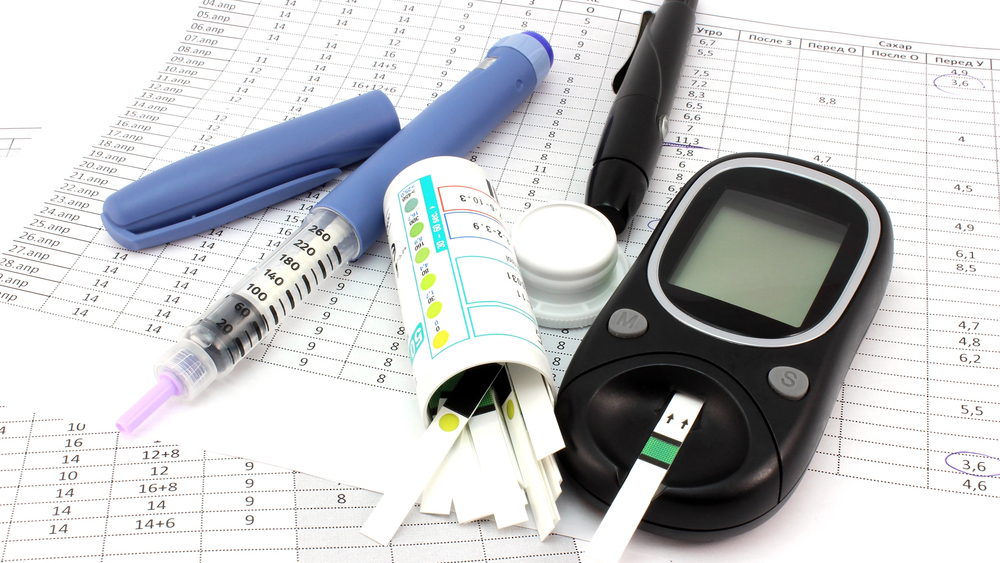
The Correlation Between Diabetes And Eyesight

November is Diabetes Awareness Month. For the millions of us who are at risk for diabetes, it’s a time to get educated, find resources, and make sure all those around us are aware of their risk as well. Through advocacy, program development, and education the American Diabetes Organization “aims to improve the quality of life for the over 133 million Americans living with diabetes or prediabetes. New technologies to manage diabetes, better resources to educate ourselves, and a community that’s stronger than ever.”

Just as annual physicals are important to keep you in optimal health, annual eye exams may uncover undetected disease.  Did you know diabetes also can harm your eyesight? Obtaining regular screenings will allow you to monitor your health and react to any changes that may have occurred.

The American Academy of Ophthalmology (and the American Diabetes Association) recommend patients with type 1 diabetes receive an eye exam within the first 5 years after diagnosis, then one exam per year. The groups recommend those with type 2 diabetes receive an eye exam as soon as diabetes is diagnosed, and then once yearly.

All people with diabetes are at risk of developing eye disease that can permanently damage their vision and can lead to blindness.

However, some steps can be taken to help prevent diabetic eye disease, including:

  • Managing good blood sugar, blood pressure, and cholesterol control
  • Scheduling a yearly comprehensive dilated eye exam
  • Women with diabetes before pregnancy should have a comprehensive dilated eye exam early in their pregnancy. Additional exams may be recommended during pregnancy.
  • Maintaining a healthy lifestyle by exercising regularly, not smoking and following a healthy diet

While everyone needs to schedule routine eye exams, people with diabetes need to be especially vigilant in scheduling their annual exams. Diseases such as glaucoma, cataracts, and retinopathy are best treated when they are detected early and are often associated with diabetes. Talk to your eye doctor about any concerns or vision loss you may be experiencing for the best chances of early detection and treatment.

Patients often ask, “Why do I have to have my eyes dilated?” This type of exam allows doctors to check the retina for various types of disease.

Early Warning Signs Of Diabetic Eye Disease

  • Warning signs of leaky blood vessels, such as fatty deposits
  • Changes to blood vessels
  • Changes in the lens
  • Swelling of the macula
  • Damage to nerve tissue

Glaucoma occurs when pressure builds inside the eye and is 40% more likely to occur in individuals who have diabetes. The pressure pinches blood vessels that carry blood to the retina and optic nerve. Vision is gradually lost as the retina and nerves are damaged from the increase in pressure. There are several treatments available for Glaucoma however some treatments may require surgery. Early detection of high pressure may be able to be managed by medication. Maintaining the proper eye pressure is key to preventing permanent damage to the eye.

As we age many people run a higher risk of developing cataracts. Those with diabetes are 60% more likely to develop them. By detecting cataracts early you can help to slow down the progression. The typical corrective action for cataracts is to remove the lens of the eye. Patients then would typically receive a new transplanted lens. In people with diabetes, vision can get worse after the removal of the lens and glaucoma may start to develop so additional treatment may be necessary.

Retinopathy is a general term used for all disorders of the retina that are caused by diabetes. The good news is that there have been giant strides in the past decade on treatment for retinopathy.

Have you noticed a pattern? Particularly those with diabetes must be extra vigilant with screenings and health checkups. The key to being able to keep your vision as clear as possible when you suffer from diabetes is early detection. Keep in mind that you often can lose more than 60% of your vision before you begin to notice significant differences. Talk with your doctor if you have diabetes so you know what symptoms to look for and schedule your annual vision screening.

Now is the time to get those regular exams scheduled. Call our office at 724-443-6767 or 724-226-0444 to schedule your annual exam today. How you take care of yourself now will determine your quality of life in years to come.


About Bissell Eye Care: John D. Bissell, OD owns and operates Bissell Eye Care servicing Northern Pittsburgh and Alle-Kiski Valley regions. With two locations to treat patients, we offer evening and Saturday appointments. Bissell Eye Care provides comprehensive eye examinations for the entire family beginning as early as 6 months, ocular disease detection and treatment, eyeglasses, sunglasses, activewear, contact lenses, and low vision examinations for those with significant vision loss. We accept most types of vision and health insurance plans. For more Information, visit bisselleyecare.com or call our Bakerstown Office at 724-443-6767 or Natrona Heights office at 724-226-0444.
migraine triggers

Migraine Triggers and Vision Loss

If you are someone who suffers from migraine headaches, you may also be in the 20% of people who experience ocular migraines – often realized as a precursor to a migraine.

An ocular migraine can cause vision loss or blindness in one eye for a short time — less than an hour. This happens before or along with a migraine headache. Regular migraine attacks can also cause vision problems, called an aura, which can involve flashing lights and blind spots. But these symptoms usually happen in both eyes.

This is a visual distortion that occurs in both eyes for a short period of time and may develop as a series of bright flickering lights that will gradually obscure your vision and then go away.

Visual migraines often appear suddenly and may create the sensation of looking through a cracked window. The visual migraine aura usually moves across your field of view and disappears within 30 minutes.

The symptoms of a visual migraine typically affect both eyes and can last 30 minutes or less. A migraine headache may occur shortly after the symptoms of a visual migraine subside or you may experience no headache at all.

Painless Ocular Migraine

In some cases, ocular migraines can occur without any accompanying headache. These typically involve a widening blurry patch in your vision that is surrounded by bright, flickering lights. This will gradually spread to cover the entire field of vision, taking between a few minutes to a half an hour before going away on its own.

The visual disruption may be the only symptom, but sometimes it’s accompanied by other sensory, speech, or motor problems. If you’re doing an activity or driving when an ocular migraine occurs, stop what you are doing. If one starts coming on while you’re driving, pull over until it passes, and it may be best to lie down and relax. While these ocular migraines are usually harmless, it’s a good idea to schedule an eye exam to be sure there aren’t any underlying issues with your vision.

Migraine Aura

Migraine auras include a variety of sensations that are often visual. Auras may also include other sensations, such as numbness, that precede or accompany a migraine. A migraine aura can sometimes occur without a headache.

Visual symptoms don’t last long. A migraine aura involving your vision will affect both eyes, and you may see:

  •         Flashes of light
  •         Zigzagging patterns
  •         Blind spots
  •         Shimmering spots or stars

Web MD suggests “The first step to preventing migraines is to avoid triggers. These often include:

  •         Stress
  •         Smoking
  •         High blood pressure
  •         Hormonal birth control pills
  •         Exercise
  •         Bending over
  •         High altitude
  •         Dehydration
  •         Low blood sugar
  •         Excessive heat

Although dietary triggers — such as caffeine, alcohol, and artificial sweeteners — can cause other types of migraines, they seem less likely to trigger ocular migraines.

If other treatments don’t work and you have four or more migraine days a month, your doctor may suggest preventive medicines. You can take these regularly to reduce the severity or frequency of headaches.”

Retinal Migraine

The most dangerous form of ocular migraine is a retinal migraine. Like an aura accompanying a migraine, a retinal migraine will usually occur before a bad headache sets in, but the difference is that the visual distortions are only in a single eye.

A retinal migraine — unlike a migraine aura — will affect only one eye, not both. But usually, loss of vision in one eye isn’t related to migraine. It’s generally caused by some other more serious condition.

Retinal migraines are the rarest form of ocular migraine, but if you’ve experienced them, you should definitely see a doctor, because they are usually caused by a more serious condition.

If you’re experiencing a blind spot or other visual disturbance and you’re not sure if it’s an ocular migraine or a visual migraine, then cover one eye at a time. If the visual disturbance is occurring in just one eye, it’s likely that it’s an ocular migraine. If it affects both eyes, it’s probably a visual migraine.

But don’t take chances. If you suddenly experience any sort of blind spot in your field of vision, call our office at 724-443-6767 or 724-226-0444 immediately to determine if it’s harmless or possibly a sign of something more serious, such as a retinal detachment.


About Bissell Eye Care: John D. Bissell, OD owns and operates Bissell Eye Care servicing Northern Pittsburgh and Alle-Kiski Valley regions. With two locations to treat patients, we offer evening and Saturday appointments. Bissell Eye Care provides comprehensive eye examinations for the entire family beginning as early as 6 months, ocular disease detection and treatment, eyeglasses, sunglasses, activewear, contact lenses, and low vision examinations for those with significant vision loss. We accept most types of vision and health insurance plans. For more nformation, visit bisselleyecare.com or call our Bakerstown Office at 724-443-6767 or Natrona Heights office at 724-226-0444.

Dry Eyes and Healthy Aging

Eye drops for dry eyes

We’re rolling into another season of the year as summer winds down and the nights are getting dark earlier. September is National Healthy Ageing Month and we want to point out some advantages of annual exams and health visits. When it comes to your vision many diseases can be slowed down, stopped, or even reversed if caught early. Having routine screenings helps to give a baseline for your doctor to better be able to notice changes in your eyes.

If your eyes aren’t giving you any discomfort, they may become a second thought. However, a condition called dry eye can become unpleasant, painful and create a gritty feeling as well as blurred vision. Based on data from the National Health and Wellness Survey, 6.8 percent of the United States adult population (approximately 16.4 million people) have been diagnosed with Dry Eye Disease with women more likely to develop dry eyes after menopause.

Tears are made up of three layers. The layer closest to the cornea is a thin mucus that helps tears adhere to the surface. The middle layer contains the watery portion of the tears. The outer layer is composed of fatty oils. A proper mix helps maintain healthy tears, which coat and lubricate the eyes, nourish cells, wash away dust and other irritants to ward off infection and keep the surface smooth so you can see clearly.

Certain medical conditions can impact our tear function, triggering dry eye — among them, systemic autoimmune diseases (such as rheumatoid arthritis and lupus), as well as diabetes, strokes and thyroid problems. Antihistamines, decongestants, blood pressure medications, antidepressants, and anti-anxiety medication, and hormone replacement therapy to relieve symptoms of menopause can also lead to dry eyes.
If you suffer from dry eyes, these tips can help alleviate dry eye symptoms:

  • Take a tech break – using the 20 20 20 rule. Look away from the screen every 20 minutes, focusing on something 20 feet in the distance for at least 20 seconds.
  • Increase moisture in your environment with the use of a humidifier.
  • Protect your eyes from nature’s elements with wrap-around frames to protect from wind, frigid temps and bright sunlight.
  • Limit contact usage by switching to daily disposable lenses or wear glasses
  • Over-the-counter eye drops may provide some relief but prescription artificial tears may add relief if over the counter options don’t work.
  • Clean eyelids regularly with a mild cleanser or eyelid scrub such as Ocusoft.

Vision loss is not always noticeable immediately. Many times an individual can lose a significant amount of vision before it becomes noticeable. When vision loss is detected early, the person stands a much greater chance of being able to slow down or even prevent their vision loss.

Medical screenings are important too. Annual physicals, bloodwork, and regular cancer screenings can be a pivotal point of identifying a problem and taking the proper steps to treat it. These screenings also provide peace of mind that you are as healthy as you can be.

Diet and exercise also play in role in healthy aging. It’s easy to come home from a long day at the office, run through the take out window and grab a quick bite. Taking time to plan and cook meals on the weekend allows for better eating habits and healthier food all around.

Put regular exercise into your routine that will help shed some unwanted pounds. Take a walk at lunch or right after work if you can. As we grow older, gone are the responsibilities of running kids to their various activities. Make taking care of yourself the priority and put exercise into your calendar.

While we, at Bissell Eye Care, focus on vision and helping our patients to see to the best of their ability, we want to stress that importance of not just routine eye appointments, but all suggested medical appointments and screenings. As we age it becomes more important than ever to take care of yourself. The quality of our lives as we age, will depend on what we do today.

About Bissell Eye Care: John D. Bissell, OD owns and operates Bissell Eye Care servicing Northern Pittsburgh and Alle-Kiski Valley regions. With two locations to treat patients, we offer evening and Saturday appointments. Bissell Eye Care provides comprehensive eye examinations for the entire family beginning as early as 6 months, ocular disease detection and treatment, eyeglasses, sunglasses, activewear, contact lenses, and low vision examinations for those with significant vision loss. We accept most types of vision and health insurance plans. For more information, visit bisselleyecare.com or call our Bakerstown Office at 724-443-6767 or Natrona Heights office at 724-226-0444.

Ocular-Migraines

MIGRAINES AND VISION LOSS

Ocular-Migraines

If you are someone who suffers from migraine headaches, you may also be in the 20% of people who experience ocular migraines – often realized as a precursor to a migraine.

This is a visual distortion that occurs in both eyes for a short period of time and may develop as a series of bright flickering lights that will gradually obscure your vision and then go away.

Visual migraines often appear suddenly and may create the sensation of looking through a cracked window. The visual migraine aura usually moves across your field of view and disappears within 30 minutes.

The symptoms of a visual migraine typically affect both eyes and can last 30 minutes or less. A migraine headache may occur shortly after the symptoms of a visual migraine and subside or you may experience no headache at all.

Painless Ocular Migraine

In some cases, ocular migraines can occur without any accompanying headache. These typically involve a widening blurry patch in your vision that is surrounded by bright, flickering lights. This will gradually spread to cover the entire field of vision, taking between a few minutes to a half an hour before going away on its own.

The visual disruption may be the only symptom, but sometimes it’s accompanied by other sensory, speech, or motor problems. If you’re doing an activity or driving when an ocular migraine occurs, stop what you are doing. If one starts coming on while you’re driving, pull over until it passes, and it may be best to lie down and relax. While these ocular migraines are usually harmless, it’s a good idea to schedule an eye exam to be sure there aren’t any underlying issues with your vision.

Migraine Aura

Migraine auras include a variety of sensations that are often visual. Auras may also include other sensations, such as numbness, that precede or accompany a migraine. A migraine aura can sometimes occur without a headache.

Visual symptoms don’t last long. A migraine aura involving your vision will affect both eyes, and you may see:

  • Flashes of light
  • Zigzagging patterns
  • Blind spots
  • Shimmering spots or stars

Common migraine “triggers” that can cause a person to have a migraine attack (including ocular and visual migraines) include certain foods, such as aged cheeses, caffeinated drinks, red wine, smoked meats, and chocolate. Food additives, such as monosodium glutamate (MSG), and artificial sweeteners also can trigger migraines in some people. Other triggers can include stress, smoking, and oral contraceptives.

Retinal Migraine

The most dangerous form of ocular migraine is a retinal migraine. Like an aura accompanying a migraine, a retinal migraine will usually occur before a bad headache sets in, but the difference is that the visual distortions are only in a single eye.

A retinal migraine — unlike a migraine aura — will affect only one eye, not both. But usually, loss of vision in one eye isn’t related to migraine. It’s generally caused by some other more serious condition.

Retinal migraines are the rarest form of ocular migraine, but if you’ve experienced them, you should definitely see a doctor, because they are usually caused by a more serious condition.

If you’re experiencing a blind spot or other visual disturbance and you’re not sure if it’s an ocular migraine or a visual migraine, then cover one eye at a time. If the visual disturbance is occurring in just one eye, it’s likely that it’s an ocular migraine. If it affects both eyes, it’s probably a visual migraine.

But don’t take chances. If you suddenly experience any sort of blind spot in your field of vision, call our office at 724-443-6767 or 724-226-0444 immediately to determine if it’s harmless or possibly a sign of something more serious, such as a retinal detachment.

About Bissell Eye Care: John D. Bissell, OD owns and operates Bissell Eye Care servicing Northern Pittsburgh and Alle-Kiski Valley regions. With two locations to treat patients, we offer evening and Saturday appointments. Bissell Eye Care provides comprehensive eye examinations for the entire family beginning as early as 6 months, ocular disease detection and treatment, eyeglasses, sunglasses, activewear, contact lenses, and low vision examinations for those with significant vision loss. We accept most types of vision and health insurance plans. For more information, visit bisselleyecare.com or call our Bakerstown Office at 724-443-6767 or Natrona Heights office at 724-226-0444.