IS IT TOO EARLY FOR YOUR CHILD’S FIRST EYE EXAM?

You may notice many preschools are starting to advertise registration for the 2019-2020 school year. Something to consider before your child enters preschool is an eye exam. Did you know that Bissell Eye Care provides comprehensive eye examinations for children as young as 6 months of age? For children under the age of one, we do not charge for the examination.

According to the American Optometric Association (AOA), “infants should have their first comprehensive eye exam at 6 months of age. Experts say 5 -10 % of preschoolers and 25 % of school-aged children have vision problems.

Preschoolers depend on their vision to learn tasks that will prepare them for school. During this time in their lives, they are developing the visually-guided eye-hand-body coordination, fine motor skills and visual perceptual abilities necessary to learn to read and write.

Early identification of a child’s vision problem is crucial because, if left untreated, some childhood vision problems can cause permanent vision loss. Children then should have additional eye exams at age 3, and just before they enter the first grade – at about age 5 or 6.”

The AOA estimates one in four school-aged kids have undetected vision problems that critically impact their visual perceptual skills:

  • RECOGNITION – knowing the difference between letters like ‘b’ and ‘d’
  • COMPREHENSION – ‘picturing’ what’s happening in a story they’re reading
  • RETENTION – remembering and recalling details about what they’ve just read

Here are some tips for eye exams for young children.

  • Schedule the appointment during a time when your child is alert and happy, taking into account napping and eating times.
  • A case history will be conducted to determine birth history, birth weight, medical issues, and any allergies.
  • Be sure to note any delayed motor development, failure to maintain eye contact, poor eye tracking, frequent eye rubbing or blinking.

Making a child comfortable with puppets and the use of our “Special Lights” allow us to have fun with children as we look for the following things:

  • How the eye tracks and turns
  • High Refractive Error – meaning significant far or nearsightedness
  • Overall Eye Health

For young children who can’t read letters yet, no worries, we use of shapes and colors. No matter what age, regular eye exams are important. Prepare your child for success as they enter preschool and beyond. To learn more, give our offices a call at 724-443-6767 or 724-226-0444.

About the author: John D. Bissell, owner of Bissell Eye Care and Tri-State Low Vision Services, offers comprehensive eye examinations for the entire family, ocular disease detection and treatment, eye glasses, sun glasses, active wear, contact lenses, and low vision examinations for those with significant vision loss. He has undergone specialized training for treatment of low vision by the International Academy of Low Vision Specialists utilizing customized telescopic eyeglasses, prisms and telescopic implants for patients who qualify. The practice accepts most types of vision and health insurance plans.

SAFETY TIPS FOR NIGHT DRIVING


Driving on an asphalt road towards the headlights

Have you noticed dusk starting to come earlier in the evening? Are you among those that don’t see as well when driving at night? Did you know that 9 of every 10 decisions you make behind the wheel are based on what you see?

It doesn’t matter if you’re 16 or 60. The ability to drive represents a sense of freedom for adults of all ages. But, as we get older, changes to the body and mind can make driving increasingly difficult. Night vision worsens with age due to a number of factors: pupil size, retinal changes, and cataracts.

Pupils shrink and don’t dilate as much in the dark as we age, reducing the amount of light entering the eye. Smaller pupils limit the amount of light that reaches the back of the eye called the retina. Because the retina of an 80-year-old receives far less light than the retina of a 20-year-old, it can seem like you are wearing dark sunglasses at night.

Rods and cones are contained in the retina. We depend on the cones for color vision and reading small print while the rods are critical for seeing in low light. As time goes on, we have fewer and fewer rods and they take longer to adjust to dark environments.

Cataracts are caused by a clouding of the lens in the front part of the eye. This causes the light entering your eye to be dimmed and blurred making it harder to see at night.

We can’t change the aging process so what steps can be taken to ensure safe nighttime driving?

  • Avoid driving on dark rainy nights.
  • Keep windshields clean inside and out.
  • Help drivers see you in twilight by turning your headlights on before sunset and keeping them on for an hour after sunrise.
  • Allow more time for your own journey, so you’re not driving under pressure.
  • Avoid looking directly at approaching vehicles at night, even when their lights are dimmed.
  • Have regular eye exams to check for such things as cataracts that can cause nighttime vision loss.

Avoid driving along at 50 mph, dropping to 40 mph when there’s oncoming traffic and then speeding up again. It makes it very confusing for drivers traveling behind you. It’s better to aim for a speed you can maintain such as 45 mph and sticking to it, even if there are times you could go faster.

Be proactive in taking care of your health and be safe on the road. Be honest with yourself. If a driving situation makes you uncomfortable, don’t do it. Many older drivers voluntarily begin to make changes in their driving practices. If fast-moving traffic bothers you, consider staying off freeways, highways, and find street routes instead. You may also decide to avoid driving in bad weather (rain, thunderstorms, snow, hail, ice). If you are going to a place that is unfamiliar to you, it is a good idea to plan your route before you leave so that you feel more confident and avoid getting lost.

If friends or relatives are concerned about your driving ability – it may be time to take a hard look at your safety and the safety of others.

About the author: John D. Bissell, owner of Bissell Eye Care and Tri-State Low Vision Services, offers comprehensive eye examinations for the entire family, ocular disease detection and treatment, eye glasses, sun glasses, active wear, contact lenses, and low vision examinations for those with significant vision loss. He has undergone specialized training for treatment of low vision by the International Academy of Low Vision Specialists utilizing customized telescopic eyeglasses, prisms and telescopic implants for patients who qualify. The practice accepts most types of vision and health insurance plans.

Women's Eye Health - Health Concept: WOMEN'S HEALTH text drawn on paper with heart to the side

TIPS TO BETTER EYE HEALTH

Women's Eye Health - Health Concept: WOMEN'S HEALTH text drawn on paper with heart to the sideDo you take your eyes for granted? Often patients take their eyesight for granted until they begin having problems with their vision. When day-to-day activities become challenging, that will trigger a call for an eye appointment. Having good vision and healthy eyes may determine your ability to remain independent and self-sufficient.

Studies have shown that women make up 65 percent of AMD cases; 61 percent of glaucoma and cataract patients are women, and 66 percent of blind patients are women. On average women live longer and many eye problems are age-related. Some eye conditions, such as dry eye, are more common in women, young and old. Often women put their family’s health and screenings before themselves and neglect regular eye care.

In general, women are more susceptible to autoimmune diseases than men, many of which affect vision, such as lupus, Sjögren’s syndrome and hyper thyroiditis. In addition, pregnancy can cause vision changes due to the hormonal changes pregnant women experience. As women age and go through menopause, dry eye occurs at double the rate.

Prevention is key to preventable vision loss. The good news is most vision loss is preventable. Here are some simple steps to take control of your eye health today:

  1. Early signs of disease or changes in vision may begin at 40. Get a yearly comprehensive medical eye exam. An exam by an eye care professional skilled in medical and surgical eye care provides the opportunity to identify diseases and conditions that are not symptomatic in the early stages.
  2. Know your family history. Certain eye diseases can be inherited – macular degeneration and glaucoma in your family’s history can increase your risk by 50% for macular degeneration and from four to nine times for glaucoma. If you haven’t talked with family members about their eye conditions, now is the time to do so.
  3. Eat healthy foods. A diet low in fat and rich in fruits, vegetables and whole grains benefit the entire body, including the eyes.
  4. Stop smoking. Smoking increases the risk for eye diseases such as cataract and age-related macular degeneration. Tobacco smoke worsens dry eye.
  5. Wear sunglasses. Exposure to ultraviolet UV light raises the risk of eye diseases, including cataracts, fleshy growths on the eye and cancer.
  6. Bacteria will form from your eyelashes and requires daily eyelid hygiene. Like brushing your teeth, your eyelids need daily care. Hot compresses help keep tear producing glands working at top efficiency.

In a comprehensive eye exam at Bissell Eye Care, our state-of-the-art technology allow us to look at the overall health of your eyes. During these exams, we may discover conditions that affect your eyes in addition to perhaps uncovering an underlying condition in your overall general health. This will ultimately help your primary care provider enhance your overall health and wellness.

Be proactive, stay healthy and protect your eyesight with regular eye exams.

About the author: John D. Bissell, owner of Bissell Eye Care and Tri-State Low Vision Services, offers comprehensive eye examinations for the entire family, ocular disease detection and treatment, eye glasses, sun glasses, active wear, contact lenses, and low vision examinations for those with significant vision loss. He has undergone specialized training for treatment of low vision by the International Academy of Low Vision Specialists utilizing customized telescopic eyeglasses, prisms and telescopic implants for patients who qualify. The practice accepts most types of vision and health insurance plans.

CLOUDY VISION

If you are over the age of 60 and have noticed that your vision has become blurry or cloudy, you may be suffering from cataracts. April is cataract awareness month and we want to talk about what the symptoms are and how you can treat cataracts to bring your world back into focus.

Every year, thousands of Americans will suffer vision loss associated with cataracts. Cataracts form when the protein, part of what helps to make up the lens in your eye, clump together forming what appears to be a cloud over the eye. Fortunately, cataracts are treatable and can be removed allowing you to see clearly again!

At the onset of development, cataracts are small in size and generally have minimal effect on your vision. As they progress you may feel as though you are wearing dirty contacts or glasses, leaving you with the sensation that you are looking through a cloudy piece of glass. During the day, light such as the sun or a lamp may feel very bright or create a glare which you never noticed before. At night you may have increasing difficulty driving because on coming headlights have more glare or a halo look. Colors will be dull and not appear as bright and vivid as they once did. The most surefire way to determine if you are suffering from cataracts is to see your eye doctor for a routine eye exam.

While there is no answer as to why the eye’s lens changes over time as we age, there are a few factors that put you at higher risk of developing cataracts.

  • Diabetes
  • Obesity
  • Hypertension
  • Significant alcohol consumption
  • Family history
  • Prolonged exposure to ultraviolet radiation from the sun

You can help to prevent cataracts by wearing protective sunglasses that block 100% of the sun’s UV rays when you are outdoors. Eat a proper diet that is high in leafy greens and fruits which are high in vitamins and antioxidants. Some examples of food to add to your diet are:

  • Spinach
  • Kale
  • Leafy vegetables
  • Broccoli
  • Turnip greens

Now to the important part, TREATMENT! Many people feel that losing your vision as you age is inevitable. If you have cataracts however, this is not the case. Cataracts can be removed with surgery. The surgeon will remove the protein that has built up to form the cataract. Surgery may be a word that makes many people cringe. However cataract surgery is relatively simple and painless procedure. Nine out of ten people who undergo cataract surgery will regain vision between 20/20 and 20/40.

Remember that routine eye exams will help to detect cataracts early. This will prevent you from spending years of your life feeling like you are living in a fog, letting you enjoy everything that our beautiful earth has to offer us!

About the author: John D. Bissell, owner of Bissell Eye Care and Tri-State Low Vision Services, offers comprehensive eye examinations for the entire family, ocular disease detection and treatment, eye glasses, sun glasses, active wear, contact lenses, and low vision examinations for those with significant vision loss. He has undergone specialized training for treatment of low vision by the International Academy of Low Vision Specialists utilizing customized telescopic eyeglasses, prisms and telescopic implants for patients who qualify. The practice accepts most types of vision and health insurance plans.

Age-Related-Macular-Degeneration, Bissell Eye Care

LIVING WITH AGE-RELATED MACULAR DEGENERATION

Age-Related-Macular-Degeneration, Bissell Eye CareAs you age not only does your wealth of knowledge grow, but also the chances increase that you may develop Age-Related Macular Degeneration or AMD. It is important to maintain not only routine doctor appointments, but eye doctor and dental checkups as we age. Doing so may help you to have a better quality of life as you enter the golden years.

With February being national AMD awareness month we want to educate you on the signs, symptoms and treatments of AMD. Knowing not only what to look for, but also how you can treat AMD will help ease the apprehension of maintaining your routine eye exams.

AMD is the leading cause of vision loss of people above the age of 50. AMD causes damage to the macula, a spot near the center of the retina. This disease blurs the sharp, central vision you need for “straight-ahead” activities such as reading, sewing, and driving. AMD affects the macula, the part of the eye that allows you to see fine detail. The rate at which damage can be done can vary. In some people it is a slow process over years. While with others it is more quickly and can also involve both eyes. While Age-related Macular Degeneration does not result in complete vision loss it can interfere with activities of daily living.

Who is more susceptible to developing AMD? Can your lifestyle make a difference as to your chances of developing AMD? As we discussed, people over the age of 50 are most likely to develop this disease.

Additional factors that may increase your risk are:

  • Smoking. Research shows that smoking doubles the risk of developing AMD.
  • Family history. If your family history includes AMD you are at a higher risk.
  • Ethnicity. AMD is more common in Caucasians that other races.
  • You have the power to take control of your health. These are some things you can do to help prevent AMD:

Exercise Regularly

  • Eat a healthy diet rich in leafy veggies and fish
  • Avoid smoking
  • Maintain proper vitals such as blood pressure and cholesterol.

AMD is best detected by maintaining routine eye exams. Often people question why dilation is part of a regular exam. This allows us to look into the back of your eyes for any changes that may be occurring.

While there is no cure for this disease, things such changing your diet and adding proper exercise can help to slow down the loss of vision. You have the power to choose. Take control and choose a healthier lifestyle. Your eyes will thank you for it.

About the author: John D. Bissell, owner of Bissell Eye Care and Tri-State Low Vision Services, offers comprehensive eye examinations for the entire family, ocular disease detection and treatment, eye glasses, sun glasses, active wear, contact lenses, and low vision examinations for those with significant vision loss. He has undergone specialized training for treatment of low vision by the International Academy of Low Vision Specialists utilizing customized telescopic eyeglasses, prisms and telescopic implants for patients who qualify. The practice accepts most types of vision and health insurance plans.

NIGHT DRIVING

Driving on an asphalt road towards the headlights

Do you prefer to drive during the daytime?  Do you have trouble seeing at night?  If night driving is difficult, millions of Americans feel the same way.  There are many different things that may cause trouble seeing at night.  It can be as simple as needing a new eyeglass prescription, lacking vitamins, over exposure to the sun or the presence of cataracts.  If you find that you are having trouble seeing at night, contact your eye doctor to rule out diseases that could cause long term loss of vision.

Below are some of the most common causes of vision loss in adults.

  • Cataracts. The eye’s lens is located behind the pupil.  As you age cells grow and die inside of the lens.  This causes debris to build up and leads to cataracts.  Cataracts are not painful, however they will gradually cloud your lens.  One of the first symptoms of cataracts is decreased visibility at night.  Blurry vision is also common with cataracts or seeing halos around objects.
  • Lack of vitamin A.  Vitamin A is found in many leafy vegetables and also in carrots.  It helps to keep the retina healthy.  While it is not common for many Americans to lack vitamin A, diseases such as Crohn’s disease, Celiac disease or Gastric bypass may make it difficult for the body to absorb needed vitamins.  Not getting enough of needed vitamins can increase the chance of having decreased night visibility.
  • Retinitis pigmentosa.  This is a rare genetic disorder that mostly affects younger people before they reach the age of 30.  A decline in night vision is usually the first symptom, but can lead to total loss of vision.
  • Sunlight exposure.  Having large amounts of sun light exposure, after a trip to the local ski resort or laying out on the beach, can burn your eyes.  This is known as sun blindness and can last for a few days or longer depending on the amount of exposure and the frequency that you experience this exposure.  Wearing sunglasses helps to prevent permanent damage to your eyes from the sun.

While many of these conditions can cause difficulty seeing at night, most of them are preventable or able to be treated.  If night driving is difficult for you, talk with your eye doctor to rule out any treatable cause.

About the author: John D. Bissell, owner of Bissell Eye Care and Tri-State Low Vision Services, offers comprehensive eye examinations for the entire family, ocular disease detection and treatment, eye glasses, sun glasses, active wear, contact lenses, and low vision examinations for those with significant vision loss. He has undergone specialized training for treatment of low vision by the International Academy of Low Vision Specialists utilizing customized telescopic eyeglasses, prisms and telescopic implants for patients who qualify. The practice accepts most types of vision and health insurance plans.

HEALTHY AGING

Have you turned around twice and ten years have passed?  Are the kids grown and out of the house when it feels like just yesterday that they were born?  It happens all too fast that the time seems to just slip away.  As we age it becomes more important than ever to take care of yourself because the quality of our lives later on will depend on what we do today.

With age often comes wisdom.  What does this mean though?  Aging wisely is taking care of yourself, scheduling your annual and routine doctors’ visits and making sure that you stay as healthy as possible.

September is National Healthy Aging Month and we want to point out some advantages of annual screenings and health visits.  When it comes to your vision there are many diseases that can be slowed down, stopped or even reversed if caught early.  Having routine screenings helps to give a baseline for your doctor to better be able to notice changes in your eyes.

Vision loss is not always noticeable immediately.  Many times an individual can lose a significant amount of vision before it becomes noticeable.  When vision loss is detected early, the person stands a much greater chance of being able to slow down or even prevent their vision loss.

Medical screenings are important too.  Annual physicals, bloodwork and regular cancer screenings can be a pivotal point of identifying a problem and taking the proper steps to treat it.  These screenings also provide peace of mind that you are as healthy as you can be.

Diet and exercise also play in role in healthy aging.  It’s easy to come home from a long day at the office, run through the take out window and grab a quick bite.  Taking time to plan and cook meals on the weekend allows for better eating habits and healthier food all around.

Elderly couple with their bikes

Put regular exercise into your routine that will help shed some unwanted pounds.  Take a walk at lunch or right after work if you can.  As we grow older, gone are the responsibilities of running kids to their various activities.  Make taking care of yourself the priority and put exercise into your calendar.

While we, at Bissell Eye Care, focus on vision and helping our patients to see to the best of their ability, we want to stress that importance of not just routine eye appointments, but all suggested medical appointments and screenings.  Early detection is key to living a long happy life.

About the author: John D. Bissell, owner of Bissell Eye Care and Tri-State Low Vision Services, offers comprehensive eye examinations for the entire family, ocular disease detection and treatment, eye glasses, sun glasses, active wear, contact lenses, and low vision examinations for those with significant vision loss. He has undergone specialized training for treatment of low vision by the International Academy of Low Vision Specialists utilizing customized telescopic eyeglasses, prisms and telescopic implants for patients who qualify. The practice accepts most types of vision and health insurance plans.

COMBATING CATARACTS

Have you noticed that your vision has become cloudy, or that you have trouble seeing in dark settings? These are signs of cataracts. Cataracts are the leading cause of vision loss in the United States; however, vision loss due to cataracts is reversible!

A cataract is a clouding of the eye’s lens which blocks or changes the light that passes into the eye. Cataract surgery is one of the most common types of eye surgery with a 95% success rate. Recent studies have also shown that cataract surgery patients have a significantly reduced rate of bone fractures from falls.

Some of the signs of cataracts are:
• Blurred vision, double vision, a sense of film over the eyes or ghost images.
• Reading, working or driving in low light is difficult.
• Changing your prescription for your eyes often and the changes may not seem to help.
• A milky or yellowish spot in the pupil.
• Halos around lights.
• Sensitivity to light.

If you have these symptoms it may be time to talk to your doctor. Cataracts are caused by natural aging. Old, dead cells build up in the lens of your eyes, causing them to become cloudy. As light passes through the lens, your sight becomes distorted causing your vision to be degraded. Cataracts often develop slowly over a period of years before they are formed enough for an individual to notice them.

If you are diagnosed with cataracts there is good news. This is one form of vision loss that is reversible. Surgeons are able to remove the deteriorated lens and replace it with an artificial lens called an intraocular lens. Annually over 3 million Americans undergo surgery to correct cataracts with a 95% success. The surgery is short and lasts only about 20-25 minutes and most people are able to return to a normal, clearer life in a short amount of time.

There is no way to prevent cataracts other than living a healthy lifestyle. You can help to avoid the progression of cataracts by avoiding smoking, reducing exposure to UV rays by wearing sunglasses, eating a healthy balanced diet and wearing proper eye protection to avoid eye injuries.

About the author: John D. Bissell, owner of Bissell Eye Care and Tri-State Low Vision Services, offers comprehensive eye examinations for the entire family, ocular disease detection and treatment, eye glasses, sun glasses, active wear, contact lenses, and low vision examinations for those with significant vision loss. He has undergone specialized training for treatment of low vision by the International Academy of Low Vision Specialists utilizing customized telescopic eyeglasses, prisms and telescopic implants for patients who qualify. The practice accepts most types of vision and health insurance plans.

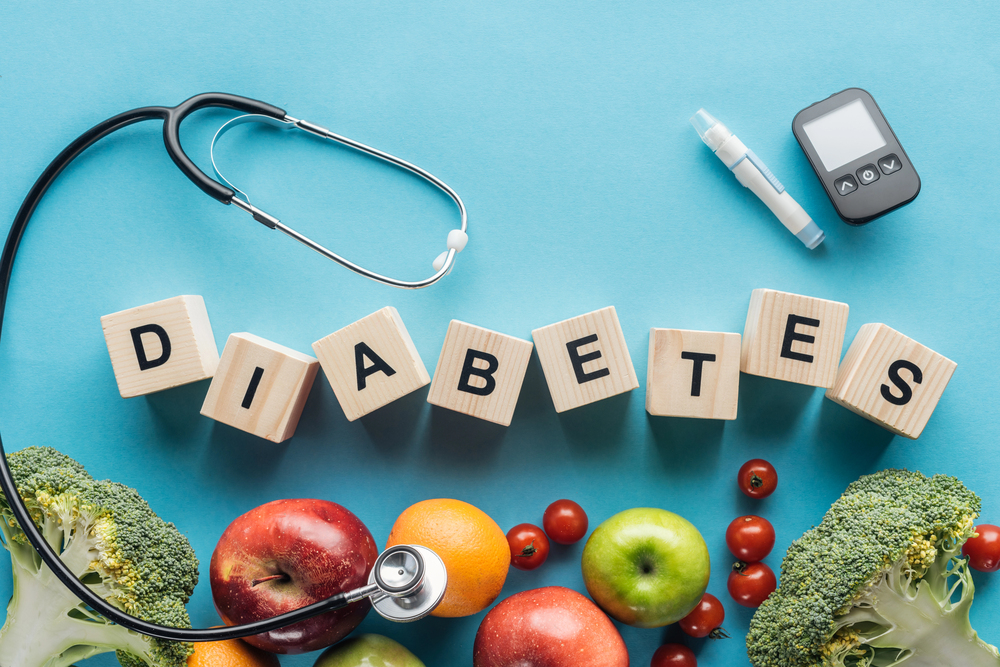
Diabetes and Vision Loss

Diabetes and vision loss can go hand in hand.  Vision loss is one of the most common and debilitating complications of diabetes. An annual eye exam will help in early detection of  diabetes as for many people with Type 2 Diabetes the disease goes undetected.   For those individuals who have been diagnosed as a diabetic, extra attention should be made to monitor their diabetes and have regular eye exams.

According to Medical News Today, “Diabetes describes a group of metabolic diseases in which the person has high blood glucose (blood sugar), either because insulin production is inadequate, or because the body’s cells do not respond properly to insulin, or both. Patients with high blood sugar will typically experience frequent urination they will become increasingly thirsty and hungry”.

There are three types of diabetes:

  • Type 1 Diabetes- account for approximately 10% of all diabetics and occurs when the body doesn’t produce enough insulin.  Diabetics generally develop Type 1 Diabetes before their 40th birthday.
  • Type 2 Diabetes account for approximately 90% of the remaining diabetics.  The body does not produce enough insulin for proper function, or the cells in the body do not react to insulin (insulin resistance).  Typically type 2 diabetes is a progressive disease and eventually may lead to medication dependency to control the disease.    Overweight and obese people have a much higher risk of developing type 2 diabetes compared to those with a healthy body weight.  That’s why diet and exercise play a key role in prevention.
  • Gestational Diabetes   affects females during pregnancy. Some women have very high levels of glucose in their blood, and their bodies are unable to produce enough insulin to transport all of the glucose into their cells, resulting in progressively rising levels of glucose.  Uncontrolled gestational diabetes can raise the risk of complications at childbirth.

Diabetic Eye Disease is a group of eye problems people with diabetes could face as a result of the disease, which can lead to vision loss or blindness. These include:

•  Cataract (clouding of the lens of the eye)

•  Diabetic retinopathy (the most common form of diabetic eye disease, which damages the blood vessels in the retina)

•  Glaucoma (damage to the optic nerve that affects peripheral or side vision)

People often are unaware they have diabetes but In fact, about 90% of diabetes-related blindness is preventable through early detection, timely treatment and appropriate follow-up care.  To learn more about diabetes, low vision and vision loss, visit Tri-State Low Vision Services, a division of Bissell Eye Care.

About the author:  John D.  Bissell, owner of Bissell Eye Care and Tri-State Low Vision Services, offers comprehensive eye examinations for the entire family, ocular disease detection and treatment, eye glasses, sun glasses, active wear, contact lenses, and low vision examinations for those with significant vision loss. He has undergone specialized training for treatment of low vision by the International Academy of Low Vision Specialists utilizing customized telescopic eyeglasses, prisms and telescopic implants for patients who qualify.  The practice accepts most types of vision and health insurance plans.