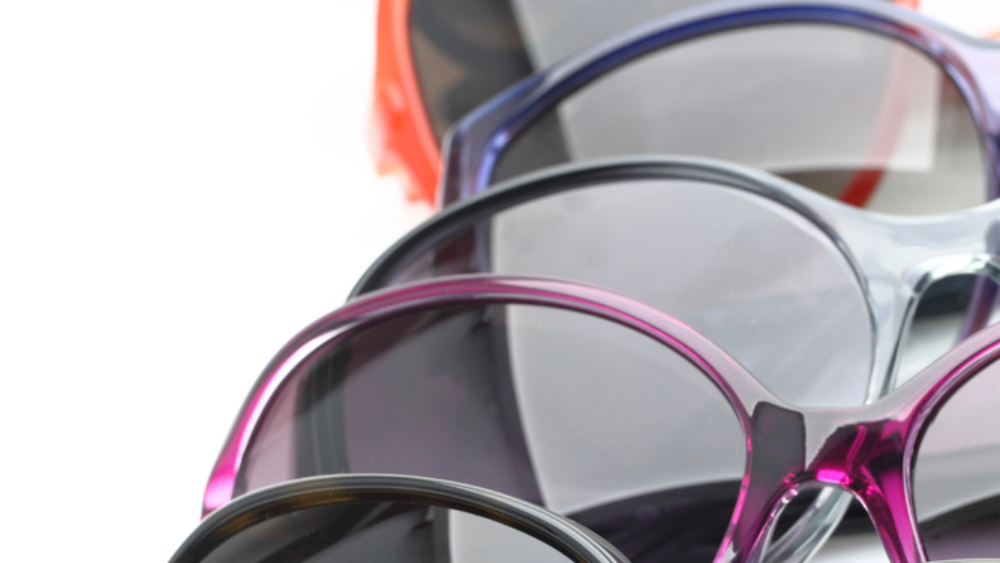
Depositphotos_11621882_S

Are Your Sunglasses Protecting Your Eyes from UV Rays?

As the days get sunnier and warmer, many of us reach for our favorite sunglasses, not just as a fashion statement but as a way to protect our eyes. While sunglasses can be stylish, their primary role is far more significant: shielding your eyes from the harmful effects of ultraviolet (UV) rays. At Bissell Eye Care we’re committed to educating our patients about eye health and want to share how to choose the right pair of sunglasses for optimal protection.

Why UV Protection is important.

The sun emits UV radiation, which is categorized into three types: UVA, UVB, and UVC. While the Earth’s atmosphere blocks most UVC rays, UVA and UVB can reach us and pose risks to our health. Prolonged exposure to these rays can cause various eye problems, such as:

  • Cataracts: UV exposure can accelerate the development of cataracts, a clouding of the eye’s lens that can lead to vision impairment.
  • Macular Degeneration: UV rays can damage the retina, particularly the macula, leading to age-related macular degeneration (AMD), a major cause of vision loss in older adults.
  • Photokeratitis: This is essentially a sunburn of the eye, which can cause pain, redness, and temporary vision loss.
  • Pterygium: A growth on the white part of the eye that can extend to the cornea and affect vision.
  • Skin Cancer: The delicate skin around the eyes is also susceptible to UV-induced skin cancers, such as basal cell carcinoma.

How to Choose the Right Sunglasses

When selecting sunglasses, it’s important to consider both style and functionality. Look for UV protection labels to ensure that the sunglasses offer 100% UV protection. This might be labeled as “UV400,” meaning they block all UVA and UVB rays. Be wary of fashion sunglasses that may not provide adequate protection.

Choose the Right Lens Color:

  • Gray: Reduces overall brightness without distorting colors, suitable for most activities.
  • Brown/Amber: Enhances contrast and depth perception, ideal for driving and outdoor sports.
  • Green: Reduces glare and enhances contrast, maintaining natural color balance.
  • Yellow/Gold: Improves visibility in low-light conditions but can alter color perception.

Larger frames provide more coverage and better protection from peripheral UV rays. Wraparound styles are excellent for blocking light from the sides.

Polarized lenses reduce glare from reflective surfaces like water and pavement, enhancing comfort and visibility, especially during activities like driving or fishing. A mirror coating reflects more light and is beneficial in extremely bright conditions. Anti-scratch and anti-reflective coatings: prolong the life of your sunglasses and improve visual comfort.

Special Considerations for Different Activities

  • For Outdoor Sports: Opt for polycarbonate lenses and wraparound frames for durability and protection.
  • For Driving: Polarized lenses can significantly reduce glare from the road and other vehicles.
  • For Everyday Use: A versatile pair with 100% UV protection and a comfortable fit is ideal for daily wear.

Whether you’re selecting sunglasses for daily use, sports, or prescription lenses, the professionals at Bissell Eye Care can help you choose the best option for your eye health and lifestyle. For questions regarding your eye health, call one of our offices at 724-443-6767 or 724-226-0444 Let’s keep your eyes healthy and happy all year round!


About Bissell Eye Care: John D. Bissell, OD owns and operates Bissell Eye Care servicing Northern Pittsburgh and Alle-Kiski Valley regions. With two locations to treat patients, we offer evening appointments. Bissell Eye Care provides comprehensive eye examinations for the entire family beginning as early as 6 months, ocular disease detection and treatment, eyeglasses, sunglasses, activewear, contact lenses, and low vision examinations for those with significant vision loss. We accept most types of vision and health insurance plans. For more information, visit bisselleyecare.com or call our Bakerstown Office at 724-443-6767 or Natrona Heights office at 724-226-0444.

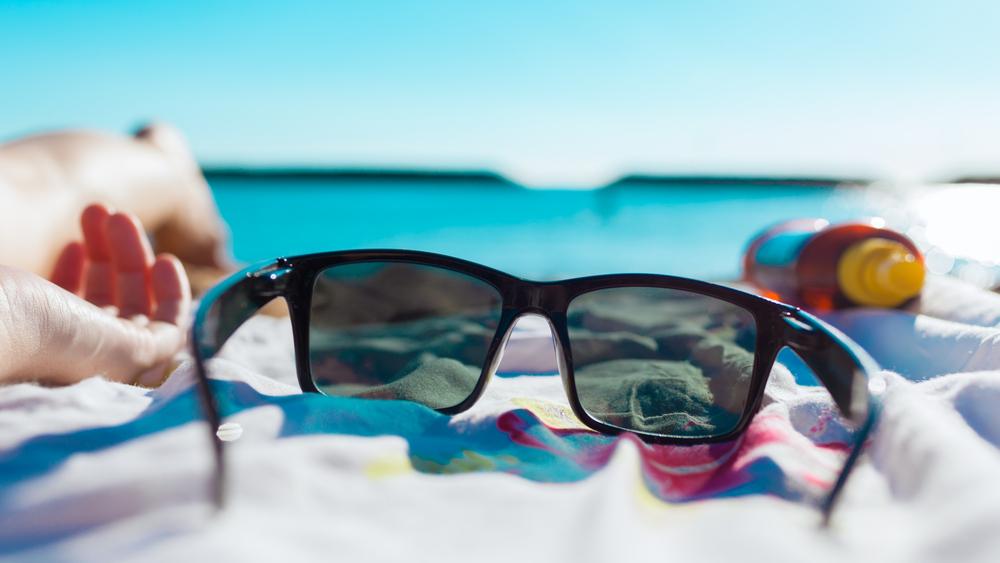
dark summer sunglasses on bright summer day on beach towel with blue water in the background

Summer, Sunglasses & Sunscreen

It seems like June and summer hit all at once. As we enjoy the outdoor activities of summer, sunscreen and sunglasses are a winning combination. Sunglasses are an easy solution that makes life more comfortable when outdoors, while also providing critical protection from the sun’s damaging ultraviolet (UV) rays.  But…all sunglasses don’t provide the protection you need to protect your eyes. UV sunglasses play a crucial role in protecting our eyes from the harmful effects of ultraviolet (UV) rays.

Importance of UV Sunglasses:

UV rays, particularly UVA and UVB, can cause significant damage to our eyes. Prolonged exposure to UV radiation can lead to various eye conditions, including cataracts, macular degeneration, and photokeratitis (sunburn of the cornea). Wearing UV sunglasses helps minimize the risk of these problems and ensures long-term eye health.

Effect of UV Rays on Cataracts:

Cataracts occur when the lens of the eye becomes clouded, resulting in blurry vision. UV radiation is a known risk factor for cataracts. The lens of the eye is highly sensitive to UV rays, and prolonged exposure can accelerate the formation and progression of cataracts. Wearing UV-protective sunglasses helps reduce the cumulative exposure to UV radiation and lowers the risk of cataract development.

How to Choose Sunglasses:

When choosing sunglasses for UV protection, consider the following factors:

  • UV Protection: Look for sunglasses that provide 100% UV protection or block both UVA and UVB rays. The label should indicate this feature.
  • Lens Quality: Opt for sunglasses with high-quality lenses that offer clear and undistorted vision.
  • Lens Color: While lens color doesn’t necessarily indicate UV protection, gray, green, and brown lenses are good choices as they reduce brightness without altering colors.
  • Polarized Lenses: Polarized sunglasses can help reduce glare, improving visual comfort, especially in outdoor activities near water or snow.
  • Fit and Coverage: Select sunglasses that fit well and provide adequate coverage, ensuring that UV rays don’t reach your eyes from the sides or top.

Sunglasses and Kids:

  • Protecting children’s eyes from UV rays is equally important. Here are some considerations:
  • Look for sunglasses specifically designed for children, as they are more likely to fit properly.
  • Choose sunglasses that offer 100% UV protection.
  • Opt for shatterproof lenses, as children are generally more active and prone to accidents.
  • Consider wraparound styles or sunglasses with side shields to provide better coverage.
  • Encourage children to wear sunglasses, especially during peak UV exposure times, such as midday.

Remember, in addition to wearing sunglasses, it’s essential to practice other sun safety measures, such as wearing a wide-brimmed hat and applying sunscreen around the eyes, for comprehensive eye protection during the summer or when exposed to strong sunlight.  Time to hit the pool and enjoy the summer.  If you have any questions on the best sunglasses for you or your family, call Bissell Eye Care at (724) 444-6767 or 724-226-0444.


About Bissell Eye Care: John D. Bissell, OD owns and operates Bissell Eye Care servicing Northern Pittsburgh and Alle-Kiski Valley regions. With two locations to treat patients, we offer evening and Saturday appointments. Bissell Eye Care provides comprehensive eye examinations for the entire family beginning as early as 6 months, ocular disease detection and treatment, eyeglasses, sunglasses, activewear, contact lenses, and low vision examinations for those with significant vision loss. We accept most types of vision and health insurance plans. For more information, visit bisselleyecare.com or call our Bakerstown Office at 724-443-6767 or Natrona Heights office at 724-226-0444.

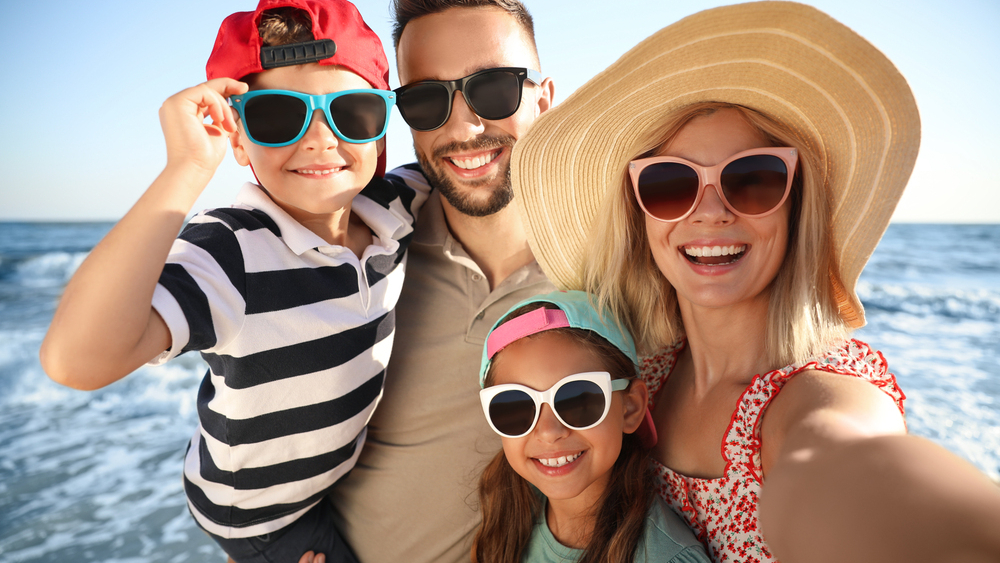
Happy family taking selfie on beach near sea. Summer vacation

Sunglass Protection Tips and Cataracts

June is National Cataract Awareness Month, and UV rays are a significant risk factor for the eye disorder. The proper sunglasses can help protect you. The choices you make today will result in how your quality of life will be in years to come. As we get older, our eyes undergo physiological changes that can cause vision problems.

Are sunglasses in your swim bag when you pack your towel, swimsuit, flip-flops, a cooler full of drinks, a bag of snacks, and sunscreen? Eye care is essential as you head out this summer to take that dip and cool off in the summer sun. The Ultraviolet rays of the sun, or UV rays, can harm more than cause a sunburn to your skin. UV rays can also harm your eyes. By wearing the proper eye protection, you can help reduce the short-term and long-term effects of UV exposure to your eyes.

Since UV light carries more energy than visible light, it can do greater damage to our eyes. As we age, the damage simply has more time to accumulate: a cataract, (cloudiness of the lens) for example, is believed to be caused by many years of exposure to bright sunlight. Choose sunglasses with 100% UV blockage. You can’t tell UV blockage by looking at the glasses. A darker tint is not an indication of UV blockage, you should always look at the label.

The short-term exposure to high amounts of UV rays can be similar to your skin becoming sunburned. This is referred to as photo keratitis and is considered a sunburn of the eye. Photo keratitis can be painful and is usually accompanied by symptoms such as red eyes, the feeling of foreign object in your eyes, gritty feeling in the eyes, excessive tearing, and sensitivity to light. These symptoms are usually temporary and rarely result in permanent damage.

Long-term effects of high exposure to UV rays can include a greater risk of developing cataracts or developing macular degeneration in the later years of life.

With sunglasses coming in all shapes and sizes it is important to ensure that your sunglasses have the following features to help block out the most UV rays possible:

  •         Screen out 75-90 percent of visible light.
  •         Block out 99-100 percent of UV-A and UV-B radiation.
  •         Have gray lenses to aid in proper color recognition.

According to the American Academy of Ophthalmology (AAO), the best sunglasses offer:

  •         100% UV protection
  •         High optical quality (lenses are free of manufacturing defects like bubbles or waves that could bother your eyes)
  •         Scratch-resistant lenses
  •         A larger frame offers more coverage of the eye area.

If you spend a large amount of time outdoors, consider the wrap around style of glasses. This style blocks out the most light possible granting the most protection. If you are involved in outdoor work or sports, be sure to have sunglasses that are impact-resistant to prevent eye injuries from broken glasses entering the eye.

Most cataracts develop slowly and don’t disturb your eyesight early on. But with time, cataracts will eventually interfere with your vision and your eye doctor will help you decide if surgery is right for you.

Protection from the ultraviolet rays of the sun can occur by wearing sunglasses and a wide-brimmed hat. These two things can significantly reduce eye exposure to UVB radiation. Although cataracts are not completely preventable, their occurrence can be delayed. Smoking, avoiding excess amounts of alcohol, and eating plenty of fresh fruits and vegetables may delay the formation of cataracts.

When to See a Doctor…

Make an appointment for an eye exam if you notice any changes in your vision such as double vision or blurriness, see your doctor right away. Talk with your eye doctor about whether surgery is right for you. Prevention is the easiest way to help ensure that your vision lasts well into the future, keeping your head up and you moving forward.


About Bissell Eye Care: John D. Bissell, OD owns and operates Bissell Eye Care servicing Northern Pittsburgh and Alle-Kiski Valley regions. With two locations to treat patients, we offer evening and Saturday appointments. Bissell Eye Care provides comprehensive eye examinations for the entire family beginning as early as 6 months, ocular disease detection and treatment, eyeglasses, sunglasses, activewear, contact lenses, and low vision examinations for those with significant vision loss. We accept most types of vision and health insurance plans. For more information, visit bisselleyecare.com or call our Bakerstown Office at 724-443-6767 or Natrona Heights office at 724-226-0444.
Choosing Sunglasses

Tips for Choosing Sunglasses

Available in many shapes and styles, sunglasses are more than fashion accessories – they are important tools to protect your eyes from ultraviolet (UV) rays, the radiation energy produced by the sun. UV rays are a contributing factor in developing cataracts. Did you know two types of radiation – UVA and UVB rays occur with exposure to sunlight? Ultraviolet radiation from the sun can cause cumulative damage to your eyes as you age, but you can protect your vision by wearing sunglasses every day.

Polarized sunglass lenses reduce light glare and eyestrain. Because of this, they improve vision and safety in the sun. Polarization itself does not provide UV protection. Instead, it provides a better visual experience for certain activities like driving, boating, or golfing. People who use polarized sunglasses often say they are less tired than usual after hours of battling sun glare. There are polarized lenses made with a UV-blocking substance. Check the label of polarized sunglasses to make sure they provide maximum UV protection.

On polarized sunglasses, the filter creates vertical openings for light. Only light rays that approach your eyes vertically can fit through those openings. The lenses block all the horizontal light waves bouncing off a smooth pond or a shiny car hood, for instance. As a result of this filtering, the image you see with polarized lenses is a bit darker than usual. But objects look crisper and clearer with polarized lenses, and details are easier to see.

UV Blocking and Polarization Are Not the Same

Since UV light carries more energy than visible light, it can do greater damage to our eyes. As we age, the damage simply has more time to accumulate: a cataract, (cloudiness of the lens) for example, is believed to be caused by many years of exposure to bright sunlight. Choose sunglasses with 100% UV blockage. Since you can’t tell by looking at the glasses for UV blockage. Just because glasses have a darker tint it not an indication of protection, you should always look at the label.

Tips for Choosing the Best Sunglasses

According to the American Academy of Ophthalmology (AAO), the best sunglasses offer:

  • 100% UV protection
  • High optical quality (lenses are free of manufacturing defects like bubbles or waves that could bother your eyes
  • Scratch-resistant lenses
  • A larger frame offers more coverage of eye area

A person’s lifestyle can affect their choices in sunglasses. Special features in sunglasses can include:

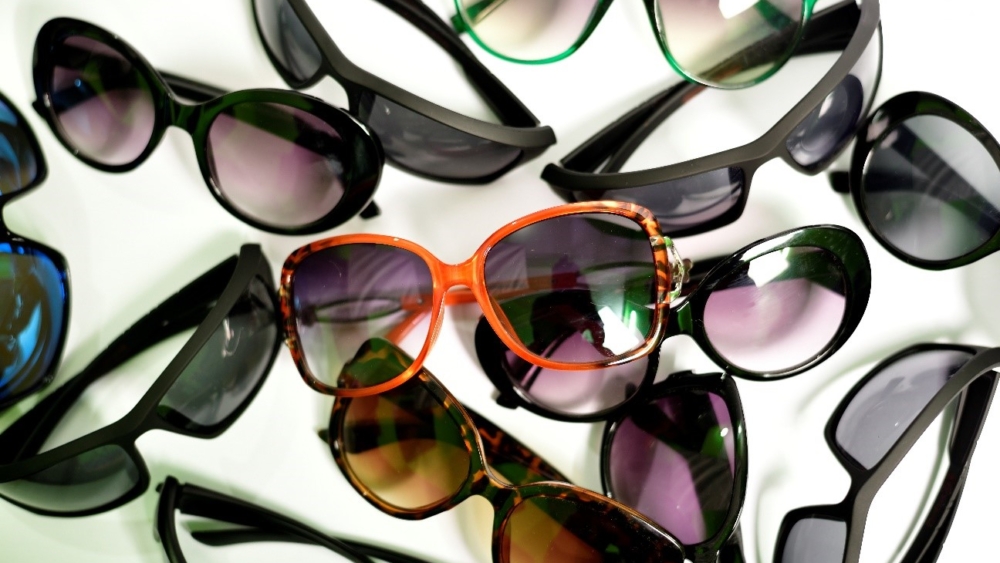
  • Mirror coatings. These thin layers of various metallic coatings can reduce the amount of visible light entering the eyes. They are popular in high-glare environments and when combined with the wraparound feature, they can even provide added protection to the skin surrounding the eye area. UV protection, however, is not guaranteed.
  • Gradient. These lenses are permanently shaded from top to bottom or from top and bottom toward the middle.
  • Impact resistant. While all sunglasses must meet minimum FDA standards regarding impact resistance, no lens is truly shatterproof. Plastic lenses are less likely to shatter upon impact than glass lenses. And, polycarbonate plastic, used in many sports sunglasses, is even more impact resistant than regular plastic but scratches easily. If you buy polycarbonate lenses, look for ones /with scratch-resistant coatings.

Protection from the ultraviolet rays from the sun can occur by wearing sunglasses and a wide-brimmed hat. These two things can significantly reduce eye exposure to UVB radiation. Although cataracts are not completely preventable, their occurrence can be delayed. Smoking, avoiding excess amounts of alcohol, eating plenty of fresh fruits and vegetables may delay the formation of cataracts.

Keep in mind that if your sunglasses are labeled as blocking the sun’s harmful ultraviolet (UV) rays, it does not mean they are polarized too. Polarized lenses will have a label saying so.

To learn more about choosing the best type of sunglasses for your lifestyle, give our office a call at 724-443-6767 or 724-226-0444.


About Bissell Eye Care: John D. Bissell, OD owns and operates Bissell Eye Care servicing Northern Pittsburgh and Alle-Kiski Valley regions. With two locations to treat patients, we offer evening and Saturday appointments. Bissell Eye Care provides comprehensive eye examinations for the entire family beginning as early as 6 months, ocular disease detection and treatment, eyeglasses, sunglasses, activewear, contact lenses, and low vision examinations for those with significant vision loss. We accept most types of vision and health insurance plans. For more information, visit bisselleyecare.com or call our Bakerstown Office at 724-443-6767 or Natrona Heights office at 724-226-0444.
Family with winter sports eyewear

Sunglasses – Not Just for Summer Months

Sunshine and snow – a winning combination that brings sledding, tubing, and skiing.  When you break out the snow gear and get ready to go sled riding make sure that the proper eye gear and sunglasses are on the list.  Having the proper eyewear can help to reduce the chances of developing snow blindness.

Sunburn can only occur during the summer – right? Wrong. Sunburn is caused by excessive ultraviolet (UV) light exposure. The amount of the sun’s UV light that reaches us is highest over the summer months, but is still present year-round and can cause a sunburn if there’s enough exposure. This is especially true when there’s snow on the ground. Snow is very reflective, so when we are outside on a sunny winter day, we experience UV light from above and from reflected light from below.  Without protective eyewear, there is potential for sun damage to your eyes.

Because the snow acts as a reflector and magnifier for UV rays that would otherwise be absorbed by the ground, the sun can be more damaging to the eyes. When that happens, your eyes and skin are open to conditions that can have long-term health consequences.  Did you know according to the World Health Organization that fresh snow can reflect up to 80 percent of incident UV radiation?

Snow blindness, also known as Photokeratitis, is when the cornea becomes inflamed from exposure to the harmful UV rays of the sun.  The reason this condition is referred to as snow blindness is due to the reflection of the sun’s rays off of the snow.

Some symptoms of Photokeratitis include bloodshot eyes, uncontrollable eyelid twitching, eye pain, and increased tearing or watering of the eyes.  Many times, these symptoms will not immediately present themselves.  Like your skin becoming burned by the sun on that summer vacation at the beach, you will often begin to experience symptoms of snow blindness hours after the damage has already been done.  If you find that you experience these symptoms, get out of the sunlight.

The best course of action to help speed up the recovery is to stay inside in a darker environment, cover your eyes with a cloth or material to block out light from getting to your eyes, and, most importantly, remove your contacts.  Full recovery can take anywhere from 1-3 days depending on the severity of damage done.  If symptoms persist, it is important to seek medical treatment to help reduce the chances of permanent damage.  Repeated suffering from snow blindness can also increase your risk of permanent damage to your eyes and can reduce your ability to see.

PREVENTION!  The best way to reduce the chances of suffering from snow blindness is to make sure that you have the proper sunglasses, snow goggles, or glacier goggles.

Sunglasses:  If you choose to use sunglasses make sure that they have high UV protection.  Wrap-around style with full eye coverage are the best to prevent light from getting around the glasses to your eyes.  Also be sure to get polarized, dark, mirror-coated sunglasses for the best protection.

Glacier Goggles:  Glacier goggles or glacier glasses are specifically designed for people who partake in outdoor activities that would lead to snow blindness.  They are usually darker than most sunglasses or goggles and come with mirrored and polarized lenses.  The glacier sunglasses often have added plastic or other material that helps to block the sun from getting around the glasses to your face.

Snow Goggles:  While many snow goggles help to keep snow out of your eyes and do help block out the sunlight, most often they do not provide great protection from the sun.  While we all look for the best deal and go with a cheaper product, this is one of those things that you might want to consider spending a little more to get a pair of goggles that will properly protect your eyes.

Get outside and enjoy the fresh air, but remember to keep your eyes protected.


About Bissell Eye Care: John D. Bissell, OD owns and operates Bissell Eye Care servicing Northern Pittsburgh and Alle-Kiski Valley regions. With two locations to treat patients, we offer evening and Saturday appointments. Bissell Eye Care provides comprehensive eye examinations for the entire family beginning as early as 6 months, ocular disease detection and treatment, eyeglasses, sunglasses, activewear, contact lenses, and low vision examinations for those with significant vision loss. We accept most types of vision and health insurance plans. For more information, visit bisselleyecare.com or call our Bakerstown Office at 724-443-6767 or Natrona Heights office at 724-226-0444.

SUMMER ~ SUNSCREEN ~ SUNGLASSES

As we roll into summer, sunscreen and sunglasses are a winning combination. Sunglasses are an easy solution that makes life more comfortable when outdoors, while also providing critical protection from the sun’s damaging ultraviolet (UV) rays. But…all sunglasses don’t provide the protection you need to protect your eyes.

Long-term exposure to UV rays can damage the eye’s surface as well as its internal structures. This damage can sometimes lead to eye conditions such as cataracts (clouding of the lens) and macular degeneration (breakdown of the macula).

Did you know that glaucoma can make eyes highly sensitive to light and glare, with some glaucoma medications exacerbating the problem even further?

A brimmed hat whenever you’re in the sun long enough to get a suntan or a sunburn, is recommended along with sunglasses to help protect your eyes from the sun. If you have blue, green, or gray eyes, you may have noticed yourself squinting into the sunlight more than your brown-eyed counterparts. Light sensitivity — typically affects people with light eyes because they have less pigmentation in multiple layers of the eye than those with darker eyes.

Here are some things to keep in mind when shopping for sunglasses:

  • Look for UV protection.
  • Don’t be deceived by color or cost. The ability to block UV light is not dependent on the darkness of the lens or the price tag. Always choose sunglasses that are labeled as blocking 99-100% of UV rays.
  • Polarized lenses block out not only direct rays from the sun but also light reflecting off surfaces such as water, snow or reflective metals. Polarization is unrelated to UV protection, so you still need to ensure UV absorption of the lenses.
  • Blue light blocking.
  • Photo Chromic lenses adjust with the light and can be a compromise from buying dark lenses allowing you to see well in different level of brightness.
  • Wrap around frames and lenses add extra coverage and help to block out the light from all angles providing the best protection for your eyes. Some studies have shown that enough UV rays enter around standard sunglass frames to reduce the protective benefits of the lenses.
  • Check lenses for quality. Look for a uniform tint, not darker in one area than in another.

Special features in sunglasses can include:

Mirror coatings. These thin layers of various metallic coatings can reduce the amount of visible light entering the eyes. They are popular in high-glare environments and when combined with the wraparound feature, they can even provide added protection to the skin surrounding the eye area. UV protection, however, is not guaranteed.

Gradient. These lenses are permanently shaded from top to bottom or from top and bottom toward the middle.

Impact resistant. While all sunglasses must meet minimum FDA standards regarding impact resistance, no lens is truly shatterproof. Plastic lenses are less likely to shatter upon impact than glass lenses. And, polycarbonate plastic, used in many sports sunglasses, is even more impact resistant than regular plastic, but scratches easily. If you buy polycarbonate lenses, look for ones with scratch-resistant coatings.

Buying a pair of sunglasses that offer little more than looks and some shade for your eyes can not only fail you at blocking out the proper amount of sunlight, but they can also cause short term and long term damage to your eyes. Bissell Eye Care carries a full line of RXable (either prescription or nonprescription) sunglasses in a variety of styles and colors.

Wear sunglasses whenever you are outdoors, whether you are working, driving, participating in sports, taking a walk, running errands or doing anything in the sun. Remember this summer as you enjoy the nice weather it is important to protect not only your skin but also your eyes. If you have any questions about proper eye protection, stop in and see us so we can help you ensure you enjoy your summer!

About the author: John D. Bissell, owner of Bissell Eye Care and Tri-State Low Vision Services, offers comprehensive eye examinations for the entire family, ocular disease detection and treatment, eye glasses, sun glasses, active wear, contact lenses, and low vision examinations for those with significant vision loss. He has undergone specialized training for treatment of low vision by the International Academy of Low Vision Specialists utilizing customized telescopic eyeglasses, prisms and telescopic implants for patients who qualify. The practice accepts most types of vision and health insurance plans.

New-Frame-Lines-for-Spring

NEW FRAME LINES FOR SPRING

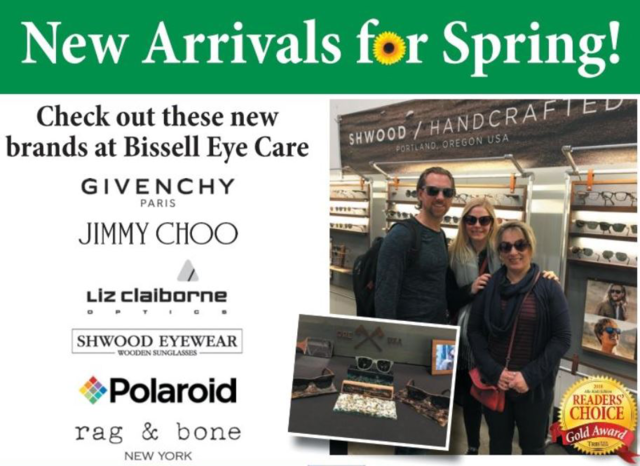
New-Frame-Lines-for-SpringYou may have seen on our Face Book page that we were recently in New York looking at all the new frame lines that are coming to market. Bissell Eye Care prides itself in seeking out different frame lines that aren’t found in the big box stores.  In particular, we are excited when we find those brands that are manufactured in the United States.

As you may recall, STATE Optical Co. is a first-of-its-kind brand of luxury American eyewear proudly being manufactured in Chicago, USA. The brand celebrates the quality, character, and individual style that make their handcrafted frames – like the people who wear them – so genuinely authentic, appealing, inspiring and original.

Jimmy Choo eyeglasses feature sophisticated styles that blend perfectly with luxury, quality, and complete versatility. They are available in a beautiful and stylish selection of color palettes that make them perfect for anyone with a unique element of individual style.

Givenchy eyeglasses bring pure, almost square lines for a neutral outfit that aim to show the true essence of those who wear them. Givenchy combines craftsmanship with technology, to be noticed in the metal inserts of the hinges.

Liz Claiborne line is the original style authority for strong, spirited women at work and in life. The product is classic and functional with feminine details, color and a signature sense of style. Affordable quality, style and versatility is what you’ll find with this brand.

Polaroid eyeglasses are perfect for you if you lead an active lifestyle. Not many glasses can make you look good and see crystal clear, but Polaroid does just that with their modern frames and fitted lenses.

Rag & Bone eyewear brings downtown New York aesthetic with classic eyewear, this collection shows the brand commitment to craftsmanship, innovation and timeless design.

Shwood eyewear is an American brand of sunglasses and eyeglasses founded in 2009 and is based in Portland, Oregon.  The brand features the world’s finest wood sunglasses and prescription eyewear. Acetate, titanium, and wooden sunglasses are all handcrafted in the U.S.A.

Are you ready for a new look for spring?  Visit Bissell Eye Care with offices in Bakerstown and Natrona Heights and shop our new selection of eyeglass and sunglass frames.

About the author: John D. Bissell, owner of Bissell Eye Care and Tri-State Low Vision Services, offers comprehensive eye examinations for the entire family, ocular disease detection and treatment, eye glasses, sun glasses, active wear, contact lenses, and low vision examinations for those with significant vision loss. He has undergone specialized training for treatment of low vision by the International Academy of Low Vision Specialists utilizing customized telescopic eyeglasses, prisms and telescopic implants for patients who qualify. The practice accepts most types of vision and health insurance plans.

Eye-Safety-in-Sports

WATCH THE BALL

Eye-Safety-in-SportsWith the school buses back on the road, it is easy to see that school is back in session. If your children are like many, this also means that fall sports have started back up again. Players suit up with the proper uniform, but having the right eyewear will also help your kids keep their eye on the ball, resulting in a great fall sports season.

From soccer, football, lacrosse, fall baseball and other contact sports, each year 42,000 athletes suffer eye injuries that result in a visit to their eye doctor or emergency room. Many of these injuries are preventable with the proper eye protection.

Many eye injuries from contact sports occur when impact from a ball or another player can lead to several different types of injuries. The injuries most commonly seen are corneal abrasions, fracturing of the orbital bone (eye socket), or swollen and detached retinas.

While eye injuries are more common in contact sports, they are not limited to these activities. Many students suffer damage to their eyes from not having the proper eye protection from the sun. Activities such as marching band, cheerleading, or even running cross country, tend to have the students outside in the sun for prolonged periods of time. The UV rays of the sun can sun burn an eye much like it can skin. This can result in a range of problems from discomfort and dry eye, to permanent loss of sight in extreme cases.

Now the good news! In most cases, the proper eye protection can prevent your children from having to endure these injuries. Spectators should also take precautions, especially with using sunglasses with UV protection.

Polycarbonate safety goggles offer great protection from injuries in sports such as basketball, racquetball, tennis and soccer. When looking for goggles, be sure they fit properly and that they are labeled ASTM F803 approved. These are the goggles that have been tested and are approved for impact sports.

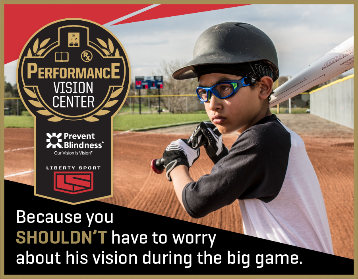
If your child plays hockey or baseball, a helmet with a protective face shield will offer the most protection from a wild pitch, a flying puck or even a stick. Make sure the helmet fits properly and does not move around on their head or fall off. It is also important to have the shield fit snugly to your child’s face and chin.

For activities such as marching band, cheerleading, or cross country, be sure that your children are sporting a pair of sunglasses that have UV protection. Because these activities are not considered high impact contact sports, regular sunglasses with UV protection will help to prevent damage from the sun.

As your kids suit up this fall, be sure that their uniform includes the proper eye protection. Wishing you all a successful fall sporting season!

About the author: John D. Bissell, owner of Bissell Eye Care and Tri-State Low Vision Services, offers comprehensive eye examinations for the entire family, ocular disease detection and treatment, eye glasses, sun glasses, active wear, contact lenses, and low vision examinations for those with significant vision loss. He has undergone specialized training for treatment of low vision by the International Academy of Low Vision Specialists utilizing customized telescopic eyeglasses, prisms and telescopic implants for patients who qualify. The practice accepts most types of vision and health insurance plans.

THE SOLAR ECLIPSE

With the solar eclipse fast approaching, we see many news articles and TV interviews about the dangers of looking directly at the eclipse. As a child growing up, your parents more than likely than not told you to never look directly into the sun. Something that you probably ignored and still tried, just to be left seeing spots. On August 21, 2017, the United States will experience a solar eclipse and if you try to look at it, this too can leave you seeing spots; or in some cases, damage your retina.

A total solar eclipse happens when the sun is blocked from view by the moon. While it is much more common to see a partial solar eclipse, a total solar eclipse is much rarer. Here in Pennsylvania, we will see a partial eclipse, while southern states will see a full solar eclipse.

It is no surprise when we say that looking directly into the sun without proper eye protection can cause serious eye damage, even leading to vision loss. There are however safe ways to view a solar eclipse.

The safest way to look at the sun is by using solar-viewing glasses, eclipse glasses, or personal solar filters. All three of these are names for the same product. According to the safety recommendations from NASA, the lenses of these glasses are made from special filters that are hundreds of thousands of times darker than your UV protection sunglasses. The lenses on these solar-viewing glasses are so dark that you are not able to see anything other than the surface of the sun.

When you jump online to get your pair of glasses, beware, as NASA has changed the standards for glasses that are safe to use for viewing the sun. The new standard of ISO 12312-2 will ensure that you get the eye protection that you need. Some of the manufacturers that meet this standard are Rainbow Symphony, American Paper Optics, and Thousand Oaks Optical.

We want to stress that homemade filters or ordinary sunglasses, even sunglasses that are very dark, are not safe for looking at the sun, or an eclipse of the sun. If you plan on using binoculars or other magnifying devices, be sure to get the proper filter for them. Simply using solar-viewing glasses on them is not enough. The increased magnification can damage the lens of your solar-glasses and leave them less effective.

Be sure to protect your eyes on August 21, as you prepare to look at the moon as it crosses paths with the sun. While this rare occurrence is something to marvel, be sure to enjoy it with the proper eye protection so you don’t damage your eyes.

About the author: John D. Bissell, owner of Bissell Eye Care and Tri-State Low Vision Services, offers comprehensive eye examinations for the entire family, ocular disease detection and treatment, eye glasses, sun glasses, active wear, contact lenses, and low vision examinations for those with significant vision loss. He has undergone specialized training for treatment of low vision by the International Academy of Low Vision Specialists utilizing customized telescopic eyeglasses, prisms and telescopic implants for patients who qualify. The practice accepts most types of vision and health insurance plans.

THE RIGHT ACTIVEWEAR

As you head out the door this summer, whether it is to go mountain biking or to the lake to go fishing, having the right type of eye protection or activewear is essential. Eye protection can vary greatly in design and function depending on what type of activities you are to take part in. One of the most important factors to take into consideration when choosing eye protection is if it needs to be designed to protect against impact, the sun, or possibly both.

Eye protection has a large range of options. If you are using the right eye protection for the wrong activity, you may find that your protection is not going to work as you had hoped, and may actually cause more problems. As a new season of school sports kicks up, be sure to suit up with the right eyewear.

The most important part of determining what type of eye protection you need is to identify what you will be protecting your eyes from. For someone who is going to grab the mountain bike and hit to trails, you are looking for something that is designed for impact resistance. Having glasses on that can break and enter the eye, or cause damage to areas around the eye would not be your best option.

The two main categories to look at when you are choosing eyewear is whether your activity is going to have any chance of impact. If there is, you want to choose safety glasses. These differ from regular glasses as they are required to meet a higher standard of impact resistance than regular eye glasses. This standard is required for both the lens and the frame.

Safety glasses are becoming more stylish and can even be special ordered with your prescription in them if need be. Regular glasses, if impacted, may not stand up to the impact which can lead to injury from broken glass or broken frames.

If you’re more up to grabbing your fishing gear and heading to your favorite lake or stream, you are looking to protect your eyes from the sun. In this case impact resistance is not as important as blocking out the UV rays that can damage the eye or even leave your eyes sunburned.

The most effective form of sunglasses are those which have UV protection. Wraparound sunglasses have the most coverage for your face and will help to block out light that can enter around the sides of normal sunglasses. If you are concerned about being able to see, sunglasses like many safety glasses can be made with your prescription to allow you to see clearly through them.

As you step out the door this summer, know that your eye protection has a specific design and function. Using the wrong eyewear for the activity you are going to partake in may leave you more vulnerable and unprotected. If you are unsure which type of eye protection to use, consult your optometrist or the staff at Bissell Eye Care and they will be able to guide you in the right direction!

About the author: John D. Bissell, owner of Bissell Eye Care and Tri-State Low Vision Services, offers comprehensive eye examinations for the entire family, ocular disease detection and treatment, eye glasses, sun glasses, active wear, contact lenses, and low vision examinations for those with significant vision loss. He has undergone specialized training for treatment of low vision by the International Academy of Low Vision Specialists utilizing customized telescopic eyeglasses, prisms and telescopic implants for patients who qualify. The practice accepts most types of vision and health insurance plans.