Depositphotos_80958648_S

Clear Sight, Better Game: Why Active Eyewear is a Must-Have in Sports

Participating in sports is a fantastic way to stay fit, improve coordination, and boost overall well-being. However, many sports come with inherent risks, and one aspect often overlooked is the protection of our most vital sensory organ: the eyes. Sports-related eye injuries are more common than you might think, but with proper awareness and the use of active eyewear, you can enjoy your favorite activities while safeguarding your vision.

The Prevalence of Sports-Related Eye Injuries

University of Illinois College of Medicine states, “Sports and recreational activities cause more than 40,000 eye injuries each year, according to the American Academy of Ophthalmology – and most of these accidents are preventable. Indeed, Prevent Blindness America reports that 90% of sports-related eye injuries can be prevented. Basketball and baseball cause the most eye injuries, followed by water sports and racquet sports.

The majority of all eye injuries occur in persons under thirty years of age. Children are especially vulnerable as they often have underdeveloped depth perception and may have difficulty judging the position of a flying ball. It’s not uncommon for a child to misjudge a ball in flight, miss it, and take a blow to the face instead. Safety goggles are advised for children who play softball and baseball.

The severity of sports-induced eye injuries varies from mild scrapes of the cornea to severe trauma that can cause visual impairment or even blindness.”

Sports goggles and high-impact sports eyewear are important for adults and kids alike who participate in sports for several reasons:

Eye Protection: Sports eyewear is designed to provide optimal protection for the eyes. Kids engaging in high-impact sports like basketball, soccer, hockey, baseball, and racquet sports are at a higher risk of eye injuries due to collisions, flying objects, or accidental contact. Proper eyewear can significantly reduce the risk of eye injuries by providing a physical barrier to shield the eyes.

Impact Resistance: High-impact sports eyewear is built with materials that are more resistant to impact and shattering. Regular eyeglasses are not designed to withstand the forces associated with sports activities, and they can break upon impact, causing harm to the eyes and surrounding areas. Sports eyewear, on the other hand, is constructed to withstand these forces and provide continuous protection.

Enhanced Performance: Sports goggles are designed to fit securely and comfortably, reducing the risk of the eyewear falling off during intense physical activities. This can enhance focus and confidence, allowing you to fully engage in the sport without worrying about their eyewear.

Preserving Vision: Eye injuries sustained during sports can have long-term consequences on vision. In some cases, irreversible damage can occur, leading to impaired vision or even blindness. By using sports eyewear, you can protect your eyes and preserve their long-term vision health.

Preventing UV Exposure: Some sports eyewear also offers protection against harmful ultraviolet (UV) rays from the sun. Prolonged exposure to UV rays can contribute to eye problems like cataracts and other vision issues. Wearing sports eyewear that provides UV protection can help minimize this risk.

Role Modeling Safety: Encouraging kids to wear proper sports eyewear sets a positive example of safety-conscious behavior. When kids see their peers and professional athletes using protective eyewear, they are more likely to understand its importance and adopt the habit themselves.

Regulation Compliance: Some sports leagues and organizations have specific regulations regarding safety equipment, including sports eyewear. To participate in these leagues, kids may be required to wear approved eyewear to ensure their safety and the safety of others on the field.

Injury Prevention: Properly fitted sports eyewear can help prevent injuries not only to the eyes but also to the surrounding facial areas. Goggles with padded frames and secure straps can cushion impacts and reduce the risk of cuts, bruises, and fractures in case of accidents.

Customization for Visual Impairments: Sports enthusiasts that have visual impairments require corrective lenses to achieve optimal vision. Sports eyewear can be customized to accommodate prescription lenses, allowing those with vision problems to fully participate in sports while maintaining clear vision.

Proper Use and Care of Protective Eyewear

Equally important to choosing the right eyewear is using and maintaining it properly:

Size Matters: Ensure that the eyewear fits snugly but comfortably on your face. Ill-fitting eyewear can be distracting and compromise your safety.

Clean Regularly: Regularly clean your eyewear with appropriate lens-cleaning solutions to maintain clear vision. Avoid wiping lenses with abrasive materials that could scratch them.

Replace Damaged Eyewear: If your eyewear sustains damage, replace it immediately. Cracked or scratched lenses may not provide adequate protection.

Avoid DIY Fixes: Avoid modifying or altering eyewear on your own. This could compromise the structural integrity and effectiveness of the protective gear.

In the world of sports, protecting your eyes is just as important as improving your performance. Sports-related eye injuries are preventable with the right protective eyewear. By understanding the risks associated with your favorite sports and investing in appropriate eyewear, you can enjoy the game while safeguarding your vision for a lifetime. Remember, when it comes to your eyes, prevention is key. For questions on the proper eyewear for your sport, call our office at 724-443-6767 or 724-226-0444.


About Bissell Eye Care: John D. Bissell, OD owns and operates Bissell Eye Care servicing Northern Pittsburgh and Alle-Kiski Valley regions. With two locations to treat patients, we offer evening and Saturday appointments. Bissell Eye Care provides comprehensive eye examinations for the entire family beginning as early as 6 months, ocular disease detection and treatment, eyeglasses, sunglasses, activewear, contact lenses, and low vision examinations for those with significant vision loss. We accept most types of vision and health insurance plans. For more Information, visit bisselleyecare.com or call our Bakerstown Office at 724-443-6767 or Natrona Heights office at 724-226-0444.
Eye-Protection-In-Sports

PLAY BALL AND GEAR UP!

Eye-Protection-In-SportsSpring arrives this month and that means spring sports are lining up into full gear. According to the to Prevent Blindness organization, “every 13 minutes, an emergency room treats a sports-related eye injury. And, 43 percent of sports-related eye injuries are to children ages 14 and younger.”

By using the right protective eye gear, the good news is that ninety percent of these eye injuries can be prevented. Know that regular glasses don’t provide enough protection. Use batting helmets with polycarbonate face shields for youth baseball.

For the Pittsburgh Pirates, and many of the high school baseball and softball teams, spring training has already begun. Baseball is the sport most frequently associated with eye injuries among five to 14-year-old athletes, yet statistics show that 90 percent of sports-related eye injuries are preventable.

By wearing protective eyewear, a young person can avoid or reduce the impact of a serious injury. Without protective gear, a fast-moving baseball can injure the bones around the eye or even the eyeball itself, causing temporary or permanent vision problems; other players’ hands or gloves can scratch the eye, causing damage to the eye’s surface; and a misguided bat can cause head injuries leading to vision problems.

Protective eyewear like sports goggles can be either prescription or non-prescription. Sports goggles should be made of non-breakable materials. Helmets or headgear can also play an important role in protecting eyesight and preventing head injuries. In order to be assured that your eyes are protected, it is important that any eye guard or sports protective eyewear are labeled as ASTM F803 approved. This eyewear is performance tested to give you the highest levels of protection.

If an eye injury occurs while playing a spring sport, young people should be seen by their eye doctor or primary care provider as soon as the injury occurs. If not properly treated, vision problems can persist and lead to lifelong difficulty playing sports, driving or even maintaining certain jobs.

Poor depth-perception or other vision problems could present in the following ways:

  • Always swinging the bat too early or too late
  • Missing often while trying to catch the ball
  • Squinting to see the ball or other players

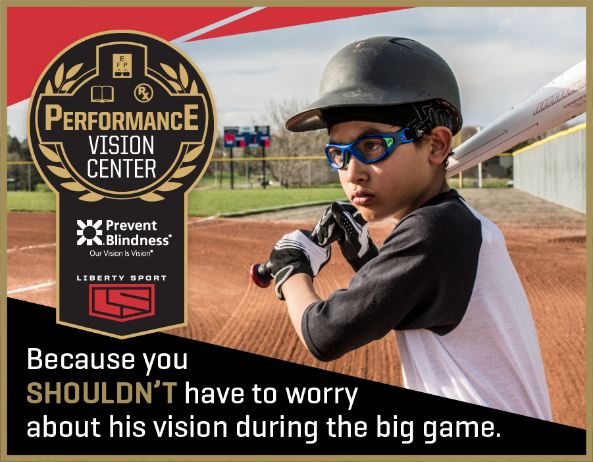
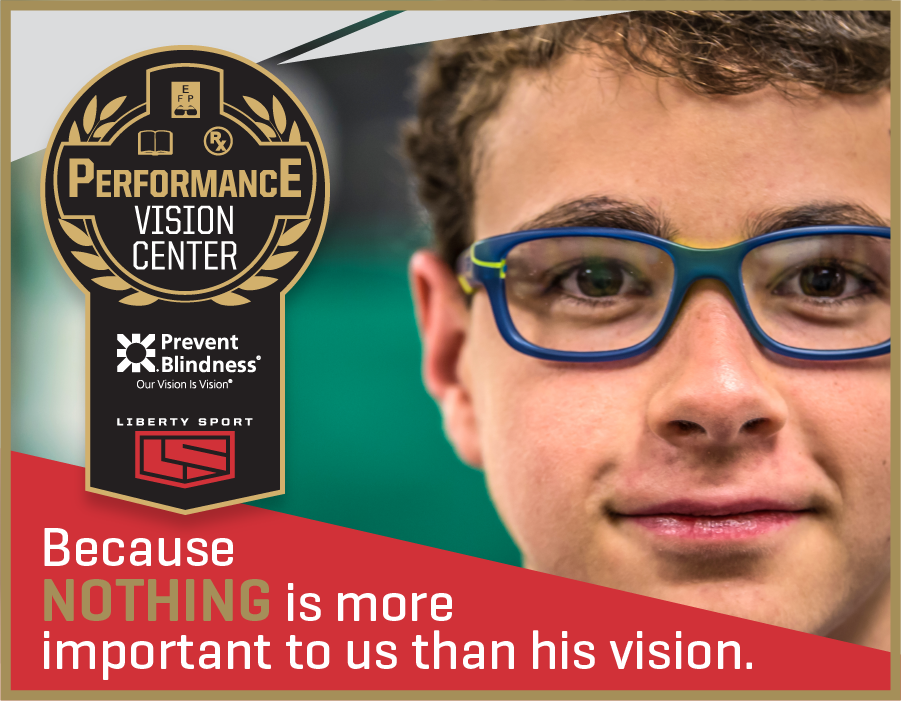
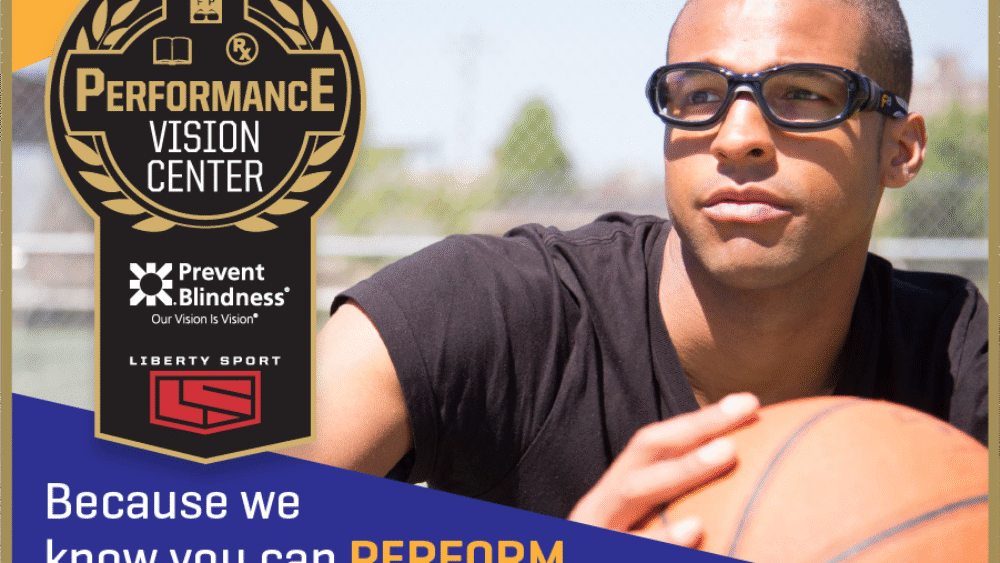
Bissell Eye Care is a recognized Performance Vision Center by the Prevent Blindness organization. Our staff will help you select the right type of eye gear for the sport you are playing. Whatever your game, whatever your age, when playing any type of sports, you need to protect your eyes!

About the author: John D. Bissell, owner of Bissell Eye Care and Tri-State Low Vision Services, offers comprehensive eye examinations for the entire family, ocular disease detection and treatment, eye glasses, sun glasses, active wear, contact lenses, and low vision examinations for those with significant vision loss. He has undergone specialized training for treatment of low vision by the International Academy of Low Vision Specialists utilizing customized telescopic eyeglasses, prisms and telescopic implants for patients who qualify. The practice accepts most types of vision and health insurance plans.

EXTREME SPORTS REQUIRE CLARITY

For many Americans, spring cleaning is not only a time to clean, but time to pull the fun toys out of storage. Toys such as the pair of jet skis neatly tucked away in the back of the garage or the four-wheeler that is out in the shed. While most thrill seekers take safety precautions when riding these vehicles, eye protection is often forgotten.

With all the excitement these high intensity motorsports deliver, most can’t wait to hop on and go, whether on water or through the woods. While many people remember the big ticket safety items such as the helmet or life vests, they often forgo eye protection, as part of their standard safety equipment.

The thrill of blazing down the trails on your four-wheeler, or skimming up one of our 3 rivers sitting atop a high-power jet ski, is what makes summer so appealing. You get ready for the season by taking care of your toys and doing such things as changing the oil or putting a new set of tires. But are you making sure you are ready to get out and get going with proper safety equipment?

Walking down the ramp to the dock, you throw on a life vest, jump on the Jet Ski and you take off full throttle down the river. What could go wrong? With your life vest on you are fully confident that you will float back to the surface if you are thrown off. But what if you aren’t thrown off? Can’t get hurt, right? There you are, cruising down the river and bam, catch a bug or piece of debris from the river in the face, even worse, a direct shot into the eye. While having a bug fly into your eye is bad enough, compound that with you traveling at 40+ mph.

This scenario is played out every year, and many times it ends with the rider taking a trip to the emergency room or to see their eye doctor. The impact of the bug to your eye can cause damage that can permanently affect your vision. A simple pair of sunglasses or goggles will not only help to prevent a bug from entering your eye, but will also help to reduce dry eye from the wind you experience at high speed. Sunglasses will also protect your eyes from the UV rays of the sun as they reflect off the water.

Off to camp you go as you back your four-wheeler off of the trailer and throw on your helmet, riding pants, boots, and t-shirt. Down the trail into the woods, hitting familiar trails throughout Western PA. Your goggles fog up so you take them off. It is all too easy to not think twice about taking them off as you can now see clearly again. That’s when it hits you, the branch you didn’t see hanging down over the trail.

Unfortunately this time you don’t have goggles on and it hits your face giving you an orbital fracture, or a fracture of the bone surrounding your eye. Some riders may experience a scratched cornea. Without safety goggles there is nothing to absorb the impact of the branch and you take the brunt of the impact. This fun weekend just took a turn down a wrong path as you now are faced with having to go to the emergency room.

Having the right eye protection when you are enjoying the outdoors, whether it is over the river or through the woods, can help to keep you safe as you enjoy your summer. Proper eye protection when using high octane personal vehicles can reduce the chances of injury from a foreign object impact, wind causing dry eye and UV rays from the sun. Be sure you sport up with the right eye protection. If you are unsure, give our office a call. At Bissell Eye Care, we carry a variety of sports eye wear. Summer is right around the corner. Make it a safe one.

About the author: John D. Bissell, owner of Bissell Eye Care and Tri-State Low Vision Services, offers comprehensive eye examinations for the entire family, ocular disease detection and treatment, eye glasses, sun glasses, active wear, contact lenses, and low vision examinations for those with significant vision loss. He has undergone specialized training for treatment of low vision by the International Academy of Low Vision Specialists utilizing customized telescopic eyeglasses, prisms and telescopic implants for patients who qualify. The practice accepts most types of vision and health insurance plans.

sports-eye-protection-performance

EYE INJURIES AND SPORTS

sports-eye-protection-performanceWith spring sports right around the corner, as you suit up think about eye protection. Planning ahead and having the proper eye gear when the season starts will help to keep you and your kids safe as they play a variety of sports this spring.

A Sports Safety Report by The Vision Council Academy of Ophthalmology, recommends protective eyewear for any sport, even for children who don’t wear glasses or contacts. Some states and sport organizations have requirements for shin guards but not for sports protective eyewear

Eye injuries most often occur in baseball, basketball, ice hockey and racquet sports, yet few parents encourage their children to wear protective eyewear when playing these sports

For children 14 and under, baseball is a leading cause of sports-related eye injury. With nearly 31,000 people a year suffering injuries from eye related sports injuries, now is the time to plan. Wearing the proper protective eye gear can mean the difference between a successful season and an unfavorable one.

In baseball, ice hockey and men’s lacrosse, a helmet with a polycarbonate (an especially strong, shatterproof, lightweight plastic) face mask or wire shield should be worn at all times. It is important that hockey face masks be approved by the Hockey Equipment Certification Council or the Canadian Standards Association (CSA).

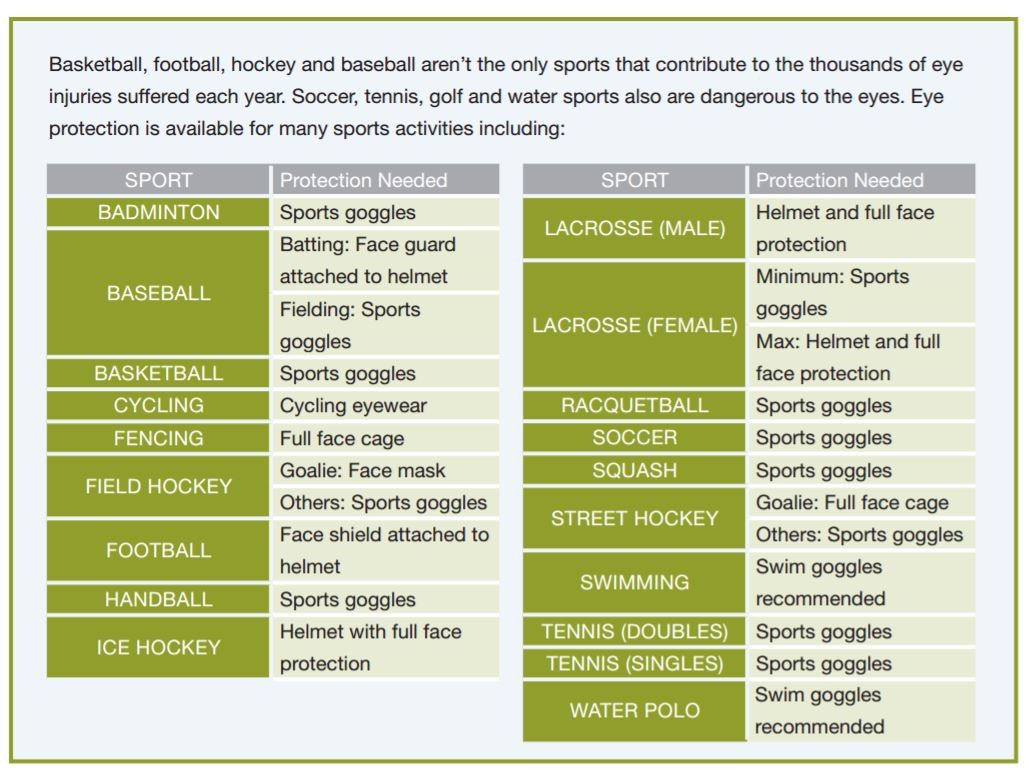
The following chart from the Vision Council Academy of Ophthalmology represents the recommended type of eye protection for a given sport.

sports-eye-protection

Many people who wear prescription glasses often feel as though they provide sufficient protection from eye injuries associated with sports. Glasses, however, are not designed to withstand an impact. Sportswear glasses or goggles developed for sports are constructed of a much stronger plastic that is designed to absorb the impact without shattering or breaking.

If you do use prescription glasses you may find that having prescription glasses created for sports use may help to improve your game! Most eyewear designed for the rugged usage associated with sport provide a wraparound type of lens. This will help to prevent any foreign object from entering the sides of the eye where normal prescription glasses do not cover. This also means that with safety sportswear glasses, you have a much larger range of vision, which may help to improve your game.

For those who don’t wear prescription glasses, safety glasses have come a long way and in many cases, look very similar if not identical to sunglasses. For night games and practices, glasses also come with clear to bright tinting which may help to improve your night vision.

Make sure the level of eye protection you or others in your family use is appropriate for the type of activity. Whether you are a parent, teacher, or coach, you can encourage schools to adopt a policy on protective eyewear. Meanwhile, parents and coaches should insist that children wear protective eyewear whenever they play sports and be good role models and wear it themselves.

About the author: John D. Bissell, owner of Bissell Eye Care and Tri-State Low Vision Services, offers comprehensive eye examinations for the entire family, ocular disease detection and treatment, eye glasses, sun glasses, active wear, contact lenses, and low vision examinations for those with significant vision loss. He has undergone specialized training for treatment of low vision by the International Academy of Low Vision Specialists utilizing customized telescopic eyeglasses, prisms and telescopic implants for patients who qualify. The practice accepts most types of vision and health insurance plans.

SPRINGING BACK INTO SPORTS!

Woman and man mountain runners taking a selfie.

Spring is a time to get out and enjoy the outdoors. Many times this means getting involved in spring sports.  As you grab your lacrosse gear, you baseball bat or other sports gear, remember that it is also important to grab your eye protection!

With about 90% of sport related eye injuries being preventable, it is time to take action. Making sure that you have the proper eye protection is key to keeping your eyes safe from foreign objects entering the eye. Having proper eye protection can help to save your vision and prevent unplanned trips to the doctor or emergency room saving you both time and money.

Many people do not want to spend the money on eye protection or may not feel that it is fashionable. Think about the alternatives. Wearing eye protection can cost as little as $40-50 and can save thousands of dollars in an emergency room visit, not to mention help to avoid permanent damage. As safety becomes more and more important in sports, many eye wear companies are finding ways to make safety glasses fashionable and trendy. These safety glasses come in different styles and colors allowing you the ability to pick something that fits your taste.

For people who have prescription glasses, did you know that you can get the eye protection with your prescription allowing you to see as clearly as if you were wearing your normal eye wear? Eye protection is made with materials that are designed not to break or shatter. Normal eye wear is not designed to withstand the impact of a baseball or other type of object and may cause more harm than good in certain situations.

If you do find that you or one of your kids has had an accident and is suffering from a black eye, vision problems, or pain be sure to contact an eye doctor immediately. Quick response could help to reduce the long term effects of a serious injury of the eye. Have a safe spring and get out there and enjoy the outdoors!

About the author: John D. Bissell, owner of Bissell Eye Care and Tri-State Low Vision Services, offers comprehensive eye examinations for the entire family, ocular disease detection and treatment, eye glasses, sun glasses, active wear, contact lenses, and low vision examinations for those with significant vision loss. He has undergone specialized training for treatment of low vision by the International Academy of Low Vision Specialists utilizing customized telescopic eyeglasses, prisms and telescopic implants for patients who qualify. The practice accepts most types of vision and health insurance plans.

FALL SPORTS AND EYE INJURIES

Whether it is a sanctioned school sport, or simply a pickup game at the local park, it is important to keep you and your kids safe. Sporting eye injuries account for nearly 40,000 injuries every year, and 90% of those are preventable. When you strap on the sports gear, make sure protective eye wear is part of your uniform.

Various sports fall into one of three different categories: low risk, high risk, and very high risk. Depending on the risk level of your sport, it will dictate which protective eye wear you need.

Low risk sports include sports which do not use a ball, pick, stick, racquet, or bat and do not involve body contact. Some examples of low impact sports are track and field, cycling, gymnastics, swimming.

Medium risk sports are sports that use a ball, pick, bat, stick, or racquet and or involve some body contact. Some sports that are considered high risk include baseball, basketball, hockey, racquet sports, fencing, water polo, lacrosse, and football.

High risk sports involve body contact. Some sports included in this category are boxing, wrestling, and contact martial arts.

Blunt force trauma, penetrating injuries and radiation injury are among the most common types of injuries that are sustained during sporting activity.

Blunt force trauma occurs when something hits a person in the eye, or around the eye. This is one of the most common types of injuries for sports. Some of the most common types of blunt force trauma injuries include an orbital blowout (a fracture of the bone surrounding the eye its self) a ruptured globe (broken eyeball), detached retina (damage to the retina which is responsible for helping you to see) or bruising of the eye or eyelid (a black eye).

Penetrating injuries are when something cuts into your eye. These injuries are much less common. The most common type of penetrating injuries occur when the glasses that you are wearing break and a piece of the glass enters your eye. Other injuries can occur when someone inadvertently pokes you in the eye with their finger, or something such as a fishing hook gets caught in your eye. These cuts can range in the severity and depth depending on how invasive the foreign object is.

Radiation injuries are when the eye is exposed to ultraviolet light for long periods of time. This injury is often seen in sports where the sunlight reflects off of a surface such as snow skiing, water skiing or other water and snow sports.

While not every injury is preventable, taking the proper precaution and wearing the proper eye wear will minimize the risk. Have questions about which protective eye wear is best for you? Give our office at call at 742-443-6767 or 724-226-0444.

About the author: John D. Bissell, owner of Bissell Eye Care and Tri-State Low Vision Services, offers comprehensive eye examinations for the entire family, ocular disease detection and treatment, eye glasses, sun glasses, active wear, contact lenses, and low vision examinations for those with significant vision loss. He has undergone specialized training for treatment of low vision by the International Academy of Low Vision Specialists utilizing customized telescopic eyeglasses, prisms and telescopic implants for patients who qualify. The practice accepts most types of vision and health insurance plans.

SEEING SPORTS THROUGH DIFFERENT EYES

As the snow melts it becomes time to grab the baseball bat and glove, the tennis racket, lacrosse sticks or the volleyball uniform, brush the dust off of those sneakers and get involved in sports. But one important piece of sports equipment that is often forgotten is eye protection. While a sprained ankle or pulled muscle can bother an athlete for a few weeks or even months, an eye injury can be a life changing event that may last forever.

Each year approximately 13,500 sports eye injuries result in the patient becoming legally blind in the injured eye. While there are many causes for loss of sight, eye injuries are the leading cause of loss of vision in one eye. These injuries can be a result of impact from a ball, bat, racket, elbow, or other equipment. They can also come from fingers or other foreign objects entering the eye. Fortunately, you can reduce eye injury probability greatly by using protective eye gear!

HOW YOU CAN HELP TO PREVENT INJURIES

While wearing eye protection is important, it is equally import to be aware of what is protecting you and your children and what can actually be putting them at an increased risk. Wearing glasses, sunglasses, or other non-ASTM (American Society for Testing and Materials) approved glasses can put you at a higher risk for injury. Eye wear that is not specifically designed to help protect your eye can shatter or break. These shards can enter the eye or the area around the eye and make wearing non-approved eye protection more dangerous than wearing nothing at all. Wearing approved goggles or face masks can help to prevent up to 90% of eye related injuries.

Many teens argue that they will not look “cool” if they use eye protection; however, the optical industry has made great strides in fashion in recent years helping to make eye protection more appealing to the younger generations. It is also important to make sure that you are fitted specifically by an eye care professional to make sure that protective eyewear fit properly and are designed for the sport to be played.

Remember this year as you and your children get ready for another fun filled spring season that you can look fashionable while protecting your eyes, and SEE another great season through!

About the author: John D. Bissell, owner of Bissell Eye Care and Tri-State Low Vision Services, offers comprehensive eye examinations for the entire family, ocular disease detection and treatment, eye glasses, sun glasses, active wear, contact lenses, and low vision examinations for those with significant vision loss. He has undergone specialized training for treatment of low vision by the International Academy of Low Vision Specialists utilizing customized telescopic eyeglasses, prisms and telescopic implants for patients who qualify. The practice accepts most types of vision and health insurance plans.