Woman with cup of drink and book near fireplace at home representing a cause of dry eyes in winter

What Causes Dry Eyes in Winter?

Winter creates a unique set of challenges for your eyes that make them feel drier.  The season brings about environmental changes and lifestyle factors that occur during the colder months, often leading to dry eyes in winter. Here’s why:

Dry Indoor Air: As temperatures drop, we rely on heating systems to stay warm. However, heated air often lacks humidity, drying out the natural moisture in your eyes.

Cold, Windy Conditions: When you’re outside, cold winds can strip moisture from your eyes, exacerbating dryness and irritation.

Reduced Blink Rate: During winter, we tend to spend more time indoors on digital devices. Staring at screens can reduce how often we blink, which limits the spread of tears across the eye’s surface.

Environmental Allergens: Dust and pet dander are more prevalent indoors during winter, which can aggravate dry eyes, especially for those prone to allergies.

Seasonal Tear Production Changes: Cold weather may also reduce tear production for some people, leaving their eyes less equipped to stay moist.

Symptoms of Dry Eyes

Dry eye symptoms can range from mild discomfort to more severe irritation. Common symptoms include:

  • A gritty or sandy feeling in your eyes
  • Redness or irritation
  • Excessive tearing (a response to dryness)
  • Blurred vision
  • Sensitivity to light
  • Difficulty wearing contact lenses

How to Alleviate Dry Eye Symptoms in Winter

Fortunately, there are many ways to protect your eyes from winter dryness and relieve symptoms:

Use a Humidifier: Add moisture back into the air at home or work with a humidifier. This can help prevent your eyes from drying out, especially in heated indoor spaces.

Stay Hydrated: Drink plenty of water throughout the day to keep your body—and your eyes—hydrated.

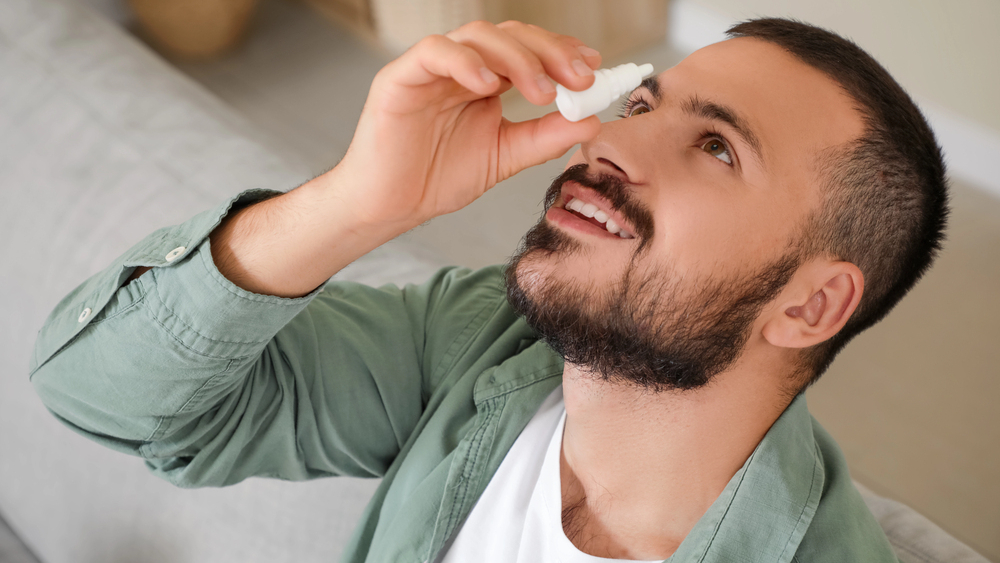
Apply Artificial Tears: Over-the-counter lubricating eye drops can help replenish moisture and relieve discomfort. Look for preservative-free options for frequent use.

Wear Protective Eyewear: When outdoors, wear wraparound sunglasses or goggles to shield your eyes from cold winds and prevent moisture loss.

Take Screen Breaks: Follow the 20-20-20 rule: every 20 minutes, look at something 20 feet away for 20 seconds. This helps maintain a healthy blink rate and prevents eye strain.

Adjust Your Diet: Incorporate omega-3 fatty acids into your diet by eating foods like salmon, walnuts, and flaxseed. These nutrients support tear production and eye health.

Limit Contact Lens Wear: If your dry eyes are severe, consider switching to glasses temporarily or use contact lenses specifically designed for dry eyes.

Avoid Direct Heat Sources: Sitting too close to heaters or fireplaces can dry out your eyes. Position yourself a few feet away and use a humidifier to counteract the dryness.

While mild dry eye symptoms can often be managed at home, you should contact our office if:

  • Your symptoms are severe or worsening.
  • You experience persistent redness, pain, or vision changes.
  • Over-the-counter treatments aren’t providing relief.

If dry eyes persist despite these measures, consult the doctors at Bissell Eye Care. They can assess the severity of your condition and recommend treatments such as prescription eye drops, punctal plugs, or other advanced therapies. Our doctors can help pinpoint the cause of your dry eyes and create a personalized treatment plan to restore comfort and clarity.

Winter weather doesn’t have to mean discomfort for your eyes. With the right preventive measures and treatments, you can keep your eyes hydrated and healthy all season long. If you have questions or concerns, contact our office at 724-443-6767 or 724-226-0444.


About Bissell Eye Care: John D. Bissell, OD owns and operates Bissell Eye Care servicing Northern Pittsburgh and Alle-Kiski Valley regions. With two locations to treat patients, we offer evening appointments. Bissell Eye Care provides comprehensive eye examinations for the entire family beginning as early as 6 months, ocular disease detection and treatment, eyeglasses, sunglasses, activewear, contact lenses, and low vision examinations for those with significant vision loss. We accept most types of vision and health insurance plans. For more information, visit bisselleyecare.com or call our Bakerstown Office at 724-443-6767 or Natrona Heights office at 724-226-0444.

 

Business people in office holding a conference and discussing strategies.

Why Women are at Higher Risk for Eye Disease

April is Women’s Eye Health and Safety Month. Women are often responsible for making their family’s health care decisions yet sometimes neglect caring for themselves. According to the World Health Organization’s World Report on Vision, women, on average, live longer than men, and are thus at greater risk of developing eye conditions associated with aging. Global estimates suggest that women with moderate and severe presenting distance vision impairment outnumber men by approximately 7 percent.

The National Eye Institute Dry Eye Fact Sheet states, “Dry eye is more common after menopause. Women who experience menopause prematurely are more likely to have eye surface damage from dry eye.” Increasing numbers of research studies show that the glands of the eyes and eyelids are affected by hormonal issues. As women age, and especially as they reach menopause, they can experience hormonal imbalances that are thought to contribute to dry eye syndrome.

Dry eye syndrome is a condition where a person doesn’t produce enough quality or volume of tears to lubricate the eye. This is a common and often chronic problem, particularly in older adults. Chronic dry eye is an often unrecognized, unattended part of the aging process and is quickly becoming an important public health issue impacting both the quality of life as well as the physical health of nearly 10 million Americans each year.

Chronic dry eye occurs in both men and women; however, women are affected two to three times more often. The onset of dry eye occurs most frequently when women are entering menopause, during menopause, and in the post-menopausal years.

TIPS TO MAINTAIN OPTIMAL EYE HEALTH

  • Have Regular Eye Exams: Many of the eye diseases that are common in women do not cause early symptoms and the American Academy of Ophthalmology recommends establishing a baseline eye exam by age 40. The conditions can be diagnosed through a comprehensive eye exam. Early diagnosis and treatment can save a woman’s vision.
  • Maintain a Healthy Weight: Being overweight increases your chances of developing certain conditions, such as diabetes, which may lead to eye disease.
  • Exercise: We know exercise is good for our bones, heart, and lungs. It may also protect our vision. Studies have indicated getting regular exercise may lower your risk of eye disease. If you’re physically active – great. Should you have a sedentary lifestyle, now is the time to talk to your physician and make changes.
  • Don’t Smoke: You probably already know that when it comes to your health, smoking is a no-no, but it doesn’t only affect your lungs. Smoking is also bad for your vision. Women and men who smoke are at a higher risk of developing eye diseases, such as glaucoma and cataracts.
  • Wear Sunglasses: Too much exposure to ultraviolet rays from the sun increases your chances of age-related macular degeneration and cataracts. Be sure to wear sunglasses that provide 100 percent UV protection. Rays from the sun can penetrate the clouds on gray, cloudy or winter days.
  • Use Proper Eye Protection: At work, home or play accidents can happen. Three main types of eye protection exist – safety glasses, goggles, and face shields. Each one has their advantages and disadvantages. The staff at Bissell Eye Care can help you determine the best solution for your lifestyle.

Take charge of your eye health and protect your vision for years to come. To learn more about dry eyes and other eye conditions, call our office at 724-443-6767 or 724-226-0444.


About Bissell Eye Care: John D. Bissell, OD owns and operates Bissell Eye Care servicing Northern Pittsburgh and Alle-Kiski Valley regions. With two locations to treat patients, we offer evening and Saturday appointments. Bissell Eye Care provides comprehensive eye examinations for the entire family beginning as early as 6 months, ocular disease detection and treatment, eyeglasses, sunglasses, activewear, contact lenses, and low vision examinations for those with significant vision loss. We accept most types of vision and health insurance plans. For more information, visit bisselleyecare.com or call our Bakerstown Office at 724-443-6767 or Natrona Heights office at 724-226-0444.

Dry Eyes

The Dangers of Dry Eyes

When it comes to our vision, dry eyes may not seem like something we need to worry much about. However, the reality is that dry eyes can pose damage on our vision. Despite being very common, not everyone knows how to prevent or the most effective treatment of dry eyes.

Dry eye is classified as when a person does not have enough tears to properly lubricate and nourish their eyes. Quality tears are essential to maintaining the health of the front of the eye, as well as for maintaining clear vision. Symptoms of dry eyes commonly include but are not limited to, redness, stringy mucus near the eye, blurry visions, and stinging, scratching, or burning sensations.

Cold Weather

This January is shaping up to be a cold one! As we begin to see a drop in temperatures and forecasts of snow are on the rise, it is important to consider the effect this weather can have on your eyes. While many factors can lead to dry eyes, cold weather is a common one especially during this time of year.

Environmental factors such as lower indoor humidity and high winds, commonly associated with winter weather, can easily contribute to dry eyes as they contribute to tear evaporation. To protect yourself from developing worsening symptoms, you can implement the use of artificial tears, eye ointments, humidifiers, and warm compresses to help your eyes produce quality tears and remain properly lubricated.

Sign of Aging

In addition to cold weather, dry eyes can also naturally be caused by the aging process. In fact, most adults over the age of 65 experience some symptoms of dry eyes. Studies have also shown that the risk for dry eye increases every five years after the age of 50 in both women and men, though women are thought to have a generally higher susceptibility.

As we grow older, the lacrimal gland in our eyes naturally produces a lower number of tears necessary to maintain proper eye lubrication. While growing older is unavoidable, dry eyes do not have to be. To offset the effect of this and other factors for dry eye caused by the aging process, you may consider using over-the-counter treatments like eye drops, drinking at least 8 cups of water a day, using a humidifier in your home, and reducing screen time.

Computer Strain

Consistent computer use has also been shown to commonly cause eye strain, irritation, burning sensations, and eye dryness. It is common for computer users to have a decreased blink rate, which can contribute to dry eyes by way of an improper level of lubrication. For contact lens wearers, this is found to be even higher.

Because computer use is increasingly an unavoidable part of our society, it is essential to make sure you are properly caring for your eyes and compensating for any strain or dryness looking at a screen may cause. Patients should consider the use of lubricating eye drops (those designed for use for contact lens wearers) to improve and reduce dryness and irritation. You should also try to take frequent breaks from using your computer and maintain a fair distance between yourself and the screen.

If you believe you are suffering from dry eyes, the condition can be diagnosed through a comprehensive eye exam. The doctors at Bissell Eye Care may also choose to evaluate the quantity and quality of the tears your eyes are producing to check for any abnormalities. External examination of the eye and a review of your patient history may also help your doctor determine if you are suffering from dry eyes and how to proceed with treatment.


About Bissell Eye Care: John D. Bissell, OD owns and operates Bissell Eye Care servicing Northern Pittsburgh and Alle-Kiski Valley regions. With two locations to treat patients, we offer evening and Saturday appointments. Bissell Eye Care provides comprehensive eye examinations for the entire family beginning as early as 6 months, ocular disease detection and treatment, eyeglasses, sunglasses, activewear, contact lenses, and low vision examinations for those with significant vision loss. We accept most types of vision and health insurance plans. For more information, visit bisselleyecare.com or call our Bakerstown Office at 724-443-6767 or Natrona Heights office at 724-226-0444.
Doctor shows information: dry eye syndrome

Dry Eyes

Our bodies produce tears to keep our eyes lubricated, and to help remove any foreign bodies. But when the body doesn’t produce enough tears or tear drainage is affected, the result is dry eyes. Dry eyes can be troublesome and irritating. Thankfully, this condition can usually be treated quickly and effectively.

Tears are a mixture of oils, water, mucus, antibodies, and protein that form to keep your eyes comfortable.  Watery eyes are characterized by an excess of tears, which can give the eyes a glassy look, and may result in tears running or dripping from the eyes.

When tears don’t provide enough moisture, you might notice:

  • A gritty feeling
  • Feeling like there’s something in your eye
  • Itching
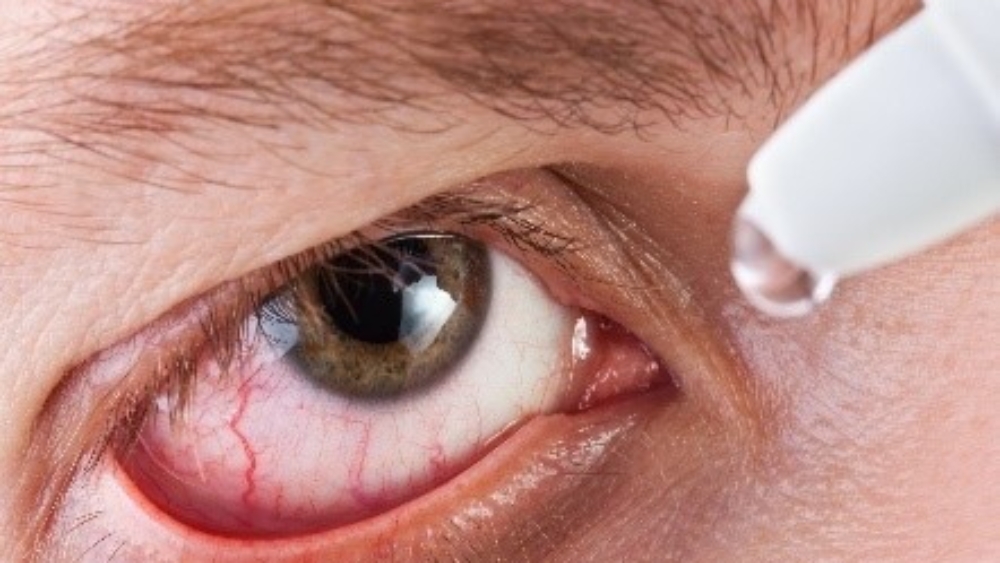
  • Redness
  • Blurry vision
  • Light sensitivity

Some Causes of Dry Eyes

Sometimes, there’s a lack of balance in your tear-flow system. Your environment such as an air conditioner, heater, or other things around you could dry out your tear film. Other causes include:

  • Overuse of technology and not taking a break from screen time.
  • The natural aging process, especially menopause
  • Side effects of certain drugs like antihistamines
  • Diseases that affect your ability to make tears
  • Problems that don’t allow your eyelids to close the way they should

Treatment for Dry Eyes

  • Artificial tear drops and ointments are the most common treatment options. Many types of drops are available over the counter. No one product works for everyone, so you might have to try a few to figure out the one that’s right for you.
  • A surgical procedure that plugs the tear duct
  • Unclogging glands on the eyelids
  • Prescription cream

The various causes of dry eyes require different treatments.  Contact our office at 724-443-6767 or 724-226-0444 with any concerns you may have regarding dry eyes or any other eye condition.


About Bissell Eye Care: John D. Bissell, OD owns and operates Bissell Eye Care servicing Northern Pittsburgh and Alle-Kiski Valley regions. With two locations to treat patients, we offer evening and Saturday appointments. Bissell Eye Care provides comprehensive eye examinations for the entire family beginning as early as 6 months, ocular disease detection and treatment, eyeglasses, sunglasses, activewear, contact lenses, and low vision examinations for those with significant vision loss. We accept most types of vision and health insurance plans. For more information, visit bisselleyecare.com or call our Bakerstown Office at 724-443-6767 or Natrona Heights office at 724-226-0444.
Watery eyes

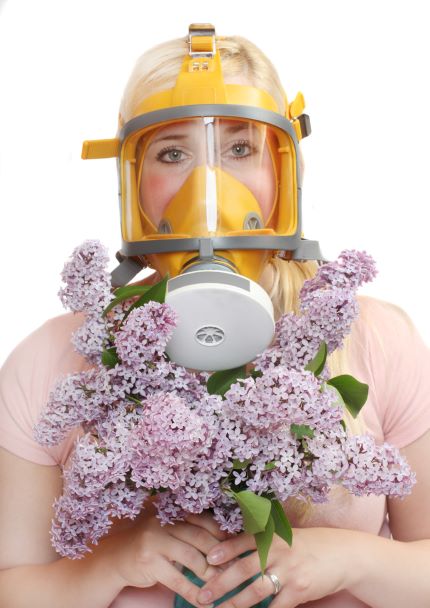
ALLERGY SEASON IS IN FULL FORCE!

Watery eyesIt was a long hard winter, but the cold winter months have passed and we are in the midst of a stellar allergy season. You look outside and everything is covered in a yellow film causing itchy, red, or even burning sensations in your eyes. Allergy suffers, you aren’t alone in your symptoms. Did you know that the American College of Allergy, Asthma, and Immunology estimates that 50 million people in the United States have seasonal allergies? This affects approximately 30% of adults and 40% of children.

Because the symptoms of seasonal allergy can resemble those of dry eye disease, diagnosis can be a challenge. Although patients may have only seasonal allergies or only dry eye disease, there is a good possibility that both conditions are present.

Be nice to your eyes. When avoidance is not an option, there are still steps that you can take to reduce the allergen’s impact and increase eye comfort. Here are some relief and tips for prevention to avoid or limit exposure with your trigger(s).

Outdoor Tips for Allergy Season

  • How do I know what the pollen count is you may ask? The weather channel for Pittsburgh provides an allergy tracker.
  • Avoid going outside and close windows when pollen count is high.
  • Use A/C and air filters/purifiers and be sure to change them regularly and perhaps more often during peak allergy season.
  • Wear sunglasses or glasses when outside to keep the pollen out of your eyes

Indoor Tips for Allergy Season

To minimize dust mites:

  • Use special pillow covers to keep allergens out
  • Wash bedding frequently in hot water
  • Consider replacing old mattresses
  • Clean floors with a damp mop
  • Replace carpeting with hardwood for an easier clean

Curtail the contacts. Contact lens wearers tend to be disproportionately affected by allergy. Even if a patient is a successful contact lens wearer for most of the year, allergy season can make them quite uncomfortable, particularly when contacts are worn for extended periods of time.

For any contact lens wearers, you may want to remove your contacts and opt for your eyeglasses until your allergy symptoms are gone. This is because the surface of contact lenses can attract and accumulate airborne allergens. If wearing your glasses is not an option, you can switch to daily disposable contacts to avoid allergen and other debris buildup.

A last bit of advice: Avoid rubbing your eyes, it will only irritate your eyes more! Dry eye patients, regardless of other treatment they may be on, should use consider the artificial tears and lubricants as a protective measure to reduce discomfort.

About the author: John D. Bissell, owner of Bissell Eye Care and Tri-State Low Vision Services, offers comprehensive eye examinations for the entire family, ocular disease detection and treatment, eye glasses, sun glasses, active wear, contact lenses, and low vision examinations for those with significant vision loss. He has undergone specialized training for treatment of low vision by the International Academy of Low Vision Specialists utilizing customized telescopic eyeglasses, prisms and telescopic implants for patients who qualify. The practice accepts most types of vision and health insurance plans.

DIGITAL EYE STRAIN

Do your eyes hurt after a day at the office?

Think about all the screens you use every day – desktop, laptop, tablets, ipads, and smart phones.  “Digital Eye Strain” is the level of eye discomfort that occurs for many users.

Symptoms included are dry eyes, blurry vision, fatigue and neck and shoulder cramping. In a recent survey released by the Vision Council, a trade group for makers of eye care products, warned of serious long-term eye risk, including macular degeneration and cataracts.

Because of intense staring, we don’t blink as much when using screens and therefore don’t spread tears across the eyes, causing dryness.  A solution is to blink every 10 seconds or so.  People using a computer daily could stare at the screen 6-10 hours a day.

Here are some prevention tips from organizations such as Prevent Blindness, the National Eye Institute, and Get Eye Smart:

Make changes to your computer screen, such as:

  • Place the screen 20-26 inches away from your eyes and a little below eye level.
  • Regularly clean off dust and fingerprints from the screen. Smudges on the screen can reduce contrast and increase problems with glare and reflections.
  • Choose screens that tilt and swivel.
  • Consider using a glare filter over your screen.

In addition to promoting cardiovascular health, stepping away from computer screens periodically will help prevent digital eye strain.

Glasses can be tinted and regular eye exams should be done to determine if you may need a prescription change, or if the amount of time you’re spending at your desk is leading to tired or dry eyes.

About the author:  John D. Bissell, OD is the owner of Bissell Eye Care and Tri-State Low Vision Services.    Bissell Eye Care offers comprehensive eye examinations for the entire family, ocular disease detection and treatment, eye glasses, sun glasses, active wear, contact lenses, and low vision examinations for those with significant vision loss. The practice accepts most types of vision and health insurance plans.

About the author:  John D.  Bissell, owner of Bissell Eye Care and Tri-State Low Vision Services, offers comprehensive eye examinations for the entire family, ocular disease detection and treatment, eye glasses, sun glasses, active wear, contact lenses, and low vision examinations for those with significant vision loss. He has undergone specialized training for treatment of low vision by the International Academy of Low Vision Specialists utilizing customized telescopic eyeglasses, prisms and telescopic implants for patients who qualify.  The practice accepts most types of vision and health insurance plans.