ALL ABOUT EYES FOR KIDS

Did you know that your eye works like a camera that transmits pictures to the brain? Your brain processes what you are seeing. The light passes through the lens of your eye and is recorded in the retina in the back of your eye.

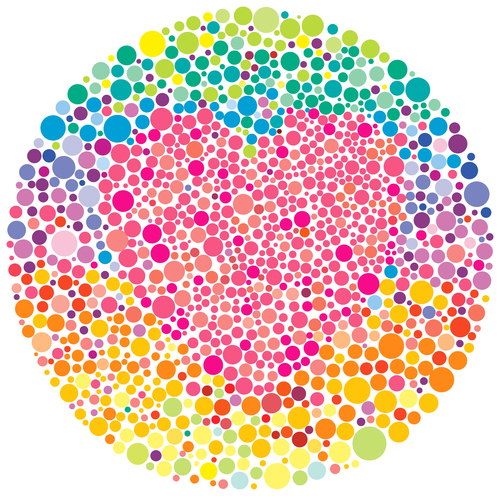
Your retina has two cells called rods and cones. The rods see black and white and the cones see color. They work together to turn the pictures you see with your eyes into electronic messages for the brain. Sometimes people can’t see all the colors and that is called color blindness. There is a blind spot on your retina which is not sensitive to light because there are no rods or cones there. It is the spot where the optic nerve is joined on to the retina. The optic nerve carries the electronical messages to the brain.
Dr. Cheri Wiggs has a fun video that explains to kids how their eyes work. Answering questions like, “Why is it harder to see colors at night?” or “What happens with your eyes when you go to sleep?”

Ask a Scientist: Eyes at Night video produced by National Eye Institute, NIH

Eyebrows and eyelashes help to keep the dust sweat from getting into your eyes. Tear glands located in the upper eye help to keep your eye clean and moist.

Our eyes are very important and we need to take care of them. Staring at a computer screen too long without a break can cause your eyes to become dry and sore. Be sure to take breaks often to give your eyes a rest.

Many of you play sports. Protective eye wear should be part of your uniform when you suit up. These glasses will help to prevent permanent injury should you get hit in the face with a baseball, hockey puck, soft ball or soccer ball.

Having an annual eye exam will alert your parents to any changes in your eyesight that may affect your ability to play sports or do well in school. If you begin to experience headaches or can’t see the board as clearly, tell your parents. Your eyes are important so we need to do everything possible to take care of them.

About the author: John D. Bissell, owner of Bissell Eye Care and Tri-State Low Vision Services, offers comprehensive eye examinations for the entire family, ocular disease detection and treatment, eye glasses, sun glasses, active wear, contact lenses, and low vision examinations for those with significant vision loss. He has undergone specialized training for treatment of low vision by the International Academy of Low Vision Specialists utilizing customized telescopic eyeglasses, prisms and telescopic implants for patients who qualify. The practice accepts most types of vision and health insurance plans.

LIVING WITH AGE-RELATED MACULAR DEGENERATION

February is National Age-Related Macular Degeneration (AMD) awareness month. We want to make sure that you know what side effects to be on the lookout for. While there is not cure for Macular Degeneration early detection is key to slowing down vision loss and keeping your sight.

Macular degeneration is one of the leading causes of vision loss. It is caused by the deterioration of the central portion of the retina. The central portion of the retina, known as the macula, is responsible for focusing vision for the eye, allowing us to read, recognize faces or colors, drive and do many day-to-day activities.

While there is no cure for this disease, there are treatments to help slow it down. It is important to maintain yearly eye exams for early detection. AMD is very difficult to notice until you have already lost a large portion of your vision.

Lifestyle changes can help lower your risk of developing AMD. Some lifestyle changes might include proper exercise and diet, avoiding smoking, and protecting your eyes from the UV rays of the sun. People that run a higher risk of developing AMD are people who have a family history, race, Caucasians are more likely to develop the disease than African American or Hispanic heritage, and smokers.

There are three stages of AMD:

  1. Early AMD: At this stage most people do not experience vision loss. The presence of medium-sized drusen (yellow deposits beneath the retina), is usually an early sign you eye doctor looks for.
  2. Intermediate AMD: This is where vision loss may start to be noticed, however it may not be enough to be noticeable. Specific tests will look for pigment changes in the retina and larger drusen deposits.
  3. Late AMD: At this stage vision loss has become noticeable.

Remember that early detection and treatment is key to help save your vision. Be sure to tell your eye doctor if anyone in your family has or had Macular Degeneration. Take charge of your health and see clearly with routine eye exams.

About the author: John D. Bissell, owner of Bissell Eye Care and Tri-State Low Vision Services, offers comprehensive eye examinations for the entire family, ocular disease detection and treatment, eye glasses, sun glasses, active wear, contact lenses, and low vision examinations for those with significant vision loss. He has undergone specialized training for treatment of low vision by the International Academy of Low Vision Specialists utilizing customized telescopic eyeglasses, prisms and telescopic implants for patients who qualify. The practice accepts most types of vision and health insurance plans.

WINTER WONDERLAND!

Man and woman in warm clothing and ski goggles

It is easy to make sure that you have the essentials; warm gloves, hats, a warm coat, good snow boots and even hand warmers for many of us. There is one piece of winter clothing that many people tend to overlook – eye gear. Having the proper eye gear can help to reduce the chances of snow blindness.

Snow blindness, also known as Photo keratitis, is when the cornea becomes inflamed from exposure to the harmful UV rays of the sun. The reason this condition is referred to as snow blindness is due to the reflection of the sun’s rays off of the snow. It is most common in people partaking in snow sports such as skiing, snowboarding or mountain climbing. Snow blindness can also be experienced by people enjoying the beautiful winter scenery with the lack the proper eye protection or use no eye protection at all.

Some of the symptoms include bloodshot eyes, uncontrollable eyelid twitching, eye pain and increased tearing or watering of the eyes. Many times these symptoms will not immediately present themselves. Like your skin becoming burned by the sun on that summer vacation at the beach, you will often begin to experience symptoms of snow blindness hours after the damage has been done. If you find that you experience these symptoms, get out of the sunlight. The best course of action to help speed up the recovery is to stay inside in a darker environment, cover your eyes with a cloth or material to block out light from getting to your eyes, and, most importantly, remove your contacts. Full recovery can take anywhere from 1-3 days depending on the severity of damage done. If symptoms persist, it is important to seek medical treatment to help reduce the chances of permanent damage. Repeated suffering from snow blindness can also increase your risk of permanent damage to your eyes and can reduce your ability to see.

PREVENTION! The best way to reduce the chances of suffering from snow blindness is to make sure that you have the proper sunglasses, snow goggles, or glacier goggles.

Sunglasses: If you choose to use sunglasses make sure that they have high UV protection. Wrap around style with full eye coverage are the best to prevent light from getting around the glasses to your eyes. Also be sure to get polarized, dark, mirror-coated sunglasses for best protection.

Glacier Goggles: Glacier goggles or glacier glasses are specifically designed for people who partake in the outdoor activities that would lead to snow blindness. They are usually darker than most sunglasses or goggles and come with mirrored and polarized lenses. The glacier sunglasses often have added plastic or other material that helps to block the sun from getting around the glasses to your face.

Snow Goggles: While many snow goggles help to keep snow out of your eyes and do help block out the sunlight, most often they do not provide great protection from the sun. While we all look for the best deal and go with a cheaper product, this is one of those things that you might want to consider spending a little more to get a pair of goggles that will properly protect your eyes.

So this year as you slide your feet into the warm boots, throw on your winter jacket, and get dressed to go outdoors, don’t forget to grab the eye gear that you need to keep your eyes protected.

About the author: John D. Bissell, owner of Bissell Eye Care and Tri-State Low Vision Services, offers comprehensive eye examinations for the entire family, ocular disease detection and treatment, eye glasses, sun glasses, active wear, contact lenses, and low vision examinations for those with significant vision loss. He has undergone specialized training for treatment of low vision by the International Academy of Low Vision Specialists utilizing customized telescopic eyeglasses, prisms and telescopic implants for patients who qualify. The practice accepts most types of vision and health insurance plans.

NEW YEAR’S RESOLUTIONS

new years resolutions

January is Glaucoma Awareness Month. By educating people of what this disease is, how it can negatively affect your everyday way of life, and how early detection is key to slowing or even stopping the progression, we can help to reduce the number of people who will lose their vision from it.

There are over 3 million people in the United States alone who have Glaucoma with roughly 50% unaware that they have the disease. It is the leading cause of preventable blindness, without early detection any damage done is permanent, and cannot be reversed.

At this point you may be asking yourself, what does this disease do? Or what are the signs so I can help to better protect myself? Glaucoma is a group of diseases that damage the optic nerve. This nerve is like the cable that runs from your digital cable or satellite box to your TV. It takes what the eye is seeing and gives that information to the brain effectively allowing you to see.

Glaucoma is often referred to as “the sneak thief of sight”. There is no pain associated with the disease. Because people are not experiencing any symptoms, the disease will slowly degrade your vision. As this happens, your vision is degraded and the optic nerve is permanently damaged. A person can often experience as much as a 40% vision loss before they even begin to notice that their vision is degrading.

Those that are highest risk for developing Glaucoma are individuals over the age of 60, people who are severely nearsighted, and those who have family members that have already been diagnosed. If you are diagnosed with Glaucoma, it is important for your family to know, as it increases their risk of developing the disease. Also, people of African, Asian, and Hispanic descent are at a higher risk than those of Caucasian descent.

Early detection is essential for this disease. I’m sure that by now, you have picked up on our urges to maintain annual eye exams in our past blogs, and this disease is one of the reasons why. By detecting this disease early you can take steps can slow or even stop the progression of vision loss. Having an annual eye exam is one New Year’s Resolution you’ll want to keep.

About the author: John D. Bissell, owner of Bissell Eye Care and Tri-State Low Vision Services, offers comprehensive eye examinations for the entire family, ocular disease detection and treatment, eye glasses, sun glasses, active wear, contact lenses, and low vision examinations for those with significant vision loss. He has undergone specialized training for treatment of low vision by the International Academy of Low Vision Specialists utilizing customized telescopic eyeglasses, prisms and telescopic implants for patients who qualify. The practice accepts most types of vision and health insurance plans.

TECHNOLOGY ADDICTION

Group of young hipster friends playing with smartphone with mutual disinterest towards each other – Modern situation of technology interaction in alienated lifestyle – Internet wifi connection

Are you a compulsive phone checker? Did you know the average person checks their phone 27 times a day? Couple that with time spent at work or school on the computer and you could be headed for overload. Let’s not forget to add time spent on a variety of social media channels such as Facebook and Pinterest. Did you know, according to Business Insider, Facebook CEO, Mark Zuckerberg states, “the average Facebook user spends about 40 minutes a day?It’s no wonder we have headaches and our eyes hurt.

Have you ever felt discomfort in your eyes after using you smart phone computer or tablet? This is a growing trend that is being seen as the popularity of these devices rise. While there is no link to long term effect on the eyes with the use of these devices, overuse can lead to short term eye discomfort, tension headaches, dry eye and eye strain.

While these devices have helped to make everyday life easier, they can also cause discomfort and eye pain through their usage. Staring at a small bright screen for long periods of time can have negative short term effects on your eyes. It is especially important to try and limit technology use in young children.

Tension headaches are one of the leading complaints that patients experience when they spend large amounts of time looking at screens close up with high contrast differences. In other words reading dark print on a bright background can cause the muscles in your eyes to spasm. These muscles are located near your temples (the soft spot in between your eye and ear). Many devices developed for reading such as the Kindle or Noble Nook display black text on a gray background. These colors are shown to have less of a strain on the eye causing less irritation to the reader. When using your smart devices, turning down the brightness can help to reduce the strain as well, as your eyes are not forced to focus on bright light with vast differences in colors.

When you look at objects in the distance, your eyes automatically blink more keeping them moist. As you start to focus on objects that are close to you, the eyes blink less and become dry. Your eyes blink less because they are working harder to pick up all of the detail of what you are focusing on.

As you focus on objects closer to you, your eyes not only blink less but have to work harder. The pupils become smaller, and the muscles in the eyes adjust which forces them to work harder. When you spend hours on a hand held device, your eye muscles are forced to work harder which causes stain on your eye muscles. One way to overcome this is by looking away from the screen every so often and allowing your eyes to focus on an object far away. This will cause the eye muscles to relax and reduce the strain that constant focus on objects close up can cause.

Enjoy your technology, but be smart about overuse and long-term effects of eye strain. Monitor young children and be attune if they complain of dry eyes or headaches. Be sure to give your eyes a break every now and lower your brightness on mobile devices. Happy web surfing!

About the author: John D. Bissell, owner of Bissell Eye Care and Tri-State Low Vision Services, offers comprehensive eye examinations for the entire family, ocular disease detection and treatment, eye glasses, sun glasses, active wear, contact lenses, and low vision examinations for those with significant vision loss. He has undergone specialized training for treatment of low vision by the International Academy of Low Vision Specialists utilizing customized telescopic eyeglasses, prisms and telescopic implants for patients who qualify. The practice accepts most types of vision and health insurance plans.

DIABETES AWARENESS MONTH!

Diabetes monitor, Cholesterol diet and healthy food eating nutritional concept with clean fruits in nutritionist’s heart dish and patient’s blood sugar control record with diabetic measuring tool kit

Do you or someone that you love suffer from diabetes? With November being National Diabetes Awareness Month, we want to take the time to not only bring awareness to the effects diabetes can have on your eyes, but also on the effects the disease can have on your overall health.

While Type I Diabetes is usually discovered at a young age, and requires insulin injections to maintain the body’s proper blood sugar levels, Type 2 Diabetes (which is usually controlled with diet, exercise and oral medication) can eventually lead to insulin injection dependency. The key to help avoid diabetes is proper exercise, diet and weight management.

Diabetes can have negative effects on all parts of the body. It can cause problems with the circulatory system, central nervous system, cardio vascular system and vision.

How diabetes effects the eye, is caused by swollen blood vessels which can damage your vision and over time can lead to blindness. Some of the symptoms of eye damage conditions include, floaters or spots in your field of vision. People with diabetes are also more likely to develop cataracts at a much earlier age and are also more likely to develop glaucoma. Many of the symptoms may be very mild at first, which is why we stress the importance of regular eye exams for diabetics in particular, to provide early detection of treatable eye problems

There are several ways to help reduce the probability of developing diabetes. Nearly 80% of people who are diagnosed with Type 2 Diabetes are considered over weight. It is easy to say that weight loss is the first way to help reduce your chances of developing this disease. While many people may be overwhelmed at losing 40 to 50 pounds, take small steps. Simply losing 10 pounds can have a positive effect on your body.

By losing the extra weight, it allows your body to function more normally and reduces the stresses that the extra weight puts on your body. Exercise also helps the body to function normally by helping the body to burn off excess sugar. This reduces the strain on your body and the amount of insulin needed to help convert the sugar into energy.

By watching your diet, monitoring your weight and exercising regularly, you can help to reduce your chance of developing diabetes. Small changes in your life from what you eat to whether you take the stairs or the elevator are simple changes that you can make today to help you to live healthier and happier!

About the author: John D. Bissell, owner of Bissell Eye Care and Tri-State Low Vision Services, offers comprehensive eye examinations for the entire family, ocular disease detection and treatment, eye glasses, sun glasses, active wear, contact lenses, and low vision examinations for those with significant vision loss. He has undergone specialized training for treatment of low vision by the International Academy of Low Vision Specialists utilizing customized telescopic eyeglasses, prisms and telescopic implants for patients who qualify. The practice accepts most types of vision and health insurance plans.

EYE SAFETY IN THE WORKPLACE

Portrait Of Auto Mechanic Working Underneath Car In Garage

October is eye injury prevention month. Could your job land you in the doctor’s office or the ER with an eye injury? With over 1,000 work-related eye injuries a day, it is fair to say that there are many professions in which workers can put their health and safety at risk.

The Bureau of Labor Statistics states that nearly three out of every five workers injured were not wearing eye protection at the time of an accident. While you may believe it unnecessary to wear protective glasses at your job, consider the alternative of losing eye sight in one or both eyes.

Hands-on craft work and industrial equipment operators top the list for the most eye injuries. While potential eye hazards can be found in nearly every industry, it is reported that more than 40% of injuries studied have occurred among craft workers, machinists, carpenters and plumbers. Almost half of the injured workers were employed in manufacturing, and slightly more than 20% were in construction.

How can you protect yourself you may ask? While it is important to wear safety glasses, are you wearing the right type of safety glasses? Flat front safety glasses such as reading glasses will offer some protection, but they do not prevent debris or particles from entering the eye from the top, bottom or sides of your face where the glasses do not cover. Furthermore, flat front glasses are not as resistant to breaking if they come in contact with a hard object.

It is important to allow air to circulate between your eye and the glasses. However, you do not want to have so much space that would allow particles to enter the eye. When using your protective glasses, keep in mind that you also need to be able to see clearly. In too many cases, it is found that safety glasses that are to be worn to protect the eye, are so scratched or damaged that it prevents the worker from seeing clearly. While scratched safety glasses are protecting the eye being injured, the lack of clear vision may lead to other mistakes that could cause other workplace injuries.

Small business owners and independent contractors, you aren’t immune. How often do you work a “side job” without the proper eye protection? Whether you work for a large manufacturing company or are an independent business owner, you are subject to injury. For the small business owner, it could mean the loss of work, wages and career with no safety net to ensure your financial future.

To help prevent eye injuries and to make your work place safer and take steps to protect your eyesight, follow the OSHA rules regulations and guidelines. Knowledge is power, keep your safety record going strong through proper eye safety protection.

About the author: John D. Bissell, owner of Bissell Eye Care and Tri-State Low Vision Services, offers comprehensive eye examinations for the entire family, ocular disease detection and treatment, eye glasses, sun glasses, active wear, contact lenses, and low vision examinations for those with significant vision loss. He has undergone specialized training for treatment of low vision by the International Academy of Low Vision Specialists utilizing customized telescopic eyeglasses, prisms and telescopic implants for patients who qualify. The practice accepts most types of vision and health insurance plans.

TECHNOLOGY OFFERS HOPE TO LOW VISION PATIENTS

Staying abreast of breakthroughs in technologies present a lifeline for those diagnosed as having low vision. Many people ask “what now” when they are first diagnosed with a low vision causing disease. What is considered low vision? Low vision describes significant visual impairment that cannot be corrected fully with glasses, contact lenses, medication or eye surgery.

While there are several different causes for low vision, having an annual eye exam may help to prevent some types of progressive diseases. Breakthroughs in technology continue to offer hope to restore sight to people who suffer from the diseases that cause low vision. We previously shared information on implants and prescription telescopic glasses. eSight is one of those companies that is helping to bring vision back to people who suffer from low vision.

eSight is eyewear that is made up of 2 different components. The headset houses a high-definition camera, OLED screens, and technologies used to simultaneously capture and display real-time video feeds. The controller is the brains of the eSight eyewear. It is responsible for processing the video that is being taken by the headset and simultaneously converting it pixel by pixel into a real time video that is displayed on the OLED screens that are kept in the headset. It is also where the batteries are contained that power this new cutting edge technology.

While it may look like a 3D game of the future, these glasses work by capturing the video, processing it and then displaying the video on the screens contained in the headset. They are designed to fit over and work with your current prescription glasses, and help by magnifying everything that is seen by the camera and projecting it onto the two screens located in the headset.

Creativity throughout the development process has allowed the user the ability to adjust the headset lenses tint level depending on the light setting in which you are using the eSight glasses.

The cost of the eSight component is around $15,000 and is available in Canada and the US. There are fundraising programs available that the company can help you with. eSight does not raise funds for their patients, but guides them in the steps to tell their particular story and ask for financial support to purchase the glasses.

While these glasses will not make everything crystal clear, or completely overcome the side effects of having a low vision causing disease, they do help to make life just that much easier by allowing the user the ability to better see the world. The technologies in this device may be enough to make a major difference in a person’s life allowing them the gift of independence.

About the author: John D. Bissell, owner of Bissell Eye Care and Tri-State Low Vision Services, offers comprehensive eye examinations for the entire family, ocular disease detection and treatment, eye glasses, sun glasses, active wear, contact lenses, and low vision examinations for those with significant vision loss. He has undergone specialized training for treatment of low vision by the International Academy of Low Vision Specialists utilizing customized telescopic eyeglasses, prisms and telescopic implants for patients who qualify. The practice accepts most types of vision and health insurance plans.

A Little Boy With His Hands Over His Eyes Sitting In Front Of His Computer

WARNING SIGNS OF VISION PROBLEMS IN YOUNG CHILDREN

A Little Boy With His Hands Over His Eyes Sitting In Front Of His Computer

With most schools being back in session, it is safe to say another summer has come and gone. September brings about the onslaught of a busy school schedule – homework, extracurricular activities and fall sports.

Studies have shown that seeing clearly has been directly linked to successful learning of children, especially at a young age. Visual learning is critical in early childhood education, where the foundation of educational building blocks occur. Having a yearly eye exam by an optometrist offers parents the peace of mind, knowing they have equipped their child with the best tools to be successful in school!

Older children and adults are able to notice when vision may change. Letters and words go from crystal clear, to slightly blurry, to not able to clearly see the chalk board (or white board) anymore. As your kids grow and move from elementary school, to middle and high school, it becomes easier for them to notice a difference their vision.

If your children are in preschool, kindergarten or elementary school, it may be more difficult for them to notice changes in vision, and communicate that to you. For this reason it is especially important for you to watch for the signs that they are struggling to see.

Some things to look for in young children are:

  • Saying their eyes are tired.
  • Seem to see better during the day than at night.
  • Clumsy, knocking things over of tripping often (while this may just also be the awkward growing stage it may be linked to their inability to see clearly).
  • Holding objects close to their face in order to see.
  • Excess rubbing of their eyes.
  • Tilting or turning their head.
  • Covering one eye when looking at things close up.
  • Misaligned eyes or squinting.
  • • Complaining of headaches.

As parents, we try to do everything we can to help our children be as successful as possible. By looking for signs such as these, you can be proactive in providing them the best opportunity to experience the love of learning.

Yearly eye exams starting as early as preschool could help to make a difference and provide a clear future for your children, and also help in the detection of early stages of eye diseases. Early detection is key in being able to treat and manage eye diseases!

About the author: John D. Bissell, owner of Bissell Eye Care and Tri-State Low Vision Services, offers comprehensive eye examinations for the entire family, ocular disease detection and treatment, eye glasses, sun glasses, active wear, contact lenses, and low vision examinations for those with significant vision loss. He has undergone specialized training for treatment of low vision by the International Academy of Low Vision Specialists utilizing customized telescopic eyeglasses, prisms and telescopic implants for patients who qualify. The practice accepts most types of vision and health insurance plans.

FALL SPORTS AND EYE INJURIES

Whether it is a sanctioned school sport, or simply a pickup game at the local park, it is important to keep you and your kids safe. Sporting eye injuries account for nearly 40,000 injuries every year, and 90% of those are preventable. When you strap on the sports gear, make sure protective eye wear is part of your uniform.

Various sports fall into one of three different categories: low risk, high risk, and very high risk. Depending on the risk level of your sport, it will dictate which protective eye wear you need.

Low risk sports include sports which do not use a ball, pick, stick, racquet, or bat and do not involve body contact. Some examples of low impact sports are track and field, cycling, gymnastics, swimming.

Medium risk sports are sports that use a ball, pick, bat, stick, or racquet and or involve some body contact. Some sports that are considered high risk include baseball, basketball, hockey, racquet sports, fencing, water polo, lacrosse, and football.

High risk sports involve body contact. Some sports included in this category are boxing, wrestling, and contact martial arts.

Blunt force trauma, penetrating injuries and radiation injury are among the most common types of injuries that are sustained during sporting activity.

Blunt force trauma occurs when something hits a person in the eye, or around the eye. This is one of the most common types of injuries for sports. Some of the most common types of blunt force trauma injuries include an orbital blowout (a fracture of the bone surrounding the eye its self) a ruptured globe (broken eyeball), detached retina (damage to the retina which is responsible for helping you to see) or bruising of the eye or eyelid (a black eye).

Penetrating injuries are when something cuts into your eye. These injuries are much less common. The most common type of penetrating injuries occur when the glasses that you are wearing break and a piece of the glass enters your eye. Other injuries can occur when someone inadvertently pokes you in the eye with their finger, or something such as a fishing hook gets caught in your eye. These cuts can range in the severity and depth depending on how invasive the foreign object is.

Radiation injuries are when the eye is exposed to ultraviolet light for long periods of time. This injury is often seen in sports where the sunlight reflects off of a surface such as snow skiing, water skiing or other water and snow sports.

While not every injury is preventable, taking the proper precaution and wearing the proper eye wear will minimize the risk. Have questions about which protective eye wear is best for you? Give our office at call at 742-443-6767 or 724-226-0444.

About the author: John D. Bissell, owner of Bissell Eye Care and Tri-State Low Vision Services, offers comprehensive eye examinations for the entire family, ocular disease detection and treatment, eye glasses, sun glasses, active wear, contact lenses, and low vision examinations for those with significant vision loss. He has undergone specialized training for treatment of low vision by the International Academy of Low Vision Specialists utilizing customized telescopic eyeglasses, prisms and telescopic implants for patients who qualify. The practice accepts most types of vision and health insurance plans.