
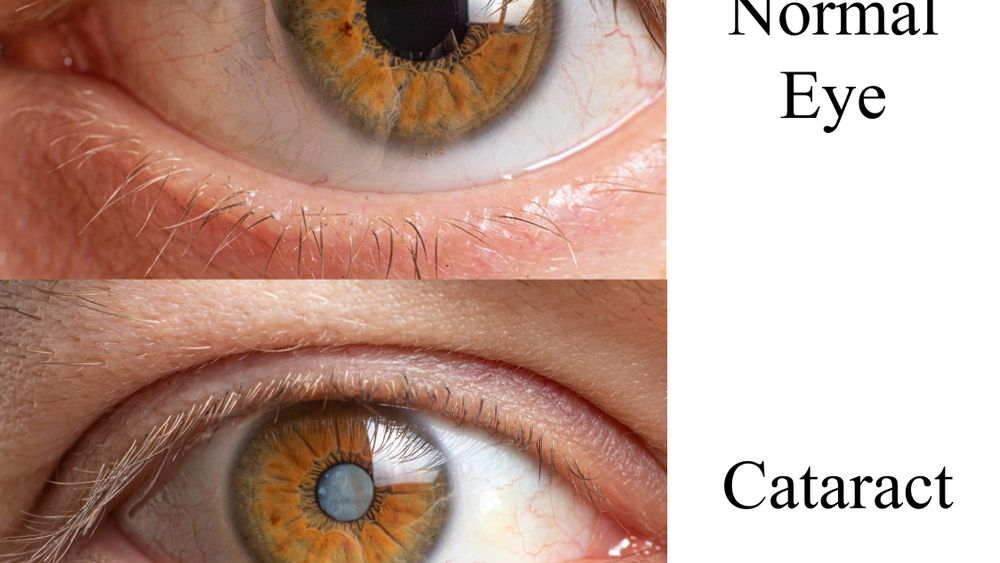
June is Cataract Awareness Month, making it the perfect time to learn about one of the most common causes of vision loss. Cataracts affect millions of Americans each year and are a natural part of the aging process. In fact, by age 80, more than half of all Americans either have a cataract or have undergone cataract surgery.
What Is a Cataract?
A cataract occurs when the eye’s natural lens becomes cloudy, preventing light from passing clearly through to the retina. Many patients describe their vision as looking through a foggy, frosted, or dirty window.
Common symptoms of cataracts include:
- Blurry or cloudy vision
- Increased sensitivity to light and glare
- Halos around headlights or lamps
- Difficulty driving at night
- Faded or yellowed colors
- Frequent changes in eyeglass prescriptions
- Double vision in one eye
Because cataracts usually develop slowly, many people may not notice changes in their vision until the cataract has significantly progressed.
Who Is at Risk?
While aging is the most common cause of cataracts, other factors can increase your risk, including:
- Diabetes
- Smoking
- Excessive alcohol consumption
- Prolonged exposure to ultraviolet (UV) light
- Long-term steroid use
- Previous eye injuries or surgeries
- Family history of cataracts
Types of Cataracts
Although age-related cataracts are the most common, several other types exist:
Secondary Cataracts
These may develop following eye surgery or as a result of medical conditions such as diabetes. A “secondary cataract” can also refer to clouding that develops behind an implanted lens after cataract surgery, which is easily treated with a quick laser procedure.
Traumatic Cataracts
These cataracts occur following an eye injury and may develop immediately or even years later.
Congenital Cataracts
Some children are born with cataracts or develop them during childhood. Depending on their severity, treatment may be necessary to prevent vision problems.
Radiation Cataracts
Exposure to certain types of radiation can increase the risk of cataract formation.
Cataract Surgery: One of the Safest and Most Successful Procedures
The only effective treatment for cataracts is surgery. Fortunately, cataract surgery is one of the most commonly performed and successful procedures in medicine, with millions of surgeries performed each year in the United States.
During the procedure, the cloudy natural lens is removed and replaced with a clear artificial lens called an intraocular lens (IOL). The surgery typically takes less than 30 minutes, is performed on an outpatient basis, and most patients notice improved vision within a few days.
New Advances in Cataract Treatment
Today’s cataract surgery offers more than simply removing a cloudy lens. Modern technology allows surgeons to customize vision correction based on each patient’s lifestyle and visual needs.
Premium Intraocular Lenses (IOLs)
Patients now have several lens options beyond traditional monofocal lenses:
- Monofocal Lenses: Provide excellent distance vision but usually require glasses for reading.
- Toric Lenses: Correct cataracts and astigmatism simultaneously.
- Multifocal Lenses: Offer vision at multiple distances, reducing dependence on glasses.
- Extended Depth of Focus (EDOF) Lenses: Provide a continuous range of vision with fewer visual disturbances than some multifocal lenses.
Laser-Assisted Cataract Surgery
Some surgeons offer laser-assisted cataract surgery, which uses advanced laser technology to perform portions of the procedure with exceptional precision. While traditional cataract surgery remains highly effective, laser-assisted techniques may provide additional accuracy for select patients.
Lifestyle-Based Vision Planning
Today’s cataract evaluations often include advanced imaging and measurements that allow surgeons to tailor treatment based on a patient’s daily activities, hobbies, occupation, and desire for reduced dependence on glasses.
Protecting Your Vision
Although cataracts cannot always be prevented, you can help protect your eye health by:
- Wearing UV-protective sunglasses outdoors
- Managing diabetes and other chronic conditions
- Avoiding smoking
- Eating a healthy diet rich in fruits and vegetables
- Scheduling regular comprehensive eye exams
The Importance of Annual Eye Exams
Many cataracts can be detected long before they significantly affect vision. Comprehensive eye exams, including dilation when appropriate, allow your eye doctor to monitor cataracts and screen for other serious eye diseases such as glaucoma, macular degeneration, and diabetic eye disease.
If you’ve noticed blurry vision, increased glare, difficulty driving at night, or changes in your eyesight, it may be time for an evaluation.
Call Bissell Eye Care today at 724-444-6767 or 724-226-0444 to schedule your comprehensive eye exam and learn about the latest options available to help you maintain clear, healthy vision.
About Bissell Eye Care: John D. Bissell, OD, is the owner of Bissell Eye Care, proudly serving the Northern Pittsburgh and Alle-Kiski Valley regions. Dr. Bissell has received advanced training through the International Academy of Low Vision Specialists, enabling him to help patients living with vision impairment and low vision challenges. With two convenient office locations and evening appointments available, Bissell Eye Care offers comprehensive eye exams for the entire family—starting as young as six months. Our services include ocular disease detection and treatment, prescription eyeglasses and sunglasses, specialty activewear eyewear, contact lenses, and dedicated low vision evaluations for those with significant vision impairment and vision loss. We accept most vision and health insurance plans. To learn more, visit bisselleyecare.com or call our Bakerstown office at 724-443-6767 or our Natrona Heights office at 724-226-0444.