
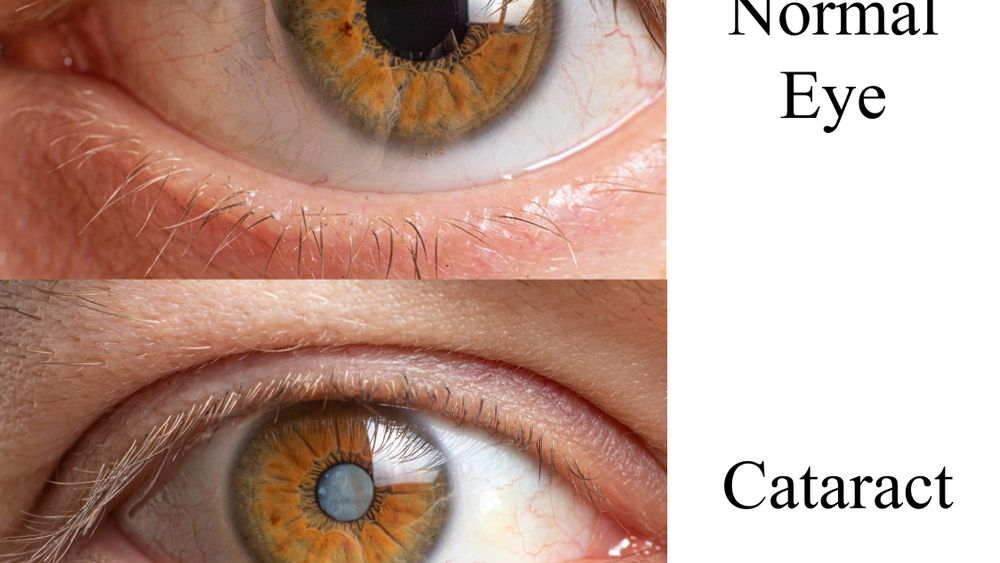
Comparison of a healthy human eye and an eye with a clouded lens cataract

How Cataracts Affect Your Eyesight

A cataract is the clouding of the eye’s natural lens. This clouding prevents light from passing clearly through the eye, causing blurred or dim vision. Cataracts most commonly develop with aging, but they can also be linked to diabetes, metabolic conditions, eye injuries, or long-term use of certain medications, such as steroids.

Cataracts usually form slowly over time. As they progress, they can interfere with everyday activities like reading, driving, watching television, and recognizing faces.

Common Types of Cataracts

There are three main types of cataracts, each affecting the lens in a different way:

  • Subcapsular Cataracts
    These cataracts form at the back of the lens and are more common in people with diabetes or those who take high doses of steroid medications. They often affect reading vision and cause glare sensitivity.
  • Nuclear Cataracts
    This type develops in the center of the lens and is most commonly related to aging. Nuclear cataracts may initially cause improved near vision, followed by gradual worsening of both distance and near vision.
  • Cortical Cataracts
    Cortical cataracts begin along the outer edges of the lens and progress inward in a spoke-like pattern. They can cause glare, light sensitivity, and difficulty with contrast and depth perception.

When Cataract Surgery Isn’t the Final Step

Cataract surgery is one of the most successful procedures for restoring vision. However, for some patients, surgery alone may not fully correct vision problems.

Individuals with other eye conditions—such as macular degeneration, glaucoma, or diabetic retinopathy—may still experience reduced visual function even after the cloudy lens has been removed. In these cases, a standard glasses prescription may not provide enough improvement for daily tasks.

Dr. John Bissell, a low vision specialist, trained through the International Academy of Low Vision Specialists, offers cataract co-management and post-surgical low vision care for patients who need additional visual support after surgery. The goal is to help you make the most of your remaining vision so you can function more comfortably and independently.

Services may include:

  • Personalized low vision evaluations
  • Functional vision assessments for real-world tasks
  • Optical and digital magnifiers for reading and near work
  • Custom lighting recommendations
  • Contrast enhancement strategies for home and work environments

These tools and techniques can greatly improve your ability to read, move safely, and perform everyday activities. To learn more, schedule a low vision consultation with Dr. Bissell by calling 724-443-6767 or 724-226-0444.


About Bissell Eye Care: John D. Bissell, OD, is the owner of Bissell Eye Care, proudly serving the Northern Pittsburgh and Alle-Kiski Valley regions. Dr. Bissell has received advanced training through the International Academy of Low Vision Specialists, enabling him to help patients living with vision impairment and low vision challenges. With two convenient office locations and evening appointments available, Bissell Eye Care offers comprehensive eye exams for the entire family—starting as young as six months. Our services include ocular disease detection and treatment, prescription eyeglasses and sunglasses, specialty activewear eyewear, contact lenses, and dedicated low vision evaluations for those with significant vision impairment and vision loss. We accept most vision and health insurance plans. To learn more, visit bisselleyecare.com or call our Bakerstown office at 724-443-6767 or our Natrona Heights office at 724-226-0444.
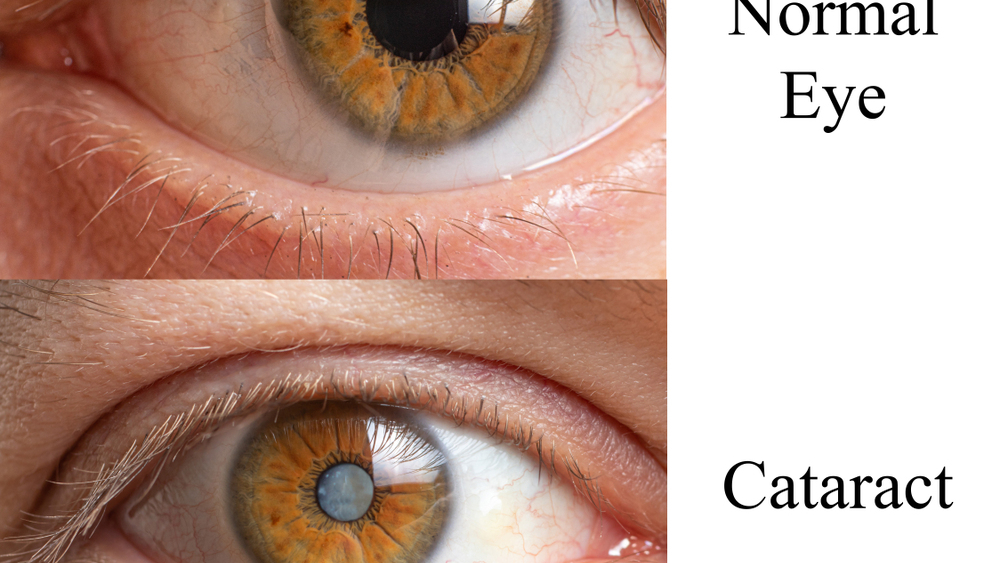
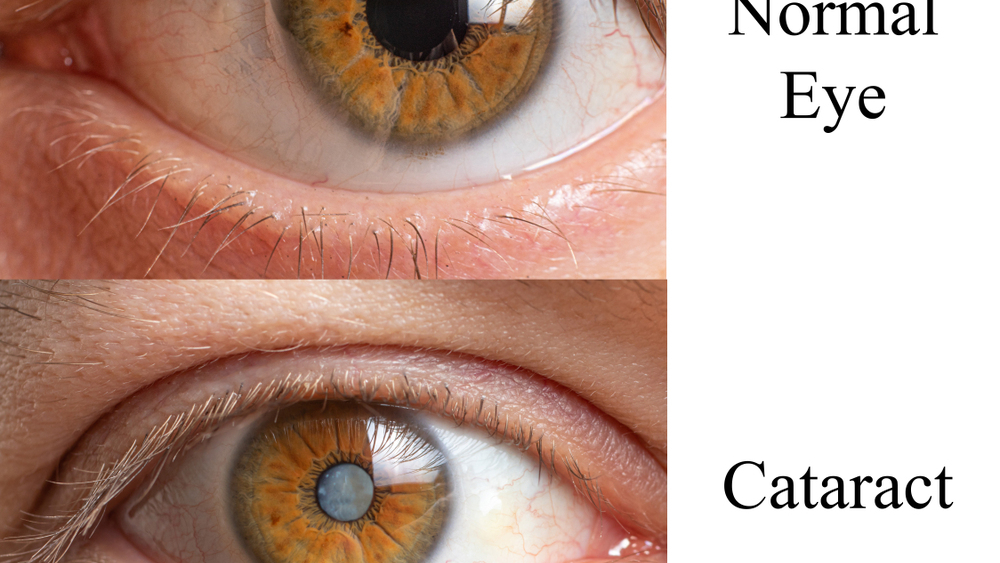
Comparison of a healthy human eye and an eye with a clouded lens cataract - to prevent cataracts

Can You Prevent Cataracts? Lifestyle Tips for Healthier Vision

June is Cataract Awareness Month—an important time to understand how to protect your sight as you age. In recognition of Cataract Awareness Month, let’s take a closer look at what cataracts are, why early detection matters, and how healthy lifestyle choices can support long-term eye health.

Cataracts are one of the most common causes of vision loss worldwide, especially among adults over 60. Although cataracts are often a natural part of aging, there are proactive steps you can take to protect your vision and possibly delay their development.

What Are Cataracts?

A cataract is a clouding of the eye’s natural lens, which lies behind the iris and the pupil. As cataracts develop, they block light from passing clearly through the lens, making your vision appear blurry, foggy, or dim. Cataracts can form in one or both eyes and typically progress slowly over time.

Common symptoms of cataracts include:

  • Blurred or cloudy vision
  • Glare and halos around lights, especially at night
  • Faded colors
  • Frequent changes in eyeglass prescriptions
  • Difficulty seeing in low light

Can Cataracts Be Prevented?

While not all cataracts can be prevented—especially those related to aging—certain lifestyle habits may slow their development or reduce your risk. Here’s how:

Protect Your Eyes from UV Rays

  • Long-term exposure to ultraviolet (UV) light is a known risk factor for cataracts.
  • Tip: Always wear sunglasses with 100% UVA and UVB protection, even on cloudy days.

Quit Smoking

  • Smoking increases oxidative stress on the lens of the eye and significantly raises the risk of developing cataracts earlier.
  • Tip: If you smoke, talk to your doctor about quitting strategies and support.

Eat a Diet Rich in Antioxidants

  • Nutrients like vitamins C and E, lutein, and zeaxanthin may support eye health and slow the progression of cataracts.
  • Tip: Include colorful fruits and vegetables, leafy greens, and omega-3 fatty acids in your daily meals.

Manage Health Conditions Like Diabetes

  • Uncontrolled diabetes can accelerate cataract development.
  • Tip: Maintain healthy blood sugar levels through regular checkups, medication, and lifestyle changes.

Limit Alcohol Intake

  • Excessive alcohol consumption may increase the risk of cataracts.
  • Tip: Stick to moderate or occasional drinking when possible.

Why Early Detection and Treatment Matter

If left untreated, cataracts can significantly impair your vision and limit your ability to drive, read, or live independently. Fortunately, cataracts are treatable with safe and highly effective outpatient surgery, which replaces the clouded lens with a clear artificial one.

The key is catching them early—which is why regular, comprehensive eye exams are essential, especially after age 60. During your exam the doctors at Bissell Eye Care can detect early signs of cataracts and monitor their progression over time. Early diagnosis allows for timely treatment and better outcomes.

Your Vision Deserves Attention

Take steps to protect your eyes and encourage loved ones to do the same. Schedule your annual eye exam, wear your UV-protective sunglasses, eat for eye health, and talk to the doctors at Bissell Eye Care about any changes in your vision.

Cataracts may be common, but vision loss doesn’t have to be. With smart lifestyle choices and regular eye care, you can stay focused on what matters most—seeing clearly and living fully. Call 724-443-6767 or 724-226-0444 today to schedule your comprehensive eye exam.


About Bissell Eye Care: John D. Bissell, OD owns and operates Bissell Eye Care servicing Northern Pittsburgh and Alle-Kiski Valley regions. With two locations to treat patients, we offer evening appointments. Bissell Eye Care provides comprehensive eye examinations for the entire family beginning as early as 6 months, ocular disease detection and treatment, eyeglasses, sunglasses, activewear, contact lenses, and low vision examinations for those with significant vision loss. We accept most types of vision and health insurance plans. For more information, visit bisselleyecare.com or call our Bakerstown Office at 724-443-6767 or Natrona Heights office at 724-226-0444.
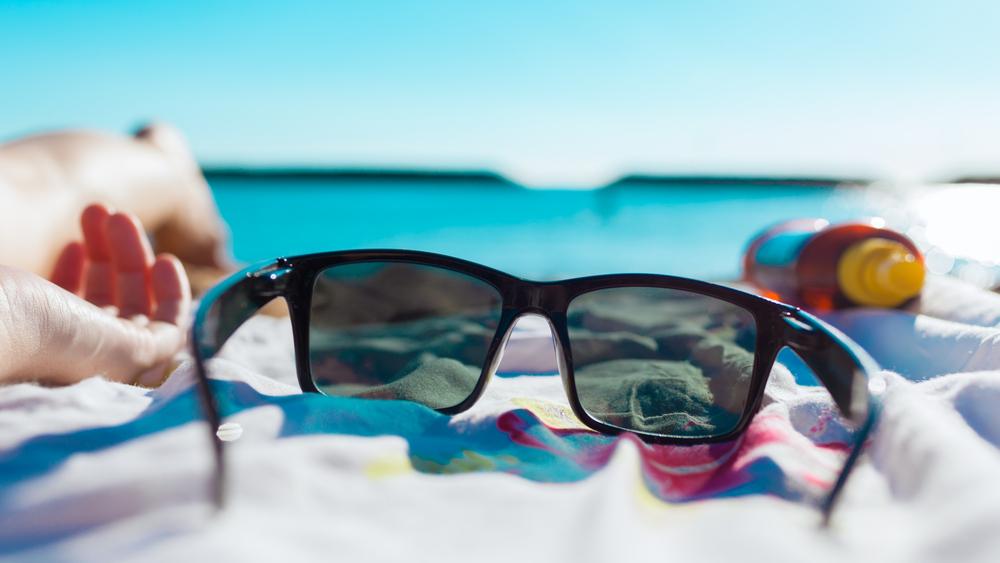
dark summer sunglasses on bright summer day on beach towel with blue water in the background

Summer, Sunglasses & Sunscreen

It seems like June and summer hit all at once. As we enjoy the outdoor activities of summer, sunscreen and sunglasses are a winning combination. Sunglasses are an easy solution that makes life more comfortable when outdoors, while also providing critical protection from the sun’s damaging ultraviolet (UV) rays.  But…all sunglasses don’t provide the protection you need to protect your eyes. UV sunglasses play a crucial role in protecting our eyes from the harmful effects of ultraviolet (UV) rays.

Importance of UV Sunglasses:

UV rays, particularly UVA and UVB, can cause significant damage to our eyes. Prolonged exposure to UV radiation can lead to various eye conditions, including cataracts, macular degeneration, and photokeratitis (sunburn of the cornea). Wearing UV sunglasses helps minimize the risk of these problems and ensures long-term eye health.

Effect of UV Rays on Cataracts:

Cataracts occur when the lens of the eye becomes clouded, resulting in blurry vision. UV radiation is a known risk factor for cataracts. The lens of the eye is highly sensitive to UV rays, and prolonged exposure can accelerate the formation and progression of cataracts. Wearing UV-protective sunglasses helps reduce the cumulative exposure to UV radiation and lowers the risk of cataract development.

How to Choose Sunglasses:

When choosing sunglasses for UV protection, consider the following factors:

  • UV Protection: Look for sunglasses that provide 100% UV protection or block both UVA and UVB rays. The label should indicate this feature.
  • Lens Quality: Opt for sunglasses with high-quality lenses that offer clear and undistorted vision.
  • Lens Color: While lens color doesn’t necessarily indicate UV protection, gray, green, and brown lenses are good choices as they reduce brightness without altering colors.
  • Polarized Lenses: Polarized sunglasses can help reduce glare, improving visual comfort, especially in outdoor activities near water or snow.
  • Fit and Coverage: Select sunglasses that fit well and provide adequate coverage, ensuring that UV rays don’t reach your eyes from the sides or top.

Sunglasses and Kids:

  • Protecting children’s eyes from UV rays is equally important. Here are some considerations:
  • Look for sunglasses specifically designed for children, as they are more likely to fit properly.
  • Choose sunglasses that offer 100% UV protection.
  • Opt for shatterproof lenses, as children are generally more active and prone to accidents.
  • Consider wraparound styles or sunglasses with side shields to provide better coverage.
  • Encourage children to wear sunglasses, especially during peak UV exposure times, such as midday.

Remember, in addition to wearing sunglasses, it’s essential to practice other sun safety measures, such as wearing a wide-brimmed hat and applying sunscreen around the eyes, for comprehensive eye protection during the summer or when exposed to strong sunlight.  Time to hit the pool and enjoy the summer.  If you have any questions on the best sunglasses for you or your family, call Bissell Eye Care at (724) 444-6767 or 724-226-0444.


About Bissell Eye Care: John D. Bissell, OD owns and operates Bissell Eye Care servicing Northern Pittsburgh and Alle-Kiski Valley regions. With two locations to treat patients, we offer evening and Saturday appointments. Bissell Eye Care provides comprehensive eye examinations for the entire family beginning as early as 6 months, ocular disease detection and treatment, eyeglasses, sunglasses, activewear, contact lenses, and low vision examinations for those with significant vision loss. We accept most types of vision and health insurance plans. For more information, visit bisselleyecare.com or call our Bakerstown Office at 724-443-6767 or Natrona Heights office at 724-226-0444.
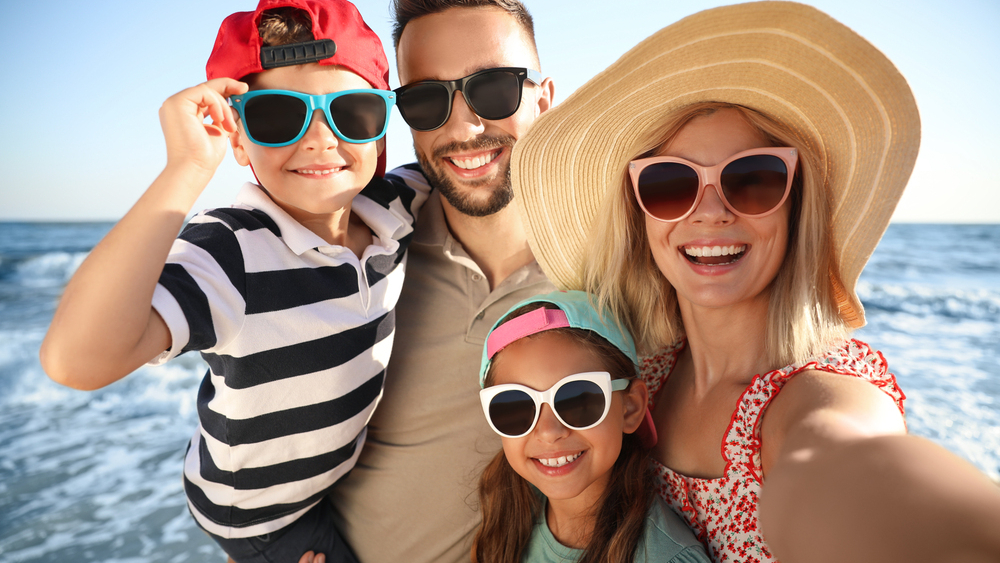
Happy family taking selfie on beach near sea. Summer vacation

Sunglass Protection Tips and Cataracts

June is National Cataract Awareness Month, and UV rays are a significant risk factor for the eye disorder. The proper sunglasses can help protect you. The choices you make today will result in how your quality of life will be in years to come. As we get older, our eyes undergo physiological changes that can cause vision problems.

Are sunglasses in your swim bag when you pack your towel, swimsuit, flip-flops, a cooler full of drinks, a bag of snacks, and sunscreen? Eye care is essential as you head out this summer to take that dip and cool off in the summer sun. The Ultraviolet rays of the sun, or UV rays, can harm more than cause a sunburn to your skin. UV rays can also harm your eyes. By wearing the proper eye protection, you can help reduce the short-term and long-term effects of UV exposure to your eyes.

Since UV light carries more energy than visible light, it can do greater damage to our eyes. As we age, the damage simply has more time to accumulate: a cataract, (cloudiness of the lens) for example, is believed to be caused by many years of exposure to bright sunlight. Choose sunglasses with 100% UV blockage. You can’t tell UV blockage by looking at the glasses. A darker tint is not an indication of UV blockage, you should always look at the label.

The short-term exposure to high amounts of UV rays can be similar to your skin becoming sunburned. This is referred to as photo keratitis and is considered a sunburn of the eye. Photo keratitis can be painful and is usually accompanied by symptoms such as red eyes, the feeling of foreign object in your eyes, gritty feeling in the eyes, excessive tearing, and sensitivity to light. These symptoms are usually temporary and rarely result in permanent damage.

Long-term effects of high exposure to UV rays can include a greater risk of developing cataracts or developing macular degeneration in the later years of life.

With sunglasses coming in all shapes and sizes it is important to ensure that your sunglasses have the following features to help block out the most UV rays possible:

  •         Screen out 75-90 percent of visible light.
  •         Block out 99-100 percent of UV-A and UV-B radiation.
  •         Have gray lenses to aid in proper color recognition.

According to the American Academy of Ophthalmology (AAO), the best sunglasses offer:

  •         100% UV protection
  •         High optical quality (lenses are free of manufacturing defects like bubbles or waves that could bother your eyes)
  •         Scratch-resistant lenses
  •         A larger frame offers more coverage of the eye area.

If you spend a large amount of time outdoors, consider the wrap around style of glasses. This style blocks out the most light possible granting the most protection. If you are involved in outdoor work or sports, be sure to have sunglasses that are impact-resistant to prevent eye injuries from broken glasses entering the eye.

Most cataracts develop slowly and don’t disturb your eyesight early on. But with time, cataracts will eventually interfere with your vision and your eye doctor will help you decide if surgery is right for you.

Protection from the ultraviolet rays of the sun can occur by wearing sunglasses and a wide-brimmed hat. These two things can significantly reduce eye exposure to UVB radiation. Although cataracts are not completely preventable, their occurrence can be delayed. Smoking, avoiding excess amounts of alcohol, and eating plenty of fresh fruits and vegetables may delay the formation of cataracts.

When to See a Doctor…

Make an appointment for an eye exam if you notice any changes in your vision such as double vision or blurriness, see your doctor right away. Talk with your eye doctor about whether surgery is right for you. Prevention is the easiest way to help ensure that your vision lasts well into the future, keeping your head up and you moving forward.


About Bissell Eye Care: John D. Bissell, OD owns and operates Bissell Eye Care servicing Northern Pittsburgh and Alle-Kiski Valley regions. With two locations to treat patients, we offer evening and Saturday appointments. Bissell Eye Care provides comprehensive eye examinations for the entire family beginning as early as 6 months, ocular disease detection and treatment, eyeglasses, sunglasses, activewear, contact lenses, and low vision examinations for those with significant vision loss. We accept most types of vision and health insurance plans. For more information, visit bisselleyecare.com or call our Bakerstown Office at 724-443-6767 or Natrona Heights office at 724-226-0444.
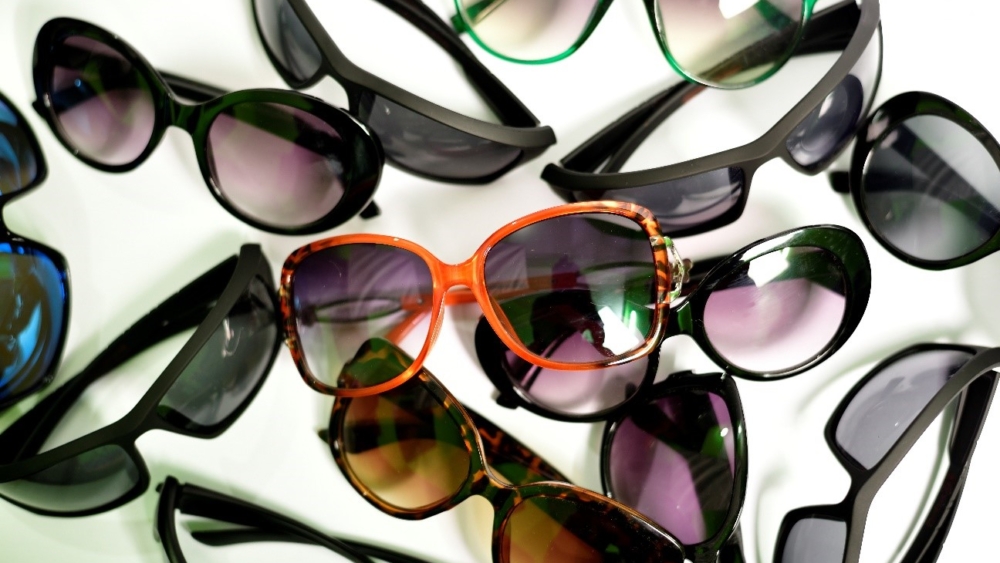
Choosing Sunglasses

Tips for Choosing Sunglasses

Available in many shapes and styles, sunglasses are more than fashion accessories – they are important tools to protect your eyes from ultraviolet (UV) rays, the radiation energy produced by the sun. UV rays are a contributing factor in developing cataracts. Did you know two types of radiation – UVA and UVB rays occur with exposure to sunlight? Ultraviolet radiation from the sun can cause cumulative damage to your eyes as you age, but you can protect your vision by wearing sunglasses every day.

Polarized sunglass lenses reduce light glare and eyestrain. Because of this, they improve vision and safety in the sun. Polarization itself does not provide UV protection. Instead, it provides a better visual experience for certain activities like driving, boating, or golfing. People who use polarized sunglasses often say they are less tired than usual after hours of battling sun glare. There are polarized lenses made with a UV-blocking substance. Check the label of polarized sunglasses to make sure they provide maximum UV protection.

On polarized sunglasses, the filter creates vertical openings for light. Only light rays that approach your eyes vertically can fit through those openings. The lenses block all the horizontal light waves bouncing off a smooth pond or a shiny car hood, for instance. As a result of this filtering, the image you see with polarized lenses is a bit darker than usual. But objects look crisper and clearer with polarized lenses, and details are easier to see.

UV Blocking and Polarization Are Not the Same

Since UV light carries more energy than visible light, it can do greater damage to our eyes. As we age, the damage simply has more time to accumulate: a cataract, (cloudiness of the lens) for example, is believed to be caused by many years of exposure to bright sunlight. Choose sunglasses with 100% UV blockage. Since you can’t tell by looking at the glasses for UV blockage. Just because glasses have a darker tint it not an indication of protection, you should always look at the label.

Tips for Choosing the Best Sunglasses

According to the American Academy of Ophthalmology (AAO), the best sunglasses offer:

  • 100% UV protection
  • High optical quality (lenses are free of manufacturing defects like bubbles or waves that could bother your eyes
  • Scratch-resistant lenses
  • A larger frame offers more coverage of eye area

A person’s lifestyle can affect their choices in sunglasses. Special features in sunglasses can include:

  • Mirror coatings. These thin layers of various metallic coatings can reduce the amount of visible light entering the eyes. They are popular in high-glare environments and when combined with the wraparound feature, they can even provide added protection to the skin surrounding the eye area. UV protection, however, is not guaranteed.
  • Gradient. These lenses are permanently shaded from top to bottom or from top and bottom toward the middle.
  • Impact resistant. While all sunglasses must meet minimum FDA standards regarding impact resistance, no lens is truly shatterproof. Plastic lenses are less likely to shatter upon impact than glass lenses. And, polycarbonate plastic, used in many sports sunglasses, is even more impact resistant than regular plastic but scratches easily. If you buy polycarbonate lenses, look for ones /with scratch-resistant coatings.

Protection from the ultraviolet rays from the sun can occur by wearing sunglasses and a wide-brimmed hat. These two things can significantly reduce eye exposure to UVB radiation. Although cataracts are not completely preventable, their occurrence can be delayed. Smoking, avoiding excess amounts of alcohol, eating plenty of fresh fruits and vegetables may delay the formation of cataracts.

Keep in mind that if your sunglasses are labeled as blocking the sun’s harmful ultraviolet (UV) rays, it does not mean they are polarized too. Polarized lenses will have a label saying so.

To learn more about choosing the best type of sunglasses for your lifestyle, give our office a call at 724-443-6767 or 724-226-0444.


About Bissell Eye Care: John D. Bissell, OD owns and operates Bissell Eye Care servicing Northern Pittsburgh and Alle-Kiski Valley regions. With two locations to treat patients, we offer evening and Saturday appointments. Bissell Eye Care provides comprehensive eye examinations for the entire family beginning as early as 6 months, ocular disease detection and treatment, eyeglasses, sunglasses, activewear, contact lenses, and low vision examinations for those with significant vision loss. We accept most types of vision and health insurance plans. For more information, visit bisselleyecare.com or call our Bakerstown Office at 724-443-6767 or Natrona Heights office at 724-226-0444.
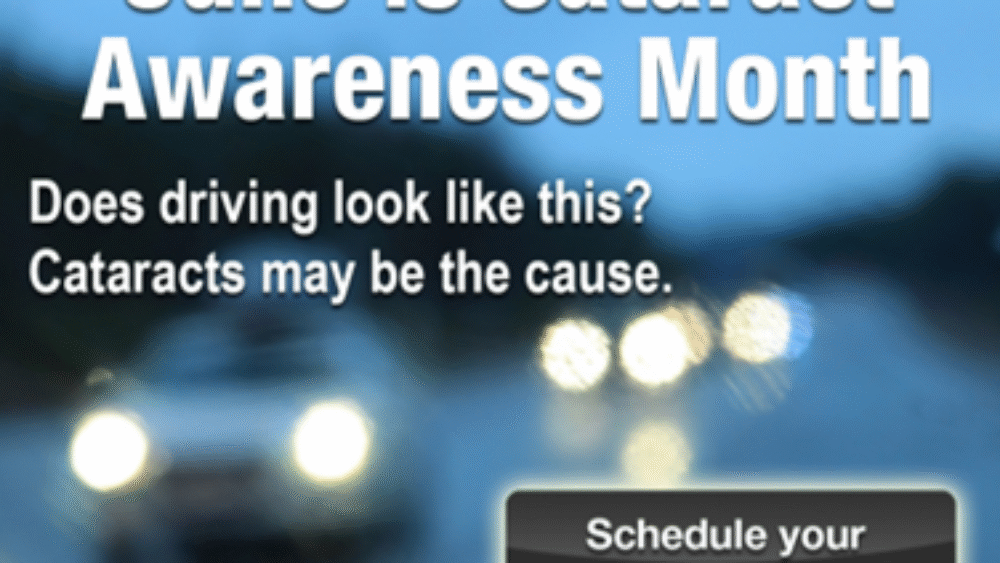
Cataract Awareness Month

Tips on Cataracts and Eye Floaters

June is Cataract Awareness Month. Did you know by the age of 80, more than half of all Americans either have a cataract or have had cataract surgery?

What happens when you have a cataract?

Cataracts are a clouding of the lens of the eye, which prevents the passage of light into the eye. Seeing with cataracts is like looking through a frosty or fogged window. Cataract sufferers may also experience sensitivity to light, see “halos” around lights, notice fading or yellowing colors or have double vision in one eye.

The solution to cataracts is cataract surgery, which requires a surgeon to remove the deteriorated lens and replace it with an artificial lens called an intraocular lens or IOL. There are over 3 million cataract surgeries performed in the US each year with each surgery lasting about 20 minutes. Recovery time is minimal and most people can resume normal activities fairly rapidly.

Diseases such as diabetes, lifestyle choices such as smoking, excessive alcohol use, and prolonged exposure to UV rays all can contribute to your chances of developing cataracts.

Did you know there are different types of cataracts?

  • Secondary cataract. A side effect of the cataract surgery procedure affecting approximately 1/3 of the people who have had surgery is that cataract symptoms return. The side effect is called posterior capsule opacification, also known as a secondary cataract.
  • Traumatic cataract. Cataracts can develop after an eye injury, sometimes years later.
  • Congenital cataract. Some babies are born with cataracts or develop them in childhood, often in both eyes. These cataracts may be so small that they do not affect vision. If they do, the lenses may need to be removed.
  • Radiation cataract. Cataracts can develop after exposure to some types of radiation.

Moving Spots Called Eye Floaters

Do you ever see moving spots that appear in your field of vision? They’re called eye floaters and could be especially noticeable when you look at something bright, such as white paper or a blue sky. As you age, often between the ages of 50 and 75, the vitreous and its millions of fine collagen fibers shrink and become shred-like. Shreds can accumulate in the vitreous that can cause a change in the amount of light that hits the retina — the light-sensitive tissue in the back of the eye. This change causes the symptoms of eye floaters.

Eye floaters can be annoying, but they generally don’t interfere with your sight and can improve over time. These floaters come in many shapes such as black or gray dots, squiggly lines, threadlike strands, which can be knobby and semi-transparent, cobwebs, or ring shaped.

But sometimes eye floaters are a sign of a more serious condition as a result of a retinal detachment, retinal tear, or bleeding within the eye. You should seek immediate medical attention if you notice a sudden increase in the number of eye floaters or the floaters are accompanied by flashes of light or a loss of side vision.

Annual eye exams to include dilation can detect the onset of cataracts, eye floaters, as well as other types of eye disease. These preventive measures, along with healthy eating will help to maintain overall eye health. Call 724-444-6767 or 724-226-4444 to schedule your exam today!


About Bissell Eye Care: John D. Bissell, OD owns and operates Bissell Eye Care servicing Northern Pittsburgh and Alle-Kiski Valley regions. With two locations to treat patients, we offer evening and Saturday appointments. Bissell Eye Care provides comprehensive eye examinations for the entire family beginning as early as 6 months, ocular disease detection and treatment, eyeglasses, sunglasses, activewear, contact lenses, and low vision examinations for those with significant vision loss. We accept most types of vision and health insurance plans. For more information, visit bisselleyecare.com or call our Bakerstown Office at 724-443-6767 or Natrona Heights office at 724-226-0444.
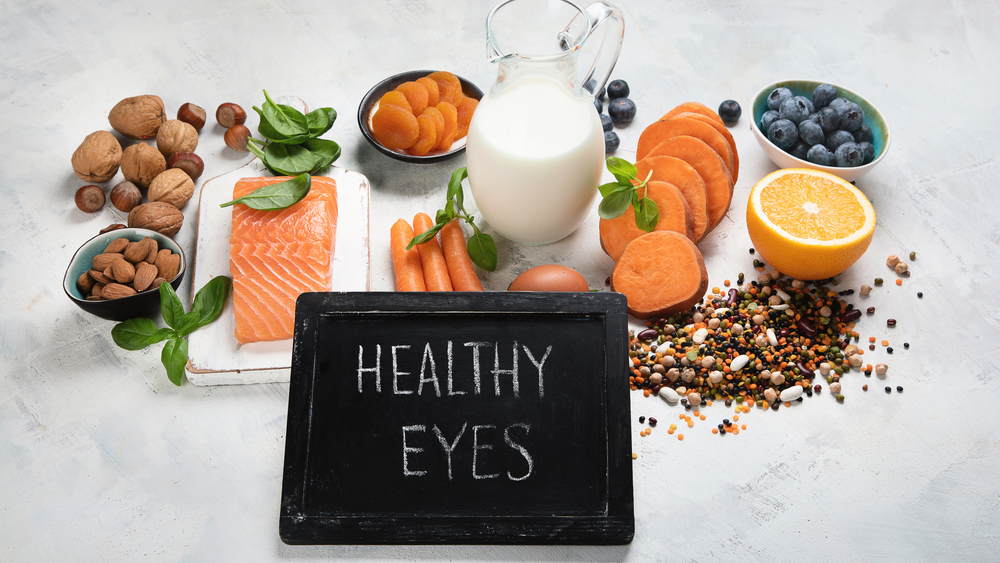
Healthy Eyes

Cataract Awareness – Know the Facts

June is Cataract Awareness Month. Most people will develop a cataract at some point in their life.  Cataracts are the leading cause of vision impairment of loss in this country. Did you know by the age of 80, more than half of all Americans either have a cataract or have had cataract surgery?

What happens when you have a cataract?

Cataracts are a clouding of the lens of the eye, which prevents the passage of light into the eye. Seeing with cataracts is like looking through a frosty or fogged window.   Cataract sufferers may also experience sensitivity to light, see “halos” around lights, notice fading or yellowing colors or have double vision in one eye.

The solution to cataracts is cataract surgery, which requires a surgeon to remove the deteriorated lens and replace it with an artificial lens called an intraocular lens or IOL.

There are over 3 million cataract surgeries performed in the US each year with each surgery lasting about 20 minutes.  Recovery time is minimal and most people can resume normal activities fairly rapidly.

Diseases such as diabetes, lifestyle choices such as smoking, excessive alcohol use, and prolonged exposure to UV rays all can contribute to your chances of developing cataracts.

Did you know there are other types of cataracts?

  • Secondary cataract. Cataracts can form after surgery for other eye problems, such as glaucoma. Cataracts also can develop in people who have other health problems, such as diabetes. Cataracts are sometimes linked to steroid use.
  • Traumatic cataract. Cataracts can develop after an eye injury, sometimes years later.
  • Congenital cataract. Some babies are born with cataracts or develop them in childhood, often in both eyes. These cataracts may be so small that they do not affect vision. If they do, the lenses may need to be removed.
  • Radiation cataract. Cataracts can develop after exposure to some types of radiation.

Annual eye exams to include dilation can detect the onset of cataracts, as well as other types of eye disease.  These preventive measures, along with healthy eating will help to maintain overall eye health.  Call 724-444-6767 or 724-226-0444 to schedule your exam today!


About Bissell Eye Care: John D. Bissell, OD owns and operates Bissell Eye Care servicing Northern Pittsburgh and Alle-Kiski Valley regions. With two locations to treat patients, we offer evening and Saturday appointments. Bissell Eye Care provides comprehensive eye examinations for the entire family beginning as early as 6 months, ocular disease detection and treatment, eyeglasses, sunglasses, activewear, contact lenses, and low vision examinations for those with significant vision loss. We accept most types of vision and health insurance plans. For more information, visit bisselleyecare.com or call our Bakerstown Office at 724-443-6767 or Natrona Heights office at 724-226-0444.
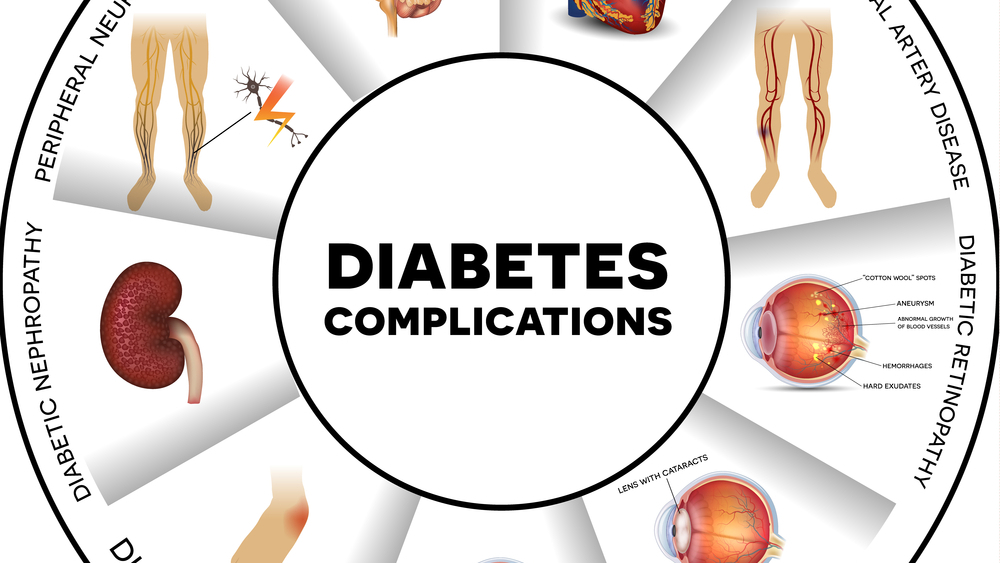
Diabetes Complications

DIABETES AWARENESS MONTH

November is Diabetes Awareness Month. If you are one of the estimated 29.1 million people that have diabetes, then you have most likely discussed with your doctor about possible health-related issues that come with the disease. Diabetes also can also harm your eyesight. Obtaining regular screenings will allow you to monitor your health and react to any changes that may have occurred.

The American Academy of Ophthalmology (and the American Diabetes Association) recommend patients with type 1 diabetes receive an eye exam within the first 5 years after diagnosis, then one exam per year. The groups recommend those with type 2 diabetes receive an eye exam as soon as diabetes is diagnosed, and then once yearly.

All people with diabetes are at risk of developing eye disease that can permanently damage their vision and even lead to blindness. However, some steps can be taken to help prevent diabetic eye disease, including:

  • Managing good blood sugar, blood pressure, and cholesterol control
  • Scheduling a yearly comprehensive dilated eye exam
  • Women with diabetes before pregnancy should have a comprehensive dilated eye exam early in their pregnancy. Additional exams may be recommended during pregnancy.
  • Maintaining a healthy lifestyle by exercising regularly, not smoking and following a healthy diet.

While everyone needs to schedule routine eye exams, people with diabetes need to be especially vigilant in scheduling their annual exams. Diseases such as glaucoma, cataracts, and retinopathy are best treated when they are detected early and are often associated with diabetes. Talk to your eye doctor about any concerns or vision loss you may be experiencing for the best chances of early detection and treatment.

Patients often ask, “Why do I have to have my eyes dilated?” A comprehensive dilated eye exam allows our doctors to check the retina for early signs of diabetic eye disease damage such as:

  • Warning signs of leaky blood vessels, such as fatty deposits
  • Changes to blood vessels
  • Changes in the lens
  • Swelling of the macula
  • Damage to nerve tissue

Glaucoma occurs when pressure builds inside the eye and is 40% more likely to occur in individuals who have diabetes. The pressure pinches blood vessels that carry blood to the retina and optic nerve. Vision is gradually lost as the retina and nerves are damaged from the increase in pressure. There are several treatments available for Glaucoma however some treatments may require surgery. Early detection of high pressure may be able to be managed by medication. Maintaining the proper eye pressure is key to preventing permanent damage to the eye.

As we age many people run a higher risk of developing cataracts. Those with diabetes are 60% more likely to develop them. By detecting cataracts early you can help to slow down the progression. The typical corrective action for cataracts is to remove the lens of the eye. Patients then would typically receive a new transplanted lens. In people with diabetes, vision can get worse after the removal of the lens and glaucoma may start to develop so additional treatment may be necessary.

Retinopathy is a general term used for all disorders of the retina that are caused by diabetes. The good news that there have been giant strides in the past decade on treatment for retinopathy.
Have you noticed a pattern? Particularly those with diabetes must be extra vigilant with screenings and health checkups. The key to being able to keep your vision as clear as possible when you suffer from diabetes is early detection. Keep in mind that you often can lose more than 60% of your vision before you begin to notice significant differences.

Talk with your doctor if you have diabetes so you know what symptoms to look for and schedule your annual vision screening.

About Bissell Eye Care: John D. Bissell, OD owns and operates Bissell Eye Care servicing Northern Pittsburgh and Alle-Kiski Valley regions. With two locations to treat patients, we offer evening and Saturday appointments. Bissell Eye Care provides comprehensive eye examinations for the entire family beginning as early as 6 months, ocular disease detection and treatment, eyeglasses, sunglasses, activewear, contact lenses, and low vision examinations for those with significant vision loss. We accept most types of vision and health insurance plans. For more information, visit bisselleyecare.com or call our Bakerstown Office at 724-443-6767 or Natrona Heights office at 724-226-0444.

THE LINK BETWEEN SUNGLASSES AND CATARACTS

June is National Cataract Awareness Month, and UV rays are a significant risk factor for the eye disorder. The proper sunglasses can help protect you. As we get older, our eyes undergo physiological changes that can cause vision problems.

Ultraviolet light from the sun carries two types of radiation, UVA, and UVB rays. Ultraviolet radiation from the sun can cause cumulative damage to your eyes as you age, but you can protect your vision by wearing sunglasses every day.

Since UV light carries more energy than visible light, it can do greater damage to our eyes. As we age, the damage simply has more time to accumulate: a cataract, (cloudiness of the lens) for example, is believed to be caused by many years of exposure to bright sunlight. Choose sunglasses with 100% UV blockage. Since you can’t tell by looking at the glasses the UV blockage – darker tint is not an indication, you should always look at the label.

Sunglasses help to protect your eyes against UVB rays that cause cataracts. A cataract is the clouding of the normally clear lens of your eye. Seeing with cataracts is like looking through a frosty or fogged window. Cataract sufferers may also experience sensitivity to light, see “halos” around lights, notice fading or yellowing colors or have double vision in one eye.

Tips for Choosing the Best Sunglasses

According to the American Academy of Ophthalmology (AAO), the best sunglasses offer:

  • 100% UV protection
  • High optical quality (lenses are free of manufacturing defects like bubbles or waves that could bother your eyes
  • Scratch-resistant lenses
  • A larger frame offers more coverage of eye area

Most cataracts develop slowly and don’t disturb your eyesight early on. But with time, cataracts will eventually interfere with your vision and your eye doctor will help you decide if surgery is right for you.

Protection from the ultraviolet rays from the sun can occur by wearing sunglasses and a wide-brimmed hat. These two things can significantly reduce eye exposure to UVB radiation. Although cataracts are not completely preventable, their occurrence can be delayed. Smoking, avoiding excess amounts of alcohol, eating plenty of fresh fruits and vegetables may delay the formation of cataracts.

When to see a doctor…Make an appointment for an eye exam if you notice any changes in your vision such as double vision or blurriness, see your doctor right away. Talk with your eye doctor about whether surgery is right for you.

About Bissell Eye Care: John D. Bissell, OD owns and operates Bissell Eye Care servicing Northern Pittsburgh and Alle-Kiski Valley regions. With two locations to treat patients, we offer evening and Saturday appointments. Bissell Eye Care provides comprehensive eye examinations for the entire family beginning as early as 6 months, ocular disease detection and treatment, eyeglasses, sunglasses, activewear, contact lenses, and low vision examinations for those with significant vision loss. We accept most types of vision and health insurance plans. For more information, visit bisselleyecare.com or call our Bakerstown Office at 724-443-6767 or Natrona Heights office at 724-226-0444.

SAFETY TIPS FOR NIGHT DRIVING


Driving on an asphalt road towards the headlights

Have you noticed dusk starting to come earlier in the evening? Are you among those that don’t see as well when driving at night? Did you know that 9 of every 10 decisions you make behind the wheel are based on what you see?

It doesn’t matter if you’re 16 or 60. The ability to drive represents a sense of freedom for adults of all ages. But, as we get older, changes to the body and mind can make driving increasingly difficult. Night vision worsens with age due to a number of factors: pupil size, retinal changes, and cataracts.

Pupils shrink and don’t dilate as much in the dark as we age, reducing the amount of light entering the eye. Smaller pupils limit the amount of light that reaches the back of the eye called the retina. Because the retina of an 80-year-old receives far less light than the retina of a 20-year-old, it can seem like you are wearing dark sunglasses at night.

Rods and cones are contained in the retina. We depend on the cones for color vision and reading small print while the rods are critical for seeing in low light. As time goes on, we have fewer and fewer rods and they take longer to adjust to dark environments.

Cataracts are caused by a clouding of the lens in the front part of the eye. This causes the light entering your eye to be dimmed and blurred making it harder to see at night.

We can’t change the aging process so what steps can be taken to ensure safe nighttime driving?

  • Avoid driving on dark rainy nights.
  • Keep windshields clean inside and out.
  • Help drivers see you in twilight by turning your headlights on before sunset and keeping them on for an hour after sunrise.
  • Allow more time for your own journey, so you’re not driving under pressure.
  • Avoid looking directly at approaching vehicles at night, even when their lights are dimmed.
  • Have regular eye exams to check for such things as cataracts that can cause nighttime vision loss.

Avoid driving along at 50 mph, dropping to 40 mph when there’s oncoming traffic and then speeding up again. It makes it very confusing for drivers traveling behind you. It’s better to aim for a speed you can maintain such as 45 mph and sticking to it, even if there are times you could go faster.

Be proactive in taking care of your health and be safe on the road. Be honest with yourself. If a driving situation makes you uncomfortable, don’t do it. Many older drivers voluntarily begin to make changes in their driving practices. If fast-moving traffic bothers you, consider staying off freeways, highways, and find street routes instead. You may also decide to avoid driving in bad weather (rain, thunderstorms, snow, hail, ice). If you are going to a place that is unfamiliar to you, it is a good idea to plan your route before you leave so that you feel more confident and avoid getting lost.

If friends or relatives are concerned about your driving ability – it may be time to take a hard look at your safety and the safety of others.

About the author: John D. Bissell, owner of Bissell Eye Care and Tri-State Low Vision Services, offers comprehensive eye examinations for the entire family, ocular disease detection and treatment, eye glasses, sun glasses, active wear, contact lenses, and low vision examinations for those with significant vision loss. He has undergone specialized training for treatment of low vision by the International Academy of Low Vision Specialists utilizing customized telescopic eyeglasses, prisms and telescopic implants for patients who qualify. The practice accepts most types of vision and health insurance plans.