
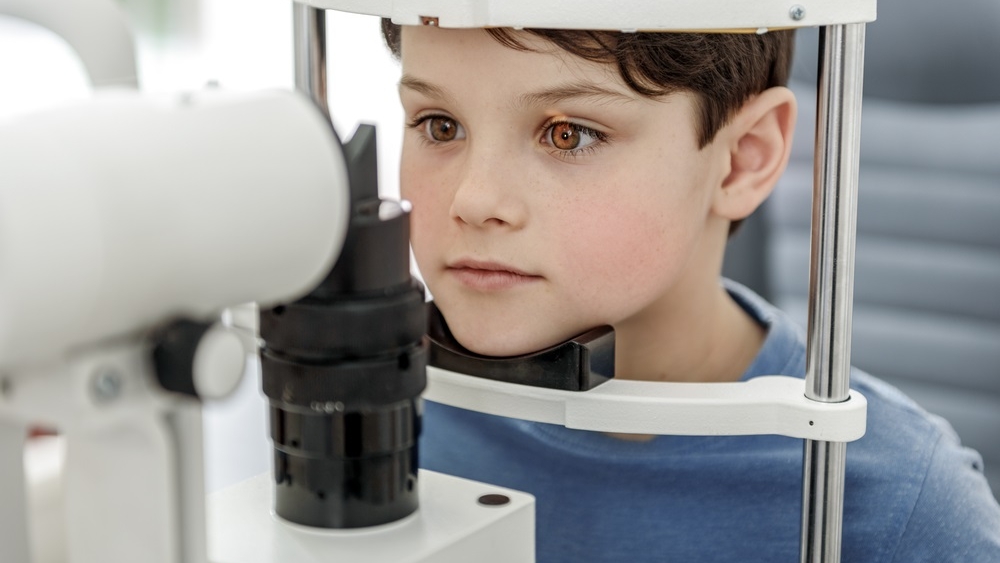
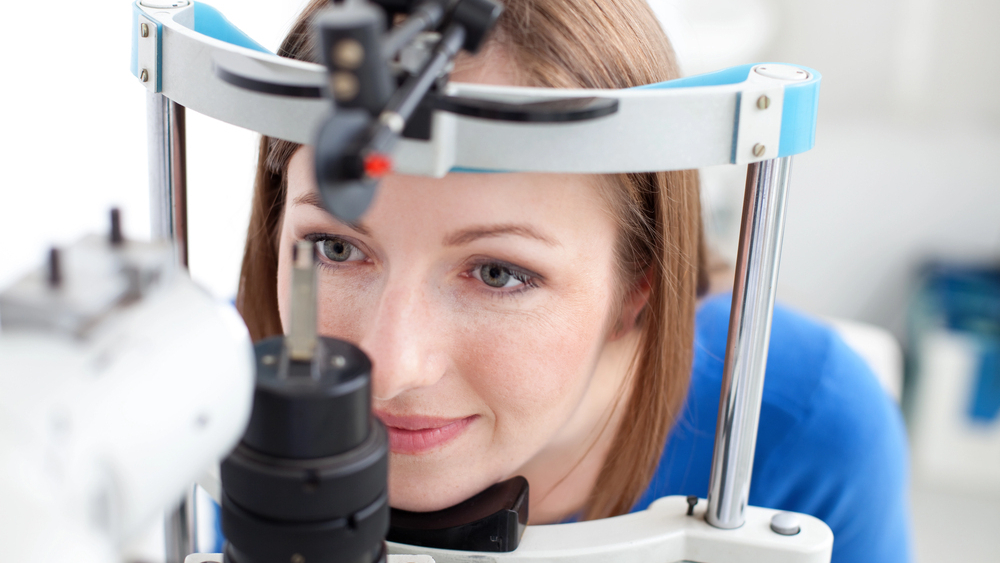
Attentive boy is looking in special apparatus, checking his eye sight.

From Blurry to Brilliant: How Eye Exams Improve Learning Outcomes in Children

As parents, we prioritize our children’s overall health and well-being by making sure they receive proper nutrition, regular check-ups, and vaccinations. However, one aspect of their health that is sometimes overlooked is their vision. The ability to see clearly plays a crucial role in a child’s learning and development. Undiagnosed vision problems can significantly impact their educational progress and overall quality of life.

The Connection between Vision and Learning:

According to the American Optometric Association, one in four school-age children has a vision disorder, yet school vision screenings miss up to 75 percent of children with vision problems. Vision is essential for the learning process, as it allows children to gather information from their surroundings. Children’s Clear Vision states, “It is estimated that over 60% of problem learners have undiagnosed vision problems and 80% of learning in the classroom is visual”. In the early years of a child’s life, they rely heavily on visual cues to explore their environment, learn language, and develop fine motor skills. Thus, any undetected vision problems can hinder their ability to absorb and process information effectively.

Common Vision Problems in Children:

Several vision problems can affect children, including refractive errors (nearsightedness, farsightedness, astigmatism), lazy eye (amblyopia), crossed or misaligned eyes (strabismus), and difficulty focusing (accommodative disorders). These conditions may occur independently or in combination, leading to challenges in reading, writing, and comprehension.

The Impact of Vision Problems on Learning:

Academic Performance: Uncorrected vision problems can hamper a child’s academic performance. They may struggle to read, write, and maintain focus, leading to difficulties in various subjects. Over time, this can lead to a lack of confidence and decreased motivation to learn.

Developmental Delays: Vision problems can cause developmental delays in young children. Early childhood is a critical period for brain development, and any disruption in visual input can impede the formation of neural connections. This can hinder the acquisition of important skills, such as hand-eye coordination, spatial awareness, and visual-motor integration.

Behavioral Issues: Undiagnosed vision problems can manifest as behavioral issues. Children may become frustrated, exhibit poor concentration, or act out in the classroom. These behaviors can be misinterpreted as attention deficit hyperactivity disorder (ADHD) or learning disabilities, leading to unnecessary interventions or medications.

Benefits of Early Intervention:

Improved Learning: Timely identification and correction of vision problems enable children to see clearly and efficiently process visual information. This improves their reading, writing, and comprehension skills, leading to better academic performance and overall learning outcomes.

Enhanced Development: Addressing vision problems early on can minimize the risk of developmental delays. By providing children with clear vision, they can more effectively explore their environment, develop fine motor skills, and acquire essential visual-spatial abilities crucial for activities such as sports and art.

Boosted Confidence: Clear vision allows children to fully participate in various activities, both in and outside the classroom. Improved academic performance and increased participation contribute to enhanced self-esteem and confidence, fostering a positive attitude towards learning and social interaction.

Regular comprehensive eye exams at Bissell Eye Care play a vital role in ensuring early detection and intervention for vision problems in children. These exams evaluate various aspects of vision, such as visual acuity, eye alignment, focusing ability, and eye health.

By identifying and addressing vision problems early on, we can prevent potential learning difficulties and developmental delays. Investing in their visual well-being empowers children to fully explore their world, excel academically, and grow into confident individuals. Let’s prioritize eye exams for kids, and provide them with the clear vision they need to thrive.

To schedule your child’s eye exam call one of our offices at 724-443-6767 or 724-226-0444.


About Bissell Eye Care: John D. Bissell, OD owns and operates Bissell Eye Care servicing Northern Pittsburgh and Alle-Kiski Valley regions. With two locations to treat patients, we offer evening and Saturday appointments. Bissell Eye Care provides comprehensive eye examinations for the entire family beginning as early as 6 months, ocular disease detection and treatment, eyeglasses, sunglasses, activewear, contact lenses, and low vision examinations for those with significant vision loss. We accept most types of vision and health insurance plans. For more Information, visit bisselleyecare.com or call our Bakerstown Office at 724-443-6767 or Natrona Heights office at 724-226-0444.
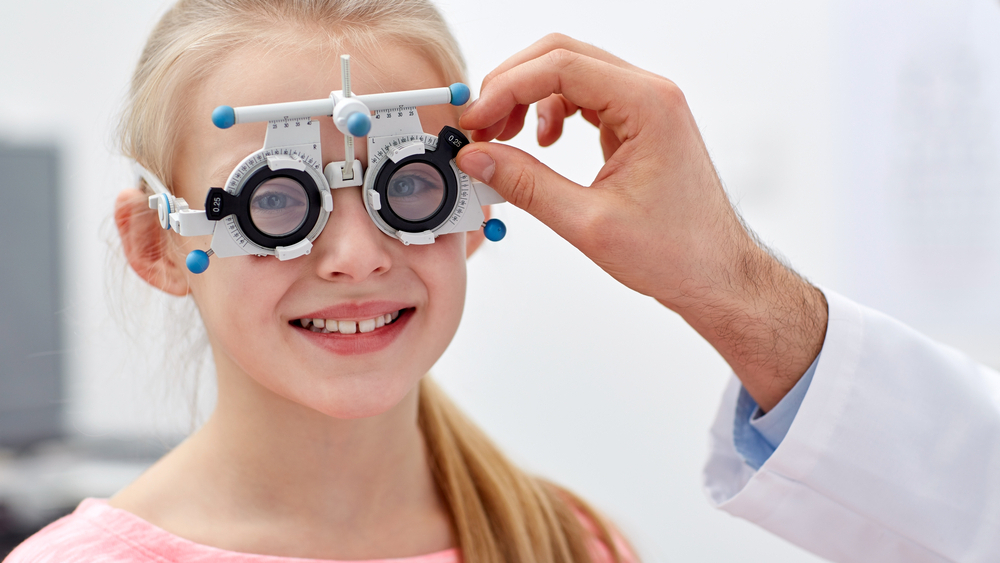
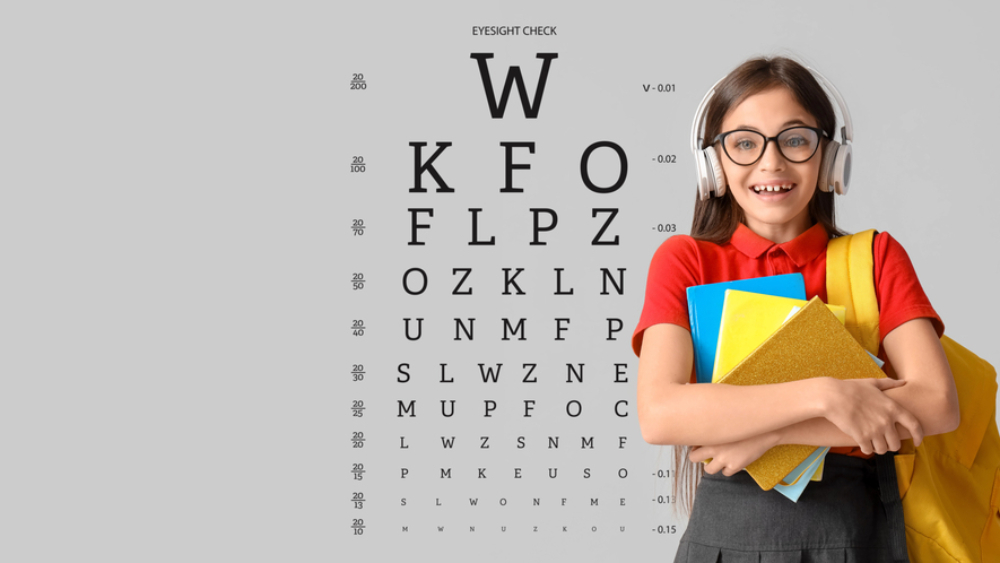
health care, medicine, people, eyesight and technology concept - optometrist with trial frame checking girl patient vision at eye clinic or optics store

Back To School Eye Exams

Backpacks, lunch boxes, clothes shopping – it’s back to school time! When you mark off items on your ‘Back-To- School’ checklist, don’t forget to make an eye exam appointment for your child. Have you been bombarded with all of the health forms and documents that need to be filled out for your little one to either go back to school or start a new adventure in attending school for the first time? With all of the hustle and bustle of buying new clothes, school supplies, getting immunizations, and reviewing schedules, something as simple as your child’s eyesight can be overlooked.

Children often start their first few years of school without having a comprehensive eye exam by an optometrist. According to the American Optometric Association, 49% of parents have not had an eye exam on their children who are under six years of age, by an optometrist. A comprehensive eye exam is different than the eye screenings done by your pediatrician and/or school nurse. The organization also states as much as 80% of a child’s learning happens through his or her eyes. From reading and writing, to using a computer or writing on the blackboard, vision is a necessary component to excelling in school. While you can tell when your child is sick it is nearly impossible to determine when there is a problem that could be affecting their vision.

Young children with vision problems are unlikely to tell their teachers and parents because they don’t realize the source of the problem. Did you know that 1 in 4 children have an undetected vision problem?

It’s crucial, therefore, for adults to watch the children in our care for symptoms such as:

  •         Poor reading comprehension
  •         Slow to finish schoolwork
  •         Short attention span for close work
  •         Tendency to fidget and look away from work
  •         Frequent headaches
  •         Tendency to cover one eye
  •         Frequent blinking or eye-rubbing

With August being Children’s Eye Health and Safety Month, we want to remind parents of the importance of scheduling routine eye exams for children starting at the age of three. There is no better time to schedule your child’s checkup than before they start back to school and after-school schedules and activities become hectic.

By having routine eye visits, eye doctors can monitor your child’s vision and eye health. This will help to detect any problems with your children’s eyes that could affect their vision long-term. If their vision deteriorates, you may also see a decline in your child’s grades as struggling to see may set them at a disadvantage when it comes to watching and understanding what is being taught.

An undiagnosed eye problem could result in an academic setback in just a few short months. Some behavior problems could be linked to vision issues. These students may seem uninterested or unfocused in school when in actuality they simply cannot see clearly.

We also want to stress the importance of eye safety. As school starts back, fall sports are in full swing. As high school sports become faster-paced and highly competitive, more injuries are occurring. Eye injuries are often top of the list.  By having your children wear the proper eye protection you can help reduce the chances of sustaining an eye injury, an injury that could leave them with permanent vision loss.

Learning is fun. Make sure your child is equipped with the right tools to succeed. To schedule your child’s exam, contact our Bakerstown office at 724-443-6767 or the Natrona Heights Office at 724-226-0444.


About Bissell Eye Care: John D. Bissell, OD owns and operates Bissell Eye Care servicing Northern Pittsburgh and Alle-Kiski Valley regions. With two locations to treat patients, we offer evening and Saturday appointments. Bissell Eye Care provides comprehensive eye examinations for the entire family beginning as early as 6 months, ocular disease detection and treatment, eyeglasses, sunglasses, activewear, contact lenses, and low vision examinations for those with significant vision loss. We accept most types of vision and health insurance plans. For more information, visit bisselleyecare.com or call our Bakerstown Office at 724-443-6767 or Natrona Heights office at 724-226-0444.
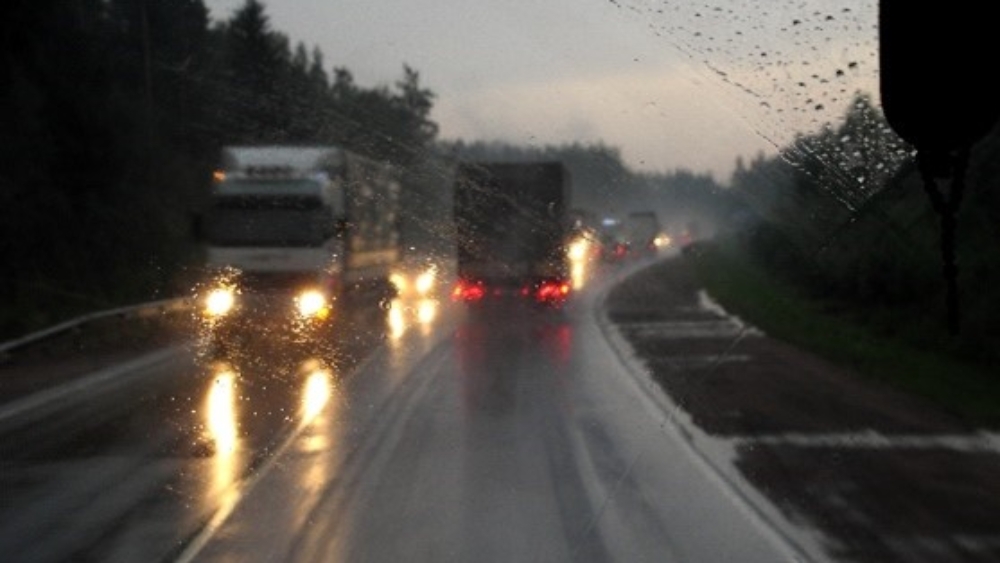
Night Driving

Road Trips & Night Driving Safety Tips

When vacation traveling comes to mind, some families prefer to travel at night. There may be less traffic, families may have young children, or a time element could be involved. But night driving can also present its challenges for those behind the wheel.

There’s no denying that late-night driving can be nerve-racking—especially during road trips. And for good reason—because of factors like low visibility and fatigue, driving in the dark can be more dangerous than driving when the sun is out. The National Safety Council (NSC) estimates that traffic deaths are three times greater at night compared to the day.

It doesn’t matter if you’re 16 or 60. The ability to drive represents a sense of freedom for adults of all ages. But, as we get older, changes to the body and mind can make driving increasingly difficult. Night vision worsens with age due to a number of factors: pupil size, retinal changes, and cataracts.

According to the American Optometric Association, “When driving, you may notice additional glare from headlights at night or sun reflecting off windshields or pavement during the day. Changes in your lenses in your eyes cause light entering the eye to be scattered rather than focused precisely on the retina. This creates more glare.”

Pupils shrink and don’t dilate as much in the dark as we age, reducing the amount of light entering the eye. Smaller pupils limit the amount of light that reaches the back of the eye called the retina. Because the retina of an 80-year-old receives far less light than the retina of a 20-year-old, it can seem like you are wearing dark sunglasses at night.

NIGHT DRIVING SAFETY TIPS:

  1. Start your trip with a vehicle maintenance checkup.
  2. Keep windshields clean inside and out. Cracked or chipped windshields can have the same effect, so it’s best to get them fixed before a trip.
  3. Damaged headlights shine less on the road ahead so have them replaced.
  4. Help drivers see you in twilight by turning your headlights on before sunset and keeping them on for an hour after sunrise.
  5. Use high beams in isolated areas and switch to low beams when driving behind someone or in areas of fog, rain, or snow.
  6. Allow more time for your own journey, so you’re not driving under pressure.
  7. Avoid looking directly at approaching vehicles at night, even when their lights are dimmed.
  8. Watch for signs of fatigue. If you experience eye droop or fatigue, find a place to pull over and rest or switch drivers.
  9. Plan for emergencies with jumper cables, flares, blankets, first aid kit, and flashlights. You never know when things will pop up.
  10. Have regular eye exams to check for such things as cataracts that can cause nighttime vision loss.

Avoid driving along at 50 mph, dropping to 40 mph when there’s oncoming traffic and then speeding up again. It makes it very confusing for drivers traveling behind you. It’s better to aim for a speed you can maintain such as 45mph and sticking to it, even if there are times you could go faster.

Vacations are to be enjoyable. Be proactive in taking care of your health and safety while driving. If a driving situation makes you uncomfortable, be honest with yourself and don’t put yourself and others at risk. As we age, many older drivers voluntarily begin to make changes in their driving practices. If fast-moving traffic bothers you, consider staying off freeways, highways, and find street routes instead. You may also decide to avoid driving in bad weather (rain, thunderstorms, snow, hail, ice). If you are going to a place that is unfamiliar to you, it is a good idea to plan your route before you leave so that you feel more confident and avoid getting lost.

Should you have concerns regarding your vision and driving, please call our office at 724-443-6767 or 724-226-0444 to schedule an appointment.


About Bissell Eye Care: John D. Bissell, OD owns and operates Bissell Eye Care servicing Northern Pittsburgh and Alle-Kiski Valley regions. With two locations to treat patients, we offer evening and Saturday appointments. Bissell Eye Care provides comprehensive eye examinations for the entire family beginning as early as 6 months, ocular disease detection and treatment, eyeglasses, sunglasses, activewear, contact lenses, and low vision examinations for those with significant vision loss. We accept most types of vision and health insurance plans. For more information, visit bisselleyecare.com or call our Bakerstown Office at 724-443-6767 or Natrona Heights office at 724-226-0444.
Distance Learning and Vision Problems

Distance Learning and Vision Problems

There are a number of changes that occurred during the past year as a result of the pandemic and distant learning. Many young students spent more time than ever staring at their computer screens, tablets and phones. Between school and social interaction and play, electronic devices seemed to be attached to kids and adults alike.

Because many kids spent last year learning from home, the vision screenings that typically occurred during the school year were delayed or not given at all. This has created a perfect storm for issues regarding your child’s eyesight.

Nearsightedness or myopia seems to be increasing at a faster than expected rate for kids who spend long hours engaged in close up work. Because kids were kept indoors during much of last year, time outside was minimized. Time away from the computer screens is a factor thought to help lower the risk of myopia. You may have noticed your child squinting, tilting their head, rubbing their eyes, or complaining of headaches or dry eyes. These may be signs that your child could have a vision problem. Not only does outside play get kids away from screen time, but it’s also good for their overall health.

Digital device overuse causes us to blink less. This prevents moisture from lubricating the surface of our eyes. Because computers were positioned closer to your child, many may have stopped wearing their eyeglasses during the pandemic. Early childhood is the most critical time for your child’s vision development.

According to John Hopkins Medicine, “undetected vision problems can impact your child’s performance both in and out of the classroom. Therefore, it’s important to understand eye health so you can recognize the signs that your child may have a vision problem and possibly need glasses.

Optimal vision is essential to the learning process.

Many people don’t realize how many problems poor vision can cause for school-aged children. The visual system in a child is still developing during the first seven to eight years of life. In some cases, glasses may be necessary to help normal visual development,” says Johns Hopkins ophthalmologist Megan Collins, M.D.

Eye strain can affect college students as well. Vision problems can greatly affect learning ability, a big reason why students in college should not be dismissive of their eye health. College students who give heed to their eye health care now may avoid potentially serious problems later.

While preparing your back-to-school checklist, be sure to schedule your child’s annual eye exam. As kids head back to the classroom, having the tools to succeed will provide a fresh start to a new year.


About Bissell Eye Care: John D. Bissell, OD owns and operates Bissell Eye Care servicing Northern Pittsburgh and Alle-Kiski Valley regions. With two locations to treat patients, we offer evening and Saturday appointments. Bissell Eye Care provides comprehensive eye examinations for the entire family beginning as early as 6 months, ocular disease detection and treatment, eyeglasses, sunglasses, activewear, contact lenses, and low vision examinations for those with significant vision loss. We accept most types of vision and health insurance plans. For more information, visit bisselleyecare.com or call our Bakerstown Office at 724-443-6767 or Natrona Heights office at 724-226-0444.

Depositphotos_25792959_S

Tips to Better Eye Health

By taking control of your eye health now, you could set yourself up for a lifetime of seeing well. We’d like to share some tips to keep you and your family healthy. Just because your eyes feel okay doesn’t necessarily mean there isn’t an underlying eye problem. Often patients take their eyesight for granted until they begin having problems with their vision. When day-to-day activities become challenging, that will trigger a call for an eye appointment. Having good vision and healthy eyes may determine your ability to remain independent and self-sufficient.

Did you know an annual comprehensive dilated eye exam is the best thing you can do for your eyes? The eye drops dilate or (widen) your pupil. Think of it this way, dilating your pupil lets more light into your eye — just like opening a door lets light into a dark room. Dilation helps the doctors at Bissell Eye Care see further into the eye enabling them to check for many common eye problems, including diabetic retinopathy, glaucoma, and age-related macular degeneration (AMD).

Detection is key to preventable vision loss. The good news is most vision loss is preventable. Here are some additional tips to take control of your eye health today:

  1. Early signs of disease or changes in vision may begin at 40. Get a yearly comprehensive medical eye exam. A comprehensive eye exam to include dilation by an eye care professional provides the opportunity to identify diseases and conditions that are not symptomatic in the early stages.
  2. Know your family history. Certain eye diseases can be inherited – macular degeneration and glaucoma in your family’s history can increase your risk by 50% for macular degeneration and from four to nine times for glaucoma. If you haven’t talked with family members about their eye conditions, now is the time to do so.
  3. Eat healthy foods. A diet low in fat and rich in fruits, vegetables, and whole grains benefit the entire body, including the eyes.
  4. Stop smoking. Smoking increases the risk for eye diseases such as cataract and age-related macular degeneration. Tobacco smoke worsens dry eye.
  5. Wear sunglasses. Exposure to ultraviolet UV light raises the risk of eye diseases, including cataracts, fleshy growths on the eye, and cancer.
  6. Bacteria will form from your eyelashes and requires daily eyelid hygiene. Like brushing your teeth, your eyelids need daily care. Hot compresses help keep tear-producing glands working at top efficiency.

In a comprehensive eye exam at Bissell Eye Care, our state-of-the-art technology allow us to look at the overall health of your eyes. During these exams, we may discover conditions that affect your eyes. In some cases, we may uncover an underlying medical condition in your overall general health. This will ultimately help your medical doctor to provide care toward your overall wellbeing.

By taking control of your eye health now, you could set yourself up for a lifetime of seeing well. If you haven’t scheduled your annual eye exam – now is the time to do so. The choices you make today will affect the overall quality of life as you age.


About Bissell Eye Care: John D. Bissell, OD owns and operates Bissell Eye Care servicing Northern Pittsburgh and Alle-Kiski Valley regions. With two locations to treat patients, we offer evening and Saturday appointments. Bissell Eye Care provides comprehensive eye examinations for the entire family beginning as early as 6 months, ocular disease detection and treatment, eyeglasses, sunglasses, activewear, contact lenses, and low vision examinations for those with significant vision loss. We accept most types of vision and health insurance plans. For more information, visit bisselleyecare.com or call our Bakerstown Office at 724-443-6767 or Natrona Heights office at 724-226-0444.
Depositphotos_761340872_S

Eye Exams and Learning – A Winning Combo

When should you schedule your child’s first eye exam? We know 2020 was quite a different year for kids and school. For some children, spending multiple hours in virtual classrooms has taken a toll on their vision. Parents have turned to computer glasses that help reflect the UV lights from the blue screen. Children may be experiencing eye strain, headaches or you see them squinting. This could be a sign they need glasses.

Many preschools were on hold this past year, but there are signs of change as you may begin to notice registration advertisements for the 2021-2022 school year. According to the American Optometric Association (AOA), “infants should have their first comprehensive eye exam at 6 months of age.” Bissell Eye Care is a proud member of the InfantSEE® program and will do a free comprehensive examination on any child between six months and one year of age. Experts say 5 – 10 % of preschoolers and 25 % of school-aged children have vision problems.

As you prepare your child for their adventure into preschool, they will depend on their vision to learn tasks that will prepare them for school. Visually-guided eye-hand-body coordination, fine motor skills and visual perceptual abilities will be developed to enable your child to learn to read and write.

Amblyopia or lazy eye is not just a crossed eye (because everyone thinks that), but it is an eye that does not see as well as the other eye causing it to not develop proper vision for many reasons. Amblyopia is reversible when detected early. Treatment involves patching the better-seeing eye or blurring its vision using atropine drops. Amblyopia is the most common cause of vision problems in children.

Early identification of a child’s vision problem is crucial because, if left untreated, some childhood vision problems can cause permanent vision loss. Children then should have additional eye exams at age 3, and just before they enter the first grade – at about age 5 or 6.”

The AOA estimates one in four school-aged kids have undetected vision problems that critically impact their visual perceptual skills:

  • RECOGNITION – knowing the difference between letters like ‘b’ and ‘d’
  • COMPREHENSION – ‘picturing’ what’s happening in a story they’re reading
  • RETENTION – remembering and recalling details about what they’ve just read

Here are some tips for eye exams for young children.

  • Schedule the appointment during a time when your child is alert and happy taking into account napping and eating times.
  • A case history will be conducted to determine birth history, birth weight, medical issues, and any allergies.
  • Be sure to note any delayed motor development, failure to maintain eye contact, poor eye tracking, frequent eye rubbing or blinking.

Making a child comfortable with puppets and the use of our “Special Lights” allow us to have fun with children as we look for the following things:

  • How the eye tracks and turns
  • High Refractive Error – meaning significant far or nearsightedness
  • Overall Eye Health

For young children who can’t read letters yet, no worries, we use shapes and colors. No matter what age, regular eye exams are important. If you have concerns about your child’s vision, tracking ability or overall eye health, give our offices a call at 724-443-6767 or 724-226-0444.


About Bissell Eye Care: John D. Bissell, OD owns and operates Bissell Eye Care servicing Northern Pittsburgh and Alle-Kiski Valley regions. With two locations to treat patients, we offer evening and Saturday appointments. Bissell Eye Care provides comprehensive eye examinations for the entire family beginning as early as 6 months, ocular disease detection and treatment, eyeglasses, sunglasses, activewear, contact lenses, and low vision examinations for those with significant vision loss. We accept most types of vision and health insurance plans. For more information, visit bisselleyecare.com or call our Bakerstown Office at 724-443-6767 or Natrona Heights office at 724-226-0444.
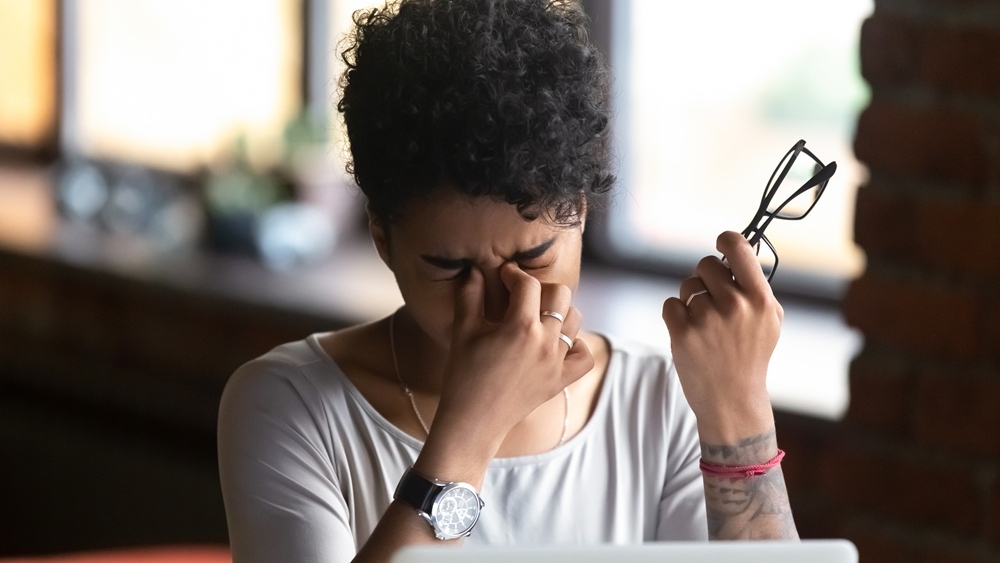
Man in formal clothes sitting by the table with laptop and feels bad.

Up Your Game to Better Eye Health

No matter what age you are, taking care of your eyes should in your game plan for optimal health.  Often patients take their eyesight for granted until they begin having problems with their vision.  Keeping up with annual checkups is as important as your annual physical.

When day-to-day activities become challenging, that will trigger a call for an eye appointment.  Having good vision and healthy eyes may determine your ability to remain independent and self-sufficient.  Here are some tips to maintain optimal eye health.

EAT A BALANCED DIET

As part of your healthy diet, choose foods rich in antioxidants, like Vitamins A and C; foods like leafy, green vegetables, and fish.  Many foods – especially fatty fish such as salmon – contain essential omega-3 fatty acids that are important to the health of the macula, the part of the eye responsible for central vision.  As the gardening season gets underway, be sure those green vegetables are part of your crop.  High-fat diets can also cause deposits that constrict blood flow in the arteries. The eyes are especially sensitive to this, given the small size of the blood vessels that feed them.

EXERCISE

Not only is exercise good for the body, but the increased blood circulation improves the oxygen level to the eyes.

CATCH YOUR ZZZZs

A good night’s sleep allows your eyes to replenish the supply of natural tears.  Go too long without enough sleep, and you might start getting twitchy eyelids, eye strain, or dry eye.

STOP SMOKING

Smoking increases the risk of eye diseases such as cataracts and age-related macular degeneration.  Tobacco smoke worsens dry eye.

WASH YOUR HANDS

Maintaining good hygiene practices will help to prevent eye infection.  Always remove makeup before going to bed.    Bacteria will form from your eyelashes and requires daily eyelid hygiene. Like brushing your teeth, your eyelids need daily care.  Hot compresses help keep tear-producing glands working at top efficiency.

BREAK OUT THE SUNGLASSES

Exposure to ultraviolet UV light raises the risk of eye diseases, including cataracts, fleshy growths on the eye, and cancer.

DEVICES AND BLUE LIGHT OVERLOAD

Digital devices have become appendages – TV, computer, tablets, ipads, and smartphones.  Between work and personal use, we can’t get away from technology.  These devices are exposing your eyes to high energy blue light. It’s called blue light because the wavelengths emitted are near the bluer part of the spectrum.  To avoid digital eye strain, take a break every 20 minutes, blink often, keep your computer screen within 20-24 inches of your eye, and adjust the lighting to minimize glare.

The good news is most vision loss is preventable. During a comprehensive eye exam at Bissell Eye Care, dilation and our state-of-the-art technology allow us to look at the overall health of your eyes.    During these exams, we may discover conditions that affect your eyes.   In addition, an underlying medical condition in your overall general health could be uncovered.  This will ultimately help your primary care provider enhance your overall health and wellness program.

Be proactive, stay healthy, and protect your eyesight with annual eye exams.  Make Eye Appointments A Priority – call our office at 724-444-6767 or 724-226-0444 to schedule your eye exam today!


About Bissell Eye Care: John D. Bissell, OD owns and operates Bissell Eye Care servicing Northern Pittsburgh and Alle-Kiski Valley regions. With two locations to treat patients, we offer evening and Saturday appointments. Bissell Eye Care provides comprehensive eye examinations for the entire family beginning as early as 6 months, ocular disease detection and treatment, eyeglasses, sunglasses, activewear, contact lenses, and low vision examinations for those with significant vision loss. We accept most types of vision and health insurance plans. For more information, visit bisselleyecare.com or call our Bakerstown Office at 724-443-6767 or Natrona Heights office at 724-226-0444.

A Little Boy With His Hands Over His Eyes Sitting In Front Of His Computer

WARNING SIGNS OF VISION PROBLEMS IN YOUNG CHILDREN

A Little Boy With His Hands Over His Eyes Sitting In Front Of His Computer

With most schools being back in session, it is safe to say another summer has come and gone. September brings about the onslaught of a busy school schedule – homework, extracurricular activities and fall sports.

Studies have shown that seeing clearly has been directly linked to successful learning of children, especially at a young age. Visual learning is critical in early childhood education, where the foundation of educational building blocks occur. Having a yearly eye exam by an optometrist offers parents the peace of mind, knowing they have equipped their child with the best tools to be successful in school!

Older children and adults are able to notice when vision may change. Letters and words go from crystal clear, to slightly blurry, to not able to clearly see the chalk board (or white board) anymore. As your kids grow and move from elementary school, to middle and high school, it becomes easier for them to notice a difference their vision.

If your children are in preschool, kindergarten or elementary school, it may be more difficult for them to notice changes in vision, and communicate that to you. For this reason it is especially important for you to watch for the signs that they are struggling to see.

Some things to look for in young children are:

  • Saying their eyes are tired.
  • Seem to see better during the day than at night.
  • Clumsy, knocking things over of tripping often (while this may just also be the awkward growing stage it may be linked to their inability to see clearly).
  • Holding objects close to their face in order to see.
  • Excess rubbing of their eyes.
  • Tilting or turning their head.
  • Covering one eye when looking at things close up.
  • Misaligned eyes or squinting.
  • • Complaining of headaches.

As parents, we try to do everything we can to help our children be as successful as possible. By looking for signs such as these, you can be proactive in providing them the best opportunity to experience the love of learning.

Yearly eye exams starting as early as preschool could help to make a difference and provide a clear future for your children, and also help in the detection of early stages of eye diseases. Early detection is key in being able to treat and manage eye diseases!

About the author: John D. Bissell, owner of Bissell Eye Care and Tri-State Low Vision Services, offers comprehensive eye examinations for the entire family, ocular disease detection and treatment, eye glasses, sun glasses, active wear, contact lenses, and low vision examinations for those with significant vision loss. He has undergone specialized training for treatment of low vision by the International Academy of Low Vision Specialists utilizing customized telescopic eyeglasses, prisms and telescopic implants for patients who qualify. The practice accepts most types of vision and health insurance plans.