


low vision
Stargardt Disease in Children – Causes, Symptoms, and Low Vision Treatment Options
Has your child or teenager complained about blurry vision? Do they notice dark or blank spots when looking at a computer screen or reading a book? Maybe they struggle to recognize faces or see colors clearly. If this sounds familiar, your child may have a condition called Stargardt disease.
What Is Stargardt Disease?
Stargardt disease is an inherited form of macular degeneration, often called juvenile macular degeneration. It is a congenital condition that typically affects children and adolescents, most commonly appearing between the ages of 6 and 12,… Continue reading
How Cataracts Affect Your Eyesight
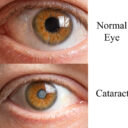
A cataract is the clouding of the eye’s natural lens. This clouding prevents light from passing clearly through the eye, causing blurred or dim vision. Cataracts most commonly develop with aging, but they can also be linked to diabetes, metabolic conditions, eye injuries, or long-term use of certain medications, such as steroids.
Cataracts usually form slowly over time. As they progress, they can interfere with everyday activities like reading, driving, watching television, and recognizing faces.
Common Types of Cataracts
There are three main types of cataracts, each affecting the… Continue reading
Glaucoma Symptoms, Treatment, and Prevention
Why Regular Eye Exams Protect Your Sight
Glaucoma is often called the “thief of sight”—and for good reason. This group of eye diseases can quietly damage the optic nerve without noticeable symptoms in its early stages. By the time vision changes are detected, permanent vision loss may have already occurred. Understanding glaucoma, how it affects vision, and the tools available to support those living with it can help protect your eyesight for life.
What Is Glaucoma?
Glaucoma occurs when increased pressure inside the eye, or poor blood flow to… Continue reading
Seeing More Clearly: How Low Vision Glasses Can Help You Stay Independent
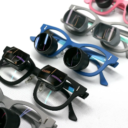
For those living with low vision, everyday activities—like reading, driving, or enjoying a night at the theater—can feel increasingly challenging. The good news is that advances in low vision glasses are helping people maintain their independence and continue doing the things they love.
Unlike traditional prescription lenses, low vision glasses are designed to maximize your remaining vision by enhancing contrast, magnifying detail, or expanding your field of view. They allow you to move freely and keep your hands free—something that’s not always possible with handheld magnifiers or other aids.
Types… Continue reading
Vision Impairment and Low Vision After a Stroke: What You Should Know

A stroke can dramatically change many aspects of a person’s life, and vision is no exception. While most people associate strokes with weakness or speech difficulties, it’s important to recognize that strokes can also affect the way we see the world. Vision impairment and low vision are common consequences that can impact independence, safety, and overall quality of life.
How Strokes Affect Vision
A stroke occurs when blood flow to a part of the brain is blocked or when a blood vessel in the brain bursts. Depending on where… Continue reading
Is it Time for Bioptic Telescopic Glasses? What You Should Know.

For individuals living with low vision due to macular degeneration, Stargardt disease, diabetic retinopathy, or other eye conditions, everyday tasks like reading street signs, watching television, or recognizing faces can become difficult—even with regular glasses. If you’ve been told “nothing more can be done,” it may be time to explore a powerful tool in the world of low vision care: bioptic telescopic glasses.
What Are Bioptic Telescopic Glasses?
Bioptic telescopic glasses are a specialized type of eyewear that combines a prescription lens with miniature telescopes mounted toward the top portion… Continue reading
Summer with Low Vision: Travel Smart, Stay Safe in the Sun & Keep Moving

Do you have summer vacation plans coming up? Summer is right around the corner and with it comes the chance to get outside, visit new places, and spend quality time with family and friends. If you’re living with low vision, you might face some extra hurdles, but that doesn’t mean you have to sit this season out. With the right tools and expert support, you can enjoy an active, independent summer.
Dr. Bissell has undergone additional training through the International Academy of Low Vision Specialists (IALVS). This elite group of… Continue reading
Regaining Independence with E-Scoop Eyewear: A Game-Changer for Those with Low Vision

For individuals living with low vision, everyday tasks like reading a menu, watching TV, or recognizing faces can become daunting challenges. These struggles often lead to frustration, isolation, and a loss of independence. But there’s new hope for those seeking to reclaim their daily lives: E-Scoop® eyewear, a specialized solution designed to improve vision for people with macular degeneration and other low vision conditions.
What is E-Scoop® Eyewear?
E-Scoop glasses are uniquely designed to enhance distance vision by combining five optical elements:
- Specific lens tint to reduce glare and… Continue reading
Understanding Age-Related Macular Degeneration and Low Vision

February marks Age-Related Macular Degeneration (AMD) Awareness Month, an initiative led by Prevent Blindness to educate the public about the risks, symptoms, and treatment options for this leading cause of vision loss. It is also recognized as Low Vision Awareness Month, highlighting the impact of advanced AMD and other conditions that result in significant visual impairment.
What is Age-Related Macular Degeneration (AMD)?
AMD is a worsening eye disease affecting the macula, which enables sharp central vision. This condition makes it difficult to read, recognize faces, or perform detailed tasks.
There… Continue reading
Vision Matters: A Closer Look at February’s AMD Awareness Initiatives

This month is designated as National Age-related Macular Degeneration (AMD) and Low Vision Awareness Month. Millions of people in the United States are living with a visual impairment that can significantly impact the quality of life for millions of Americans aged 60 and above. Current statistics reveal that an alarming 1.6 million Americans are grappling with the effects of AMD.
AMD is a disease that blurs the sharp, central vision you need for straight-ahead activities and tasks such as reading and driving. The disease affects the macula; the part of… Continue reading