

a senior gentleman and woman at a computer keyboard smiling and looking and pointing at the computer screen.

How People with Low Vision Can Use a Computer More Comfortably

Using a computer can feel challenging for individuals with low vision—but with today’s technology and simple adjustments, it’s more accessible than ever. From built-in tools to helpful accessories, there are many ways to make digital screens easier to see and navigate.

Screen Readers: Let Your Computer Talk to You

For those with tunnel vision or central vision loss, reading an entire screen can be tiring. Screen-reading programs provide a helpful solution by reading text, icons, and menus aloud in a synthetic voice. Some even announce cursor location.

Many modern computers come with built-in screen readers, and additional programs can be installed if needed. Some tools also allow you to highlight specific text, so only what you want is read aloud.

Increase Text and Screen Size

Small text and icons can be a major barrier for low-vision users. Fortunately, you can easily enlarge them:

  • On a PC: Hold Ctrl + “+”
  • On a Mac: Hold Command + “+”
  • Use your browser’s zoom feature
  • Install magnification software to enlarge everything on your screen, including the cursor and icons

These adjustments can make a big difference in readability and comfort.

Choose a Low Vision-Friendly Mouse

Clicking small icons can be difficult, which is why some people prefer keyboard shortcuts.

However, if you use a mouse:

  • Opt for an ergonomic design for better control
  • Consider a wireless mouse for easier movement
  • Adjust the cursor speed so it’s easier to track on screen

Small changes like these can improve accuracy and reduce frustration.

Reduce Glare and Improve Contrast

Glare can make screens harder to see, especially for those with vision impairment. To reduce it:

  • Position your screen away from windows
  • Use blinds or curtains to control light
  • Tilt your monitor to minimize reflections
  • Consider an anti-glare screen or hood

Increasing your screen’s contrast settings can also make text and images appear sharper and easier to distinguish.

Upgrade Your Monitor

Older monitors can flicker and contribute to digital eye strain. Switching to a modern flat-panel display can provide a clearer, more stable image.

For best results, choose a monitor that’s at least 21 inches to allow for larger, more comfortable viewing.

We’re Here to Help with Low Vision Solutions

Living with low vision doesn’t mean giving up your independence. With the right tools and support, you can continue to use digital devices, read, cook, and enjoy everyday activities.

Through specialized training through the International Academy of Low Vision Specialists, Dr. Bissell offers personalized low vision solutions, including specialized aids and devices tailored to your needs and lifestyle.

Call 724-443-6767 or 724-226-0444 to schedule a low vision consultation with Dr. Bissell for yourself or a loved one and take the next step towards maintaining your independence.


About Bissell Eye Care: John D. Bissell, OD, is the owner of Bissell Eye Care, proudly serving the Northern Pittsburgh and Alle-Kiski Valley regions. Dr. Bissell has received advanced training through the International Academy of Low Vision Specialists, enabling him to help patients living with vision impairment and low vision challenges. With two convenient office locations and evening appointments available, Bissell Eye Care offers comprehensive eye exams for the entire family—starting as young as six months. Our services include ocular disease detection and treatment, prescription eyeglasses and sunglasses, specialty activewear eyewear, contact lenses, and dedicated low vision evaluations for those with significant vision impairment and vision loss. We accept most vision and health insurance plans. To learn more, visit bisselleyecare.com or call our Bakerstown office at 724-443-6767 or our Natrona Heights office at 724-226-0444.
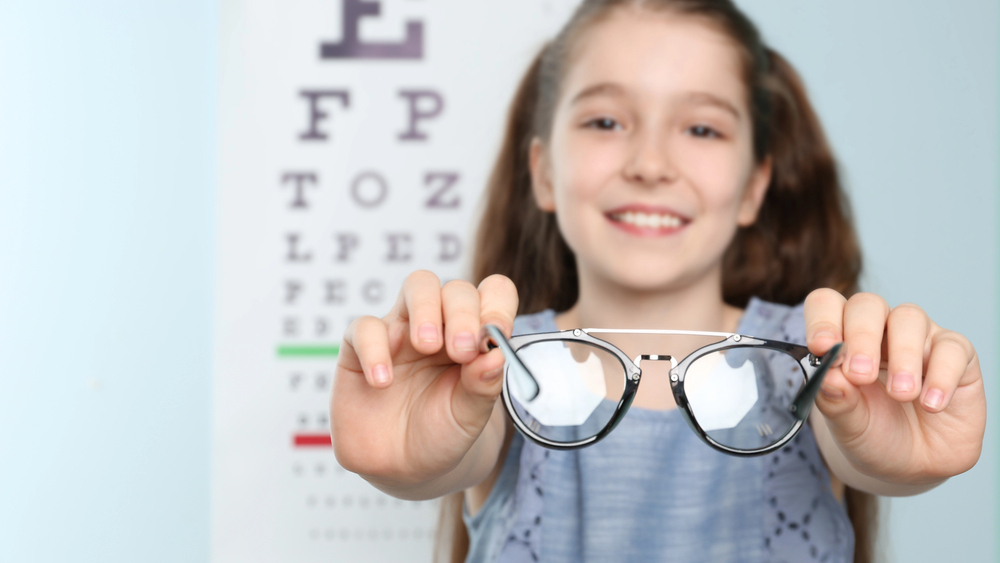
Stargardt-Disease-in-Children

Stargardt Disease in Children – Causes, Symptoms, and Low Vision Treatment Options

Has your child or teenager complained about blurry vision? Do they notice dark or blank spots when looking at a computer screen or reading a book? Maybe they struggle to recognize faces or see colors clearly. If this sounds familiar, your child may have a condition called Stargardt disease.

What Is Stargardt Disease?

Stargardt disease is an inherited form of macular degeneration, often called juvenile macular degeneration. It is a congenital condition that typically affects children and adolescents, most commonly appearing between the ages of 6 and 12, although it may be present at birth.

The disease affects the macula, the part of the retina responsible for sharp, central vision. When the macula is damaged, the eye cannot properly process light, leading to reduced visual clarity. Young patients often struggle with central vision, color recognition, reading, and seeing clearly in low-light environments.

Treatment for Stargardt Disease

Currently, there is no cure for Stargardt disease. However, low vision glasses and assistive devices can help patients make the most of their remaining vision.

Devices such as handheld magnifiers and telescopic lenses can enlarge images and text, making everyday tasks easier. Some low vision aids can be worn over glasses and are especially helpful for schoolwork, computer use, and smartphones. These tools allow children to read, write, and study more comfortably.

How Stargardt Disease Causes Low Vision

Damage to the macula interferes with how visual information is sent from the eye to the brain. As a result, the brain cannot clearly interpret what the eyes see.

Common symptoms include:

  • Blurry or distorted vision
  • Dark or blank spots in central vision
  • Light sensitivity
  • Difficulty seeing colors and contrast

Vision loss often progresses rapidly at first and then stabilizes. Any vision loss can be challenging, but for children and young adults, it can feel especially overwhelming. We understand the emotional impact this condition can have and are committed to helping your child adapt and thrive.

How We Can Help

Stargardt disease can affect many areas of a child’s life, including schoolwork, sports, and learning to drive. Our goal is to help your child remain independent and successful in school, activities, and daily life.

Through personalized low vision evaluation with Dr. Bissell, a low vision specialist, he can recommend specialized devices that can enhance your child’s functional vision and help them continue doing the things they enjoy.

A Better Quality of Life for Your Child

With the right tools, training, and care, children with Stargardt disease can continue to learn, play, and participate fully in life. Dr. Bissell and the staff at Bissell Eye Care are here to provide guidance, solutions, and ongoing support to help your child achieve the best possible quality of life.


About Bissell Eye Care: John D. Bissell, OD, is the owner of Bissell Eye Care, proudly serving the Northern Pittsburgh and Alle-Kiski Valley regions. Dr. Bissell has received advanced training through the International Academy of Low Vision Specialists, enabling him to help patients living with vision impairment and low vision challenges. With two convenient office locations and evening appointments available, Bissell Eye Care offers comprehensive eye exams for the entire family—starting as young as six months. Our services include ocular disease detection and treatment, prescription eyeglasses and sunglasses, specialty activewear eyewear, contact lenses, and dedicated low vision evaluations for those with significant vision impairment and vision loss. We accept most vision and health insurance plans. To learn more, visit bisselleyecare.com or call our Bakerstown office at 724-443-6767 or our Natrona Heights office at 724-226-0444.
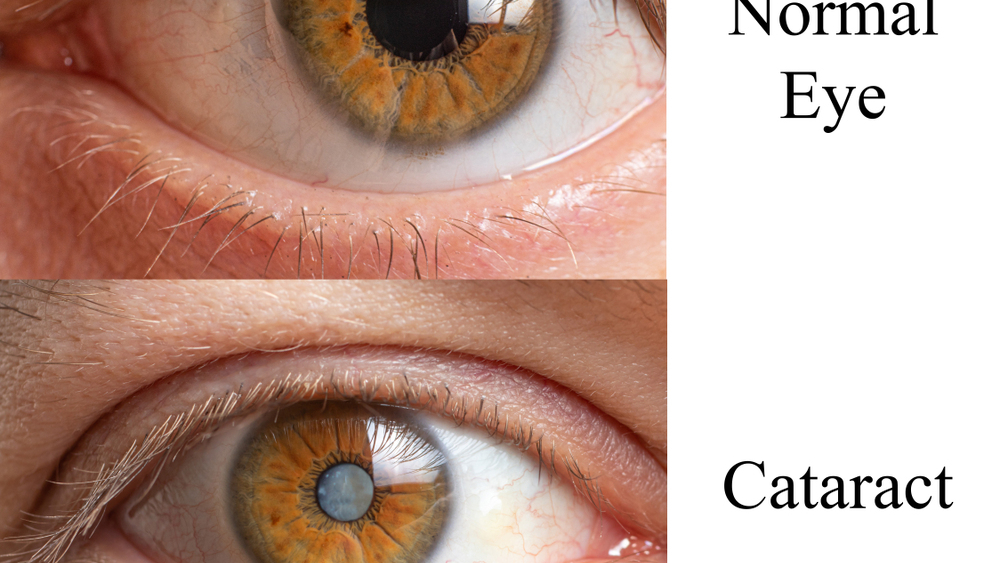
Comparison of a healthy human eye and an eye with a clouded lens cataract

How Cataracts Affect Your Eyesight

A cataract is the clouding of the eye’s natural lens. This clouding prevents light from passing clearly through the eye, causing blurred or dim vision. Cataracts most commonly develop with aging, but they can also be linked to diabetes, metabolic conditions, eye injuries, or long-term use of certain medications, such as steroids.

Cataracts usually form slowly over time. As they progress, they can interfere with everyday activities like reading, driving, watching television, and recognizing faces.

Common Types of Cataracts

There are three main types of cataracts, each affecting the lens in a different way:

  • Subcapsular Cataracts
    These cataracts form at the back of the lens and are more common in people with diabetes or those who take high doses of steroid medications. They often affect reading vision and cause glare sensitivity.
  • Nuclear Cataracts
    This type develops in the center of the lens and is most commonly related to aging. Nuclear cataracts may initially cause improved near vision, followed by gradual worsening of both distance and near vision.
  • Cortical Cataracts
    Cortical cataracts begin along the outer edges of the lens and progress inward in a spoke-like pattern. They can cause glare, light sensitivity, and difficulty with contrast and depth perception.

When Cataract Surgery Isn’t the Final Step

Cataract surgery is one of the most successful procedures for restoring vision. However, for some patients, surgery alone may not fully correct vision problems.

Individuals with other eye conditions—such as macular degeneration, glaucoma, or diabetic retinopathy—may still experience reduced visual function even after the cloudy lens has been removed. In these cases, a standard glasses prescription may not provide enough improvement for daily tasks.

Dr. John Bissell, a low vision specialist, trained through the International Academy of Low Vision Specialists, offers cataract co-management and post-surgical low vision care for patients who need additional visual support after surgery. The goal is to help you make the most of your remaining vision so you can function more comfortably and independently.

Services may include:

  • Personalized low vision evaluations
  • Functional vision assessments for real-world tasks
  • Optical and digital magnifiers for reading and near work
  • Custom lighting recommendations
  • Contrast enhancement strategies for home and work environments

These tools and techniques can greatly improve your ability to read, move safely, and perform everyday activities. To learn more, schedule a low vision consultation with Dr. Bissell by calling 724-443-6767 or 724-226-0444.


About Bissell Eye Care: John D. Bissell, OD, is the owner of Bissell Eye Care, proudly serving the Northern Pittsburgh and Alle-Kiski Valley regions. Dr. Bissell has received advanced training through the International Academy of Low Vision Specialists, enabling him to help patients living with vision impairment and low vision challenges. With two convenient office locations and evening appointments available, Bissell Eye Care offers comprehensive eye exams for the entire family—starting as young as six months. Our services include ocular disease detection and treatment, prescription eyeglasses and sunglasses, specialty activewear eyewear, contact lenses, and dedicated low vision evaluations for those with significant vision impairment and vision loss. We accept most vision and health insurance plans. To learn more, visit bisselleyecare.com or call our Bakerstown office at 724-443-6767 or our Natrona Heights office at 724-226-0444.
glaucoma-symptoms-treatment-and-prevention

Glaucoma Symptoms, Treatment, and Prevention

Why Regular Eye Exams Protect Your Sight

Glaucoma is often called the “thief of sight”—and for good reason. This group of eye diseases can quietly damage the optic nerve without noticeable symptoms in its early stages. By the time vision changes are detected, permanent vision loss may have already occurred. Understanding glaucoma, how it affects vision, and the tools available to support those living with it can help protect your eyesight for life.

What Is Glaucoma?

Glaucoma occurs when increased pressure inside the eye, or poor blood flow to the optic nerve, causes progressive nerve damage. The optic nerve is responsible for transmitting visual information from the eye to the brain. Once damaged, vision loss cannot be reversed.

There are several types of glaucoma, but primary open-angle glaucoma is the most common. It typically develops slowly and painlessly, which is why many people are unaware they have it.

How Glaucoma Affects Vision

Glaucoma usually affects peripheral (side) vision first. Early on, patients may not notice any changes at all. As the disease progresses, blind spots may develop, eventually leading to tunnel vision and, in severe cases, blindness.

Because central vision often remains clear until later stages, routine eye exams are critical—glaucoma can advance long before symptoms appear.

Why Annual Eye Exams Are Essential

Regular comprehensive eye exams with the doctors at Bissell Eye Care are the most effective way to detect glaucoma early. During an exam, your optometrist can measure eye pressure, evaluate the optic nerve, test peripheral vision, and use advanced imaging to monitor subtle changes over time.

Early detection allows for treatment—such as prescription eye drops, laser therapy, or surgery—that can slow or stop further vision loss. Skipping annual exams increases the risk of undetected damage.

If you have a family history of glaucoma, are over age 60, have diabetes, or are African American or Hispanic, your risk may be higher, making consistent eye care even more important.

Living With Glaucoma: Low Vision Aids and Support

For individuals who experience vision loss from glaucoma, low vision aids can greatly improve quality of life and independence. These tools are designed to maximize remaining vision and support everyday activities.

Common low vision aids for glaucoma patients include:

  • Magnifiers (handheld, stand, or electronic) for reading and detailed tasks
  • High-contrast and large-print materials to make text easier to see
  • Specialized lighting to reduce glare and enhance visibility
  • Prismatic glasses to help expand usable visual fields
  • Electronic devices and apps that offer text enlargement, voice assistance, or contrast enhancement

A low vision evaluation with Dr. Bissell, who has received specialized training through the International Academy of Low Vision Specialists (IALVS), can help determine which tools are best suited to your needs and lifestyle.

Protecting Your Vision Starts Today

Glaucoma may be silent, but its effects are permanent if left untreated. The good news is that with early detection, proper treatment, and ongoing care, many people with glaucoma maintain functional vision for life.

Scheduling your annual eye exam isn’t just about seeing clearly today—it’s about protecting your vision for the future. If it’s been more than a year since your last exam, now is the time to take that important step.

Your sight is precious. Don’t let glaucoma steal it.


About Bissell Eye CareJohn D. Bissell, OD, is the owner of Bissell Eye Care, proudly serving the Northern Pittsburgh and Alle-Kiski Valley regions. Dr. Bissell has received advanced training through the International Academy of Low Vision Specialists, enabling him to help patients living with vision impairment and low vision challenges. With two convenient office locations and evening appointments available, Bissell Eye Care offers comprehensive eye exams for the entire family—starting as young as six months. Our services include ocular disease detection and treatment, prescription eyeglasses and sunglasses, specialty activewear eyewear, contact lenses, and dedicated low vision evaluations for those with significant vision impairment and vision loss. We accept most vision and health insurance plans. To learn more, visit bisselleyecare.com or call our Bakerstown office at 724-443-6767 or our Natrona Heights office at 724-226-0444.

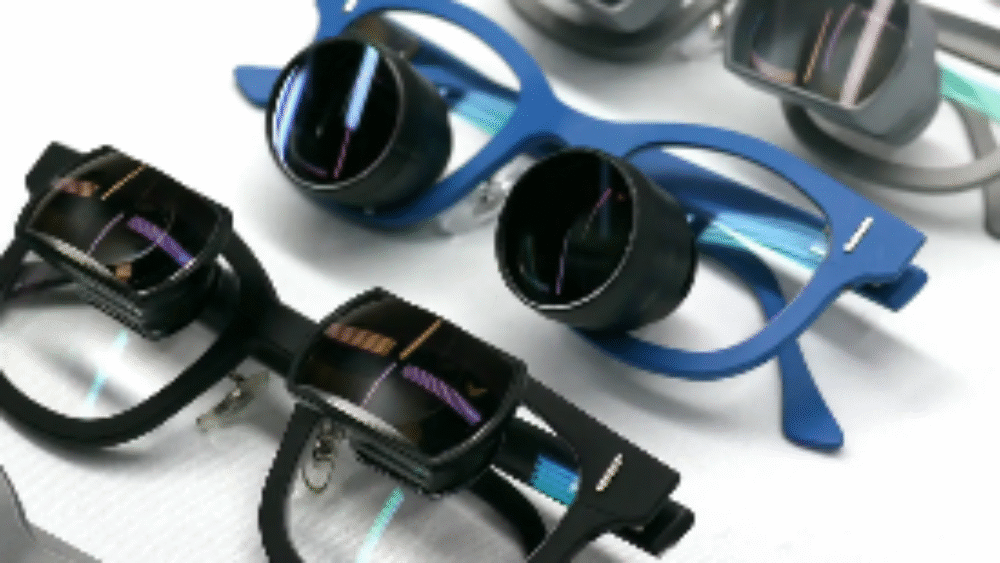
Low-Vision-Glasses

Seeing More Clearly: How Low Vision Glasses Can Help You Stay Independent

For those living with low vision, everyday activities—like reading, driving, or enjoying a night at the theater—can feel increasingly challenging. The good news is that advances in low vision glasses are helping people maintain their independence and continue doing the things they love.

Unlike traditional prescription lenses, low vision glasses are designed to maximize your remaining vision by enhancing contrast, magnifying detail, or expanding your field of view. They allow you to move freely and keep your hands free—something that’s not always possible with handheld magnifiers or other aids.

Types of Low Vision Glasses

There’s no one-size-fits-all solution when it comes to low vision care. Different types of specialized glasses serve unique purposes based on your visual needs and lifestyle:

  • Bioptic Telescope Glasses:
    These innovative lenses combine a small telescope mounted on regular eyeglasses. They allow wearers to spot distant details—like road signs—while still being able to look through the regular lens for walking or reading. Many patients have been able to keep their driver’s license and maintain mobility thanks to bioptic telescope technology.
  • E-Scoop Glasses:
    Designed specifically for people with macular degeneration, E-Scoop glasses enhance contrast and image clarity by adjusting light entry. This helps improve distance vision and comfort, particularly in bright outdoor conditions.
  • Side-Vision Awareness Glasses:
    For those with peripheral vision loss (such as from stroke or glaucoma), side-vision awareness glasses use special prisms to expand the visual field, making it easier to detect objects and movement from the side.
  • Full-Diameter Telescope Glasses:
    Perfect for theater enthusiasts, sports fans, or concertgoers, these glasses provide magnification across the entire lens, allowing you to enjoy performances and events with greater clarity.
  • Prismatic Reading Glasses:
    For near tasks like reading or sewing, prismatic glasses use lenses that bend light and reduce the strain of focusing on close-up text or detail.

A Personalized Approach to Better Vision

Each person’s vision is unique, which is why low vision evaluations are so important. During your visit, Dr. Bissell will assess your remaining vision, discuss your daily activities, and help match you with the best optical solutions for your needs.

Low vision glasses aren’t just about seeing better—they’re about living better. With the right lenses, you can continue to read, drive, and participate fully in the moments that matter most.

Ready to explore your options?
Schedule a low vision consultation with Dr. Bissell a member of the International Academy of Low Vision Specialists Call 724-443-6767 or 724-226-0444 to learn how specialized glasses can help you regain confidence, mobility, and independence.


About Bissell Eye Care: John D. Bissell, OD, is the owner of Bissell Eye Care, proudly serving the Northern Pittsburgh and Alle-Kiski Valley regions. Dr. Bissell has received advanced training through the International Academy of Low Vision Specialists, enabling him to help patients living with vision impairment and low vision challenges. With two convenient office locations and evening appointments available, Bissell Eye Care offers comprehensive eye exams for the entire family—starting as young as six months. Our services include ocular disease detection and treatment, prescription eyeglasses and sunglasses, specialty activewear eyewear, contact lenses, and dedicated low vision evaluations for those with significant vision impairment and vision loss. We accept most vision and health insurance plans. To learn more, visit bisselleyecare.com or call our Bakerstown office at 724-443-6767 or our Natrona Heights office at 724-226-0444.
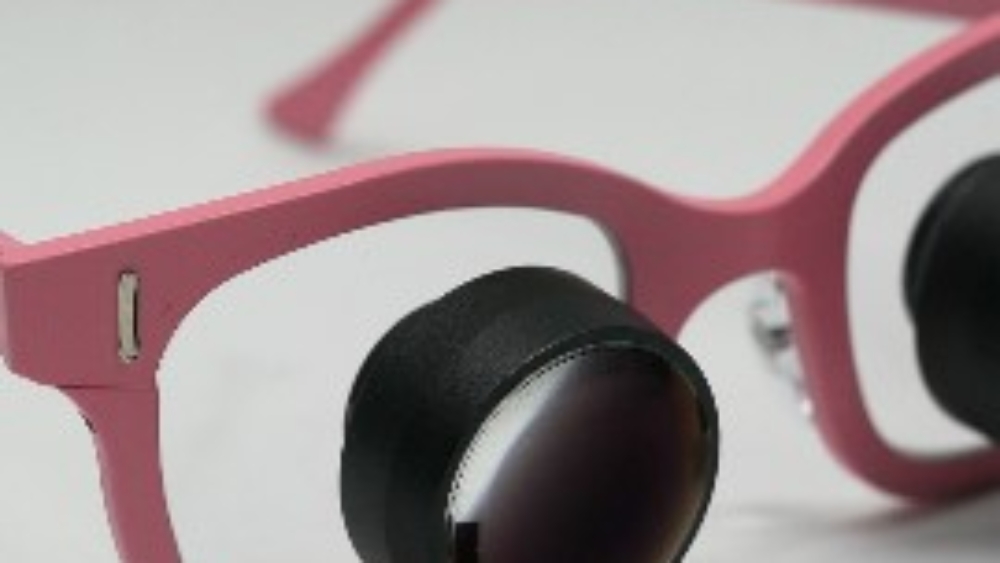
image of a senior age woman with her chin in her hand representing Low Vision After a Stroke

Vision Impairment and Low Vision After a Stroke: What You Should Know

A stroke can dramatically change many aspects of a person’s life, and vision is no exception. While most people associate strokes with weakness or speech difficulties, it’s important to recognize that strokes can also affect the way we see the world. Vision impairment and low vision are common consequences that can impact independence, safety, and overall quality of life.


How Strokes Affect Vision

A stroke occurs when blood flow to a part of the brain is blocked or when a blood vessel in the brain bursts. Depending on where the stroke happens, it can damage areas of the brain responsible for processing visual information. This can lead to a range of visual problems, including:

  • Hemianopia – Loss of vision on one side of each eye (often the same side).
  • Quadrantanopia – Loss of vision in a quarter of the visual field.
  • Blurred or double vision – Difficulty focusing on objects.
  • Visual neglect – The brain ignores part of the visual field, even though the eyes can still see it.

These issues often fall under the category of low vision, which means vision loss that cannot be fully corrected with glasses, contact lenses, medication, or surgery.

Living With Low Vision After a Stroke

Adjusting to vision impairment after a stroke can feel overwhelming, but support and resources are available. Here are a few strategies and tools that may help:

  • Comprehensive eye exams: Regular checkups with an eye care professional can help monitor changes and recommend tailored solutions.
  • Vision rehabilitation: Specialized therapists can teach techniques to scan the environment, improve coordination, and make the most of remaining vision.
  • Assistive devices: Magnifiers, specialized lighting, large-print materials, and electronic aids can improve daily functioning.
  • Home modifications: Simple changes like increasing contrast on stairs, decluttering walkways, and labeling items can help prevent accidents.

Don’t Face It Alone

Vision impairment after a stroke is life-changing, but there is help. Low vision specialists such as Dr. Bissell, occupational therapists, and stroke support groups can provide guidance, training, and emotional support. If you or a loved one has experienced a stroke, schedule a comprehensive low vision eye exam with Dr. Bissell to discuss your concerns and explore ways to adapt and live safely and independently. Call 724-443-6767 or 724-226-0444 to schedule your appointment.


About Bissell Eye Care: John D. Bissell, OD, is the owner of Bissell Eye Care, proudly serving the Northern Pittsburgh and Alle-Kiski Valley regions. Dr. Bissell has received advanced training through the International Academy of Low Vision Specialists, enabling him to help patients living with vision impairment and low vision challenges. With two convenient office locations and evening appointments available, Bissell Eye Care offers comprehensive eye exams for the entire family—starting as young as six months. Our services include ocular disease detection and treatment, prescription eyeglasses and sunglasses, specialty activewear eyewear, contact lenses, and dedicated low vision evaluations for those with significant vision impairment and vision loss. We accept most vision and health insurance plans. To learn more, visit bisselleyecare.com or call our Bakerstown office at 724-443-6767 or our Natrona Heights office at 724-226-0444.

pink glasses with attached black rings that are ioptic telescopic glasses

Is it Time for Bioptic Telescopic Glasses? What You Should Know.

For individuals living with low vision due to macular degeneration, Stargardt disease, diabetic retinopathy, or other eye conditions, everyday tasks like reading street signs, watching television, or recognizing faces can become difficult—even with regular glasses. If you’ve been told “nothing more can be done,” it may be time to explore a powerful tool in the world of low vision care: bioptic telescopic glasses.

What Are Bioptic Telescopic Glasses?

Bioptic telescopic glasses are a specialized type of eyewear that combines a prescription lens with miniature telescopes mounted toward the top portion of the lens. These miniature telescopes act much like binoculars, allowing the wearer to focus on distant objects with greater clarity. Patients can look through the regular portion of the glasses for normal viewing and tilt their head slightly to engage the telescope for enhanced distance vision.

This “look down, look up” design provides a natural way for users to alternate between their regular view and the magnified view—offering functional vision support without overwhelming the eyes.

How Do They Help with Independence?

Bioptic telescopes are often used to improve vision for activities that require seeing detail at a distance—such as:

  • Driving (where legal): Recognizing street signs or traffic lights
  • Watching TV or live performances
  • Reading publications
  • Reading classroom whiteboards or presentations
  • Facial recognition in social settings
  • Navigating public spaces like airports, stores, or parking lots

For many individuals, these glasses offer a renewed sense of confidence and greater independence. With the ability to see more clearly at a distance, patients can participate more fully in daily life, travel more freely, and rely less on others for help.

Are You a Candidate?

Not everyone with low vision qualifies for bioptic telescopic glasses. The ideal candidate typically has stable vision loss, strong motivation, and the ability to learn how to use the devices properly. A thorough low vision evaluation is essential to determine candidacy.

Why Choose a Doctor Trained by IALVS?

Dr. Bissell who is specially trained by the International Academy of Low Vision Specialists (IALVS), brings advanced expertise to the table. IALVS doctors are dedicated to helping individuals with vision loss regain usable sight through customized solutions, including bioptic telescopes, E-Scoop glasses, magnification systems, and more.

IALVS-trained doctors don’t just prescribe glasses—they evaluate your lifestyle, visual goals, and functional challenges to create a personalized plan. Their focus is on helping you maintain as much independence and quality of life as possible.

Final Thoughts

If you or a loved one struggles with vision loss that isn’t corrected by regular glasses, it may be time to explore bioptic telescopic glasses. These specialized tools have helped thousands of individuals live more independently, pursue hobbies, and—in some cases—legally drive again.

Don’t give up on your vision. Schedule a consultation with Dr. Bissell, a low vision specialist trained by IALVS and see what’s possible. Call 724-443-6767 or 724-226-0444 today to learn more about low vision services.


About Bissell Eye Care: John D. Bissell, OD owns and operates Bissell Eye Care servicing Northern Pittsburgh and Alle-Kiski Valley regions. With two locations to treat patients, we offer evening appointments. Bissell Eye Care provides comprehensive eye examinations for the entire family beginning as early as 6 months, ocular disease detection and treatment, eyeglasses, sunglasses, activewear, contact lenses, and low vision examinations for those with significant vision loss. We accept most types of vision and health insurance plans. For more information, visit bisselleyecare.com or call our Bakerstown Office at 724-443-6767 or Natrona Heights office at 724-226-0444.
senior couple sitting arm in arm in front of a body of water representing summer with low vision

Summer with Low Vision: Travel Smart, Stay Safe in the Sun & Keep Moving

Do you have summer vacation plans coming up? Summer is right around the corner and with it comes the chance to get outside, visit new places, and spend quality time with family and friends. If you’re living with low vision, you might face some extra hurdles, but that doesn’t mean you have to sit this season out. With the right tools and expert support, you can enjoy an active, independent summer.

Dr. Bissell has undergone additional training through the International Academy of Low Vision Specialists (IALVS). This elite group of optometrists is specially trained to assess, fit, and adjust low vision aids. Low vision patients who work with Dr. Bissell can receive low vision support that can help you get ready to make the most of your travel adventures.

Smart Travel Tips for People with Low Vision

Planning a vacation, family visit, or day trip? Vision loss doesn’t have to slow you down. We can help you travel with more confidence by recommending portable, low vision-friendly tools like E-Scoop® eyewear, digital magnifiers, telescopic glasses, or custom reading aids that make navigating unfamiliar spaces much easier.

Travel Tips for those with Low Vision:

  • Organize travel documents in large print or digital format
  • Look up hotel and transportation accessibility in advance
  • Notify airlines or bus services ahead of time if you need extra assistance

If vision challenges have made travel feel overwhelming, we’re here to help restore your confidence and independence.

Sun Protection That Works for Low Vision

Bright summer days can be tough on the eyes—especially if you have low vision—but UV protection is essential for everyone, regardless of vision status. The sun’s ultraviolet (UV) rays can cause both short-term discomfort and long-term damage to your eyes, increasing the risk of cataracts, macular degeneration, and other vision problems over time.

For individuals with low vision, the brightness and glare of summer light can make it even harder to see clearly outdoors. Dr. Bissell’s low vision services offer custom-tinted eyewear designed to reduce glare, enhance contrast, and protect sensitive eyes from harmful UV exposure. Larger lenses or wraparound styles also provide added protection by blocking light from multiple angles.

Should You Wear UV Protection if You Don’t Have Low Vision?

But even if you don’t have vision loss, UV protection should still be part of your everyday eye care routine. We recommend that all patients:

  • Wear sunglasses with 100% UVA and UVB protection—even on cloudy days
  • Use wide-brimmed hats to reduce direct sun exposure
  • Seek shade during peak sunlight hours (10 a.m. to 4 p.m.)
  • Schedule regular eye exams to monitor eye health and early signs of UV-related damage

The doctors at Bissell Eye Care can help you select the right sun protection—whether you’re looking for everyday sunglasses, custom low vision lenses, or specialty outdoor eyewear. With the right protection, you can stay comfortable, preserve your long-term vision, and make the most of your summer.

To learn more about vision services at Bissell Eye Care, call our office at 724-443-6767 or 724-226-0444.


About Bissell Eye Care: John D. Bissell, OD owns and operates Bissell Eye Care servicing Northern Pittsburgh and Alle-Kiski Valley regions. With two locations to treat patients, we offer evening appointments. Bissell Eye Care provides comprehensive eye examinations for the entire family beginning as early as 6 months, ocular disease detection and treatment, eyeglasses, sunglasses, activewear, contact lenses, and low vision examinations for those with significant vision loss. We accept most types of vision and health insurance plans. For more information, visit bisselleyecare.com or call our Bakerstown Office at 724-443-6767 or Natrona Heights office at 724-226-0444.
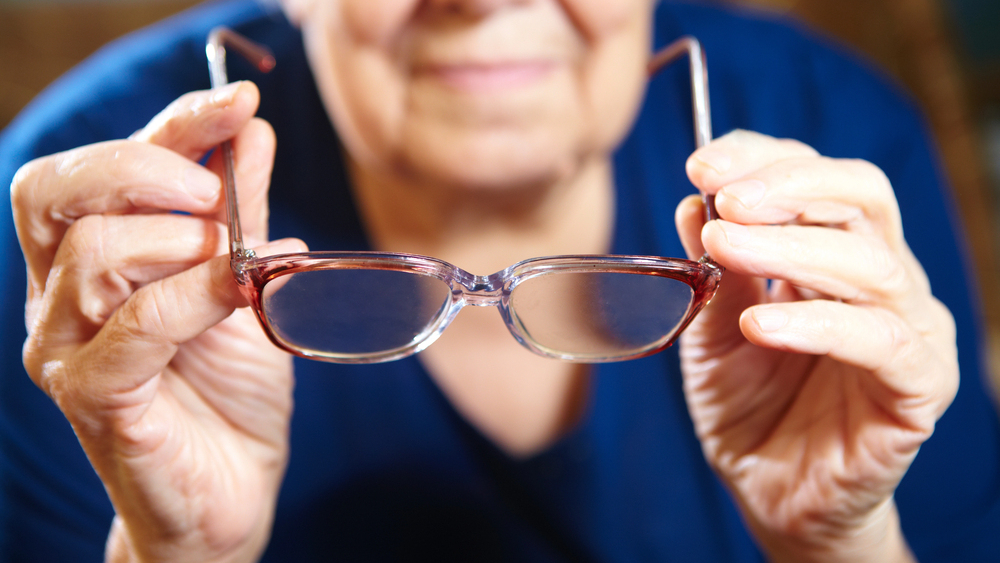
senior individual in blue shirt preparing to put on a pair of e-scoop eyewear glasses

Regaining Independence with E-Scoop Eyewear: A Game-Changer for Those with Low Vision

For individuals living with low vision, everyday tasks like reading a menu, watching TV, or recognizing faces can become daunting challenges. These struggles often lead to frustration, isolation, and a loss of independence. But there’s new hope for those seeking to reclaim their daily lives: E-Scoop® eyewear, a specialized solution designed to improve vision for people with macular degeneration and other low vision conditions.


What is E-Scoop® Eyewear?

E-Scoop glasses are uniquely designed to enhance distance vision by combining five optical elements:

  • Specific lens tint to reduce glare and enhance contrast
  • Custom lens thickness to shift the image to a healthier part of the retina
  • Magnification to make images appear larger
  • Base curve to improve light gathering
  • Prism to reposition the image away from the damaged central retina

The result? A sharper, clearer image that improves the wearer’s ability to see and interact with the world around them—often for the first time in years.

Why Specialized Training Matters

E-Scoop glasses are not available through a standard eye exam. Instead, they require precise customization by a doctor trained in low vision rehabilitation. Dr. Bissell has undergone additional training through the International Academy of Low Vision Specialists (IALVS). This elite group of optometrists is specially trained to assess, fit, and adjust low vision aids like E-Scoop glasses for maximum effectiveness.

This expertise ensures that each patient receives a thorough evaluation and a tailored solution that addresses their unique visual challenges—something traditional eyeglasses or even surgery cannot always offer.

The Value of Independence

One of the greatest challenges for individuals with low vision is the gradual erosion of independence. Driving, reading, cooking, shopping, or even watching loved ones’ expressions can become difficult or impossible. E-Scoop eyewear helps bridge that gap. By enhancing visual function, these glasses enable wearers to return to many of the activities they once enjoyed.

Whether it’s navigating the grocery store without assistance or being able to recognize road signs again, the difference E-Scoop glasses make is not just about seeing better—it’s about living better.

A Personalized Approach to Hope

If you or a loved one is living with low vision and has been told “nothing more can be done,” E-Scoop eyewear may offer a new path forward. Schedule a consultation with Dr. Bissell to find out if you’re a candidate for this life-enhancing technology.

Independence is possible. E-Scoop eyewear can help bring your world back into focus. To learn more about low vision services, call our office at 724-443-6767 or 724-226-0444.


About Bissell Eye Care: John D. Bissell, OD owns and operates Bissell Eye Care servicing Northern Pittsburgh and Alle-Kiski Valley regions. With two locations to treat patients, we offer evening appointments. Bissell Eye Care provides comprehensive eye examinations for the entire family beginning as early as 6 months, ocular disease detection and treatment, eyeglasses, sunglasses, activewear, contact lenses, and low vision examinations for those with significant vision loss. We accept most types of vision and health insurance plans. For more information, visit bisselleyecare.com or call our Bakerstown Office at 724-443-6767 or Natrona Heights office at 724-226-0444.

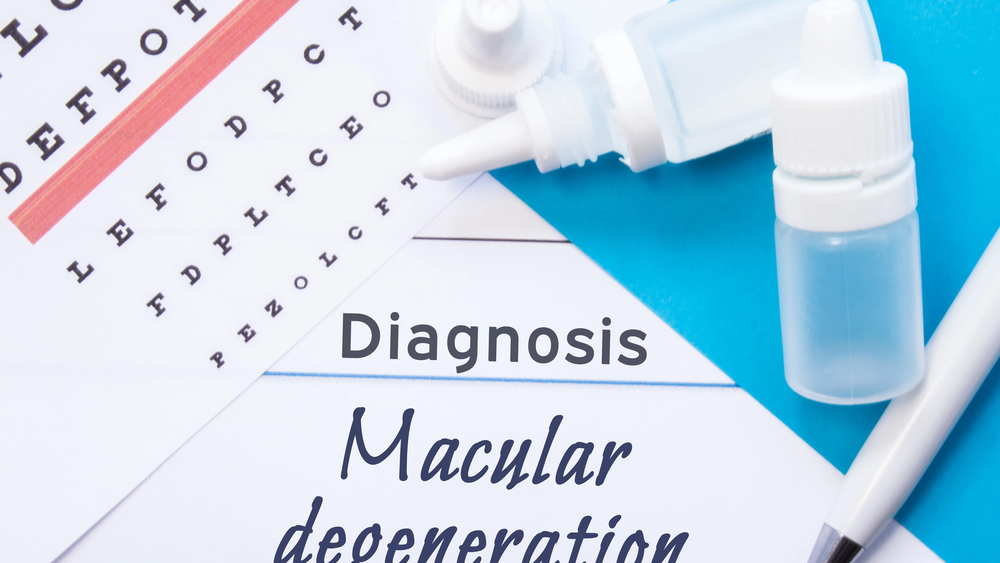
eye chart wtih eye drops and the text Diagnosis - Age-related Macular degeneration

Understanding Age-Related Macular Degeneration and Low Vision

February marks Age-Related Macular Degeneration (AMD) Awareness Month, an initiative led by Prevent Blindness to educate the public about the risks, symptoms, and treatment options for this leading cause of vision loss. It is also recognized as Low Vision Awareness Month, highlighting the impact of advanced AMD and other conditions that result in significant visual impairment.

What is Age-Related Macular Degeneration (AMD)?

AMD is a worsening eye disease affecting the macula, which enables sharp central vision. This condition makes it difficult to read, recognize faces, or perform detailed tasks.

There are two main types of AMD:

  • Dry AMD – The more common form, characterized by the thinning of the macula and the buildup of drusen (yellow deposits). It develops gradually over time.
  • Wet AMD – A more severe form caused by abnormal blood vessel growth under the retina, leading to sudden vision loss if untreated.

Symptoms of AMD

Early detection is key, as AMD can progress without noticeable symptoms in its early stages. However, as it advances, individuals may experience:

  • Blurred or distorted central vision
  • Difficulty recognizing faces
  • Dark or empty spots in vision
  • Straight lines appearing wavy

If you or a loved one notices any of these symptoms, scheduling an eye exam as soon as possible is crucial.

Risk Factors for AMD

While age is the biggest risk factor (AMD typically affects those over 50), other contributors include:

  • Smoking – One of the most significant preventable risk factors
  • Genetics – A family history of AMD increases risk
  • High Blood Pressure & Cardiovascular Disease – Poor circulation can contribute to macular damage
  • Poor Diet – A lack of antioxidants and omega-3 fatty acids may speed up AMD progression Excessive UV Exposure – Long-term unprotected sun exposure can damage the retina

Early Detection & Treatment Options

While there is no cure for AMD, early detection can help slow its progression. Regular comprehensive eye exams allow doctors to detect early signs and recommend lifestyle changes or treatment options.

  • Nutritional Supplements – The AREDS2 formula (a combination of vitamins C, E, zinc, copper, lutein, and zeaxanthin) can help slow the progression of intermediate AMD.
  • Anti-VEGF Injections – Used to treat wet AMD, these injections help slow abnormal blood vessel growth in the retina.
  • Healthy Lifestyle Choices – A diet rich in leafy greens, fish, and nuts, quitting smoking, and maintaining a healthy weight can help preserve vision.

Support for Those with Advanced Vision Loss

As AMD progresses, it can result in low vision, a condition where everyday tasks become challenging despite corrective lenses. February is also Low Vision Awareness Month, emphasizing the need for adaptive tools and strategies for those living with severe vision impairment.

Dr. Bissell is a member of the International Academy of Low Vision Specialists (IALVS) and specializes in using specially designed telescopic glasses to help individuals with significantly decreased vision due to AMD and other ocular conditions. These advanced devices can improve quality of life by enhancing the remaining vision for reading, driving, and other essential activities.

With early detection and proper management, individuals with AMD can take steps to slow progression and maintain independence. If you or a loved one is at risk for AMD or experiencing vision changes, don’t wait—schedule a comprehensive eye exam today.  For more information about low vision services, including AMD treatment and personalized vision solutions, contact Dr. Bissell at 724-443-6767 or 724-226-0444.


About Bissell Eye Care: John D. Bissell, OD owns and operates Bissell Eye Care servicing Northern Pittsburgh and Alle-Kiski Valley regions. With two locations to treat patients, we offer evening appointments. Bissell Eye Care provides comprehensive eye examinations for the entire family beginning as early as 6 months, ocular disease detection and treatment, eyeglasses, sunglasses, activewear, contact lenses, and low vision examinations for those with significant vision loss. We accept most types of vision and health insurance plans. For more information, visit bisselleyecare.com or call our Bakerstown Office at 724-443-6767 or Natrona Heights office at 724-226-0444.