Eye-Safe Skywatching Amazing scientific background - total solar eclipse in dark red glowing sky, mysterious natural phenomenon when Moon passes between planet Earth and Sun

The Great North American Eclipse: A Viewer’s Guide to Eye-Safe Skywatching

Get ready, skywatchers! Something super cool is about to happen in the sky on April 8, 2024. It’s called “The Great North American Eclipse.” Imagine a game of cosmic peek-a-boo where the moon covers up the sun for a little while, creating a magical show in the sky. It’s like nature’s own big screen event, and everyone’s invited to watch. But wait, before participating there’s an important rule: you need to keep your eyes safe! Let’s chat about how to enjoy the eclipse without hurting our eyes.

Understanding the Solar Eclipse:

A solar eclipse occurs when the moon aligns perfectly with the sun, causing its shadow to fall on the earth. There are three main types of solar eclipses: total, partial, and annular. The upcoming eclipse is expected to be a total eclipse, offering a unique and breathtaking experience for observers.

Why Eye Protection is Crucial:

While witnessing a solar eclipse is undoubtedly a mesmerizing experience, it’s important to prioritize eye safety. Staring directly at the sun, even during an eclipse, can cause severe and permanent damage to your eyes. The sun’s powerful rays can lead to solar retinopathy, a condition where the sensitive cells in the retina are damaged, resulting in vision impairment or blindness.

Tips for Protecting Your Eyes:

Solar Viewing Glasses:

Invest in certified solar viewing glasses that meet the ISO 12312-2 international safety standard. These glasses effectively block harmful ultraviolet, visible, and infrared radiation, allowing you to safely observe the eclipse. Ensure that the glasses are in good condition without any scratches, as even small damages can compromise their protective capabilities.

Pinhole Projector:

For those who prefer an indirect method, consider creating a pinhole projector. This simple and effective DIY solution projects an image of the eclipse onto the surface, allowing you to view the event safely without direct eye exposure.

Welding Glass:

If you’re unable to obtain solar viewing glasses, welder’s glass with a minimum shade of 14 is a viable alternative. However, ensure that it’s free of cracks or damage, as compromised glass can jeopardize eye safety.

Telescopes and Binoculars:

If you plan to use telescopes or binoculars to observe the eclipse, be sure to attach a solar filter to the front of the device. Never look through these optical instruments without proper solar filters, as the concentrated sunlight can cause irreversible eye damage.

The upcoming solar eclipse promises to be a breathtaking event, captivating observers around the world. However, enjoying this celestial show requires a responsible approach to eye safety. Whether you choose solar viewing glasses, a pinhole projector, or welding glass, prioritize protecting your vision to ensure a memorable and safe viewing experience. By following these precautions, you can observe the solar eclipse without compromising the health of your eyes.

For questions regarding solar glasses and eye protection, call our office at 724-443-6767 or 724-226-0444.


About Bissell Eye Care: John D. Bissell, OD owns and operates Bissell Eye Care servicing Northern Pittsburgh and Alle-Kiski Valley regions. With two locations to treat patients, we offer evening and Saturday appointments. Bissell Eye Care provides comprehensive eye examinations for the entire family beginning as early as 6 months, ocular disease detection and treatment, eyeglasses, sunglasses, activewear, contact lenses, and low vision examinations for those with significant vision loss. We accept most types of vision and health insurance plans. For more information, visit bisselleyecare.com or call our Bakerstown Office at 724-443-6767 or Natrona Heights office at 724-226-0444.

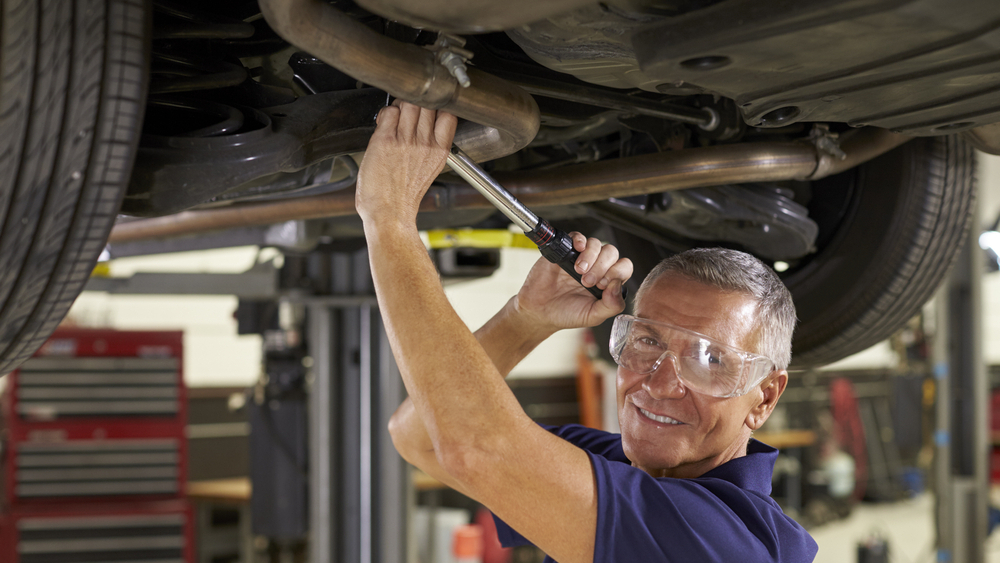
man working on underside of car wearing safety glasses

Eyes on Safety: A Comprehensive Look at Safety Glasses and Their Uses

October is National Eye Safety Month, a time dedicated to raising awareness about the importance of eye health and safety. Safety glasses are an essential piece of personal protective equipment (PPE) designed to protect the eyes from potential hazards in various environments. They are crucial for maintaining eye safety in workplaces, laboratories, construction sites, and even during recreational activities. There are different types of safety glasses available, each catering to specific needs and potential risks.

According to the Bureau of Labor Statistics, “There were 18,510 eye-related injury or illness cases that resulted in at least one day away from work in 2020, leading to an incidence rate of 1.7 cases per 10,000 full-time workers. The number of cases decreased 15.6 percent from 2019, while the 2020 incidence rate was down 10.5 percent from the previous year. Contact with objects or equipment led to the majority (11,980 cases) of eye injuries and illnesses requiring days away from work in 2020. Of these cases, 59.6 percent resulted from the worker rubbing or being abraded by foreign matter in the eye. Another 35.6 percent resulted from the eye being struck by an object or equipment.”

At home as we transition into the fall season, many individuals engage in various activities, including fall cleanup, home improvement projects, and outdoor maintenance. At work or at home, it’s important to use proper eye protection when working with machinery, chemicals, or any type of outside cleanup.

Various Types of Safety Glasses and their uses.

1. Safety Glasses with Side Shields

Safety glasses with side shields provide wraparound protection for the eyes. These shields are designed to protect the eyes from flying debris, particles, and other potential hazards that could come from the sides. They are commonly used in industrial settings, laboratories, and construction sites.

These types of glasses are used for:

  • Woodworking
  • Metalworking
  • Construction and demolition
  • Laboratory work

2. Goggles

Goggles are a more comprehensive eye protection option, offering a seal around the eyes to protect against various hazards, including chemical splashes, dust, and impact. They provide a higher level of protection compared to safety glasses with side shields.

These types of safety goggles are used for:

  • Handling chemicals and hazardous substances
  • Working with liquids or powders
  • Medical and healthcare settings
  • Chemistry laboratories

3. Over-the-Glasses (OTG) Safety Glasses

These are designed to fit over prescription glasses, allowing individuals who wear corrective eyewear to have the necessary eye protection. They typically have a larger frame to accommodate existing glasses.

These types of safety glasses are used for:

  • Individuals who wear prescription glasses
  • Work environments where prescription eyewear is necessary

4. Polarized Safety Glasses

Polarized safety glasses are equipped with polarized lenses that reduce glare from reflective surfaces, making them ideal for outdoor activities and environments with intense light.

These types of safety glasses are used for:

  • Driving
  • Fishing
  • Boating
  • Outdoor construction work

5. Shaded or Tinted Safety Glasses

These safety glasses have tinted lenses that provide protection against bright light, UV rays, and other specific environmental conditions. The tinting can vary in darkness to suit different needs.

These types of safety glasses are used for:

  • Welding
  • Outdoor work under sunny conditions
  • Activities with high exposure to sunlight

6. Anti-Fog Safety Glasses

Anti-fog safety glasses are coated with a special anti-fog layer, preventing fogging of the lenses in humid or changing temperature conditions. This feature is particularly useful in environments where workers may experience temperature variations.

These types of safety glasses are used for:

  • Environments with temperature changes
  • Humid conditions
  • Indoor and outdoor use

7. Face Shields

While not strictly glasses, face shields provide full-face protection, including the eyes, from splashes, droplets, and impacts. They are usually made of clear plastic and are used in conjunction with other protective eyewear for comprehensive coverage.

These types of safety glasses are used for:

  • Medical and healthcare settings
  • Manufacturing and fabrication
  • Grinding and cutting operations

National Eye Safety Month serves as a reminder that safeguarding our eyes should always be top of mind. Choosing the appropriate safety glasses is important to ensure eye safety in various work and home environments. Always consider the specific risks associated with the task at hand and opt for the most suitable type of safety eyewear to protect your eyes effectively. Remember, your vision is priceless, so prioritize your eye safety with the right protective gear.

Bissell Eye Care offices carry a variety of safety glasses and often your place of employment may cover the cost of safety glasses. To learn more call 724-443-6767 or 724-226-0444.


About Bissell Eye Care: John D. Bissell, OD owns and operates Bissell Eye Care servicing Northern Pittsburgh and Alle-Kiski Valley regions. With two locations to treat patients, we offer evening and Saturday appointments. Bissell Eye Care provides comprehensive eye examinations for the entire family beginning as early as 6 months, ocular disease detection and treatment, eyeglasses, sunglasses, activewear, contact lenses, and low vision examinations for those with significant vision loss. We accept most types of vision and health insurance plans. For more information, visit bisselleyecare.com or call our Bakerstown Office at 724-443-6767 or Natrona Heights office at 724-226-0444.
Depositphotos_80958648_S

Clear Sight, Better Game: Why Active Eyewear is a Must-Have in Sports

Participating in sports is a fantastic way to stay fit, improve coordination, and boost overall well-being. However, many sports come with inherent risks, and one aspect often overlooked is the protection of our most vital sensory organ: the eyes. Sports-related eye injuries are more common than you might think, but with proper awareness and the use of active eyewear, you can enjoy your favorite activities while safeguarding your vision.

The Prevalence of Sports-Related Eye Injuries

University of Illinois College of Medicine states, “Sports and recreational activities cause more than 40,000 eye injuries each year, according to the American Academy of Ophthalmology – and most of these accidents are preventable. Indeed, Prevent Blindness America reports that 90% of sports-related eye injuries can be prevented. Basketball and baseball cause the most eye injuries, followed by water sports and racquet sports.

The majority of all eye injuries occur in persons under thirty years of age. Children are especially vulnerable as they often have underdeveloped depth perception and may have difficulty judging the position of a flying ball. It’s not uncommon for a child to misjudge a ball in flight, miss it, and take a blow to the face instead. Safety goggles are advised for children who play softball and baseball.

The severity of sports-induced eye injuries varies from mild scrapes of the cornea to severe trauma that can cause visual impairment or even blindness.”

Sports goggles and high-impact sports eyewear are important for adults and kids alike who participate in sports for several reasons:

Eye Protection: Sports eyewear is designed to provide optimal protection for the eyes. Kids engaging in high-impact sports like basketball, soccer, hockey, baseball, and racquet sports are at a higher risk of eye injuries due to collisions, flying objects, or accidental contact. Proper eyewear can significantly reduce the risk of eye injuries by providing a physical barrier to shield the eyes.

Impact Resistance: High-impact sports eyewear is built with materials that are more resistant to impact and shattering. Regular eyeglasses are not designed to withstand the forces associated with sports activities, and they can break upon impact, causing harm to the eyes and surrounding areas. Sports eyewear, on the other hand, is constructed to withstand these forces and provide continuous protection.

Enhanced Performance: Sports goggles are designed to fit securely and comfortably, reducing the risk of the eyewear falling off during intense physical activities. This can enhance focus and confidence, allowing you to fully engage in the sport without worrying about their eyewear.

Preserving Vision: Eye injuries sustained during sports can have long-term consequences on vision. In some cases, irreversible damage can occur, leading to impaired vision or even blindness. By using sports eyewear, you can protect your eyes and preserve their long-term vision health.

Preventing UV Exposure: Some sports eyewear also offers protection against harmful ultraviolet (UV) rays from the sun. Prolonged exposure to UV rays can contribute to eye problems like cataracts and other vision issues. Wearing sports eyewear that provides UV protection can help minimize this risk.

Role Modeling Safety: Encouraging kids to wear proper sports eyewear sets a positive example of safety-conscious behavior. When kids see their peers and professional athletes using protective eyewear, they are more likely to understand its importance and adopt the habit themselves.

Regulation Compliance: Some sports leagues and organizations have specific regulations regarding safety equipment, including sports eyewear. To participate in these leagues, kids may be required to wear approved eyewear to ensure their safety and the safety of others on the field.

Injury Prevention: Properly fitted sports eyewear can help prevent injuries not only to the eyes but also to the surrounding facial areas. Goggles with padded frames and secure straps can cushion impacts and reduce the risk of cuts, bruises, and fractures in case of accidents.

Customization for Visual Impairments: Sports enthusiasts that have visual impairments require corrective lenses to achieve optimal vision. Sports eyewear can be customized to accommodate prescription lenses, allowing those with vision problems to fully participate in sports while maintaining clear vision.

Proper Use and Care of Protective Eyewear

Equally important to choosing the right eyewear is using and maintaining it properly:

Size Matters: Ensure that the eyewear fits snugly but comfortably on your face. Ill-fitting eyewear can be distracting and compromise your safety.

Clean Regularly: Regularly clean your eyewear with appropriate lens-cleaning solutions to maintain clear vision. Avoid wiping lenses with abrasive materials that could scratch them.

Replace Damaged Eyewear: If your eyewear sustains damage, replace it immediately. Cracked or scratched lenses may not provide adequate protection.

Avoid DIY Fixes: Avoid modifying or altering eyewear on your own. This could compromise the structural integrity and effectiveness of the protective gear.

In the world of sports, protecting your eyes is just as important as improving your performance. Sports-related eye injuries are preventable with the right protective eyewear. By understanding the risks associated with your favorite sports and investing in appropriate eyewear, you can enjoy the game while safeguarding your vision for a lifetime. Remember, when it comes to your eyes, prevention is key. For questions on the proper eyewear for your sport, call our office at 724-443-6767 or 724-226-0444.


About Bissell Eye Care: John D. Bissell, OD owns and operates Bissell Eye Care servicing Northern Pittsburgh and Alle-Kiski Valley regions. With two locations to treat patients, we offer evening and Saturday appointments. Bissell Eye Care provides comprehensive eye examinations for the entire family beginning as early as 6 months, ocular disease detection and treatment, eyeglasses, sunglasses, activewear, contact lenses, and low vision examinations for those with significant vision loss. We accept most types of vision and health insurance plans. For more Information, visit bisselleyecare.com or call our Bakerstown Office at 724-443-6767 or Natrona Heights office at 724-226-0444.

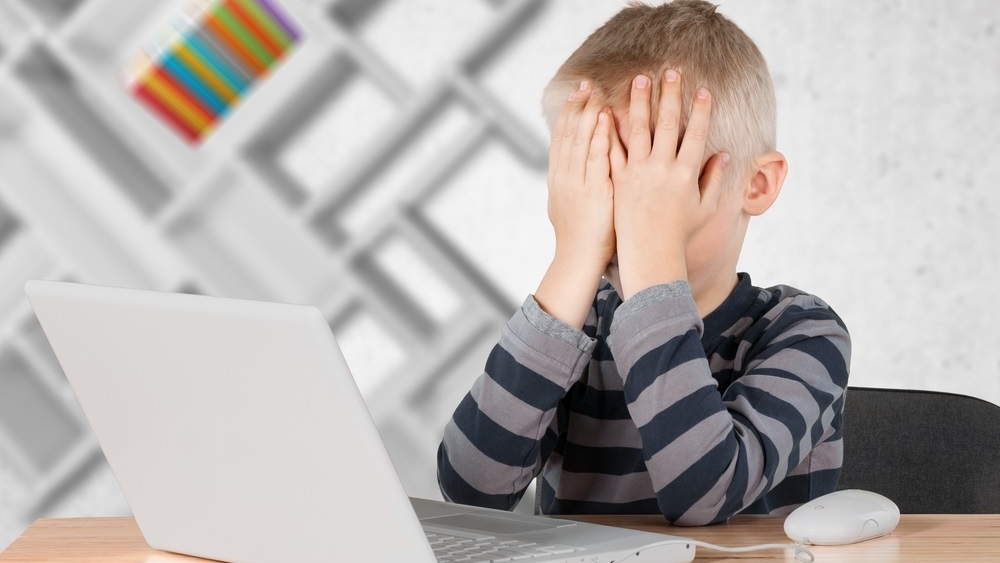
A Little Boy With His Hands Over His Eyes Sitting In Front Of His Computer

From Backpacks to Blue Light: Tips on Preserving Eye Health in the Back-to-School Hustle

The excitement of going back to school is often accompanied by a flurry of preparations, from shopping for school supplies to adjusting to new routines. However, in our increasingly digital world, another aspect that parents need to be mindful of is the potential for eye strain and blue technology overload in children. 

Do you find yourself spending more time in front of your computer? Working from home, remote learning for your kids, texting, social media, TV – we never seem to be able to take a break from technology. The artificial blue light emitted from our smart devices is high-energy and can have some long-term effects on our vision.

Blue light is all around us, there are both natural blue light and artificial blue light. Natural blue light comes from the sun. It is a short wavelength of visible blue light and high in energy. Artificial blue light, also a short wavelength of visible blue light, is high-energy and remains high all the time. Prolonged exposure to blue light has been shown to damage the retina, the part of the eye that detects qualities such as color and light intensity.

Signs of Blue Technology Overload:

The term “blue technology overload” refers to the excessive use of digital devices that emit blue light, such as smartphones, tablets, computers, and even LED lighting. Blue light has a shorter wavelength and higher energy compared to other visible light, and prolonged exposure can have negative effects on our eyes and sleep patterns.

Do your children mention or complain of the following symptoms?

  • Eye Discomfort: One of the most common signs is eye discomfort or strain. Children might complain of dryness, irritation, or a burning sensation in their eyes after extended periods of screen time.
  • Digital Eye Strain: Also known as “computer vision syndrome,” this can manifest as headaches, blurred vision, and difficulty focusing on objects at different distances.
  • Sleep Disturbances: Exposure to blue light, especially before bedtime, can interfere with the body’s natural production of melatonin, a hormone that regulates sleep. This can lead to difficulties falling asleep and disrupted sleep patterns.
  • Irritability and Fatigue: Too much screen time can contribute to increased irritability and fatigue, affecting your child’s mood and overall well-being.

How to Minimize Blue Light Exposure:

While it might be challenging to eliminate screen time, there are several steps you can take to minimize your child’s exposure to blue light and reduce the risk of eye strain:

  • Set Screen Time Limits: Establish clear rules regarding screen time duration. Encourage breaks every 20-30 minutes to give their eyes a rest.
  • Use Blue Light Filters: Many devices now offer built-in blue light filters that can be activated to reduce the amount of blue light emitted. Additionally, consider installing screen-filtering apps or software that adjust the color temperature of the display.
  • Promote Outdoor Activities: Encourage your child to engage in outdoor activities and spend time away from screens. This not only reduces blue light exposure but also supports their overall physical and mental well-being.
  • Create a Device-Free Bedtime Routine: Establish a device-free period at least an hour before bedtime to help your child’s body adjust to the natural sleep-wake cycle.
  • Proper Lighting: Ensure that the room where your child uses digital devices has appropriate lighting. Avoid harsh overhead lighting that can contribute to glare on screens.
  • Regular Eye Exams: Schedule regular eye exams for your child. An eye care professional can detect early signs of eye strain and provide guidance on maintaining healthy vision.
  • Encourage Healthy Habits: Teach your child the importance of the 20-20-20 rule: Every 20 minutes, look at something 20 feet away for at least 20 seconds. This helps relax eye muscles.

As the new school year approaches, it’s important to strike a balance between the benefits of technology in education and the potential risks it poses to our children’s eye health and well-being. By understanding the signs of blue technology overload and adopting healthy screen time habits, you can ensure that your child’s back-to-school experience is not only productive but also comfortable and safe for their eyes. For questions about blue light protection and eye strain, call our office at 724-443-6767 or 724-226-0444.


About Bissell Eye Care: John D. Bissell, OD owns and operates Bissell Eye Care servicing Northern Pittsburgh and Alle-Kiski Valley regions. With two locations to treat patients, we offer evening and Saturday appointments. Bissell Eye Care provides comprehensive eye examinations for the entire family beginning as early as 6 months, ocular disease detection and treatment, eyeglasses, sunglasses, activewear, contact lenses, and low vision examinations for those with significant vision loss. We accept most types of vision and health insurance plans. For more Information, visit bisselleyecare.com or call our Bakerstown Office at 724-443-6767 or Natrona Heights office at 724-226-0444.
Depositphotos_52636759_S

Tips for a Safe 4th of July Celebrations

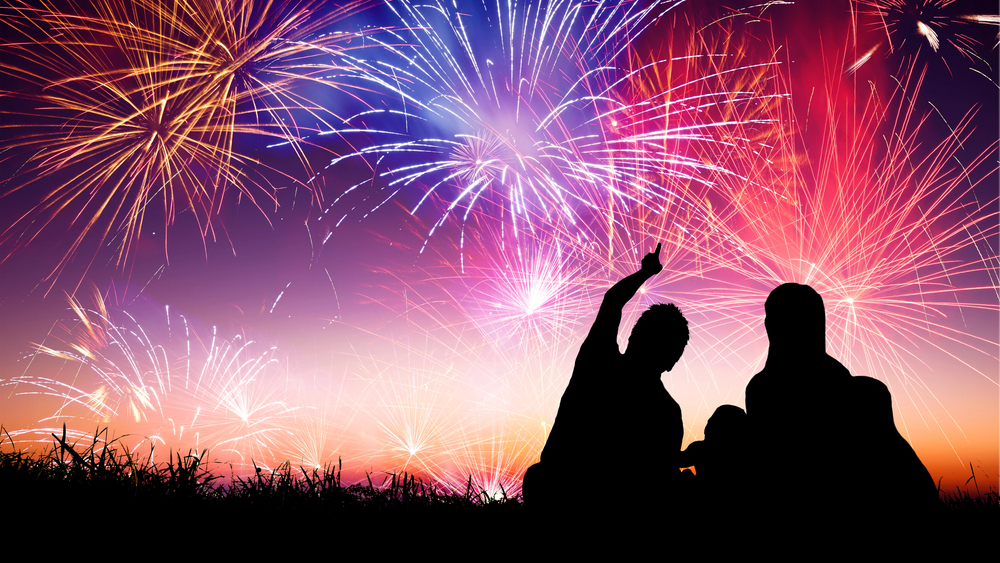
Fireworks have long been associated with celebrations, captivating audiences with their vibrant displays of light and color. However, it’s crucial to remember that fireworks are not just innocent sources of entertainment. They come with inherent risks and dangers, particularly when handled by untrained individuals. By raising awareness about fireworks safety, we hope to ensure that celebrations remain accident-free for everyone involved.

Personal fireworks, such as firecrackers, bottle rockets, and Roman candles, may seem harmless when viewed from afar. However, the reality is far from it. In untrained hands, these pyrotechnic devices can quickly become dangerous projectiles. Fireworks can be highly unpredictable, with occasional malfunctions or irregular fusing leading to unexpected explosions. This unpredictability increases the risk of accidents and injuries.

Sparklers: A Deceptive Threat

Sparklers are often considered a safer alternative to traditional fireworks, especially for children. However, they still pose significant dangers and should be handled with extreme caution.

Here’s why:

High Temperature: Sparklers burn at extremely high temperatures, often exceeding 1,000 degrees Fahrenheit. This intense heat can cause severe burns, particularly when mishandled or brought too close to the body or clothing.

Lack of Supervision: Sparklers are often handed to young children, who may not fully understand the potential risks involved. Without proper adult supervision, accidents can easily occur.

Eye Injuries: While sparklers are not as visually intimidating as larger fireworks, they still pose a significant risk to the eyes. Small sparks or ignited metal fragments can cause eye injuries, leading to permanent vision loss if not treated promptly.

Alternatives to sparklers that can be just as enjoyable and safe.

  • Glow Sticks: Glow sticks are a popular alternative that provide a colorful and captivating experience for children. They are safe, easy to use, and come in various shapes and sizes. Children can wear them as bracelets, necklaces, or even create glowing designs in the dark.
  • LED Balloons: LED balloons are a fun and visually appealing option. These balloons contain LED lights inside that create a glowing effect. Children can play with them, toss them around, or even have balloon races in the evening.
  • Light-up Wands and Toys: There are a variety of light-up wands, swords, and toys available that emit colorful lights without any fire or spark. Children can wave them around, create light patterns, and enjoy their own light show.
  • Confetti Poppers: Confetti poppers are a safe and exciting way to add a festive touch to celebrations. These handheld devices shoot out colorful confetti when the string is pulled, creating a joyful atmosphere for children to enjoy.
  • Patriotic Crafts and Art Activities: Engage children in patriotic crafts and art activities to celebrate the 4th of July. They can create their own flags, decorate T-shirts with fabric paint, or make festive crafts using red, white, and blue materials.
  • Outdoor Games: Plan a variety of outdoor games to keep children entertained. Classic games like sack races, three-legged races, or water balloon tosses can be a lot of fun and provide an active and engaging experience for everyone.

Remember, always prioritize the safety and age-appropriateness of the activities. Adult supervision is crucial to ensure a secure and enjoyable celebration for young children. These alternatives keep the focus on fun, creativity, and togetherness during the 4th of July festivities. Despite warnings and safety campaigns, fireworks-related injuries continue to occur each year, with a substantial portion of these incidents involving eye injuries.

If you suffer an injury due to fireworks, especially to your eyes, seek help immediately.

  • Do not rub the eyes
  • Do not rinse the eyes
  • Do not apply pressure
  • Do not put on ointments or take any blood-thinning pain medication

The safest way to watch fireworks is for you to let somebody else light off the fireworks. When we say someone else, we mean a professional – as in – go to a fireworks show. If you have any questions or need information on eye injury following an accident, call Bissell Eye Care at (724) 444-6767 or 724-226-0444.

Remember 4th of July is about enjoying our freedom.  Be sure to thank a Veteran and their family for their sacrifice and service.  Wishing you and your family a happy and safe summer.


About Bissell Eye Care: John D. Bissell, OD owns and operates Bissell Eye Care servicing Northern Pittsburgh and Alle-Kiski Valley regions. With two locations to treat patients, we offer evening and Saturday appointments. Bissell Eye Care provides comprehensive eye examinations for the entire family beginning as early as 6 months, ocular disease detection and treatment, eyeglasses, sunglasses, activewear, contact lenses, and low vision examinations for those with significant vision loss. We accept most types of vision and health insurance plans. For more information, visit bisselleyecare.com or call our Bakerstown Office at 724-443-6767 or Natrona Heights office at 724-226-0444.
Concept-words-FSA-adjustments-on-wooden-blocks-on-beautiful-background-from-dollar-bills.

Inflation and FSA Adjustments

The main purpose and benefit of contributing and using an FSA are that any contributions made are pre-tax dollars. However, any qualified medical expenses paid for using the FSA are tax-free dollars. So you effectively pay no taxes on those expenses, by reducing your taxable income.

Flexible Spending Accounts (FSAs), can help you to spend less on your health care while experiencing the maximum tax benefit. However, you must use monies within the current calendar year to reap the rewards. By spending all of the money in your account before the year-end deadline you ensure you are getting the most bang for your buck.

According to the Society for Human Resource Management, “Employees can put an extra $200 into their health care flexible spending accounts (health FSAs) next year, the IRS announced on Oct. 18, as the annual contribution limit rises to $3,050, up from $2,850 in 2022. The increase is double the $100 rise from 2021 to 2022 and reflects recent inflation.

If the employer’s plan permits the carryover of unused health FSA amounts, the maximum carryover amount rises to $610, up from $570.”

FSAs are pre-tax monies that are placed in an account and are available for use only on approved medical expenses. They differ from a health savings account, HSA, in that the money contributed can only be used for that calendar year. In other words, the FSA accounts are “Use it or Lose it”. As the year quickly draws to a close the question becomes, have you used it?

Common eligible expenses include dentist and doctor visits, procedures, and copays, prescription drug costs or co-pays, laser eye surgery, eye exams, contacts, eyeglasses, and chiropractor visits.

If you have any medical conditions that require special equipment or treatment, these expenses are typically covered as well.

While there are no exceptions that allow that money to be directly paid back to you, there are more options than you might expect as to how to spend the extra money. If you have monitored the amount spent during the year, you have an idea of what is left to spend down as December quickly approaches. There are two cases where you can get a little extra time to spend that money.

  1. A rollover option. This allows you to move up to $570 to next year’s balance.
  2. Grace period. Because most plans fall on the calendar year, this option allows you to use the money for up to 2 ½ months past the end of the year. Why is this? Because during the first few months of the year your account has accrued little funds.

Most FSA accounts come with a debit card and usually have one or the other of these two options but CANNOT have both. However, if you are required to submit a claim, be sure to watch the claim windows in which you are required to submit a claim.

How to spend FSA accounts?

If you have quite a bit left in your account, don’t despair. The list of things that you can spend the money on however is pretty large, leaving many surprised about what they can purchase using their FSA account. To get a full listing of what you’re allowed to spend money by visiting an online FSA store. These stores only sell items that qualify approved purchases using your FSA account.

Some out-of-the-ordinary expenses you can pay for using your FSA account also include:

  • Chiropractor visits
  • Artificial teeth or limbs
  • Qualified service animals, such as a guide dog, including food and grooming costs
  • Travel that was required for medical treatment.

You may also use the FSA for expenses such as hearing, vision, and dental services even if you don’t have insurance for those services.

Keeping track of your FSA account throughout the year and spending in moderation throughout the year will also help to reduce the scramble to use money that you have left as the year comes to an end. Despite the hassle of making sure all the money is spent, FSA accounts are a good way to avoid paying taxes on money that is used for medical expenses.

In today’s high inflation market consumers are utilizing all tools available to maximize their health care benefits and costs. Need to spend down some of those benefit dollars? Call our office at 724-443-6767 or 724-226-0444 to schedule your eye exam before the end of 2022.


About Bissell Eye Care: John D. Bissell, OD owns and operates Bissell Eye Care servicing Northern Pittsburgh and Alle-Kiski Valley regions. With two locations to treat patients, we offer evening and Saturday appointments. Bissell Eye Care provides comprehensive eye examinations for the entire family beginning as early as 6 months, ocular disease detection and treatment, eyeglasses, sunglasses, activewear, contact lenses, and low vision examinations for those with significant vision loss. We accept most types of vision and health insurance plans. For more Information, visit bisselleyecare.com or

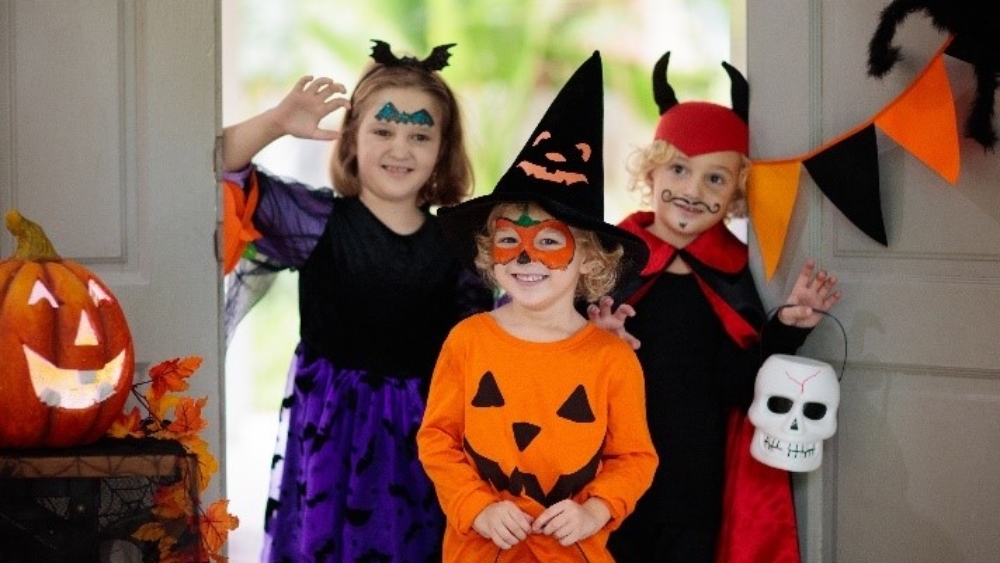
Happy group of children in costumes during Halloween party - eye safety for kids

Have A Ghoulish Halloween

Although it has been a warm October, the signs of fall are here and Halloween celebrations are certainly around us. The leaves on the trees are turning and haunted houses are popping up. There is a nip in the air, pumpkin patches are in full swing and Halloween costumes are being planned. Trick-or-Treating can be a fun time for children and families and there are a few tips we would like to share to keep everyone safe. Regardless if you are planning your own costume for an adult party or a fun night out with the kids, consider these recommendations.

KEEP A CLEAR LINE OF VISION 

Does your costume or its accessories obstruct your view? Masks, wigs, and eye patches may make an outfit complete, but make sure your child can see. Some masks are very dangerous because they block your side vision and can cause a trip hazard. You might want to consider face paint or makeup for that Halloween effect.

FDA APPROVED MAKEUP

If you decide to use makeup instead of a mask, use hypo-allergenic options and keep makeup away from the eyes. Make sure that any color additives to the face paints are FDA approved (check the Summary of Additives on the FDA website). When applying makeup near or around the eye, stay away from the lid margin, or lash line—the area where you would normally apply eyeliner. If you are applying make-up very close to the eye, use only products approved for use in that area such as an eye-liner or eyeshadow. Do not use blush or lip-liner to create a “red” effect.  It is a good idea to carry a damp towel or washcloth in case the makeup begins to run while trick-or-treating.

Use a makeup remover or cotton ball with baby oil for safe removal after a night of fun.

DECORATIVE CONTACT LENSES CAN BE DANGEROUS

Decorative lenses that appear to glow in the dark or create the illusion of “cat eyes” are popular with teens. Buying the decorative contact lenses from a source other than an eye doctor can open the door to health issues.

Did you know according to the FDA that it is illegal to sell decorative contact lenses without a valid prescription? This would include the lenses that are sold on the internet, in retail shops and salons. Decorative lenses from unlicensed manufacturers may be made from inferior plastic or may contain toxic dyes. Untrained individuals may not follow proper hygiene while inserting or removing the devices. Eye infections related to improper wearing and handling of contact lenses can rapidly develop into infection and corneal ulcers, which can cause permanent blindness.

TRIP HAZARDS WITH LONG COSTUMES

Dark streets, porch steps and uneven ground are challenging especially for young children. Be sure the costume ends well above the ankles to avoid a trip hazard. Use well-fitting shoes or boots for safe walking. Make sure the costume is flame resistant and avoid baggy, billowing skirts and cloaks that might brush against a candle-lit jack-o’-lantern or luminary.

SHARP OBJECTS TO BE USED AS PROPS CAN BE DANGEROUS

Some costumes do not seem complete without swords or wands. Sharp, pointed props endanger your eyes as well as the eyes of others. If your child must carry a sword, find a belt carrier or scabbard where the sword can stay safely nestled while the kids roam the neighborhood. Buy or construct only accessories made of soft or flexible materials.

REFLECTIVE COSTUMES ARE A MUST

See and be seen! Give trick-or-treaters flashlights to find their way in the dark. There are several glow-in-the-dark devices children can wear such as necklaces or glow sticks. If the costume your child chooses is not made of reflective material, sew on reflective fabric strips or use stick-on strips of reflective tape. You want your child to be seen, especially crossing streets in the dark. Place reflective material on the front, back, and sides of your child’s costume.

Happy haunting….be informed, be safe and have a Happy Halloween.


About Bissell Eye Care: John D. Bissell, OD owns and operates Bissell Eye Care servicing Northern Pittsburgh and Alle-Kiski Valley regions. With two locations to treat patients, we offer evening and Saturday appointments. Bissell Eye Care provides comprehensive eye examinations for the entire family beginning as early as 6 months, ocular disease detection and treatment, eyeglasses, sunglasses, activewear, contact lenses, and low vision examinations for those with significant vision loss. We accept most types of vision and health insurance plans. For more information, visit bisselleyecare.com or call our Bakerstown Office at 724-443-6767 or Natrona Heights office at 724-226-0444.
Depositphotos_11078435_S

Safety Tips for 4th of July Fireworks Celebrations

The freedom we enjoy every day is something not to be taken lightly. We’d like to take a moment and recognize our service men and women as well as their families for the sacrifices they make to protect our freedom.

Summer is synonymous with barbecues, parades, and fireworks. As we celebrate the 4th of July, families are planning their picnics, vacations and fireworks celebrations. Did you know on average 9,000 injuries a year result from fireworks with 1 in 8 of those injuries being eye injuries according to the fireworks injury report from the U.S. Consumer Product Safety Commission? Nearly half of those injuries are bystanders with 30% of the total injuries being age 15 and under.

According to the National Safety Council, “Sparklers burn at about 2,000 degrees – hot enough to melt some metals. Sparklers can quickly ignite clothing, and children have received severe burns from dropping sparklers on their feet.

The National Fire Protection Association, shares that those sparklers alone account for more than 25% of emergency room visits for fireworks injuries. For children under 5 years of age, sparklers accounted for nearly half of the total estimated injuries.

Some of the most commonly experienced eye injuries from fireworks are burns, lacerations, abrasions, retinal detachment, ruptured eyeballs, and optic nerve damage. An important misconception is that once the firework explodes it is no longer dangerous. However, the sparks that produce the amazing glow often burn at temperatures over 1000 degrees and fireworks release shrapnel as they explode.

Consider these safety tips to help keep you and your loved ones safe this year:

  •         Contact your local fire department if a firework does not explode to properly handle it.
  •         Never let children play with fireworks. Even sparklers can be very dangerous to young children. Consider using safer alternatives, such as glow sticks, confetti poppers, or colored streamers.
  •         ALWAYS wear approved protective eyewear if you plan on detonating fireworks.
  •         Abide by ALL safety barricades and give yourself extra room well behind them at least 500-1000 feet away!
  •         Let the experts build and launch professional-grade fireworks.

If you are injured from fireworks, be sure to seek medical attention immediately. Be sure to follow these safety tips to help prevent making the injury worse.

  •         Do not remove any objects that are stuck in or protruding from your eye.
  •         Do not rinse or add solution to your eye.
  •         Do not rub your eyes.
  •         If any foreign objects enter the eye do not take any pain killers that will cause your blood to thin such as aspirin or ibuprofen.

Remember this year as you venture out to celebrate our nation’s freedom and independence that it’s important to respect fireworks. The safest way to watch fireworks is for you to let somebody else light off the fireworks. When we say someone else, we mean a professional – as in – go to a professionally sponsored fireworks show. If you have any questions or need information on eye injury following an accident, call Bissell Eye Care at (724) 444-6767 or 724-226-0444. Have a safe and happy holiday.


About Bissell Eye Care: John D. Bissell, OD owns and operates Bissell Eye Care servicing Northern Pittsburgh and Alle-Kiski Valley regions. With two locations to treat patients, we offer evening and Saturday appointments. Bissell Eye Care provides comprehensive eye examinations for the entire family beginning as early as 6 months, ocular disease detection and treatment, eyeglasses, sunglasses, activewear, contact lenses, and low vision examinations for those with significant vision loss. We accept most types of vision and health insurance plans. For more information, visit bisselleyecare.com or call our Bakerstown Office at 724-443-6767 or Natrona Heights office at 724-226-0444.
Halloween eye safety tips

Seeing Clearly on Halloween: Tips to Keep You and Your Family Safe

With Halloween on the horizon, many parents may be concerned about their children’s safety and all that candy. But it is also important to remember to continue to take care of your eyes at this time of year!

Masks and Costumes

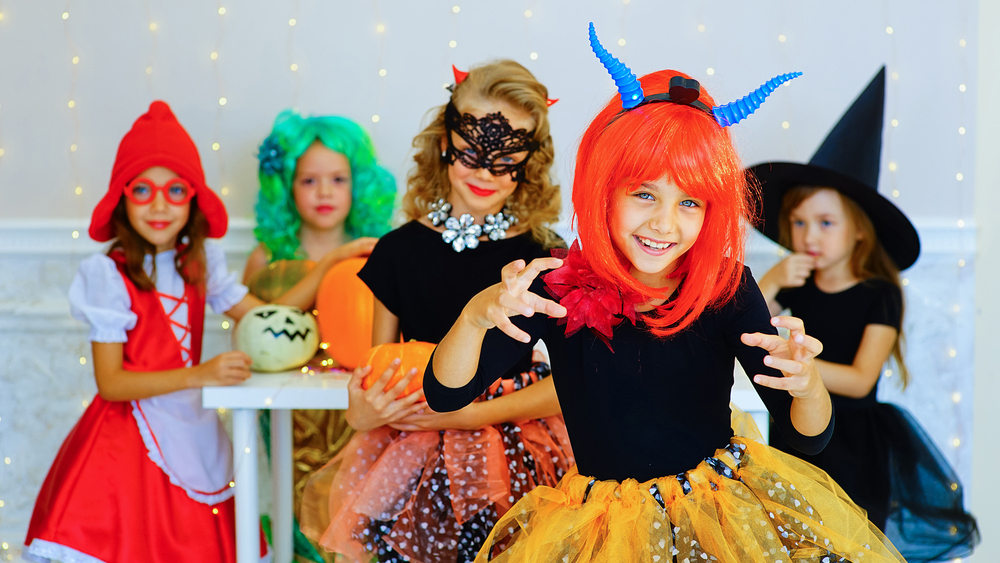
While costumes are fun, they can also present some potential problems. In particular, it is important to consider if you and your children can see clearly through a costume mask. Eye injuries due to costume masks are common this time of year, as masks often obscure our peripheral vision. Instead of tripping in the dark during trick-or-treat, consider choosing a mask with wider eyeholes or even widening them yourself at home with a pair of scissors to ensure the mask-wearer can properly see.

When choosing a costume look for any sharp edges on the costume itself. If costumes come with sharp accessories such as plastic swords, consider getting a soft version that will reduce the risk of injury, or forgoing the accessory altogether.

Avoid Trip Hazards

Trick-or-treat often takes place as the sun is setting or when it is already dark. The lack of sunlight combined with vision-restrictors like costume masks make Halloween a prime situation for tripping. In addition to widening eyeholes if wearing a mask, you should also consider the use of reflective strips or glow stick jewelry to help being seen by others as you walk around your neighborhood.

The Danger of Decorative Contact Lenses

Another serious eye hazard associated with Halloween is decorative contact lenses, such as cat eyes or specially colored contact lenses. You should only buy FDA-cleared or approved contacts from a trusted vendor or obtain a prescription from your eye doctor. If not used correctly, you risk suffering from allergic reactions, decreased vision, infection, scratches to your cornea, or perhaps blindness.

If you do decide to use decorative contact lenses this Halloween, the FDA recommends you follow these guidelines:

  1. Get an eye exam from a licensed eye doctor to ensure the lenses fit properly.
  2. Obtain a prescription for your decorative lenses from your eye doctor.
  3. Follow the care instructions for wearing, cleaning, and disinfecting your lenses.
  4. Seek medical attention immediately and remove contact lenses if your eyes are red or if you experience persistent pain or discharge.
  5. Do not share your contact lenses with anyone else.
  6. Do not buy any lenses without a prescription.

Halloween should be a fun day for all ages. By planning ahead and taking these safety factors into consideration, you can ensure a fun, candy-filled night!


About Bissell Eye Care: John D. Bissell, OD owns and operates Bissell Eye Care servicing Northern Pittsburgh and Alle-Kiski Valley regions. With two locations to treat patients, we offer evening and Saturday appointments. Bissell Eye Care provides comprehensive eye examinations for the entire family beginning as early as 6 months, ocular disease detection and treatment, eyeglasses, sunglasses, activewear, contact lenses, and low vision examinations for those with significant vision loss. We accept most types of vision and health insurance plans. For more information, visit bisselleyecare.com or call our Bakerstown Office at 724-443-6767 or Natrona Heights office at 724-226-0444.
Night Driving

Road Trips & Night Driving Safety Tips

When vacation traveling comes to mind, some families prefer to travel at night. There may be less traffic, families may have young children, or a time element could be involved. But night driving can also present its challenges for those behind the wheel.

There’s no denying that late-night driving can be nerve-racking—especially during road trips. And for good reason—because of factors like low visibility and fatigue, driving in the dark can be more dangerous than driving when the sun is out. The National Safety Council (NSC) estimates that traffic deaths are three times greater at night compared to the day.

It doesn’t matter if you’re 16 or 60. The ability to drive represents a sense of freedom for adults of all ages. But, as we get older, changes to the body and mind can make driving increasingly difficult. Night vision worsens with age due to a number of factors: pupil size, retinal changes, and cataracts.

According to the American Optometric Association, “When driving, you may notice additional glare from headlights at night or sun reflecting off windshields or pavement during the day. Changes in your lenses in your eyes cause light entering the eye to be scattered rather than focused precisely on the retina. This creates more glare.”

Pupils shrink and don’t dilate as much in the dark as we age, reducing the amount of light entering the eye. Smaller pupils limit the amount of light that reaches the back of the eye called the retina. Because the retina of an 80-year-old receives far less light than the retina of a 20-year-old, it can seem like you are wearing dark sunglasses at night.

NIGHT DRIVING SAFETY TIPS:

  1. Start your trip with a vehicle maintenance checkup.
  2. Keep windshields clean inside and out. Cracked or chipped windshields can have the same effect, so it’s best to get them fixed before a trip.
  3. Damaged headlights shine less on the road ahead so have them replaced.
  4. Help drivers see you in twilight by turning your headlights on before sunset and keeping them on for an hour after sunrise.
  5. Use high beams in isolated areas and switch to low beams when driving behind someone or in areas of fog, rain, or snow.
  6. Allow more time for your own journey, so you’re not driving under pressure.
  7. Avoid looking directly at approaching vehicles at night, even when their lights are dimmed.
  8. Watch for signs of fatigue. If you experience eye droop or fatigue, find a place to pull over and rest or switch drivers.
  9. Plan for emergencies with jumper cables, flares, blankets, first aid kit, and flashlights. You never know when things will pop up.
  10. Have regular eye exams to check for such things as cataracts that can cause nighttime vision loss.

Avoid driving along at 50 mph, dropping to 40 mph when there’s oncoming traffic and then speeding up again. It makes it very confusing for drivers traveling behind you. It’s better to aim for a speed you can maintain such as 45mph and sticking to it, even if there are times you could go faster.

Vacations are to be enjoyable. Be proactive in taking care of your health and safety while driving. If a driving situation makes you uncomfortable, be honest with yourself and don’t put yourself and others at risk. As we age, many older drivers voluntarily begin to make changes in their driving practices. If fast-moving traffic bothers you, consider staying off freeways, highways, and find street routes instead. You may also decide to avoid driving in bad weather (rain, thunderstorms, snow, hail, ice). If you are going to a place that is unfamiliar to you, it is a good idea to plan your route before you leave so that you feel more confident and avoid getting lost.

Should you have concerns regarding your vision and driving, please call our office at 724-443-6767 or 724-226-0444 to schedule an appointment.


About Bissell Eye Care: John D. Bissell, OD owns and operates Bissell Eye Care servicing Northern Pittsburgh and Alle-Kiski Valley regions. With two locations to treat patients, we offer evening and Saturday appointments. Bissell Eye Care provides comprehensive eye examinations for the entire family beginning as early as 6 months, ocular disease detection and treatment, eyeglasses, sunglasses, activewear, contact lenses, and low vision examinations for those with significant vision loss. We accept most types of vision and health insurance plans. For more information, visit bisselleyecare.com or call our Bakerstown Office at 724-443-6767 or Natrona Heights office at 724-226-0444.