
Depositphotos_26309471_S

Fireworks Eye Safety

Family gatherings, picnics and many community celebration events are returning to pre-Covid normal. That doesn’t mean that families won’t bring the fireworks celebrations closer to home releasing fireworks in their own backyards. Fireworks can easily be found everywhere this time of the year and many are advertised like toys. Each year, thousands of people are injured by fireworks in June and July and almost half of those injured are children and teenagers.

According to the American Academy of Ophthalmology, the most recent Consumer Product Safety Commission report found that 15% of fireworks injuries were eye injuries. In the most severe cases, fireworks can rupture the globe of the eye, cause chemical and thermal burns, corneal abrasions, and retinal detachment — all of which can cause permanent eye damage and vision loss.

Children and young adults are frequent victims. Children age 15 and under accounted for 36% of the total injuries, according to the commission’s report. And half of the injuries requiring an emergency room visit were to people age 20 or younger.

Even sparklers can be dangerous, as they burn at more than 2,000 degrees Fahrenheit. Sparklers were responsible for 1,200 of the injuries in the latest report, and a sparkler mishap caused one of the fireworks deaths reported in 2017.

There are certain precautions you can take to prevent eye injury or at least decrease the risk. Even when using sparklers, make sure that your kids are supervised. Children should keep the sparklers at arm’s length and never swing them around or run with them. Sparklers can quickly ignite clothing, and children have received severe burns from dropping sparklers on their feet.

According to the National Fire Protection Association, sparklers alone account for more than 25% of emergency room visits for fireworks injuries. For children under 5 years of age, sparklers accounted for nearly half of the total estimated injuries. As an alternative particularly for younger children, consider using safer alternatives, such as glow sticks, confetti poppers, or colored streamers?

Fireworks can cause devastating and life-changing injuries. Simple ways to protect yourself and your children include staying at least 500 feet away from fireworks, allowing trained professionals to light fireworks, and not allowing children to handle any fireworks. Everyone who lights a firework should wear gloves and safety goggles. Work gloves protect the hands, where 28% of firework injuries occur.

If a firework doesn’t go off right away, don’t relight it. Don’t touch it or stand over it, either. Just leave it until it’s time to dispose of the shells. If you find unexploded fireworks, call your police or fire department to dispose of them. Do not touch them or try to light them.

If you suffer an injury due to fireworks, especially to your eyes, seek help immediately.

  • Do not rub the eyes
  • Do not rinse the eyes
  • Do not apply pressure
  • Do not put on ointments or take any blood-thinning pain medication

If you have any questions or need information on eye injury following an accident, call Bissell Eye Care at (724) 444-6767 or 724-226-0444.

Remember 4th of July is about enjoying our freedom. Be sure to thank a Veteran for their sacrifice and service. Wishing you and your family a happy and safe summer.


About Bissell Eye Care: John D. Bissell, OD owns and operates Bissell Eye Care servicing Northern Pittsburgh and Alle-Kiski Valley regions. With two locations to treat patients, we offer evening and Saturday appointments. Bissell Eye Care provides comprehensive eye examinations for the entire family beginning as early as 6 months, ocular disease detection and treatment, eyeglasses, sunglasses, activewear, contact lenses, and low vision examinations for those with significant vision loss. We accept most types of vision and health insurance plans. For more information, visit bisselleyecare.com or call our Bakerstown Office at 724-443-6767 or Natrona Heights office at 724-226-0444.

Kick-Off-Spring-Sports

Kick Off Spring Sports

Spring sports are making their way into homes across the region and families are gearing up. Whatever sport your child enjoys, it’s important that his or her eyes are protected appropriately. Did you know according to the American Optometric Association, sports related injuries are the leading cause of school-age children’s eye injuries? Approximately 40,000 sports-related eye injuries are severe enough to require emergency room care in the United States every year, according to Prevent Blindness America. Experts say that 90% of these injuries could be prevented with protective eyeglasses.

NOW…the good news is that with proper protection, these injuries are preventable.

WHICH SPORTS CAUSE THE MOST EYE INJURIES?

Sports-related injuries in all age groups happen most often in basketball, racquet sports, and baseball. Other high-risk sports are hockey, football, lacrosse, boxing, and soccer. Not only are these sports high impact, but there is the risk of dust and dirt from the field of play.

The sport your child plays will determine the best protective glasses. Wearing glasses, sunglasses, or other non-ASTM (American Society for Testing and Materials) approved glasses can put you at a higher risk for injury. Eyewear that is not specifically designed to help protect your eye can shatter or break. These shards can enter the eye or the area around the eye and make wearing non-approved eye protection more dangerous than wearing nothing at all.

The guide below will help you determine which type of eye protection is necessary for the sport your child plays.

  • Baseball/Softball: Polycarbonate or wire faceguard attached to the helmet; sports goggles with polycarbonate lenses while on the field
  • Basketball: Sports goggles with polycarbonate lenses
  • Field hockey: Full face mask for the goalie; sports goggles with polycarbonate lenses/wire mesh goggles while on the field
  • Football: Polycarbonate eye shield attached to the helmet with wire face mask
  • Ice hockey: Helmet with full face protection
  • Lacrosse: Helmet with full face protection or sports goggles with polycarbonate lenses/wire mesh goggles
  • Paintball: Full-face-protection goggles – covering the cheeks, ears, and eyes – with eye protection lenses at least 1/10 inch thick
  • Racquet sports: Sports goggles with polycarbonate lenses

Most sports glasses are available with both prescription and non-prescription lenses, so even if your child does not need corrective lenses to see, the added protection of sports glasses can be beneficial. At the end of the day, your child’s personal preferences and type of sport they are involved in will be the best deciding factor for his or her sports glasses.


About Bissell Eye Care: John D. Bissell, OD owns and operates Bissell Eye Care servicing Northern Pittsburgh and Alle-Kiski Valley regions. With two locations to treat patients, we offer evening and Saturday appointments. Bissell Eye Care provides comprehensive eye examinations for the entire family beginning as early as 6 months, ocular disease detection and treatment, eyeglasses, sunglasses, activewear, contact lenses, and low vision examinations for those with significant vision loss. We accept most types of vision and health insurance plans. For more information, visit bisselleyecare.com or call our Bakerstown Office at 724-443-6767 or Natrona Heights office at 724-226-0444.

Eye Emergencies

EYE EMERGENCIES

Eye Emergencies are often accompanied by pain. When should you act and seek emergency eye care? At Bissell Eye Care, we have invested in state of the art technology that can look into the back of the eye to determine what steps should be taken to best treat your injury.

Situations like being hit in the eye, a chemical burn, sudden onset of blurry or loss of vision, eye scratches, flashes of light or floaters, and abrupt headaches with or without visual impacts would qualify as an emergency and should be checked. A sudden or noticeable change in the quality of your vision must be addressed quickly. Vision changes often indicate a retinal or corneal defect that can cause permanent vision loss if left untreated. One such defect is retinal detachment. If you’re seeing flashing lights and spots and/or a shower of floating spots from within the eye, you may have a detached retina.

Whenever possible, eye redness should be evaluated by a vision-care specialist who can differentiate the type of conjunctivitis and prescribe the proper treatment.

The American Optometric Association recommends seeking medical attention if you experience:

  • eye burning or stinging
  • one eye not moving like the other
  • decreased or double vision
  • light sensitivity
  • bruising and/or bleeding around the eye
  • blood in the white of the eye
  • discharge from the eye
  • severe itching
  • new or severe headaches

The best way to avoid unnecessary injury or eye infection is to practice good eye health and safety measures. This includes wearing protective eyewear when in hazardous working conditions, staying on top of your yearly eye exams, protecting your eyes from harmful UV rays with sunglasses, utilizing blue light protective lenses when working on computers or handheld devices, and practicing good hygiene when wearing contact lenses.

If you have questions or concern regarding your vision or an eye condition, Bissell Eye Care is here for you. Call our office at 724-443-6767 or 724-226-0444. When in doubt, get your eyes checked out!

Sports Protection - Performance Vision Center

DON’T LET YOUR CHILD’S SPORTS SEASON BE SIDELINED BY EYE INJURY

Eye injuries are the leading cause of blindness in children and most eye injuries among kids aged 11-14 occur while playing sports. Among the sports with high rates of eye injuries: basketball, baseball, softball, soccer, and cycling. Youth sports leagues don’t always require players to use protective eyewear, but as parents, we can take a stand to protect our children.

Children’s sports eye injuries can range from abrasions of the cornea and bruises of the lid to internal eye injuries, such as retinal detachments and internal bleeding. Such injuries often do not get the attention with regard to prevention that statistics suggest they warrant.

All athletes should wear protective eyewear, but not just any eyewear. Use protection specifically designed for the sport. The guide below will help you determine which type of eye protection is necessary for the sport your child plays.

  • Baseball: Polycarbonate or wire faceguard attached to the helmet; sports goggles with polycarbonate lenses while on the field
  • Basketball: Sports goggles with polycarbonate lenses
  • Field hockey: Full face mask for the goalie; sports goggles with polycarbonate lenses/wire mesh goggles while on the field
  • Football: Polycarbonate eye shield attached to the helmet with wire face mask
  • Ice hockey: Helmet with full face protection
  • Lacrosse: Helmet with full face protection or sports goggles with polycarbonate lenses/wire mesh goggles
  • Paintball: Full-face-protection goggles — covering the cheeks, ears, and eyes — with eye protection lenses at least 1/10 inch thick
  • Racquet sports: Sports goggles with polycarbonate lenses

By using the right protective eye gear, the good news is that ninety percent of these eye injuries can be prevented. Without protective gear, a fast-moving baseball can injure the bones around the eye or even the eyeball itself, causing temporary or permanent vision problems; other players’ hands or gloves can scratch the eye, causing damage to the eye’s surface; and a misguided bat can cause head injuries leading to vision problems.

Poor depth-perception or other vision problems could present in the following ways:

  • Always swinging the bat too early or too late
  • Missing often while trying to catch the ball
  • Squinting to see the ball or other players

If an eye injury occurs while playing a spring sport, seek medical attention by an eye doctor or primary care provider as soon as the injury occurs. If not properly treated, vision problems can persist and lead to lifelong difficulty playing sports, driving or even maintaining certain jobs.

Bissell Eye Care is a recognized Performance Vision Center by the Prevent Blindness organization. Our staff will help you select the right type of eye gear for the sport you are playing. Suit Up and …let us help you stay at the top of your game! To learn more about protective eye gear, give our offices a call.

About Bissell Eye Care: John D. Bissell, OD owns and operates Bissell Eye Care servicing Northern Pittsburgh and Alle-Kiski Valley regions. With two locations to treat patients, we offer evening and Saturday appointments. Bissell Eye Care provides comprehensive eye examinations for the entire family beginning as early as 6 months, ocular disease detection and treatment, eyeglasses, sunglasses, activewear, contact lenses, and low vision examinations for those with significant vision loss. We accept most types of vision and health insurance plans. For more information, visit bisselleyecare.com or call our Bakerstown Office at 724-443-6767 or Natrona Heights office at 724-226-0444.
 

Contact Lenses

TIPS TO AVOID MISUSE OF CONTACT LENSES

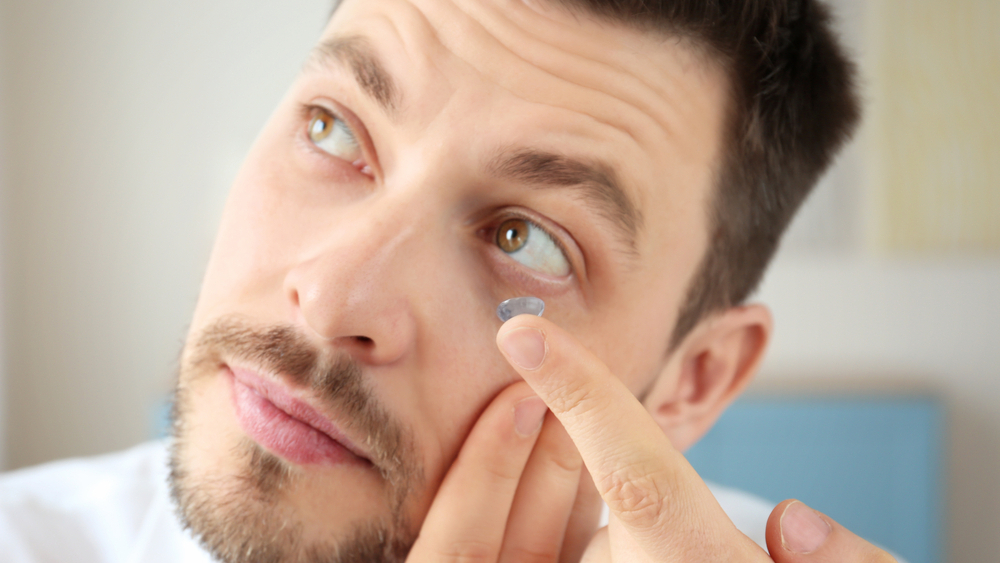
Contact lenses – you either love them or can’t wear them. If you are a contact lens wearer you have more than likely noticed how far we have come in the development of contact lenses since you started using them. Perhaps you have also been guilty of ignoring the wearing and care instructions from your optometrist. In a recent study 99% of people admitted they practiced at least one bad habit with their contact lenses and that puts them at a higher risk for eye infections.

Contacts are a convenient alternative to wearing eyeglasses. If you are like many Americans you have become quite accustomed to your contacts and may sometime forget you have them in. This usually leads to pushing the envelope on wearing them or leaving contacts in at times when you should not. Contaminated solutions can lead to infection. Are you changing the solution in your cases daily?

While contacts are more convenient and provide a greater range of clarity than glasses, improper handling can lead to eye infections. People who wear contact lenses have a higher risk for keratitis, an infection of the cornea, the clear outer covering of your eye. They’re also called corneal ulcers. Viruses, bacteria, fungi, and a rare but serious eye parasite can also cause keratitis.

Depending on the type of contact lenses you have, some of the most common misuses for contacts are:

  • Wearing contact lenses overnight while sleeping.
  • Napping while wearing lenses.
  • Nonuse of a sterile wetting solution
  • Topping off your disinfecting solution in lens storage case rather than emptying it and using new solution.
  • Using your contact lenses longer than recommended.
  • Not replacing the lens storage case at least once every 3 months.

Not surprising that of those surveyed nearly one-third of respondents reported having red and or painful eye pain that resulted in a visit to the doctor.

Mild pinkeye can be caused by solutions used for cleaning contacts. It is important to clean your contacts thoroughly to remove any virus or bacteria from the contacts after having pinkeye. If the contacts are not thoroughly cleaned, they can re-infect your eye. Do not wear contact lenses until the pinkeye is gone. Sterilize your contacts, and clean your storage case. If you wear disposable contacts, use a new pair when your eye has cleared and it is safe to wear contacts again. Wait at least 2 days after the symptoms are gone before you wear contacts again.

Following these steps along with the recommended use from the contact lens manufacturer will help to prevent eye irritation or infection. If you do find that your eye becomes irritated take the contact lenses out immediately and use your prescription glasses. If the irritation and pain become worse or does not improve, seek medical attention immediately as these are signs of an infection in the eye.

Enjoy clearer vision with contact lenses, but follow the recommendations for care and cleaning to prevent infection.

About Bissell Eye Care: John D. Bissell, OD owns and operates Bissell Eye Care servicing Northern Pittsburgh and Alle-Kiski Valley regions. With two locations to treat patients, we offer evening and Saturday appointments. Bissell Eye Care provides comprehensive eye examinations for the entire family beginning as early as 6 months, ocular disease detection and treatment, eyeglasses, sunglasses, activewear, contact lenses, and low vision examinations for those with significant vision loss. We accept most types of vision and health insurance plans. For more information, visit bisselleyecare.com or call our Bakerstown Office at 724-443-6767 or Natrona Heights office at 724-226-0444.
October Is Eye Injury Prevention Month

Skilled carpenter cutting a piece of wood in his woodwork workshop, using a circular saw, and wearing safety googles and earmuffs, with other machinery in the background

October is Eye Injury Prevention Month. Did you know that nearly 2.5 million people suffer eye injuries each year in the United States, and nearly one million people have lost some degree of vision as a result of their injury? Do you always wear protective eyewear when performing home repairs or maintenance?

According to the fifth-annual Eye Injury Snapshot conducted by the American Academy of Ophthalmology and the American Society of Ocular Trauma found that:

  • Most people believe that eye injuries are most common on the job — especially in factories and on construction sites. But in fact, nearly half of all eye injuries occurred in the home.
  • Home repairs, yard work, cleaning, and cooking caused more than 40 percent of eye injuries.
  • More than a third of those injuries in the home happened in the kitchen, bedroom, bathroom, living or family room.
  • More than 40 percent of eye injuries every year are related to sports or recreational activities.
  • More than 78 percent of people were not wearing eyewear at the time of injury. Only 5.3 percent of those who were wearing eyewear

Most injuries could have been prevented by wearing protective eyewear.

Could your job land you in the doctor’s office or the ER with an eye injury? According to the U.S. Bureau of Labor Statistics, more than 20,000 workplace eye injuries happen each year. Injuries on the job often require one or more missed workdays for recovery. The Bureau of Labor Statistics states that nearly three out of every five workers injured were not wearing eye protection at the time of an accident. While you may believe it unnecessary to wear protective glasses at your job, consider the alternative of losing eyesight in one or both eyes.

Small business owners and independent contractors, you aren’t immune. How often do you work a “side job” without the proper eye protection? Whether you work for a large manufacturing company or are an independent business owner, you are subject to injury. Are you willing to take a risk as it could mean the loss of work, wages and career with no safety net to ensure your financial future?

To help prevent eye injuries and make your workplace safer and take steps to protect your eyesight. Follow the OSHA rules regulations and guidelines.

Eye injuries are not limited to the workplace. Think about the things you do around the house to get ready for winter. Flying debris or other small particles can be created from outside jobs such as trimming shrubs, raking leaves, mowing the lawn and cleaning up after a wind storm. These particles can get into your eyes and have the potential to scratch or damage your eye. Put on protective eyewear before you use a lawnmower, power trimmer or edger and be sure to check for rocks and stones when mowing as they can become dangerous projectiles as they shoot from these machines.

When we think of fall cleanup –many things can occur around the house to get your home ready for winter. Closing up swimming pools, cleaning windows and gutters, as well as other projects around the house that involve the use of chemicals can lead to injury. Splashing chemicals can burn your eyes causing permanent damage. When using household chemicals, be sure to work in a well-ventilated area and keep the spray nozzle pointed away from you. Read the labels of chemicals and cleaners carefully, and don’t mix products.

Flying fragments, fumes, dust particles, sparks can occur in the workshop or while doing woodworking projects. For those car buffs, battery acid sparks and debris from damaged or improperly jump-started auto batteries can severely damage your eyes. Learn the proper way to jump-start an automobile, and keep protective goggles in the trunk of your car to use for those emergencies and every day repairs.
We recommend that every household have at least one pair of ANSI-approved protective eyewear to be worn when doing projects and activities at home to safeguard against eye injuries.

At Bissell Eye Care, we have many options for safety and sports eyewear available both our Bakerstown and Natrona Heights locations. If you would like to invest in your eye health, consider purchasing a reliable pair of safety glasses! As always, UV Protection is also important for optimum ocular health. Ensuring that the exposure of the eye to harmful UV radiation is as limited as possible is equally as important as wearing protective glasses during risky activities. Sunglasses may be covered under your insurance care provider (especially if they are dispensed with your current prescription).

If you have any questions or concerns or would like to schedule an appointment for an eye examination, call us today! Knowledge is power, keep yourself safe and eyes healthy through proper eye safety protection.

About Bissell Eye Care: John D. Bissell, OD owns and operates Bissell Eye Care servicing Northern Pittsburgh and Alle-Kiski Valley regions. With two locations to treat patients, we offer evening and Saturday appointments. Bissell Eye Care provides comprehensive eye examinations for the entire family beginning as early as 6 months, ocular disease detection and treatment, eyeglasses, sunglasses, activewear, contact lenses, and low vision examinations for those with significant vision loss. We accept most types of vision and health insurance plans. For more information, visit bisselleyecare.com or call our Bakerstown Office at 724-443-6767 or Natrona Heights office at 724-226-0444.
MILITARY RECOGNITION AND FOURTH OF JULY CELEBRATIONS!

We’d like to take a moment and recognize our service men and women, as well as their families, for the sacrifices they’ve made in protecting our freedom.

As we celebrate the 4th of July, families are planning their picnics, vacations and fireworks celebrations. When you begin your search for fireworks, you look for the best deals, the most spectacular displays, and the biggest bang for your buck. Many people tend to overlook safety, which can result in your holiday being much less spectacular than expected.

According to the U.S. Consumer Product Safety Commission’s most recent annual fireworks injury report, fireworks caused eight deaths and nearly 13,000 injuries in 2017. Two-thirds of the fireworks injuries treated in emergency rooms happened between mid-June and mid-July.

Children and young adults are frequent victims. Children age 15 and under accounted for 36% of the total injuries, according to the commission’s report. And half of the injuries requiring an emergency room visit were to people age 20 or younger. As fun as they seem for kids, sparklers can be dangerous as they burn at more than 2,000 degrees Fahrenheit. Sparklers were responsible for 1,200 of the injuries in the latest report.

Some of the most commonly experienced eye injuries from fireworks are: burns, lacerations, abrasions, retinal detachment ruptured eyeballs and optic nerve damage. An important misconception is that once the firework explodes it is no longer dangerous. However, the sparks that produce the amazing glow often burn at temperatures over 1000 degrees and fireworks release shrapnel as they explode.

As you prepare to celebrate and light off your own fireworks or watch a spectacular show put on by professionals.

Here are some tips to help keep you and your loved ones safe this year:

  • Contact your local fire department if a firework does not explode to properly handle it.
  • Never let children play with fireworks. Even sparklers can be very dangerous to young children.
  • ALWAYS wear approved protective eyewear if you plan on detonating fireworks.
  • Abide by ALL safety barricades and give yourself extra room well behind them at least 500-1000 feet away!
  • Leave the building and launching of professional grade fireworks to the professionals.

If you are injured from fireworks be sure to seek medical attention immediately. Be sure to follow these safety tips to help prevent making the injury worse.

  • Do not remove any objects that are stuck in or protruding from your eye.
  • Do not rinse or add a solution to your eye.
  • Do not rub your eyes.
  • If any foreign objects enter the eye do not take any pain killers that will cause your blood to thin such as aspirin or ibuprofen.

Remember this year as you venture out to celebrate our nation’s freedom and independence that it’s important to respect fireworks. They are not a toy and can cause serious damage to not only your eyes but also to other parts of your body. Have a safe and happy holiday.

About Bissell Eye Care: John D. Bissell, OD owns and operates Bissell Eye Care servicing Northern Pittsburgh and Alle-Kiski Valley regions. With two locations to treat patients, we offer evening and Saturday appointments. Bissell Eye Care provides comprehensive eye examinations for the entire family beginning as early as 6 months, ocular disease detection and treatment, eyeglasses, sunglasses, activewear, contact lenses, and low vision examinations for those with significant vision loss. We accept most types of vision and health insurance plans. For more information, visit bisselleyecare.com or call our Bakerstown Office at 724-443-6767 or Natrona Heights office at 724-226-0444.

man working on underside of car wearing safety glasses

EYE INJURY PREVENTION MONTH

man working on underside of car wearing safety glassesOctober is Eye Injury Prevention Month. Did you know that nearly 2.5 million people suffer eye injuries each year in the United States, and nearly one million people have lost some degree of vision as a result of their injury? Most injuries could have been prevented with protective eyewear.

Could your job land you in the doctor’s office or the ER with an eye injury? According to the U.S. Bureau of Labor Statistics, more than 20,000 workplace eye injuries happen each year. Injuries on the job often require one or more missed workdays for recovery. The Bureau of Labor Statistics states that nearly three out of every five workers injured were not wearing eye protection at the time of an accident. While you may believe it unnecessary to wear protective glasses at your job, consider the alternative of losing eyesight in one or both eyes.

Small business owners and independent contractors, you aren’t immune. How often do you work a “side job” without the proper eye protection? Whether you work for a large manufacturing company or are an independent business owner, you are subject to injury. For the small business owner, it could mean the loss of work, wages and career with no safety net to ensure your financial future.

To help prevent eye injuries and make your workplace safer, take steps to protect your eyesight. Follow the OSHA rules regulations and guidelines.

Eye injuries are not limited to the workplace. Think about the things you do around the house to get ready for winter. Flying debris or other small particles can be created from outside jobs such as trimming shrubs, raking leaves, mowing the lawn and cleaning up after a wind storm. These particles can get into your eyes and have the potential to scratch or damage your eye. Put on protective eyewear before you use a lawnmower, power trimmer or edger and be sure to check for rocks and stones when mowing as they can become dangerous projectiles as they shoot from these machines

Closing up swimming pools, cleaning windows and other projects around the house that involve the use of chemicals can lead to injury. Splashing chemicals can burn your eyes causing permanent damage. When using household chemicals, be sure to work in a well-ventilated area and keep the spray nozzle pointed away from you.

Flying fragments, fumes, dust particles, sparks can occur in the workshop or while doing woodworking projects. For those car buffs, battery acid sparks and debris from damaged or improperly jump-started auto batteries can severely damage your eyes. Learn the proper way to jump-start an automobile, and keep protective goggles in the trunk of your car to use for those emergencies and everyday repairs.

We recommend that every household have at least one pair of ANSI-approved protective eyewear to be worn when doing projects and activities at home to safeguard against eye injuries.

At Bissell Eye Care, we have many options for safety and sports eyewear available at both our Bakerstown and Natrona Heights locations. If you would like to make an investment in your eye health, consider purchasing a reliable pair of safety glasses! As always, UV Protection is also important for optimum ocular health. Ensuring that the exposure of the eye to harmful UV radiation is as limited as possible is equally as important as wearing protective glasses during risky activities. Sunglasses may be covered under your insurance care provider (especially if they are dispensed with your current prescription). If you have any questions or concerns or would like to schedule an appointment for an eye examination, call us today! Knowledge is power. Keep yourself safe and eyes healthy through proper eye safety protection.

About the author: John D. Bissell, owner of Bissell Eye Care and Tri-State Low Vision Services, offers comprehensive eye examinations for the entire family, ocular disease detection and treatment, eye glasses, sun glasses, active wear, contact lenses, and low vision examinations for those with significant vision loss. He has undergone specialized training for treatment of low vision by the International Academy of Low Vision Specialists utilizing customized telescopic eyeglasses, prisms and telescopic implants for patients who qualify. The practice accepts most types of vision and health insurance plans.

EXTREME SPORTS REQUIRE CLARITY

For many Americans, spring cleaning is not only a time to clean, but time to pull the fun toys out of storage. Toys such as the pair of jet skis neatly tucked away in the back of the garage or the four-wheeler that is out in the shed. While most thrill seekers take safety precautions when riding these vehicles, eye protection is often forgotten.

With all the excitement these high intensity motorsports deliver, most can’t wait to hop on and go, whether on water or through the woods. While many people remember the big ticket safety items such as the helmet or life vests, they often forgo eye protection, as part of their standard safety equipment.

The thrill of blazing down the trails on your four-wheeler, or skimming up one of our 3 rivers sitting atop a high-power jet ski, is what makes summer so appealing. You get ready for the season by taking care of your toys and doing such things as changing the oil or putting a new set of tires. But are you making sure you are ready to get out and get going with proper safety equipment?

Walking down the ramp to the dock, you throw on a life vest, jump on the Jet Ski and you take off full throttle down the river. What could go wrong? With your life vest on you are fully confident that you will float back to the surface if you are thrown off. But what if you aren’t thrown off? Can’t get hurt, right? There you are, cruising down the river and bam, catch a bug or piece of debris from the river in the face, even worse, a direct shot into the eye. While having a bug fly into your eye is bad enough, compound that with you traveling at 40+ mph.

This scenario is played out every year, and many times it ends with the rider taking a trip to the emergency room or to see their eye doctor. The impact of the bug to your eye can cause damage that can permanently affect your vision. A simple pair of sunglasses or goggles will not only help to prevent a bug from entering your eye, but will also help to reduce dry eye from the wind you experience at high speed. Sunglasses will also protect your eyes from the UV rays of the sun as they reflect off the water.

Off to camp you go as you back your four-wheeler off of the trailer and throw on your helmet, riding pants, boots, and t-shirt. Down the trail into the woods, hitting familiar trails throughout Western PA. Your goggles fog up so you take them off. It is all too easy to not think twice about taking them off as you can now see clearly again. That’s when it hits you, the branch you didn’t see hanging down over the trail.

Unfortunately this time you don’t have goggles on and it hits your face giving you an orbital fracture, or a fracture of the bone surrounding your eye. Some riders may experience a scratched cornea. Without safety goggles there is nothing to absorb the impact of the branch and you take the brunt of the impact. This fun weekend just took a turn down a wrong path as you now are faced with having to go to the emergency room.

Having the right eye protection when you are enjoying the outdoors, whether it is over the river or through the woods, can help to keep you safe as you enjoy your summer. Proper eye protection when using high octane personal vehicles can reduce the chances of injury from a foreign object impact, wind causing dry eye and UV rays from the sun. Be sure you sport up with the right eye protection. If you are unsure, give our office a call. At Bissell Eye Care, we carry a variety of sports eye wear. Summer is right around the corner. Make it a safe one.

About the author: John D. Bissell, owner of Bissell Eye Care and Tri-State Low Vision Services, offers comprehensive eye examinations for the entire family, ocular disease detection and treatment, eye glasses, sun glasses, active wear, contact lenses, and low vision examinations for those with significant vision loss. He has undergone specialized training for treatment of low vision by the International Academy of Low Vision Specialists utilizing customized telescopic eyeglasses, prisms and telescopic implants for patients who qualify. The practice accepts most types of vision and health insurance plans.

sports-eye-protection-performance

EYE INJURIES AND SPORTS

sports-eye-protection-performanceWith spring sports right around the corner, as you suit up think about eye protection. Planning ahead and having the proper eye gear when the season starts will help to keep you and your kids safe as they play a variety of sports this spring.

A Sports Safety Report by The Vision Council Academy of Ophthalmology, recommends protective eyewear for any sport, even for children who don’t wear glasses or contacts. Some states and sport organizations have requirements for shin guards but not for sports protective eyewear

Eye injuries most often occur in baseball, basketball, ice hockey and racquet sports, yet few parents encourage their children to wear protective eyewear when playing these sports

For children 14 and under, baseball is a leading cause of sports-related eye injury. With nearly 31,000 people a year suffering injuries from eye related sports injuries, now is the time to plan. Wearing the proper protective eye gear can mean the difference between a successful season and an unfavorable one.

In baseball, ice hockey and men’s lacrosse, a helmet with a polycarbonate (an especially strong, shatterproof, lightweight plastic) face mask or wire shield should be worn at all times. It is important that hockey face masks be approved by the Hockey Equipment Certification Council or the Canadian Standards Association (CSA).

The following chart from the Vision Council Academy of Ophthalmology represents the recommended type of eye protection for a given sport.

sports-eye-protection

Many people who wear prescription glasses often feel as though they provide sufficient protection from eye injuries associated with sports. Glasses, however, are not designed to withstand an impact. Sportswear glasses or goggles developed for sports are constructed of a much stronger plastic that is designed to absorb the impact without shattering or breaking.

If you do use prescription glasses you may find that having prescription glasses created for sports use may help to improve your game! Most eyewear designed for the rugged usage associated with sport provide a wraparound type of lens. This will help to prevent any foreign object from entering the sides of the eye where normal prescription glasses do not cover. This also means that with safety sportswear glasses, you have a much larger range of vision, which may help to improve your game.

For those who don’t wear prescription glasses, safety glasses have come a long way and in many cases, look very similar if not identical to sunglasses. For night games and practices, glasses also come with clear to bright tinting which may help to improve your night vision.

Make sure the level of eye protection you or others in your family use is appropriate for the type of activity. Whether you are a parent, teacher, or coach, you can encourage schools to adopt a policy on protective eyewear. Meanwhile, parents and coaches should insist that children wear protective eyewear whenever they play sports and be good role models and wear it themselves.

About the author: John D. Bissell, owner of Bissell Eye Care and Tri-State Low Vision Services, offers comprehensive eye examinations for the entire family, ocular disease detection and treatment, eye glasses, sun glasses, active wear, contact lenses, and low vision examinations for those with significant vision loss. He has undergone specialized training for treatment of low vision by the International Academy of Low Vision Specialists utilizing customized telescopic eyeglasses, prisms and telescopic implants for patients who qualify. The practice accepts most types of vision and health insurance plans.