
A group of young children in Halloween costumes on a front porch, representing how to protect your vision this Halloween

Spooky Season Safety: How to Protect Your Vision This Halloween

Halloween is a time for fun costumes, creative decorations, and plenty of spooky adventures. But while you’re planning your costume and gearing up for trick-or-treating, it’s important to remember that certain elements of Halloween fun can pose risks to your vision. The doctors at Bissell Eye Care want to help you enjoy the holiday while staying safe. Let’s talk about how to protect your eyes from costume-related hazards, including masks, trip hazards, and non-prescription decorative contacts.

Masks and Obstructed Vision

Wearing a mask is a quick way to transform into your favorite spooky character, but some masks can block your field of vision, making it difficult to see clearly. This is especially dangerous when walking in dimly lit areas or navigating stairs and uneven surfaces.

  • Opt for face paint or makeup rather than full-face masks to maintain clear vision.
  • If a mask is essential for your costume, make sure the eye holes are large enough for an unobstructed view.
  • Avoid wearing masks while walking long distances or in unfamiliar areas.

Trip Hazards in Dark Costumes

Black capes, long dresses, and flowing fabrics are common for Halloween costumes, but they can also become trip hazards, especially in low light. The combination of dark streets, reduced visibility, and flowing costumes can lead to accidents that harm not just your body but your eyes as well.

  • Hem long costumes to avoid tripping.
  • Carry a flashlight or use reflective tape on your costume for better visibility.
  • Make sure shoes are secure and comfortable for walking.

Decorative Contacts: The Hidden Danger

Decorative or “cosmetic” contact lenses can be a fun way to enhance your Halloween look, but using non-prescription lenses is dangerous. Non-prescription lenses may not fit properly, leading to corneal abrasions, infections, and even vision loss.

  • Only purchase decorative lenses from reputable sources with a prescription.
  • Never share contact lenses with others.
  • Always follow proper contact lens hygiene: clean your lenses, store them correctly, and never wear them for longer than directed.

Glow Sticks

Glow sticks offer several key benefits for safety on Halloween, especially when trick-or-treating in low-light conditions. Here’s why they are a smart choice:

  • Increased Visibility – Glow sticks emit a bright, noticeable light that helps make you more visible to drivers and others in the dark. This is especially important for children walking along streets, as they may be harder to spot in dimly lit areas.
  • No Need for Batteries – Unlike flashlights, glow sticks don’t require batteries, so you don’t have to worry about them losing power during the night. Once activated, they provide several hours of continuous light.
  • Hands-Free Safety -Glow sticks are lightweight and can easily be worn as necklaces, bracelets, or attached to costumes, leaving hands free for holding bags, candy, or guiding younger children.
  • Non-Heat Emitting – Since glow sticks don’t generate heat, they are safer to carry around, particularly for children, as there’s no risk of burns or fires compared to candles or open flames.
  • Cost-Effective – Glow sticks are inexpensive, making them an affordable safety option for Halloween, especially if you need multiple lights for a group.

General Safety Tips for Halloween

In addition to costume-related hazards, keep these general eye safety tips in mind:

  • Beware of sharp costume props like wands or swords that could accidentally poke someone in the eye.
  • Use hypoallergenic makeup and avoid applying it too close to your eyes. Be sure to remove it before bed to prevent irritation or infection.

Halloween is a time to get creative and enjoy some spooky fun, but it’s important to keep your safety and vision a top priority. By using glow sticks, trick-or-treaters and party-goers can enhance their safety in a fun, colorful way while staying visible in the dark. The staff at Bissell Eye Care wish you a safe and frightfully fun Halloween night.


About Bissell Eye Care: John D. Bissell, OD owns and operates Bissell Eye Care servicing Northern Pittsburgh and Alle-Kiski Valley regions. With two locations to treat patients, we offer evening appointments. Bissell Eye Care provides comprehensive eye examinations for the entire family beginning as early as 6 months, ocular disease detection and treatment, eyeglasses, sunglasses, activewear, contact lenses, and low vision examinations for those with significant vision loss. We accept most types of vision and health insurance plans. For more information, visit bisselleyecare.com or call our Bakerstown Office at 724-443-6767 or Natrona Heights office at 724-226-0444.

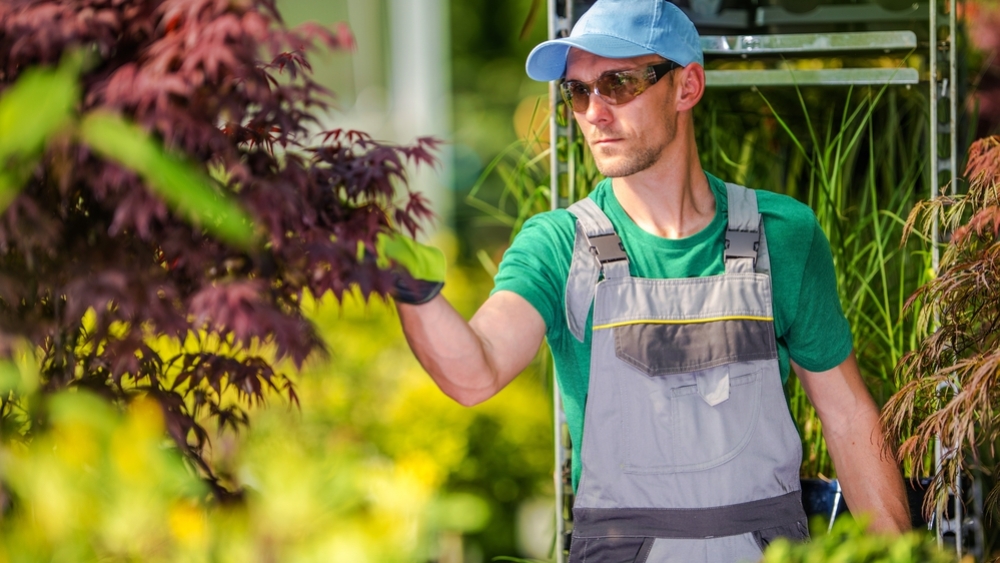
Eye protection - Caucasian Florist at Work

SPRING CLEAN UP AND EYE PROTECTION

Spring brings with it the urge to throw open the windows, let in the fresh air, and tackle those long-neglected chores. Spring cleaning isn’t just about tidying up our living spaces; it’s also an opportunity to refresh and revitalize our outdoor surroundings. From decluttering closets to scrubbing floors and clearing winter debris from flowerbeds, we throw ourselves into tasks with gusto. But amidst the hustle and bustle, it’s easy to overlook the importance of eye safety.

The Hazards of Cleaning Chemicals

Many household cleaning products contain chemicals that can be harmful if they come into contact with our eyes. Spraying, wiping, and scrubbing can inadvertently lead to splashes or fumes reaching our eyes, causing irritation or even damage. To protect yourself, always read labels carefully, use products in well-ventilated areas, and wear safety glasses or goggles when handling cleaning chemicals.

Yard Work: A Potential Danger Zone

As we transition from indoor to outdoor chores, the risk of eye injuries doesn’t disappear—in fact, it may increase. Yard work involves activities such as mowing the lawn, trimming hedges, and raking leaves, all of which can propel debris into the air. Flying branches, rocks, or even stray insects pose a threat to our eyes, making protective eyewear important.

Safety Glasses: Your Springtime Sidekick

When it comes to eye protection, safety glasses are your best friend. Unlike regular eyeglasses, safety glasses are designed to withstand impact and shield your eyes from flying objects, chemicals, and debris. They come in various styles, including wraparound frames for maximum coverage, and are available with prescription lenses if needed. Before starting any cleaning or yard work, don’t forget to put on your safety glasses to safeguard your vision.

Tips for Eye Safety During Spring Cleaning and Yard Work:

  • Wear Safety Glasses: Invest in a pair of high-quality safety glasses or goggles and wear them consistently during cleaning and yard work.
  • Read Labels: Familiarize yourself with the chemicals in cleaning products and follow safety instructions to avoid accidents.
  • Ventilation is Key: Use cleaning products in well-ventilated areas to minimize exposure to fumes.
  • Mind Your Surroundings: Be aware of potential hazards in your environment, such as loose branches or rocks, and take precautions to avoid accidents.
  • Stay Focused: Avoid distractions while operating machinery or handling cleaning chemicals to reduce the risk of accidents.
  • Take Breaks: Give your eyes a rest periodically, especially during prolonged cleaning or yard work sessions, to prevent fatigue and strain.

Eye Emergencies:

Eye Emergencies do occur and are often accompanied by pain. When should you act and seek emergency eye care? At Bissell Eye Care, we have invested in state-of-the-art technology that can look into the back of the eye to determine what steps should be taken.

Situations like getting hit in the eye, chemical burn, sudden onset of blurry or loss of vision, eye scratches, flashes of light or floaters, and abrupt headaches with or without visual impacts would qualify as an emergency and should be checked. Sudden or noticeable change in the quality of your vision must be addressed quickly.

Remember, if an eye injury does occur despite precautions, seek medical attention immediately. Your eyes are precious—protect them at all costs. Don’t hesitate to contact Bissell Eye Care at 724-443-6767 or 724-226-0444 for evaluation and treatment. Prompt intervention can help alleviate symptoms and prevent future eye damage.

Your best line of protection starts by wearing safety glasses, reading labels, and staying vigilant. So, grab your safety glasses, roll up your sleeves, and let’s make this spring a safe and sparkling one!


About Bissell Eye Care: John D. Bissell, OD owns and operates Bissell Eye Care servicing Northern Pittsburgh and Alle-Kiski Valley regions. With two locations to treat patients, we offer evening appointments. Bissell Eye Care provides comprehensive eye examinations for the entire family beginning as early as 6 months, ocular disease detection and treatment, eyeglasses, sunglasses, activewear, contact lenses, and low vision examinations for those with significant vision loss. We accept most types of vision and health insurance plans. For more information, visit bisselleyecare.com or call our Bakerstown Office at 724-443-6767 or Natrona Heights office at 724-226-0444.
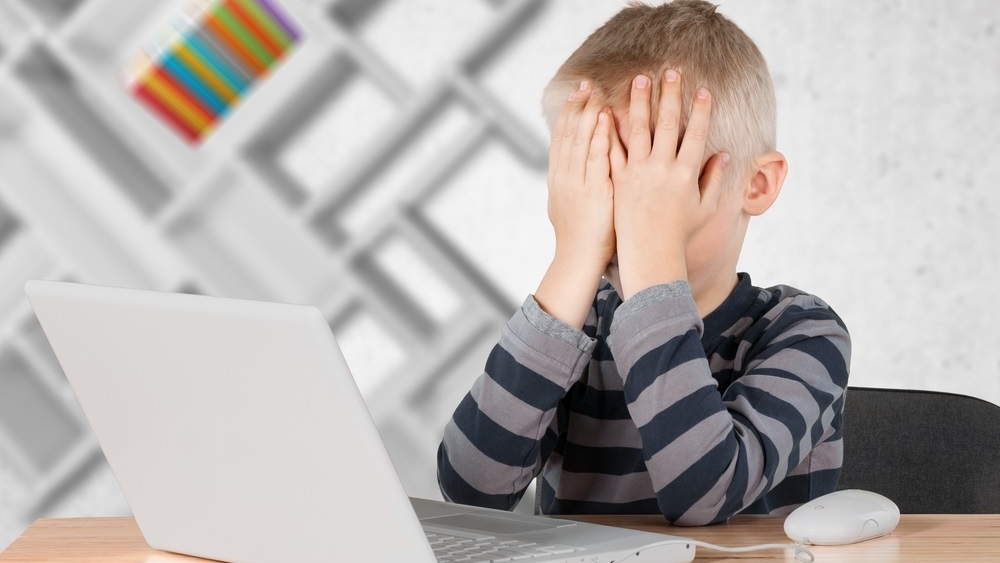
A Little Boy With His Hands Over His Eyes Sitting In Front Of His Computer

From Backpacks to Blue Light: Tips on Preserving Eye Health in the Back-to-School Hustle

The excitement of going back to school is often accompanied by a flurry of preparations, from shopping for school supplies to adjusting to new routines. However, in our increasingly digital world, another aspect that parents need to be mindful of is the potential for eye strain and blue technology overload in children. 

Do you find yourself spending more time in front of your computer? Working from home, remote learning for your kids, texting, social media, TV – we never seem to be able to take a break from technology. The artificial blue light emitted from our smart devices is high-energy and can have some long-term effects on our vision.

Blue light is all around us, there are both natural blue light and artificial blue light. Natural blue light comes from the sun. It is a short wavelength of visible blue light and high in energy. Artificial blue light, also a short wavelength of visible blue light, is high-energy and remains high all the time. Prolonged exposure to blue light has been shown to damage the retina, the part of the eye that detects qualities such as color and light intensity.

Signs of Blue Technology Overload:

The term “blue technology overload” refers to the excessive use of digital devices that emit blue light, such as smartphones, tablets, computers, and even LED lighting. Blue light has a shorter wavelength and higher energy compared to other visible light, and prolonged exposure can have negative effects on our eyes and sleep patterns.

Do your children mention or complain of the following symptoms?

  • Eye Discomfort: One of the most common signs is eye discomfort or strain. Children might complain of dryness, irritation, or a burning sensation in their eyes after extended periods of screen time.
  • Digital Eye Strain: Also known as “computer vision syndrome,” this can manifest as headaches, blurred vision, and difficulty focusing on objects at different distances.
  • Sleep Disturbances: Exposure to blue light, especially before bedtime, can interfere with the body’s natural production of melatonin, a hormone that regulates sleep. This can lead to difficulties falling asleep and disrupted sleep patterns.
  • Irritability and Fatigue: Too much screen time can contribute to increased irritability and fatigue, affecting your child’s mood and overall well-being.

How to Minimize Blue Light Exposure:

While it might be challenging to eliminate screen time, there are several steps you can take to minimize your child’s exposure to blue light and reduce the risk of eye strain:

  • Set Screen Time Limits: Establish clear rules regarding screen time duration. Encourage breaks every 20-30 minutes to give their eyes a rest.
  • Use Blue Light Filters: Many devices now offer built-in blue light filters that can be activated to reduce the amount of blue light emitted. Additionally, consider installing screen-filtering apps or software that adjust the color temperature of the display.
  • Promote Outdoor Activities: Encourage your child to engage in outdoor activities and spend time away from screens. This not only reduces blue light exposure but also supports their overall physical and mental well-being.
  • Create a Device-Free Bedtime Routine: Establish a device-free period at least an hour before bedtime to help your child’s body adjust to the natural sleep-wake cycle.
  • Proper Lighting: Ensure that the room where your child uses digital devices has appropriate lighting. Avoid harsh overhead lighting that can contribute to glare on screens.
  • Regular Eye Exams: Schedule regular eye exams for your child. An eye care professional can detect early signs of eye strain and provide guidance on maintaining healthy vision.
  • Encourage Healthy Habits: Teach your child the importance of the 20-20-20 rule: Every 20 minutes, look at something 20 feet away for at least 20 seconds. This helps relax eye muscles.

As the new school year approaches, it’s important to strike a balance between the benefits of technology in education and the potential risks it poses to our children’s eye health and well-being. By understanding the signs of blue technology overload and adopting healthy screen time habits, you can ensure that your child’s back-to-school experience is not only productive but also comfortable and safe for their eyes. For questions about blue light protection and eye strain, call our office at 724-443-6767 or 724-226-0444.


About Bissell Eye Care: John D. Bissell, OD owns and operates Bissell Eye Care servicing Northern Pittsburgh and Alle-Kiski Valley regions. With two locations to treat patients, we offer evening and Saturday appointments. Bissell Eye Care provides comprehensive eye examinations for the entire family beginning as early as 6 months, ocular disease detection and treatment, eyeglasses, sunglasses, activewear, contact lenses, and low vision examinations for those with significant vision loss. We accept most types of vision and health insurance plans. For more Information, visit bisselleyecare.com or call our Bakerstown Office at 724-443-6767 or Natrona Heights office at 724-226-0444.
eye inuries

Eye Injury Prevention Month: How Can You Stay Safe?

October is Eye Injury Prevention Month. You can experience serious eye injuries while at home, at work, or at play. According to experts, more than 90 percent of eye injuries could be prevented with the use of protective eyewear and some simple precautions.

At Home: When to Use Eye Protection

Closing your pool? Cleaning the house in anticipation of the holidays? Eye injuries due to cleaning chemicals account for over 125,000 eye injuries each year. Eye injuries are also commonly caused during home improvement and yard work. Despite these common injuries, only 3 out of 10 people wear protective eyewear.

The American Academy of Ophthalmologists, recommends wearing protective eyewear if what you are doing involves hazardous chemicals or other substances that could damage your eyes upon contact, flying debris, or other small particles and projectiles. The most effective eyewear is that with a snug fit and wrap-style frame to keep airborne particles from getting behind the lenses.

Staying Safe at Work

According to the U.S. Bureau of Labor Statistics, about 20,000 eye injuries occur in the workplace annually and often require at least one missed workday for recovery. Workplace eye injuries can range from simple strain to severe and permanent damage. The Occupational Safety and Health Administration (OSHA) determines the eye protection needed to do your job safely. Your company’s human resources department or OSHA compliance overseer will provide the proper guidance on eye safety. (Source: Prevent Workplace Eye Injuries)

Play it Safe: Sports Eye Protection

Eye injuries can also occur in sports and other physical activities. It is essential to consider which kind of eye protection is appropriate for you, as regular eyeglasses can pose more harm than good if they shatter. Projectiles and other sharp objects increase the risk of eye injury, so consider protective sports glasses with shatterproof plastic, also known as polycarbonate lenses, when engaging in sports such as basketball (the leading cause of sports-related eye injuries), racquet sports, soccer, and field hockey.

When selecting your protective eyewear, choose those that have been tested to meet the American Society of Testing and Materials (ASTM) standards or that pass the CSA racquet sports standard. (Source: Sports Eye Safety)

To learn more about eye safety, or to schedule your annual eye exam, give our offices a call at 724-443-6767 or 724-226-0444.


About Bissell Eye Care: John D. Bissell, OD owns and operates Bissell Eye Care servicing Northern Pittsburgh and Alle-Kiski Valley regions. With two locations to treat patients, we offer evening and Saturday appointments. Bissell Eye Care provides comprehensive eye examinations for the entire family beginning as early as 6 months, ocular disease detection and treatment, eyeglasses, sunglasses, activewear, contact lenses, and low vision examinations for those with significant vision loss. We accept most types of vision and health insurance plans. For more information, visit bisselleyecare.com or call our Bakerstown Office at 724-443-6767 or Natrona Heights office at 724-226-0444.

Kick-Off-Spring-Sports

Kick Off Spring Sports

Spring sports are making their way into homes across the region and families are gearing up. Whatever sport your child enjoys, it’s important that his or her eyes are protected appropriately. Did you know according to the American Optometric Association, sports related injuries are the leading cause of school-age children’s eye injuries? Approximately 40,000 sports-related eye injuries are severe enough to require emergency room care in the United States every year, according to Prevent Blindness America. Experts say that 90% of these injuries could be prevented with protective eyeglasses.

NOW…the good news is that with proper protection, these injuries are preventable.

WHICH SPORTS CAUSE THE MOST EYE INJURIES?

Sports-related injuries in all age groups happen most often in basketball, racquet sports, and baseball. Other high-risk sports are hockey, football, lacrosse, boxing, and soccer. Not only are these sports high impact, but there is the risk of dust and dirt from the field of play.

The sport your child plays will determine the best protective glasses. Wearing glasses, sunglasses, or other non-ASTM (American Society for Testing and Materials) approved glasses can put you at a higher risk for injury. Eyewear that is not specifically designed to help protect your eye can shatter or break. These shards can enter the eye or the area around the eye and make wearing non-approved eye protection more dangerous than wearing nothing at all.

The guide below will help you determine which type of eye protection is necessary for the sport your child plays.

  • Baseball/Softball: Polycarbonate or wire faceguard attached to the helmet; sports goggles with polycarbonate lenses while on the field
  • Basketball: Sports goggles with polycarbonate lenses
  • Field hockey: Full face mask for the goalie; sports goggles with polycarbonate lenses/wire mesh goggles while on the field
  • Football: Polycarbonate eye shield attached to the helmet with wire face mask
  • Ice hockey: Helmet with full face protection
  • Lacrosse: Helmet with full face protection or sports goggles with polycarbonate lenses/wire mesh goggles
  • Paintball: Full-face-protection goggles – covering the cheeks, ears, and eyes – with eye protection lenses at least 1/10 inch thick
  • Racquet sports: Sports goggles with polycarbonate lenses

Most sports glasses are available with both prescription and non-prescription lenses, so even if your child does not need corrective lenses to see, the added protection of sports glasses can be beneficial. At the end of the day, your child’s personal preferences and type of sport they are involved in will be the best deciding factor for his or her sports glasses.


About Bissell Eye Care: John D. Bissell, OD owns and operates Bissell Eye Care servicing Northern Pittsburgh and Alle-Kiski Valley regions. With two locations to treat patients, we offer evening and Saturday appointments. Bissell Eye Care provides comprehensive eye examinations for the entire family beginning as early as 6 months, ocular disease detection and treatment, eyeglasses, sunglasses, activewear, contact lenses, and low vision examinations for those with significant vision loss. We accept most types of vision and health insurance plans. For more information, visit bisselleyecare.com or call our Bakerstown Office at 724-443-6767 or Natrona Heights office at 724-226-0444.
SPRING CLEANUP AND EYE PROTECTION


Gardener strimming and strimmer

It’s grass mowing, yard cleanup time of year. The leaves are out, flower beds are starting to show their color and you’re getting ready for summer entertaining. It’s important to be proactive about eye protection as you mow, trim, use weed whackers and hedge trimmers. The speed involved while using machinery can cause the unpredictable trajectory of clippings and debris.

While many people routinely don gardening gloves, sun hats, and mud boots, the eyes are often left exposed to everything from prickly branches to flinging rocks. All those powerful yard tools are great at cutting grass and leaves – but they’re also great at kicking up dirt, stones, dust, wood chips, and more. Your eyelids and eyelashes help keep some of the debris and dust out. Unfortunately, we see it all too often and it’s all too easy for something small to fly up and hit your eye when you least expect it!

Safety glasses provide a solid barrier to keep those flying stones and little bits of wood from striking your eye. They’re designed to cover more area around the eye including around the sides if you use a wrap-around style. Better than ordinary glasses, this type of safety glasses help minimize the possibility of something slipping under or around them.

Injuries from these flying objects run from small but painful scratches on the cornea to bits of dirt or wood actually getting stuck in your eye. As you can imagine, not only is this painful, it could impair your eyesight. The foreign objects have to be removed and your eye treated to prevent infections and repair damage.

The American Academy of Ophthalmology offers the following tips for common yard-work eye issues:

  • If sand or small debris gets in the eye, use an eyewash to flush the eye. Don’t rub the eye. If the debris doesn’t come out, lightly bandage the eye and see your eye doctor.
  • For blows to the eye, gently apply small cold compresses to reduce pain and swelling. Don’t apply any pressure. Seek emergency medical care if there is pain, reduced vision or discoloration, such as a black eye.
  • For cuts or punctures to the eye, bandage the eye without applying any pressure and seek emergency medical care immediately. Don’t attempt to wash the eye or remove any object stuck in the eye.

The eyes can be damaged by sun exposure too, not just chemicals, dust or objects, so make sure to wear UV protecting sunglasses while outdoors. Whether you are a professional landscaper or you mow your own lawn, don’t forget to protect your eyes while performing yardwork this spring and summer!

About the author: John D. Bissell, owner of Bissell Eye Care and Tri-State Low Vision Services, offers comprehensive eye examinations for the entire family, ocular disease detection and treatment, eye glasses, sun glasses, active wear, contact lenses, and low vision examinations for those with significant vision loss. He has undergone specialized training for treatment of low vision by the International Academy of Low Vision Specialists utilizing customized telescopic eyeglasses, prisms and telescopic implants for patients who qualify. The practice accepts most types of vision and health insurance plans.

man working on underside of car wearing safety glasses

EYE INJURY PREVENTION MONTH

man working on underside of car wearing safety glassesOctober is Eye Injury Prevention Month. Did you know that nearly 2.5 million people suffer eye injuries each year in the United States, and nearly one million people have lost some degree of vision as a result of their injury? Most injuries could have been prevented with protective eyewear.

Could your job land you in the doctor’s office or the ER with an eye injury? According to the U.S. Bureau of Labor Statistics, more than 20,000 workplace eye injuries happen each year. Injuries on the job often require one or more missed workdays for recovery. The Bureau of Labor Statistics states that nearly three out of every five workers injured were not wearing eye protection at the time of an accident. While you may believe it unnecessary to wear protective glasses at your job, consider the alternative of losing eyesight in one or both eyes.

Small business owners and independent contractors, you aren’t immune. How often do you work a “side job” without the proper eye protection? Whether you work for a large manufacturing company or are an independent business owner, you are subject to injury. For the small business owner, it could mean the loss of work, wages and career with no safety net to ensure your financial future.

To help prevent eye injuries and make your workplace safer, take steps to protect your eyesight. Follow the OSHA rules regulations and guidelines.

Eye injuries are not limited to the workplace. Think about the things you do around the house to get ready for winter. Flying debris or other small particles can be created from outside jobs such as trimming shrubs, raking leaves, mowing the lawn and cleaning up after a wind storm. These particles can get into your eyes and have the potential to scratch or damage your eye. Put on protective eyewear before you use a lawnmower, power trimmer or edger and be sure to check for rocks and stones when mowing as they can become dangerous projectiles as they shoot from these machines

Closing up swimming pools, cleaning windows and other projects around the house that involve the use of chemicals can lead to injury. Splashing chemicals can burn your eyes causing permanent damage. When using household chemicals, be sure to work in a well-ventilated area and keep the spray nozzle pointed away from you.

Flying fragments, fumes, dust particles, sparks can occur in the workshop or while doing woodworking projects. For those car buffs, battery acid sparks and debris from damaged or improperly jump-started auto batteries can severely damage your eyes. Learn the proper way to jump-start an automobile, and keep protective goggles in the trunk of your car to use for those emergencies and everyday repairs.

We recommend that every household have at least one pair of ANSI-approved protective eyewear to be worn when doing projects and activities at home to safeguard against eye injuries.

At Bissell Eye Care, we have many options for safety and sports eyewear available at both our Bakerstown and Natrona Heights locations. If you would like to make an investment in your eye health, consider purchasing a reliable pair of safety glasses! As always, UV Protection is also important for optimum ocular health. Ensuring that the exposure of the eye to harmful UV radiation is as limited as possible is equally as important as wearing protective glasses during risky activities. Sunglasses may be covered under your insurance care provider (especially if they are dispensed with your current prescription). If you have any questions or concerns or would like to schedule an appointment for an eye examination, call us today! Knowledge is power. Keep yourself safe and eyes healthy through proper eye safety protection.

About the author: John D. Bissell, owner of Bissell Eye Care and Tri-State Low Vision Services, offers comprehensive eye examinations for the entire family, ocular disease detection and treatment, eye glasses, sun glasses, active wear, contact lenses, and low vision examinations for those with significant vision loss. He has undergone specialized training for treatment of low vision by the International Academy of Low Vision Specialists utilizing customized telescopic eyeglasses, prisms and telescopic implants for patients who qualify. The practice accepts most types of vision and health insurance plans.

SUMMER ~ SUNSCREEN ~ SUNGLASSES

As we roll into summer, sunscreen and sunglasses are a winning combination. Sunglasses are an easy solution that makes life more comfortable when outdoors, while also providing critical protection from the sun’s damaging ultraviolet (UV) rays. But…all sunglasses don’t provide the protection you need to protect your eyes.

Long-term exposure to UV rays can damage the eye’s surface as well as its internal structures. This damage can sometimes lead to eye conditions such as cataracts (clouding of the lens) and macular degeneration (breakdown of the macula).

Did you know that glaucoma can make eyes highly sensitive to light and glare, with some glaucoma medications exacerbating the problem even further?

A brimmed hat whenever you’re in the sun long enough to get a suntan or a sunburn, is recommended along with sunglasses to help protect your eyes from the sun. If you have blue, green, or gray eyes, you may have noticed yourself squinting into the sunlight more than your brown-eyed counterparts. Light sensitivity — typically affects people with light eyes because they have less pigmentation in multiple layers of the eye than those with darker eyes.

Here are some things to keep in mind when shopping for sunglasses:

  • Look for UV protection.
  • Don’t be deceived by color or cost. The ability to block UV light is not dependent on the darkness of the lens or the price tag. Always choose sunglasses that are labeled as blocking 99-100% of UV rays.
  • Polarized lenses block out not only direct rays from the sun but also light reflecting off surfaces such as water, snow or reflective metals. Polarization is unrelated to UV protection, so you still need to ensure UV absorption of the lenses.
  • Blue light blocking.
  • Photo Chromic lenses adjust with the light and can be a compromise from buying dark lenses allowing you to see well in different level of brightness.
  • Wrap around frames and lenses add extra coverage and help to block out the light from all angles providing the best protection for your eyes. Some studies have shown that enough UV rays enter around standard sunglass frames to reduce the protective benefits of the lenses.
  • Check lenses for quality. Look for a uniform tint, not darker in one area than in another.

Special features in sunglasses can include:

Mirror coatings. These thin layers of various metallic coatings can reduce the amount of visible light entering the eyes. They are popular in high-glare environments and when combined with the wraparound feature, they can even provide added protection to the skin surrounding the eye area. UV protection, however, is not guaranteed.

Gradient. These lenses are permanently shaded from top to bottom or from top and bottom toward the middle.

Impact resistant. While all sunglasses must meet minimum FDA standards regarding impact resistance, no lens is truly shatterproof. Plastic lenses are less likely to shatter upon impact than glass lenses. And, polycarbonate plastic, used in many sports sunglasses, is even more impact resistant than regular plastic, but scratches easily. If you buy polycarbonate lenses, look for ones with scratch-resistant coatings.

Buying a pair of sunglasses that offer little more than looks and some shade for your eyes can not only fail you at blocking out the proper amount of sunlight, but they can also cause short term and long term damage to your eyes. Bissell Eye Care carries a full line of RXable (either prescription or nonprescription) sunglasses in a variety of styles and colors.

Wear sunglasses whenever you are outdoors, whether you are working, driving, participating in sports, taking a walk, running errands or doing anything in the sun. Remember this summer as you enjoy the nice weather it is important to protect not only your skin but also your eyes. If you have any questions about proper eye protection, stop in and see us so we can help you ensure you enjoy your summer!

About the author: John D. Bissell, owner of Bissell Eye Care and Tri-State Low Vision Services, offers comprehensive eye examinations for the entire family, ocular disease detection and treatment, eye glasses, sun glasses, active wear, contact lenses, and low vision examinations for those with significant vision loss. He has undergone specialized training for treatment of low vision by the International Academy of Low Vision Specialists utilizing customized telescopic eyeglasses, prisms and telescopic implants for patients who qualify. The practice accepts most types of vision and health insurance plans.

WINTER WEATHER EYECARE

Mother and children skiing in the mountains. Active mom and three kids with safety helmet, goggles and poles. Ski lesson for young children. Winter sport and snow fun for family. Child learning to ski

If you live in the Northeast, then you are well aware that this year is off to a blistering start. Erie has been buried in blizzard conditions with multiple feet of snow. Pittsburgh is shivering in the deep freeze. With December having temperatures near zero and wind chills below zero, many people find it a struggle to get bundled up to fight the cold.

For those who enjoy the outdoor sports associated with colder weather such as snow skiing, boarding, sled riding, riding snow mobiles or even ice fishing, it is important to have the right clothes to keep you warm and comfy as you brave the freezing temperatures.

Did you know that your eyes can get sunburned in the winter? Snow and ice reflect up to 80% of the sun’s ultraviolet (UV) rays. When you are out on the slopes, or sliding down the big hill in your yard, UV rays are hitting you from every angle.
UV exposure can cause a painful condition called photokeratitis, or “snow blindness.” While you can get snow blindness any time of the year it is most common in the winter due the amount of UV rays that are reflected off of the snow and ice.

Protecting your eyes during the winter months can also help to prevent:

  • Wrinkles around the eyes
  • Age-related macular degeneration
  • Cataracts

Exposure to extreme cold can also affect your eyes. Some of the symptoms of extreme cold exposure often include eye pain and blurred vision. The cornea, or the front of your eye, can freeze if temperatures are cold enough and your eyes are not protected.

So the question is, “Do you have the right eye protection to get through the winter?” Eye protection can range from sunglasses that have UV protection to protective goggles that not only protect your eyes from the UV rays but also can help to block out wind and cold.

Which type of eyewear is right for you? To answer that question, first you need to look at what type of outdoor activities are you planning on doing. If you are involved in an active sport such as snow skiing, snow tubing, or sled riding, goggles will help to protect from the sun, cold and even from debris getting into your eye. If you are out shoveling the driveway or grabbing the snow shoes to go for a walk through the woods, sunglasses may be your best bet.

In any case it is important to make sure that your eye protection has UV protection. Having the right gear this winter can help to keep you and your kids outside, playing in the snow and enjoying everything winter has to offer.

About the author: John D. Bissell, owner of Bissell Eye Care and Tri-State Low Vision Services, offers comprehensive eye examinations for the entire family, ocular disease detection and treatment, eye glasses, sun glasses, active wear, contact lenses, and low vision examinations for those with significant vision loss. He has undergone specialized training for treatment of low vision by the International Academy of Low Vision Specialists utilizing customized telescopic eyeglasses, prisms and telescopic implants for patients who qualify. The practice accepts most types of vision and health insurance plans.

THE SOLAR ECLIPSE

With the solar eclipse fast approaching, we see many news articles and TV interviews about the dangers of looking directly at the eclipse. As a child growing up, your parents more than likely than not told you to never look directly into the sun. Something that you probably ignored and still tried, just to be left seeing spots. On August 21, 2017, the United States will experience a solar eclipse and if you try to look at it, this too can leave you seeing spots; or in some cases, damage your retina.

A total solar eclipse happens when the sun is blocked from view by the moon. While it is much more common to see a partial solar eclipse, a total solar eclipse is much rarer. Here in Pennsylvania, we will see a partial eclipse, while southern states will see a full solar eclipse.

It is no surprise when we say that looking directly into the sun without proper eye protection can cause serious eye damage, even leading to vision loss. There are however safe ways to view a solar eclipse.

The safest way to look at the sun is by using solar-viewing glasses, eclipse glasses, or personal solar filters. All three of these are names for the same product. According to the safety recommendations from NASA, the lenses of these glasses are made from special filters that are hundreds of thousands of times darker than your UV protection sunglasses. The lenses on these solar-viewing glasses are so dark that you are not able to see anything other than the surface of the sun.

When you jump online to get your pair of glasses, beware, as NASA has changed the standards for glasses that are safe to use for viewing the sun. The new standard of ISO 12312-2 will ensure that you get the eye protection that you need. Some of the manufacturers that meet this standard are Rainbow Symphony, American Paper Optics, and Thousand Oaks Optical.

We want to stress that homemade filters or ordinary sunglasses, even sunglasses that are very dark, are not safe for looking at the sun, or an eclipse of the sun. If you plan on using binoculars or other magnifying devices, be sure to get the proper filter for them. Simply using solar-viewing glasses on them is not enough. The increased magnification can damage the lens of your solar-glasses and leave them less effective.

Be sure to protect your eyes on August 21, as you prepare to look at the moon as it crosses paths with the sun. While this rare occurrence is something to marvel, be sure to enjoy it with the proper eye protection so you don’t damage your eyes.

About the author: John D. Bissell, owner of Bissell Eye Care and Tri-State Low Vision Services, offers comprehensive eye examinations for the entire family, ocular disease detection and treatment, eye glasses, sun glasses, active wear, contact lenses, and low vision examinations for those with significant vision loss. He has undergone specialized training for treatment of low vision by the International Academy of Low Vision Specialists utilizing customized telescopic eyeglasses, prisms and telescopic implants for patients who qualify. The practice accepts most types of vision and health insurance plans.