
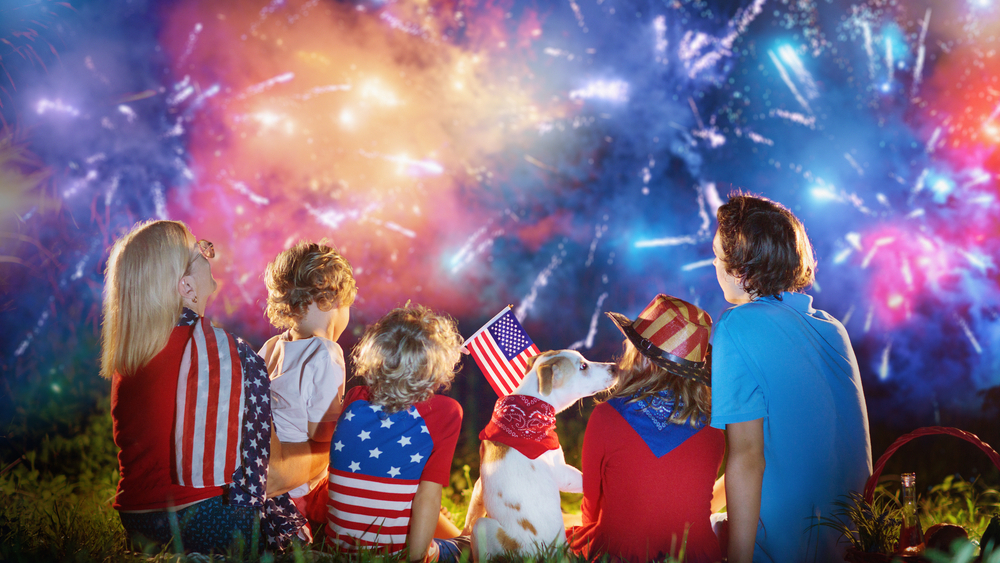
Fireworks safety - American family celebrating Independence Day. Picnic and fireworks on 4th of July - children sitting on ground watching fireworks celebration in big blue sky.

Fireworks Safety and Backyard Celebrations

We are starting to see displays of fireworks in local retail stores. Families are beginning to plan for Fourth of July celebrations. While these shows bring joy and excitement, it’s important to remember that fireworks can pose a risk to our eyes. In this blog, we’ll discuss the importance of fireworks safety, the dangers of sparklers for young children, and practical tips to protect your eyes during celebrations.

According to the American Academy of Ophthalmology “Fireworks caused 11 deaths and 10,200 injuries in 2022, according to the U.S. Consumer Product Safety Commission’s most recent annual fireworks injury report (PDF). Most fireworks injuries happen between mid-June and mid-July.

Fireworks are advertised like toys around the Fourth of July. You may think you know how to handle them safely. Regardless of how careful you are, flaws in equipment and explosives are a leading cause of fireworks injuries and deaths — and more people are harmed every year.”

The most vulnerable group is children and young adults, often due to improper handling and lack of protective measures.

Sparklers, often viewed as the safer alternative to larger fireworks, are deceptively dangerous, especially for young children.

Here’s why sparklers pose a significant risk:

  • High Temperatures: Sparklers can burn at temperatures exceeding 1,200 degrees Fahrenheit, hot enough to cause severe burns almost instantly.
  • Eye Hazards: The bright, sparkling light can lead to debris and sparks flying into the eyes, causing injuries ranging from minor irritations to serious burns.
  • Young Children’s Coordination: Children under five years old, who are often given sparklers, lack the fine motor control and understanding to handle them safely, increasing the risk of accidental injuries.

To keep kids safe, it’s best to consider alternatives like glow sticks or LED light wands, which provide fun without the danger.

The safest way to enjoy fireworks is at a professional fireworks display where experts handle the pyrotechnics. Watch from a safe distance to reduce the risk of injury. Stay at least 500 feet away from the fireworks launch site. This distance helps protect you from falling debris and potential malfunctions.

Wear protective eyewear if you’re handling fireworks or are in close proximity, wear safety goggles or shatterproof glasses. Regular glasses or sunglasses do not provide adequate protection. Only use fireworks as intended. Do not attempt to modify or combine them. Read and follow all instructions provided by the manufacturer. If a firework fails to ignite, do not try to relight it. Wait for at least 20 minutes and then soak it in water before disposing of it. Keep pets indoors during fireworks displays to prevent them from being startled or injured.

First Aid for Eye Injuries

Despite precautions, accidents can still happen. Knowing how to respond promptly can make a significant difference:

  • Do Not Rub the Eye: Rubbing can cause further damage.
  • Flush with Water: Use clean water to gently rinse the eye if debris or chemicals enter it.
  • Do Not Apply Pressure: Avoid putting pressure on the injured eye.
  • Seek Immediate Medical Attention: Contact an eye care professional or visit the emergency room immediately. Time is crucial in preventing long-term damage.

Fireworks add magic to our celebrations, but safety must always come first. By understanding the risks and taking appropriate precautions, you can protect your eyes and ensure a safe, enjoyable experience for everyone. Wishing everyone a safe and memorable 4th of July.


About Bissell Eye Care: John D. Bissell, OD owns and operates Bissell Eye Care servicing Northern Pittsburgh and Alle-Kiski Valley regions. With two locations to treat patients, we offer evening appointments. Bissell Eye Care provides comprehensive eye examinations for the entire family beginning as early as 6 months, ocular disease detection and treatment, eyeglasses, sunglasses, activewear, contact lenses, and low vision examinations for those with significant vision loss. We accept most types of vision and health insurance plans. For more information, visit bisselleyecare.com or call our Bakerstown Office at 724-443-6767 or Natrona Heights office at 724-226-0444.

Eye protection - Caucasian Florist at Work

SPRING CLEAN UP AND EYE PROTECTION

Spring brings with it the urge to throw open the windows, let in the fresh air, and tackle those long-neglected chores. Spring cleaning isn’t just about tidying up our living spaces; it’s also an opportunity to refresh and revitalize our outdoor surroundings. From decluttering closets to scrubbing floors and clearing winter debris from flowerbeds, we throw ourselves into tasks with gusto. But amidst the hustle and bustle, it’s easy to overlook the importance of eye safety.

The Hazards of Cleaning Chemicals

Many household cleaning products contain chemicals that can be harmful if they come into contact with our eyes. Spraying, wiping, and scrubbing can inadvertently lead to splashes or fumes reaching our eyes, causing irritation or even damage. To protect yourself, always read labels carefully, use products in well-ventilated areas, and wear safety glasses or goggles when handling cleaning chemicals.

Yard Work: A Potential Danger Zone

As we transition from indoor to outdoor chores, the risk of eye injuries doesn’t disappear—in fact, it may increase. Yard work involves activities such as mowing the lawn, trimming hedges, and raking leaves, all of which can propel debris into the air. Flying branches, rocks, or even stray insects pose a threat to our eyes, making protective eyewear important.

Safety Glasses: Your Springtime Sidekick

When it comes to eye protection, safety glasses are your best friend. Unlike regular eyeglasses, safety glasses are designed to withstand impact and shield your eyes from flying objects, chemicals, and debris. They come in various styles, including wraparound frames for maximum coverage, and are available with prescription lenses if needed. Before starting any cleaning or yard work, don’t forget to put on your safety glasses to safeguard your vision.

Tips for Eye Safety During Spring Cleaning and Yard Work:

  • Wear Safety Glasses: Invest in a pair of high-quality safety glasses or goggles and wear them consistently during cleaning and yard work.
  • Read Labels: Familiarize yourself with the chemicals in cleaning products and follow safety instructions to avoid accidents.
  • Ventilation is Key: Use cleaning products in well-ventilated areas to minimize exposure to fumes.
  • Mind Your Surroundings: Be aware of potential hazards in your environment, such as loose branches or rocks, and take precautions to avoid accidents.
  • Stay Focused: Avoid distractions while operating machinery or handling cleaning chemicals to reduce the risk of accidents.
  • Take Breaks: Give your eyes a rest periodically, especially during prolonged cleaning or yard work sessions, to prevent fatigue and strain.

Eye Emergencies:

Eye Emergencies do occur and are often accompanied by pain. When should you act and seek emergency eye care? At Bissell Eye Care, we have invested in state-of-the-art technology that can look into the back of the eye to determine what steps should be taken.

Situations like getting hit in the eye, chemical burn, sudden onset of blurry or loss of vision, eye scratches, flashes of light or floaters, and abrupt headaches with or without visual impacts would qualify as an emergency and should be checked. Sudden or noticeable change in the quality of your vision must be addressed quickly.

Remember, if an eye injury does occur despite precautions, seek medical attention immediately. Your eyes are precious—protect them at all costs. Don’t hesitate to contact Bissell Eye Care at 724-443-6767 or 724-226-0444 for evaluation and treatment. Prompt intervention can help alleviate symptoms and prevent future eye damage.

Your best line of protection starts by wearing safety glasses, reading labels, and staying vigilant. So, grab your safety glasses, roll up your sleeves, and let’s make this spring a safe and sparkling one!


About Bissell Eye Care: John D. Bissell, OD owns and operates Bissell Eye Care servicing Northern Pittsburgh and Alle-Kiski Valley regions. With two locations to treat patients, we offer evening appointments. Bissell Eye Care provides comprehensive eye examinations for the entire family beginning as early as 6 months, ocular disease detection and treatment, eyeglasses, sunglasses, activewear, contact lenses, and low vision examinations for those with significant vision loss. We accept most types of vision and health insurance plans. For more information, visit bisselleyecare.com or call our Bakerstown Office at 724-443-6767 or Natrona Heights office at 724-226-0444.
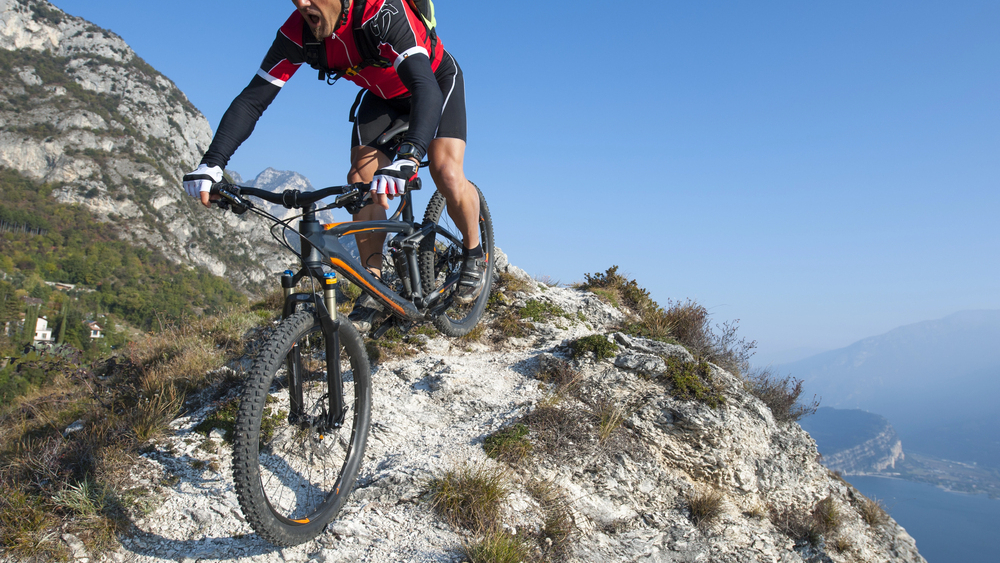
Depositphotos_80958648_S

Clear Sight, Better Game: Why Active Eyewear is a Must-Have in Sports

Participating in sports is a fantastic way to stay fit, improve coordination, and boost overall well-being. However, many sports come with inherent risks, and one aspect often overlooked is the protection of our most vital sensory organ: the eyes. Sports-related eye injuries are more common than you might think, but with proper awareness and the use of active eyewear, you can enjoy your favorite activities while safeguarding your vision.

The Prevalence of Sports-Related Eye Injuries

University of Illinois College of Medicine states, “Sports and recreational activities cause more than 40,000 eye injuries each year, according to the American Academy of Ophthalmology – and most of these accidents are preventable. Indeed, Prevent Blindness America reports that 90% of sports-related eye injuries can be prevented. Basketball and baseball cause the most eye injuries, followed by water sports and racquet sports.

The majority of all eye injuries occur in persons under thirty years of age. Children are especially vulnerable as they often have underdeveloped depth perception and may have difficulty judging the position of a flying ball. It’s not uncommon for a child to misjudge a ball in flight, miss it, and take a blow to the face instead. Safety goggles are advised for children who play softball and baseball.

The severity of sports-induced eye injuries varies from mild scrapes of the cornea to severe trauma that can cause visual impairment or even blindness.”

Sports goggles and high-impact sports eyewear are important for adults and kids alike who participate in sports for several reasons:

Eye Protection: Sports eyewear is designed to provide optimal protection for the eyes. Kids engaging in high-impact sports like basketball, soccer, hockey, baseball, and racquet sports are at a higher risk of eye injuries due to collisions, flying objects, or accidental contact. Proper eyewear can significantly reduce the risk of eye injuries by providing a physical barrier to shield the eyes.

Impact Resistance: High-impact sports eyewear is built with materials that are more resistant to impact and shattering. Regular eyeglasses are not designed to withstand the forces associated with sports activities, and they can break upon impact, causing harm to the eyes and surrounding areas. Sports eyewear, on the other hand, is constructed to withstand these forces and provide continuous protection.

Enhanced Performance: Sports goggles are designed to fit securely and comfortably, reducing the risk of the eyewear falling off during intense physical activities. This can enhance focus and confidence, allowing you to fully engage in the sport without worrying about their eyewear.

Preserving Vision: Eye injuries sustained during sports can have long-term consequences on vision. In some cases, irreversible damage can occur, leading to impaired vision or even blindness. By using sports eyewear, you can protect your eyes and preserve their long-term vision health.

Preventing UV Exposure: Some sports eyewear also offers protection against harmful ultraviolet (UV) rays from the sun. Prolonged exposure to UV rays can contribute to eye problems like cataracts and other vision issues. Wearing sports eyewear that provides UV protection can help minimize this risk.

Role Modeling Safety: Encouraging kids to wear proper sports eyewear sets a positive example of safety-conscious behavior. When kids see their peers and professional athletes using protective eyewear, they are more likely to understand its importance and adopt the habit themselves.

Regulation Compliance: Some sports leagues and organizations have specific regulations regarding safety equipment, including sports eyewear. To participate in these leagues, kids may be required to wear approved eyewear to ensure their safety and the safety of others on the field.

Injury Prevention: Properly fitted sports eyewear can help prevent injuries not only to the eyes but also to the surrounding facial areas. Goggles with padded frames and secure straps can cushion impacts and reduce the risk of cuts, bruises, and fractures in case of accidents.

Customization for Visual Impairments: Sports enthusiasts that have visual impairments require corrective lenses to achieve optimal vision. Sports eyewear can be customized to accommodate prescription lenses, allowing those with vision problems to fully participate in sports while maintaining clear vision.

Proper Use and Care of Protective Eyewear

Equally important to choosing the right eyewear is using and maintaining it properly:

Size Matters: Ensure that the eyewear fits snugly but comfortably on your face. Ill-fitting eyewear can be distracting and compromise your safety.

Clean Regularly: Regularly clean your eyewear with appropriate lens-cleaning solutions to maintain clear vision. Avoid wiping lenses with abrasive materials that could scratch them.

Replace Damaged Eyewear: If your eyewear sustains damage, replace it immediately. Cracked or scratched lenses may not provide adequate protection.

Avoid DIY Fixes: Avoid modifying or altering eyewear on your own. This could compromise the structural integrity and effectiveness of the protective gear.

In the world of sports, protecting your eyes is just as important as improving your performance. Sports-related eye injuries are preventable with the right protective eyewear. By understanding the risks associated with your favorite sports and investing in appropriate eyewear, you can enjoy the game while safeguarding your vision for a lifetime. Remember, when it comes to your eyes, prevention is key. For questions on the proper eyewear for your sport, call our office at 724-443-6767 or 724-226-0444.


About Bissell Eye Care: John D. Bissell, OD owns and operates Bissell Eye Care servicing Northern Pittsburgh and Alle-Kiski Valley regions. With two locations to treat patients, we offer evening and Saturday appointments. Bissell Eye Care provides comprehensive eye examinations for the entire family beginning as early as 6 months, ocular disease detection and treatment, eyeglasses, sunglasses, activewear, contact lenses, and low vision examinations for those with significant vision loss. We accept most types of vision and health insurance plans. For more Information, visit bisselleyecare.com or call our Bakerstown Office at 724-443-6767 or Natrona Heights office at 724-226-0444.
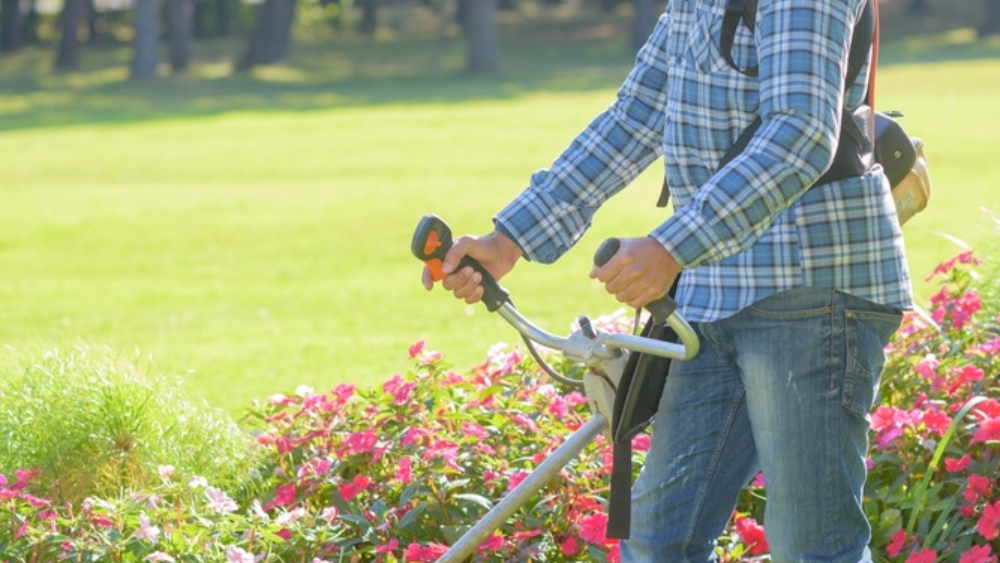
Gardener with full face protection using a trimmer while trimming around flowers

Spring Cleanup and Eye Injuries

The trees are budding, the flowers are starting to bloom, and outdoor work is in full swing. Spring cleanup can involve a lot of physical work and exposure to potentially hazardous materials and tools. These activities can lead to an increased risk of eye injuries.

EYE INJURY CAUSES AND PREVENTION TIPS:

Yard work: Cleaning up the yard often involves using sharp tools such as pruning shears, hedge trimmers, and chainsaws. Debris such as branches, twigs, and rocks can fly up and hit the eyes, causing injury. Wear safety glasses or goggles with side shields that are specifically designed for yard work.

Cleaning: Cleaning the house and garage can also pose a risk for eye injuries. Dust, dirt, and other debris can get into the eyes and cause irritation or injury. If you are using chemical cleaners, make sure to read and follow the manufacturer’s instructions carefully and understand what to do if injured. To prevent these injuries, wear protective glasses or goggles.

Allergies: Spring is also a time when allergies can flare up, causing eye irritation and redness. To minimize eye allergies, avoid touching your eyes with your hands, and wash your hands frequently to remove allergens. Use over-the-counter eye drops to relieve the symptoms of eye allergies.

If you do experience an eye injury, seek medical attention right away. Delaying treatment can lead to further damage and potentially permanent vision loss.

WHAT CONSTITUTES AN EYE EMERGENCY?

Pain frequently accompanies eye emergencies. Eye injuries, chemical burns, sudden vision loss or blurriness, eye scrapes, flashes of light, floaters, and sudden headaches with or without visual consequences would all be considered emergencies and require medical attention. At Bissell Eye Care, we have cutting-edge equipment that can examine the back of the eye to decide the best course of action.

Any sudden or obvious change in your vision’s quality needs to be treated right away. Vision alterations frequently point to a retinal or corneal abnormality that, if left untreated, can result in permanent vision loss. Retinal detachment is one such problem. You might have a detached retina if you’re experiencing flashing lights, spots, or a shower of floating spots inside your eye.

Eye redness should, wherever feasible, be examined by the doctors at Bissell Eye Care who can determine the kind of conjunctivitis and provide the appropriate course of therapy.

The best method to prevent an avoidable eye infection or injury is to follow good eye health and safety procedures. This entails using protective eyewear in risky working situations, scheduling yearly eye exams, wearing sunglasses to shield your eyes from UV rays, wearing blue light blocking eyewear when using computers or other portable devices, and maintaining good contact lens hygiene.

Bissell Eye Care is available if you have inquiries or concerns about your vision, an injury, or eye disease.  call our office at 724-443-6767 or 724-226-0444.


About Bissell Eye Care: John D. Bissell, OD owns and operates Bissell Eye Care servicing Northern Pittsburgh and Alle-Kiski Valley regions. With two locations to treat patients, we offer evening and Saturday appointments. Bissell Eye Care provides comprehensive eye examinations for the entire family beginning as early as 6 months, ocular disease detection and treatment, eyeglasses, sunglasses, activewear, contact lenses, and low vision examinations for those with significant vision loss. We accept most types of vision and health insurance plans. For more information, visit bisselleyecare.com or call our Bakerstown Office at 724-443-6767 or Natrona Heights office at 724-226-0444.
Depositphotos_11078435_S

Safety Tips for 4th of July Fireworks Celebrations

The freedom we enjoy every day is something not to be taken lightly. We’d like to take a moment and recognize our service men and women as well as their families for the sacrifices they make to protect our freedom.

Summer is synonymous with barbecues, parades, and fireworks. As we celebrate the 4th of July, families are planning their picnics, vacations and fireworks celebrations. Did you know on average 9,000 injuries a year result from fireworks with 1 in 8 of those injuries being eye injuries according to the fireworks injury report from the U.S. Consumer Product Safety Commission? Nearly half of those injuries are bystanders with 30% of the total injuries being age 15 and under.

According to the National Safety Council, “Sparklers burn at about 2,000 degrees – hot enough to melt some metals. Sparklers can quickly ignite clothing, and children have received severe burns from dropping sparklers on their feet.

The National Fire Protection Association, shares that those sparklers alone account for more than 25% of emergency room visits for fireworks injuries. For children under 5 years of age, sparklers accounted for nearly half of the total estimated injuries.

Some of the most commonly experienced eye injuries from fireworks are burns, lacerations, abrasions, retinal detachment, ruptured eyeballs, and optic nerve damage. An important misconception is that once the firework explodes it is no longer dangerous. However, the sparks that produce the amazing glow often burn at temperatures over 1000 degrees and fireworks release shrapnel as they explode.

Consider these safety tips to help keep you and your loved ones safe this year:

  •         Contact your local fire department if a firework does not explode to properly handle it.
  •         Never let children play with fireworks. Even sparklers can be very dangerous to young children. Consider using safer alternatives, such as glow sticks, confetti poppers, or colored streamers.
  •         ALWAYS wear approved protective eyewear if you plan on detonating fireworks.
  •         Abide by ALL safety barricades and give yourself extra room well behind them at least 500-1000 feet away!
  •         Let the experts build and launch professional-grade fireworks.

If you are injured from fireworks, be sure to seek medical attention immediately. Be sure to follow these safety tips to help prevent making the injury worse.

  •         Do not remove any objects that are stuck in or protruding from your eye.
  •         Do not rinse or add solution to your eye.
  •         Do not rub your eyes.
  •         If any foreign objects enter the eye do not take any pain killers that will cause your blood to thin such as aspirin or ibuprofen.

Remember this year as you venture out to celebrate our nation’s freedom and independence that it’s important to respect fireworks. The safest way to watch fireworks is for you to let somebody else light off the fireworks. When we say someone else, we mean a professional – as in – go to a professionally sponsored fireworks show. If you have any questions or need information on eye injury following an accident, call Bissell Eye Care at (724) 444-6767 or 724-226-0444. Have a safe and happy holiday.


About Bissell Eye Care: John D. Bissell, OD owns and operates Bissell Eye Care servicing Northern Pittsburgh and Alle-Kiski Valley regions. With two locations to treat patients, we offer evening and Saturday appointments. Bissell Eye Care provides comprehensive eye examinations for the entire family beginning as early as 6 months, ocular disease detection and treatment, eyeglasses, sunglasses, activewear, contact lenses, and low vision examinations for those with significant vision loss. We accept most types of vision and health insurance plans. For more information, visit bisselleyecare.com or call our Bakerstown Office at 724-443-6767 or Natrona Heights office at 724-226-0444.
Halloween eye safety tips

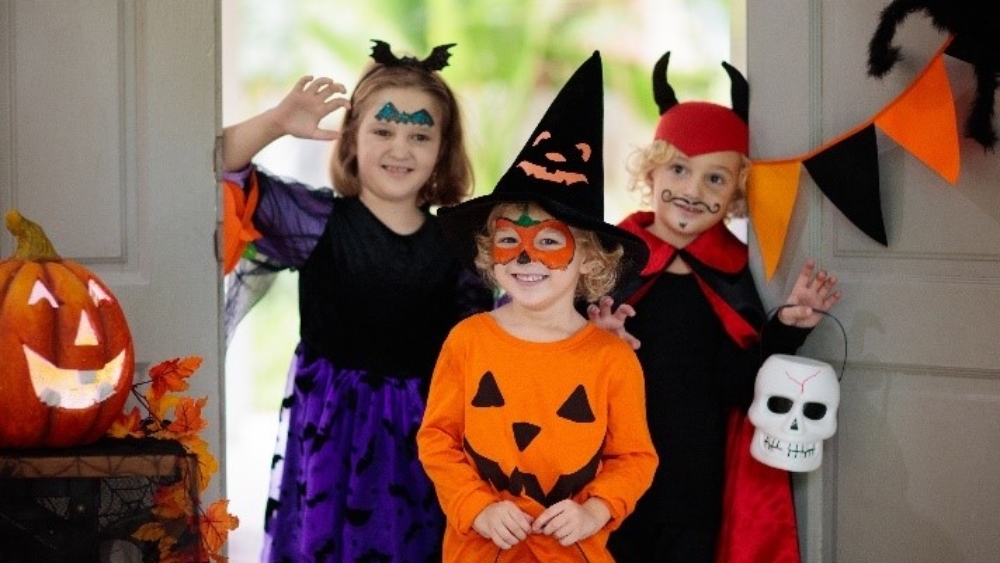
Seeing Clearly on Halloween: Tips to Keep You and Your Family Safe

With Halloween on the horizon, many parents may be concerned about their children’s safety and all that candy. But it is also important to remember to continue to take care of your eyes at this time of year!

Masks and Costumes

While costumes are fun, they can also present some potential problems. In particular, it is important to consider if you and your children can see clearly through a costume mask. Eye injuries due to costume masks are common this time of year, as masks often obscure our peripheral vision. Instead of tripping in the dark during trick-or-treat, consider choosing a mask with wider eyeholes or even widening them yourself at home with a pair of scissors to ensure the mask-wearer can properly see.

When choosing a costume look for any sharp edges on the costume itself. If costumes come with sharp accessories such as plastic swords, consider getting a soft version that will reduce the risk of injury, or forgoing the accessory altogether.

Avoid Trip Hazards

Trick-or-treat often takes place as the sun is setting or when it is already dark. The lack of sunlight combined with vision-restrictors like costume masks make Halloween a prime situation for tripping. In addition to widening eyeholes if wearing a mask, you should also consider the use of reflective strips or glow stick jewelry to help being seen by others as you walk around your neighborhood.

The Danger of Decorative Contact Lenses

Another serious eye hazard associated with Halloween is decorative contact lenses, such as cat eyes or specially colored contact lenses. You should only buy FDA-cleared or approved contacts from a trusted vendor or obtain a prescription from your eye doctor. If not used correctly, you risk suffering from allergic reactions, decreased vision, infection, scratches to your cornea, or perhaps blindness.

If you do decide to use decorative contact lenses this Halloween, the FDA recommends you follow these guidelines:

  1. Get an eye exam from a licensed eye doctor to ensure the lenses fit properly.
  2. Obtain a prescription for your decorative lenses from your eye doctor.
  3. Follow the care instructions for wearing, cleaning, and disinfecting your lenses.
  4. Seek medical attention immediately and remove contact lenses if your eyes are red or if you experience persistent pain or discharge.
  5. Do not share your contact lenses with anyone else.
  6. Do not buy any lenses without a prescription.

Halloween should be a fun day for all ages. By planning ahead and taking these safety factors into consideration, you can ensure a fun, candy-filled night!


About Bissell Eye Care: John D. Bissell, OD owns and operates Bissell Eye Care servicing Northern Pittsburgh and Alle-Kiski Valley regions. With two locations to treat patients, we offer evening and Saturday appointments. Bissell Eye Care provides comprehensive eye examinations for the entire family beginning as early as 6 months, ocular disease detection and treatment, eyeglasses, sunglasses, activewear, contact lenses, and low vision examinations for those with significant vision loss. We accept most types of vision and health insurance plans. For more information, visit bisselleyecare.com or call our Bakerstown Office at 724-443-6767 or Natrona Heights office at 724-226-0444.
eye inuries

Eye Injury Prevention Month: How Can You Stay Safe?

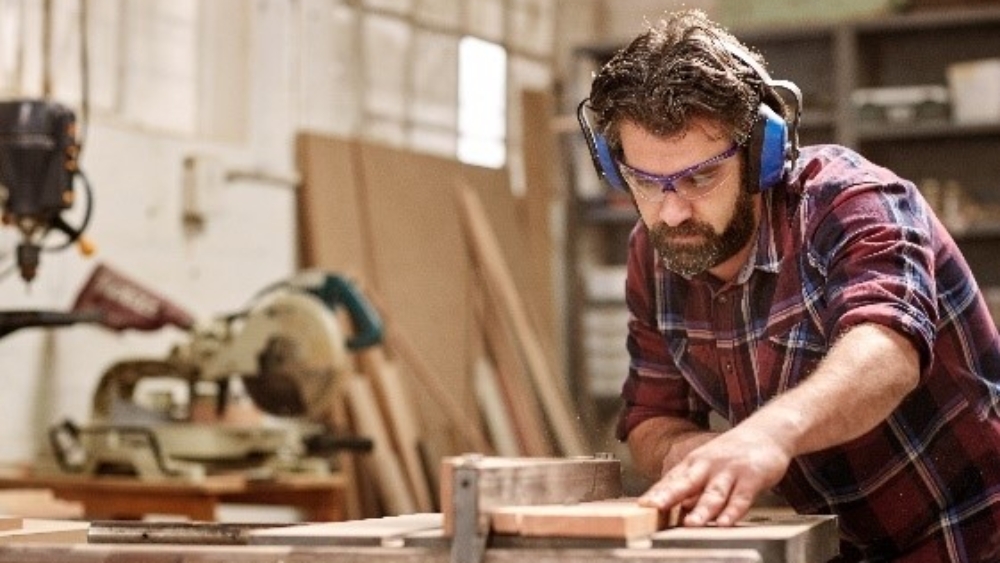
October is Eye Injury Prevention Month. You can experience serious eye injuries while at home, at work, or at play. According to experts, more than 90 percent of eye injuries could be prevented with the use of protective eyewear and some simple precautions.

At Home: When to Use Eye Protection

Closing your pool? Cleaning the house in anticipation of the holidays? Eye injuries due to cleaning chemicals account for over 125,000 eye injuries each year. Eye injuries are also commonly caused during home improvement and yard work. Despite these common injuries, only 3 out of 10 people wear protective eyewear.

The American Academy of Ophthalmologists, recommends wearing protective eyewear if what you are doing involves hazardous chemicals or other substances that could damage your eyes upon contact, flying debris, or other small particles and projectiles. The most effective eyewear is that with a snug fit and wrap-style frame to keep airborne particles from getting behind the lenses.

Staying Safe at Work

According to the U.S. Bureau of Labor Statistics, about 20,000 eye injuries occur in the workplace annually and often require at least one missed workday for recovery. Workplace eye injuries can range from simple strain to severe and permanent damage. The Occupational Safety and Health Administration (OSHA) determines the eye protection needed to do your job safely. Your company’s human resources department or OSHA compliance overseer will provide the proper guidance on eye safety. (Source: Prevent Workplace Eye Injuries)

Play it Safe: Sports Eye Protection

Eye injuries can also occur in sports and other physical activities. It is essential to consider which kind of eye protection is appropriate for you, as regular eyeglasses can pose more harm than good if they shatter. Projectiles and other sharp objects increase the risk of eye injury, so consider protective sports glasses with shatterproof plastic, also known as polycarbonate lenses, when engaging in sports such as basketball (the leading cause of sports-related eye injuries), racquet sports, soccer, and field hockey.

When selecting your protective eyewear, choose those that have been tested to meet the American Society of Testing and Materials (ASTM) standards or that pass the CSA racquet sports standard. (Source: Sports Eye Safety)

To learn more about eye safety, or to schedule your annual eye exam, give our offices a call at 724-443-6767 or 724-226-0444.


About Bissell Eye Care: John D. Bissell, OD owns and operates Bissell Eye Care servicing Northern Pittsburgh and Alle-Kiski Valley regions. With two locations to treat patients, we offer evening and Saturday appointments. Bissell Eye Care provides comprehensive eye examinations for the entire family beginning as early as 6 months, ocular disease detection and treatment, eyeglasses, sunglasses, activewear, contact lenses, and low vision examinations for those with significant vision loss. We accept most types of vision and health insurance plans. For more information, visit bisselleyecare.com or call our Bakerstown Office at 724-443-6767 or Natrona Heights office at 724-226-0444.
Kick-Off-Spring-Sports

Kick Off Spring Sports

Spring sports are making their way into homes across the region and families are gearing up. Whatever sport your child enjoys, it’s important that his or her eyes are protected appropriately. Did you know according to the American Optometric Association, sports related injuries are the leading cause of school-age children’s eye injuries? Approximately 40,000 sports-related eye injuries are severe enough to require emergency room care in the United States every year, according to Prevent Blindness America. Experts say that 90% of these injuries could be prevented with protective eyeglasses.

NOW…the good news is that with proper protection, these injuries are preventable.

WHICH SPORTS CAUSE THE MOST EYE INJURIES?

Sports-related injuries in all age groups happen most often in basketball, racquet sports, and baseball. Other high-risk sports are hockey, football, lacrosse, boxing, and soccer. Not only are these sports high impact, but there is the risk of dust and dirt from the field of play.

The sport your child plays will determine the best protective glasses. Wearing glasses, sunglasses, or other non-ASTM (American Society for Testing and Materials) approved glasses can put you at a higher risk for injury. Eyewear that is not specifically designed to help protect your eye can shatter or break. These shards can enter the eye or the area around the eye and make wearing non-approved eye protection more dangerous than wearing nothing at all.

The guide below will help you determine which type of eye protection is necessary for the sport your child plays.

  • Baseball/Softball: Polycarbonate or wire faceguard attached to the helmet; sports goggles with polycarbonate lenses while on the field
  • Basketball: Sports goggles with polycarbonate lenses
  • Field hockey: Full face mask for the goalie; sports goggles with polycarbonate lenses/wire mesh goggles while on the field
  • Football: Polycarbonate eye shield attached to the helmet with wire face mask
  • Ice hockey: Helmet with full face protection
  • Lacrosse: Helmet with full face protection or sports goggles with polycarbonate lenses/wire mesh goggles
  • Paintball: Full-face-protection goggles – covering the cheeks, ears, and eyes – with eye protection lenses at least 1/10 inch thick
  • Racquet sports: Sports goggles with polycarbonate lenses

Most sports glasses are available with both prescription and non-prescription lenses, so even if your child does not need corrective lenses to see, the added protection of sports glasses can be beneficial. At the end of the day, your child’s personal preferences and type of sport they are involved in will be the best deciding factor for his or her sports glasses.


About Bissell Eye Care: John D. Bissell, OD owns and operates Bissell Eye Care servicing Northern Pittsburgh and Alle-Kiski Valley regions. With two locations to treat patients, we offer evening and Saturday appointments. Bissell Eye Care provides comprehensive eye examinations for the entire family beginning as early as 6 months, ocular disease detection and treatment, eyeglasses, sunglasses, activewear, contact lenses, and low vision examinations for those with significant vision loss. We accept most types of vision and health insurance plans. For more information, visit bisselleyecare.com or call our Bakerstown Office at 724-443-6767 or Natrona Heights office at 724-226-0444.
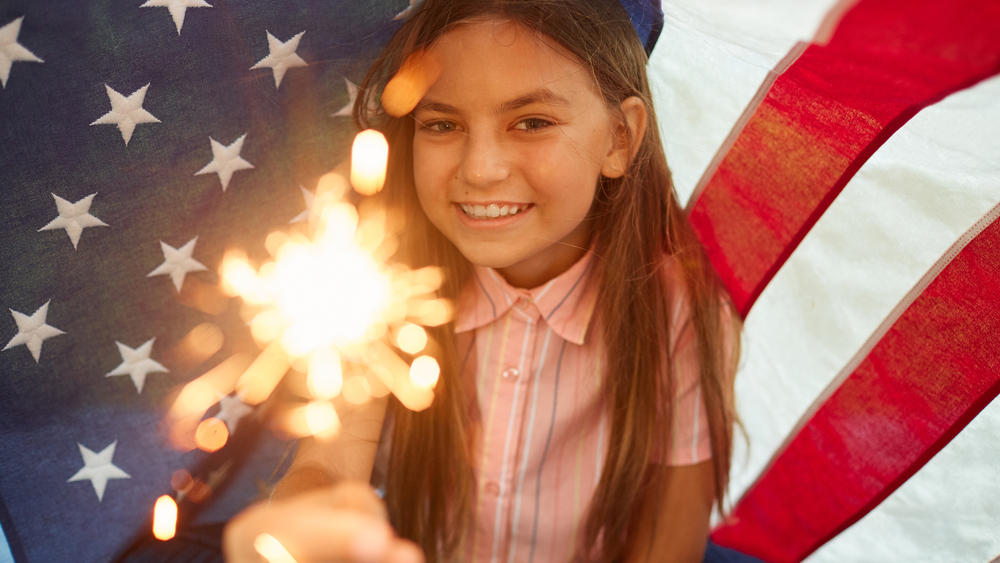
Portrait of cute girl holding sparkling lights smiling at camera against USA flag background, copy space

Fireworks Eye Safety

With the changes in outdoor gatherings this year, many large fireworks displays have been cancelled.  So that leaves families bringing the fireworks celebrations closer to home releasing fireworks in their own backyards.  Each year, thousands of people are injured by fireworks in June and July and almost half of those injured are children and teenagers.  Over a thousand of those are eye injuries.

There are certain precautions you can take to prevent eye injury or at least decrease the risk. Even when using sparklers, make sure that your kids are supervised. They should also keep the sparklers at arm’s length and never swing them around or run with them   Sparklers burn at about 2,000 degrees – hot enough to melt some metals. Sparklers can quickly ignite clothing, and children have received severe burns from dropping sparklers on their feet.

According to the National Fire Protection Association, sparklers alone account for more than 25% of emergency room visits for fireworks injuries. For children under 5 years of age, sparklers accounted for nearly half of the total estimated injuries.  Particularly for younger children, consider using safer alternatives, such as glow sticks, confetti poppers or colored streamers?

Fireworks can cause devastating and life-changing injuries. Simple ways to protect yourself and your children include staying at least 500 feet away from fireworks, allowing trained professionals to light fireworks and not allowing children to handle any fireworks.   Everyone who lights a firework should wear gloves and safety goggles. Work gloves protect the hands, where 28% of firework injuries occur.

If a firework doesn’t go off right away, don’t relight it. Don’t touch it or stand over it, either. Just leave it until it’s time to dispose of the shells.  If you find unexploded fireworks, call your police or fire department to dispose of them.  Do not touch them or try to light them.

If you suffer an injury due to fireworks, especially to your eyes, seek help immediately.

  • Do not rub the eyes
  • Do not rinse the eyes
  • Do not apply pressure
  • Do not put on ointments or take any blood thinning pain medication

If you have any questions or need information on eye injury following an accident, call Bissell Eye Care at (724) 444-6767 or 724-226-0444.  Remember 4th of July is about enjoying our freedom.  Be sure to thank a Veteran for their sacrifice and service.  Wishing you and your family a happy and safe summer.


About Bissell Eye Care: John D. Bissell, OD owns and operates Bissell Eye Care servicing Northern Pittsburgh and Alle-Kiski Valley regions. With two locations to treat patients, we offer evening and Saturday appointments. Bissell Eye Care provides comprehensive eye examinations for the entire family beginning as early as 6 months, ocular disease detection and treatment, eyeglasses, sunglasses, activewear, contact lenses, and low vision examinations for those with significant vision loss. We accept most types of vision and health insurance plans. For more information, visit bisselleyecare.com or call our Bakerstown Office at 724-443-6767 or Natrona Heights office at 724-226-0444.
Sports Protection - Performance Vision Center

DON’T LET YOUR CHILD’S SPORTS SEASON BE SIDELINED BY EYE INJURY

Eye injuries are the leading cause of blindness in children and most eye injuries among kids aged 11-14 occur while playing sports. Among the sports with high rates of eye injuries: basketball, baseball, softball, soccer, and cycling. Youth sports leagues don’t always require players to use protective eyewear, but as parents, we can take a stand to protect our children.

Children’s sports eye injuries can range from abrasions of the cornea and bruises of the lid to internal eye injuries, such as retinal detachments and internal bleeding. Such injuries often do not get the attention with regard to prevention that statistics suggest they warrant.

All athletes should wear protective eyewear, but not just any eyewear. Use protection specifically designed for the sport. The guide below will help you determine which type of eye protection is necessary for the sport your child plays.

  • Baseball: Polycarbonate or wire faceguard attached to the helmet; sports goggles with polycarbonate lenses while on the field
  • Basketball: Sports goggles with polycarbonate lenses
  • Field hockey: Full face mask for the goalie; sports goggles with polycarbonate lenses/wire mesh goggles while on the field
  • Football: Polycarbonate eye shield attached to the helmet with wire face mask
  • Ice hockey: Helmet with full face protection
  • Lacrosse: Helmet with full face protection or sports goggles with polycarbonate lenses/wire mesh goggles
  • Paintball: Full-face-protection goggles — covering the cheeks, ears, and eyes — with eye protection lenses at least 1/10 inch thick
  • Racquet sports: Sports goggles with polycarbonate lenses

By using the right protective eye gear, the good news is that ninety percent of these eye injuries can be prevented. Without protective gear, a fast-moving baseball can injure the bones around the eye or even the eyeball itself, causing temporary or permanent vision problems; other players’ hands or gloves can scratch the eye, causing damage to the eye’s surface; and a misguided bat can cause head injuries leading to vision problems.

Poor depth-perception or other vision problems could present in the following ways:

  • Always swinging the bat too early or too late
  • Missing often while trying to catch the ball
  • Squinting to see the ball or other players

If an eye injury occurs while playing a spring sport, seek medical attention by an eye doctor or primary care provider as soon as the injury occurs. If not properly treated, vision problems can persist and lead to lifelong difficulty playing sports, driving or even maintaining certain jobs.

Bissell Eye Care is a recognized Performance Vision Center by the Prevent Blindness organization. Our staff will help you select the right type of eye gear for the sport you are playing. Suit Up and …let us help you stay at the top of your game! To learn more about protective eye gear, give our offices a call.

About Bissell Eye Care: John D. Bissell, OD owns and operates Bissell Eye Care servicing Northern Pittsburgh and Alle-Kiski Valley regions. With two locations to treat patients, we offer evening and Saturday appointments. Bissell Eye Care provides comprehensive eye examinations for the entire family beginning as early as 6 months, ocular disease detection and treatment, eyeglasses, sunglasses, activewear, contact lenses, and low vision examinations for those with significant vision loss. We accept most types of vision and health insurance plans. For more information, visit bisselleyecare.com or call our Bakerstown Office at 724-443-6767 or Natrona Heights office at 724-226-0444.