

two young children blowing dandelions seeds with the caption Pink Eye or Allergies for eye allergies

Avoid Eye Infections This Spring: Tips for Allergy Sufferers

The trees are blooming, the grass is turning green, and spring is in the air — literally. While warmer weather and outdoor time can lift your spirits, they can also bring an unwelcome guest: seasonal allergies.

Have your eyes started watering? Is your nose feeling stuffy? If so, you’re not alone. As flowers bloom and pollen levels rise, it’s important to know how to manage allergy symptoms and prevent complications — including eye infections like pink eye.

Allergy Season Is Here — Start Preparing Now

If you typically suffer through spring, now is the time to act. Experts recommend starting allergy medications before symptoms hit. This can reduce your reaction and help you stay ahead of the pollen.

Common allergy symptoms include:

  • Itchy, red, or watery eyes
  • Clear nasal discharge
  • Sneezing
  • Scratchy throat or ears

Unlike viruses that develop gradually, allergy symptoms often come on suddenly — especially on high-pollen days. Try to limit time outdoors when pollen counts are high, keep windows closed, and use air conditioning when possible. And skip hanging laundry outside — pollen can cling to fabrics.

Eye Allergies & Pink Eye: What’s the Connection?

Among the eye-related issues triggered during allergy season, conjunctivitis (commonly called pink eye) is one of the most common. It refers to inflammation of the thin, clear tissue covering the white of the eye and inside the eyelids.

While the tissue is clear, it contains small blood vessels. When irritated or infected, these vessels enlarge, giving the eye a red or pink appearance.

3 Types of Pink Eye

Allergic Conjunctivitis

  • Triggered by allergens like pollen, dust, or pet dander.
  • Not contagious.

Bacterial Conjunctivitis

  • Caused by bacteria entering the eye.
  • Can lead to serious complications if untreated.

Viral Conjunctivitis

  • Caused by viruses similar to the common cold.
  • Highly contagious but typically clears on its own.

Treatment Options

Allergic Pink Eye:

  • Treated with antihistamines or allergy eye drops.
  • Best prevented by starting allergy medications before symptoms begin.

Bacterial Pink Eye:

  • Requires a visit to your optometrist for prescription antibiotic eye drops.
  • Prompt treatment helps prevent complications and spread.

Viral Pink Eye:

  • Usually resolves on its own in a few days.
  • Apply cool compresses to relieve discomfort — but don’t share them with others, as this form is very contagious.

Prevention Tips

Good hygiene can be the key to not sharing Pink Eye with family members. Stay healthy and reduce your risk of eye infections with these simple precautions:

  • Don’t share towels, washcloths, tissues, or eye drops.
  • Avoid rubbing or touching your eyes — especially after coughing or sneezing.
  • Never share contact lenses or contact lens cases.
  • Remove contacts before swimming, hot tubs, or even showering.
  • Wash your hands frequently, especially in schools, daycares, and other public places.

If you have seasonal allergies, talk with your doctor about prevention strategies. If you’re experiencing red, itchy, or irritated eyes — especially if accompanied by discharge or blurred vision — don’t wait it out. Let the doctors at Bissell Eye Care help you get relief and avoid potential complications.


About Bissell Eye Care: John D. Bissell, OD owns and operates Bissell Eye Care servicing Northern Pittsburgh and Alle-Kiski Valley regions. With two locations to treat patients, we offer evening appointments. Bissell Eye Care provides comprehensive eye examinations for the entire family beginning as early as 6 months, ocular disease detection and treatment, eyeglasses, sunglasses, activewear, contact lenses, and low vision examinations for those with significant vision loss. We accept most types of vision and health insurance plans. For more information, visit bisselleyecare.com or call our Bakerstown Office at 724-443-6767 or Natrona Heights office at 724-226-0444.

watery eyes

Why Do My Eyes Water?

Our bodies produce tears to keep our eyes lubricated, and to help remove any foreign bodies. But when the body produces too many tears, or tear drainage is affected, the result is excessively watery eyes. While not necessarily harmful, watery eyes can be troublesome and irritating. Thankfully, this condition can usually be treated quickly and effectively.

Watery eyes are characterized by an excess of tears, which can give the eyes a glassy look, and may result in tears running or dripping from the eyes.

In older adults, persistent watery eyes may occur as the aging skin of the eyelids sags away from the eyeball, allowing tears to accumulate and flow out. Dry eye syndrome, also called keratitis sicca, keratoconjunctivitis sicca, or xerophthalmia is a recurrent or persistent sensation of dryness of the eyes. The condition is uncomfortable and it can interfere with your quality of life. You may have trouble keeping your eyes open or you may not be able to work or drive due to severe dryness of your eyes. Dry eye disease can vary from mild to extremely severe.

Reflex Tears

Dry eyes can actually cause your eyes to water. The tears are similar to the tear production that is triggered when something gets in your eye. They are called reflex tears. Reflex tears don’t have the same lubricating qualities as the tears that normally protect your eyes, so they do not prevent dry eyes.

Infant and Toddler Watery Eyes Causes

Watery eyes can be a symptom of numerous medical conditions. A likely cause of watery eyes in infants can be blocked tear ducts. These often resolve on their own.

Other causes of watery eyes in infants and toddlers include infections like conjunctivitis (pink eye) or the common cold. Like adults, your child may experience watery eyes from irritants or hay fever.

Your child’s watery eyes can also be a symptom of a common cold. Children are more susceptible to colds than adults because they’ve not built up immunity and often touch their eyes, nose, and mouth, causing more germs to spread. Your child may develop watery eyes along with other cold symptoms like a stuffed or runny nose and sneezing.

Conjunctivitis, also known as pink eye, may be causing the watery eyes. This can occur in children or adults at any time. Pink eye occurs when a virus or, less commonly, bacteria get into the eye. Conjunctivitis can also be caused by irritation.

Teens And Older Adults With Too Many Tears

Tear over-secretion is usually caused by irritation or inflammation of the surface of the eye. This can occur for a number of reasons, including eyelash and eyelid problems or allergies. Oddly, a dry eye problem can sometimes cause watery eyes because the eye produces excess tears to combat the irritation and dryness.

Treatments

In the case of excessive tear production, watery eyes can often be treated very simply, with eye drops, warm compresses or sometimes medication. Treatment for tear drainage problems is usually surgical, but there’s no need to worry, as most surgical treatments are quick and highly effective.

The various causes of watery eyes in babies and toddlers require different treatments. Some require minimal action on the part of the parents, while other treatments include prescription medications or surgery.

Contact our office at 724-443-6767 or 724-226-0444 with any concerns you may have regarding watery eyes or any other eye condition.


About Bissell Eye Care: John D. Bissell, OD owns and operates Bissell Eye Care servicing Northern Pittsburgh and Alle-Kiski Valley regions. With two locations to treat patients, we offer evening and Saturday appointments. Bissell Eye Care provides comprehensive eye examinations for the entire family beginning as early as 6 months, ocular disease detection and treatment, eyeglasses, sunglasses, activewear, contact lenses, and low vision examinations for those with significant vision loss. We accept most types of vision and health insurance plans. For more nformation, visit bisselleyecare.com or call our Bakerstown Office at 724-443-6767 or Natrona Heights office at 724-226-0444.

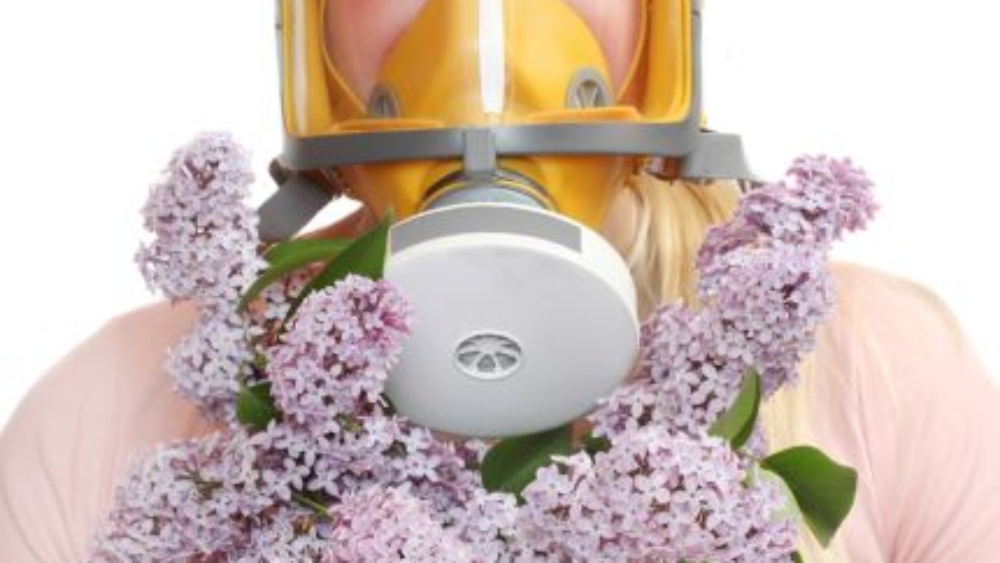
Watery eyes

Oh, My Watery Eyes!

Look no further than the oak trees outside your home or office and you’ll know what time of year is coming our way. Pollen has already started to accumulate, leading to a noticeable uptick in sniffs and sneezes. More than 20 million Americans are bracing for the annual allergy miseries: stuffy nose, sniffling, sneezing, coughing, and itchy, runny eyes that may last for weeks or even months as grass, trees and weeds roar back to life.

The spring rain and warm weather have created the perfect storm for a stellar allergy season. You look outside and everything is covered in a yellow film causing itchy, red, or even burning sensations in your eyes. Allergy suffers, you aren’t alone in your symptoms.

Allergies occur when your body becomes overly sensitive to something in the environment that typically causes no problems for most people. An allergic reaction may occur when that “something” that you are allergic to comes into contact with your eyes. In many cases, the “something” you are allergic to is airborne, such as pollen.

Because the symptoms of seasonal allergy can resemble those of dry eye disease, diagnosis can be a challenge. Although patients may have only seasonal allergies or only dry eye disease, there is a good possibility that both conditions are present.

Be nice to your eyes. When avoidance is not an option, there are still steps that you can take to reduce the allergen’s impact and increase eye comfort. Here are some relief and tips for prevention to avoid or limit exposure with your trigger(s).

There are many different medications that have proven to be effective in fighting allergies. If you cannot find a medication that helps you in combating the symptoms, it may be time to consult the eye doctors at Bissell Eye Care, as some eye diseases carry similar symptoms as allergies and will not improve with allergy treatment.

Seasonal Allergic Conjunctivitis, or SAC, is one of the most common types of eye allergy. Depending on the type of pollen that is in the air, people who suffer from SAC experience symptoms spring, summer or fall. Some of the most common symptoms are:

  • Itching
  • Redness
  • Burning
  • Clear watery discharge

People who have SAC may also notice dark circles under their eyes. These symptoms are often accompanied by a runny nose, sneezing, or nasal congestion.

Curtail the contacts. Contact lens wearers tend to be disproportionately affected by allergies. Even if a patient is a successful contact lens wearer for most of the year, allergy season can make them quite uncomfortable, particularly when contacts are worn for extended periods of time.

For any contact lens wearers, you may want to remove your contacts and opt for your eyeglasses until your allergy symptoms are gone. This is because the surface of contact lenses can attract and accumulate airborne allergens. If wearing your glasses is not an option, you can switch to daily disposable contacts to avoid allergen and other debris buildups.

There are also methods to combat your allergies that do not require medication.

  • Stay indoors at times when pollen counts are high.
  • Keep windows closed and use air-conditioning as much as possible.
  • Avoid using fans in windows as this tends to pull pollen into the house.
  • Wear glasses or sunglasses when outdoors to reduce the chances of getting pollen in your eyes.
  • Avoid rubbing your eyes when they feel itchy or watery.

Be sure to consult the doctors at Bissell Eye Care if you are using over-the-counter medications such as eye drops. Prolonged use of some eye drops may actually cause your condition to worsen and cause damage to your eyes. The proper treatment and avoiding pollen when it is at its highest will help to reduce your symptoms this allergy season. While spring allergies have been around for decades it’s important to stay ahead of your symptoms.


About Bissell Eye Care: John D. Bissell, OD owns and operates Bissell Eye Care servicing Northern Pittsburgh and Alle-Kiski Valley regions. With two locations to treat patients, we offer evening and Saturday appointments. Bissell Eye Care provides comprehensive eye examinations for the entire family beginning as early as 6 months, ocular disease detection and treatment, eyeglasses, sunglasses, activewear, contact lenses, and low vision examinations for those with significant vision loss. We accept most types of vision and health insurance plans. For more information, visit bisselleyecare.com or call our Bakerstown Office at 724-443-6767 or Natrona Heights office at 724-226-0444.

Beautiful little curly girl blowing dandelion, horizontal shot

Spring Weather, Allergies and Eye Infections

Spring has sprung and the buds are ready to burst. For some individuals it means watery eyes and eye infections! It’s that time of the year, the time when the weather becomes warmer, you want to get outside and all the plants and trees start to bloom. As spring approaches learn how to help prevent watery eye symptoms and avoid eye infections.

Among eye infections associated with allergies, pink eye is one the most common. Pink eye or conjunctivitis is inflammation of the thin, clear covering of the white of the eye and the inside of the eyelids. While this part of the eye is clear it contains small blood vessels. When an infection occurs these blood vessels dilate, giving the eye the red color. These infections are more frequently experienced by those who are in close proximity to others such as students, school workers, daycare workers and medical professionals. Did you know the bacteria that cause pink eye is the same bacteria that cause strep throat? Both bacterial and viral conjunctivitis are easily spread from person to person.

Bacterial and Viral Pink Eye are contagious and are spread by direct contact with an infected person’s bodily fluids, usually through hand-to-eye contact. Not cleaning contact lenses properly can also lead to infection. We talk about decorative contacts a lot during the Halloween season. These types of contacts pose infection risks as well. Allergic pink eye is not contagious and is often associated with pollen, dust, or sometimes pet dander.

Treatments

  • Allergic: Allergy medications can often help to prevent or shorten the duration of the infection. It is a common practice to start the medication prior to allergy season or known flare-ups.
  • Bacterial: An optometrist appointment is necessary and they will prescribe eye drops.
  • Viral: This form of infection will run its course over several days. Using a cold wet compress will help relieve some of the symptoms. Do not share this compress as the viral form of conjunctivitis is the most contagious.As we approach spring and allergy season follow these tips to help prevent eye infections.

Stop the Spread

  • Don’t share items such as washcloths, tissues, or towels.
  • Avoid rubbing or touching your eyes after covering your mouth to cough or sneeze.
    Never share contact lenses with anyone.
  • Bacteria can live in makeup. This can cause pink eye which can lead to a dangerous infection of the cornea. Do not use eye makeup while your eyes are infected. Replace your makeup if you have an eye infection. And never share eye makeup with others.
  • If you experience seasonal allergies, consult your doctor on how to minimize symptoms.
    Wash hands frequently, especially in areas of high public traffic (schools, daycares, public places).

If you do experience an infection, don’t hesitate to contact the doctors at Bissell Eye Care to confirm if you will need medication to help combat the infection and prevent future eye damage.


About Bissell Eye Care: John D. Bissell, OD owns and operates Bissell Eye Care servicing Northern Pittsburgh and Alle-Kiski Valley regions. With two locations to treat patients, we offer evening and Saturday appointments. Bissell Eye Care provides comprehensive eye examinations for the entire family beginning as early as 6 months, ocular disease detection and treatment, eyeglasses, sunglasses, activewear, contact lenses, and low vision examinations for those with significant vision loss. We accept most types of vision and health insurance plans. For more information, visit bisselleyecare.com or call our Bakerstown Office at 724-443-6767 or Natrona Heights office at 724-226-0444.

Buds, Blooms and Allergies

Buds, Blooms and Allergies

Trees are blooming and the green is popping out on the hillside. Have your eyes started to water? Do you feel your nose starting to get stuffed up again? It’s that time of the year, the time when the weather gets warmer, you want to get outside and all the plants and trees start to bloom. As spring approaches learn how to help prevent symptoms and avoid eye infections.

If you typically suffer through the flowering of spring, experts say you should be taking precautions now to stay healthy and start taking an allergy medication that has controlled those symptoms in the past. Know the signs of allergy symptoms that include itchy eyes, red eyes, clear nasal discharge, and a scratchy feeling in your ears or throat. Unlike a virus that comes on gradually, allergy symptoms tend to hit quickly.

Pollen can serve as a major trigger for allergy sufferers. When pollen counts are high try and limit your exposure to the outdoors, don’t hang laundry outside, utilize air conditioning, and allergy medication can help to relieve symptoms.

Among eye infections associated with allergies, pink eye is one the most common. Pink eye is inflammation of the thin, clear covering of the white of the eye and the inside of the eyelids. While this part of the eye is clear it contains small blood vessels. When an infection occurs these blood vessels dilate, giving the eye the red color. It is more frequently experienced with people who are close to others such as students, school workers, daycare workers and medical professionals.

Types of Pink Eye

  • Allergic: This form of pink eye may be associated with pollen but can also be flared up by dust or pet dander
  • Bacterial: Bacterial pink eye is caused by bacteria entering the eye. It can cause serious damage to the eye if left untreated.
  • Viral: Caused by a virus similar to the common cold. This is the most contagious form but will usually clear up on its own in a few days without medical treatment.

Treatments

  • Allergic: Allergy medications can often help to prevent or shorten the duration of the infection. It is a common practice to start the medication before allergy season or known flare-ups.
  • Bacterial: An optometrist appointment is necessary and they will prescribe eye drops.
  • Viral: This form will run its course over several days requiring no medical treatment. Using a cold wet compress will help relieve some of the symptoms do not share this compress as the viral form is the most contagious.

As we approach spring and allergy season follow these tips to help prevent eye infections.

Prevention

  • Avoid sharing items such as washcloths, tissues, or towels.
  • Avoid rubbing or touching your eyes after covering your mouth to cough or sneeze.
  • Never share contact lenses with anyone.
  • If you experience seasonal allergies consult your doctor on how to minimize symptoms.
  • Remove contacts before using a hot tub, being in the water, and even showering.
  • Wash hands frequently, especially in areas of high public traffic (schools, daycares, public places).

If you do experience an infection don’t hesitate to contact the doctors at Bissell Eye Care to confirm if you will need medication to help combat the infection and prevent future eye damage.

Contact Lenses

TIPS TO AVOID MISUSE OF CONTACT LENSES

Contact lenses – you either love them or can’t wear them. If you are a contact lens wearer you have more than likely noticed how far we have come in the development of contact lenses since you started using them. Perhaps you have also been guilty of ignoring the wearing and care instructions from your optometrist. In a recent study 99% of people admitted they practiced at least one bad habit with their contact lenses and that puts them at a higher risk for eye infections.

Contacts are a convenient alternative to wearing eyeglasses. If you are like many Americans you have become quite accustomed to your contacts and may sometime forget you have them in. This usually leads to pushing the envelope on wearing them or leaving contacts in at times when you should not. Contaminated solutions can lead to infection. Are you changing the solution in your cases daily?

While contacts are more convenient and provide a greater range of clarity than glasses, improper handling can lead to eye infections. People who wear contact lenses have a higher risk for keratitis, an infection of the cornea, the clear outer covering of your eye. They’re also called corneal ulcers. Viruses, bacteria, fungi, and a rare but serious eye parasite can also cause keratitis.

Depending on the type of contact lenses you have, some of the most common misuses for contacts are:

  • Wearing contact lenses overnight while sleeping.
  • Napping while wearing lenses.
  • Nonuse of a sterile wetting solution
  • Topping off your disinfecting solution in lens storage case rather than emptying it and using new solution.
  • Using your contact lenses longer than recommended.
  • Not replacing the lens storage case at least once every 3 months.

Not surprising that of those surveyed nearly one-third of respondents reported having red and or painful eye pain that resulted in a visit to the doctor.

Mild pinkeye can be caused by solutions used for cleaning contacts. It is important to clean your contacts thoroughly to remove any virus or bacteria from the contacts after having pinkeye. If the contacts are not thoroughly cleaned, they can re-infect your eye. Do not wear contact lenses until the pinkeye is gone. Sterilize your contacts, and clean your storage case. If you wear disposable contacts, use a new pair when your eye has cleared and it is safe to wear contacts again. Wait at least 2 days after the symptoms are gone before you wear contacts again.

Following these steps along with the recommended use from the contact lens manufacturer will help to prevent eye irritation or infection. If you do find that your eye becomes irritated take the contact lenses out immediately and use your prescription glasses. If the irritation and pain become worse or does not improve, seek medical attention immediately as these are signs of an infection in the eye.

Enjoy clearer vision with contact lenses, but follow the recommendations for care and cleaning to prevent infection.

About Bissell Eye Care: John D. Bissell, OD owns and operates Bissell Eye Care servicing Northern Pittsburgh and Alle-Kiski Valley regions. With two locations to treat patients, we offer evening and Saturday appointments. Bissell Eye Care provides comprehensive eye examinations for the entire family beginning as early as 6 months, ocular disease detection and treatment, eyeglasses, sunglasses, activewear, contact lenses, and low vision examinations for those with significant vision loss. We accept most types of vision and health insurance plans. For more information, visit bisselleyecare.com or call our Bakerstown Office at 724-443-6767 or Natrona Heights office at 724-226-0444.
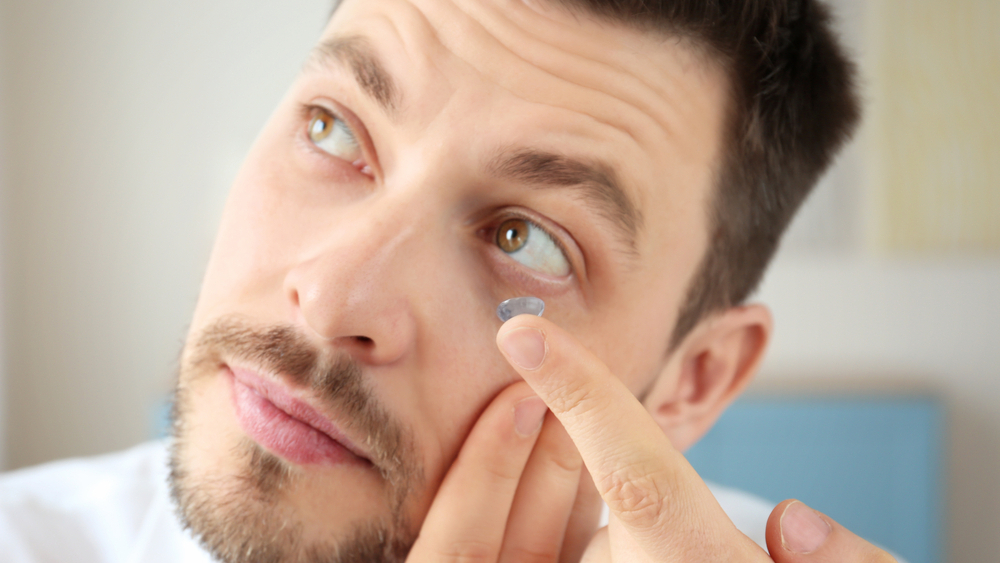
Depositphotos_16276245_S

Prepare for Flu Season and Conjunctivitis

The 2019 – 2020 flu season is in full swing with the flu and conjunctivitis often going hand in hand.  Experts are predicting epidemic levels of cold and flu will continue during peak flu season.  It seems like everywhere you turn, someone is sick.  For those individuals who received a flu shot your symptoms may not be quite as severe.  Nonetheless, proper handwashing can be the key to not spreading those nasty germs.

When we think of the flu, things such as body aches, fever, and stomach viruses come to mind but flu season may also bring an unexpected surprise in the form of conjunctivitis most commonly referred to as “pink eye”.  Unfortunately, pink eye rides on the coattails of the flu and cold season and is adding to many people’s uncomfortable symptoms.

Pink eye, or conjunctivitis, is caused by inflammation of the conjunctiva, which is the tissue that lines the inside of the eyelid and helps to keep the eyelid and eyeball moist. The condition can be caused by bacteria, a virus, allergens, or other irritants. The same viruses that cause colds and the flu—such as adenovirus, enterovirus, and influenza virus—can also cause pink eye.

Cold and flu viruses can cause pink eye by traveling through the tear duct from the nose to the eye. However, most pink eye cases are caused by failing to wash your hands after you blow your nose or if you unknowingly touch a surface or object that someone with the flu or cold has recently touched. If you then rub your eyes, you’re transferring the virus or bacteria to your eyes.

There are three types of conjunctivitis:  1) Bacterial   2) Allergic and 3) Viral Conjunctivitis. 

Symptoms that present with conjunctivitis include:

  • Gritty feeling in the eye or both eyes
  • Excessive tearing
  • Itchy or burning sensation
  • Discharge and/or swollen eyelids
  • Pink Discoloration
  • Sensitivity to light.

Conjunctivitis is contagious so take these steps to avoid “sharing the joy” with others:

  • Practice good hygiene and teach your children how to properly wash their hands
  • Don’t touch your face with your hands
  • Avoid using cosmetics and eye care items and discard those currently used (particularly mascara) when first diagnosed with conjunctivitis to prevent spreading the infection.
  • Change towels and washcloths daily and avoid sharing with others
  • Avoid wearing contact lenses and dispose of those used at the start of the infection.

Pink eye can last from 10 days to two weeks, but there are several treatment options available depending on the cause and severity that can help alleviate your symptoms. Topical steroid drops and/or antibiotics based on which type of conjunctivitis you have will be used to treat conjunctivitis.  Viral conjunctivitis much like the common cold must run the course and only in severe cases are steroids used.

The best course of action is to schedule an appointment with your optometrist to properly diagnose and treat your infection.  At Bissell Eye Care, we also have tests that examine the optic nerve to ensure there’s not an underlying problem that can become more serious.  If in doubt, don’t delay – have your eye’s checked for infection.

About Bissell Eye Care: John D. Bissell, OD owns and operates Bissell Eye Care servicing Northern Pittsburgh and Alle-Kiski Valley regions. With two locations to treat patients, we offer evening and Saturday appointments. Bissell Eye Care provides comprehensive eye examinations for the entire family beginning as early as 6 months, ocular disease detection and treatment, eyeglasses, sunglasses, activewear, contact lenses, and low vision examinations for those with significant vision loss. We accept most types of vision and health insurance plans. For more information, visit bisselleyecare.com or call our Bakerstown Office at 724-443-6767 or Natrona Heights office at 724-226-0444.

Halloween Costume Safety Tips

Happy group of children in costumes during Halloween party playing around the table with pumpkins and bottle of potion

From the candy to Halloween costumes, this is a fun-filled time for kids and parents. Although it’s been a warm October, the signs of fall are certainly around us. The leaves on the trees are turning, haunted houses are popping up. There’s a nip in the air, pumpkin patches are in full swing and children’s Halloween costumes are being planned. We wanted to offer a few tips on dressing your little ghouls and goblins.

Does your costume block your vision?
Masks, wigs and eye patches may make an outfit complete, but make sure these accessories don’t significantly obstruct your field of view. Some masks are very dangerous for children because they make it hard to breathe, block their side vision, and can cause a trip hazard. Consider decorating your child’s face with non-toxic face paint or makeup. Make sure wigs and beards don’t cover your kids’ eyes, noses, or mouths.

Avoid over the counter decorative contact lenses.
Although it’s illegal to sell decorative contact lenses without a valid prescription, FDA says the lenses are sold on the Internet and in retail shops and salons. Don’t buy or wear decorative contact lenses that have not been prescribed by an eye doctor. The decorative lenses make the wearer’s eyes appear to glow in the dark, create the illusion of vertical “cat eyes,” or change the wearer’s eye color. These lenses are particularly popular for teens.
Decorative lenses from unlicensed manufacturers may be made from inferior plastic or may contain toxic dyes. Besides, untrained individuals may not follow proper hygiene in inserting or removing the devices. Eye infections related to improper wearing and handling of contact lenses can rapidly develop into corneal ulcers, which can cause permanent blindness.

No long costumes.
Long costumes can cause a trip hazard. To prevent falls, avoid oversized and high-heeled shoes. Make sure the rest of the costume fits well. Be sure your child’s costume ends above their ankles to avoid a fall. Use well-fitting shoes or boots for safe walking. Make sure your child’s costume is flame resistant and avoid baggy, billowing skirts and cloaks that might brush against a candle-lit jack-o’-lantern or luminary.

Use FDA approved makeup.
If you decide to disguise your child with makeup instead of a mask, use hypo-allergenic options and keep it away from the eyes. Make sure that any color additives to the face paint are FDA approved (check the Summary of Additives on the FDA website). When applying makeup near or around the eye, stay away from the lid margin, or lash line—the area where you would normally apply eyeliner. If you are applying make-up very close to the eye, use only products approved for use in that area such as an eyeliner or eyeshadow. Do not use blush or lip-liner to create a “red” effect. It is a good idea to carry a damp towel or washcloth in case the makeup begins to run while trick-or-treating.

Don’t allow sharp objects to be used as props.
Some costumes don’t seem complete without swords or wands. Elementary and nursery schools are very strict in prohibiting these props for school parties. Sharp, pointed props endanger your child’s eyes as well as the eyes of other children. If your child must carry a sword, find a belt carrier or scabbard where the sword can stay safely nestled while the kids roam the neighborhood. Buy or construct only accessories made of soft or flexible materials.

Make sure costumes are reflective.
If the costume your child chooses is not made of reflective material, sew on reflective fabric strips or use stick-on strips of reflective tape. You want your child to be seen, especially crossing streets in the dark. Place reflective material on the front, back and sides of your child’s costume. Give kids flashlights with fresh batteries. Kids may also enjoy wearing glow sticks as bracelets or necklaces. According to Safe Kids Worldwide, the risk of children being hit by a car is higher on Halloween than on any other day of the year.

Use the Buddy System.
Small children should always be accompanied by an adult. Older children should never trick or treat alone. Review with children how to call 9-1-1 (or their local emergency number) if they ever have an emergency or become lost.

Check Your Child’s Candy.
When they get home, it’s time to check the loot! Discard any candy with holes in the wrappers, or homemade goodies unless it is from someone you know. You may want to limit how much candy they can have following a night of haunting!

Happy haunting….be informed, be safe and have a Happy Halloween.

About Bissell Eye Care: John D. Bissell, OD owns and operates Bissell Eye Care servicing Northern Pittsburgh and Alle-Kiski Valley regions. With two locations to treat patients, we offer evening and Saturday appointments. Bissell Eye Care provides comprehensive eye examinations for the entire family beginning as early as 6 months, ocular disease detection and treatment, eyeglasses, sunglasses, activewear, contact lenses, and low vision examinations for those with significant vision loss. We accept most types of vision and health insurance plans. For more information, visit bisselleyecare.com or call our Bakerstown Office at 724-443-6767 or Natrona Heights office at 724-226-0444.

EYE SAFETY TIPS FOR SWIMMERS

Memorial Day marks the start of the public pool season. Community pools open for business and we want to offer some tips to keep you and your family safe this season. All kids love a day at the pool, but the combination of intense sun and pool chemicals can wreak havoc on the eyes. There are some things you can do to make pool days pain-free for your family.

Ever had red, bloodshot eyes after a day swimming in a public pool? Exposure to the sun and pool chemicals can irritate your eye’s cornea and cause the eyes to become dry. Increased exposure to this fun in the sun may cause your eyes to become irritated. If you’re prone to getting red eyes from swimming, you should always wear goggles in the pool.

Here are some pool safety tips to keep your family healthy this summer.

  • Purchase swim goggles with UV protection so when in the pool, the eyes will be protected from the sun’s harmful rays. Adjust goggles to make them watertight.
  • Sunglasses rule when out of the water. Always wear sunglasses to shield eyes from dangerous UV rays. Eyes can get sunburned from the reflective pool.
  • Rinse chemicals from sensitive eyes with fresh tap water. Saline drops can come in handy for this task and can easily be put in pool bags.
  • Avoid swimming with contact lenses as bacteria can collect on lenses and lead to infection.

If your child experiences extreme eye irritation, blurry vision or eye pain after a day at the pool, we recommend you contact Bissell Eye Care to avoid damage or infection.

About the author: John D. Bissell, owner of Bissell Eye Care and Tri-State Low Vision Services, offers comprehensive eye examinations for the entire family, ocular disease detection and treatment, eye glasses, sun glasses, active wear, contact lenses, and low vision examinations for those with significant vision loss. He has undergone specialized training for treatment of low vision by the International Academy of Low Vision Specialists utilizing customized telescopic eyeglasses, prisms and telescopic implants for patients who qualify. The practice accepts most types of vision and health insurance plans.

SPRING ALLERGIES AND PINK EYE

With the warm weather finally arriving, we’re beginning to see signs of spring. Have your eyes started to water? Are your eyes red? Do you feel your nose starting to get stuffed up again? It’s that time of the year, the time when the weather gets warmer, you want to get outside, and all the plants and trees start to bloom. As spring approaches, learn how to help prevent symptoms and avoid eye infections.

Among eye infections associated with allergies, pink eye is one the most common. Pink eye is an inflammation of the thin, clear covering of the white of the eye and the inside of the eyelids. While this part of the eye is clear it contains small blood vessels. When an infection occurs, these blood vessels dilate, giving the eye the red color. It is more frequently experienced with people who are in close proximity to others such as students, school workers, daycare workers and medical professionals.

Types of Pink Eye

  • Allergic: This form of pink eye may be associated with pollen but can also be flared up by dust or pet dander
  • Bacterial: Bacterial pink eye is caused by bacteria entering the eye. It can cause serious damage to the eye if left untreated.
  • Viral: Caused by a virus similar to the common cold. This is the most contagious form but will usually clear up on its own in a few days without medical treatment.

Treatments

  • Allergic: Allergy medications can often help to prevent or shorten the duration of the infection. It is a common practice to start the medication prior to allergy season or known flare ups.
  • Bacterial: An optometrist appointment is necessary and they will prescribe eye drops.
  • Viral: This form will run its course over several days requiring no medical treatment. Using a cold wet compress will help relieve some of the symptoms. Do not share this compress as the viral form is the most contagious.

As we approach spring and allergy season, follow these tips to help prevent eye infections.

Prevention

  • Avoid sharing items such as washcloths, tissues, or towels.
  • Avoid rubbing or touching your eyes after covering your mouth to cough or sneeze.
  • Never share contact lenses with anyone.
  • If you experience seasonal allergies consult your doctor on how to minimize symptoms.
  • Remove contacts before using a hot tub, being in water, and even showering.
  • Wash hands frequently, especially in areas of high public traffic (schools, daycares, public places).

If you do experience an infection don’t hesitate to contact the doctors at Bissell Eye Care to confirm if you will need medication to help combat the infection and prevent future eye damage.

About the author: John D. Bissell, owner of Bissell Eye Care and Tri-State Low Vision Services, offers comprehensive eye examinations for the entire family, ocular disease detection and treatment, eye glasses, sun glasses, active wear, contact lenses, and low vision examinations for those with significant vision loss. He has undergone specialized training for treatment of low vision by the International Academy of Low Vision Specialists utilizing customized telescopic eyeglasses, prisms and telescopic implants for patients who qualify. The practice accepts most types of vision and health insurance plans.