diabetic-vision-loss-1-1024x683

Protecting Your Eyes from Diabetic Vision Loss

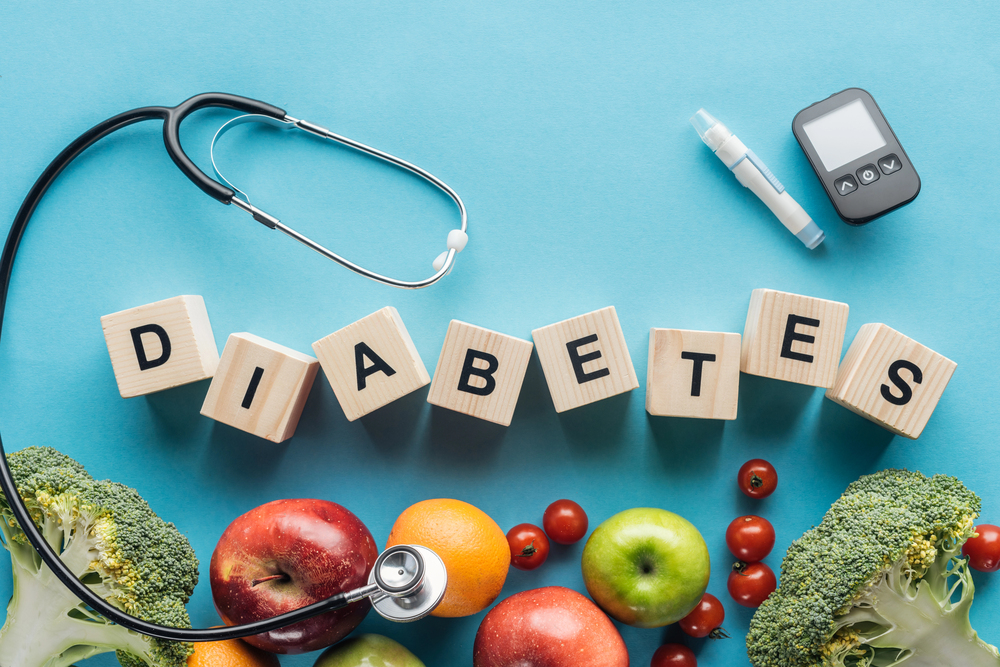
November is National Diabetes Month—a time dedicated to raising awareness about diabetes and the importance of regular health checkups, including eye exams. If you have diabetes, caring for your eyes should be a top priority. Diabetes can silently damage your vision before you notice any symptoms, making early detection through routine eye care essential to maintaining healthy sight.


How Diabetes Affects the Eyes

Diabetes can cause several eye conditions collectively known as diabetic eye disease. These include:

  • Diabetic Retinopathy:
    The most common form of diabetic eye disease, retinopathy occurs when high blood sugar damages blood vessels in the retina. Over time, this can lead to blurred vision, floaters, and even permanent vision loss if left untreated.
  • Diabetic Macular Edema (DME):
    When fluid builds up in the macula—the part of your eye responsible for sharp, central vision—swelling can distort vision and make everyday tasks like reading or recognizing faces difficult.
  • Cataracts and Glaucoma:
    People with diabetes are more likely to develop cataracts at an earlier age and have an increased risk for glaucoma, both of which can contribute to vision loss if not properly managed.


The Power of a Comprehensive Eye Exam

The good news? Diabetic eye disease is often preventable and treatable—especially when caught early. That’s why a comprehensive dilated eye exam is one of the most effective tools for protecting your vision.

During your exam, the doctors at Bissell Eye Care will:

  • Examine the retina and optic nerve for signs of damage
  • Check for swelling, bleeding, or new blood vessel growth
  • Monitor changes in your prescription or overall eye health

Even if your vision seems fine, early retinal changes can occur without noticeable symptoms. Regular monitoring allows your doctor to detect and treat issues before they progress.


Everyday Tips for Healthy Eyes with Diabetes

Protecting your eyes goes hand-in-hand with managing your overall health. Here are a few ways to support your vision every day:

  • Keep blood sugar, blood pressure, and cholesterol under control
  • Follow a balanced diet rich in fruits, vegetables, and omega-3s
  • Exercise regularly to improve circulation and eye health
  • Avoid smoking, which increases the risk of diabetic complications
  • Schedule yearly eye exams—or more often if recommended by your doctor


See the Difference Regular Care Can Make

At Bissell Eye Care, we’re dedicated to helping patients with diabetes preserve their sight and enjoy clear, healthy vision for years to come.

If you have diabetes or have recently been diagnosed with the disease, now is the perfect time to schedule a comprehensive diabetic eye exam. Early detection is the key to preventing vision loss—and taking charge of your eye health is one of the best ways to recognize National Diabetes Month.

Call 724-443-6767 or 724-226-0444 today to schedule your comprehensive eye exam.


About Bissell Eye Care: John D. Bissell, OD, is the owner of Bissell Eye Care, proudly serving the Northern Pittsburgh and Alle-Kiski Valley regions. Dr. Bissell has received advanced training through the International Academy of Low Vision Specialists, enabling him to help patients living with vision impairment and low vision challenges. With two convenient office locations and evening appointments available, Bissell Eye Care offers comprehensive eye exams for the entire family—starting as young as six months. Our services include ocular disease detection and treatment, prescription eyeglasses and sunglasses, specialty activewear eyewear, contact lenses, and dedicated low vision evaluations for those with significant vision impairment and vision loss. We accept most vision and health insurance plans. To learn more, visit bisselleyecare.com or call our Bakerstown office at 724-443-6767 or our Natrona Heights office at 724-226-0444.
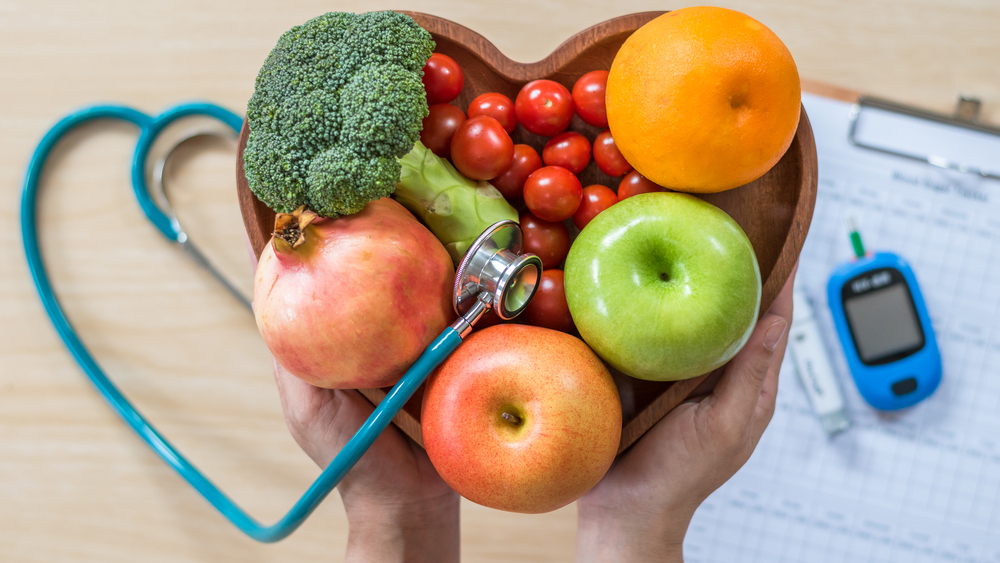
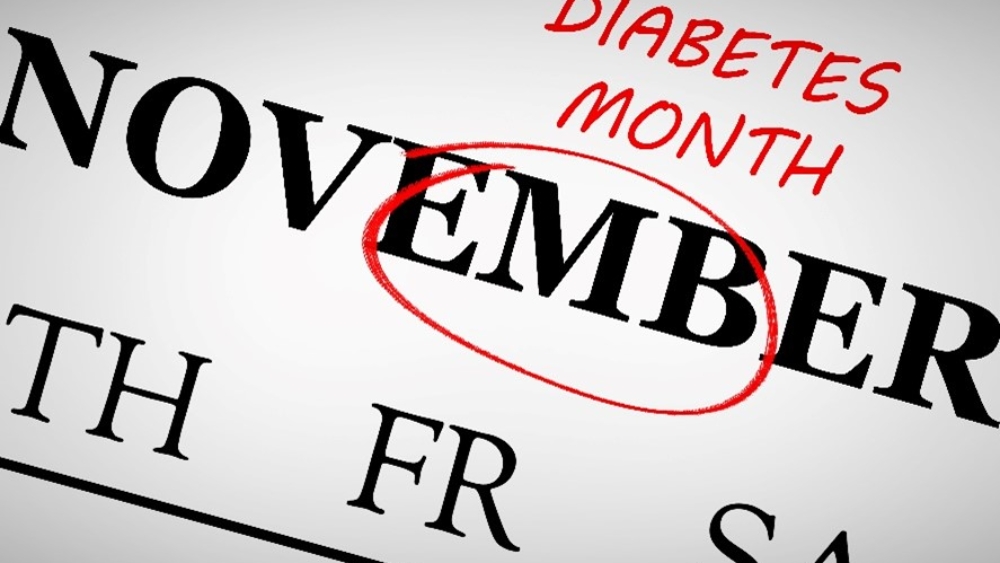
image of fruits and vegetables including apples oranges brocolli and tomatoes in a heart shaped bowl representing ways to reduce risk for diabetes

Are You at Risk for Diabetes?

November is Diabetic Eye Disease Awareness Month, an important time to learn how diabetes can affect your eyesight and why managing your vision health is essential. People with diabetes face an increased risk of vision problems, including diabetic retinopathy, glaucoma, and cataracts. However, with the right care and regular eye exams, it’s possible to maintain clear, healthy vision. The National Institute of Diabetes and Kidney Disease, states, “diabetes affects about 38 million Americans, including adults and youth. Diabetes can damage the eyes, kidneys, nerves, and heart, and it is linked to some types of cancer.”

According to the Mayo Clinic many people with diabetes will eventually experience some degree of retinal damage, known as diabetic retinopathy, regardless of how well they control their blood sugar. Studies show that 20 years after diagnosis, over 90% of individuals with type 1 diabetes and more than 60% of those with type 2 diabetes have diabetic retinopathy. This condition is often mild and may not initially impact vision.

Understanding How Diabetes Affects Your Eyesight

Diabetes can impact vision by affecting the blood vessels in your retina, leading to conditions such as:

  • Diabetic Retinopathy: The most common cause of vision loss in people with diabetes is diabetic retinopathy which occurs when high blood sugar levels damage blood vessels in the retina. In its early stages, you may not notice symptoms, but over time it can lead to vision loss if left untreated.
  • Diabetic Macular Edema (DME): DME occurs when fluid builds up in the macula, the part of the retina responsible for sharp vision, causing swelling and blurred vision.
  • Cataracts and Glaucoma: Diabetes increases the risk of cataracts, where the eye lens becomes cloudy, and glaucoma, a condition where increased pressure within the eye damages the optic nerve.

The Importance of Annual Eye Exams

  • Since many diabetic eye conditions develop without symptoms, regular comprehensive eye exams are crucial for early detection and treatment. During an eye exam, the doctors at Bissell Eye Care will dilate your pupils to check for signs of diabetic retinopathy, macular edema, and other eye issues. The earlier these conditions are caught, the better the chances of slowing their progression. If untreated, diabetic macular edema can cause partial vision loss or even blindness.
  • Early Detection Saves Sight: Diabetic retinopathy is treatable if caught early, but severe cases are more challenging to manage. Annual exams ensure any issues are addressed promptly.
  • Personalized Care: The Bissell Eye Care team of doctors can tailor care recommendations based on the specific challenges related to diabetes, including medication side effects or lifestyle changes that may impact eye health.

Tips for Maintaining Healthy Vision with Diabetes

While diabetes poses certain risks to eye health, you can take proactive steps to help maintain clear vision and reduce complications.

  • Keep Blood Sugar Levels in Check: Consistently high blood sugar can damage blood vessels throughout your body, including your eyes. Following your prescribed diabetes care plan can help keep your levels stable, protecting your overall and vision health.
  • Manage Blood Pressure and Cholesterol: High blood pressure and cholesterol can further increase your risk of diabetic eye disease. Working with your doctor to keep these levels under control is beneficial for your vision.
  • Quit Smoking: Smoking exacerbates blood vessel damage, especially in those with diabetes, increasing the risk of diabetic retinopathy. Quitting smoking has significant benefits for both your eye health and overall wellness.
  • Wear Sunglasses: Protect your eyes from harmful UV rays, which can worsen eye conditions like cataracts, by wearing UV-protective sunglasses when outdoors.

Final Note on Risk for Diabetes

If you have diabetes, knowing the risks to your eyesight and how to manage them can help you protect your vision. Diabetic eye disease is often preventable with early care and lifestyle adjustments. Don’t let silent symptoms sneak up on you. Monitor your blood sugar and adopt healthy habits to safeguard your vision for years to come. Remember, maintaining your eye health starts with staying proactive—so take control of your vision by maintaining regular eye exams. Take the time this month to book your annual eye exam with Bissell Eye Care by calling 724-443-6767 or 724-226-0444 today and make your vision health a priority.


About Bissell Eye Care: John D. Bissell, OD owns and operates Bissell Eye Care servicing Northern Pittsburgh and Alle-Kiski Valley regions. With two locations to treat patients, we offer evening appointments. Bissell Eye Care provides comprehensive eye examinations for the entire family beginning as early as 6 months, ocular disease detection and treatment, eyeglasses, sunglasses, activewear, contact lenses, and low vision examinations for those with significant vision loss. We accept most types of vision and health insurance plans. For more information, visit bisselleyecare.com or call our Bakerstown Office at 724-443-6767 or Natrona Heights office at 724-226-0444.
November is Diabetes Month

National Diabetes Awareness Month

November is National Diabetes Awareness Month. For the over 10% of the United States population with diabetes, this month serves as a reminder to take care of your health. In particular for diabetics, regular eye exams are essential to maintaining your eyesight.

Because obesity is running ramped, being overweight and often not eating properly has led to an increasing diagnosis of diabetes among young and old alike. According to the American Federation for the Blind, approximately 33% of Americans with Diabetes are unaware they have the disease.

Importance of Eye Exams

Eye care is important for everyone, but for diabetics, vigilance is especially important. If you do have diabetes, the National Institutes of Health recommends annual comprehensive dilated eye exams. While caring for your diabetes in other ways, such as monitoring your blood sugar, cholesterol, and blood pressure are essential, so too is caring for your eyes.

Diabetic eye disease is the leading cause of vision loss among working-age adults. Diabetes impacts the eyes when blood glucose and blood sugar rise to dangerous levels, causing changes in the eye fluid levels, swelling of tissues, and blurry vision. When these levels stay elevated for longer periods of time, the result can be permanent eye damage. While this is common among diabetics, it also happens in those who are prediabetic.

Your eye care team at Bissell Eye Care can help you stay healthy and protect your vision. Because certain conditions can be hard to detect until more serious stages, it is important to have regular eye exams. Seeing your eye doctor regularly can allow them to take note of any changes in your vision.

What Comprehensive Eye Exams Can Uncover?

Comprehensive eye exams can uncover serious conditions like glaucoma, cataracts, and diabetic retinopathy. During these exams, a patient’s eyes are dilated to widen your pupil. This allows the doctors at Bissell eye care to examine your retina more closely. Bissell Eye Care also offers 3-D optic nerve and retinal imaging, which can also help uncover potential unknown eye conditions that would benefit from immediate treatment.

Diabetic retinopathy usually has no symptoms until vision loss occurs, but annual dilated eye exams can identify signs of it. In fact, about 90% of diabetes-related blindness is preventable through early detection, timely treatment and appropriate follow-up care. With all this to consider, do yourself a favor this November and schedule an eye exam at Bissell Eye Care if you’ve not already done so.


About Bissell Eye Care: John D. Bissell, OD owns and operates Bissell Eye Care servicing Northern Pittsburgh and Alle-Kiski Valley regions. With two locations to treat patients, we offer evening and Saturday appointments. Bissell Eye Care provides comprehensive eye examinations for the entire family beginning as early as 6 months, ocular disease detection and treatment, eyeglasses, sunglasses, activewear, contact lenses, and low vision examinations for those with significant vision loss. We accept most types of vision and health insurance plans. For more information, visit bisselleyecare.com or call our Bakerstown Office at 724-443-6767 or Natrona Heights office at 724-226-0444.

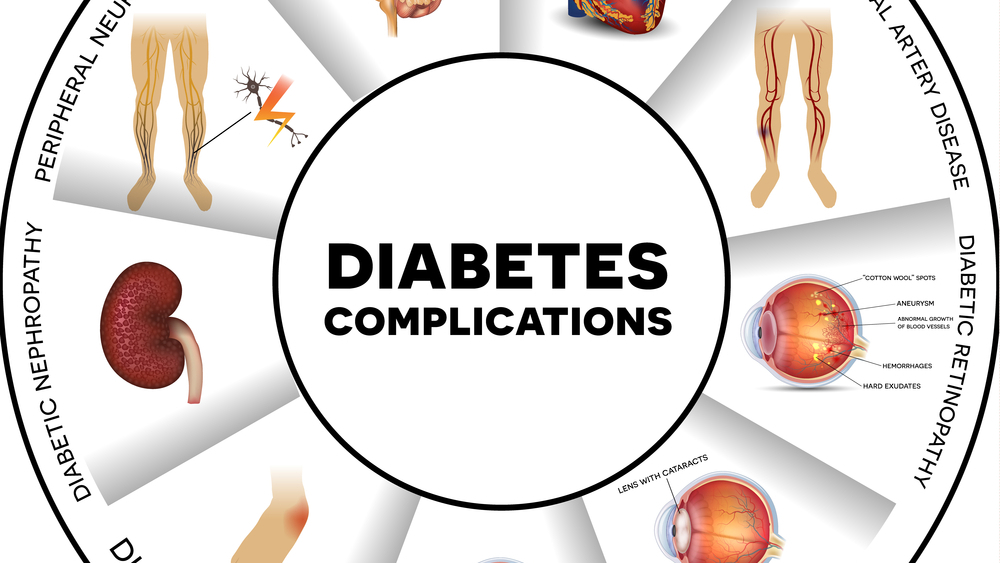
Diabetes Complications

DIABETES AWARENESS MONTH

November is Diabetes Awareness Month. If you are one of the estimated 29.1 million people that have diabetes, then you have most likely discussed with your doctor about possible health-related issues that come with the disease. Diabetes also can also harm your eyesight. Obtaining regular screenings will allow you to monitor your health and react to any changes that may have occurred.

The American Academy of Ophthalmology (and the American Diabetes Association) recommend patients with type 1 diabetes receive an eye exam within the first 5 years after diagnosis, then one exam per year. The groups recommend those with type 2 diabetes receive an eye exam as soon as diabetes is diagnosed, and then once yearly.

All people with diabetes are at risk of developing eye disease that can permanently damage their vision and even lead to blindness. However, some steps can be taken to help prevent diabetic eye disease, including:

  • Managing good blood sugar, blood pressure, and cholesterol control
  • Scheduling a yearly comprehensive dilated eye exam
  • Women with diabetes before pregnancy should have a comprehensive dilated eye exam early in their pregnancy. Additional exams may be recommended during pregnancy.
  • Maintaining a healthy lifestyle by exercising regularly, not smoking and following a healthy diet.

While everyone needs to schedule routine eye exams, people with diabetes need to be especially vigilant in scheduling their annual exams. Diseases such as glaucoma, cataracts, and retinopathy are best treated when they are detected early and are often associated with diabetes. Talk to your eye doctor about any concerns or vision loss you may be experiencing for the best chances of early detection and treatment.

Patients often ask, “Why do I have to have my eyes dilated?” A comprehensive dilated eye exam allows our doctors to check the retina for early signs of diabetic eye disease damage such as:

  • Warning signs of leaky blood vessels, such as fatty deposits
  • Changes to blood vessels
  • Changes in the lens
  • Swelling of the macula
  • Damage to nerve tissue

Glaucoma occurs when pressure builds inside the eye and is 40% more likely to occur in individuals who have diabetes. The pressure pinches blood vessels that carry blood to the retina and optic nerve. Vision is gradually lost as the retina and nerves are damaged from the increase in pressure. There are several treatments available for Glaucoma however some treatments may require surgery. Early detection of high pressure may be able to be managed by medication. Maintaining the proper eye pressure is key to preventing permanent damage to the eye.

As we age many people run a higher risk of developing cataracts. Those with diabetes are 60% more likely to develop them. By detecting cataracts early you can help to slow down the progression. The typical corrective action for cataracts is to remove the lens of the eye. Patients then would typically receive a new transplanted lens. In people with diabetes, vision can get worse after the removal of the lens and glaucoma may start to develop so additional treatment may be necessary.

Retinopathy is a general term used for all disorders of the retina that are caused by diabetes. The good news that there have been giant strides in the past decade on treatment for retinopathy.
Have you noticed a pattern? Particularly those with diabetes must be extra vigilant with screenings and health checkups. The key to being able to keep your vision as clear as possible when you suffer from diabetes is early detection. Keep in mind that you often can lose more than 60% of your vision before you begin to notice significant differences.

Talk with your doctor if you have diabetes so you know what symptoms to look for and schedule your annual vision screening.

About Bissell Eye Care: John D. Bissell, OD owns and operates Bissell Eye Care servicing Northern Pittsburgh and Alle-Kiski Valley regions. With two locations to treat patients, we offer evening and Saturday appointments. Bissell Eye Care provides comprehensive eye examinations for the entire family beginning as early as 6 months, ocular disease detection and treatment, eyeglasses, sunglasses, activewear, contact lenses, and low vision examinations for those with significant vision loss. We accept most types of vision and health insurance plans. For more information, visit bisselleyecare.com or call our Bakerstown Office at 724-443-6767 or Natrona Heights office at 724-226-0444.

NATIONAL DIABETES AWARENESS


Composite image of diabetes month against january on calendar

Do you or someone that you love suffer from diabetes? November is National Diabetes Awareness Month and we want to take the time to not only bring awareness to the effects diabetes can have on your eyes but also on the effects the disease can have on your overall health.

Over time, high blood sugar can damage the tiny blood vessels in your eyes. That can lead to a condition called diabetic retinopathy. High blood sugar can also lead to cataracts and glaucoma, which happen earlier and more often when you have diabetes. Some of the symptoms of eye damage conditions include floaters or spots in your field of vision. Many of the symptoms may be very mild at first, which is why we stress the importance of regular eye exams for diabetics, in particular, to provide early detection of treatable eye problems

While Type I Diabetes is usually discovered at a young age and requires insulin injections to maintain the body’s proper blood sugar levels, Type 2 Diabetes (which is usually controlled with diet, exercise, and oral medication) can eventually lead to insulin injection dependency. The key to helping avoid diabetes is proper exercise, diet, and weight management.

Diabetes can have negative effects on all parts of the body. It can cause problems with the circulatory system, the central nervous system, cardiovascular system, and vision.

There are several ways to help reduce the probability of developing diabetes. Nearly 80% of people who are diagnosed with Type 2 Diabetes are considered overweight. It is easy to say that weight loss is the first way to help reduce your chances of developing this disease. While many people may be overwhelmed at losing 40 to 50 pounds, take small steps. Simply losing 10 pounds can have a positive effect on your body.

By losing the extra weight, it allows your body to function more normally and reduce the stresses that the extra weight but on your body. Exercise also helps the body to function normally by helping the body to burn off the excess sugar. This reduces the strain on your body and the amount of insulin needed to help convert the sugar into energy.

By watching your diet, monitoring your weight and exercising regularly, you can help to reduce your chances of developing diabetes. Small changes in your life from what you eat to whether you take the stairs or the elevator are simple changes that you can make today to help you to live healthier and happier!

About the author: John D. Bissell, owner of Bissell Eye Care and Tri-State Low Vision Services, offers comprehensive eye examinations for the entire family, ocular disease detection and treatment, eye glasses, sun glasses, active wear, contact lenses, and low vision examinations for those with significant vision loss. He has undergone specialized training for treatment of low vision by the International Academy of Low Vision Specialists utilizing customized telescopic eyeglasses, prisms and telescopic implants for patients who qualify. The practice accepts most types of vision and health insurance plans.

DIABETES AWARENESS MONTH

If you are one of the estimated 29.1 million people that have diabetes, then you have most likely had a discussion with you doctor about possible health related issues that comes with the disease. Diabetes also can have a negative effect on your eyesight. Obtaining regular screenings will allow you to monitor your health and react to any changes that may have occurred.

While it is important for everyone to maintain routine visits with their optometrist, people with diabetes need to be especially vigilant in scheduling their annual exams. Diseases such as Glaucoma, cataracts, and retinopathy are best treated when they are detected early. Talk to your eye doctor about any concerns or vision loss you may be experiencing for the best chances of early detection and treatment.

Glaucoma occurs when pressure builds inside the eye and is 40% more likely to occur in individuals who have diabetes. The pressure pinches blood vessels that carry blood to the retina and optic nerve. Vision is gradually lost as the retina and nerves are damaged from the increase in pressure. There are several treatments available for Glaucoma; however, some treatments may require surgery. Early detection of high pressure may be able to be managed by medication. Maintaining the proper eye pressure is key to preventing permanent damage to the eye.

As we age, many people run a higher risk of developing cataracts. Those with diabetes are 60% more likely to develop them. By detecting cataracts early you can help to slow down the progression. The typical corrective action for cataracts is to remove the lens of the eye. Patients then would typically receive a new transplanted lens. In people with diabetes, vision can get worse after the removal of the lens and glaucoma may start to develop so additional treatment may be necessary.

Retinopathy is a general term used for all disorders of the retina that are caused by diabetes. The good news that there have been giant strides in the past decade on treatment for retinopathy.

Have you noticed a pattern? Particularly those with diabetes must be extra vigilant with screenings and health checkups. The key to being able to keep your vision as clear as possible when you suffer from diabetes is early detection. Keep in mind that you often can lose more than 60% of your vision before you begins to see significant differences. Talk with your doctor if you have diabetes so you know what symptoms to look for and schedule your annual vision screening.

About the author: John D. Bissell, owner of Bissell Eye Care and Tri-State Low Vision Services, offers comprehensive eye examinations for the entire family, ocular disease detection and treatment, eye glasses, sun glasses, active wear, contact lenses, and low vision examinations for those with significant vision loss. He has undergone specialized training for treatment of low vision by the International Academy of Low Vision Specialists utilizing customized telescopic eyeglasses, prisms and telescopic implants for patients who qualify. The practice accepts most types of vision and health insurance plans.

SEE BETTER BY EATING HEALTHY

Age related eye-diseases such as cataracts and macular degeneration commonly cause impaired vision and blindness in older adults. By changing your diet to include proper nutrition, you may be able to help delay or prevent certain eye problems, as well as prevent diseases caused by being overweight.

As children we were always told to eat our vegetables so that we would grow up big and strong. As time passed and you grew older, and wiser, it is often all too easy to forget about those things that our parents instilled in us when we were younger. Simple life choices, such as what you eat, may affect your eye sight more that you think.

Your diet is one of your life choices that will affect the quality of your life both now and as we age. A diet that is high in saturated fat and sugar may increase your risk of eye disease. By choosing a diet that has greens, fruits and vegetables, you may help to prevent eye diseases, along with other health-related conditions that occur with being overweight.

Age-related cataracts and age-related macular degeneration have been shown to occur less frequently in people who eat diets rich in vitamins, minerals, omega-3 fatty acids and healthy protein. You should try to consume at least 5-10 servings of fresh, colorful fruits and vegetables daily.

Proper hydration can also play a role in your eye health. Healthy beverages such as 100% vegetable juice, fruit juices, caffeine free teas and plenty of water, are extremely important to eye health. As you look at the labels, check out the sugar content. Try to consume less juice and more water. By staying properly hydrated you help to prevent dry eyes, which can cause irritation and lead to other eye complications.

As we grow older, and wiser, it is important to take care of our bodies. Having a proper diet is not only important to your body’s overall health, but is also important to you eye sight. Eating the proper amount of fruits and vegetables, along with staying properly hydrated, are keys to success. So take advantage of the summer and support your neighborhood farmers. Stop by the local farm stand and pick up some fresh fruits and vegetables to help boost your immune system and live a happy healthy life!

About the author: John D. Bissell, owner of Bissell Eye Care and Tri-Sate Low Vision Services, offers comprehensive eye examinations for the entire family, ocular disease detection and treatment, eye glasses, sun glasses, active wear, contact lenses, and low vision examinations for those with significant vision loss. He has undergone specialized training for treatment of low vision by the International Academy of Low Vision Specialists utilizing customized telescopic eyeglasses, prisms and telescopic implants for patients who qualify. The practice accepts most types of vision and health insurance plans.

DIABETES AWARENESS MONTH!

Diabetes monitor, Cholesterol diet and healthy food eating nutritional concept with clean fruits in nutritionist’s heart dish and patient’s blood sugar control record with diabetic measuring tool kit

Do you or someone that you love suffer from diabetes? With November being National Diabetes Awareness Month, we want to take the time to not only bring awareness to the effects diabetes can have on your eyes, but also on the effects the disease can have on your overall health.

While Type I Diabetes is usually discovered at a young age, and requires insulin injections to maintain the body’s proper blood sugar levels, Type 2 Diabetes (which is usually controlled with diet, exercise and oral medication) can eventually lead to insulin injection dependency. The key to help avoid diabetes is proper exercise, diet and weight management.

Diabetes can have negative effects on all parts of the body. It can cause problems with the circulatory system, central nervous system, cardio vascular system and vision.

How diabetes effects the eye, is caused by swollen blood vessels which can damage your vision and over time can lead to blindness. Some of the symptoms of eye damage conditions include, floaters or spots in your field of vision. People with diabetes are also more likely to develop cataracts at a much earlier age and are also more likely to develop glaucoma. Many of the symptoms may be very mild at first, which is why we stress the importance of regular eye exams for diabetics in particular, to provide early detection of treatable eye problems

There are several ways to help reduce the probability of developing diabetes. Nearly 80% of people who are diagnosed with Type 2 Diabetes are considered over weight. It is easy to say that weight loss is the first way to help reduce your chances of developing this disease. While many people may be overwhelmed at losing 40 to 50 pounds, take small steps. Simply losing 10 pounds can have a positive effect on your body.

By losing the extra weight, it allows your body to function more normally and reduces the stresses that the extra weight puts on your body. Exercise also helps the body to function normally by helping the body to burn off excess sugar. This reduces the strain on your body and the amount of insulin needed to help convert the sugar into energy.

By watching your diet, monitoring your weight and exercising regularly, you can help to reduce your chance of developing diabetes. Small changes in your life from what you eat to whether you take the stairs or the elevator are simple changes that you can make today to help you to live healthier and happier!

About the author: John D. Bissell, owner of Bissell Eye Care and Tri-State Low Vision Services, offers comprehensive eye examinations for the entire family, ocular disease detection and treatment, eye glasses, sun glasses, active wear, contact lenses, and low vision examinations for those with significant vision loss. He has undergone specialized training for treatment of low vision by the International Academy of Low Vision Specialists utilizing customized telescopic eyeglasses, prisms and telescopic implants for patients who qualify. The practice accepts most types of vision and health insurance plans.

NATIONAL DIABETES AWARENESS MONTH

November is National Diabetes Month, just like having a yearly physical, November is a perfect time to remind people with diabetes how important it is to take care of their eyes. Everyone with diabetes, type 1 and type 2, are at risk for diabetic eye disease, a leading cause of vision loss and blindness.

Unfortunately, diabetic eye disease often has no early warning signs so people with diabetes might not even know they have an eye disease until it progresses and they start to notice problems with their vision.


You are at increased risk for developing pre-diabetes and type 2 diabetes if you:

  • are 45 years of age or older
  • overweight
  • have a parent, brother or sister with diabetes
  • have a family background that is African-American, Hispanic/Latino, American-Indian, Asian-American, or Pacific-Islander
  • had diabetes while pregnant (gestational diabetes)
  • gave birth to a baby weighing 9 pounds or more
  • or are physically active less than three times a week

Some types of eye problems people with diabetes may have may include: cataracts, clouding of the lens of the eye, diabetic retinopathy, damage to blood vessels in the retina, glaucoma, or damage to the optic nerve. There are 7.7 million people ages 40 and older that have diabetic retinopathy and it is projected that number will reach 11 million people by 2030.

There are often NO early warning signs, but 95% of severe vision loss from diabetic retinopathy can be prevented by early detection, timely treatment, and appropriate follow-up.

The longer you have diabetes, the higher your risk of getting diabetic eye disease. Early detection for eye disease is done through a yearly comprehensive dilated eye exam.

Take control of your health and particularly if you are diabetic, your diabetes. Get a comprehensive dilated eye exam at least once a year. Take your medications. Reach and maintain a healthy weight. Add physical activity to your daily routine and control your blood sugar, blood pressure, and cholesterol. Kick the smoking habit. Only YOU can make these changes in your lifestyle.

Taking steps to take care of yourself today can lead to an improved quality of life tomorrow.

About the author: John D. Bissell, owner of Bissell Eye Care and Tri-State Low Vision Services, offers comprehensive eye examinations for the entire family, ocular disease detection and treatment, eye glasses, sun glasses, active wear, contact lenses, and low vision examinations for those with significant vision loss. He has undergone specialized training for treatment of low vision by the International Academy of Low Vision Specialists utilizing customized telescopic eyeglasses, prisms and telescopic implants for patients who qualify. The practice accepts most types of vision and health insurance plans.

Diabetes and Vision Loss

Diabetes and vision loss can go hand in hand.  Vision loss is one of the most common and debilitating complications of diabetes. An annual eye exam will help in early detection of  diabetes as for many people with Type 2 Diabetes the disease goes undetected.   For those individuals who have been diagnosed as a diabetic, extra attention should be made to monitor their diabetes and have regular eye exams.

According to Medical News Today, “Diabetes describes a group of metabolic diseases in which the person has high blood glucose (blood sugar), either because insulin production is inadequate, or because the body’s cells do not respond properly to insulin, or both. Patients with high blood sugar will typically experience frequent urination they will become increasingly thirsty and hungry”.

There are three types of diabetes:

  • Type 1 Diabetes- account for approximately 10% of all diabetics and occurs when the body doesn’t produce enough insulin.  Diabetics generally develop Type 1 Diabetes before their 40th birthday.
  • Type 2 Diabetes account for approximately 90% of the remaining diabetics.  The body does not produce enough insulin for proper function, or the cells in the body do not react to insulin (insulin resistance).  Typically type 2 diabetes is a progressive disease and eventually may lead to medication dependency to control the disease.    Overweight and obese people have a much higher risk of developing type 2 diabetes compared to those with a healthy body weight.  That’s why diet and exercise play a key role in prevention.
  • Gestational Diabetes   affects females during pregnancy. Some women have very high levels of glucose in their blood, and their bodies are unable to produce enough insulin to transport all of the glucose into their cells, resulting in progressively rising levels of glucose.  Uncontrolled gestational diabetes can raise the risk of complications at childbirth.

Diabetic Eye Disease is a group of eye problems people with diabetes could face as a result of the disease, which can lead to vision loss or blindness. These include:

•  Cataract (clouding of the lens of the eye)

•  Diabetic retinopathy (the most common form of diabetic eye disease, which damages the blood vessels in the retina)

•  Glaucoma (damage to the optic nerve that affects peripheral or side vision)

People often are unaware they have diabetes but In fact, about 90% of diabetes-related blindness is preventable through early detection, timely treatment and appropriate follow-up care.  To learn more about diabetes, low vision and vision loss, visit Tri-State Low Vision Services, a division of Bissell Eye Care.

About the author:  John D.  Bissell, owner of Bissell Eye Care and Tri-State Low Vision Services, offers comprehensive eye examinations for the entire family, ocular disease detection and treatment, eye glasses, sun glasses, active wear, contact lenses, and low vision examinations for those with significant vision loss. He has undergone specialized training for treatment of low vision by the International Academy of Low Vision Specialists utilizing customized telescopic eyeglasses, prisms and telescopic implants for patients who qualify.  The practice accepts most types of vision and health insurance plans.