Stargardt-Disease-in-Children

Stargardt Disease in Children – Causes, Symptoms, and Low Vision Treatment Options

Has your child or teenager complained about blurry vision? Do they notice dark or blank spots when looking at a computer screen or reading a book? Maybe they struggle to recognize faces or see colors clearly. If this sounds familiar, your child may have a condition called Stargardt disease.

What Is Stargardt Disease?

Stargardt disease is an inherited form of macular degeneration, often called juvenile macular degeneration. It is a congenital condition that typically affects children and adolescents, most commonly appearing between the ages of 6 and 12, although it may be present at birth.

The disease affects the macula, the part of the retina responsible for sharp, central vision. When the macula is damaged, the eye cannot properly process light, leading to reduced visual clarity. Young patients often struggle with central vision, color recognition, reading, and seeing clearly in low-light environments.

Treatment for Stargardt Disease

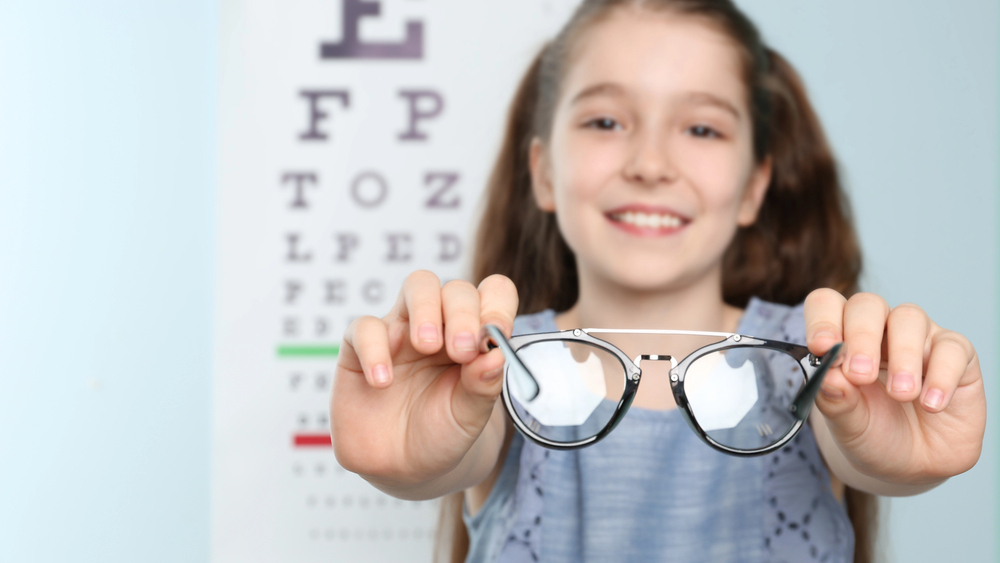
Currently, there is no cure for Stargardt disease. However, low vision glasses and assistive devices can help patients make the most of their remaining vision.

Devices such as handheld magnifiers and telescopic lenses can enlarge images and text, making everyday tasks easier. Some low vision aids can be worn over glasses and are especially helpful for schoolwork, computer use, and smartphones. These tools allow children to read, write, and study more comfortably.

How Stargardt Disease Causes Low Vision

Damage to the macula interferes with how visual information is sent from the eye to the brain. As a result, the brain cannot clearly interpret what the eyes see.

Common symptoms include:

  • Blurry or distorted vision
  • Dark or blank spots in central vision
  • Light sensitivity
  • Difficulty seeing colors and contrast

Vision loss often progresses rapidly at first and then stabilizes. Any vision loss can be challenging, but for children and young adults, it can feel especially overwhelming. We understand the emotional impact this condition can have and are committed to helping your child adapt and thrive.

How We Can Help

Stargardt disease can affect many areas of a child’s life, including schoolwork, sports, and learning to drive. Our goal is to help your child remain independent and successful in school, activities, and daily life.

Through personalized low vision evaluation with Dr. Bissell, a low vision specialist, he can recommend specialized devices that can enhance your child’s functional vision and help them continue doing the things they enjoy.

A Better Quality of Life for Your Child

With the right tools, training, and care, children with Stargardt disease can continue to learn, play, and participate fully in life. Dr. Bissell and the staff at Bissell Eye Care are here to provide guidance, solutions, and ongoing support to help your child achieve the best possible quality of life.


About Bissell Eye Care: John D. Bissell, OD, is the owner of Bissell Eye Care, proudly serving the Northern Pittsburgh and Alle-Kiski Valley regions. Dr. Bissell has received advanced training through the International Academy of Low Vision Specialists, enabling him to help patients living with vision impairment and low vision challenges. With two convenient office locations and evening appointments available, Bissell Eye Care offers comprehensive eye exams for the entire family—starting as young as six months. Our services include ocular disease detection and treatment, prescription eyeglasses and sunglasses, specialty activewear eyewear, contact lenses, and dedicated low vision evaluations for those with significant vision impairment and vision loss. We accept most vision and health insurance plans. To learn more, visit bisselleyecare.com or call our Bakerstown office at 724-443-6767 or our Natrona Heights office at 724-226-0444.
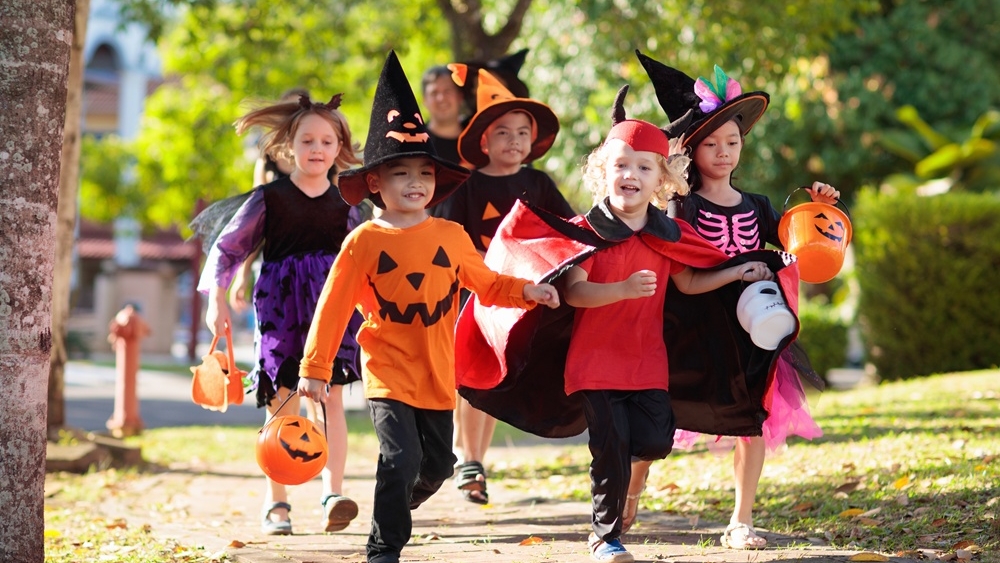
Child in Halloween costume. Mixed race Asian and Caucasian kids and parents trick or treat on street. Little boy and girl with pumpkin lantern and candy bucket. Baby in witch hat. Autumn holiday fun.

Keep Your Eyes Boo-tiful: Halloween Safety

Halloween Eye Safety Tips: Protecting Your Vision While Having Fun

Halloween is a favorite time of year for kids and adults alike—costumes, candy, and spooky fun. But while you’re picking out the perfect costume, it’s important to keep eye safety in mind. As optometrists, we want families to enjoy the holiday without accidents or eye injuries. Here are some Halloween safety tips for costumes, masks, and decorative contact lenses to help protect your vision this season.

Choose Masks Kids Can See Out Of Clearly

Masks are a popular part of many Halloween costumes, but they can sometimes block vision. Poorly fitted masks may limit peripheral vision, making it harder for kids to see cars, steps, or other trick-or-treaters.

  • Look for masks with large eye openings.
  • Test your child’s mask in a well-lit room before Halloween night.
  • If vision is restricted, consider face paint instead of a full mask.

Avoid Non-Prescription Decorative Contact Lenses

Decorative or “cosmetic” contact lenses—like cat eyes, vampire red, or all-white sclera lenses—may seem like the perfect accessory to a spooky costume. However, non-prescription contact lenses sold without an eye exam can be dangerous.

  • Ill-fitting lenses can cause scratches, infections, or even vision loss.
  • Only purchase costume contact lenses from a licensed eye doctor with a valid prescription.
  • Never share contact lenses, even decorative ones.

If your teen is interested in wearing Halloween contact lenses, schedule an eye exam to ensure they are fitted safely.

Watch Out for Sharp Objects in Costumes

Costume swords, wands, pitchforks, or other props with sharp ends can easily poke an eye if someone trips or bumps into another trick-or-treater. To reduce risk:

  • Choose props made of soft, flexible materials.
  • Avoid overly long items that can drag or swing around.
  • Remind kids not to run while holding costume accessories.

Prevent Trip Hazards in Costumes

Long costumes and flowing capes may look dramatic but can be hazardous. Children may trip and fall, increasing the risk of eye injuries or facial trauma.

  • Hem costumes to ankle length or shorter.
  • Avoid shoes that are too big for walking safely.
  • Make sure costumes are free of dangling parts that could catch on decorations.

Halloween is a time for fun, creativity, and family memories. By following these Halloween eye safety tips, you can keep vision clear and protected while enjoying the holiday.

If you have questions about decorative contact lenses or want to schedule an eye exam before Halloween, our office is here to help. Protecting your vision is no trick—it’s a treat you’ll enjoy for years to come.


About Bissell Eye Care: John D. Bissell, OD, is the owner of Bissell Eye Care, proudly serving the Northern Pittsburgh and Alle-Kiski Valley regions. Dr. Bissell has received advanced training through the International Academy of Low Vision Specialists, enabling him to help patients living with vision impairment and low vision challenges. With two convenient office locations and evening appointments available, Bissell Eye Care offers comprehensive eye exams for the entire family—starting as young as six months. Our services include ocular disease detection and treatment, prescription eyeglasses and sunglasses, specialty activewear eyewear, contact lenses, and dedicated low vision evaluations for those with significant vision impairment and vision loss. We accept most vision and health insurance plans. To learn more, visit bisselleyecare.com or call our Bakerstown office at 724-443-6767 or our Natrona Heights office at 724-226-0444.
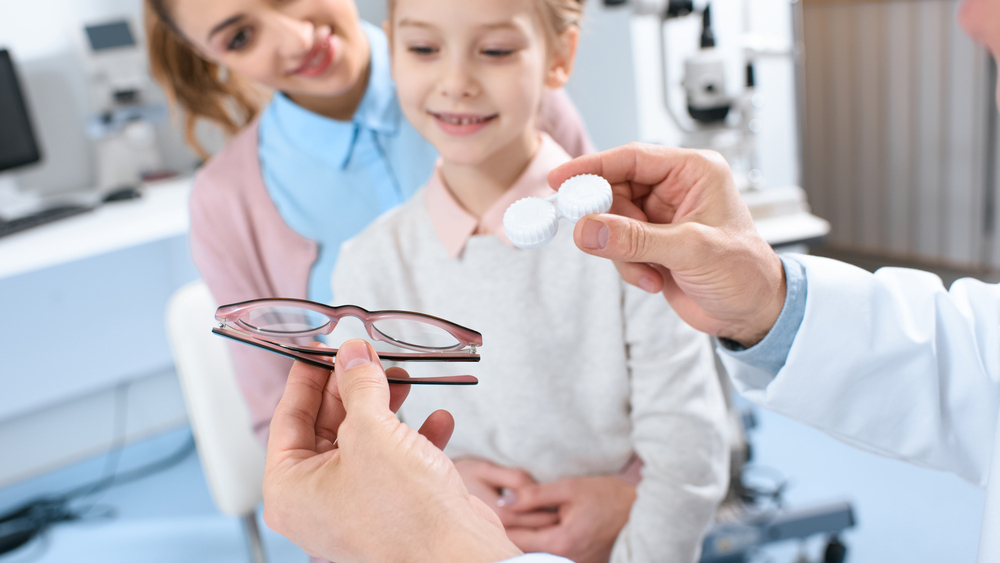
young childs in eye exam room geting fitted for contacts and glasses. Is my child ready for contacts.

Is My Child Ready for Contacts? A Parent’s Guide to Making the Decision

As children grow, their needs and preferences evolve—sometimes in surprising ways. The request for contact lenses is one common milestone that often leaves parents wondering is now the right time. Whether it’s for sports, aesthetics, or simply the desire to ditch glasses, many kids eventually ask, “Can I get contacts?” But how do you know if your child is truly ready? Here are some tips to help you decide if contact lenses are the right choice for your child.

Understanding the Basics: What Are Contact Lenses?

Contact lenses are thin, curved discs that sit directly on the surface of the eye to correct vision. They can be used to correct the same issues that glasses address, such as nearsightedness, farsightedness, astigmatism, and even presbyopia. Contacts offer some unique benefits, especially for active children, as they provide a wider field of vision and don’t get in the way during physical activities.

Signs Your Child May Be Ready for Contacts

Every child is different, and readiness for contact lenses isn’t determined solely by age. Instead, it’s about a combination of factors, including responsibility, maturity, and lifestyle. Here are some signs that your child may be ready to make the switch:

1. Maturity and Responsibility

The most important factor in determining whether your child is ready for contacts is their level of responsibility. Wearing contacts requires daily care and hygiene. Your child needs to be able to follow instructions carefully, clean their lenses regularly, and handle them with clean hands to avoid eye infections. If your child reliably handles other responsibilities, such as homework and chores, they may be ready for the added responsibility of contact lenses.

2. Expressing a Strong Interest

If your child has been asking for contact lenses and seems genuinely motivated to wear them, this is a good sign. A child who is interested in contacts is more likely to be diligent about taking care of them. This interest might stem from wanting to participate in sports without the hassle of glasses, feeling more confident without glasses, or simply wanting a change.

3. Active Lifestyle

For children involved in sports or other physical activities, contact lenses can offer significant advantages. Contacts don’t fog up, fall off, or get in the way during activities. They also provide better peripheral vision, which can be beneficial in sports. If your child frequently complains about their glasses interfering with their activities, contacts might be a good solution.

4. Discomfort or Dissatisfaction with Glasses

Some children find glasses uncomfortable or dislike how they look in them. If your child frequently expresses discomfort or is unhappy with wearing glasses, contacts could be a suitable alternative. It’s important to have a conversation with your child about why they want contacts and ensure their reasons are based on comfort and practicality, not just peer pressure.

Considerations Before Making the Switch

While there are many benefits to contact lenses, they also come with certain responsibilities and risks. Here are some considerations to keep in mind:

1. Age and Eye Health

There isn’t a specific age at which children should start wearing contacts, but most eye care professionals recommend waiting until a child is at least 8 to 10 years old. At this age, children are typically mature enough to handle the responsibilities that come with contacts. Additionally, it’s essential to ensure your child’s eyes are healthy enough for contacts. An eye exam will help determine if contact lenses are a suitable option for your child.

2. Commitment to Hygiene

Proper hygiene is critical when wearing contacts. Children must be committed to washing their hands before touching their lenses, cleaning the lenses as instructed, and replacing them on schedule. Poor hygiene can lead to eye infections, which can be serious. If your child is prone to skipping steps in their daily routine, contacts may not be the best choice right now.

3. Understanding the Risks

Children (and parents) should be aware of the risks associated with contact lens wear. These include eye infections, irritation, and the potential for more severe eye conditions if lenses are not cared for properly. It’s important to discuss these risks with your child so they understand the importance of following the care instructions provided by their eye care professional.

4. Financial Considerations

Contacts can be more expensive than glasses due to the need for regular replacement lenses, cleaning solutions, and follow-up eye exams. Consider whether your family is prepared for the ongoing costs associated with contact lenses.

Determining whether your child is ready for contact lenses is a personal decision that depends on your child’s maturity, responsibility level, and lifestyle needs. If your child is motivated, responsible, and ready to take on the extra care that contacts require, they could be an excellent option. However, if you’re unsure, it’s always a good idea to discuss the pros and cons with the doctors at Bissell Eye Care, who can help guide you through the decision-making process. Ultimately, the goal is to ensure your child’s vision is clear, comfortable, and well cared for—whether that’s with glasses, contacts, or a combination of both.

Give our office a call at 724-443-6767 or 724-226-0444 to explore various brands of contact lenses and answer any questions you may have.


About Bissell Eye Care: John D. Bissell, OD owns and operates Bissell Eye Care servicing Northern Pittsburgh and Alle-Kiski Valley regions. With two locations to treat patients, we offer evening appointments. Bissell Eye Care provides comprehensive eye examinations for the entire family beginning as early as 6 months, ocular disease detection and treatment, eyeglasses, sunglasses, activewear, contact lenses, and low vision examinations for those with significant vision loss. We accept most types of vision and health insurance plans. For more information, visit bisselleyecare.com or call our Bakerstown Office at 724-443-6767 or Natrona Heights office at 724-226-0444.
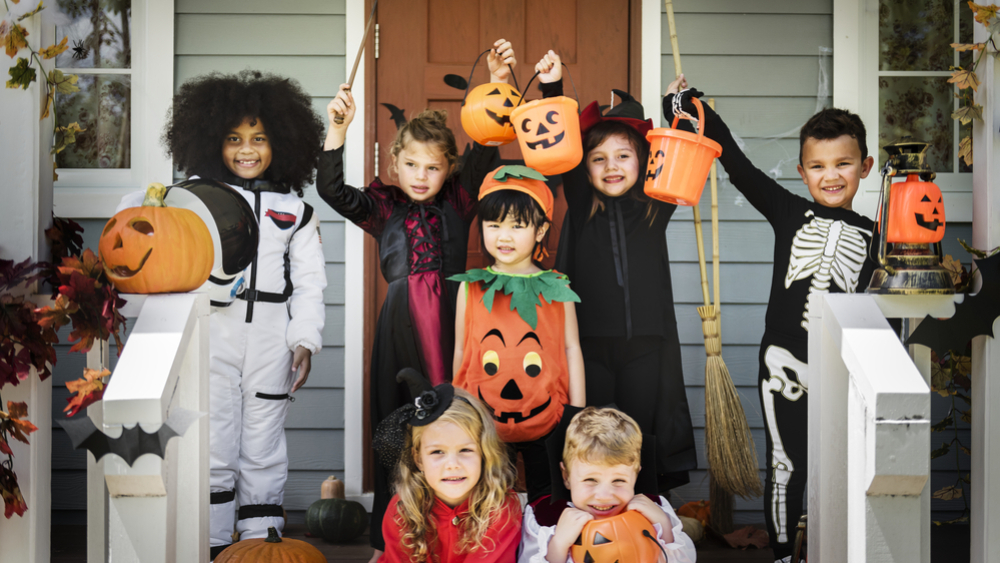
Little children in Halloween costumes representing halloween costume safety

Halloween Costume Safety and Eye Care: A Spooktacular Guide

Halloween is a favorite holiday for many, offering the chance to transform into someone or something entirely different for a night of spooky fun. However, amidst the excitement of picking the perfect costume, it’s important to prioritize safety and eye care. From tripping hazards to sharp objects and nonprescription contacts, understanding the potential risks is essential to ensure a safe and enjoyable Halloween.


1. Avoid Tripping Hazards

When choosing or creating a Halloween costume, it’s important to consider the potential tripping hazards. Costumes that are too long or have loose, trailing fabric can pose a risk for tripping, especially in dimly lit areas. Choose costumes that are the appropriate length and securely hemmed to minimize the risk of falling or stumbling. If your costume includes a cape or trailing elements, ensure they’re short enough to prevent tripping or securely fastened to avoid entanglement.

2. Watch Out for Sharp Objects

Some costumes may incorporate props or accessories that contain sharp objects, such as swords, knives, or other pointed accessories. While these accessories enhance the costume’s theme and appearance, they can also be hazardous, especially in crowded spaces. Make sure any sharp objects are securely attached to your costume and blunted to reduce the risk of injury to yourself or others.

3. The Dangers of Nonprescription Contacts

Colored or decorative contact lenses are popular for adding an extra element of fright to Halloween costumes. However, it’s crucial to prioritize eye safety when using nonprescription contact lenses. Over-the-counter or online-purchased lenses without proper fitting and consultation from an eye care professional can lead to serious eye complications, including:

  • Corneal Abrasions: Poorly fitted lenses can scratch the surface of the eye, causing pain, redness, and potential infection.
  • Corneal Ulcers: These open sores on the cornea can result from bacterial or fungal infections due to contaminated lenses or improper use.
  • Conjunctivitis (Pink Eye): Inflammation and infection of the conjunctiva, the thin tissue covering the front of the eye, can occur from wearing dirty or ill-fitting lenses.

Ensure any contact lenses used for costumes are prescribed by an eye care professional, properly fitted, and used according to the prescribed guidelines. Never share contact lenses with others and prioritize hygiene when handling and storing them.

4. Avoid Vision Restriction

Costumes that severely limit your vision can be dangerous, especially when navigating unfamiliar or crowded areas during Halloween festivities. Masks, hoods, or other headgear should not impair your ability to see clearly. Select costumes that allow a full range of vision to ensure your safety and the safety of those around you.

5. Tips for a Safe and Spooktacular Halloween:

  • Test your costume: Walk around in your costume to identify any potential tripping hazards or vision restrictions.
  • Use safe makeup and face paint: Choose hypoallergenic, non-toxic makeup and face paint to prevent skin irritation or allergic reactions.
  • Be cautious with props: Ensure any props or accessories are lightweight, well-secured, and won’t cause injury to yourself or others.
  • Supervise children: If children are wearing costumes, make sure their outfits are safe and comfortable. Keep an eye on them to prevent accidents.

Halloween is all about having fun and being creative with your costumes. By prioritizing safety and eye care, you can ensure a memorable and safe Halloween experience for yourself and those around you. Happy Haunting!


About Bissell Eye Care: John D. Bissell, OD owns and operates Bissell Eye Care servicing Northern Pittsburgh and Alle-Kiski Valley regions. With two locations to treat patients, we offer evening and Saturday appointments. Bissell Eye Care provides comprehensive eye examinations for the entire family beginning as early as 6 months, ocular disease detection and treatment, eyeglasses, sunglasses, activewear, contact lenses, and low vision examinations for those with significant vision loss. We accept most types of vision and health insurance plans. For more information, visit bisselleyecare.com or call our Bakerstown Office at 724-443-6767 or Natrona Heights office at 724-226-0444.
Depositphotos_92459526_S

Pre-School Registration & Eye Exams

When should you schedule your child’s first eye exam? Spring brings about registration for a new pre-school year and as you make your choice on where you want your child to go to school, you should also make a choice to have their eyes examined prior to starting school. Experts say 5 -10 % of preschoolers and 25 % of school-aged children have vision problems. 

Every experience a preschooler has is an opportunity for growth and development. Children use their vision to guide other learning experiences. From ages 2 to 5, your child will be fine-tuning the visual abilities gained during infancy and developing new ones.

At preschool, children will depend on their vision to learn tasks that will prepare them for school. Visually-guided eye-hand-body coordination, fine motor skills and visual perceptual abilities will be developed to enable your child to learn to read and write.

VISION SCREENING AND AN EYE EXAMINATION ARE NOT THE SAME

It is important to know that a vision screening by a child’s pediatrician or at his or her preschool is not the same as a comprehensive eye and vision examination by a doctor of optometry. Vision screenings are a limited process and can’t be used to diagnose an eye or vision problem, but rather may indicate a potential need for further evaluation. These screenings may lull parents into a false sense of security and may miss as many as 60% of children with vision problems. Even if a vision screening does not identify a possible vision problem, a child may still have one. 

Early identification of a child’s vision problem is crucial because, if left untreated, some childhood vision problems can cause permanent vision loss. Children then should have additional eye exams at age 3, and just before they enter the first grade — at about age 5 or 6.”

The AOA estimates one in four school-aged kids have undetected vision problems that critically impact their visual perceptual skills:

  • RECOGNITION — knowing the difference between letters like ‘b’ and ‘d’
  • COMPREHENSION — ‘picturing’ what’s happening in a story they’re reading
  • RETENTION – remembering and recalling details about what they’ve just read

Here are some tips for eye exams for young children.

  • Schedule the appointment during a time when your child is alert and happy taking into account napping and eating times
  • A case history will be conducted to determine birth history, birth weight, medical issues, and any allergies
  • Be sure to note any delayed motor development, failure to maintain eye contact, poor eye tracking, frequent eye rubbing or blinking

Making a child comfortable with puppets and the use of our “Special Lights” allow us to have fun with children as we look for the following things:

  • How the eye tracks and turns
  • High Refractive Error – meaning significant far or nearsightedness
  • Overall Eye Health

With just a little patience and a quick response time, a 2-year-old’s eye exam can go as smoothly as an adult eye exam. For young children who can’t read letters yet, no worries, we use shapes and colors. No matter what age, regular eye exams are important. If you have concerns about your child’s vision, tracking ability, or overall eye health, give our offices a call at 724-443-6767 or 724-226-0444.


About Bissell Eye Care: John D. Bissell, OD owns and operates Bissell Eye Care servicing Northern Pittsburgh and Alle-Kiski Valley regions. With two locations to treat patients, we offer evening and Saturday appointments. Bissell Eye Care provides comprehensive eye examinations for the entire family beginning as early as 6 months, ocular disease detection and treatment, eyeglasses, sunglasses, activewear, contact lenses, and low vision examinations for those with significant vision loss. We accept most types of vision and health insurance plans. For more information, visit bisselleyecare.com or call our Bakerstown Office at 724-443-6767 or Natrona Heights office at 724-226-0444.
Sports Protection - Performance Vision Center

DON’T LET YOUR CHILD’S SPORTS SEASON BE SIDELINED BY EYE INJURY

Eye injuries are the leading cause of blindness in children and most eye injuries among kids aged 11-14 occur while playing sports. Among the sports with high rates of eye injuries: basketball, baseball, softball, soccer, and cycling. Youth sports leagues don’t always require players to use protective eyewear, but as parents, we can take a stand to protect our children.

Children’s sports eye injuries can range from abrasions of the cornea and bruises of the lid to internal eye injuries, such as retinal detachments and internal bleeding. Such injuries often do not get the attention with regard to prevention that statistics suggest they warrant.

All athletes should wear protective eyewear, but not just any eyewear. Use protection specifically designed for the sport. The guide below will help you determine which type of eye protection is necessary for the sport your child plays.

  • Baseball: Polycarbonate or wire faceguard attached to the helmet; sports goggles with polycarbonate lenses while on the field
  • Basketball: Sports goggles with polycarbonate lenses
  • Field hockey: Full face mask for the goalie; sports goggles with polycarbonate lenses/wire mesh goggles while on the field
  • Football: Polycarbonate eye shield attached to the helmet with wire face mask
  • Ice hockey: Helmet with full face protection
  • Lacrosse: Helmet with full face protection or sports goggles with polycarbonate lenses/wire mesh goggles
  • Paintball: Full-face-protection goggles — covering the cheeks, ears, and eyes — with eye protection lenses at least 1/10 inch thick
  • Racquet sports: Sports goggles with polycarbonate lenses

By using the right protective eye gear, the good news is that ninety percent of these eye injuries can be prevented. Without protective gear, a fast-moving baseball can injure the bones around the eye or even the eyeball itself, causing temporary or permanent vision problems; other players’ hands or gloves can scratch the eye, causing damage to the eye’s surface; and a misguided bat can cause head injuries leading to vision problems.

Poor depth-perception or other vision problems could present in the following ways:

  • Always swinging the bat too early or too late
  • Missing often while trying to catch the ball
  • Squinting to see the ball or other players

If an eye injury occurs while playing a spring sport, seek medical attention by an eye doctor or primary care provider as soon as the injury occurs. If not properly treated, vision problems can persist and lead to lifelong difficulty playing sports, driving or even maintaining certain jobs.

Bissell Eye Care is a recognized Performance Vision Center by the Prevent Blindness organization. Our staff will help you select the right type of eye gear for the sport you are playing. Suit Up and …let us help you stay at the top of your game! To learn more about protective eye gear, give our offices a call.

About Bissell Eye Care: John D. Bissell, OD owns and operates Bissell Eye Care servicing Northern Pittsburgh and Alle-Kiski Valley regions. With two locations to treat patients, we offer evening and Saturday appointments. Bissell Eye Care provides comprehensive eye examinations for the entire family beginning as early as 6 months, ocular disease detection and treatment, eyeglasses, sunglasses, activewear, contact lenses, and low vision examinations for those with significant vision loss. We accept most types of vision and health insurance plans. For more information, visit bisselleyecare.com or call our Bakerstown Office at 724-443-6767 or Natrona Heights office at 724-226-0444.


Mom with daughter in ophthalmology clinic

What to Expect at My Child’s First Eye Exam

American Optometric Association (AOA), states “infants should have their first comprehensive eye exam at 6 months of age.” Did you know that Bissell Eye Care provides eye examinations for free to children as young as 6 months up to one year old? As children enter preschool around 3 years of age they should be rechecked and then again right before kindergarten. Experts say 5 -10 % of preschoolers and 25 % of school-aged children have vision problems.

During a child’s eye exam, we will perform three assessments, including a vision test, pupil test, and eye movement test. You’ll be asked about your family’s medical history, your child’s medical history, developmental observations and any vision problems that you might be observing with your child.

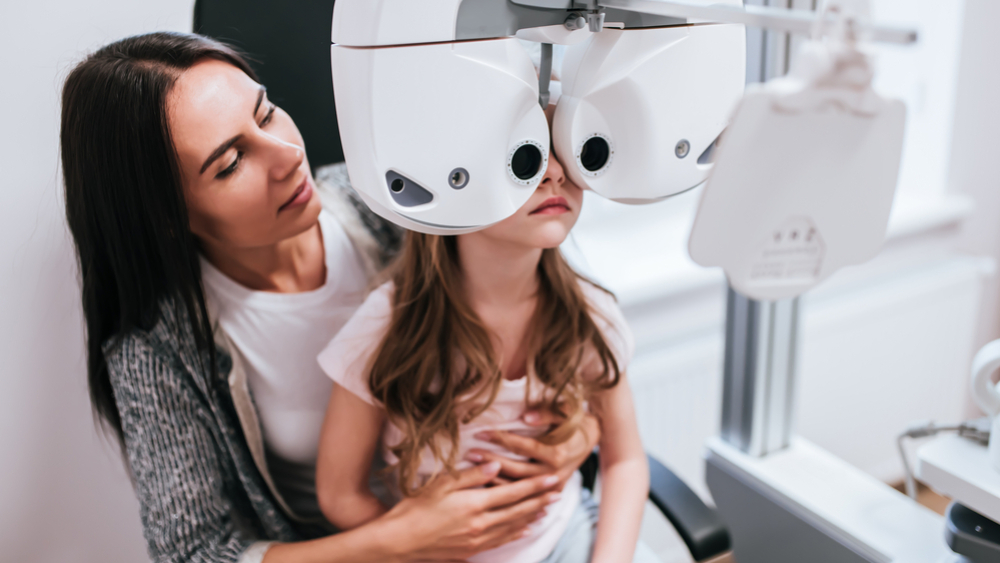
We encourage you to stay with your child through the entire examination. Infants and small children sit on a parent’s lap during the exam. Older children are encouraged to sit in the exam chair by themselves.
Eye drops are used to dilate the pupils, which gives the optometrists a better view of the structures inside the eye, such as the retina, optic nerve, and blood vessels. The drops take about 30 to 45 minutes to become fully effective.

The Bissell Eye Care optometrists will carefully observe each eye as your child follows lights or toys. This gives a very good estimate of a child’s visual function. Children do not need to be able to talk or read to get an accurate eyeglass prescription. Children who talk but cannot read or count may be asked to identify pictures of common objects.

Once the dilation drops kick in, the doctor will use a retinoscope, a handheld polarized light, and lenses to read each of the eye’s red reflex. This allows the doctor to get an accurate eyeglasses prescription without feedback from the patient, allowing nonverbal or young children to get glasses.

These same eye drops also cause a temporary weakness of the eyes’ focusing muscles. This allows us to determine if your child has a focusing or refractive error that requires glasses. Refractive errors include:

  • Nearsightedness (myopia)
  • Farsightedness (hyperopia)
  • Distorted vision (astigmatism)

You may notice many preschools are starting to advertise registration for the 2020-2021 school year. Young children depend on their vision to learn tasks that will prepare them for school. During this time in their lives, they are developing the visually-guided eye-hand-body coordination, fine motor skills and visual perceptual abilities necessary to learn to read and write.

Early identification of a child’s vision problem is crucial because, if left untreated, some childhood vision problems can cause permanent vision loss. The AOA estimates one in four school-aged kids have undetected vision problems that critically impact their visual perceptual skills -better known – as the 3 R’s:

  • RECOGNITION — knowing the difference between letters like ‘b’ and ‘d’
  • COMPREHENSION — ‘picturing’ what’s happening in a story they’re reading
  • RETENTION – remembering and recalling details about what they’ve just read

Here are some tips for eye exams for young children:

Schedule the appointment during a time when your child is alert and happy taking into account napping and eating times.
A case history will be conducted to determine birth history, birth weight, medical issues, and any allergies
Be sure to note any delayed motor development, failure to maintain eye contact, poor eye tracking, frequent eye rubbing or blinking.

Prepare your child for success as they enter preschool and beyond. To schedule your child’s eye exam, give our offices a call at 724-443-6767 or 724-226-0444.

About Bissell Eye Care: John D. Bissell, OD owns and operates Bissell Eye Care servicing Northern Pittsburgh and Alle-Kiski Valley regions. With two locations to treat patients, we offer evening and Saturday appointments. Bissell Eye Care provides comprehensive eye examinations for the entire family beginning as early as 6 months, ocular disease detection and treatment, eyeglasses, sunglasses, activewear, contact lenses, and low vision examinations for those with significant vision loss. We accept most types of vision and health insurance plans. For more information, visit bisselleyecare.com or call our Bakerstown Office at 724-443-6767 or Natrona Heights office at 724-226-0444.

Depositphotos_16276245_S

Prepare for Flu Season and Conjunctivitis

The 2019 – 2020 flu season is in full swing with the flu and conjunctivitis often going hand in hand.  Experts are predicting epidemic levels of cold and flu will continue during peak flu season.  It seems like everywhere you turn, someone is sick.  For those individuals who received a flu shot your symptoms may not be quite as severe.  Nonetheless, proper handwashing can be the key to not spreading those nasty germs.

When we think of the flu, things such as body aches, fever, and stomach viruses come to mind but flu season may also bring an unexpected surprise in the form of conjunctivitis most commonly referred to as “pink eye”.  Unfortunately, pink eye rides on the coattails of the flu and cold season and is adding to many people’s uncomfortable symptoms.

Pink eye, or conjunctivitis, is caused by inflammation of the conjunctiva, which is the tissue that lines the inside of the eyelid and helps to keep the eyelid and eyeball moist. The condition can be caused by bacteria, a virus, allergens, or other irritants. The same viruses that cause colds and the flu—such as adenovirus, enterovirus, and influenza virus—can also cause pink eye.

Cold and flu viruses can cause pink eye by traveling through the tear duct from the nose to the eye. However, most pink eye cases are caused by failing to wash your hands after you blow your nose or if you unknowingly touch a surface or object that someone with the flu or cold has recently touched. If you then rub your eyes, you’re transferring the virus or bacteria to your eyes.

There are three types of conjunctivitis:  1) Bacterial   2) Allergic and 3) Viral Conjunctivitis. 

Symptoms that present with conjunctivitis include:

  • Gritty feeling in the eye or both eyes
  • Excessive tearing
  • Itchy or burning sensation
  • Discharge and/or swollen eyelids
  • Pink Discoloration
  • Sensitivity to light.

Conjunctivitis is contagious so take these steps to avoid “sharing the joy” with others:

  • Practice good hygiene and teach your children how to properly wash their hands
  • Don’t touch your face with your hands
  • Avoid using cosmetics and eye care items and discard those currently used (particularly mascara) when first diagnosed with conjunctivitis to prevent spreading the infection.
  • Change towels and washcloths daily and avoid sharing with others
  • Avoid wearing contact lenses and dispose of those used at the start of the infection.

Pink eye can last from 10 days to two weeks, but there are several treatment options available depending on the cause and severity that can help alleviate your symptoms. Topical steroid drops and/or antibiotics based on which type of conjunctivitis you have will be used to treat conjunctivitis.  Viral conjunctivitis much like the common cold must run the course and only in severe cases are steroids used.

The best course of action is to schedule an appointment with your optometrist to properly diagnose and treat your infection.  At Bissell Eye Care, we also have tests that examine the optic nerve to ensure there’s not an underlying problem that can become more serious.  If in doubt, don’t delay – have your eye’s checked for infection.

About Bissell Eye Care: John D. Bissell, OD owns and operates Bissell Eye Care servicing Northern Pittsburgh and Alle-Kiski Valley regions. With two locations to treat patients, we offer evening and Saturday appointments. Bissell Eye Care provides comprehensive eye examinations for the entire family beginning as early as 6 months, ocular disease detection and treatment, eyeglasses, sunglasses, activewear, contact lenses, and low vision examinations for those with significant vision loss. We accept most types of vision and health insurance plans. For more information, visit bisselleyecare.com or call our Bakerstown Office at 724-443-6767 or Natrona Heights office at 724-226-0444.

Halloween Costume Safety Tips

Happy group of children in costumes during Halloween party playing around the table with pumpkins and bottle of potion

From the candy to Halloween costumes, this is a fun-filled time for kids and parents. Although it’s been a warm October, the signs of fall are certainly around us. The leaves on the trees are turning, haunted houses are popping up. There’s a nip in the air, pumpkin patches are in full swing and children’s Halloween costumes are being planned. We wanted to offer a few tips on dressing your little ghouls and goblins.

Does your costume block your vision?
Masks, wigs and eye patches may make an outfit complete, but make sure these accessories don’t significantly obstruct your field of view. Some masks are very dangerous for children because they make it hard to breathe, block their side vision, and can cause a trip hazard. Consider decorating your child’s face with non-toxic face paint or makeup. Make sure wigs and beards don’t cover your kids’ eyes, noses, or mouths.

Avoid over the counter decorative contact lenses.
Although it’s illegal to sell decorative contact lenses without a valid prescription, FDA says the lenses are sold on the Internet and in retail shops and salons. Don’t buy or wear decorative contact lenses that have not been prescribed by an eye doctor. The decorative lenses make the wearer’s eyes appear to glow in the dark, create the illusion of vertical “cat eyes,” or change the wearer’s eye color. These lenses are particularly popular for teens.
Decorative lenses from unlicensed manufacturers may be made from inferior plastic or may contain toxic dyes. Besides, untrained individuals may not follow proper hygiene in inserting or removing the devices. Eye infections related to improper wearing and handling of contact lenses can rapidly develop into corneal ulcers, which can cause permanent blindness.

No long costumes.
Long costumes can cause a trip hazard. To prevent falls, avoid oversized and high-heeled shoes. Make sure the rest of the costume fits well. Be sure your child’s costume ends above their ankles to avoid a fall. Use well-fitting shoes or boots for safe walking. Make sure your child’s costume is flame resistant and avoid baggy, billowing skirts and cloaks that might brush against a candle-lit jack-o’-lantern or luminary.

Use FDA approved makeup.
If you decide to disguise your child with makeup instead of a mask, use hypo-allergenic options and keep it away from the eyes. Make sure that any color additives to the face paint are FDA approved (check the Summary of Additives on the FDA website). When applying makeup near or around the eye, stay away from the lid margin, or lash line—the area where you would normally apply eyeliner. If you are applying make-up very close to the eye, use only products approved for use in that area such as an eyeliner or eyeshadow. Do not use blush or lip-liner to create a “red” effect. It is a good idea to carry a damp towel or washcloth in case the makeup begins to run while trick-or-treating.

Don’t allow sharp objects to be used as props.
Some costumes don’t seem complete without swords or wands. Elementary and nursery schools are very strict in prohibiting these props for school parties. Sharp, pointed props endanger your child’s eyes as well as the eyes of other children. If your child must carry a sword, find a belt carrier or scabbard where the sword can stay safely nestled while the kids roam the neighborhood. Buy or construct only accessories made of soft or flexible materials.

Make sure costumes are reflective.
If the costume your child chooses is not made of reflective material, sew on reflective fabric strips or use stick-on strips of reflective tape. You want your child to be seen, especially crossing streets in the dark. Place reflective material on the front, back and sides of your child’s costume. Give kids flashlights with fresh batteries. Kids may also enjoy wearing glow sticks as bracelets or necklaces. According to Safe Kids Worldwide, the risk of children being hit by a car is higher on Halloween than on any other day of the year.

Use the Buddy System.
Small children should always be accompanied by an adult. Older children should never trick or treat alone. Review with children how to call 9-1-1 (or their local emergency number) if they ever have an emergency or become lost.

Check Your Child’s Candy.
When they get home, it’s time to check the loot! Discard any candy with holes in the wrappers, or homemade goodies unless it is from someone you know. You may want to limit how much candy they can have following a night of haunting!

Happy haunting….be informed, be safe and have a Happy Halloween.

About Bissell Eye Care: John D. Bissell, OD owns and operates Bissell Eye Care servicing Northern Pittsburgh and Alle-Kiski Valley regions. With two locations to treat patients, we offer evening and Saturday appointments. Bissell Eye Care provides comprehensive eye examinations for the entire family beginning as early as 6 months, ocular disease detection and treatment, eyeglasses, sunglasses, activewear, contact lenses, and low vision examinations for those with significant vision loss. We accept most types of vision and health insurance plans. For more information, visit bisselleyecare.com or call our Bakerstown Office at 724-443-6767 or Natrona Heights office at 724-226-0444.

Watery-Eyes

WATERY EYES

Watery-EyesOur bodies produce tears to keep our eyes lubricated, and to help remove any foreign bodies. But when the body produces too many tears, or tear drainage is affected, the result is excessively watery eyes. While not necessarily harmful, watery eyes can be troublesome and irritating. Thankfully, this condition can usually be treated quickly and effectively.

Watery eyes are characterized by an excess of tears, which can give the eyes a glassy look, and may result in tears running or dripping from the eyes.

Cold or windy environments are natural causes for excessive tear production. However, excessive and constant watering is not normal, and may occur for a number of reasons.

Infant Watery Eyes Causes

Watery eyes can be a symptom of numerous medical conditions. A likely cause of watery eyes in infants can be blocked tear ducts. These often resolve on their own.

Other causes of watery eyes in infants and toddlers include infections like conjunctivitis (pink eye) or the common cold. Like adults, your child may experience watery eyes from irritants or hay fever.

Your child’s watery eyes can also be a symptom of a common cold. Children are more susceptible to colds than adults because they’ve not built up immunity and often touch their eyes, nose, and mouth, causing more germs to spread. Your child may develop watery eyes along with other cold symptoms like a stuffed or runny nose and sneezing.

Conjunctivitis, also known as pink eye, may be causing the watery eyes. This can occur in children or adults at any time. Pink eye occurs when a virus or, less commonly, bacteria get into the eye. Conjunctivitis can also be caused by irritation.

Watery Eye Causes in Toddlers

Toddlers may experience watery eyes for many of the same reasons as infants. An unresolved blocked tear duct from infancy, an infection, or allergies may be causing the symptom.

Teens And Older Adults With Too Many Tears

Tear over-secretion is usually caused by irritation or inflammation of the surface of the eye. This can occur for a number of reasons, including eyelash and eyelid problems or allergies. Oddly, a dry eye problem can sometimes cause watery eyes, because the eye produces excess tears to combat the irritation and dryness.

Treatments

In the case of excessive tear production, watery eyes can often be treated very simply, with eye drops, warm compresses or sometimes medication. Treatment for tear drainage problems is usually surgical, but there’s no need to worry, as most surgical treatments are quick and highly effective.

The various causes of watery eyes in babies and toddlers require different treatments. Some require minimal action on the part of the parents, while other treatments include prescription medications or surgery.

Several conditions can cause watery eyes in infants and children. Some like blocked tear ducts or a viral infection may resolve on their own with time. Other causes may require more immediate medical treatment.

Contact our office at 724-443-6767 or 724-226-0444 with any concerns you may have regarding watery eyes or any other eye condition.

About Bissell Eye Care: John D. Bissell, OD owns and operates Bissell Eye Care servicing Northern Pittsburgh and Alle-Kiski Valley regions. With two locations to treat patients, we offer evening and Saturday appointments. Bissell Eye Care provides comprehensive eye examinations for the entire family beginning as early as 6 months, ocular disease detection and treatment, eyeglasses, sunglasses, activewear, contact lenses, and low vision examinations for those with significant vision loss. We accept most types of vision and health insurance plans. For more information, visit bisselleyecare.com or call our Bakerstown Office at 724-443-6767 or Natrona Heights office at 724-226-0444.