
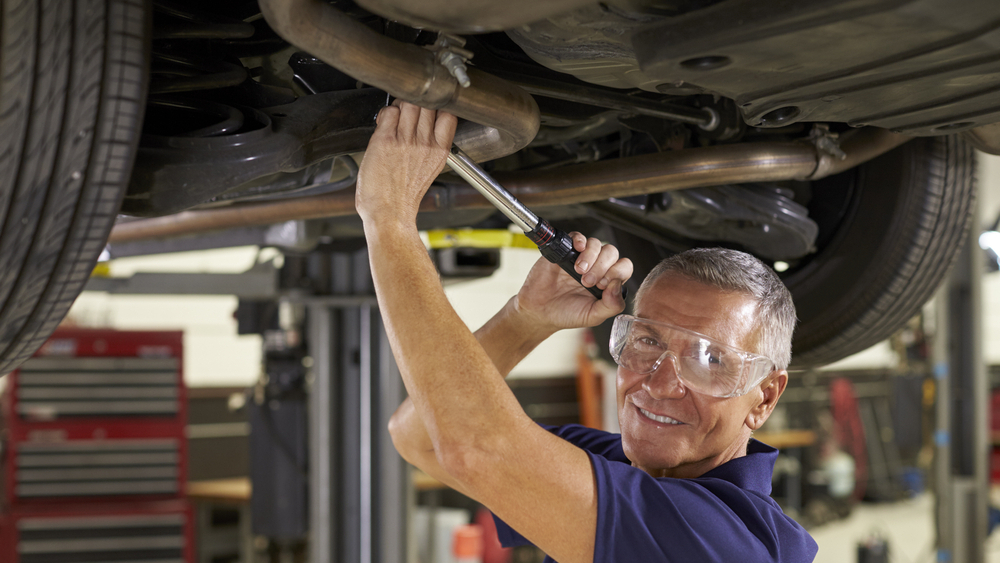
man working on underside of car wearing safety glasses

Eyes on Safety: A Comprehensive Look at Safety Glasses and Their Uses

October is National Eye Safety Month, a time dedicated to raising awareness about the importance of eye health and safety. Safety glasses are an essential piece of personal protective equipment (PPE) designed to protect the eyes from potential hazards in various environments. They are crucial for maintaining eye safety in workplaces, laboratories, construction sites, and even during recreational activities. There are different types of safety glasses available, each catering to specific needs and potential risks.

According to the Bureau of Labor Statistics, “There were 18,510 eye-related injury or illness cases that resulted in at least one day away from work in 2020, leading to an incidence rate of 1.7 cases per 10,000 full-time workers. The number of cases decreased 15.6 percent from 2019, while the 2020 incidence rate was down 10.5 percent from the previous year. Contact with objects or equipment led to the majority (11,980 cases) of eye injuries and illnesses requiring days away from work in 2020. Of these cases, 59.6 percent resulted from the worker rubbing or being abraded by foreign matter in the eye. Another 35.6 percent resulted from the eye being struck by an object or equipment.”

At home as we transition into the fall season, many individuals engage in various activities, including fall cleanup, home improvement projects, and outdoor maintenance. At work or at home, it’s important to use proper eye protection when working with machinery, chemicals, or any type of outside cleanup.

Various Types of Safety Glasses and their uses.

1. Safety Glasses with Side Shields

Safety glasses with side shields provide wraparound protection for the eyes. These shields are designed to protect the eyes from flying debris, particles, and other potential hazards that could come from the sides. They are commonly used in industrial settings, laboratories, and construction sites.

These types of glasses are used for:

  • Woodworking
  • Metalworking
  • Construction and demolition
  • Laboratory work

2. Goggles

Goggles are a more comprehensive eye protection option, offering a seal around the eyes to protect against various hazards, including chemical splashes, dust, and impact. They provide a higher level of protection compared to safety glasses with side shields.

These types of safety goggles are used for:

  • Handling chemicals and hazardous substances
  • Working with liquids or powders
  • Medical and healthcare settings
  • Chemistry laboratories

3. Over-the-Glasses (OTG) Safety Glasses

These are designed to fit over prescription glasses, allowing individuals who wear corrective eyewear to have the necessary eye protection. They typically have a larger frame to accommodate existing glasses.

These types of safety glasses are used for:

  • Individuals who wear prescription glasses
  • Work environments where prescription eyewear is necessary

4. Polarized Safety Glasses

Polarized safety glasses are equipped with polarized lenses that reduce glare from reflective surfaces, making them ideal for outdoor activities and environments with intense light.

These types of safety glasses are used for:

  • Driving
  • Fishing
  • Boating
  • Outdoor construction work

5. Shaded or Tinted Safety Glasses

These safety glasses have tinted lenses that provide protection against bright light, UV rays, and other specific environmental conditions. The tinting can vary in darkness to suit different needs.

These types of safety glasses are used for:

  • Welding
  • Outdoor work under sunny conditions
  • Activities with high exposure to sunlight

6. Anti-Fog Safety Glasses

Anti-fog safety glasses are coated with a special anti-fog layer, preventing fogging of the lenses in humid or changing temperature conditions. This feature is particularly useful in environments where workers may experience temperature variations.

These types of safety glasses are used for:

  • Environments with temperature changes
  • Humid conditions
  • Indoor and outdoor use

7. Face Shields

While not strictly glasses, face shields provide full-face protection, including the eyes, from splashes, droplets, and impacts. They are usually made of clear plastic and are used in conjunction with other protective eyewear for comprehensive coverage.

These types of safety glasses are used for:

  • Medical and healthcare settings
  • Manufacturing and fabrication
  • Grinding and cutting operations

National Eye Safety Month serves as a reminder that safeguarding our eyes should always be top of mind. Choosing the appropriate safety glasses is important to ensure eye safety in various work and home environments. Always consider the specific risks associated with the task at hand and opt for the most suitable type of safety eyewear to protect your eyes effectively. Remember, your vision is priceless, so prioritize your eye safety with the right protective gear.

Bissell Eye Care offices carry a variety of safety glasses and often your place of employment may cover the cost of safety glasses. To learn more call 724-443-6767 or 724-226-0444.


About Bissell Eye Care: John D. Bissell, OD owns and operates Bissell Eye Care servicing Northern Pittsburgh and Alle-Kiski Valley regions. With two locations to treat patients, we offer evening and Saturday appointments. Bissell Eye Care provides comprehensive eye examinations for the entire family beginning as early as 6 months, ocular disease detection and treatment, eyeglasses, sunglasses, activewear, contact lenses, and low vision examinations for those with significant vision loss. We accept most types of vision and health insurance plans. For more information, visit bisselleyecare.com or call our Bakerstown Office at 724-443-6767 or Natrona Heights office at 724-226-0444.

October Is Eye Injury Prevention Month

Skilled carpenter cutting a piece of wood in his woodwork workshop, using a circular saw, and wearing safety googles and earmuffs, with other machinery in the background

October is Eye Injury Prevention Month. Did you know that nearly 2.5 million people suffer eye injuries each year in the United States, and nearly one million people have lost some degree of vision as a result of their injury? Do you always wear protective eyewear when performing home repairs or maintenance?

According to the fifth-annual Eye Injury Snapshot conducted by the American Academy of Ophthalmology and the American Society of Ocular Trauma found that:

  • Most people believe that eye injuries are most common on the job — especially in factories and on construction sites. But in fact, nearly half of all eye injuries occurred in the home.
  • Home repairs, yard work, cleaning, and cooking caused more than 40 percent of eye injuries.
  • More than a third of those injuries in the home happened in the kitchen, bedroom, bathroom, living or family room.
  • More than 40 percent of eye injuries every year are related to sports or recreational activities.
  • More than 78 percent of people were not wearing eyewear at the time of injury. Only 5.3 percent of those who were wearing eyewear

Most injuries could have been prevented by wearing protective eyewear.

Could your job land you in the doctor’s office or the ER with an eye injury? According to the U.S. Bureau of Labor Statistics, more than 20,000 workplace eye injuries happen each year. Injuries on the job often require one or more missed workdays for recovery. The Bureau of Labor Statistics states that nearly three out of every five workers injured were not wearing eye protection at the time of an accident. While you may believe it unnecessary to wear protective glasses at your job, consider the alternative of losing eyesight in one or both eyes.

Small business owners and independent contractors, you aren’t immune. How often do you work a “side job” without the proper eye protection? Whether you work for a large manufacturing company or are an independent business owner, you are subject to injury. Are you willing to take a risk as it could mean the loss of work, wages and career with no safety net to ensure your financial future?

To help prevent eye injuries and make your workplace safer and take steps to protect your eyesight. Follow the OSHA rules regulations and guidelines.

Eye injuries are not limited to the workplace. Think about the things you do around the house to get ready for winter. Flying debris or other small particles can be created from outside jobs such as trimming shrubs, raking leaves, mowing the lawn and cleaning up after a wind storm. These particles can get into your eyes and have the potential to scratch or damage your eye. Put on protective eyewear before you use a lawnmower, power trimmer or edger and be sure to check for rocks and stones when mowing as they can become dangerous projectiles as they shoot from these machines.

When we think of fall cleanup –many things can occur around the house to get your home ready for winter. Closing up swimming pools, cleaning windows and gutters, as well as other projects around the house that involve the use of chemicals can lead to injury. Splashing chemicals can burn your eyes causing permanent damage. When using household chemicals, be sure to work in a well-ventilated area and keep the spray nozzle pointed away from you. Read the labels of chemicals and cleaners carefully, and don’t mix products.

Flying fragments, fumes, dust particles, sparks can occur in the workshop or while doing woodworking projects. For those car buffs, battery acid sparks and debris from damaged or improperly jump-started auto batteries can severely damage your eyes. Learn the proper way to jump-start an automobile, and keep protective goggles in the trunk of your car to use for those emergencies and every day repairs.
We recommend that every household have at least one pair of ANSI-approved protective eyewear to be worn when doing projects and activities at home to safeguard against eye injuries.

At Bissell Eye Care, we have many options for safety and sports eyewear available both our Bakerstown and Natrona Heights locations. If you would like to invest in your eye health, consider purchasing a reliable pair of safety glasses! As always, UV Protection is also important for optimum ocular health. Ensuring that the exposure of the eye to harmful UV radiation is as limited as possible is equally as important as wearing protective glasses during risky activities. Sunglasses may be covered under your insurance care provider (especially if they are dispensed with your current prescription).

If you have any questions or concerns or would like to schedule an appointment for an eye examination, call us today! Knowledge is power, keep yourself safe and eyes healthy through proper eye safety protection.

About Bissell Eye Care: John D. Bissell, OD owns and operates Bissell Eye Care servicing Northern Pittsburgh and Alle-Kiski Valley regions. With two locations to treat patients, we offer evening and Saturday appointments. Bissell Eye Care provides comprehensive eye examinations for the entire family beginning as early as 6 months, ocular disease detection and treatment, eyeglasses, sunglasses, activewear, contact lenses, and low vision examinations for those with significant vision loss. We accept most types of vision and health insurance plans. For more information, visit bisselleyecare.com or call our Bakerstown Office at 724-443-6767 or Natrona Heights office at 724-226-0444.


SPRING CLEANUP AND EYE PROTECTION


Gardener strimming and strimmer

It’s grass mowing, yard cleanup time of year. The leaves are out, flower beds are starting to show their color and you’re getting ready for summer entertaining. It’s important to be proactive about eye protection as you mow, trim, use weed whackers and hedge trimmers. The speed involved while using machinery can cause the unpredictable trajectory of clippings and debris.

While many people routinely don gardening gloves, sun hats, and mud boots, the eyes are often left exposed to everything from prickly branches to flinging rocks. All those powerful yard tools are great at cutting grass and leaves – but they’re also great at kicking up dirt, stones, dust, wood chips, and more. Your eyelids and eyelashes help keep some of the debris and dust out. Unfortunately, we see it all too often and it’s all too easy for something small to fly up and hit your eye when you least expect it!

Safety glasses provide a solid barrier to keep those flying stones and little bits of wood from striking your eye. They’re designed to cover more area around the eye including around the sides if you use a wrap-around style. Better than ordinary glasses, this type of safety glasses help minimize the possibility of something slipping under or around them.

Injuries from these flying objects run from small but painful scratches on the cornea to bits of dirt or wood actually getting stuck in your eye. As you can imagine, not only is this painful, it could impair your eyesight. The foreign objects have to be removed and your eye treated to prevent infections and repair damage.

The American Academy of Ophthalmology offers the following tips for common yard-work eye issues:

  • If sand or small debris gets in the eye, use an eyewash to flush the eye. Don’t rub the eye. If the debris doesn’t come out, lightly bandage the eye and see your eye doctor.
  • For blows to the eye, gently apply small cold compresses to reduce pain and swelling. Don’t apply any pressure. Seek emergency medical care if there is pain, reduced vision or discoloration, such as a black eye.
  • For cuts or punctures to the eye, bandage the eye without applying any pressure and seek emergency medical care immediately. Don’t attempt to wash the eye or remove any object stuck in the eye.

The eyes can be damaged by sun exposure too, not just chemicals, dust or objects, so make sure to wear UV protecting sunglasses while outdoors. Whether you are a professional landscaper or you mow your own lawn, don’t forget to protect your eyes while performing yardwork this spring and summer!

About the author: John D. Bissell, owner of Bissell Eye Care and Tri-State Low Vision Services, offers comprehensive eye examinations for the entire family, ocular disease detection and treatment, eye glasses, sun glasses, active wear, contact lenses, and low vision examinations for those with significant vision loss. He has undergone specialized training for treatment of low vision by the International Academy of Low Vision Specialists utilizing customized telescopic eyeglasses, prisms and telescopic implants for patients who qualify. The practice accepts most types of vision and health insurance plans.

man working on underside of car wearing safety glasses

EYE INJURY PREVENTION MONTH

man working on underside of car wearing safety glassesOctober is Eye Injury Prevention Month. Did you know that nearly 2.5 million people suffer eye injuries each year in the United States, and nearly one million people have lost some degree of vision as a result of their injury? Most injuries could have been prevented with protective eyewear.

Could your job land you in the doctor’s office or the ER with an eye injury? According to the U.S. Bureau of Labor Statistics, more than 20,000 workplace eye injuries happen each year. Injuries on the job often require one or more missed workdays for recovery. The Bureau of Labor Statistics states that nearly three out of every five workers injured were not wearing eye protection at the time of an accident. While you may believe it unnecessary to wear protective glasses at your job, consider the alternative of losing eyesight in one or both eyes.

Small business owners and independent contractors, you aren’t immune. How often do you work a “side job” without the proper eye protection? Whether you work for a large manufacturing company or are an independent business owner, you are subject to injury. For the small business owner, it could mean the loss of work, wages and career with no safety net to ensure your financial future.

To help prevent eye injuries and make your workplace safer, take steps to protect your eyesight. Follow the OSHA rules regulations and guidelines.

Eye injuries are not limited to the workplace. Think about the things you do around the house to get ready for winter. Flying debris or other small particles can be created from outside jobs such as trimming shrubs, raking leaves, mowing the lawn and cleaning up after a wind storm. These particles can get into your eyes and have the potential to scratch or damage your eye. Put on protective eyewear before you use a lawnmower, power trimmer or edger and be sure to check for rocks and stones when mowing as they can become dangerous projectiles as they shoot from these machines

Closing up swimming pools, cleaning windows and other projects around the house that involve the use of chemicals can lead to injury. Splashing chemicals can burn your eyes causing permanent damage. When using household chemicals, be sure to work in a well-ventilated area and keep the spray nozzle pointed away from you.

Flying fragments, fumes, dust particles, sparks can occur in the workshop or while doing woodworking projects. For those car buffs, battery acid sparks and debris from damaged or improperly jump-started auto batteries can severely damage your eyes. Learn the proper way to jump-start an automobile, and keep protective goggles in the trunk of your car to use for those emergencies and everyday repairs.

We recommend that every household have at least one pair of ANSI-approved protective eyewear to be worn when doing projects and activities at home to safeguard against eye injuries.

At Bissell Eye Care, we have many options for safety and sports eyewear available at both our Bakerstown and Natrona Heights locations. If you would like to make an investment in your eye health, consider purchasing a reliable pair of safety glasses! As always, UV Protection is also important for optimum ocular health. Ensuring that the exposure of the eye to harmful UV radiation is as limited as possible is equally as important as wearing protective glasses during risky activities. Sunglasses may be covered under your insurance care provider (especially if they are dispensed with your current prescription). If you have any questions or concerns or would like to schedule an appointment for an eye examination, call us today! Knowledge is power. Keep yourself safe and eyes healthy through proper eye safety protection.

About the author: John D. Bissell, owner of Bissell Eye Care and Tri-State Low Vision Services, offers comprehensive eye examinations for the entire family, ocular disease detection and treatment, eye glasses, sun glasses, active wear, contact lenses, and low vision examinations for those with significant vision loss. He has undergone specialized training for treatment of low vision by the International Academy of Low Vision Specialists utilizing customized telescopic eyeglasses, prisms and telescopic implants for patients who qualify. The practice accepts most types of vision and health insurance plans.

THE RIGHT ACTIVEWEAR

As you head out the door this summer, whether it is to go mountain biking or to the lake to go fishing, having the right type of eye protection or activewear is essential. Eye protection can vary greatly in design and function depending on what type of activities you are to take part in. One of the most important factors to take into consideration when choosing eye protection is if it needs to be designed to protect against impact, the sun, or possibly both.

Eye protection has a large range of options. If you are using the right eye protection for the wrong activity, you may find that your protection is not going to work as you had hoped, and may actually cause more problems. As a new season of school sports kicks up, be sure to suit up with the right eyewear.

The most important part of determining what type of eye protection you need is to identify what you will be protecting your eyes from. For someone who is going to grab the mountain bike and hit to trails, you are looking for something that is designed for impact resistance. Having glasses on that can break and enter the eye, or cause damage to areas around the eye would not be your best option.

The two main categories to look at when you are choosing eyewear is whether your activity is going to have any chance of impact. If there is, you want to choose safety glasses. These differ from regular glasses as they are required to meet a higher standard of impact resistance than regular eye glasses. This standard is required for both the lens and the frame.

Safety glasses are becoming more stylish and can even be special ordered with your prescription in them if need be. Regular glasses, if impacted, may not stand up to the impact which can lead to injury from broken glass or broken frames.

If you’re more up to grabbing your fishing gear and heading to your favorite lake or stream, you are looking to protect your eyes from the sun. In this case impact resistance is not as important as blocking out the UV rays that can damage the eye or even leave your eyes sunburned.

The most effective form of sunglasses are those which have UV protection. Wraparound sunglasses have the most coverage for your face and will help to block out light that can enter around the sides of normal sunglasses. If you are concerned about being able to see, sunglasses like many safety glasses can be made with your prescription to allow you to see clearly through them.

As you step out the door this summer, know that your eye protection has a specific design and function. Using the wrong eyewear for the activity you are going to partake in may leave you more vulnerable and unprotected. If you are unsure which type of eye protection to use, consult your optometrist or the staff at Bissell Eye Care and they will be able to guide you in the right direction!

About the author: John D. Bissell, owner of Bissell Eye Care and Tri-State Low Vision Services, offers comprehensive eye examinations for the entire family, ocular disease detection and treatment, eye glasses, sun glasses, active wear, contact lenses, and low vision examinations for those with significant vision loss. He has undergone specialized training for treatment of low vision by the International Academy of Low Vision Specialists utilizing customized telescopic eyeglasses, prisms and telescopic implants for patients who qualify. The practice accepts most types of vision and health insurance plans.

EYE SAFETY IN THE WORKPLACE

Portrait Of Auto Mechanic Working Underneath Car In Garage

October is eye injury prevention month. Could your job land you in the doctor’s office or the ER with an eye injury? With over 1,000 work-related eye injuries a day, it is fair to say that there are many professions in which workers can put their health and safety at risk.

The Bureau of Labor Statistics states that nearly three out of every five workers injured were not wearing eye protection at the time of an accident. While you may believe it unnecessary to wear protective glasses at your job, consider the alternative of losing eye sight in one or both eyes.

Hands-on craft work and industrial equipment operators top the list for the most eye injuries. While potential eye hazards can be found in nearly every industry, it is reported that more than 40% of injuries studied have occurred among craft workers, machinists, carpenters and plumbers. Almost half of the injured workers were employed in manufacturing, and slightly more than 20% were in construction.

How can you protect yourself you may ask? While it is important to wear safety glasses, are you wearing the right type of safety glasses? Flat front safety glasses such as reading glasses will offer some protection, but they do not prevent debris or particles from entering the eye from the top, bottom or sides of your face where the glasses do not cover. Furthermore, flat front glasses are not as resistant to breaking if they come in contact with a hard object.

It is important to allow air to circulate between your eye and the glasses. However, you do not want to have so much space that would allow particles to enter the eye. When using your protective glasses, keep in mind that you also need to be able to see clearly. In too many cases, it is found that safety glasses that are to be worn to protect the eye, are so scratched or damaged that it prevents the worker from seeing clearly. While scratched safety glasses are protecting the eye being injured, the lack of clear vision may lead to other mistakes that could cause other workplace injuries.

Small business owners and independent contractors, you aren’t immune. How often do you work a “side job” without the proper eye protection? Whether you work for a large manufacturing company or are an independent business owner, you are subject to injury. For the small business owner, it could mean the loss of work, wages and career with no safety net to ensure your financial future.

To help prevent eye injuries and to make your work place safer and take steps to protect your eyesight, follow the OSHA rules regulations and guidelines. Knowledge is power, keep your safety record going strong through proper eye safety protection.

About the author: John D. Bissell, owner of Bissell Eye Care and Tri-State Low Vision Services, offers comprehensive eye examinations for the entire family, ocular disease detection and treatment, eye glasses, sun glasses, active wear, contact lenses, and low vision examinations for those with significant vision loss. He has undergone specialized training for treatment of low vision by the International Academy of Low Vision Specialists utilizing customized telescopic eyeglasses, prisms and telescopic implants for patients who qualify. The practice accepts most types of vision and health insurance plans.