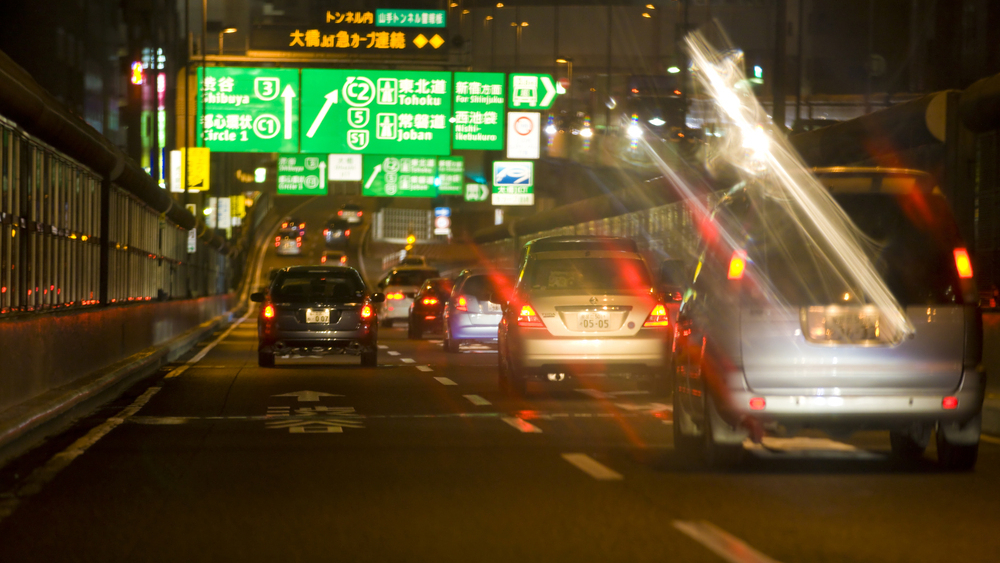
night time traffic on a highway with blurred tail gate lights from poor vision - safe night driving

Navigating Night Driving: A Guide for Older Adults as Fall Approaches

It’s hard to believe another season is fast approaching. As the days grow shorter and nights longer with the arrival of fall, many older adults find themselves facing the challenge of driving in the dark more frequently. Night driving can be daunting, especially for those who experience age-related vision changes. When you are driving at night, depth perception, color recognition and peripheral vision can be compromised in the dark, and the glare of headlights from an oncoming vehicle can temporarily blind a driver. These are some common issues all drivers face, but in particular older adults are more challenged due to vision changes.

Understanding Age-Related Vision Changes

According to the American Optometric Association, “If you are 60 or older, driving a car may be increasingly difficult. Age-related vision changes and eye diseases can negatively affect your driving abilities, even before you are aware of symptoms. Some age-related vision changes that commonly affect seniors’ driving are:

  • Not being able to see road signs as clearly.
  • Difficulty seeing objects up close, like the car instrument panel or road maps.
  • Difficulty judging distances and speed.
  • Changes in color perception.
  • Problems seeing in low light or at night.
  • Difficulty adapting to bright sunlight or glare from headlights.
  • Experiencing a loss of side vision.

What Changes In Our Eyesight

As we age, our eyes undergo several changes that can affect our ability to see well at night.

  • Reduced Pupil Size: The pupils become smaller and less responsive to changes in light, making it harder to see in low-light conditions.
  • Decreased Night Vision: The rods in our eyes, which are responsible for seeing in dim light, become less effective with age.
  • Increased Sensitivity to Glare: Older adults often experience more difficulty with glare from oncoming headlights, streetlights, and reflective surfaces.
  • Cataracts: The development of cataracts can cause vision to become cloudy or blurry, making night driving particularly challenging.

Tips for Safe Night Driving

While these changes are a natural part of aging, there are several strategies older adults can take to improve their night driving experience:

  • Schedule Regular Eye Exams – Regular comprehensive eye exams are important for monitoring changes in vision and updating prescriptions. Ensure that your eyewear is optimized for night driving, and ask the doctors at Bissell Eye Care about anti-reflective coatings to reduce glare.
  • Use Proper Lighting – Ensure that your vehicle’s headlights are clean and properly aligned. Consider upgrading to high-intensity discharge (HID) or LED headlights for better illumination. Inside the car, keep the dashboard lights dim to reduce glare.
  • Minimize Glare – Avoid looking directly at oncoming headlights and use the road’s right edge as a guide. Wearing polarized sunglasses during the day can help reduce overall light sensitivity at night.
  • Take It Slow – Reducing speed can help compensate for decreased visibility and reaction time. This gives you more time to spot and react to potential hazards on the road.
  • Avoid Driving After Dark – Whenever possible, try to schedule outings during daylight hours. If you must drive at night, plan your route in advance and choose well-lit roads.
  • Keep Your Windshield Clean – A clean windshield can significantly reduce glare and improve visibility. Make it a habit to clean your windshield inside and out regularly.
  • Consider Vision Aids – Special lenses designed for night driving, often referred to as “night driving glasses,” may help. These typically have a yellow tint and anti-glare coating, but it’s essential to consult with your optometrist to see if they’re suitable for you.
  • Stay Alert – Fatigue can further impair night vision. Make sure you’re well-rested before driving at night and take breaks if you’re driving for an extended period.

If you are unsure of where to find a free ride, PennDOT developed an online tool called Find My Ride that allows older drivers to access free ride services online. This free transportation program allows citizens aged 65 or older to ride for free on a local, fixed-route service whenever local public transportation is operating. During FY 2022-23, there were more than 2.2 million Senior Shared Rides.  To learn more, visit: findmyride.penndot.pa.gov.

If you find that night driving is becoming increasingly difficult or unsafe, it may be time to consult with the doctors at Bissell Eye Care. In some cases, underlying conditions like cataracts or macular degeneration could be contributing to the issue. Our doctors can provide tailored advice, recommend vision aids, or suggest medical interventions if necessary. Night driving doesn’t have to be a daunting task as you age. By understanding the changes in your vision and taking proactive steps to address them, you can maintain your independence and continue to drive safely. For questions or concerns regarding night driving or other eye conditions, contact the doctors at Bissell Eye Care at 724-443-6767 or 724-226-0444.


About Bissell Eye Care: John D. Bissell, OD owns and operates Bissell Eye Care servicing Northern Pittsburgh and Alle-Kiski Valley regions. With two locations to treat patients, we offer evening appointments. Bissell Eye Care provides comprehensive eye examinations for the entire family beginning as early as 6 months, ocular disease detection and treatment, eyeglasses, sunglasses, activewear, contact lenses, and low vision examinations for those with significant vision loss. We accept most types of vision and health insurance plans. For more information, visit bisselleyecare.com or call our Bakerstown Office at 724-443-6767 or Natrona Heights office at 724-226-0444.
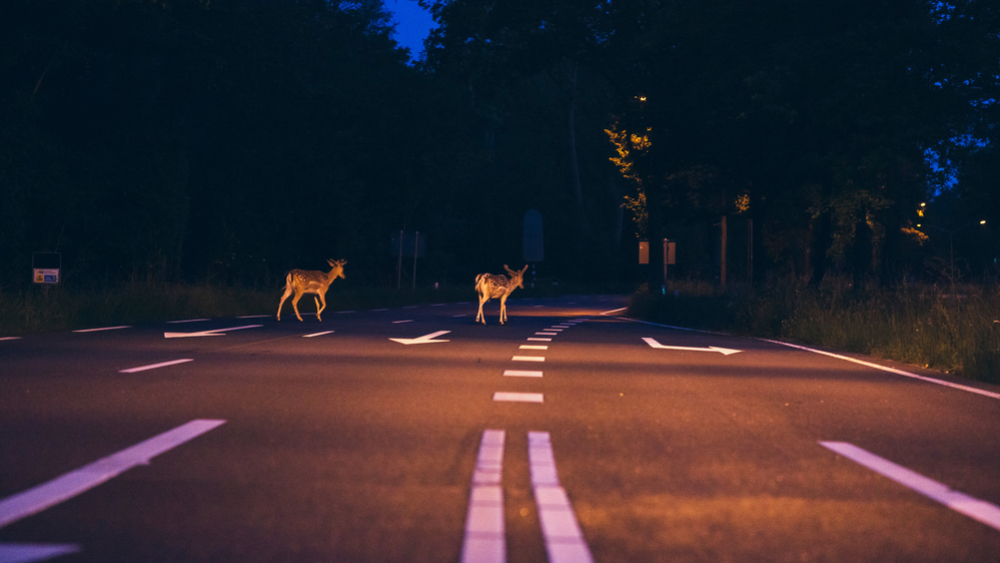
night vision - Two deer crossing the road at dawn

Safety at Sunset – Fall Driving Tips

Fall is a season of stunning foliage, cooler temperatures, and cozy evenings. However, as the days grow shorter, many drivers find themselves contending with decreased visibility and increased accident risks when driving at night. For older adults, who may already face certain challenges when it comes to driving, this shift in lighting conditions can be particularly challenging.


Understanding the Challenges of Fall Night Driving

  • Decreased Visibility: As autumn sets in, daylight hours become shorter, and the transition from dusk to darkness occurs earlier in the evening. This reduced visibility can make it challenging to spot obstacles, pedestrians, or wildlife on the road. The combination of twilight conditions and falling leaves can further hinder your ability to see clearly.
  • Glare from Wet Roads: Fall often brings rain showers and wet road conditions. When headlights from oncoming traffic interact with rain-slicked streets, it can create blinding glare. This glare can temporarily impair your vision and make it difficult to maintain focus. Fallen leaves can be as slick as ice when it rains and hide potholes and pavement markings making it difficult to see.
  • Increased Wildlife Activity: Fall is mating and migration season for many animals, which can lead to increased wildlife activity on roadways. Many deer are more active during this time, posing a significant collision risk for drivers. These animals are often more active during dawn and dusk, adding to the danger of fall night driving.


Safety Tips for Fall Night Driving

  • Check Lights and Tires: Ensure that all your vehicle’s lights (headlights, taillights, turn signals) are in working order. Clean the lenses regularly to remove dirt and grime that can reduce their effectiveness. Consider upgrading to brighter, more energy-efficient LED bulbs for better illumination. Check your tires’ air pressure to maintain the correct pressure as the temperature drops.
  • Adjust Your Speed: Reduce your speed when driving at night in fall, especially in areas prone to wildlife crossings. Slowing down gives you more time to react to unexpected obstacles and reduces the severity of accidents.
  • Keep Windshield and Mirrors Clean: Clean your windshield and mirrors inside and out to minimize glare from oncoming headlights and the reflection of dashboard lights. A clean windshield also improves overall visibility.
  • Use Your High Beams Wisely: Use your high beams when there is no oncoming traffic but be sure to switch to low beams when approaching other vehicles. This will help reduce glare for both you and other drivers.
  • Stay Alert and Focused: Avoid distractions like texting, eating, or adjusting the radio. Pay close attention to the road and scan for movement or reflective eyes along the roadside, which may indicate the presence of wildlife.
  • Be Prepared for Sudden Stops: Keep a safe following distance from the vehicle in front of you, allowing ample space for sudden stops. Wet leaves on the road can decrease your stopping power.
  • Watch for Fog: Fall often brings foggy conditions, especially in low-lying areas. Slow down and use your low beams when driving in fog to improve visibility.
  • Avoid Fatigue: Night driving can be more tiring than daytime driving. Make sure you are well-rested before embarking on a long journey and consider taking breaks to stay alert.


Ways to Avoid Accidents

  • Limit Distractions: Avoid using your phone or any other distractions while driving. Stay focused on the road.
  • Adaptive Driving Technologies: Consider vehicles equipped with advanced driver-assistance systems (ADAS), such as adaptive headlights and collision avoidance systems, which can be particularly helpful for older adults.
  • Drive at a Comfortable Speed: Don’t feel pressured to drive at the speed limit if it doesn’t feel safe. Driving at a comfortable speed for your visibility and reaction time is more important.
  • Stay Informed: Check the weather and road conditions before heading out. Be aware of any animal crossing areas and adjust your driving accordingly.

Fall may bring stunning scenery and cool weather, but it also comes with challenges for drivers and particularly older adults who drive during the early dusk hours. By following the safety tips and being aware of the potential risks, all drivers can enjoy their independence while staying safe on the roads. Remember, being cautious and prepared is the key to a smooth and secure Autumn driving experience.

If you have any questions or concerns about your vision and night driving give one of our Bissell Eye Care offices a call at 724-444-6767 or 724-226-0444.


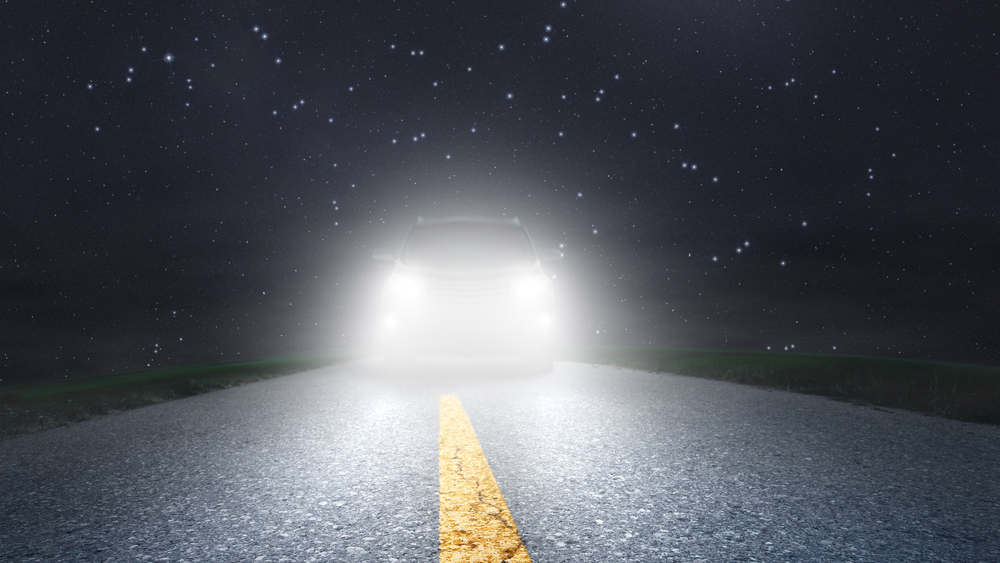
Night driving on an asphalt road towards the headlights - tips for nigth driving

Tips for Night Driving

As September rolls around, the daylight hours become shorter and night driving occurs earlier in the evening. If night driving is difficult for you, millions of Americans feel the same way. Newer drivers can lack the experience to deal with night driving, not to mention the confidence. The National Safety Council says “Traffic death rates are three times greater at night than during the day.”


Here are some night driving safety tips.

  • Clean your windshield inside and out.
  • Lights matter – make sure yours are aimed correctly and working properly.
  • Don’t look directly into the lights of oncoming traffic.
  • Distance and speed count. Make sure to allow extra time to stop.
  • Avoid distractions such as texting or tuning the radio.
  • Watch for pedestrians and other roadside hazards.

There are things such as cataracts that affect night driving for older adults. Cataracts are not painful; however, they gradually cloud your lens. The eye’s lens is located behind the pupil. As you age cells grow and die inside of the lens. This causes debris to build up and leads to cataracts. One of the first symptoms of cataracts is decreased visibility at night. Blurry vision is also common with cataracts or seeing halos around objects.

Our pupils decrease in size and don’t dilate as dramatically in darker conditions, making it more difficult to see clearly at night. By about age 60, the human eye requires three times more light to see than at age 20. This normal decline in vision makes driving at dusk and in dark conditions more challenging for seniors. For some drivers, the effect could be as severe as wearing sunglasses while driving at night.

The cornea also clouds as the eye ages, scattering light and making older drivers sensitive to glare. This makes things like reflective road signs, the glare of streetlights on wet pavement, or headlights of oncoming vehicles harder to manage.

Lauren Fix, The Car Coach®, offers this advice for senior drivers experiencing challenges with their vision during nighttime driving: “Having bright new headlights bulbs can help seniors have clearer vision at night. Wearing yellow-tinted glasses can help cut night glare. Be aware of driving during sunrise and sunset times as the glare and lighting can make it difficult to see the road and traffic clearly. Snow and ice can cause vision issues. Always remember to clean off all the snow on all windows, lights, and signals. Make sure you can see and be seen. If driving at night is still an issue, it’s best not to take the risk and drive during daylight hours.”

If night driving is difficult for you give our offices a call at 724-443-6767 or 724-226-0444 to schedule a comprehensive eye exam.


About Bissell Eye Care: John D. Bissell, OD owns and operates Bissell Eye Care servicing Northern Pittsburgh and Alle-Kiski Valley regions. With two locations to treat patients, we offer evening and Saturday appointments. Bissell Eye Care provides comprehensive eye examinations for the entire family beginning as early as 6 months, ocular disease detection and treatment, eyeglasses, sunglasses, activewear, contact lenses, and low vision examinations for those with significant vision loss. We accept most types of vision and health insurance plans. For more information, visit bisselleyecare.com or call our Bakerstown Office at 724-443-6767 or Natrona Heights office at 724-226-0444.
NIGHT DRIVING

Driving on an asphalt road towards the headlights

Do you prefer to drive during the daytime?  Do you have trouble seeing at night?  If night driving is difficult, millions of Americans feel the same way.  There are many different things that may cause trouble seeing at night.  It can be as simple as needing a new eyeglass prescription, lacking vitamins, over exposure to the sun or the presence of cataracts.  If you find that you are having trouble seeing at night, contact your eye doctor to rule out diseases that could cause long term loss of vision.

Below are some of the most common causes of vision loss in adults.

  • Cataracts. The eye’s lens is located behind the pupil.  As you age cells grow and die inside of the lens.  This causes debris to build up and leads to cataracts.  Cataracts are not painful, however they will gradually cloud your lens.  One of the first symptoms of cataracts is decreased visibility at night.  Blurry vision is also common with cataracts or seeing halos around objects.
  • Lack of vitamin A.  Vitamin A is found in many leafy vegetables and also in carrots.  It helps to keep the retina healthy.  While it is not common for many Americans to lack vitamin A, diseases such as Crohn’s disease, Celiac disease or Gastric bypass may make it difficult for the body to absorb needed vitamins.  Not getting enough of needed vitamins can increase the chance of having decreased night visibility.
  • Retinitis pigmentosa.  This is a rare genetic disorder that mostly affects younger people before they reach the age of 30.  A decline in night vision is usually the first symptom, but can lead to total loss of vision.
  • Sunlight exposure.  Having large amounts of sun light exposure, after a trip to the local ski resort or laying out on the beach, can burn your eyes.  This is known as sun blindness and can last for a few days or longer depending on the amount of exposure and the frequency that you experience this exposure.  Wearing sunglasses helps to prevent permanent damage to your eyes from the sun.

While many of these conditions can cause difficulty seeing at night, most of them are preventable or able to be treated.  If night driving is difficult for you, talk with your eye doctor to rule out any treatable cause.

About the author: John D. Bissell, owner of Bissell Eye Care and Tri-State Low Vision Services, offers comprehensive eye examinations for the entire family, ocular disease detection and treatment, eye glasses, sun glasses, active wear, contact lenses, and low vision examinations for those with significant vision loss. He has undergone specialized training for treatment of low vision by the International Academy of Low Vision Specialists utilizing customized telescopic eyeglasses, prisms and telescopic implants for patients who qualify. The practice accepts most types of vision and health insurance plans.