
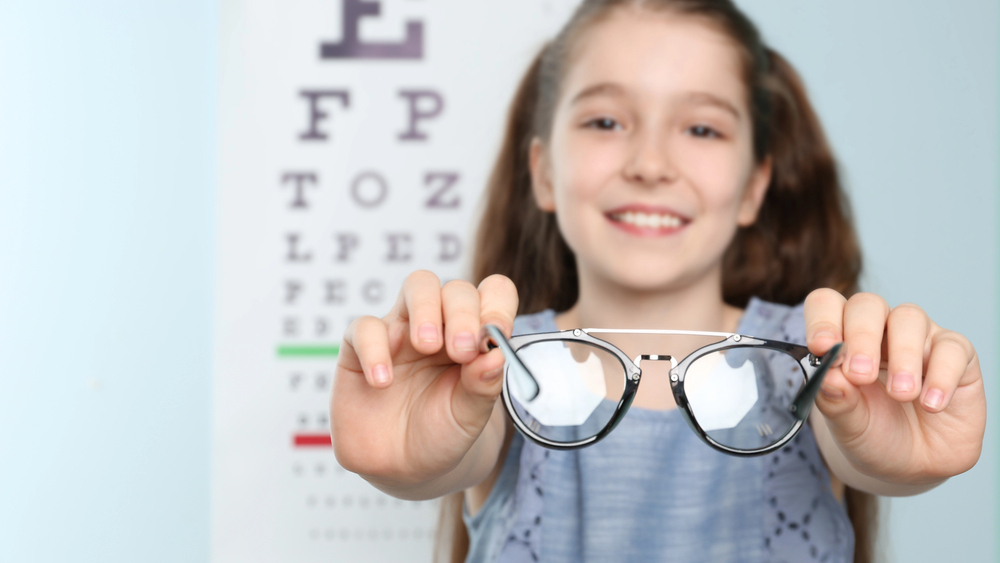
Stargardt-Disease-in-Children

Stargardt Disease in Children – Causes, Symptoms, and Low Vision Treatment Options

Has your child or teenager complained about blurry vision? Do they notice dark or blank spots when looking at a computer screen or reading a book? Maybe they struggle to recognize faces or see colors clearly. If this sounds familiar, your child may have a condition called Stargardt disease.

What Is Stargardt Disease?

Stargardt disease is an inherited form of macular degeneration, often called juvenile macular degeneration. It is a congenital condition that typically affects children and adolescents, most commonly appearing between the ages of 6 and 12, although it may be present at birth.

The disease affects the macula, the part of the retina responsible for sharp, central vision. When the macula is damaged, the eye cannot properly process light, leading to reduced visual clarity. Young patients often struggle with central vision, color recognition, reading, and seeing clearly in low-light environments.

Treatment for Stargardt Disease

Currently, there is no cure for Stargardt disease. However, low vision glasses and assistive devices can help patients make the most of their remaining vision.

Devices such as handheld magnifiers and telescopic lenses can enlarge images and text, making everyday tasks easier. Some low vision aids can be worn over glasses and are especially helpful for schoolwork, computer use, and smartphones. These tools allow children to read, write, and study more comfortably.

How Stargardt Disease Causes Low Vision

Damage to the macula interferes with how visual information is sent from the eye to the brain. As a result, the brain cannot clearly interpret what the eyes see.

Common symptoms include:

  • Blurry or distorted vision
  • Dark or blank spots in central vision
  • Light sensitivity
  • Difficulty seeing colors and contrast

Vision loss often progresses rapidly at first and then stabilizes. Any vision loss can be challenging, but for children and young adults, it can feel especially overwhelming. We understand the emotional impact this condition can have and are committed to helping your child adapt and thrive.

How We Can Help

Stargardt disease can affect many areas of a child’s life, including schoolwork, sports, and learning to drive. Our goal is to help your child remain independent and successful in school, activities, and daily life.

Through personalized low vision evaluation with Dr. Bissell, a low vision specialist, he can recommend specialized devices that can enhance your child’s functional vision and help them continue doing the things they enjoy.

A Better Quality of Life for Your Child

With the right tools, training, and care, children with Stargardt disease can continue to learn, play, and participate fully in life. Dr. Bissell and the staff at Bissell Eye Care are here to provide guidance, solutions, and ongoing support to help your child achieve the best possible quality of life.


About Bissell Eye Care: John D. Bissell, OD, is the owner of Bissell Eye Care, proudly serving the Northern Pittsburgh and Alle-Kiski Valley regions. Dr. Bissell has received advanced training through the International Academy of Low Vision Specialists, enabling him to help patients living with vision impairment and low vision challenges. With two convenient office locations and evening appointments available, Bissell Eye Care offers comprehensive eye exams for the entire family—starting as young as six months. Our services include ocular disease detection and treatment, prescription eyeglasses and sunglasses, specialty activewear eyewear, contact lenses, and dedicated low vision evaluations for those with significant vision impairment and vision loss. We accept most vision and health insurance plans. To learn more, visit bisselleyecare.com or call our Bakerstown office at 724-443-6767 or our Natrona Heights office at 724-226-0444.

Senior man using tablet PC with his adult son.

6 New Advances in Macular Degeneration Treatment for 2025

More than 200 million people around the world are living with age-related macular degeneration (AMD), a leading cause of vision loss among older adults. While treatments have existed for years to slow the disease, exciting new advancements are bringing us closer than ever to protecting—and even restoring—vision.

In this article, we’ll highlight six promising new treatments for macular degeneration, from gene therapy and stem cell research to cutting-edge drug delivery systems.

What Is Age-Related Macular Degeneration?

AMD is a condition that damages the macula, the central part of the retina responsible for sharp, detailed vision. Imagine the eye as a camera: light passes through the cornea, lens, and vitreous gel before reaching the retina at the back. The macula, located at the center of the retina, provides the ability to read, recognize faces, and see fine details.

When the macula deteriorates, central vision becomes blurry, distorted, or lost altogether.

There are two main types of AMD:

  • Dry AMD (most common): Caused by the buildup of protein deposits (drusen) under the retina, which interfere with macular function.
  • Wet AMD: Develops from dry AMD when the body tries to compensate by growing new blood vessels. Unfortunately, these vessels leak fluid and blood, leading to faster and more severe vision loss.

Current Treatments

Treatment depends on whether AMD is dry or wet, and on the stage of the disease. A comprehensive eye exam, including OCT scans and other tests, guides the care plan.

  • Dry AMD: No approved medications exist yet, but progression can be slowed with lifestyle choices like a nutrient-rich diet, smoking cessation, blood pressure control, and certain doctor-recommended supplements.
  • Wet AMD: The mainstay of treatment is anti-VEGF injections (Lucentis, Eylea, or Avastin), which block abnormal blood vessel growth and fluid leakage. Laser or photodynamic therapy may also be used.

Anti-VEGF therapy is highly effective—stabilizing vision in about 90% of patients and even improving it in 30%. However, the need for frequent eye injections can be burdensome.

6 Promising New Treatments for Macular Degeneration

The next generation of AMD care aims to target the root causes of the disease, restore lost vision, and reduce the burden of treatment. Here are six exciting developments:

1. Gene Therapy

Instead of repeated injections, gene therapy teaches the eye to produce its own anti-VEGF proteins. Two therapies—RGX-314 and ADVM-022—are in clinical trials for wet AMD, while HMR59 and GT005 show promise for slowing late-stage dry AMD.

2. Stem Cell Therapy

Stem cell therapy replaces damaged retinal pigment epithelial (RPE) cells with healthy lab-grown ones. If researchers can perfect safe, long-term delivery methods, this approach could potentially repair retinal damage and restore vision.

3. Complement Inhibitors for Late-Stage Dry AMD

In geographic atrophy, the advanced stage of dry AMD, the immune system can over-attack healthy retinal tissue. Complement inhibitors—including Syfovre (pegcetacoplan) and Izervay (avacincaptad pegol), both approved in 2023—slow the growth of retinal lesions by calming this overactive immune response.

4. Long-Acting Anti-VEGF Drugs

To reduce the burden of frequent injections, new long-lasting medications such as Eylea HD (aflibercept) and Vabysmo (faricimab) deliver extended protection with fewer treatments. Approved in 2023, these drugs can keep patients on track with less frequent office visits.

5. Implantable Drug Delivery Systems

The Susvimo implant (ranibizumab) continuously releases medication over six months. While it requires a minor surgical procedure and periodic refills, it offers the same results as standard anti-VEGF injections with far fewer appointments.

6. Light Therapy

The FDA approved photobiomodulation (the Valeda Light Delivery System) in 2024 for dry AMD. This non-invasive therapy uses red and near-infrared light to boost cellular energy and improve retinal function. Studies show it can slow disease progression and, in some cases, improve vision.

Looking Ahead

The introduction of anti-VEGF therapy revolutionized AMD care. Now, in 2025, we are entering a new era of treatments that not only slow progression but also aim to restore sight—while being less invasive and more patient-friendly.

For those living with macular degeneration, the future is brighter than ever.  For questions regarding macular degeneration, or low vision services, contact Dr. Bissell at 724-443-6767 or 724-226-0444.


About Bissell Eye Care: John D. Bissell, OD, is the owner of Bissell Eye Care, proudly serving the Northern Pittsburgh and Alle-Kiski Valley regions. Dr. Bissell has received advanced training through the International Academy of Low Vision Specialists, enabling him to help patients living with vision impairment and low vision challenges. With two convenient office locations and evening appointments available, Bissell Eye Care offers comprehensive eye exams for the entire family—starting as young as six months. Our services include ocular disease detection and treatment, prescription eyeglasses and sunglasses, specialty activewear eyewear, contact lenses, and dedicated low vision evaluations for those with significant vision impairment and vision loss. We accept most vision and health insurance plans. To learn more, visit bisselleyecare.com or call our Bakerstown office at 724-443-6767 or our Natrona Heights office at 724-226-0444.

eye chart wtih eye drops and the text Diagnosis - Age-related Macular degeneration

Understanding Age-Related Macular Degeneration and Low Vision

February marks Age-Related Macular Degeneration (AMD) Awareness Month, an initiative led by Prevent Blindness to educate the public about the risks, symptoms, and treatment options for this leading cause of vision loss. It is also recognized as Low Vision Awareness Month, highlighting the impact of advanced AMD and other conditions that result in significant visual impairment.

What is Age-Related Macular Degeneration (AMD)?

AMD is a worsening eye disease affecting the macula, which enables sharp central vision. This condition makes it difficult to read, recognize faces, or perform detailed tasks.

There are two main types of AMD:

  • Dry AMD – The more common form, characterized by the thinning of the macula and the buildup of drusen (yellow deposits). It develops gradually over time.
  • Wet AMD – A more severe form caused by abnormal blood vessel growth under the retina, leading to sudden vision loss if untreated.

Symptoms of AMD

Early detection is key, as AMD can progress without noticeable symptoms in its early stages. However, as it advances, individuals may experience:

  • Blurred or distorted central vision
  • Difficulty recognizing faces
  • Dark or empty spots in vision
  • Straight lines appearing wavy

If you or a loved one notices any of these symptoms, scheduling an eye exam as soon as possible is crucial.

Risk Factors for AMD

While age is the biggest risk factor (AMD typically affects those over 50), other contributors include:

  • Smoking – One of the most significant preventable risk factors
  • Genetics – A family history of AMD increases risk
  • High Blood Pressure & Cardiovascular Disease – Poor circulation can contribute to macular damage
  • Poor Diet – A lack of antioxidants and omega-3 fatty acids may speed up AMD progression Excessive UV Exposure – Long-term unprotected sun exposure can damage the retina

Early Detection & Treatment Options

While there is no cure for AMD, early detection can help slow its progression. Regular comprehensive eye exams allow doctors to detect early signs and recommend lifestyle changes or treatment options.

  • Nutritional Supplements – The AREDS2 formula (a combination of vitamins C, E, zinc, copper, lutein, and zeaxanthin) can help slow the progression of intermediate AMD.
  • Anti-VEGF Injections – Used to treat wet AMD, these injections help slow abnormal blood vessel growth in the retina.
  • Healthy Lifestyle Choices – A diet rich in leafy greens, fish, and nuts, quitting smoking, and maintaining a healthy weight can help preserve vision.

Support for Those with Advanced Vision Loss

As AMD progresses, it can result in low vision, a condition where everyday tasks become challenging despite corrective lenses. February is also Low Vision Awareness Month, emphasizing the need for adaptive tools and strategies for those living with severe vision impairment.

Dr. Bissell is a member of the International Academy of Low Vision Specialists (IALVS) and specializes in using specially designed telescopic glasses to help individuals with significantly decreased vision due to AMD and other ocular conditions. These advanced devices can improve quality of life by enhancing the remaining vision for reading, driving, and other essential activities.

With early detection and proper management, individuals with AMD can take steps to slow progression and maintain independence. If you or a loved one is at risk for AMD or experiencing vision changes, don’t wait—schedule a comprehensive eye exam today.  For more information about low vision services, including AMD treatment and personalized vision solutions, contact Dr. Bissell at 724-443-6767 or 724-226-0444.


About Bissell Eye Care: John D. Bissell, OD owns and operates Bissell Eye Care servicing Northern Pittsburgh and Alle-Kiski Valley regions. With two locations to treat patients, we offer evening appointments. Bissell Eye Care provides comprehensive eye examinations for the entire family beginning as early as 6 months, ocular disease detection and treatment, eyeglasses, sunglasses, activewear, contact lenses, and low vision examinations for those with significant vision loss. We accept most types of vision and health insurance plans. For more information, visit bisselleyecare.com or call our Bakerstown Office at 724-443-6767 or Natrona Heights office at 724-226-0444.

heart shaped bowl full of fruits and veggies representing heart health and your eyes

Heart Health & Your Eyes: The Link Between Cardiovascular Health and Vision Problems

February is designated as American Heart Month to raise awareness about heart disease, the leading cause of death in the United States. Did you know that your heart and eyes are more connected than you might think? While we often associate heart disease with high blood pressure or cholesterol, its effects can also extend to your vision. The eyes are full of tiny, delicate blood vessels that are highly sensitive to changes in blood flow. When your cardiovascular system is not functioning properly, your eyes may show some of the earliest warning signs.

How Heart Health Affects Your Vision

Since your eyes rely on a steady supply of oxygen-rich blood, any issues affecting your circulation can impact your vision. Here are some common cardiovascular-related eye problems:

Hypertensive Retinopathy (High Blood Pressure & Eye Damage)

High blood pressure (hypertension) can cause damage to the retina, the light-sensitive tissue at the back of your eye. Over time, this can lead to:

  • Narrowed or leaking blood vessels
  • Blurred or double vision
  • Vision loss in severe cases

If left untreated, hypertensive retinopathy can increase the risk of serious eye conditions, including retinal detachment or optic nerve damage.

Diabetic Retinopathy (Diabetes & Vision Loss)

Diabetes and heart disease often go hand in hand. High blood sugar levels can damage the small blood vessels in the retina, leading to diabetic retinopathy. Symptoms include:

  • Dark spots or floaters in vision
  • Blurry or fluctuating vision
  • Difficulty seeing at night

Diabetic retinopathy is a leading cause of blindness, making regular eye exams essential for early detection and treatment.

Retinal Artery & Vein Occlusion (Eye Strokes)

Just like the arteries in your heart, the arteries and veins in your eyes can become blocked due to poor circulation or blood clots. This is known as a retinal artery or vein occlusion, sometimes referred to as an “eye stroke.” It can cause:

  • Sudden vision loss or blurriness
  • Dark spots or a shadow in one eye
  • Pain or pressure in the eye

Since these blockages are often linked to high cholesterol, high blood pressure, or heart disease, they may be a warning sign of future cardiovascular problems.

Age-Related Macular Degeneration (AMD) & Heart Disease

AMD is a leading cause of vision loss in older adults and has been linked to cardiovascular disease. Poor circulation and inflammation can contribute to the breakdown of the macula, the part of the retina responsible for sharp, central vision. Risk factors include:

  • High blood pressure
  • High cholesterol
  • Smoking and poor diet

Keeping your heart healthy can also help slow the progression of AMD.

Protecting Your Heart & Eyes

The good news is that many of the lifestyle habits that promote heart health also benefit your eyes. Here are some ways to keep both in top shape:

  • Control Blood Pressure & Cholesterol – Follow your doctor’s advice on managing hypertension and high cholesterol.
  • Eat a Heart-Healthy Diet – Foods rich in omega-3s, antioxidants, and leafy greens support both heart and eye health.
  • Exercise Regularly – Physical activity improves circulation, reducing the risk of eye and heart conditions.
  • Quit Smoking – Smoking damages blood vessels, increasing the risk of vision loss and heart disease.
  • Schedule Regular Comprehensive Eye Exams that include dilation. The doctors at Bissell Eye Care can detect early signs of heart-related eye issues before they cause permanent damage.

Your eyes can reveal a lot about your overall health, including your risk of heart disease. If you’re experiencing any vision changes, especially sudden blurriness, vision loss, or dark spots call our office at 724-443-6767 or 724-226-0444 to schedule an eye exam as soon as possible. By taking care of your heart, you’re also protecting your eyesight for years to come.


About Bissell Eye Care: John D. Bissell, OD owns and operates Bissell Eye Care servicing Northern Pittsburgh and Alle-Kiski Valley regions. With two locations to treat patients, we offer evening appointments. Bissell Eye Care provides comprehensive eye examinations for the entire family beginning as early as 6 months, ocular disease detection and treatment, eyeglasses, sunglasses, activewear, contact lenses, and low vision examinations for those with significant vision loss. We accept most types of vision and health insurance plans. For more information, visit bisselleyecare.com or call our Bakerstown Office at 724-443-6767 or Natrona Heights office at 724-226-0444.
Vision Matters - car on highway with black-gray blur around it depicting low vision from macular degeneration.

Vision Matters: A Closer Look at February’s AMD Awareness Initiatives

This month is designated as National Age-related Macular Degeneration (AMD) and Low Vision Awareness Month. Millions of people in the United States are living with a visual impairment that can significantly impact the quality of life for millions of Americans aged 60 and above. Current statistics reveal that an alarming 1.6 million Americans are grappling with the effects of AMD.

AMD is a disease that blurs the sharp, central vision you need for straight-ahead activities and tasks such as reading and driving. The disease affects the macula; the part of the eye that allows you to see fine detail.

Dr. Bissell is a member of the International Academy of Low Vision Specialists. He has been specially trained in low vision to help patients suffering from AMD. Using low-vision glasses and devices can help you manage the condition by enhancing your remaining vision using magnification, filters, and prisms. The biopic telescopic glasses magnify and make distant objects more visible. Think of them like miniature binoculars in your eyeglasses above your line of sight.

For those with low vision, the quality of their vision interferes with their ability to perform everyday activities. Tasks such as reading the mail or a book are challenging. Other obstacles include activities such as shopping, cooking, writing, driving and even the ability to enjoy a movie or television. Besides those difficulties, low vision results in anxiety and frustration when people lose their vision as well as visual independence.

Understanding AMD:

AMD is a progressive eye disease that affects the macula, the central portion of the retina responsible for sharp, central vision. As AMD advances, it can lead to a loss of this crucial vision, impacting daily activities such as reading, driving, and recognizing faces. Two main types of AMD exist: dry AMD, characterized by the accumulation of drusen, and wet AMD, marked by the growth of abnormal blood vessels beneath the macula.

Identifying Risk Factors:

Several risk factors contribute to the development and progression of AMD, emphasizing the importance of early detection and proactive management. Some key risk factors include:

  • Age: The risk of AMD increases with age, particularly for individuals over 60.
  • Genetics: A family history of AMD can elevate the risk for developing the condition.
  • Smoking: Tobacco use is a significant modifiable risk factor, with smokers having a higher likelihood of developing AMD.
  • Race and Gender: Caucasians and females are reported to have a higher prevalence of AMD.
  • Cardiovascular Health: Conditions like hypertension and high cholesterol can contribute to AMD risk.
  • Nutrition: A diet lacking in certain nutrients, such as vitamins C and E, zinc, and omega-3 fatty acids, may increase the likelihood of AMD.

Regular comprehensive eye examinations, particularly for those over 60 or with a family history of AMD, can aid in early diagnosis and intervention. Lifestyle modifications, including adopting a healthy diet rich in nutrients, quitting smoking, and managing cardiovascular health, can contribute to reducing the risk of AMD.

Dr. Bissell states, “It is one of the most rewarding experiences to watch someone regain the ability to read a book, watch TV or walk safely down a sidewalk without fear of injury.” Low Vision appointments last longer than regular appointments due to the additional time needed to test various telescopic prescription lenses. The glasses are not covered by insurance with costs starting at $500. It’s a small price to pay for independence. Live life to the fullest. To learn more about low vision services, call our office at 724-443-6767 or 724-226-0444.


About Bissell Eye Care: John D. Bissell, OD owns and operates Bissell Eye Care servicing Northern Pittsburgh and Alle-Kiski Valley regions. With two locations to treat patients, we offer evening and Saturday appointments. Bissell Eye Care provides comprehensive eye examinations for the entire family beginning as early as 6 months, ocular disease detection and treatment, eyeglasses, sunglasses, activewear, contact lenses, and low vision examinations for those with significant vision loss. We accept most types of vision and health insurance plans. For more information, visit bisselleyecare.com or call our Bakerstown Office at 724-443-6767 or Natrona Heights office at 724-226-0444.

the letters AMD in front of an eye chart

Signs And Treatment of Age-Related Macular Degeneration

February is national Age-Related Macular Degeneration (AMD) awareness month and we want to share with you the signs, symptoms, and treatments of the eye disease. Know what to look for and how you can treat AMD.

According to Hopkins Medicine, AMD is the leading cause of vision loss in people above the age of 50. AMD causes damage to the macula, a spot near the center of the retina. This disease blurs the sharp, central vision you need for “straight-ahead” activities such as reading, sewing, and driving. AMD affects the macula, the part of the eye that allows you to see fine detail.

The rate at which damage can be done can vary. In some people, it is a slow process over years. While with others it occurs more quickly and can also involve both eyes. While Age-related Macular Degeneration does not result in complete vision loss it can interfere with activities of daily living.

There are two main forms of AMD: dry and wet. Dry AMD is the most common form and progresses slowly over time. It is characterized by a gradual loss of central vision due to the thinning of the macula and the accumulation of deposits called drusen. Wet AMD is a more severe form of the disease, which occurs when abnormal blood vessels grow underneath the macula, causing bleeding and fluid accumulation. This form of AMD can lead to rapid vision loss.

Who is more susceptible to developing AMD? Can your lifestyle have an influence as to your chances of developing AMD? As we discussed, people over the age of 50 are most likely to develop this disease.

Risk Factors for Age-Related Macular Degeneration:

  • Research shows that smoking doubles the risk of developing AMD.
  • Family history. If your family history includes AMD you are at a higher risk.
  • AMD is more common in Caucasians than in other races.

You have the power to take control of your health. These tips are things you can do to help prevent AMD.

Prevention Tips for Age-Related Macular Degeneration:

  • Exercise regularly.
  • Eat a healthy diet rich in leafy veggies and fish.
  • Avoid smoking.
  • Maintain proper vitals such as blood pressure and cholesterol.

AMD is best detected by maintaining routine eye exams. Often people question why dilation is part of a regular exam. This allows us to look into the back of your eyes for any changes that may be occurring.

While there is no cure for this disease, things such as changing your diet and adding proper exercise can help to slow down the loss of vision. You have the power to choose. Take control and choose a healthier lifestyle.  Schedule your annual exam today by calling 724-443-6767 or 724-226-0444. Your eyes will thank you for it.


 About Bissell Eye Care: John D. Bissell, OD owns and operates Bissell Eye Care servicing Northern Pittsburgh and Alle-Kiski Valley regions. With two locations to treat patients, we offer evening and Saturday appointments. Bissell Eye Care provides comprehensive eye examinations for the entire family beginning as early as 6 months, ocular disease detection and treatment, eyeglasses, sunglasses, activewear, contact lenses, and low vision examinations for those with significant vision loss. We accept most types of vision and health insurance plans. For more Information, visit bisselleyecare.com or call our Bakerstown Office at 724-443-6767 or Natrona Heights office at 724-226-0444.

Macular degeneration  (AMD or ARMD)- is a medical condition which may result in blurred or no vision in the center of the visual field. Diagnosis in Opthalmology.

Low Vision Awareness

February is national age-related macular degeneration (AMD) and low vision awareness month. AMD is the leading cause of low vision and blindness in Americans age 60 years and older and affects 1.6 million Americans. As the Baby Boomer generation ages, the rates of AMD are expected to reach “epidemic proportions”. AMD is a disease that blurs the sharp, central vision you need for straight-ahead activities and tasks such as reading and driving. The disease affects the macula; the part of the eye that allows you to see fine detail.

The most common causes of low vision in the USA are macular degeneration, followed by glaucoma and diabetic retinopathy. For those with low vision, the quality of their vision interferes with their ability to perform everyday activities. Tasks such as reading the mail or a book are challenging. Other obstacles include activities such as shopping, cooking, writing, driving and even the ability to enjoy a movie or television. Besides those difficulties, low vision results in anxiety and frustration when people lose their vision as well as visual independence.

What are the risk factors?

  • Age: Affects more than 2 million Americans over 50 years old. The prevalence of age-related macular degeneration in the USA is around 6% when 65 and almost 20% when 75 years old.
  • Genetics: Family history (many genes being studied)
  • Smoking: Increases your risk for progression
  • Other eye conditions: hyperopia and light-colored iris
  • Systemic diseases associated: hypertension, hypercholesterolemia, cardiovascular disease
  • Gender: women are more likely to be affected than men
  • Race: Caucasian
  • UV light: no significant proven risk but caution and sunglasses advised.

Low Vision care is a unique method of care because it considers your personal life and favorite activities, not only the extent of your visual difficulties. Low Vision specialists work closely with each patient to determine the best visual aids and devices to improve their quality of life.

Dr. Bissell is a low vision specialist and has undergone extensive training at the International Academy of Low Vision Specialists (IALVS). People with low vision have a diminished ability to engage in their daily tasks, whether around the house or elsewhere. The goal in treating patients with low vision is to help them remain independent and do the things they love and enjoy through the use of customized vision aids and devices.

Various types of advanced technology include microscope and telescope lenses that improve upon the individual’s prescription lenses and magnify them far beyond the capability of standard lenses. These can be used in combination with other technologies to expand a patient’s environment for those living with low vision caused by eye diseases.

Dr. Bissell states, “It is one of the most rewarding experiences to watch someone regain the ability to read a book, watch TV or walk safely down a sidewalk without fear of injury.” Low Vision appointments last longer than regular appointments due to the additional time needed to test various telescopic prescription lenses. The glasses are not covered by insurance with costs starting at $500. But it’s a small price to pay for independence.

Live life to the fullest. To learn more about low vision services, call our office at 724-443-6767 or 724-226-0444.


About Bissell Eye Care: John D. Bissell, OD owns and operates Bissell Eye Care servicing Northern Pittsburgh and Alle-Kiski Valley regions. With two locations to treat patients, we offer evening and Saturday appointments. Bissell Eye Care provides comprehensive eye examinations for the entire family beginning as early as 6 months, ocular disease detection and treatment, eyeglasses, sunglasses, activewear, contact lenses, and low vision examinations for those with significant vision loss. We accept most types of vision and health insurance plans. For more information, visit bisselleyecare.com or call our Bakerstown Office at 724-443-6767 or Natrona Heights office at 724-226-0444.
healthy living and eating

September is Healthy Aging Month

As a new season rolls around, the days become shorter, school is back in session, and summer winds down, September is a perfect time to celebrate Healthy Aging Month. Drawing on the “back to school” urge embedded in everyone from childhood, the observance month’s activities are designed to encourage people to rejuvenate and get going on positive measures that can impact the areas of physical, social, financial, and mental health. As the number of people age 45 and older grows every year, the focus of September’s Healthy Aging® Month is to inspire these adults to improve their overall health and well-being.

Are you doing all you can to stay active and healthy? The choices you make today may affect the quality of your life down the road. Diet and exercise are key components to healthy aging. Fitbits and online apps can help track healthy eating habits and steps. Have you set a new goal to walk 10,000 steps a day? Perhaps fresh vegetables and salads are becoming a staple in your refrigerator.

Posture plays a key role in how we age. Walking and standing tall will help to maintain posture and balance as aging occurs. Preventing falls as we age is a key component to remaining independent.

When was the last time you had a physical, dental, or eye exam? By staying up to date with regular medical exams, you can be proactive in changes that may be occurring with your health.

Seeing your eye doctor is not just about needing glasses. During your annual comprehensive eye exam, you are also going to be screened for other diseases …. diabetes, cataracts, glaucoma, and macular degeneration. After the age of 40, everyone should be tested regularly for macular degeneration, especially if there is a family history of the disease.

These are things the doctors at Bissell Eye Care look for during your exam and may uncover a health issue you may not be aware of.

7 Types of Health Issues an Eye Exam Can Help Uncover

  • Diabetes affects the small capillaries in the retina of the eyes. These blood vessels may leak blood or a yellowish fluid, and this may be discovered in an eye exam.
  • Hypertension presents when blood vessels in the eye exhibit bends, kinks or tears, and this may be an indication of high blood pressure.
  • Autoimmune disorders are recognized by inflammation of the eye which may be a sign of Lupus or another autoimmune disorder.
  • High cholesterol can be found with a yellowish appearance or a yellow ring around your cornea. There also may be plaques in the blood vessels of the retina which could indicate elevated cholesterol.
  • Thyroid disease will often present as bulging eyes or protruding eyeballs.
  • Cancer can be present if the structure of your eye is unusual. Ocular melanoma can develop in the cells that make pigmentation in the eye. Your eye exam can also help detect skin cancer. Basal cell carcinomas can appear on the eyelid. In any of these cases, you would be referred to a specialist.
  • Tumors can present with a droopy eyelid or irregularly shaped pupils and could possibly indicate a neck tumor or an aneurysm (Source: Digital Journal).

At-risk factors for age-related macular degeneration (AMD) include high blood pressure (hypertension), smoking, obesity, race, and family history of (AMD). AMD is painless and can progress slowly over time or suddenly with dramatic changes in your vision. Early detection is key to slowing vision loss. AMD — damages then destroys central vision. Central vision is your “straight-ahead”, finely detailed vision. This eye disease takes two forms, “dry” and “wet”. Most AMD cases are dry. The “wet”, is a more damaging form of AMA that is responsible for about 90% of serious vision loss.

Cataracts are small at first and may not affect vision. But the denser they grow, the more they will affect your vision. As cataracts grow, they may hinder your ability to drive safely.

Just as annual physical and regular health screenings help to detect disease, the most important lesson learned is to have an annual eye exam as well.

Early detection of eye disease is the key to healthy vision as you age. Give our offices a call at 724-443-6767 or 724-226-0444 to schedule your annual eye exam.


About Bissell Eye Care: John D. Bissell, OD owns and operates Bissell Eye Care servicing Northern Pittsburgh and Alle-Kiski Valley regions. With two locations to treat patients, we offer evening and Saturday appointments. Bissell Eye Care provides comprehensive eye examinations for the entire family beginning as early as 6 months, ocular disease detection and treatment, eyeglasses, sunglasses, activewear, contact lenses, and low vision examinations for those with significant vision loss. We accept most types of vision and health insurance plans. For more information, visit bisselleyecare.com or call our Bakerstown Office at 724-443-6767 or Natrona Heights office at 724-226-0444.

Are you at risk for Macular Degeneration

Are You at Risk for Macular Degeneration?

February is national Age-Related Macular Degeneration (AMD) awareness month.  Macular Degeneration causes loss in the center of the field of vision. In dry macular degeneration, the center of the retina deteriorates. With wet macular degeneration, leaky blood vessels grow under the retina.

While there is no cure for Macular Degeneration early detection is key to slowing down vision loss and keeping your sight. Studies have also shown that AMD can affect cognitive functioning.  For those that are visually impaired memory is one of the most important things.

Macular degeneration is one of the leading causes of vision loss.  It is caused by the deterioration of the central portion of the retina.  The central portion of the retina, known as the macula, is responsible for focusing vision for the eye, allowing us to read, recognize faces or colors, drive and do many day-to-day activities.

AMD is best detected by maintaining routine eye exams and sharing family history of anyone having Macular Degeneration.  Bissell Eye Care utilizes Optical Coherence Tomography (OCT), a non-invasive office-based imaging test that uses a special light to scan the macula and determine whether there is fluid in the macula, potentially signifying wet AMD.  Often people question why dilation is part of a regular exam.  This allows us to look into the back of your eyes for any changes that may be occurring. This disease like so many is very difficult to notice until you have already lost a large portion of your vision.

Lifestyle changes can help lower your risk of developing AMD.  Some lifestyle changes might include proper exercise and diet, avoiding smoking, and protecting your eyes from the UV rays of the sun.  People that run a higher risk of developing AMD are people who have a family history, race, Caucasians are more likely to develop the disease than African American or Hispanic heritage, and smokers.

There are three stages of AMD:

  1. Early AMD: At this stage most, people do not experience vision loss.  The presence of medium-sized drusen (yellow deposits beneath the retina), is usually an early sign your eye doctor looks for.
  2. Intermediate AMD: This is where vision loss may start to be noticed, however it may not be enough to be noticeable.  Specific tests will look for pigment changes in the retina and larger drusen deposits.
  3. Late AMD: At this stage vision loss has become noticeable.

Additional factors that may increase your risk are:

  • Research shows that smoking doubles the risk of developing AMD.
  • Family history. If your family history includes AMD you are at a higher risk.
  • AMD is more common in Caucasians than other races.

You have the power to take control of your health.  These are some things you can do to help prevent AMD:

  • Exercise Regularly
  • Eat a healthy diet rich in leafy veggies and fish
  • Avoid smoking
  • Maintain proper vitals such as blood pressure and cholesterol.

You have the power to choose.  Take control and choose a healthier lifestyle.  Your eyes will thank you for it.


About Bissell Eye Care: John D. Bissell, OD owns and operates Bissell Eye Care servicing Northern Pittsburgh and Alle-Kiski Valley regions. With two locations to treat patients, we offer evening and Saturday appointments. Bissell Eye Care provides comprehensive eye examinations for the entire family beginning as early as 6 months, ocular disease detection and treatment, eyeglasses, sunglasses, activewear, contact lenses, and low vision examinations for those with significant vision loss. We accept most types of vision and health insurance plans. For more information, visit bisselleyecare.com or call our Bakerstown Office at 724-443-6767 or Natrona Heights office at 724-226-0444.

AMD - Age-related Macular Degeneration and Memory Loss

AGE-RELATED MACULAR DEGENERATION AND MEMORY LOSS

February is national Age-Related Macular Degeneration (AMD) awareness month. While there is no cure for Macular Degeneration early detection is key to slowing down vision loss and keeping your sight. Studies have also shown that AMD can have an effect on cognitive functioning. For those that are visually impaired memory is one of the most important things.

Macular degeneration is one of the leading causes of vision loss. It is caused by the deterioration of the central portion of the retina. The central portion of the retina, known as the macula, is responsible for focusing vision for the eye, allowing us to read, recognize faces or colors, drive and do many day-to-day activities.
While there is no cure for this disease there are treatments to help slow it down. It is important to maintain yearly eye exams for early detection. This disease like so many is very difficult to notice until you have already lost a large portion of your vision.

Lifestyle changes can help lower your risk of developing AMD. Some lifestyle changes might include proper exercise and diet, avoiding smoking, and protecting your eyes from the UV rays of the sun. People that run a higher risk of developing AMD are people who have a family history, race, Caucasians are more likely to develop the disease than African American or Hispanic heritage, and smokers.

There are three stages of AMD:

  1. Early AMD: At this stage, most people do not experience vision loss. The presence of medium-sized drusen (yellow deposits beneath the retina), is usually an early sign your eye doctor looks for.
  2. Intermediate AMD: This is where vision loss may start to be noticed, however it may not be enough to be noticeable. Specific tests will look for pigment changes in the retina and larger drusen deposits.
  3. Late AMD: At this stage vision loss has become noticeable.

Additional factors that may increase your risk are:

  • Smoking. Research shows that smoking doubles the risk of developing AMD.
  • Family history. If your family history includes AMD you are at a higher risk.
  • Ethnicity. AMD is more common in Caucasians than other races.

You have the power to take control of your health. These are some things you can do to help prevent AMD:

  • Exercise Regularly
  • Eat a healthy diet rich in leafy veggies and fish
  • Avoid smoking
  • Maintain proper vitals such as blood pressure and cholesterol.

AMD is best detected by maintaining routine eye exams. Be sure to tell your eye doctor if anyone in your family has or had Macular Degeneration. Often people question why dilation is part of a regular exam. This allows us to look into the back of your eyes for any changes that may be occurring.

While there is no cure for this disease things such as changing your diet and adding proper exercise can help to slow down the loss of vision. You have the power to choose. Take control and choose a healthier lifestyle. Your eyes will thank you for it.

About Bissell Eye Care: John D. Bissell, OD owns and operates Bissell Eye Care servicing Northern Pittsburgh and Alle-Kiski Valley regions. With two locations to treat patients, we offer evening and Saturday appointments. Bissell Eye Care provides comprehensive eye examinations for the entire family beginning as early as 6 months, ocular disease detection and treatment, eyeglasses, sunglasses, activewear, contact lenses, and low vision examinations for those with significant vision loss. We accept most types of vision and health insurance plans. For more information, visit bisselleyecare.com or call our Bakerstown Office at 724-443-6767 or Natrona Heights office at 724-226-0444.