

basket of fresh vegetables and fruit indicating Healthy Summer Vision

The Link Between Diet, Hydration, and Healthy Summer Vision

Summer brings sunny days, outdoor adventures, and fresh seasonal foods—but did you know your summer habits can directly impact your eye health? What you eat and drink this season doesn’t just fuel your body; it can help protect your vision too. Here’s how smart choices around diet and hydration can keep your eyes comfortable and healthy all summer long.


Hydration: Quenching More Than Your Thirst

Hot weather and outdoor activities make dehydration a common summer concern—and your eyes can feel it first. When you’re dehydrated, your body produces fewer tears, which can lead to dry, itchy, or burning eyes. Staying hydrated by drinking plenty of water helps keep your eyes moist, supports tear production, and reduces the risk of irritation from heat, wind, and air conditioning.

Tip: Aim for at least eight glasses of water a day, and remember to drink even when you’re not thirsty—especially after outdoor sports, time at the pool, or walking in the heat.

Eat with Your Eyes in Mind

Summer is the perfect time to add colorful, nutrient-rich foods to your meals. Many summer fruits and vegetables contain antioxidants, vitamins, and minerals that help protect your eyes from sun damage and age-related conditions.

Some summer favorites to add to your plate:

  • Leafy greens (spinach, kale, collard greens): Rich in lutein and zeaxanthin, antioxidants that filter harmful light and protect your retina.
  • Berries (blueberries, strawberries, raspberries): Packed with vitamin C, which supports healthy blood vessels in your eyes.
  • Carrots and bell peppers: Excellent sources of beta-carotene and vitamin A, essential for good night vision and overall eye health.
  • Watermelon and cucumbers: Hydrating foods that help your body (and eyes) stay moist.

Don’t Forget Omega-3s

Dry eyes can be more noticeable in the summer heat. Adding foods high in omega-3 fatty acids—like salmon, walnuts, and flaxseeds—can help improve tear quality and reduce dryness.

Protecting Your Eyes from the Inside Out

While sunglasses with 100% UVA/UVB protection are essential, your diet and hydration habits add another layer of defense. Nutrients like lutein, zeaxanthin, and vitamin C help protect your eyes against the harmful effects of UV rays and oxidative stress, both of which increase in the summer.

Small Changes, Big Difference

Enjoy summer to the fullest by caring for your vision from the inside out:

  • Drink plenty of water
  • Choose fresh, colorful produce
  • Include omega-3-rich foods
  • Wear quality sunglasses with UV protection outdoors

Healthy summer vision starts on your plate and in your glass. If you’d like personalized tips for summer eye care or it’s time for your annual eye exam, our office is here to help! Call 724-443-6767 or 724-226-0400 to schedule your next appointment.


About Bissell Eye Care: John D. Bissell, OD, is the owner of Bissell Eye Care, proudly serving the Northern Pittsburgh and Alle-Kiski Valley regions. Dr. Bissell has received advanced training through the International Academy of Low Vision Specialists, enabling him to help patients living with vision impairment and low vision challenges. With two convenient office locations and evening appointments available, Bissell Eye Care offers comprehensive eye exams for the entire family—starting as young as six months. Our services include ocular disease detection and treatment, prescription eyeglasses and sunglasses, specialty activewear eyewear, contact lenses, and dedicated low vision evaluations for those with significant vision impairment and vision loss. We accept most vision and health insurance plans. To learn more, visit bisselleyecare.com or call our Bakerstown office at 724-443-6767 or our Natrona Heights office at 724-226-0444.
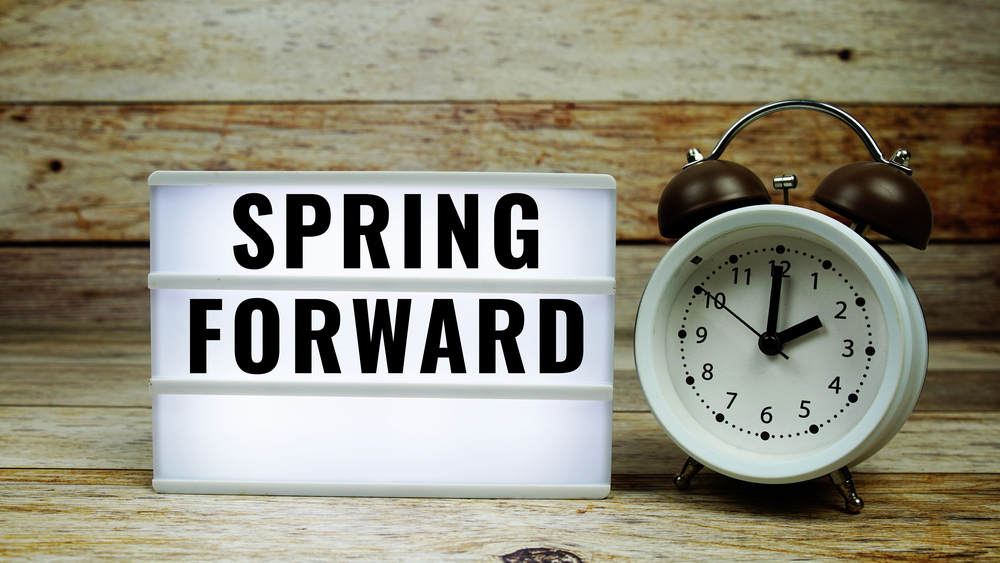
sign with the text spring forward by a clock on a wooden background reprensing vision and sleep

Daylight Saving Time & Your Eyes: How the Time Change Affects Vision and Sleep

Who doesn’t love longer daylight hours in the spring? Every spring, we move our clocks forward an hour for Daylight Saving Time (DST)—gaining more daylight in the evening but losing an hour of sleep. While this adjustment may seem minor, it can disrupt sleep patterns, impact overall well-being, and even affect your eye health.

If you’ve ever noticed your eyes feeling dry, irritated, or strained after a time change, you’re not alone. The shift in our internal clocks can lead to fatigue, poor focus, and even increased risk for certain eye conditions. Let’s explore how the time change affects your vision and what you can do to keep your eyes healthy.

Disrupted Sleep Leads to Eye Strain & Fatigue

Your eyes need adequate rest to function properly. Losing an hour of sleep can throw off your circadian rhythm, leading to:

  • Tired, strained eyes – Less sleep can cause the eye muscles to fatigue more quickly, making tasks like reading or using digital screens more difficult.
  • Blurred vision – Sleep deprivation can reduce tear production, leading to dryness and fluctuating vision.
  • Increased sensitivity to light – A lack of rest can make your eyes more sensitive to bright screens and sunlight.

Poor Sleep Quality Can Worsen Dry Eye Syndrome

People who already suffer from dry eye syndrome may experience worsening symptoms after the time change. Sleep deprivation can reduce tear production and cause the eyes to feel gritty, red, and irritated. This is especially true for individuals who:

  • Spend long hours in front of screens
  • Wear contact lenses
  • Have a history of dry eye disease

Blue Light Exposure at Night Disrupts Sleep & Eye Health

Many people struggle to adjust to the new time change and may use phones, tablets, or TVs before bed to wind down. However, blue light exposure from these screens can:

  • Suppress melatonin production – Making it harder to fall asleep.
  • Disrupt circadian rhythms – Leading to restless nights and tired eyes in the morning.
  • Increase digital eye strain – Causing discomfort, headaches, and blurred vision.

Increased Risk of Eye-Related Health Issues

Sleep deprivation—even from a one-hour change—can increase the risk of serious eye conditions, including:

  • Glaucoma – Poor sleep is linked to higher intraocular pressure, a major risk factor for glaucoma.
  • Retinal Damage – A lack of rest may reduce oxygen flow to the eyes, leading to long-term issues.
  • Migraines & Light Sensitivity – Poor sleep can trigger migraines, which often come with visual disturbances.

Tips to Protect Your Eyes During the Time Change

  • Adjust Your Sleep Schedule Early – Start going to bed 15-30 minutes earlier a few days before the time change to help your body adjust gradually.
  • Limit Blue Light Exposure Before Bed – Avoid screens at least an hour before bedtime or use blue light-blocking glasses.
  • Practice the 20-20-20 Rule – If you’re experiencing eye strain, take a break every 20 minutes by looking 20 feet away for 20 seconds.
  • Keep Your Eyes Hydrated – Drink plenty of water and use lubricating eye drops if you experience dryness.
  • Wear Sunglasses Outdoors – Protect your eyes from glare and UV rays, especially in the mornings when your eyes may be more sensitive.
  • Create a Sleep-Friendly Environment – Keep your bedroom cool, dark, and quiet to encourage deep, restful sleep.

Daylight Savings Time

Daylight Saving Time may only shift the clock by an hour, but its effects on sleep and vision can last for days or even weeks. By practicing healthy eye habits and prioritizing good sleep hygiene, you can minimize eye strain, dryness, and fatigue during this transition.

If you’re experiencing persistent vision problems, eye discomfort, or difficulty adjusting to the time change, schedule an eye exam. The doctors at Bissell Eye Care can check for underlying issues and recommend solutions to keep your vision sharp and comfortable.


About Bissell Eye Care: John D. Bissell, OD owns and operates Bissell Eye Care servicing Northern Pittsburgh and Alle-Kiski Valley regions. With two locations to treat patients, we offer evening appointments. Bissell Eye Care provides comprehensive eye examinations for the entire family beginning as early as 6 months, ocular disease detection and treatment, eyeglasses, sunglasses, activewear, contact lenses, and low vision examinations for those with significant vision loss. We accept most types of vision and health insurance plans. For more information, visit bisselleyecare.com or call our Bakerstown Office at 724-443-6767 or Natrona Heights office at 724-226-0444.
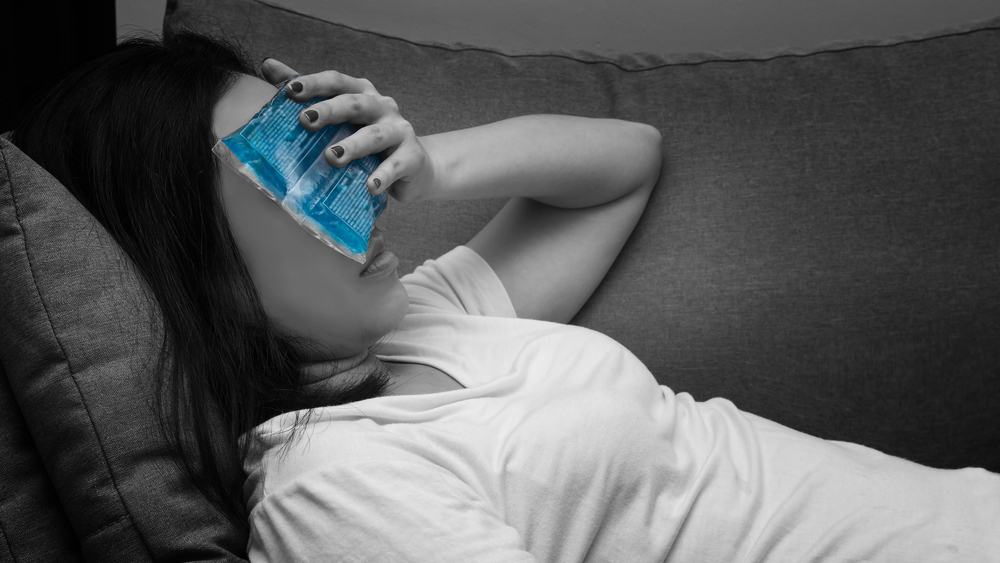
young woman lying on couch with coldpack over her eyes with migraines

Understanding Migraines and Their Impact on Eye Health

Migraines are more than just severe headaches. They can be debilitating episodes that affect various aspects of a person’s life, including their vision. Understanding the connection between migraines and eye care is crucial for managing both conditions effectively.

These intense, throbbing headaches are often accompanied by nausea, vomiting, and sensitivity to light and sound. They can last anywhere from a few hours to several days and can significantly impact daily activities. According to the World Health Organization, migraines are among the most disabling medical conditions globally.

The Connection Between Migraines and Vision

Migraines can have a profound impact on vision. Some common vision-related symptoms include:

  • Visual Aura is a common symptom experienced by about 25% of people with migraines. It usually occurs before the headache starts and lasts for about 20-60 minutes. Auras can include flashing lights, zigzag patterns, or blind spots.
    • Why It Happens: These visual disturbances are caused by changes in the brain’s electrical activity and blood flow, particularly in areas that process visual information.
  • Increased sensitivity to light, known as Photophobia, is a hallmark symptom of migraines. Bright lights can trigger or worsen migraine pain.
    • Why It Happens: Photophobia during migraines is believed to be due to overactivity in the brain areas that process light. The retina and optic nerve may also be more sensitive during a migraine attack.
  • Blurry vision can occur during or after a migraine attack, making it difficult to focus on objects.
    • Why It Happens: Blurry vision may result from the aura or as a side effect of the pain and stress associated with the migraine.
  • Some migraine sufferers report experiencing “Visual Snow,” which appears as tiny flickering dots or static in the visual field.
    • Why It Happens: This phenomenon is not fully understood but is thought to be related to abnormal visual processing in the brain during a migraine.

Eye Conditions That Can Mimic Migraines

Certain eye conditions can present with symptoms similar to migraines, making accurate diagnosis and treatment important. These include:

  • Ocular Migraine: Also known as retinal migraine, it involves repeated episodes of temporary vision loss or visual disturbances in one eye, typically followed by a headache.
  • Angle-Closure Glaucoma: This eye condition causes a rapid increase in eye pressure and can mimic migraine symptoms with sudden, severe eye pain, headache, and visual disturbances.

Regular eye exams are vital for individuals who experience migraines, as they can help rule out or manage eye-related issues. Comprehensive eye exams can detect eye conditions that may contribute to migraine symptoms, such as dry eye, refractive errors, or ocular misalignment. For those with photophobia, specially tinted glasses can help reduce light sensitivity and minimize migraine triggers. Adjusting screen brightness, using anti-glare screens, and taking regular breaks can help reduce eye strain and potentially decrease the frequency of migraines.

According to the Mayo Clinic lifestyle changes can help manage and reduce the frequency of migraines.

These lifestyle changes include:

  • Maintaining a Consistent Sleep Schedule: Irregular sleep patterns can trigger migraines.
  • Staying Hydrated: Dehydration is a common migraine trigger.
  • Managing Stress: Techniques like meditation, yoga, and regular exercise can help reduce stress levels.
  • Avoiding Known Triggers: Identifying and avoiding personal migraine triggers, such as certain foods, caffeine, or alcohol, can prevent attacks.

If you experience new or worsening visual symptoms during a migraine, it’s important to seek medical advice. Sudden vision changes, severe eye pain, or persistent visual disturbances should be evaluated promptly to rule out more serious conditions. Collaboration between eye care professionals at Bissell Eye Care and neurologists can provide a holistic approach to managing migraines and their visual symptoms.

Regular eye care is important to manage the visual disturbances associated with migraines. If you suffer from migraines, consider discussing your symptoms with the doctors at Bissell Eye Care and your healthcare provider to create a comprehensive management plan.


About Bissell Eye Care: John D. Bissell, OD owns and operates Bissell Eye Care servicing Northern Pittsburgh and Alle-Kiski Valley regions. With two locations to treat patients, we offer evening appointments. Bissell Eye Care provides comprehensive eye examinations for the entire family beginning as early as 6 months, ocular disease detection and treatment, eyeglasses, sunglasses, activewear, contact lenses, and low vision examinations for those with significant vision loss. We accept most types of vision and health insurance plans. For more information, visit bisselleyecare.com or call our Bakerstown Office at 724-443-6767 or Natrona Heights office at 724-226-0444.

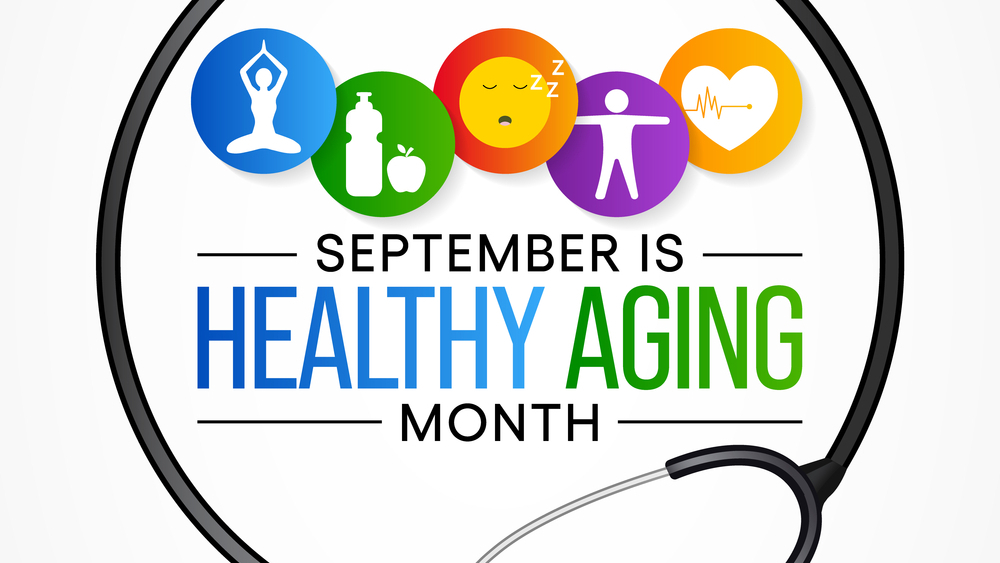
Healthy Aging. Rond graphic with healthy icons above text healthy aging

Embracing Healthy Aging – Tips for a Vibrant Life

September is Healthy Aging Month, a time to celebrate the wisdom and experience that come with getting older while also focusing on maintaining good health and vitality. Aging is a natural part of life, and with the right approach, you can age gracefully and enjoy a high quality of life well into your golden years.

From the Greatest Generation (those now over 93), the Silent Generation (those between 75 and 92), and Baby Boomers (56 to 74) to Gen-Xers (40 to 55), individuals are determined to remain active by setting healthy goals.

As part of those goals, we want to point out some advantages of annual exams and health visits. When it comes to your vision many diseases can be slowed down, stopped, or even reversed if caught early. Having an annual comprehensive eye exam that includes dilation helps to give a baseline for the doctors at Bissell Eye Care to be able to notice changes in your eyes.

The Importance of Regular Eye Exams

Eye health is often overlooked in discussions about healthy aging, but it’s a vital aspect of overall well-being. Regular eye exams can uncover underlying issues and help preserve your vision. Some benefits of regular eye exams include:

  • Detection of eye diseases: Conditions like glaucoma, macular degeneration, and diabetic retinopathy often show no early symptoms but can be detected through eye exams.
  • Correcting vision problems: Regular exams help identify and address common vision issues like nearsightedness, farsightedness, and astigmatism with prescription eyeglasses or contact lenses.
  • Monitoring overall health: The eyes can provide insights into your overall health. Changes in the eyes’ blood vessels can indicate conditions such as diabetes or hypertension.

Stay Active and Exercise Regularly

Physical activity is a cornerstone of healthy aging. Regular exercise offers a myriad of benefits, including improved cardiovascular health, muscle strength, flexibility, and mental well-being. Aim for at least 150 minutes of moderate-intensity aerobic exercise or 75 minutes of vigorous-intensity aerobic exercise per week, as recommended by health experts.

Consider activities like brisk walking, swimming, yoga, or strength training to maintain muscle mass and bone density. Exercise not only helps you stay physically fit but also boosts mood and cognitive function, reducing the risk of age-related mental decline.

Maintain a Balanced Diet

Eating a well-balanced diet is another key to healthy aging. Your body needs essential nutrients to function optimally and fight off age-related diseases. Incorporate the following elements into your diet:

  • Fruits and vegetables: Aim for a colorful array of fruits and vegetables, which provide essential vitamins, minerals, and antioxidants.
  • Whole grains: Choose whole grains over refined grains for sustained energy and better digestion.
  • Lean proteins: Include lean sources of protein like fish, poultry, beans, and legumes to support muscle health.
  • Healthy fats: Opt for sources of healthy fats such as nuts, seeds, avocados, and olive oil to support heart and brain health.
  • Hydration: Stay well-hydrated by drinking plenty of water throughout the day.

Regular Health Checkups

Routine health checkups are crucial for detecting and addressing potential health issues early on. Schedule regular visits to your healthcare provider to monitor your blood pressure, cholesterol levels, and overall health. These visits also provide an opportunity to discuss any concerns or changes in your health. Vaccines such as the flu and shingles, can help prevent serious illnesses that become more common as we age.

Healthy aging is about living a fulfilling and vibrant life as you grow older. By incorporating regular exercise, maintaining a balanced diet, scheduling routine health checkups, and prioritizing regular eye exams, you can take proactive steps to ensure your well-being as you age. Schedule your annual eye exam by calling 724-443-6767 or 724-226-0444.

Remember that it’s never too late to start making healthier choices and embracing the joys of growing older with grace and vitality. Celebrate Healthy Aging Month by committing to a healthier future today.


About Bissell Eye Care: John D. Bissell, OD owns and operates Bissell Eye Care servicing Northern Pittsburgh and Alle-Kiski Valley regions. With two locations to treat patients, we offer evening and Saturday appointments. Bissell Eye Care provides comprehensive eye examinations for the entire family beginning as early as 6 months, ocular disease detection and treatment, eyeglasses, sunglasses, activewear, contact lenses, and low vision examinations for those with significant vision loss. We accept most types of vision and health insurance plans. For more information, visit bisselleyecare.com or call our Bakerstown Office at 724-443-6767 or Natrona Heights office at 724-226-0444.