
Healthy-Aging-and-Your-Eyes

Healthy Aging and Your Eyes: A Guide to Preserving Vision

As we grow older, our bodies naturally change—and our eyes are no exception. According to the National Eye Institute, vision loss from age-related eye disease is becoming a major public health concern. Today, more than 40 million Americans are over the age of 65, and that number is projected to rise to 88 million by 2050.

Protecting your eyesight is vital to maintaining independence and quality of life. By understanding common age-related eye conditions and making healthy choices now, you can enjoy clearer vision well into your later years.

Common Eye Diseases in Older Adults

Aging increases the risk of several eye conditions. Awareness and early detection through comprehensive eye exams at Bissell Eye Care can make a significant difference in protecting your sight.

  • Cataracts – Clouding of the eye’s natural lens causes blurred vision, glare, and difficulty seeing at night. Cataracts are common but highly treatable—surgery is safe, effective, and can restore clear vision.
  • Glaucoma – Often called the “silent thief of sight,” glaucoma damages the optic nerve, usually from high eye pressure. It develops slowly and can cause permanent vision loss if not detected early. Regular exams are critical to monitor eye pressure and preserve vision.
  • Age-Related Macular Degeneration (AMD) – AMD affects central vision by damaging the macula, the part of the retina that lets you see fine details. While there’s no cure, lifestyle changes, supplements, and treatments can slow its progression.
  • Diabetic Retinopathy – High blood sugar levels can damage blood vessels in the retina, leading to vision loss. Managing diabetes and having routine eye exams are essential for prevention and treatment.
  • Dry Eye Syndrome – As tear production decreases with age, eyes may feel dry, irritated, or blurry. Over-the-counter drops, prescription medications, and simple lifestyle changes can bring relief.

Protecting Your Vision as You Age

Healthy aging starts with daily choices that support long-term eye health. Here’s what you can do:

  • Schedule comprehensive eye exams every year—even if you don’t notice changes in your vision. Many eye diseases develop silently and are most treatable in the early stages.
  • Eat a nutrient-rich diet including leafy greens, carrots, fish, nuts, and foods high in antioxidants like vitamins C and E, zinc, and lutein.
  • Manage chronic conditions such as diabetes and high blood pressure through medication, diet, and regular check-ups. These conditions greatly affect your vision.
  • Quit smoking—a major risk factor for cataracts, AMD, and many other health issues.
  • Protect your eyes from UV rays by wearing sunglasses with UV protection and a wide-brimmed hat.
  • Stay active with regular exercise, which improves circulation and lowers the risk of eye-complicating conditions.
  • Get enough sleep—rest gives your eyes time to recover and stay healthy.

A Clearer Future

Your eyes are your windows to the world and play a key role in maintaining independence as you age. By learning about common eye diseases and adopting healthy habits today, you can protect your vision for years to come.  Regular eye exams, a balanced diet, and a proactive approach to overall health are the cornerstones of keeping your eyes sharp and your outlook bright.  To schedule your annual comprehensive eye exam, call 724-443-6767 or 724-226-0444.


About Bissell Eye Care: John D. Bissell, OD, is the owner of Bissell Eye Care, proudly serving the Northern Pittsburgh and Alle-Kiski Valley regions. Dr. Bissell has received advanced training through the International Academy of Low Vision Specialists, enabling him to help patients living with vision impairment and low vision challenges. With two convenient office locations and evening appointments available, Bissell Eye Care offers comprehensive eye exams for the entire family—starting as young as six months. Our services include ocular disease detection and treatment, prescription eyeglasses and sunglasses, specialty activewear eyewear, contact lenses, and dedicated low vision evaluations for those with significant vision impairment and vision loss. We accept most vision and health insurance plans. To learn more, visit bisselleyecare.com or call our Bakerstown office at 724-443-6767 or our Natrona Heights office at 724-226-0444.

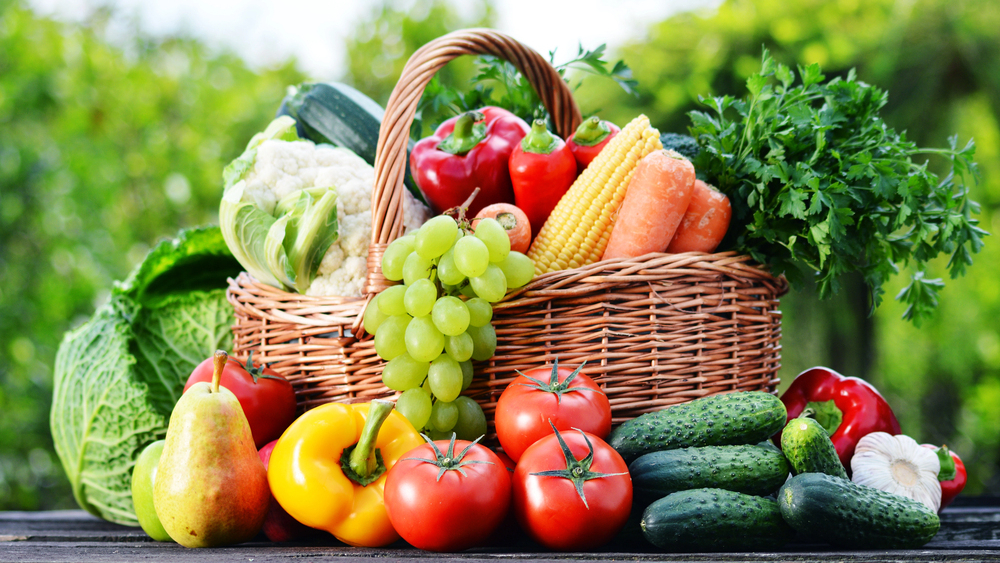
basket of fresh vegetables and fruit indicating Healthy Summer Vision

The Link Between Diet, Hydration, and Healthy Summer Vision

Summer brings sunny days, outdoor adventures, and fresh seasonal foods—but did you know your summer habits can directly impact your eye health? What you eat and drink this season doesn’t just fuel your body; it can help protect your vision too. Here’s how smart choices around diet and hydration can keep your eyes comfortable and healthy all summer long.


Hydration: Quenching More Than Your Thirst

Hot weather and outdoor activities make dehydration a common summer concern—and your eyes can feel it first. When you’re dehydrated, your body produces fewer tears, which can lead to dry, itchy, or burning eyes. Staying hydrated by drinking plenty of water helps keep your eyes moist, supports tear production, and reduces the risk of irritation from heat, wind, and air conditioning.

Tip: Aim for at least eight glasses of water a day, and remember to drink even when you’re not thirsty—especially after outdoor sports, time at the pool, or walking in the heat.

Eat with Your Eyes in Mind

Summer is the perfect time to add colorful, nutrient-rich foods to your meals. Many summer fruits and vegetables contain antioxidants, vitamins, and minerals that help protect your eyes from sun damage and age-related conditions.

Some summer favorites to add to your plate:

  • Leafy greens (spinach, kale, collard greens): Rich in lutein and zeaxanthin, antioxidants that filter harmful light and protect your retina.
  • Berries (blueberries, strawberries, raspberries): Packed with vitamin C, which supports healthy blood vessels in your eyes.
  • Carrots and bell peppers: Excellent sources of beta-carotene and vitamin A, essential for good night vision and overall eye health.
  • Watermelon and cucumbers: Hydrating foods that help your body (and eyes) stay moist.

Don’t Forget Omega-3s

Dry eyes can be more noticeable in the summer heat. Adding foods high in omega-3 fatty acids—like salmon, walnuts, and flaxseeds—can help improve tear quality and reduce dryness.

Protecting Your Eyes from the Inside Out

While sunglasses with 100% UVA/UVB protection are essential, your diet and hydration habits add another layer of defense. Nutrients like lutein, zeaxanthin, and vitamin C help protect your eyes against the harmful effects of UV rays and oxidative stress, both of which increase in the summer.

Small Changes, Big Difference

Enjoy summer to the fullest by caring for your vision from the inside out:

  • Drink plenty of water
  • Choose fresh, colorful produce
  • Include omega-3-rich foods
  • Wear quality sunglasses with UV protection outdoors

Healthy summer vision starts on your plate and in your glass. If you’d like personalized tips for summer eye care or it’s time for your annual eye exam, our office is here to help! Call 724-443-6767 or 724-226-0400 to schedule your next appointment.


About Bissell Eye Care: John D. Bissell, OD, is the owner of Bissell Eye Care, proudly serving the Northern Pittsburgh and Alle-Kiski Valley regions. Dr. Bissell has received advanced training through the International Academy of Low Vision Specialists, enabling him to help patients living with vision impairment and low vision challenges. With two convenient office locations and evening appointments available, Bissell Eye Care offers comprehensive eye exams for the entire family—starting as young as six months. Our services include ocular disease detection and treatment, prescription eyeglasses and sunglasses, specialty activewear eyewear, contact lenses, and dedicated low vision evaluations for those with significant vision impairment and vision loss. We accept most vision and health insurance plans. To learn more, visit bisselleyecare.com or call our Bakerstown office at 724-443-6767 or our Natrona Heights office at 724-226-0444.

night time traffic on a highway with blurred tail gate lights from poor vision - safe night driving

Navigating Night Driving: A Guide for Older Adults as Fall Approaches

It’s hard to believe another season is fast approaching. As the days grow shorter and nights longer with the arrival of fall, many older adults find themselves facing the challenge of driving in the dark more frequently. Night driving can be daunting, especially for those who experience age-related vision changes. When you are driving at night, depth perception, color recognition and peripheral vision can be compromised in the dark, and the glare of headlights from an oncoming vehicle can temporarily blind a driver. These are some common issues all drivers face, but in particular older adults are more challenged due to vision changes.

Understanding Age-Related Vision Changes

According to the American Optometric Association, “If you are 60 or older, driving a car may be increasingly difficult. Age-related vision changes and eye diseases can negatively affect your driving abilities, even before you are aware of symptoms. Some age-related vision changes that commonly affect seniors’ driving are:

  • Not being able to see road signs as clearly.
  • Difficulty seeing objects up close, like the car instrument panel or road maps.
  • Difficulty judging distances and speed.
  • Changes in color perception.
  • Problems seeing in low light or at night.
  • Difficulty adapting to bright sunlight or glare from headlights.
  • Experiencing a loss of side vision.

What Changes In Our Eyesight

As we age, our eyes undergo several changes that can affect our ability to see well at night.

  • Reduced Pupil Size: The pupils become smaller and less responsive to changes in light, making it harder to see in low-light conditions.
  • Decreased Night Vision: The rods in our eyes, which are responsible for seeing in dim light, become less effective with age.
  • Increased Sensitivity to Glare: Older adults often experience more difficulty with glare from oncoming headlights, streetlights, and reflective surfaces.
  • Cataracts: The development of cataracts can cause vision to become cloudy or blurry, making night driving particularly challenging.

Tips for Safe Night Driving

While these changes are a natural part of aging, there are several strategies older adults can take to improve their night driving experience:

  • Schedule Regular Eye Exams – Regular comprehensive eye exams are important for monitoring changes in vision and updating prescriptions. Ensure that your eyewear is optimized for night driving, and ask the doctors at Bissell Eye Care about anti-reflective coatings to reduce glare.
  • Use Proper Lighting – Ensure that your vehicle’s headlights are clean and properly aligned. Consider upgrading to high-intensity discharge (HID) or LED headlights for better illumination. Inside the car, keep the dashboard lights dim to reduce glare.
  • Minimize Glare – Avoid looking directly at oncoming headlights and use the road’s right edge as a guide. Wearing polarized sunglasses during the day can help reduce overall light sensitivity at night.
  • Take It Slow – Reducing speed can help compensate for decreased visibility and reaction time. This gives you more time to spot and react to potential hazards on the road.
  • Avoid Driving After Dark – Whenever possible, try to schedule outings during daylight hours. If you must drive at night, plan your route in advance and choose well-lit roads.
  • Keep Your Windshield Clean – A clean windshield can significantly reduce glare and improve visibility. Make it a habit to clean your windshield inside and out regularly.
  • Consider Vision Aids – Special lenses designed for night driving, often referred to as “night driving glasses,” may help. These typically have a yellow tint and anti-glare coating, but it’s essential to consult with your optometrist to see if they’re suitable for you.
  • Stay Alert – Fatigue can further impair night vision. Make sure you’re well-rested before driving at night and take breaks if you’re driving for an extended period.

If you are unsure of where to find a free ride, PennDOT developed an online tool called Find My Ride that allows older drivers to access free ride services online. This free transportation program allows citizens aged 65 or older to ride for free on a local, fixed-route service whenever local public transportation is operating. During FY 2022-23, there were more than 2.2 million Senior Shared Rides.  To learn more, visit: findmyride.penndot.pa.gov.

If you find that night driving is becoming increasingly difficult or unsafe, it may be time to consult with the doctors at Bissell Eye Care. In some cases, underlying conditions like cataracts or macular degeneration could be contributing to the issue. Our doctors can provide tailored advice, recommend vision aids, or suggest medical interventions if necessary. Night driving doesn’t have to be a daunting task as you age. By understanding the changes in your vision and taking proactive steps to address them, you can maintain your independence and continue to drive safely. For questions or concerns regarding night driving or other eye conditions, contact the doctors at Bissell Eye Care at 724-443-6767 or 724-226-0444.


About Bissell Eye Care: John D. Bissell, OD owns and operates Bissell Eye Care servicing Northern Pittsburgh and Alle-Kiski Valley regions. With two locations to treat patients, we offer evening appointments. Bissell Eye Care provides comprehensive eye examinations for the entire family beginning as early as 6 months, ocular disease detection and treatment, eyeglasses, sunglasses, activewear, contact lenses, and low vision examinations for those with significant vision loss. We accept most types of vision and health insurance plans. For more information, visit bisselleyecare.com or call our Bakerstown Office at 724-443-6767 or Natrona Heights office at 724-226-0444.
Senior couple walking hand in hand, gleaming at each other with eye glasses on, in the outdoors with big trees in the backgroundWays to Prevent Vision Loss

Healthy Aging and Your Eyesight: A Guide to Preserving You Vision

As we age, our bodies undergo various changes, and our eyes are no exception. According to the National Eye Institute, with the aging population, vision loss from eye disease is becoming a major public health concern. More than 40 million people are age 65 or older, and that number is expected to grow to more than 88 million by 2050. Maintaining good eye health is the key to maintaining our quality of life and independence. Understanding common eye diseases that affect older adults and taking proactive steps to care for your eyes today can lead to a brighter, clearer future.

Common Eye Diseases in Older Adults

Aging increases the risk of several eye conditions. Awareness of these diseases and scheduling comprehensive eye exams with the doctors at Bissell Eye Care can help in early detection and management.

  • Cataracts occur when the lens of the eye becomes cloudy, leading to blurred vision, glare, and difficulty seeing at night. This condition is extremely common in older adults and can significantly impair daily activities. Fortunately, cataract surgery is a safe and effective treatment that can restore vision.
  • Glaucoma – Known as the “silent thief of sight,” glaucoma is a group of eye conditions that damage the optic nerve, often due to high eye pressure. It develops gradually and can lead to irreversible vision loss if not detected early. Regular comprehensive eye exams are essential for monitoring eye pressure and catching glaucoma in its early stages.
  • Age-Related Macular Degeneration (AMD) AMD affects the macula, the part of the retina responsible for central vision. This condition can cause blurred or distorted vision and is a leading cause of vision loss in older adults. While there is no cure, treatments such as lifestyle changes, nutritional supplements, and medical interventions can slow its progression.
  • Diabetic Retinopathy Diabetes can lead to diabetic retinopathy, a condition where high blood sugar levels damage the blood vessels in the retina. This can result in vision loss if left untreated. Managing blood sugar levels and regular eye check-ups are key to preventing or managing this condition.
  • Dry Eye Syndrome As we age, our eyes produce fewer tears, leading to dry eye syndrome. This condition can cause discomfort, redness, and blurred vision. Over-the-counter eye drops, prescription medications, and lifestyle adjustments can help alleviate symptoms.

Ways to Prevent Vision Loss

Healthy aging starts with the choices you make today. Here are some steps you can take to protect your eyes and maintain good vision as you age:

  • Schedule regular comprehensive eye exams which vital for detecting eye diseases in their early stages when they are most treatable. Even if you don’t have vision problems, seeing an optometrist annually can help catch potential issues before they become serious.
  • A healthy diet rich in fruits, vegetables, and omega-3 fatty acids can support eye health. Foods like leafy greens, carrots, fish, and nuts provide essential nutrients such as vitamins C and E, zinc, and lutein, which are important for eye health.
  • Managing chronic health conditions like diabetes and hypertension can have a significant impact on your eyesight. These conditions which are managed through medication, diet, and regular check-ups can reduce the risk of eye-related complications.
  • Quit smoking as it is a major risk factor for your overall health as well as several eye diseases, including cataracts and AMD.
  • Protect Your Eyes from UV radiation from the sun which can damage your eyes over time. Wearing sunglasses with UV protection and a wide-brimmed hat can shield your eyes from harmful rays.
  • Stay physically active by participating in regular exercise that improves circulation, which is beneficial for your eyes and helps lower the risk of conditions like diabetes and high blood pressure.
  • Quality sleep is essential for overall health, including your eyes. Resting your eyes during sleep allows them to recover and stay healthy.

Your eyes are your windows to the world and the pathway to maintaining your independence. By understanding common eye diseases and adopting healthy habits today, you can preserve your vision and enjoy a high quality of life well into your later years. Regular comprehensive eye exams, a healthy diet, and a proactive approach to managing your health are key to keeping your eyes sharp and your outlook bright. Don’t delay call our office at 724-443-6767 or 724-226-0444 to schedule your appointment today!


About Bissell Eye Care: John D. Bissell, OD owns and operates Bissell Eye Care servicing Northern Pittsburgh and Alle-Kiski Valley regions. With two locations to treat patients, we offer evening appointments. Bissell Eye Care provides comprehensive eye examinations for the entire family beginning as early as 6 months, ocular disease detection and treatment, eyeglasses, sunglasses, activewear, contact lenses, and low vision examinations for those with significant vision loss. We accept most types of vision and health insurance plans. For more information, visit bisselleyecare.com or call our Bakerstown Office at 724-443-6767 or Natrona Heights office at 724-226-0444.
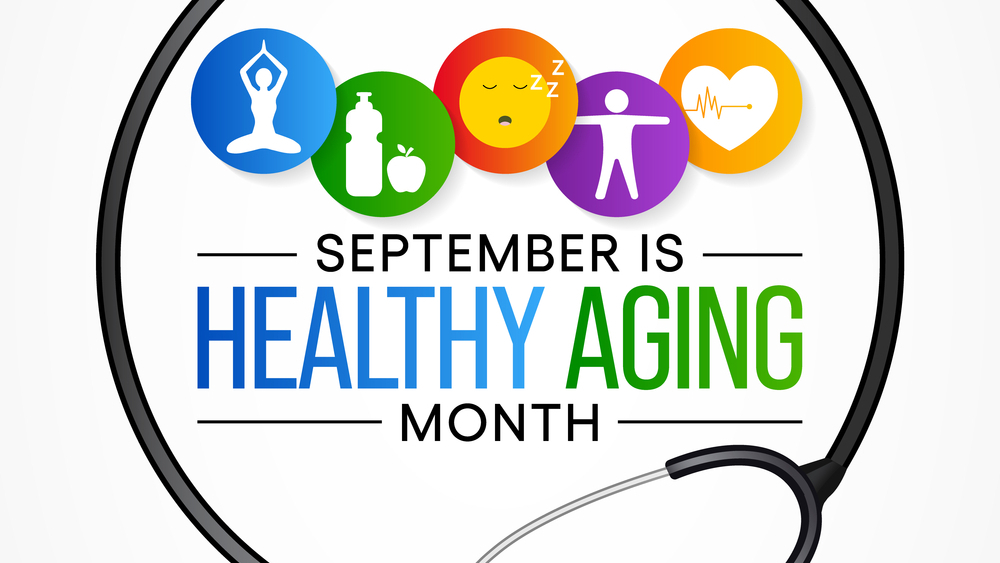
Healthy Aging. Rond graphic with healthy icons above text healthy aging

Embracing Healthy Aging – Tips for a Vibrant Life

September is Healthy Aging Month, a time to celebrate the wisdom and experience that come with getting older while also focusing on maintaining good health and vitality. Aging is a natural part of life, and with the right approach, you can age gracefully and enjoy a high quality of life well into your golden years.

From the Greatest Generation (those now over 93), the Silent Generation (those between 75 and 92), and Baby Boomers (56 to 74) to Gen-Xers (40 to 55), individuals are determined to remain active by setting healthy goals.

As part of those goals, we want to point out some advantages of annual exams and health visits. When it comes to your vision many diseases can be slowed down, stopped, or even reversed if caught early. Having an annual comprehensive eye exam that includes dilation helps to give a baseline for the doctors at Bissell Eye Care to be able to notice changes in your eyes.

The Importance of Regular Eye Exams

Eye health is often overlooked in discussions about healthy aging, but it’s a vital aspect of overall well-being. Regular eye exams can uncover underlying issues and help preserve your vision. Some benefits of regular eye exams include:

  • Detection of eye diseases: Conditions like glaucoma, macular degeneration, and diabetic retinopathy often show no early symptoms but can be detected through eye exams.
  • Correcting vision problems: Regular exams help identify and address common vision issues like nearsightedness, farsightedness, and astigmatism with prescription eyeglasses or contact lenses.
  • Monitoring overall health: The eyes can provide insights into your overall health. Changes in the eyes’ blood vessels can indicate conditions such as diabetes or hypertension.

Stay Active and Exercise Regularly

Physical activity is a cornerstone of healthy aging. Regular exercise offers a myriad of benefits, including improved cardiovascular health, muscle strength, flexibility, and mental well-being. Aim for at least 150 minutes of moderate-intensity aerobic exercise or 75 minutes of vigorous-intensity aerobic exercise per week, as recommended by health experts.

Consider activities like brisk walking, swimming, yoga, or strength training to maintain muscle mass and bone density. Exercise not only helps you stay physically fit but also boosts mood and cognitive function, reducing the risk of age-related mental decline.

Maintain a Balanced Diet

Eating a well-balanced diet is another key to healthy aging. Your body needs essential nutrients to function optimally and fight off age-related diseases. Incorporate the following elements into your diet:

  • Fruits and vegetables: Aim for a colorful array of fruits and vegetables, which provide essential vitamins, minerals, and antioxidants.
  • Whole grains: Choose whole grains over refined grains for sustained energy and better digestion.
  • Lean proteins: Include lean sources of protein like fish, poultry, beans, and legumes to support muscle health.
  • Healthy fats: Opt for sources of healthy fats such as nuts, seeds, avocados, and olive oil to support heart and brain health.
  • Hydration: Stay well-hydrated by drinking plenty of water throughout the day.

Regular Health Checkups

Routine health checkups are crucial for detecting and addressing potential health issues early on. Schedule regular visits to your healthcare provider to monitor your blood pressure, cholesterol levels, and overall health. These visits also provide an opportunity to discuss any concerns or changes in your health. Vaccines such as the flu and shingles, can help prevent serious illnesses that become more common as we age.

Healthy aging is about living a fulfilling and vibrant life as you grow older. By incorporating regular exercise, maintaining a balanced diet, scheduling routine health checkups, and prioritizing regular eye exams, you can take proactive steps to ensure your well-being as you age. Schedule your annual eye exam by calling 724-443-6767 or 724-226-0444.

Remember that it’s never too late to start making healthier choices and embracing the joys of growing older with grace and vitality. Celebrate Healthy Aging Month by committing to a healthier future today.


About Bissell Eye Care: John D. Bissell, OD owns and operates Bissell Eye Care servicing Northern Pittsburgh and Alle-Kiski Valley regions. With two locations to treat patients, we offer evening and Saturday appointments. Bissell Eye Care provides comprehensive eye examinations for the entire family beginning as early as 6 months, ocular disease detection and treatment, eyeglasses, sunglasses, activewear, contact lenses, and low vision examinations for those with significant vision loss. We accept most types of vision and health insurance plans. For more information, visit bisselleyecare.com or call our Bakerstown Office at 724-443-6767 or Natrona Heights office at 724-226-0444.

Elderly couple in park after a bike ride -Take Charge of Your Health

TAKE CHARGE OF YOUR HEALTH

September is a perfect time to celebrate Healthy Aging Month. As summer winds down fall activities and upcoming holidays are top of mind. We often get so caught up with our daily routine that we forget to take care of ourselves. This month reminds us of the importance of following a healthy lifestyle to ensure we age comfortably.

Healthy aging refers to the continuous process of making lifestyle improvements that keep a person physically and mentally sharp, throughout life. The choices you make today may affect the quality of your life down the road. Diet and exercise are key components to healthy aging.

Move More, Sit Less.

Staying active can help you prevent, delay, and manage chronic diseases, improve balance and stamina, reduce the risk of falling, and improve brain health. Aim for moderate physical activity, like walking, at least 150 minutes a week (22-30 minutes a day) and muscle strengthening activities, at least 2 days a week. Things such as utilizing hand weights, carrying groceries or other activities that involve the use of your muscles. Always consult with your doctor before starting a new exercise regimen.

Use Technology to Measure Your Results

Fitbits and online apps can help track healthy eating habits and steps. Have you set a new goal to walk 10,000 steps a day? Perhaps fresh vegetables and salads are becoming a staple in your refrigerator.

Schedule Regular Checkups

As we look at the components of staying healthy – we also look at regular exams. When was the last time you had a physical, dental or eye exam? By staying up to date with regular medical exams, you can be proactive in changes that may be occurring with your health.

Seeing your eye doctor is not just about needing glasses. During the exam, you are also going to be screened for other diseases …..diabetes, cataracts, glaucoma and macular degeneration.  After the age of 40, everyone should be tested regularly for macular degeneration, especially if there is a family history of the disease.

Did you know during a comprehensive eye exam, underlying health problems can be uncovered? These are things the doctors at Bissell Eye Care look for during your exam and may uncover a health issue you may not be aware of.

  • Diabetes affects the small capillaries in the retina of the eyes. These blood vessels may leak blood or a yellowish fluid, and this may be discovered in an eye exam.
  • Hypertension presents when blood vessels in the eye exhibit bends, kinks or tears, and this may be an indication of high blood pressure.
  • Autoimmune disorders are recognized by inflammation of the eye which may be a sign of Lupus or another autoimmune disorder.
  • High cholesterol can be found with a yellowish appearance or a yellow ring around your cornea. There also may be plaques in the blood vessels of the retina which could indicate elevated cholesterol.
  • Thyroid disease will often present as bulging eyes or protruding eyeballs.
  • Cancer can be present if the structure of your eye is unusual. Ocular melanoma can develop in the cells that make pigmentation in the eye. Your eye exam can also help detect skin cancer. Basal cell carcinomas can appear on the eyelid. In any of these cases, you would be referred to a specialist.
  • Tumors can present with a droopy eyelid or irregularly shaped pupils and could possibly indicate a neck tumor or an aneurysm (Source: Digital Journal).

Just like having annual physical and regular health screenings help to detect disease, the most important lesson learned is to have an annual eye exam. Early detection of eye disease is the key to healthy vision as you age. Give our offices a call at 724-443-6767 or 724-226-0444 to schedule your annual eye exam.


About Bissell Eye Care: John D. Bissell, OD owns and operates Bissell Eye Care servicing Northern Pittsburgh and Alle-Kiski Valley regions. With two locations to treat patients, we offer evening and Saturday appointments. Bissell Eye Care provides comprehensive eye examinations for the entire family beginning as early as 6 months, ocular disease detection and treatment, eyeglasses, sunglasses, activewear, contact lenses, and low vision examinations for those with significant vision loss. We accept most types of vision and health insurance plans. For more information, visit bisselleyecare.com or call our Bakerstown Office at 724-443-6767 or Natrona Heights office at 724-226-0444.

WHAT’S IN YOUR GARDEN?

With spring quickly turning to summer, the annual duties of weeding and watering the gardening have started.  For many people this also means a change in their diet as fresh vegetables are more readily available, and free!  A proper diet is not only good for your overall health, but can help to keep your eyes healthy and sharp well into the future.

While there are foods that you should eat that you cannot grow in a garden, there are several vegetables that you can grow that are good for your eyes.  

When deciding your next meal, there are factors to take into account.  Foods that contain a range of vitamins, nutrients, and minerals are known as antioxidants that will help your body to destroy oxidants.

Eating foods with a range of antioxidants may help to prevent several eye conditions such as:

  • Poor night vision
  • Dry eyes
  • Cataracts
  • Age-related macular degeneration
  • Glaucoma

Your eyes need several different types of antioxidants in order to fend off oxidants and stay healthy.

Some of these foods include:

  • Lutein
  • Zeaxanthin
  • Vitamins A, C, E
  • Zinc
  • Omega-3 Fatty Acids
  • Beta-carotene

Your diet should also include foods such as fish, eggs, and nuts, which you would buy from the store.  But if you have a green thumb personality and enjoy having a garden, there are foods you can grow to help your eye sight.

  • Spinach
  • Kale
  • Collards
  • Carrots
  • Tomatoes

The best way to eat is by doing what is called “following the rainbow.” Eating fruits and vegetables that vary in color offer many different vitamins that will help the health of you and your vision. When growing your garden, keep in mind that all vegetables provide nutrients for your body. The ones listed above are vegetables that are found to contain high amounts of antioxidants and nutrients. Happy gardening!

About the author: John D. Bissell, owner of Bissell Eye Care and Tri-State Low Vision Services, offers comprehensive eye examinations for the entire family, ocular disease detection and treatment, eye glasses, sun glasses, active wear, contact lenses, and low vision examinations for those with significant vision loss. He has undergone specialized training for treatment of low vision by the International Academy of Low Vision Specialists utilizing customized telescopic eyeglasses, prisms and telescopic implants for patients who qualify. The practice accepts most types of vision and health insurance plans.

HEALTHY AGING

Have you turned around twice and ten years have passed?  Are the kids grown and out of the house when it feels like just yesterday that they were born?  It happens all too fast that the time seems to just slip away.  As we age it becomes more important than ever to take care of yourself because the quality of our lives later on will depend on what we do today.

With age often comes wisdom.  What does this mean though?  Aging wisely is taking care of yourself, scheduling your annual and routine doctors’ visits and making sure that you stay as healthy as possible.

September is National Healthy Aging Month and we want to point out some advantages of annual screenings and health visits.  When it comes to your vision there are many diseases that can be slowed down, stopped or even reversed if caught early.  Having routine screenings helps to give a baseline for your doctor to better be able to notice changes in your eyes.

Vision loss is not always noticeable immediately.  Many times an individual can lose a significant amount of vision before it becomes noticeable.  When vision loss is detected early, the person stands a much greater chance of being able to slow down or even prevent their vision loss.

Medical screenings are important too.  Annual physicals, bloodwork and regular cancer screenings can be a pivotal point of identifying a problem and taking the proper steps to treat it.  These screenings also provide peace of mind that you are as healthy as you can be.

Diet and exercise also play in role in healthy aging.  It’s easy to come home from a long day at the office, run through the take out window and grab a quick bite.  Taking time to plan and cook meals on the weekend allows for better eating habits and healthier food all around.

Elderly couple with their bikes

Put regular exercise into your routine that will help shed some unwanted pounds.  Take a walk at lunch or right after work if you can.  As we grow older, gone are the responsibilities of running kids to their various activities.  Make taking care of yourself the priority and put exercise into your calendar.

While we, at Bissell Eye Care, focus on vision and helping our patients to see to the best of their ability, we want to stress that importance of not just routine eye appointments, but all suggested medical appointments and screenings.  Early detection is key to living a long happy life.

About the author: John D. Bissell, owner of Bissell Eye Care and Tri-State Low Vision Services, offers comprehensive eye examinations for the entire family, ocular disease detection and treatment, eye glasses, sun glasses, active wear, contact lenses, and low vision examinations for those with significant vision loss. He has undergone specialized training for treatment of low vision by the International Academy of Low Vision Specialists utilizing customized telescopic eyeglasses, prisms and telescopic implants for patients who qualify. The practice accepts most types of vision and health insurance plans.