glaucoma-symptoms-treatment-and-prevention

Glaucoma Symptoms, Treatment, and Prevention

Why Regular Eye Exams Protect Your Sight

Glaucoma is often called the “thief of sight”—and for good reason. This group of eye diseases can quietly damage the optic nerve without noticeable symptoms in its early stages. By the time vision changes are detected, permanent vision loss may have already occurred. Understanding glaucoma, how it affects vision, and the tools available to support those living with it can help protect your eyesight for life.

What Is Glaucoma?

Glaucoma occurs when increased pressure inside the eye, or poor blood flow to the optic nerve, causes progressive nerve damage. The optic nerve is responsible for transmitting visual information from the eye to the brain. Once damaged, vision loss cannot be reversed.

There are several types of glaucoma, but primary open-angle glaucoma is the most common. It typically develops slowly and painlessly, which is why many people are unaware they have it.

How Glaucoma Affects Vision

Glaucoma usually affects peripheral (side) vision first. Early on, patients may not notice any changes at all. As the disease progresses, blind spots may develop, eventually leading to tunnel vision and, in severe cases, blindness.

Because central vision often remains clear until later stages, routine eye exams are critical—glaucoma can advance long before symptoms appear.

Why Annual Eye Exams Are Essential

Regular comprehensive eye exams with the doctors at Bissell Eye Care are the most effective way to detect glaucoma early. During an exam, your optometrist can measure eye pressure, evaluate the optic nerve, test peripheral vision, and use advanced imaging to monitor subtle changes over time.

Early detection allows for treatment—such as prescription eye drops, laser therapy, or surgery—that can slow or stop further vision loss. Skipping annual exams increases the risk of undetected damage.

If you have a family history of glaucoma, are over age 60, have diabetes, or are African American or Hispanic, your risk may be higher, making consistent eye care even more important.

Living With Glaucoma: Low Vision Aids and Support

For individuals who experience vision loss from glaucoma, low vision aids can greatly improve quality of life and independence. These tools are designed to maximize remaining vision and support everyday activities.

Common low vision aids for glaucoma patients include:

  • Magnifiers (handheld, stand, or electronic) for reading and detailed tasks
  • High-contrast and large-print materials to make text easier to see
  • Specialized lighting to reduce glare and enhance visibility
  • Prismatic glasses to help expand usable visual fields
  • Electronic devices and apps that offer text enlargement, voice assistance, or contrast enhancement

A low vision evaluation with Dr. Bissell, who has received specialized training through the International Academy of Low Vision Specialists (IALVS), can help determine which tools are best suited to your needs and lifestyle.

Protecting Your Vision Starts Today

Glaucoma may be silent, but its effects are permanent if left untreated. The good news is that with early detection, proper treatment, and ongoing care, many people with glaucoma maintain functional vision for life.

Scheduling your annual eye exam isn’t just about seeing clearly today—it’s about protecting your vision for the future. If it’s been more than a year since your last exam, now is the time to take that important step.

Your sight is precious. Don’t let glaucoma steal it.


About Bissell Eye CareJohn D. Bissell, OD, is the owner of Bissell Eye Care, proudly serving the Northern Pittsburgh and Alle-Kiski Valley regions. Dr. Bissell has received advanced training through the International Academy of Low Vision Specialists, enabling him to help patients living with vision impairment and low vision challenges. With two convenient office locations and evening appointments available, Bissell Eye Care offers comprehensive eye exams for the entire family—starting as young as six months. Our services include ocular disease detection and treatment, prescription eyeglasses and sunglasses, specialty activewear eyewear, contact lenses, and dedicated low vision evaluations for those with significant vision impairment and vision loss. We accept most vision and health insurance plans. To learn more, visit bisselleyecare.com or call our Bakerstown office at 724-443-6767 or our Natrona Heights office at 724-226-0444.
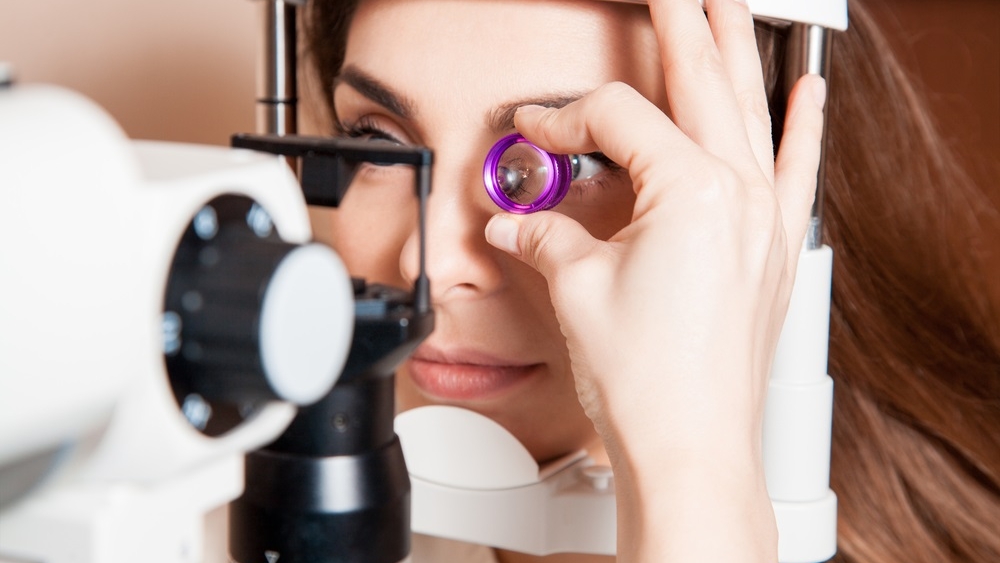
a-woman-getting-her-vision-checked-at-a-optomotrists office.

Understanding Glaucoma & the Value of a Comprehensive Eye Exam

Are you ready for the New Year? Resolutions for better health often include eating better, exercising, and cutting down on sugar intake. While many people have resolutions to improve their health, they tend to not include an annual medical physical, 6 month dental visits and an annual eye exam. 

Vision, a priceless gift often taken for granted, can be threatened by silent conditions like glaucoma. Glaucoma is a group of eye diseases that damage the optic nerve, often leading to irreversible vision loss and is often referred to as the Thief of Sight. According to the National Eye Institute, “Glaucoma is a leading cause of vision loss and blindness in the United States. But half of people with glaucoma don’t know they have it.

Glaucoma has no early symptoms. The only way to check for it is to get a comprehensive dilated eye exam. There’s no cure for glaucoma but starting treatment as early as possible can help stop vision loss.”

Glaucoma is a complex eye condition characterized by increased intraocular pressure (IOP), which can damage the optic nerve over time. The optic nerve is responsible for transmitting visual information from the eyes to the brain. When damaged, it can result in peripheral vision loss that often goes unnoticed until significant damage has occurred.

There are different types of glaucoma, with primary open-angle glaucoma being the most common. However, other forms, such as angle-closure glaucoma and normal-tension glaucoma, also exist. The risk factors for glaucoma include age, family history, elevated intraocular pressure, and certain medical conditions like diabetes.

The Importance of Dilated Eye Exams:

  • Early Detection: Dilated eye exams involve the use of eye drops to enlarge the pupils, allowing the doctors at Bissell Eye Care to get a clear view of the optic nerve and retina. This enables early detection of signs of glaucoma, such as optic nerve cupping or changes in the optic nerve head.
  • Comprehensive Assessment: Unlike standard eye exams or screenings that only evaluate visual acuity, dilated eye exams provide a more comprehensive assessment of the overall eye health. They help identify not only glaucoma but also other conditions such as diabetic retinopathy, macular degeneration, and retinal detachments.
  • Pressure Measurement: Dilated exams allow for accurate measurement of intraocular pressure. While elevated pressure is a risk factor for glaucoma, not everyone with glaucoma has high intraocular pressure, making the comprehensive assessment crucial for diagnosis.
  • Monitoring Progression: For individuals diagnosed with glaucoma, dilated eye exams are important for monitoring the progression of the disease. Regular evaluations help adjust treatment plans, ensuring that the condition is effectively managed to prevent further vision loss.
  • Risk Reduction: Dilated eye exams empower the doctors at Bissell Eye Care to identify and address risk factors that may contribute to glaucoma development or progression. This proactive approach aids in implementing preventive measures, such as lifestyle changes or early interventions.

Comprehensive eye exams that are performed by an optometrist are designed to not only evaluate your visual acuity, but also to check the overall health of your eye. As an added health bonus, your optometrist can also detect early signs of health problems such as diabetes, high blood pressure and stroke risk; all based on the appearance of the delicate blood vessels and other structures within the eye.

As the New Year brings about resolve to change, consider your body’s overall health. Scheduling annual eye exams at Bissell Eye Care, but also to your medical doctor for a yearly physical can help to keep your body in top shape and provide early detection of any medical conditions before they become serious problems. Here’s to a healthy and happy 2024!


About Bissell Eye Care: John D. Bissell, OD owns and operates Bissell Eye Care servicing Northern Pittsburgh and Alle-Kiski Valley regions. With two locations to treat patients, we offer evening and Saturday appointments. Bissell Eye Care provides comprehensive eye examinations for the entire family beginning as early as 6 months, ocular disease detection and treatment, eyeglasses, sunglasses, activewear, contact lenses, and low vision examinations for those with significant vision loss. We accept most types of vision and health insurance plans. For more information, visit bisselleyecare.com or call our Bakerstown Office at 724-443-6767 or Natrona Heights office at 724-226-0444.
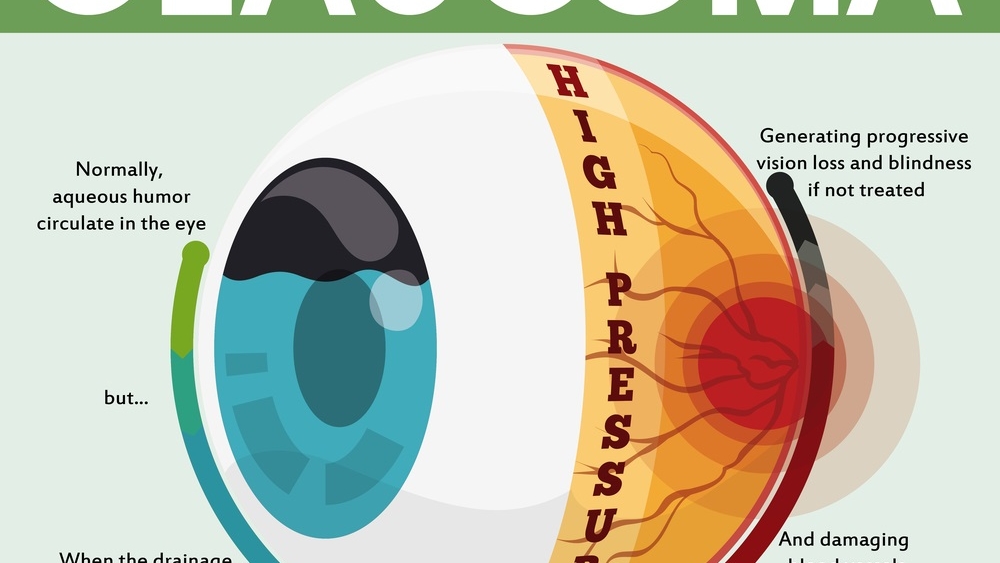
Infographic-poster-with-detailed-effects-of-untreated-glaucoma-disease-showing-the-passing-through-a-good-and-healthy-eye-to-a-rogressive-vision loss

Glaucoma Awareness – Screen, Protect & Cure

More than 3 million people in the United States have glaucoma. The National Eye Institute projects this number will reach 4.2 million by 2030, a 58 percent increase. Glaucoma is caused by the eye’s failure to maintain the balance of pressure between the internal fluid and the amount of fluid it drains away. High eye pressure caused by this imbalance causes pressure to build up against the optic nerve causing nerve damage.

Damage typically starts in the outside peripheral vision and is often not recognized by patients. A dilated eye exam is necessary to examine the optic nerve. Treatment generally begins with eye drops. Just as in any other prescribed medication, it’s important to consistently take the drops as prescribed. Since glaucoma symptoms are typically undetected, patients will not realize the damage that can be done without following the prescription.

If the optometrists at Bissell Eye Care deem that eye drops aren’t the best course of action, lasers or in extreme cases surgical procedures may be necessary to treat the disease. For those recently diagnosed with glaucoma, you can request a free educational booklet from the Glaucoma Research Foundation.

Smart contact lenses offer an exciting breakthrough in diagnosis and treatment of glaucoma. Smart contact lenses use tiny sensors, like those found in smartphones and other wearable devices, to collect data about the pressure inside your eye. As a result, they accurately measure intraocular pressure. These contact lenses can be personalized for each patient’s unique clinical needs, they may provide a promising treatment option for glaucoma.

Glaucoma Awareness – Types of Glaucoma Include:

Chronic (Open Angle) Glaucoma is the most common form of the disease. In open angle glaucoma, aqueous fluid drains too slowly and pressure inside the eye builds up. It usually results from aging of the drainage channel, which doesn’t work as well over time. However, younger people can also develop this type of glaucoma.

Normal Tension Glaucoma is a form of open angle glaucoma not related to high pressure. People with normal tension glaucoma may be unusually sensitive to normal levels of pressure. Reduced blood supply to the optic nerve may also play a role in normal tension glaucoma.

Acute (Angle Closure) Glaucoma: occurs more in Asian and Native American descents which are at higher risk for this form of glaucoma. This type of glaucoma occurs when the drainage system of the eye becomes blocked. This causes a sudden rise in pressure, requiring immediate, emergency medical care. The signs are usually serious and may include blurred vision, severe headaches, eye pain, nausea, vomiting or seeing rainbow-like halos around lights.

January is Glaucoma Awareness Month. Don’t let the “thief of sight” rob you of your independence. If you haven’t scheduled a regular eye exam, now is the time to do so. Call it your New Year’s Resolution to better health. Take action and call our office 724-443-6767 or 724-226-0444 to schedule your annual eye exam!


 About Bissell Eye Care: John D. Bissell, OD owns and operates Bissell Eye Care servicing Northern Pittsburgh and Alle-Kiski Valley regions. With two locations to treat patients, we offer evening and Saturday appointments. Bissell Eye Care provides comprehensive eye examinations for the entire family beginning as early as 6 months, ocular disease detection and treatment, eyeglasses, sunglasses, activewear, contact lenses, and low vision examinations for those with significant vision loss. We accept most types of vision and health insurance plans. For more Information, visit bisselleyecare.com or call our Bakerstown Office at 724-443-6767 or Natrona Heights office at 724-226-0444.
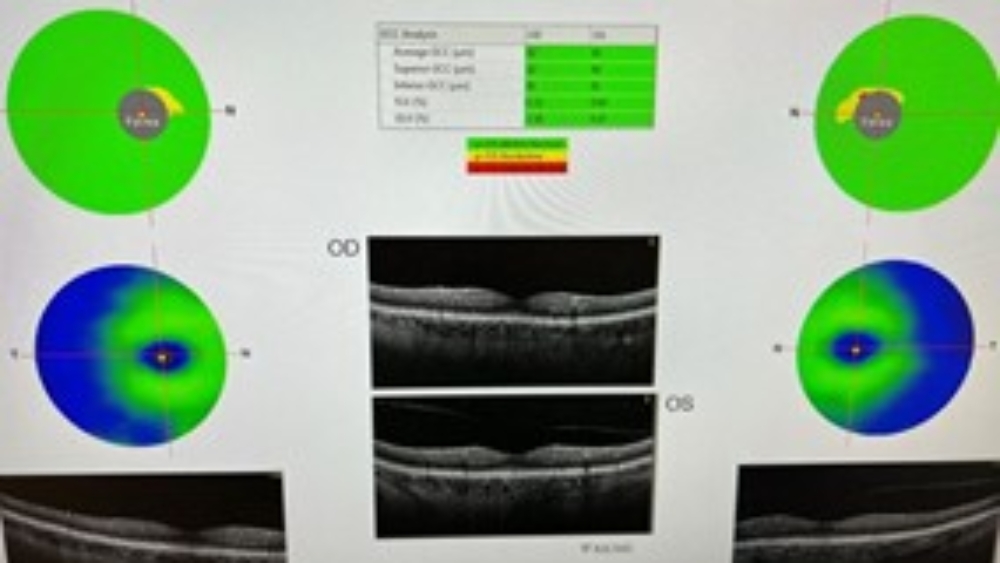
Comprehensive Eye Assessment of Ocular Health

Comprehensive Eye Assessment of Ocular Health

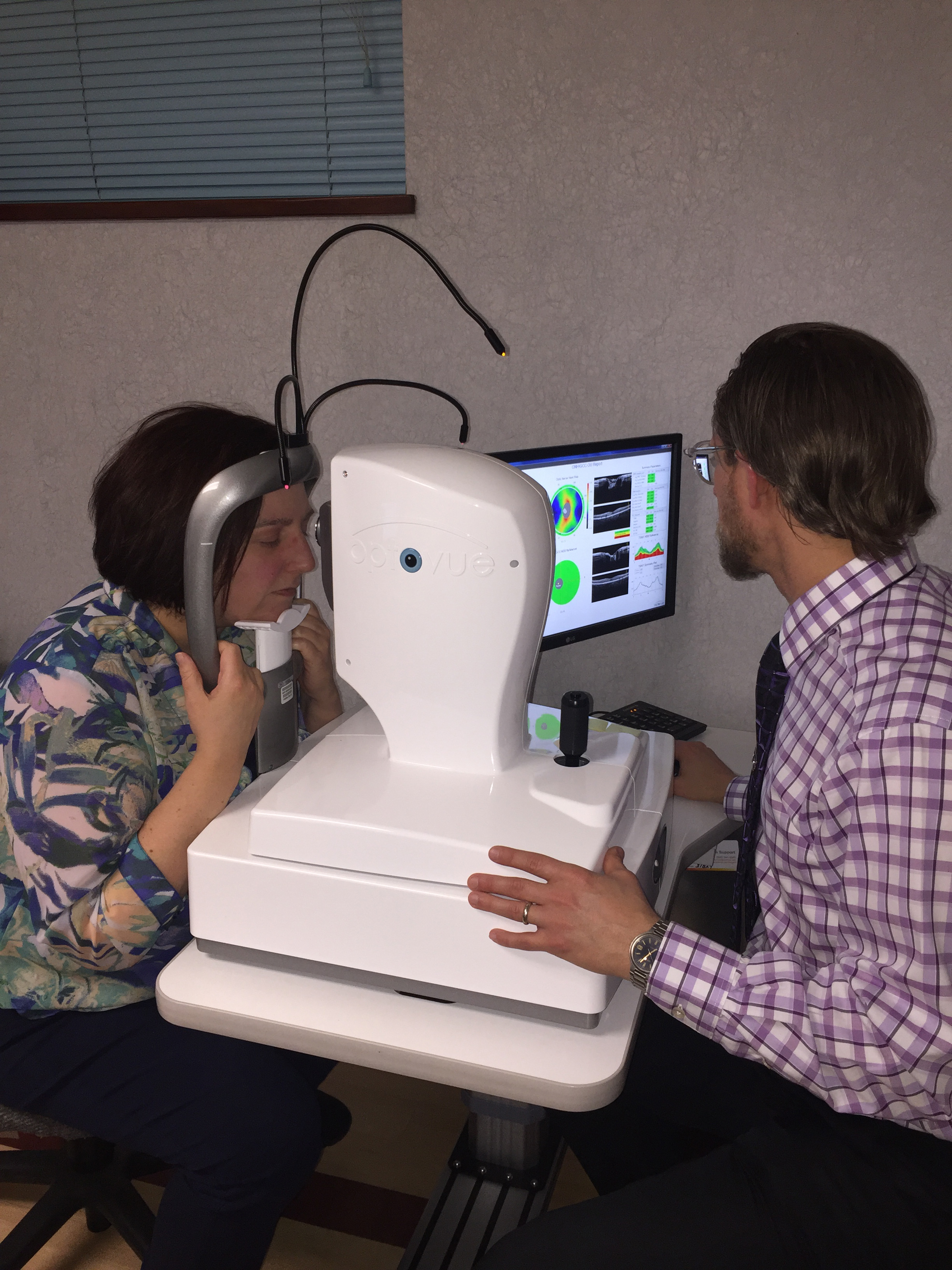
As technology continues to improve, we are better able to look at the human eye with the Optovue OCT machine. OCT Angiography (OCTA) is a quick non-invasive piece of equipment that performs a test, allowing your eye doctor to see retinal vessels during your annual eye exam. OCTA is the only non-invasive way to visualize the vascular structure of your retina.

During this test, the structure of your eyes are examined— from the front, or anterior segment, to the back, or retina. OCT is used to aid in diagnosing disease and managing your ocular health. These metrics along with a high-resolution image and symmetry analysis help to determine if you are displaying the early signs of retinal disease or glaucoma.

The machine allows us to look at the eye in a similar manner as an MRI utilizing an array of light rays. It takes a piece-by-piece view of the eye. Our optometrists then look at this imagery and can determine the health of your eyes, or if there are any concerns that need to be further addressed. With an OCT, doctors can see a cross-section or 3D image of the retina and detect the early onset of a variety of eye conditions and eye diseases such as macular degeneration, glaucoma and diabetic retinopathy (the top three diseases known to cause blindness).

By comparing the thickness of the layers measured by the OCT scan against the normal thickness of healthy retinal layers, eye doctors can determine which retinal disease or eye condition exists in the eye, even before the patient is aware of any problems.

So, what does this mean for you, the patient? These scans can detect early vascular changes in diabetic patients and early signs of glaucoma. We cannot stress the importance of early detection of eye diseases enough. Early detection can help to prevent further loss of vision. As we have talked about before, you can lose a significant amount of your vision without you noticing.

Bissell Eye Care continues to invest in the most up-to-date technology and equipment to best serve our patients. By using this technology, we can better facilitate the diagnosis and management of eye diseases, many of which may lead to permanent blindness.


About Bissell Eye Care: John D. Bissell, OD owns and operates Bissell Eye Care servicing Northern Pittsburgh and Alle-Kiski Valley regions. With two locations to treat patients, we offer evening and Saturday appointments. Bissell Eye Care provides comprehensive eye examinations for the entire family beginning as early as 6 months, ocular disease detection and treatment, eyeglasses, sunglasses, activewear, contact lenses, and low vision examinations for those with significant vision loss. We accept most types of vision and health insurance plans. For more information, visit bisselleyecare.com or call our Bakerstown Office at 724-443-6767 or Natrona Heights office at 724-226-0444.
January is National Glaucoma Awareness Month

Glaucoma Awareness Month

January is Glaucoma Awareness Month. In the United States, Glaucoma is the leading cause of vision loss and blindness. While it is commonly believed that only diabetics can suffer from glaucoma, anyone is susceptible to this condition. Because glaucoma has no early symptoms, it is important to continually monitor your eyes and have an annual comprehensive eye exam to ensure continued eye health. This Glaucoma Awareness Month, make sure you are caring for your vision and know what signs to look for!

Glaucoma – “Thief of Sight”

Glaucoma is a group of conditions damaging your eye’s optic nerve, usually when fluid builds in the front of your eye. Increased pressure due to this fluid damages the optic nerve, leaving you susceptible to eventual vision loss. As optic nerve fibers die, you will develop blind spots in your vision. Once all fibers die, you will become blind.

This condition remains the leading cause of blindness in people over 60, but can be prevented with vigilance and early treatment. Unfortunately, any damage done by glaucoma is irreversible, so it is extremely important to be aware of your risk level as open-angle glaucoma is hereditary.

No Symptoms

Glaucoma can be additionally tricky to prevent and treat because of the lack of early symptoms. In fact, it is believed that half the people who have glaucoma do not know. While anyone can potentially develop this condition, some demographics are at higher risk. These groups include:

  • Diabetics and those with high blood pressure.
  • Everyone over the age of 60, particularly Hispanics.
  • African Americans over the age of 40.
  • People with a family history of glaucoma.
  • Users of long-term steroid medication.
  • People who have had an eye injury.

If you are included in any of these groups, we recommend additional vigilance. One of the only symptoms of glaucoma is higher than normal eye pressure. If you begin noticing increased pressure in your eyes, schedule an exam with one of the doctors at Bissell Eye Care. While there is currently no cure for glaucoma, early intervention can often stop the damage in its tracks. Our doctors can help you determine if you are showing signs of glaucoma and determine treatments to help you protect your eyes.

Annual Exams

Glaucoma is a serious condition and early treatment is essential to preserve your vision and your general eye health. To ensure proper eye health and potentially prevent glaucoma, you should always schedule annual eye exams. The only way to determine if you are suffering from glaucoma is to have a comprehensive dilated eye exam, often done during your regular annual exam. Call Bissell Eye Care at 724-443-6767 or 724-226-0444 to schedule your annual exam and take full advantage of Glaucoma Awareness Month!


About Bissell Eye Care: John D. Bissell, OD owns and operates Bissell Eye Care servicing Northern Pittsburgh and Alle-Kiski Valley regions. With two locations to treat patients, we offer evening and Saturday appointments. Bissell Eye Care provides comprehensive eye examinations for the entire family beginning as early as 6 months, ocular disease detection and treatment, eyeglasses, sunglasses, activewear, contact lenses, and low vision examinations for those with significant vision loss. We accept most types of vision and health insurance plans. For more information, visit bisselleyecare.com or call our Bakerstown Office at 724-443-6767 or Natrona Heights office at 724-226-0444.
Depositphotos_107087980_S

What You Should Know About Glaucoma

Glaucoma is a leading cause of irreversible blindness in the United States. The disease has no noticeable symptoms in its early stages, and vision loss progresses at such a gradual rate that people affected by the condition are often unaware of it until their sight has already been compromised.

Glaucoma is caused by the eye’s failure to maintain the balance of pressure between the internal fluid and the amount of fluid it drains away.  High eye pressure triggered by this imbalance causes pressure to build up against the optic nerve resulting in nerve damage.  Damage typically starts in the outside peripheral vision and is often not recognized by patients.  A dilated eye exam is necessary to examine the optic nerve.

Why is an annual eye exam so important? 

Because Bissell Eye Care conducts comprehensive annual exams including dilation, we can see the nerves into the back of the eye and the health of those nerves.  As an added step following dilation, through the use of OCT exam machine technology, we can see layers of the eye, much like an MRI.

Glaucoma often referred to as the “thief of sight” displays no symptoms.  Loss of vision occurs so gradually that people that have glaucoma don’t realize they have the disease until it’s too late.  The best defense against developing glaucoma-related blindness is to have an annual eye exam.

In our exams we look for the following:

  • Inner eye pressure
  • Shape and color of the optic nerve – done by dilation
  • Complete field of vision test
  • Angle in the eye where the iris meets the cornea
  • Thickness of the cornea

According to the Glaucoma Research Foundation, “It is estimated that over 3 million Americans have glaucoma but only half of those know they have it.  In the U.S., more than 120,000 are blind from glaucoma, accounting for 9% to 12% of all cases of blindness. Glaucoma is the second leading cause of blindness in the world, according to the World Health Organization.”

Treatment generally begins with eye drops.  Just as in any other prescribed medication, it’s important to consistently take the drops as prescribed.  Since glaucoma symptoms are typically undetected, patients will not realize the damage that can be done without following the prescription.

If your optometrist deems that eye drops aren’t the best course of action, lasers or in extreme cases surgical procedures may be necessary to treat the disease.

TYPES OF GLAUCOMA

  • Chronic (Open Angle) Glaucoma: The most common form. In open angle glaucoma, aqueous fluid drains too slowly and pressure inside the eye builds up. It usually results from the aging of the drainage channel, which doesn’t work as well over time. However, younger people can also get this type of glaucoma.
  • Normal Tension Glaucoma: This is a form of open angle glaucoma not related to high pressure. People with normal tension glaucoma may be unusually sensitive to normal levels of pressure. Reduced blood supply to the optic nerve may also play a role in normal tension glaucoma.
  • Acute (Angle Closure) Glaucoma: Those of Asian and Native American descent are at higher risk for this form of glaucoma. It occurs when the drainage system of the eye becomes blocked. It causes a sudden rise in pressure, requiring immediate, emergency medical care. The signs are usually serious and may include blurred vision, severe headaches, eye pain, nausea, vomiting or seeing rainbow-like halos around lights.

January is Glaucoma Awareness Month.  If you haven’t scheduled a regular eye exam, now is the time to do so.  Call it your New Year’s Resolution to better health.

 TAKE ACTION and CALL our office at 724-443-6767 or 724-226-0444 today to schedule your appointment!


About Bissell Eye Care: John D. Bissell, OD owns and operates Bissell Eye Care servicing Northern Pittsburgh and Alle-Kiski Valley regions. With two locations to treat patients, we offer evening and Saturday appointments. Bissell Eye Care provides comprehensive eye examinations for the entire family beginning as early as 6 months, ocular disease detection and treatment, eyeglasses, sunglasses, activewear, contact lenses, and low vision examinations for those with significant vision loss. We accept most types of vision and health insurance plans. For more information, visit bisselleyecare.com or call our Bakerstown Office at 724-443-6767 or Natrona Heights office at 724-226-0444.

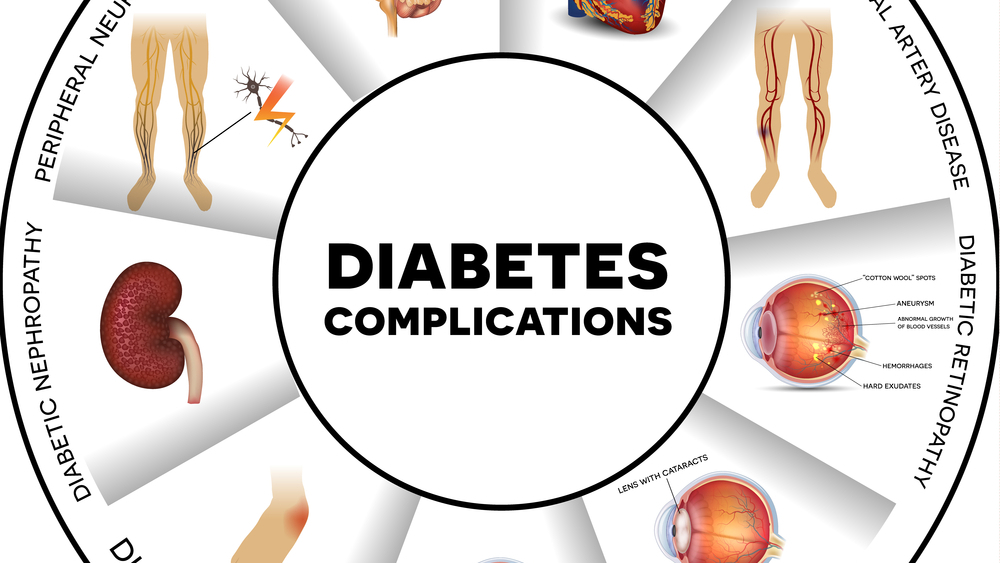
Diabetes Complications

DIABETES AWARENESS MONTH

November is Diabetes Awareness Month. If you are one of the estimated 29.1 million people that have diabetes, then you have most likely discussed with your doctor about possible health-related issues that come with the disease. Diabetes also can also harm your eyesight. Obtaining regular screenings will allow you to monitor your health and react to any changes that may have occurred.

The American Academy of Ophthalmology (and the American Diabetes Association) recommend patients with type 1 diabetes receive an eye exam within the first 5 years after diagnosis, then one exam per year. The groups recommend those with type 2 diabetes receive an eye exam as soon as diabetes is diagnosed, and then once yearly.

All people with diabetes are at risk of developing eye disease that can permanently damage their vision and even lead to blindness. However, some steps can be taken to help prevent diabetic eye disease, including:

  • Managing good blood sugar, blood pressure, and cholesterol control
  • Scheduling a yearly comprehensive dilated eye exam
  • Women with diabetes before pregnancy should have a comprehensive dilated eye exam early in their pregnancy. Additional exams may be recommended during pregnancy.
  • Maintaining a healthy lifestyle by exercising regularly, not smoking and following a healthy diet.

While everyone needs to schedule routine eye exams, people with diabetes need to be especially vigilant in scheduling their annual exams. Diseases such as glaucoma, cataracts, and retinopathy are best treated when they are detected early and are often associated with diabetes. Talk to your eye doctor about any concerns or vision loss you may be experiencing for the best chances of early detection and treatment.

Patients often ask, “Why do I have to have my eyes dilated?” A comprehensive dilated eye exam allows our doctors to check the retina for early signs of diabetic eye disease damage such as:

  • Warning signs of leaky blood vessels, such as fatty deposits
  • Changes to blood vessels
  • Changes in the lens
  • Swelling of the macula
  • Damage to nerve tissue

Glaucoma occurs when pressure builds inside the eye and is 40% more likely to occur in individuals who have diabetes. The pressure pinches blood vessels that carry blood to the retina and optic nerve. Vision is gradually lost as the retina and nerves are damaged from the increase in pressure. There are several treatments available for Glaucoma however some treatments may require surgery. Early detection of high pressure may be able to be managed by medication. Maintaining the proper eye pressure is key to preventing permanent damage to the eye.

As we age many people run a higher risk of developing cataracts. Those with diabetes are 60% more likely to develop them. By detecting cataracts early you can help to slow down the progression. The typical corrective action for cataracts is to remove the lens of the eye. Patients then would typically receive a new transplanted lens. In people with diabetes, vision can get worse after the removal of the lens and glaucoma may start to develop so additional treatment may be necessary.

Retinopathy is a general term used for all disorders of the retina that are caused by diabetes. The good news that there have been giant strides in the past decade on treatment for retinopathy.
Have you noticed a pattern? Particularly those with diabetes must be extra vigilant with screenings and health checkups. The key to being able to keep your vision as clear as possible when you suffer from diabetes is early detection. Keep in mind that you often can lose more than 60% of your vision before you begin to notice significant differences.

Talk with your doctor if you have diabetes so you know what symptoms to look for and schedule your annual vision screening.

About Bissell Eye Care: John D. Bissell, OD owns and operates Bissell Eye Care servicing Northern Pittsburgh and Alle-Kiski Valley regions. With two locations to treat patients, we offer evening and Saturday appointments. Bissell Eye Care provides comprehensive eye examinations for the entire family beginning as early as 6 months, ocular disease detection and treatment, eyeglasses, sunglasses, activewear, contact lenses, and low vision examinations for those with significant vision loss. We accept most types of vision and health insurance plans. For more information, visit bisselleyecare.com or call our Bakerstown Office at 724-443-6767 or Natrona Heights office at 724-226-0444.

Treating-Glaucoma

IS MARIJUANA A VIABLE TREATMENT FOR GLAUCOMA?

Treating-GlaucomaDid you know over 2.8 million Americans have glaucoma and that number is expected to rise by 50% by the year 2032? Glaucoma, a group of eye diseases that gradually steal sight without warning, is caused by the eye’s failure to maintain the balance of pressure between the internal fluid and the amount of fluid it drains away. High eye pressure caused by this imbalance creates pressure build up against the optic nerve causing nerve damage. The most common forms primarily affect the middle-aged and the elderly, but glaucoma can affect people of all ages, particularly if you have a family history of the disease.

Vision loss is caused by damage to the optic nerve. This nerve acts like an electric cable with over a million wires. It is responsible for carrying images from the eye to the brain.

Damage typically starts in the outside peripheral vision and is often not recognized by patients. A dilated eye exam is necessary to examine the optic nerve. Treatment generally begins with eye drops. Just as in any other prescribed medication, it’s important to consistently take the drops as prescribed. Since glaucoma symptoms are typically undetected, patients will not realize the damage that can be done without following the prescription.

With increased awareness of the acceptance of marijuana in the treatment of various diseases, and the legalization of the drug, the Glaucoma Research Foundation states, “While marijuana does lower intraocular pressure (IOP), it has major drawbacks as a treatment for a chronic, long-term, disease like glaucoma. First, in contrast to conventional glaucoma eye drops (some of which are effective for up to 24 hours), smoking THC, or tetrahydrocannabinol, the chemical responsible for most of marijuana’s psychological effects reduces eye pressure for only 3-4 hours. To control IOP would require 8-10 doses of marijuana per day. This would not only cost more than typical glaucoma treatment, but the physical and mental side-effects of frequent marijuana use would prevent functioning productively.

Long-term Safety Concerns

Concerns also exist regarding the long-term safety of marijuana use, due to its associations with permanent lung damage when smoked, and possible permanent adverse effects on cognition and mental health. With regular use, tolerance to the eye pressure-lowering effects develops, meaning that increasing drug levels would be required to prevent the progression of glaucoma. Finally, lack of regulation and quality control makes efficacy and safety of marijuana unpredictable. Research efforts to develop THC eye drops that can effectively lower eye pressure while minimizing side effects are underway but have not yet been successful.”

For these reasons, while marijuana does lower eye pressure, it is not recommended as a medical treatment for glaucoma. If you use marijuana, let your eye doctor know since it may have an impact on your eye pressure readings. Also, it is very important to continue your current glaucoma therapy and regular monitoring as recommended by your eye doctor.

If your optometrist deems that eye drops aren’t the best course of action, lasers or in extreme cases surgical procedures may be necessary to treat the disease.

Types of glaucoma include:

Chronic (Open Angle) Glaucoma: The most common form. In open angle glaucoma, aqueous fluid drains too slowly and pressure inside the eye builds up. It usually results from aging of the drainage channel, which doesn’t work as well over time. However, younger people can also get this type of glaucoma.

Normal Tension Glaucoma: This is a form of open angle glaucoma not related to high pressure. People with normal tension glaucoma may be unusually sensitive to normal levels of pressure. Reduced blood supply to the optic nerve may also play a role in normal tension glaucoma.

Acute (Angle Closure) Glaucoma: Those of Asian and Native American descent are at higher risk for this form of glaucoma. It occurs when the drainage system of the eye becomes blocked. It causes a sudden rise in pressure, requiring immediate, emergency medical care. The signs are usually serious and may include blurred vision, severe headaches, eye pain, nausea, vomiting or seeing rainbow-like halos around lights.

January is Glaucoma Awareness Month. If you haven’t scheduled a regular eye exam, now is the time to do so. Call it your New Year’s Resolution to better health. Take action and call our offices at 724-443-6767 or 724-226-0444 and schedule your eye exam today!

About the author: John D. Bissell, owner of Bissell Eye Care and Tri-State Low Vision Services, offers comprehensive eye examinations for the entire family, ocular disease detection and treatment, eye glasses, sun glasses, active wear, contact lenses, and low vision examinations for those with significant vision loss. He has undergone specialized training for treatment of low vision by the International Academy of Low Vision Specialists utilizing customized telescopic eyeglasses, prisms and telescopic implants for patients who qualify. The practice accepts most types of vision and health insurance plans.

OCT a

COMPREHENSIVE ASSESSMENT OF OCULAR HEALTH

OCT aAs technology continues to improve, we are better able to look at the human eye with the Optovue OCT machine. OCT Angiography (OCTA) is a quick non-invasive piece of equipment which performs a test, allowing your eye doctor to see retinal vessels during your annual eye exam. OCTA is the only non-invasive way to visualize the vascular structure of your retina.

During this test the structure of your eyes are examined- from the front, or anterior segment, to the back, or retina. OCT is used to aid in diagnosing disease and managing your ocular health. These metrics along with a high-resolution image and symmetry analysis help to determine if you are displaying the early signs of retinal disease or glaucoma.

The machine allows us to look at the eye in a similar manner as an MRI. It takes a piece by piece view of the eye. Our optometrists then look at this imagery and are able to determine the health of your eyes, or if there are any concerns that need to be further addressed.

So what does this mean for you, the patient? These scans are able to detect early vascular changes in diabetic patients and early signs of glaucoma. We cannot stress the importance of early detection of eye diseases enough. Early detection can help to prevent further loss of vision. As we have talked about before, you can lose a significant amount of your vision without you noticing.

Bissell Eye Care continues to invest in the most up to date technology and equipment in order to best serve our patients. We are one of a handful of optometry practices in the Pittsburgh region to offer screenings with the Optovue OTC Angiography machine. By using this technology, we are able to better facilitate the diagnosis and management of eye diseases, many of which may lead to permanent blindness.

About the author: John D. Bissell, owner of Bissell Eye Care and Tri-State Low Vision Services, offers comprehensive eye examinations for the entire family, ocular disease detection and treatment, eye glasses, sun glasses, active wear, contact lenses, and low vision examinations for those with significant vision loss. He has undergone specialized training for treatment of low vision by the International Academy of Low Vision Specialists utilizing customized telescopic eyeglasses, prisms and telescopic implants for patients who qualify. The practice accepts most types of vision and health insurance plans.

GLAUCOMA – WHAT DOES YOUR FAMILY TREE SAY?

Infographic poster with detailed effects of untreated glaucoma disease showing the passing through a good and healthy eye to a progressive vision loss.

A new year is a time for a new beginnings, resolutions and making a fresh start. The top resolutions on the list typically are to lose weight and take better care of your health. As we turn the page on another calendar year and move into 2017, make sure taking care of your eyes is on the list.

January is National Glaucoma awareness month. Learn the effects of this disease, how early detection can prevent permanent vision loss and what treatment options are available should you be diagnosed with Glaucoma.

Risk factors and family history play a role in your chances of developing the disease. That’s why when you have an eye exam at Bissell Eye Care, we review your medical history to see if you might fall into any of these categories.

You are at a higher risk of developing glaucoma if you are over the age of 60, an African American over the age of 40 or if your family has a history of glaucoma. Other factors such as, high eye pressure, abnormal optic nerve anatomy and thinness of the cornea can contribute to increasing your risk factor. It is important to maintain routine eye exams in order to help detect glaucoma early.

During the early stages of glaucoma there are often no symptoms, no pain and no vision loss. Without treatment, as glaucoma develops it will cause a slow loss of the peripheral vision that may go unnoticed.

As time progresses, peripheral vision continues to deteriorate and it will begin to appear as though you have tunnel vision. If left untreated, glaucoma can eventually lead to total vision loss.

Early detection is key in helping to prevent permanent damage before it begins. During your routine eye exam you doctor will perform several checks that help to detect glaucoma. Some of the tests may include:

Visual Acuity Test: utilizes an eye chart to measure how well you see at different distances.

Visual Field Test: is used to measure your peripheral vision. It can show signs of early vision loss which could be one of the symptoms of the onset of glaucoma.

Pachymetry: is a simple, painless test to measure the thickness of your cornea — the clear window at the front of the eye. A probe called a pachymeter is gently placed on the front of the eye (the cornea) to measure its thickness. Pachymetry can help your diagnosis, because corneal thickness has the potential to influence eye pressure readings.

Ophthalmoscopy: this dilated eye exam uses drops to dilate your pupils allowing the doctor to look through your eye and examine the shape and color of the optic nerve and retina for signs of damage.
While there is currently no cure from glaucoma, preventative measures can help to reduce the chances of developing it. Once vision is lost to this disease it is impossible to ever regain that vision.
Be informed, take control of your health and protect your vision.

About the author: John D. Bissell, owner of Bissell Eye Care and Tri-State Low Vision Services, offers comprehensive eye examinations for the entire family, ocular disease detection and treatment, eye glasses, sun glasses, active wear, contact lenses, and low vision examinations for those with significant vision loss. He has undergone specialized training for treatment of low vision by the International Academy of Low Vision Specialists utilizing customized telescopic eyeglasses, prisms and telescopic implants for patients who qualify. The practice accepts most types of vision and health insurance plans.