
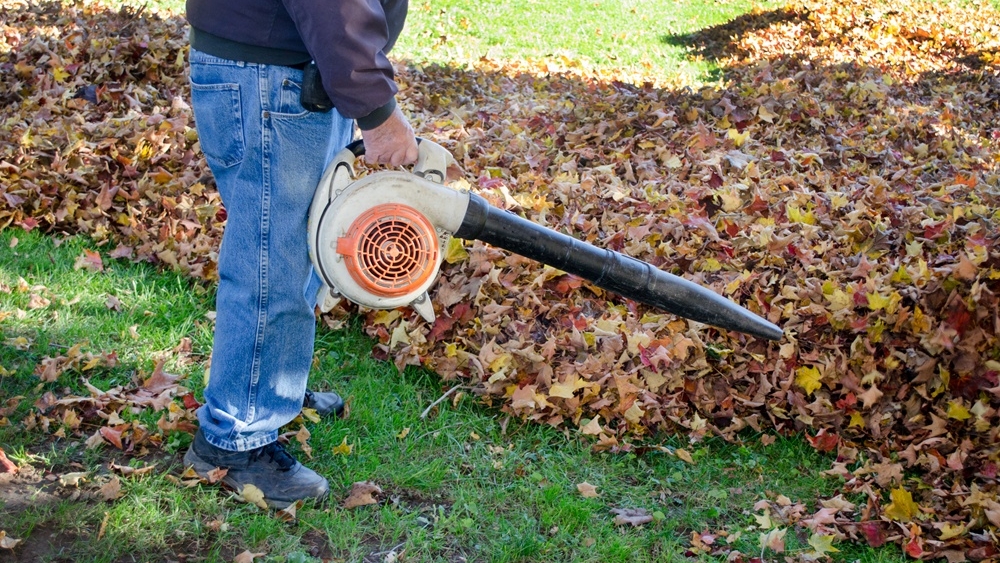
Fall-Eye-Safety

Protecting Your Eyes During Fall Clean-Up – Why Safety Glasses Matter

Autumn is a beautiful season—the air turns crisp, leaves change color, and neighborhoods come alive with fall activities. But for many homeowners, fall also means yard clean-up: raking leaves, trimming branches, clearing gutters, and preparing the yard for winter. While it may feel like routine outdoor work, these chores can put your eyes at risk if you’re not careful.

As optometrists, we want to remind you that eye safety during fall clean-up is just as important as protecting your hands or back. Here’s why safety glasses should be a must-have part of your fall yard work routine.

Common Eye Hazards During Fall Yard Work

Even everyday chores can expose your eyes to injury:

  • Flying Debris – Leaves, twigs, dirt, or rocks kicked up by leaf blowers, mowers, or rakes can strike the eyes.
  • Branches and Sticks – Pruning shrubs or gathering brush puts you at risk for scratches and pokes to the eye.
  • Chemicals – Fertilizers, pesticides, or cleaning solutions for gutters may splash and cause irritation or serious damage.
  • Dust and Allergens – Dry leaves and soil can stir up dust, mold spores, and allergens, leading to itchy, watery eyes.

Why Safety Glasses Are Essential

A simple pair of ANSI-approved safety glasses or protective eyewear can dramatically reduce the risk of eye injuries. Unlike regular glasses, safety glasses are designed to:

  • Resist impact from flying debris.
  • Provide side shield protection to block dust and dirt.
  • Stay secure during physical activity.
  • Offer tinted or UV protection options for outdoor use.

Wearing safety glasses is a small step that can prevent a major injury—and protect your vision for the long run.

Tips for Safe Fall Yard Work

  • Wear safety glasses or goggles whenever mowing, trimming, or using power tools.
  • Clear the area before mowing or blowing leaves to reduce flying objects.
  • Stay alert around branches—bend them away from your face when cutting or hauling brush.
  • Wash hands after yard work to avoid rubbing dust or chemicals into your eyes.
  • Keep protective eyewear accessible—store them with your tools so you never forget.

Keep Your Eyes Healthy This Season

Eye injuries can happen in an instant, but most are preventable with proper protection. This fall, don’t overlook the importance of safety glasses for yard work. Protecting your vision is one of the smartest investments you can make.

If you experience eye irritation, redness, or injury after outdoor chores, schedule an appointment with our office right away. Your eyes deserve the best care this season—and every season.


About Bissell Eye Care: John D. Bissell, OD, is the owner of Bissell Eye Care, proudly serving the Northern Pittsburgh and Alle-Kiski Valley regions. Dr. Bissell has received advanced training through the International Academy of Low Vision Specialists, enabling him to help patients living with vision impairment and low vision challenges. With two convenient office locations and evening appointments available, Bissell Eye Care offers comprehensive eye exams for the entire family—starting as young as six months. Our services include ocular disease detection and treatment, prescription eyeglasses and sunglasses, specialty activewear eyewear, contact lenses, and dedicated low vision evaluations for those with significant vision impairment and vision loss. We accept most vision and health insurance plans. To learn more, visit bisselleyecare.com or call our Bakerstown office at 724-443-6767 or our Natrona Heights office at 724-226-0444.


Man in plaid shirt working on lawn mower in garage, representing eye injury prevention safety around the home

October is Eye Injury Prevention Month: Protect Your Vision at Home and Work

Eye injuries can happen when you least expect them. Many people think that eye injuries occur primarily in high-risk workplaces like factories or construction sites, but in reality, most eye injuries happen right at home. October is Eye Injury Prevention Month, and it’s the perfect time to raise awareness about how to protect your vision during everyday activities. According to the Discovery Eye Foundation, more than 1 million people suffer an eye injury each year in the U.S., and most of these injuries could have been avoided simply by wearing proper protective eyewear.

Eye injuries at home are more common than you think. It may surprise you to learn that nearly half of all eye injuries occur in the home, often during routine activities like yardwork, home repairs, cleaning, and cooking. A study conducted by the American Academy of Ophthalmology (AAO) and the American Society of Ocular Trauma, states that home-based activities account for over 40% of eye injuries. Everyday tasks like mowing the lawn, trimming shrubs, cleaning gutters, and using household chemicals can create hazardous situations for your eyes.

Some common causes of eye injuries at home include:

  • Flying debris from yardwork, such as grass, twigs, or small rocks thrown by lawnmowers or power trimmers.
  • Chemical splashes from cleaning solutions, pesticides, or pool chemicals, which can burn and permanently damage your eyes.
  • Sharp tools used for home repairs or crafts that can cause serious injuries if not handled carefully.

According to the American Academy of Ophthalmology, “Each year an estimated 2 million eye injuries occur in the United States. Using protective eyewear can prevent 90% of all eye injuries. Unfortunately, despite these risks, only three out of ten people wear protective eyewear during these tasks, leaving the majority vulnerable to preventable eye injuries. Accidents involving common household products cause 125,000 eye injuries each year. More than 18,500 people injure their eyes at work every year.”

While home-based injuries are common, eye injuries can also happen in the workplace, especially for independent contractors or small business owners who may not always have the same access to safety gear as employees at larger companies. Many workers, especially those who perform side jobs or contract work, underestimate the risks of working without eye protection.

Whether you’re handling power tools for construction, working with chemicals in a manufacturing environment, or are performing repairs or maintenance tasks, the risk of an eye injury is real. Eye injuries at work can lead to significant time off, loss of wages, and even permanent vision loss, which could impact your career. The simple act of wearing protective eyewear can make all the difference.

Some of the most frequent types of eye injuries include:

  • Corneal abrasions: These occur when small particles like dust, dirt, or wood chips scratch the surface of the eye, causing pain, redness, and sensitivity to light.
  • Chemical burns: These happen when cleaning solutions or other hazardous substances splash into the eyes, leading to irritation, pain, and possible permanent damage.
  • Blunt trauma: Impact injuries, often caused by flying debris or tools, can result in bruising, retinal detachment, or even vision loss.

There are several types of safety glasses to consider depending on the task at hand:

  • Safety glasses look like regular eyeglasses but are made with impact-resistant lenses. They often have side shields for added protection and are ideal for tasks that could produce flying debris, like yardwork or repairs.
  • Safety Goggles provide a tight seal around the eyes, protecting them from dust, chemicals, and other fine particles. They are best for activities that involve exposure to chemicals, such as cleaning or painting.
  • Face shields cover the entire face and are used in combination with safety glasses or goggles. They provide extra protection from larger projectiles or hazardous splashes, commonly used in industrial work or welding.
  • Many eye injuries occur during recreational activities. Sports eyewear, such as polycarbonate goggles or face shields, can prevent injuries during high-risk sports like basketball, racquetball, or hockey.

Home Safety Tips

  • Before mowing or trimming, inspect your yard for rocks or debris that could become dangerous projectiles.
  • When working with chemicals, read product labels carefully, and avoid mixing chemicals that could create hazardous reactions. Always work in well-ventilated areas and point nozzles away from your face.
  • Wear protective eyewear when handling any task that could expose your eyes to sharp objects, chemicals, or flying debris.
  • Keep a first aid kit and eyewash station handy in case of accidental splashes or injuries.
  • Don’t Forget UV Protection

While October is focused on injury prevention, it’s important to remember that long-term protection against harmful UV radiation is also crucial for eye health. Wearing UV-blocking sunglasses outdoors can prevent cumulative damage that leads to cataracts or macular degeneration. Many insurance plans even cover prescription sunglasses, so it’s worth looking into as part of your eye care routine.

At Bissell Eye Care, we offer a variety of safety and sports eyewear to help protect your eyes, whether you’re at home, at work, or enjoying recreational activities. Both our Bakerstown and Natrona Heights locations carry ANSI-approved protective glasses that can significantly reduce your risk of eye injury. Investing in a quality pair of safety glasses today could save your vision tomorrow. If you have any questions about protective eyewear or want to schedule an eye exam, contact us today at 724-443-6767 or 724-226-0444.


About Bissell Eye Care: John D. Bissell, OD owns and operates Bissell Eye Care servicing Northern Pittsburgh and Alle-Kiski Valley regions. With two locations to treat patients, we offer evening appointments. Bissell Eye Care provides comprehensive eye examinations for the entire family beginning as early as 6 months, ocular disease detection and treatment, eyeglasses, sunglasses, activewear, contact lenses, and low vision examinations for those with significant vision loss. We accept most types of vision and health insurance plans. For more information, visit bisselleyecare.com or call our Bakerstown Office at 724-443-6767 or Natrona Heights office at 724-226-0444.

Depositphotos_26309471_S

Fireworks Eye Safety

Family gatherings, picnics and many community celebration events are returning to pre-Covid normal. That doesn’t mean that families won’t bring the fireworks celebrations closer to home releasing fireworks in their own backyards. Fireworks can easily be found everywhere this time of the year and many are advertised like toys. Each year, thousands of people are injured by fireworks in June and July and almost half of those injured are children and teenagers.

According to the American Academy of Ophthalmology, the most recent Consumer Product Safety Commission report found that 15% of fireworks injuries were eye injuries. In the most severe cases, fireworks can rupture the globe of the eye, cause chemical and thermal burns, corneal abrasions, and retinal detachment — all of which can cause permanent eye damage and vision loss.

Children and young adults are frequent victims. Children age 15 and under accounted for 36% of the total injuries, according to the commission’s report. And half of the injuries requiring an emergency room visit were to people age 20 or younger.

Even sparklers can be dangerous, as they burn at more than 2,000 degrees Fahrenheit. Sparklers were responsible for 1,200 of the injuries in the latest report, and a sparkler mishap caused one of the fireworks deaths reported in 2017.

There are certain precautions you can take to prevent eye injury or at least decrease the risk. Even when using sparklers, make sure that your kids are supervised. Children should keep the sparklers at arm’s length and never swing them around or run with them. Sparklers can quickly ignite clothing, and children have received severe burns from dropping sparklers on their feet.

According to the National Fire Protection Association, sparklers alone account for more than 25% of emergency room visits for fireworks injuries. For children under 5 years of age, sparklers accounted for nearly half of the total estimated injuries. As an alternative particularly for younger children, consider using safer alternatives, such as glow sticks, confetti poppers, or colored streamers?

Fireworks can cause devastating and life-changing injuries. Simple ways to protect yourself and your children include staying at least 500 feet away from fireworks, allowing trained professionals to light fireworks, and not allowing children to handle any fireworks. Everyone who lights a firework should wear gloves and safety goggles. Work gloves protect the hands, where 28% of firework injuries occur.

If a firework doesn’t go off right away, don’t relight it. Don’t touch it or stand over it, either. Just leave it until it’s time to dispose of the shells. If you find unexploded fireworks, call your police or fire department to dispose of them. Do not touch them or try to light them.

If you suffer an injury due to fireworks, especially to your eyes, seek help immediately.

  • Do not rub the eyes
  • Do not rinse the eyes
  • Do not apply pressure
  • Do not put on ointments or take any blood-thinning pain medication

If you have any questions or need information on eye injury following an accident, call Bissell Eye Care at (724) 444-6767 or 724-226-0444.

Remember 4th of July is about enjoying our freedom. Be sure to thank a Veteran for their sacrifice and service. Wishing you and your family a happy and safe summer.


About Bissell Eye Care: John D. Bissell, OD owns and operates Bissell Eye Care servicing Northern Pittsburgh and Alle-Kiski Valley regions. With two locations to treat patients, we offer evening and Saturday appointments. Bissell Eye Care provides comprehensive eye examinations for the entire family beginning as early as 6 months, ocular disease detection and treatment, eyeglasses, sunglasses, activewear, contact lenses, and low vision examinations for those with significant vision loss. We accept most types of vision and health insurance plans. For more information, visit bisselleyecare.com or call our Bakerstown Office at 724-443-6767 or Natrona Heights office at 724-226-0444.

EYE SAFETY IN THE WORKPLACE

Every day more than 2,000 people suffer from eye injuries while they are at work. One in 10 injuries may result in one or more missed days of work. With these statistics, we cannot stress enough the importance of workplace eye safety.

Many people feel that their glasses are sufficient to protect against eye injuries. While they do help to prevent foreign objects from entering your eye, they are not your best form of defense. Having the proper safety goggles can help keep you from being the 10-20% of those injuries that result in permanent vision loss!

The most common professions for eye injuries are those that perform manual labor. Professions such as steel workers, carpenters, welders, painters, etc. run the highest risk of eye injury. The most common causes for eye injuries are particles entering the eye, flying objects (bits of metal, glass, wood, and dirt), chemicals and tools utilized for the job.

Knowledge is the key to your safety. Know what the eye safety dangers are in your workplace and evaluate the hazards. Eliminate these hazards before starting work by using things such as machine guards, work screens, safety glasses and other eye protection devices. Operating equipment without proper training or without knowing the safety risks involved will increase your chances of serious injury.

There are many different types of eye protection. You should choose your eye protection based on what level of exposure your eyes have to hazards.

Some different types of eye protection include:

  1. Safety Glasses. Safety glasses are made of hard plastic that is resistant to shattering and breaking. They protect your eyes from the front and sides against foreign objects that can be harmful to your eyes. Safety Glasses should be used for light duty work.
  2. Goggles. Goggles provide complete coverage around your eyes. The goggles should properly seal to your face which provides greater protection than safety glasses against foreign material entering the eyes. Goggles are more effective against chemicals, sprays and sand blasting than safety glasses.
  3. Face Shields. Face shields provide coverage to not only your eyes but also to your entire face. These are worn when cutting tools are being used to protect from sparks or when larger pieces of debris can be thrown from power tools such as weed wackers or chain saws.
  4. Welding Helmets. A welding helmet is not only used to help protect your eyes from foreign objects but also from the extreme bright light that is produced when welding.
  5. Full-Face Respirators. Full-face respirators are used when gasses are present. They prevent any damage to your eyes from fumes. It is important to use full face respirators when doing things such as using a spray gun in an enclosed area, or mixing chemicals that can be dangerous to the eyes.

Regardless of what your profession is be sure to use the proper eye protection. Failing to take the proper precautions can result in a trip to the emergency room, cause you to miss work, and may even result in permanent vision loss.

About the author: John D. Bissell, owner of Bissell Eye Care and Tri-State Low Vision Services, offers comprehensive eye examinations for the entire family, ocular disease detection and treatment, eye glasses, sun glasses, active wear, contact lenses, and low vision examinations for those with significant vision loss. He has undergone specialized training for treatment of low vision by the International Academy of Low Vision Specialists utilizing customized telescopic eyeglasses, prisms and telescopic implants for patients who qualify. The practice accepts most types of vision and health insurance plans.

HALLOWEEN COSTUME SAFETY

Happy group of children in costumes during Halloween party playing around the table with pumpkins and bottle of potion

There’s a nip in the air, pumpkin patches are in full swing and children’s Halloween costumes are being planned. We wanted to offer a few tips to ensure a safe and enjoyable holiday for you and your family.

Does your costume block your vision?

Masks, wigs and eye patches may make an outfit complete, but make sure these accessories don’t significantly obstruct your field of view. Some masks are very dangerous for children because they block their side vision and can cause a trip hazard. A better, safer option is to decorate your child’s face with face paint or makeup.

Use FDA approved makeup

If you decide to disguise your child with makeup instead of a mask, use hypo-allergenic options and keep it away from the eyes. Make sure that any color additives to the face paint are FDA approved (check the Summary of Additives on the FDA website). When applying make-up near or around the eye, stay away from the lid margin, or lash line—the area where you would normally apply eye liner. If you are applying make-up very close to the eye, use only products approved for use in that area such as an eye-liner or eye shadow. Do not use blush or lip-liner to create a “red” effect. It is a good idea to carry a damp towel or washcloth in case the makeup begins to run while trick-or-treating.

Don’t allow sharp objects to be used as props

Some costumes don’t seem complete without swords or wands. Elementary and nursery schools are very strict in prohibiting these props for school parties. Sharp, pointed props endanger your child’s eyes as well as the eyes of other children. If your child must carry a sword, find a belt carrier or scabbard where the sword can stay safely nestled while the kids roam the neighborhood. Buy or construct only accessories made of soft or flexible materials.

Avoid decorative contact lenses

Don’t buy or wear decorative contact lenses that have not been prescribed by an eye doctor. The decorative lenses make the wearer’s eyes appear to glow in the dark, create the illusion of vertical “cat eyes,” or change the wearer’s eye color. These lenses are particularly popular for teens.

Despite the fact that it’s illegal to sell decorative contact lenses without a valid prescription, FDA says the lenses are sold on the Internet and in retail shops and salons. Decorative lenses from unlicensed manufacturers may be made from inferior plastic or may contain toxic dyes. In addition, untrained individuals may not follow proper hygiene in inserting or removing the devices. Eye infections related to improper wearing and handling of contact lenses can rapidly develop into corneal ulcers, which can cause permanent blindness.

Make sure costumes are reflective

If the costume your child chooses is not made of reflective material, sew on reflective fabric strips or use stick-on strips of reflective tape. You want your child to be seen, especially crossing streets in the dark. Place reflective material on the front, back and sides of your child’s costume.

Be informed…be safe….and have a Happy Halloween.

About the author: John D. Bissell, owner of Bissell Eye Care and Tri-State Low Vision Services, offers comprehensive eye examinations for the entire family, ocular disease detection and treatment, eye glasses, sun glasses, active wear, contact lenses, and low vision examinations for those with significant vision loss. He has undergone specialized training for treatment of low vision by the International Academy of Low Vision Specialists utilizing customized telescopic eyeglasses, prisms and telescopic implants for patients who qualify. The practice accepts most types of vision and health insurance plans.

FIREWORKS SAFETY: AVOID EYE INJURIES

Summer is rolling right along and the 4th of July with all the celebrations and of course fireworks will be popping up everywhere.  The best way to enjoy fireworks this 4th of July is to attend a professional public display.  Pittsburgh and the surrounding communities offer a variety of options.

Did you know… sparklers can easily ignite clothing and generally burn at 1,200-2,000 degrees Fahrenheit — hot enough to cause third-degree burns to the skin?

Out-of-control bottle rockets are responsible for many serious eye injuries, including corneal abrasions, traumatic cataract, retinal detachment, optic nerve damage, and rupture of the eyeball – all of which can lead to potential blindness.  Kids don’t often realize the hidden dangers in playing with fireworks that can lead to permanent eye damage.

According to the American Academy of Ophthalmology:

  • Never let children play with fireworks of any type, even sparklers.
  • Adults should always wear protective eyewear that meets the parameters set by the American National Standards Institute if handling fireworks and ensure that all bystanders are also wearing eye protection.
  • Leave the lighting of professional-grade fireworks to trained pyro-technicians.

For those who attend professional fireworks displays and/or live in communities surrounding the shows:

  • Respect safety barriers at fireworks shows and view fireworks from at least 500 feet away.
  • Do not touch unexploded display (show) fireworks; instead, immediately contact local fire or police departments to help.

If you do experience an eye injury during a fireworks accident, seek immediate medical help.

About the author: John D. Bissell, owner of Bissell Eye Care and Tri-State Low Vision Services, offers comprehensive eye examinations for the entire family, ocular disease detection and treatment, eye glasses, sun glasses, active wear, contact lenses, and low vision examinations for those with significant vision loss. He has undergone specialized training for treatment of low vision by the International Academy of Low Vision Specialists utilizing customized telescopic eyeglasses, prisms and telescopic implants for patients who qualify.  The practice accepts most types of vision and health insurance plans.

Eye Injuries and Snowball Fights

Avoid eye injuries from snowball fights. Pittsburgh has seen a good dose of winter already.  We’ve encountered delays and school closings due to the arctic temperatures. But those same winter conditions are ripe for eye injuries received as a result of a good snowball fight.

The fact is that children and adults will always enjoy a good romp in the snow, making snow forts, snow angels sledding and throwing snowballs. So, please play it safe and avoid eye injuries.  Never aim for the head and do not use snowballs that contain chunks of ice or other debris.

During the winter season, emergency room doctors see a number of injuries related to sports like skiing, snowboarding, snow tubing, and sledding. Regular eyeglasses and contact lenses do not offer adequate protection from sports-related eye injuries. We recommend the use of protective eye wear for winter sports, including downhill skiing, snowboarding, and snow tubing.  The lenses are made with polycarbonate lenses, so they’re impact resistant and good for all sports.

On a sunny day on the ski slopes, the snow can create sun glare that is harmful to your eyes.  In addition to tinted goggles for skiing, it’s good to have a pair of sunglasses on hand for hanging out in the lodge. Ski goggles help to protect your eyes from wind and ice particles, as well as minimize injury during a fall.

Cold-related injuries common to winter and snow sports that related to cold and wet conditions include:

•           Blisters on toes, heels and feet caused by the friction of wet socks and badly fitting footwear can cause blisters on

•           Sprains and strains and soft tissue injuries due to less elasticity in ligaments causing injuries in knees, shoulders and wrists due to falls while skiing, snowboarding or ice skating.

•           Hypothermia occurs when the body’s temperature falls below 35°C. Symptoms include: shivering, drowsiness and lack of coordination. The person may lie down to rest, lapse into unconsciousness and die if not treated quickly.

•           Frostbite – this occurs when the tissues of the skin freeze. Ice crystals in and around skin cells block the movement of blood through the fine blood vessels (capillaries), which means the skin is deprived of oxygen and nutrients and dies.  We’ve seen some of that on the news recently.

•           Sunburn – ultraviolet radiation is present, even in cold and cloudy conditions. This, and the reflections off the snow, can cause sunburn to exposed skin. What many people may think is ‘windburn’ is actually sunburn.

•           Snow blindness – this is sunburn of the cornea of the eye, caused by ultraviolet radiation. Symptoms include painful, watery eyes and temporary blurring of vision equipment.

Most cold related injuries can be prevented with planning, adequate preparation and proper equipment.

About the author:  John D.  Bissell, owner of Bissell Eye Care and Tri-State Low Vision Services, offers comprehensive eye examinations for the entire family, ocular disease detection and treatment, eye glasses, sun glasses, active wear, contact lenses, and low vision examinations for those with significant vision loss. He has undergone specialized training for treatment of low vision by the International Academy of Low Vision Specialists utilizing customized telescopic eyeglasses, prisms and telescopic implants for patients who qualify.  The practice accepts most types of vision and health insurance plans.


Eye Injury Emergency Tips

According to the American Academy of Ophthalmology, approximately 44% of eye injuries occur in the home.  Wearing the proper eye protection can help to prevent eye injuries.  However, should an eye injury occur notify your optometrist and seek medical attention immediately.

For Chemical Burns:

  • Immediately flush the eye with water by holding the eye under a faucet or shower.  Or pour the water into the eye using a clean container while keeping the eye open as wide as possible while flushing.
  • DO NOT use an eye cup or bandage the eye.
  • Seek immediate medical treatment.

Specks In the Eye:

  • DO NOT rub the eye.
  • Try washing the speck out with an eyewash.
  • Lift the upper eyelid outward and down over the lower lid.
  • If the speck remains – bandage the eye and seek medical attention.

Blows to the Eye:

  • Apply a cold compress or ice without putting pressure on the eye.
  • Internal eye damage symptoms include – pain, reduced vision or discoloration and emergency medical care should be sought.

Cuts and Punctures:

  • DO NOT wash out the eye with water.
  • DO NOT attempt to remove an object that is stuck in the eye.
  • Cover the eye with a shield – the bottom half of a paper cup can be used in a pinch and seek emergency medical care at once.

Know and apply first aid accordingly.  By acting quickly and with the appropriate treatment during an emergency may save your sight.  Treat all eye injuries as potential emergencies, and never hesitate to contact or see an eye doctor immediately. Don’t take risks with your eyesight. Remember, you have only one pair of eyes.

About the author:  John D.  Bissell, owner of Bissell Eye Care and Tri-State Low Vision Services, offers comprehensive eye examinations for the entire family, ocular disease detection and treatment, eye glasses, sun glasses, active wear, contact lenses, and low vision examinations for those with significant vision loss. He has undergone specialized training for treatment of low vision by the International Academy of Low Vision Specialists utilizing customized telescopic eyeglasses, prisms and telescopic implants for patients who qualify.  The practice accepts most types of vision and health insurance plans.