
Age-Related-Macro-Degeneration

AGE-RELATED MACULAR DEGENERATION EARLY DETECTION

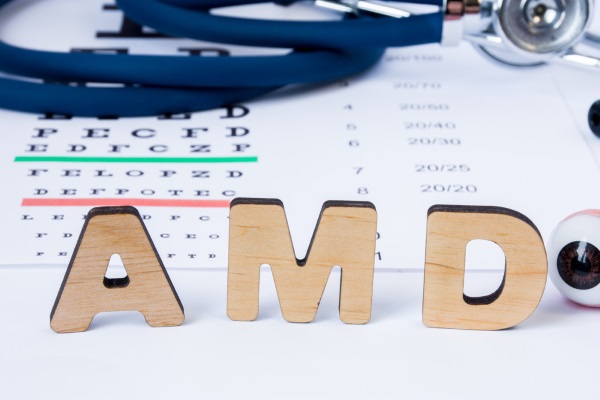
Age-Related-Macro-DegenerationFebruary is National Age-Related Macular Degeneration (AMD) awareness month. We want to make sure that you know what side effects to be on the lookout for. While there is not a cure for Macular Degeneration early detection is key to slowing down vision loss and keeping your sight.

Macular degeneration is one of the leading causes of vision loss. It is caused by the deterioration of the central portion of the retina. The central portion of the retina, known as the macula, is responsible for focusing vision for your eye, allowing us to read, recognize faces or colors, drive and do many day-to-day activities.

While there is no cure for this disease, there are treatments to help slow it down. It is important to maintain yearly eye exams for early detection. AMD is very difficult to notice until you have already lost a large portion of your vision.

Bissell Eye Care utilized Optical Coherence Tomography (OCT) is a non-invasive, office-based imaging test that uses a special light to scan the macula and determine whether there is fluid in the macula, potentially signifying wet AMD.

Lifestyle changes can help lower your risk of developing AMD. Some lifestyle changes might include proper exercise and diet, avoiding smoking, and protecting your eyes from the UV rays of the sun. People that run a higher risk of developing AMD are people who have a family history and race. Caucasians are more likely to develop the disease than African American or Hispanic heritage, and smokers.

There are three stages of AMD:

  1. Early AMD: At this stage most people do not experience vision loss. The presence of medium-sized drusen (yellow deposits beneath the retina), is usually an early sign you eye doctor looks for.
  2. Intermediate AMD: This is where vision loss may start to be noticed, however it may not be enough to be noticeable. Specific tests will look for pigment changes in the retina and larger drusen deposits.
  3. Late AMD: At this stage vision loss has become noticeable.

There are some new medications available that can help slow the progression of wet AMD.

Remember that early detection and treatment is key to help save your vision. Be sure to tell your eye doctor if anyone in your family has or had Macular Degeneration. Take charge of your health and see clearly with routine eye exams.

About the author: John D. Bissell, owner of Bissell Eye Care and Tri-State Low Vision Services, offers comprehensive eye examinations for the entire family, ocular disease detection and treatment, eye glasses, sun glasses, active wear, contact lenses, and low vision examinations for those with significant vision loss. He has undergone specialized training for treatment of low vision by the International Academy of Low Vision Specialists utilizing customized telescopic eyeglasses, prisms and telescopic implants for patients who qualify. The practice accepts most types of vision and health insurance plans.

NATIONAL DIABETES AWARENESS


Composite image of diabetes month against january on calendar

Do you or someone that you love suffer from diabetes? November is National Diabetes Awareness Month and we want to take the time to not only bring awareness to the effects diabetes can have on your eyes but also on the effects the disease can have on your overall health.

Over time, high blood sugar can damage the tiny blood vessels in your eyes. That can lead to a condition called diabetic retinopathy. High blood sugar can also lead to cataracts and glaucoma, which happen earlier and more often when you have diabetes. Some of the symptoms of eye damage conditions include floaters or spots in your field of vision. Many of the symptoms may be very mild at first, which is why we stress the importance of regular eye exams for diabetics, in particular, to provide early detection of treatable eye problems

While Type I Diabetes is usually discovered at a young age and requires insulin injections to maintain the body’s proper blood sugar levels, Type 2 Diabetes (which is usually controlled with diet, exercise, and oral medication) can eventually lead to insulin injection dependency. The key to helping avoid diabetes is proper exercise, diet, and weight management.

Diabetes can have negative effects on all parts of the body. It can cause problems with the circulatory system, the central nervous system, cardiovascular system, and vision.

There are several ways to help reduce the probability of developing diabetes. Nearly 80% of people who are diagnosed with Type 2 Diabetes are considered overweight. It is easy to say that weight loss is the first way to help reduce your chances of developing this disease. While many people may be overwhelmed at losing 40 to 50 pounds, take small steps. Simply losing 10 pounds can have a positive effect on your body.

By losing the extra weight, it allows your body to function more normally and reduce the stresses that the extra weight but on your body. Exercise also helps the body to function normally by helping the body to burn off the excess sugar. This reduces the strain on your body and the amount of insulin needed to help convert the sugar into energy.

By watching your diet, monitoring your weight and exercising regularly, you can help to reduce your chances of developing diabetes. Small changes in your life from what you eat to whether you take the stairs or the elevator are simple changes that you can make today to help you to live healthier and happier!

About the author: John D. Bissell, owner of Bissell Eye Care and Tri-State Low Vision Services, offers comprehensive eye examinations for the entire family, ocular disease detection and treatment, eye glasses, sun glasses, active wear, contact lenses, and low vision examinations for those with significant vision loss. He has undergone specialized training for treatment of low vision by the International Academy of Low Vision Specialists utilizing customized telescopic eyeglasses, prisms and telescopic implants for patients who qualify. The practice accepts most types of vision and health insurance plans.

HALLOWEEN COSTUME SAFETY TIPS

Although it’s been a warm October, the signs of fall are certainly around us. The leaves on the trees are turning, haunted houses are popping up. There’s a nip in the air, pumpkin patches are in full swing and children’s Halloween costumes are being planned. We wanted to offer a few tips to ensure a safe and enjoyable holiday for you and your family.

Does your costume block your vision?

Masks, wigs and eye patches may make an outfit complete, but make sure these accessories don’t significantly obstruct your field of view. Some masks are very dangerous for children because they block their side vision and can cause a trip hazard. A better, safer option is to decorate your child’s face with face paint or makeup.

Avoid over the counter decorative contact lenses.

Don’t buy or wear decorative contact lenses that have not been prescribed by an eye doctor. The decorative lenses make the wearer’s eyes appear to glow in the dark, create the illusion of vertical “cat eyes,” or change the wearer’s eye color. These lenses are particularly popular for teens.

Despite the fact that it’s illegal to sell decorative contact lenses without a valid prescription, the FDA says the lenses are sold on the Internet and in retail shops and salons. Decorative lenses from unlicensed manufacturers may be made from inferior plastic or may contain toxic dyes. In addition, untrained individuals may not follow proper hygiene in inserting or removing the devices. Eye infections related to improper wearing and handling of contact lenses can rapidly develop into corneal ulcers, which can cause permanent blindness.

Say NO to long costumes.

Long costumes can cause a trip hazard. Be sure your child’s costume ends above their ankles to avoid a trip hazard. Use well-fitting shoes or boots for safe walking. Make sure your child’s costume is flame resistant and avoid baggy, billowing skirts and cloaks that might brush against a candle-lit jack-o’-lantern or luminary.

Use FDA approved makeup.

If you decide to disguise your child with makeup instead of a mask, use hypo-allergenic options and keep it away from the eyes. Make sure that any color additives to the face paint are FDA approved (check the Summary of Additives on the FDA website). When applying makeup near or around the eye, stay away from the lid margin, or lash line—the area where you would normally apply eyeliner. If you are applying make-up very close to the eye, use only products approved for use in that area such as an eye-liner or eyeshadow. Do not use blush or lip-liner to create a “red” effect. It is a good idea to carry a damp towel or washcloth in case the makeup begins to run while trick-or-treating.

Don’t allow sharp objects to be used as props.

Some costumes don’t seem complete without swords or wands. Elementary and nursery schools are very strict in prohibiting these props for school parties. Sharp, pointed props endanger your child’s eyes as well as the eyes of other children. If your child must carry a sword, find a belt carrier or scabbard where the sword can stay safely nestled while the kids roam the neighborhood. Buy or construct only accessories made of soft or flexible materials.

Make sure costumes are reflective.

If the costume your child chooses is not made of reflective material, sew on reflective fabric strips or use stick-on strips of reflective tape. You want your child to be seen, especially crossing streets in the dark. Place reflective material on the front, back and sides of your child’s costume.

Happy haunting….be informed, be safe and have a Happy Halloween.

About the author: John D. Bissell, owner of Bissell Eye Care and Tri-State Low Vision Services, offers comprehensive eye examinations for the entire family, ocular disease detection and treatment, eye glasses, sun glasses, active wear, contact lenses, and low vision examinations for those with significant vision loss. He has undergone specialized training for treatment of low vision by the International Academy of Low Vision Specialists utilizing customized telescopic eyeglasses, prisms and telescopic implants for patients who qualify. The practice accepts most types of vision and health insurance plans.

HEALTHY AGING AND EYE EXAMS

fruits are the main element of healthy eating

September is a perfect time to celebrate Healthy Aging Month since it is time when many people think about getting started on new tasks after the summer. As the years roll on, are you doing all you can to stay active and healthy? The choices you make today may affect the quality of your life down the road. Diet and exercise are key components to healthy aging.

Fitbits and online apps can help track healthy eating habits and steps. Have you set a new goal to walk 10,000 steps a day? Perhaps fresh vegetables and salads are becoming a staple in your refrigerator.

As we look at the components of staying healthy – we also look at regular exams. When was the last time you had a physical, dental or eye exam? By staying up to date with regular medical exams, you can be proactive in changes that may be occurring with your health.

Seeing your eye doctor is not just about needing glasses. During the exam, you are also going to be screened for other diseases… diabetes, cataracts, glaucoma and macular degeneration. After the age of 40, everyone should be tested regularly for macular degeneration, especially if there is a family history of the disease.

Did you know during a comprehensive eye exam, underlying health problems can be uncovered? These are things the doctors at Bissell Eye Care look for during your exam and may uncover a health issue you may not be aware of.

  • Diabetes affects the small capillaries in the retina of the eyes. These blood vessels may leak blood or a yellowish fluid, and this may be discovered in an eye exam.
  • Hypertension presents when blood vessels in the eye exhibit bends, kinks or tears, and this may be an indication of high blood pressure.
  • Autoimmune disorders are recognized by inflammation of the eye which may be a sign of Lupus or another autoimmune disorder.
  • High cholesterol can be found with a yellowish appearance or a yellow ring around your cornea. There also may be plaques in the blood vessels of the retina which could indicate elevated cholesterol.
  • Thyroid disease will often present as bulging eyes or protruding eyeballs.
  • Cancer can be present if the structure of your eye is unusual. Ocular melanoma can develop in the cells that make pigmentation in the eye. Your eye exam can also help detect skin cancer. Basal cell carcinomas can appear on the eyelid. In any of these cases, you would be referred to a specialist.
  • Tumors can present with a droopy eyelid or irregularly shaped pupils and could possibly indicate a neck tumor or an aneurysm (Source: Digital Journal).

At risk factors for age-related macular degeneration (AMD) include: high blood pressure (hypertension), smoking, obesity, race and family history of (AMD). AMD is painless and can progress slowly over time or suddenly with dramatic changes in your vision. Early detection is key to slowing vision loss.

AMD — damages then destroys central vision. Central vision is your “straight-ahead”, finely detailed vision. This eye disease takes two forms, “dry” and “wet.” Most AMD cases are “dry.” The “wet” is a more damaging form of AMA that is responsible for about 90% of serious vision loss.

Cataracts are small at first and may not affect vision. But the denser they grow, the more they will affect your vision. As cataracts grow, they may hinder your ability to drive safely.

Just like having an annual physical and regular health screenings help to detect disease, the most important lesson learned is to have an annual eye exam. Early detection of eye disease is the key to healthy vision as you age. Give our offices a call at 724-443-6767 or 724-226-0444 to schedule your annual eye exam.

About the author: John D. Bissell, owner of Bissell Eye Care and Tri-State Low Vision Services, offers comprehensive eye examinations for the entire family, ocular disease detection and treatment, eye glasses, sun glasses, active wear, contact lenses, and low vision examinations for those with significant vision loss. He has undergone specialized training for treatment of low vision by the International Academy of Low Vision Specialists utilizing customized telescopic eyeglasses, prisms and telescopic implants for patients who qualify. The practice accepts most types of vision and health insurance plans.

Women's Eye Health - Health Concept: WOMEN'S HEALTH text drawn on paper with heart to the side

TIPS TO BETTER EYE HEALTH

Women's Eye Health - Health Concept: WOMEN'S HEALTH text drawn on paper with heart to the sideDo you take your eyes for granted? Often patients take their eyesight for granted until they begin having problems with their vision. When day-to-day activities become challenging, that will trigger a call for an eye appointment. Having good vision and healthy eyes may determine your ability to remain independent and self-sufficient.

Studies have shown that women make up 65 percent of AMD cases; 61 percent of glaucoma and cataract patients are women, and 66 percent of blind patients are women. On average women live longer and many eye problems are age-related. Some eye conditions, such as dry eye, are more common in women, young and old. Often women put their family’s health and screenings before themselves and neglect regular eye care.

In general, women are more susceptible to autoimmune diseases than men, many of which affect vision, such as lupus, Sjögren’s syndrome and hyper thyroiditis. In addition, pregnancy can cause vision changes due to the hormonal changes pregnant women experience. As women age and go through menopause, dry eye occurs at double the rate.

Prevention is key to preventable vision loss. The good news is most vision loss is preventable. Here are some simple steps to take control of your eye health today:

  1. Early signs of disease or changes in vision may begin at 40. Get a yearly comprehensive medical eye exam. An exam by an eye care professional skilled in medical and surgical eye care provides the opportunity to identify diseases and conditions that are not symptomatic in the early stages.
  2. Know your family history. Certain eye diseases can be inherited – macular degeneration and glaucoma in your family’s history can increase your risk by 50% for macular degeneration and from four to nine times for glaucoma. If you haven’t talked with family members about their eye conditions, now is the time to do so.
  3. Eat healthy foods. A diet low in fat and rich in fruits, vegetables and whole grains benefit the entire body, including the eyes.
  4. Stop smoking. Smoking increases the risk for eye diseases such as cataract and age-related macular degeneration. Tobacco smoke worsens dry eye.
  5. Wear sunglasses. Exposure to ultraviolet UV light raises the risk of eye diseases, including cataracts, fleshy growths on the eye and cancer.
  6. Bacteria will form from your eyelashes and requires daily eyelid hygiene. Like brushing your teeth, your eyelids need daily care. Hot compresses help keep tear producing glands working at top efficiency.

In a comprehensive eye exam at Bissell Eye Care, our state-of-the-art technology allow us to look at the overall health of your eyes. During these exams, we may discover conditions that affect your eyes in addition to perhaps uncovering an underlying condition in your overall general health. This will ultimately help your primary care provider enhance your overall health and wellness.

Be proactive, stay healthy and protect your eyesight with regular eye exams.

About the author: John D. Bissell, owner of Bissell Eye Care and Tri-State Low Vision Services, offers comprehensive eye examinations for the entire family, ocular disease detection and treatment, eye glasses, sun glasses, active wear, contact lenses, and low vision examinations for those with significant vision loss. He has undergone specialized training for treatment of low vision by the International Academy of Low Vision Specialists utilizing customized telescopic eyeglasses, prisms and telescopic implants for patients who qualify. The practice accepts most types of vision and health insurance plans.

BEYOND THE GARDEN

For many, summertime means taking care of the garden. It also means less trips to the grocery store as you are able to find your favorite vegetables just a few steps from your back door.  This ease of access along with a free price tag often lead to many of us eating healthier throughout the summer.

As winter quickly approaches it is important to keep up the healthy diet that many of you enjoy during the summer months. A proper diet can help to reduce the chances of certain eye diseases.

Having a diet full of vitamins and nutrients is not only good for overall health, but in some cases, may help to prevent issues associated with vision loss. Nutrients that are linked with eye health are Vitamins C and E, B12, B9, B6, carotenoids, beta carotene, lutein and zeaxanthin.

Antioxidants are important in your diet as they help to deter build-up of waste products in the retina, reducing your risk for age related macular degeneration, or AMD for short. Vitamin B6 and Folate, or Vitamin B9, help to lower the blood chemical homocysteine, which helps to lower your risk for AMD.  Antioxidants also help to prevent protein from linking which can cause cataracts.

Some foods that contain eye-healthy nutrients are:

  • Dark green vegetables such as spinach and kale for lutein and vitamin E.
  • Yellow and orange fruits and vegetables for beta carotene and zeaxanthin.
  • Fruits and vegetables for vitamins C and E.
  • Fish for omega 3 fatty acids.
  • Citrus fruits, dried beans, green leafy vegetables, mushrooms and nuts for folic acid.
  • Dairy products, eggs, meat, and poultry for vitamin B12.

Avoid selecting carbohydrates such as white rice, white bread and pasta. These foods have a high glycemic index which means they are broken down rapidly into blood glucose or sugar. Choose breads and pasta made from whole grains and brown rice.

Keeping a healthy diet will not only help to improve your overall health, but also will help you to see clearly into the future. Choose foods that are high in vitamins and nutrients, even if that means going to the store to get them, until next year’s gardening season begins.

About the author: John D. Bissell, owner of Bissell Eye Care and Tri-State Low Vision Services, offers comprehensive eye examinations for the entire family, ocular disease detection and treatment, eye glasses, sun glasses, active wear, contact lenses, and low vision examinations for those with significant vision loss. He has undergone specialized training for treatment of low vision by the International Academy of Low Vision Specialists utilizing customized telescopic eyeglasses, prisms and telescopic implants for patients who qualify. The practice accepts most types of vision and health insurance plans.

ARE YOU READY FOR SCHOOL?

Back to school concept with school items and elements. vector banner design

As the first day of school rapidly approaches it is time for the annual back to school shopping for clothes, backpacks, pencils, pens and book covers. This is also a great time to schedule your kids’ annual eye exams. Did you know until the end of September 2017 we have a back to school sale – buy one pair and get a second pair 50% off? This sale isn’t limited just to your kids.

August is children’s eye health and safety month. As a good rule of thumb you should have your children’s eyes examined by an eye care professional during their well visits starting around the age of three, and also before the start of each school year. If your children struggle to see, it may inhibit their ability to learn as they head back to school this year.

Your children’s eye doctor can help to ensure that they are seeing clearly. These exams look into the back of the eye for overall eye health, but are also able to detect things such as:

  • Ptosis (drooping of the eyelid)
  • Color deficiency (color blindness)
  • Amblyopia (lazy eye)
  • Strabismus (cross eyes)

Early detection of vision problems can make a big difference when it comes to your child’s ability to learn. If they suffer to see, they will more than likely suffer to learn as many people learn by sight.

Keeping your children’s eyes safe is another part of maintaining healthy vision. Did you know that eye injuries are the leading cause of vision loss in children? There are a few basic rules that you should follow to help ensure that your child is not one of the 42,000 sports related eye injuries that occur each year.

  • All children should wear protective eye gear while participating in sports or physical activities.
  • Be sure to purchase age appropriate toys and avoid those toys which have sharp or pointy edges.

Give your kids the best chance of success this year by scheduling a comprehensive eye exam. Make sure that your children are able to see clearly. Protecting their ability to see will help them to have the best chance of success as they head back to school this year!

About the author: John D. Bissell, owner of Bissell Eye Care and Tri-State Low Vision Services, offers comprehensive eye examinations for the entire family, ocular disease detection and treatment, eye glasses, sun glasses, active wear, contact lenses, and low vision examinations for those with significant vision loss. He has undergone specialized training for treatment of low vision by the International Academy of Low Vision Specialists utilizing customized telescopic eyeglasses, prisms and telescopic implants for patients who qualify. The practice accepts most types of vision and health insurance plans.