
Depositphotos_124460546_S

Why Your Preschooler Should Have an Annual Eye Exam

As a parent, one of the many important decisions you will make is choosing the right preschool for your child. However, before you send your child off to school, it’s important to also have their vision checked. A comprehensive eye exam will help in preparing them for school and can identify vision problems that could hinder their learning and development. In this blog, we’ll explore the importance of a comprehensive eye exam and how it differs from a basic eye screening.

According to the American Optometric Association, one in four children has a vision problem that can interfere with their learning. Vision problems in young children can affect their ability to learn, read, write, and even play sports. In fact, studies have shown that children with untreated vision problems can experience difficulties with academic performance, behavior, and social interactions.

The early years of a child’s life are crucial for building a strong foundation for learning. Preschoolers depend on their vision to learn tasks that will prepare them for school. During this time in their lives, they are developing the visually-guided eye-hand-body coordination, fine motor skills and visual perceptual abilities necessary to learn to read and write.

If a child is unable to see correctly, it can lead to delays in learning and socialization. Early identification and treatment of vision problems can prevent these negative outcomes and give your child the best possible chance of success in school and life.

Untreated vision problems in children can lead to significant learning difficulties and impact a child’s overall quality of life. Did you know…

  • Up to 80% of learning in a child’s early years is visual.
  • 60% of children with reading difficulties have an undiagnosed vision problem.
  • Children with uncorrected vision problems are three times more likely to fall behind in school.

This is why identifying and treating vision problems in young children as early as possible is so important.

Many preschools conduct basic eye screenings as part of their admission process. While these screenings can detect some vision problems, they are not a substitute for a comprehensive eye exam. A basic eye screening typically involves the use of an eye chart to measure a child’s visual acuity or clarity. While this test can detect issues like nearsightedness or farsightedness, it doesn’t provide a complete picture of a child’s eye health or identify other common vision problems such as eye teaming, focusing, or tracking issues.

A comprehensive eye exam involves a thorough evaluation of a child’s eye health and vision. It includes tests to check for visual acuity, eye movement, binocular vision, and color vision, as well as an examination of the eye’s internal structures. A comprehensive eye exam can detect a range of vision problems that a basic screening may miss, making it a more effective way to ensure your child’s vision is in optimal condition.

In our exams when a child can’t read letters yet, we use shapes and colors.  We make children comfortable with puppets and the use of our “Special Lights” allow us to have fun as we look for the following things:

  • How the eye tracks and turns
  • High Refractive Error – meaning significant far or nearsightedness.
  • Overall Eye Health

No matter what age, regular eye exams are important. Prepare your child for success as they enter preschool and beyond. To learn more, or to schedule your child’s exam, give our offices a call at 724-443-6767 or 724-226-0444. We also invite you to join us on Facebook at facebook.com/BissellEyes for more tips on eye care.

_____________________________________________________________________________

 About Bissell Eye Care: John D. Bissell, OD owns and operates Bissell Eye Care servicing Northern Pittsburgh and Alle-Kiski Valley regions. With two locations to treat patients, we offer evening and Saturday appointments. Bissell Eye Care provides comprehensive eye examinations for the entire family beginning as early as 6 months, ocular disease detection and treatment, eyeglasses, sunglasses, activewear, contact lenses, and low vision examinations for those with significant vision loss. We accept most types of vision and health insurance plans. For more Information, visit bisselleyecare.com or call our Bakerstown Office at 724-443-6767 or Natrona Heights office at 724-226-0444.

The-words-New-Years-Resolutions-written-in-different-colors-on-chalkboard

Eye Care And New Year’s Resolutions

Your eyesight holds the key to your independence. As we turn the page to a new year, taking care of your eyesight should be on your “To Do” list. Resolutions for better health often include, eating better, exercising, or cutting down on sugar intake. While many people have resolutions to improve their health, they tend to not include an annual medical physical, 6-month dental visits, a hearing evaluation, and an annual eye exam.


3 Tips for Optimal Eye Health & Eye Care

Schedule A Check-up

As you turn the page to a new vision insurance year, put an annual eye exam on the list.

Give your eyes some rest

Give your eyes a break from screen time – both computers and smart devices.  People might say that it is their function to see, so why not use them to see. But never forget that excess of anything can have adverse effects. Enjoy the outdoors and relax your eyes.

Spread awareness about eye care

Encourage your friends and family to have an annual eye exam. You never know when this awareness will help someone with an eye problem and save their eyesight!

You or your children may receive an annual vision screening at work or school. What people don’t realize is that a vision screening is much less comprehensive than an eye exam. Vision screenings usually only take a few minutes and are often performed by volunteers, not by a certified optometrist and are designed to detect major vision problems. An eye screening is ineffective at detecting subtle vision problems or overall health diseases, which if left untreated can rob you of your vision or lead to ongoing health problems.

Comprehensive eye exams that are performed by the optometrists at Bissell Eye Care are designed to not only evaluate your visual acuity, but also to check the overall health of your eye. During your exam we will also check for signs of eye problems such as glaucoma, cataracts, macular degeneration and detached retina.

As an added health bonus, these exams can also detect early signs of health problems such as diabetes, high blood pressure and stroke risk; all based on the appearance of the delicate blood vessels and other structures within the eye.

As the New Year brings about resolve to change, consider your body’s overall health. Scheduling annual visits to Bissell Eye Care, but also to your medical doctor for a yearly physical can help to keep your body in top shape and provide early detection of any medical conditions before they become serious problems. Early detection is key to obtaining the best chance of treatment providing a positive outcome. Call our office at 724-443-6767 or 724-226-0444 today to schedule your annual eye exam. Wishing you the best of health in 2023.


 About Bissell Eye Care: John D. Bissell, OD owns and operates Bissell Eye Care servicing Northern Pittsburgh and Alle-Kiski Valley regions. With two locations to treat patients, we offer evening and Saturday appointments. Bissell Eye Care provides comprehensive eye examinations for the entire family beginning as early as 6 months, ocular disease detection and treatment, eyeglasses, sunglasses, activewear, contact lenses, and low vision examinations for those with significant vision loss. We accept most types of vision and health insurance plans. For more Information, visit bisselleyecare.com or call our Bakerstown Office at 724-443-6767 or Natrona Heights office at 724-226-0444.

Depositphotos_70723881_S

The Correlation Between Diabetes And Eyesight

November is Diabetes Awareness Month. For the millions of us who are at risk for diabetes, it’s a time to get educated, find resources, and make sure all those around us are aware of their risk as well. Through advocacy, program development, and education the American Diabetes Organization “aims to improve the quality of life for the over 133 million Americans living with diabetes or prediabetes. New technologies to manage diabetes, better resources to educate ourselves, and a community that’s stronger than ever.”

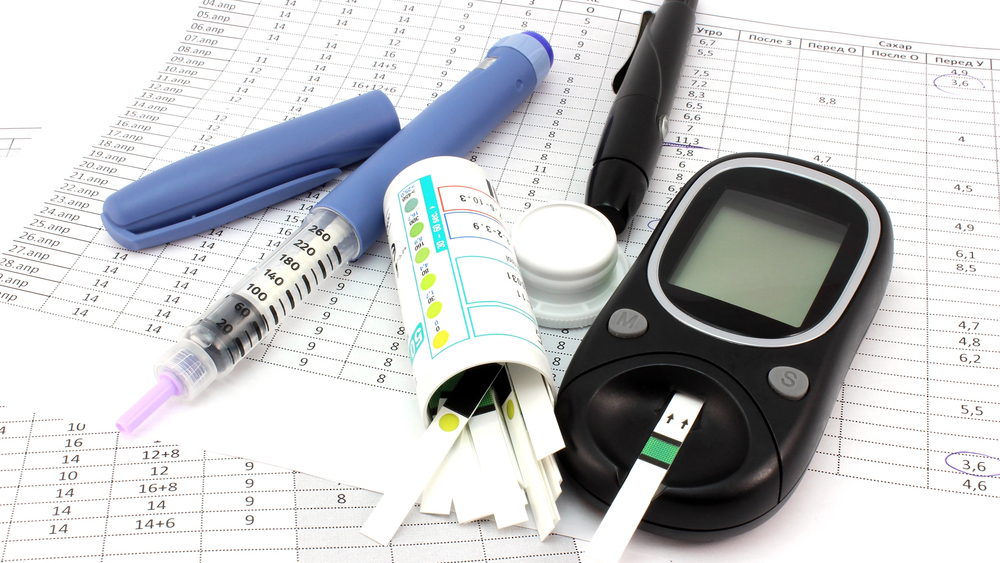
Just as annual physicals are important to keep you in optimal health, annual eye exams may uncover undetected disease.  Did you know diabetes also can harm your eyesight? Obtaining regular screenings will allow you to monitor your health and react to any changes that may have occurred.

The American Academy of Ophthalmology (and the American Diabetes Association) recommend patients with type 1 diabetes receive an eye exam within the first 5 years after diagnosis, then one exam per year. The groups recommend those with type 2 diabetes receive an eye exam as soon as diabetes is diagnosed, and then once yearly.

All people with diabetes are at risk of developing eye disease that can permanently damage their vision and can lead to blindness.

However, some steps can be taken to help prevent diabetic eye disease, including:

  • Managing good blood sugar, blood pressure, and cholesterol control
  • Scheduling a yearly comprehensive dilated eye exam
  • Women with diabetes before pregnancy should have a comprehensive dilated eye exam early in their pregnancy. Additional exams may be recommended during pregnancy.
  • Maintaining a healthy lifestyle by exercising regularly, not smoking and following a healthy diet

While everyone needs to schedule routine eye exams, people with diabetes need to be especially vigilant in scheduling their annual exams. Diseases such as glaucoma, cataracts, and retinopathy are best treated when they are detected early and are often associated with diabetes. Talk to your eye doctor about any concerns or vision loss you may be experiencing for the best chances of early detection and treatment.

Patients often ask, “Why do I have to have my eyes dilated?” This type of exam allows doctors to check the retina for various types of disease.

Early Warning Signs Of Diabetic Eye Disease

  • Warning signs of leaky blood vessels, such as fatty deposits
  • Changes to blood vessels
  • Changes in the lens
  • Swelling of the macula
  • Damage to nerve tissue

Glaucoma occurs when pressure builds inside the eye and is 40% more likely to occur in individuals who have diabetes. The pressure pinches blood vessels that carry blood to the retina and optic nerve. Vision is gradually lost as the retina and nerves are damaged from the increase in pressure. There are several treatments available for Glaucoma however some treatments may require surgery. Early detection of high pressure may be able to be managed by medication. Maintaining the proper eye pressure is key to preventing permanent damage to the eye.

As we age many people run a higher risk of developing cataracts. Those with diabetes are 60% more likely to develop them. By detecting cataracts early you can help to slow down the progression. The typical corrective action for cataracts is to remove the lens of the eye. Patients then would typically receive a new transplanted lens. In people with diabetes, vision can get worse after the removal of the lens and glaucoma may start to develop so additional treatment may be necessary.

Retinopathy is a general term used for all disorders of the retina that are caused by diabetes. The good news is that there have been giant strides in the past decade on treatment for retinopathy.

Have you noticed a pattern? Particularly those with diabetes must be extra vigilant with screenings and health checkups. The key to being able to keep your vision as clear as possible when you suffer from diabetes is early detection. Keep in mind that you often can lose more than 60% of your vision before you begin to notice significant differences. Talk with your doctor if you have diabetes so you know what symptoms to look for and schedule your annual vision screening.

Now is the time to get those regular exams scheduled. Call our office at 724-443-6767 or 724-226-0444 to schedule your annual exam today. How you take care of yourself now will determine your quality of life in years to come.


About Bissell Eye Care: John D. Bissell, OD owns and operates Bissell Eye Care servicing Northern Pittsburgh and Alle-Kiski Valley regions. With two locations to treat patients, we offer evening and Saturday appointments. Bissell Eye Care provides comprehensive eye examinations for the entire family beginning as early as 6 months, ocular disease detection and treatment, eyeglasses, sunglasses, activewear, contact lenses, and low vision examinations for those with significant vision loss. We accept most types of vision and health insurance plans. For more Information, visit bisselleyecare.com or call our Bakerstown Office at 724-443-6767 or Natrona Heights office at 724-226-0444.
Concept-words-FSA-adjustments-on-wooden-blocks-on-beautiful-background-from-dollar-bills.

Inflation and FSA Adjustments

The main purpose and benefit of contributing and using an FSA are that any contributions made are pre-tax dollars. However, any qualified medical expenses paid for using the FSA are tax-free dollars. So you effectively pay no taxes on those expenses, by reducing your taxable income.

Flexible Spending Accounts (FSAs), can help you to spend less on your health care while experiencing the maximum tax benefit. However, you must use monies within the current calendar year to reap the rewards. By spending all of the money in your account before the year-end deadline you ensure you are getting the most bang for your buck.

According to the Society for Human Resource Management, “Employees can put an extra $200 into their health care flexible spending accounts (health FSAs) next year, the IRS announced on Oct. 18, as the annual contribution limit rises to $3,050, up from $2,850 in 2022. The increase is double the $100 rise from 2021 to 2022 and reflects recent inflation.

If the employer’s plan permits the carryover of unused health FSA amounts, the maximum carryover amount rises to $610, up from $570.”

FSAs are pre-tax monies that are placed in an account and are available for use only on approved medical expenses. They differ from a health savings account, HSA, in that the money contributed can only be used for that calendar year. In other words, the FSA accounts are “Use it or Lose it”. As the year quickly draws to a close the question becomes, have you used it?

Common eligible expenses include dentist and doctor visits, procedures, and copays, prescription drug costs or co-pays, laser eye surgery, eye exams, contacts, eyeglasses, and chiropractor visits.

If you have any medical conditions that require special equipment or treatment, these expenses are typically covered as well.

While there are no exceptions that allow that money to be directly paid back to you, there are more options than you might expect as to how to spend the extra money. If you have monitored the amount spent during the year, you have an idea of what is left to spend down as December quickly approaches. There are two cases where you can get a little extra time to spend that money.

  1. A rollover option. This allows you to move up to $570 to next year’s balance.
  2. Grace period. Because most plans fall on the calendar year, this option allows you to use the money for up to 2 ½ months past the end of the year. Why is this? Because during the first few months of the year your account has accrued little funds.

Most FSA accounts come with a debit card and usually have one or the other of these two options but CANNOT have both. However, if you are required to submit a claim, be sure to watch the claim windows in which you are required to submit a claim.

How to spend FSA accounts?

If you have quite a bit left in your account, don’t despair. The list of things that you can spend the money on however is pretty large, leaving many surprised about what they can purchase using their FSA account. To get a full listing of what you’re allowed to spend money by visiting an online FSA store. These stores only sell items that qualify approved purchases using your FSA account.

Some out-of-the-ordinary expenses you can pay for using your FSA account also include:

  • Chiropractor visits
  • Artificial teeth or limbs
  • Qualified service animals, such as a guide dog, including food and grooming costs
  • Travel that was required for medical treatment.

You may also use the FSA for expenses such as hearing, vision, and dental services even if you don’t have insurance for those services.

Keeping track of your FSA account throughout the year and spending in moderation throughout the year will also help to reduce the scramble to use money that you have left as the year comes to an end. Despite the hassle of making sure all the money is spent, FSA accounts are a good way to avoid paying taxes on money that is used for medical expenses.

In today’s high inflation market consumers are utilizing all tools available to maximize their health care benefits and costs. Need to spend down some of those benefit dollars? Call our office at 724-443-6767 or 724-226-0444 to schedule your eye exam before the end of 2022.


About Bissell Eye Care: John D. Bissell, OD owns and operates Bissell Eye Care servicing Northern Pittsburgh and Alle-Kiski Valley regions. With two locations to treat patients, we offer evening and Saturday appointments. Bissell Eye Care provides comprehensive eye examinations for the entire family beginning as early as 6 months, ocular disease detection and treatment, eyeglasses, sunglasses, activewear, contact lenses, and low vision examinations for those with significant vision loss. We accept most types of vision and health insurance plans. For more Information, visit bisselleyecare.com or

What causes eye floaters and spots

What Causes Eye Floaters and Spots?

The floating specks you sometimes see in front of your eyes are not on the surface of your eyes but inside them. Eye floaters or a spot occurring in your field of vision are common as people age. In most cases, these floaters will appear in your field of vision when you look at something bright such as a white screen or the sky. These are spots that you can see and appear to float as you look around. Eye floaters can be present in one or both eyes and can come in many different shapes:

  • Black or gray dots
  • Squiggly lines
  • Threadlike strands, which can be knobby and almost see-through
  • Cobwebs
  • Rings

Floaters are caused by strands, deposits, or liquid pockets developing on the vitreous humor, or the back part of the eye. This is the part of the eye that the light going to the retina passes through. It is a jelly like material that occupies the back two-thirds of the eye.

When the light is blocked by these strands, deposits, or liquid pockets, it casts a small shadow onto the surface of the retina, and the shadows that result are seen as floaters. They are usually black or gray in color. These shadows appear to move as the eye moves, left, right, up, and down. This is why patients often say that they see a dot or spot floating in their field of vision.

Floaters are most commonly experienced as we age and don’t totally go away. About 50% of people who are age 60 have floaters and most people over the age of 70 experience some sort of floater. While many people notice them at first, they may find that after a few months they are less noticeable as the brain and eye begin to ignore or get used to them being there.

While floaters are common, and most people will experience them, it is important to get your regular check-up with the eye doctors at Bissell Eye Care.

SEEK MEDICAL ATTENTION IMMEDIATELY if you notice a sudden increase in floaters or if you see floaters along with flashes of light in your side vision, this may be a symptom of a retinal tear or detachment. Go to an eye doctor or emergency room if you have these symptoms.

Serious eye disorders associated with floaters include:

  • Detached retina
  • Torn retina
  • Bleeding in your vitreous
  • Inflamed vitreous or retina caused by infections or an autoimmune condition
  • Eye tumors

Annual checkups are key to good eye health. Be sure to maintain your routine visit with Bissell Eye Care and tell the doctors if you notice any changes in your eyesight, such as floaters.


About Bissell Eye Care: John D. Bissell, OD owns and operates Bissell Eye Care servicing Northern Pittsburgh and Alle-Kiski Valley regions. With two locations to treat patients, we offer evening and Saturday appointments. Bissell Eye Care provides comprehensive eye examinations for the entire family beginning as early as 6 months, ocular disease detection and treatment, eyeglasses, sunglasses, activewear, contact lenses, and low vision examinations for those with significant vision loss. We accept most types of vision and health insurance plans. For more information, visit bisselleyecare.com or call our Bakerstown Office at 724-443-6767 or Natrona Heights office at 724-226-0444.

Business people in office holding a conference and discussing strategies.

Why Women are at Higher Risk for Eye Disease

April is Women’s Eye Health and Safety Month. Women are often responsible for making their family’s health care decisions yet sometimes neglect caring for themselves. According to the World Health Organization’s World Report on Vision, women, on average, live longer than men, and are thus at greater risk of developing eye conditions associated with aging. Global estimates suggest that women with moderate and severe presenting distance vision impairment outnumber men by approximately 7 percent.

The National Eye Institute Dry Eye Fact Sheet states, “Dry eye is more common after menopause. Women who experience menopause prematurely are more likely to have eye surface damage from dry eye.” Increasing numbers of research studies show that the glands of the eyes and eyelids are affected by hormonal issues. As women age, and especially as they reach menopause, they can experience hormonal imbalances that are thought to contribute to dry eye syndrome.

Dry eye syndrome is a condition where a person doesn’t produce enough quality or volume of tears to lubricate the eye. This is a common and often chronic problem, particularly in older adults. Chronic dry eye is an often unrecognized, unattended part of the aging process and is quickly becoming an important public health issue impacting both the quality of life as well as the physical health of nearly 10 million Americans each year.

Chronic dry eye occurs in both men and women; however, women are affected two to three times more often. The onset of dry eye occurs most frequently when women are entering menopause, during menopause, and in the post-menopausal years.

TIPS TO MAINTAIN OPTIMAL EYE HEALTH

  • Have Regular Eye Exams: Many of the eye diseases that are common in women do not cause early symptoms and the American Academy of Ophthalmology recommends establishing a baseline eye exam by age 40. The conditions can be diagnosed through a comprehensive eye exam. Early diagnosis and treatment can save a woman’s vision.
  • Maintain a Healthy Weight: Being overweight increases your chances of developing certain conditions, such as diabetes, which may lead to eye disease.
  • Exercise: We know exercise is good for our bones, heart, and lungs. It may also protect our vision. Studies have indicated getting regular exercise may lower your risk of eye disease. If you’re physically active – great. Should you have a sedentary lifestyle, now is the time to talk to your physician and make changes.
  • Don’t Smoke: You probably already know that when it comes to your health, smoking is a no-no, but it doesn’t only affect your lungs. Smoking is also bad for your vision. Women and men who smoke are at a higher risk of developing eye diseases, such as glaucoma and cataracts.
  • Wear Sunglasses: Too much exposure to ultraviolet rays from the sun increases your chances of age-related macular degeneration and cataracts. Be sure to wear sunglasses that provide 100 percent UV protection. Rays from the sun can penetrate the clouds on gray, cloudy or winter days.
  • Use Proper Eye Protection: At work, home or play accidents can happen. Three main types of eye protection exist – safety glasses, goggles, and face shields. Each one has their advantages and disadvantages. The staff at Bissell Eye Care can help you determine the best solution for your lifestyle.

Take charge of your eye health and protect your vision for years to come. To learn more about dry eyes and other eye conditions, call our office at 724-443-6767 or 724-226-0444.


About Bissell Eye Care: John D. Bissell, OD owns and operates Bissell Eye Care servicing Northern Pittsburgh and Alle-Kiski Valley regions. With two locations to treat patients, we offer evening and Saturday appointments. Bissell Eye Care provides comprehensive eye examinations for the entire family beginning as early as 6 months, ocular disease detection and treatment, eyeglasses, sunglasses, activewear, contact lenses, and low vision examinations for those with significant vision loss. We accept most types of vision and health insurance plans. For more information, visit bisselleyecare.com or call our Bakerstown Office at 724-443-6767 or Natrona Heights office at 724-226-0444.
Comprehensive Eye Assessment of Ocular Health

Comprehensive Eye Assessment of Ocular Health

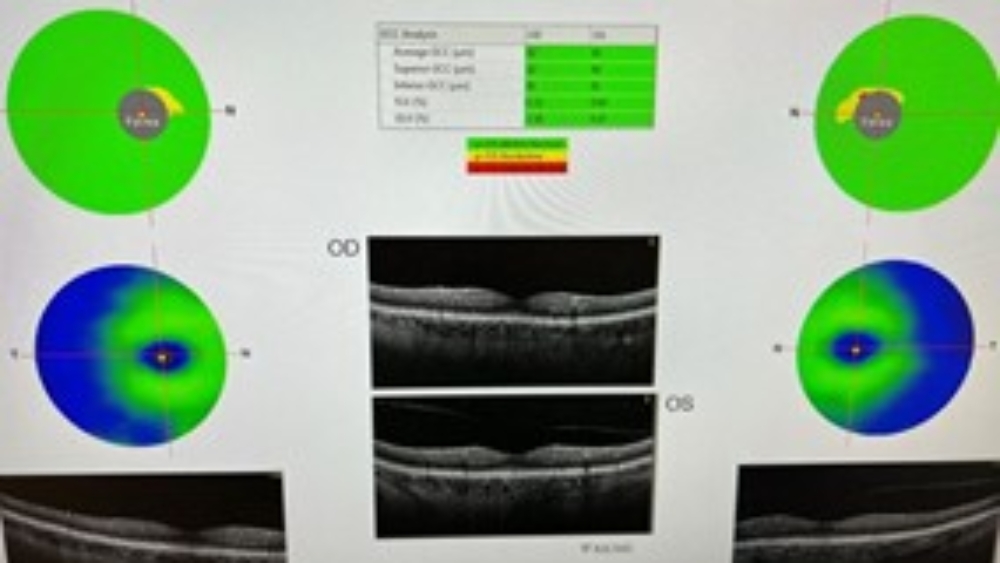
As technology continues to improve, we are better able to look at the human eye with the Optovue OCT machine. OCT Angiography (OCTA) is a quick non-invasive piece of equipment that performs a test, allowing your eye doctor to see retinal vessels during your annual eye exam. OCTA is the only non-invasive way to visualize the vascular structure of your retina.

During this test, the structure of your eyes are examined— from the front, or anterior segment, to the back, or retina. OCT is used to aid in diagnosing disease and managing your ocular health. These metrics along with a high-resolution image and symmetry analysis help to determine if you are displaying the early signs of retinal disease or glaucoma.

The machine allows us to look at the eye in a similar manner as an MRI utilizing an array of light rays. It takes a piece-by-piece view of the eye. Our optometrists then look at this imagery and can determine the health of your eyes, or if there are any concerns that need to be further addressed. With an OCT, doctors can see a cross-section or 3D image of the retina and detect the early onset of a variety of eye conditions and eye diseases such as macular degeneration, glaucoma and diabetic retinopathy (the top three diseases known to cause blindness).

By comparing the thickness of the layers measured by the OCT scan against the normal thickness of healthy retinal layers, eye doctors can determine which retinal disease or eye condition exists in the eye, even before the patient is aware of any problems.

So, what does this mean for you, the patient? These scans can detect early vascular changes in diabetic patients and early signs of glaucoma. We cannot stress the importance of early detection of eye diseases enough. Early detection can help to prevent further loss of vision. As we have talked about before, you can lose a significant amount of your vision without you noticing.

Bissell Eye Care continues to invest in the most up-to-date technology and equipment to best serve our patients. By using this technology, we can better facilitate the diagnosis and management of eye diseases, many of which may lead to permanent blindness.


About Bissell Eye Care: John D. Bissell, OD owns and operates Bissell Eye Care servicing Northern Pittsburgh and Alle-Kiski Valley regions. With two locations to treat patients, we offer evening and Saturday appointments. Bissell Eye Care provides comprehensive eye examinations for the entire family beginning as early as 6 months, ocular disease detection and treatment, eyeglasses, sunglasses, activewear, contact lenses, and low vision examinations for those with significant vision loss. We accept most types of vision and health insurance plans. For more information, visit bisselleyecare.com or call our Bakerstown Office at 724-443-6767 or Natrona Heights office at 724-226-0444.

Dry Eyes

The Dangers of Dry Eyes

When it comes to our vision, dry eyes may not seem like something we need to worry much about. However, the reality is that dry eyes can pose damage on our vision. Despite being very common, not everyone knows how to prevent or the most effective treatment of dry eyes.

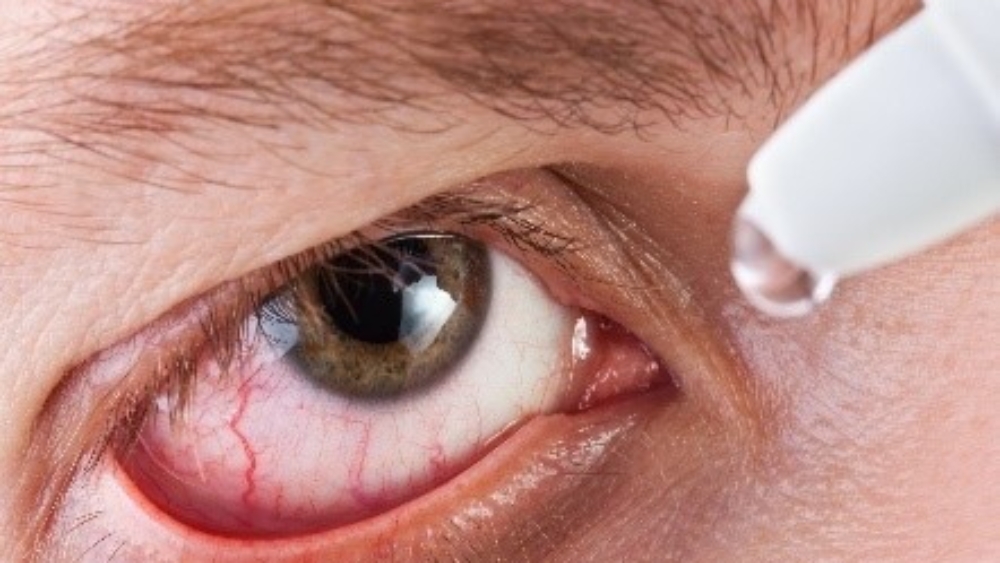
Dry eye is classified as when a person does not have enough tears to properly lubricate and nourish their eyes. Quality tears are essential to maintaining the health of the front of the eye, as well as for maintaining clear vision. Symptoms of dry eyes commonly include but are not limited to, redness, stringy mucus near the eye, blurry visions, and stinging, scratching, or burning sensations.

Cold Weather

This January is shaping up to be a cold one! As we begin to see a drop in temperatures and forecasts of snow are on the rise, it is important to consider the effect this weather can have on your eyes. While many factors can lead to dry eyes, cold weather is a common one especially during this time of year.

Environmental factors such as lower indoor humidity and high winds, commonly associated with winter weather, can easily contribute to dry eyes as they contribute to tear evaporation. To protect yourself from developing worsening symptoms, you can implement the use of artificial tears, eye ointments, humidifiers, and warm compresses to help your eyes produce quality tears and remain properly lubricated.

Sign of Aging

In addition to cold weather, dry eyes can also naturally be caused by the aging process. In fact, most adults over the age of 65 experience some symptoms of dry eyes. Studies have also shown that the risk for dry eye increases every five years after the age of 50 in both women and men, though women are thought to have a generally higher susceptibility.

As we grow older, the lacrimal gland in our eyes naturally produces a lower number of tears necessary to maintain proper eye lubrication. While growing older is unavoidable, dry eyes do not have to be. To offset the effect of this and other factors for dry eye caused by the aging process, you may consider using over-the-counter treatments like eye drops, drinking at least 8 cups of water a day, using a humidifier in your home, and reducing screen time.

Computer Strain

Consistent computer use has also been shown to commonly cause eye strain, irritation, burning sensations, and eye dryness. It is common for computer users to have a decreased blink rate, which can contribute to dry eyes by way of an improper level of lubrication. For contact lens wearers, this is found to be even higher.

Because computer use is increasingly an unavoidable part of our society, it is essential to make sure you are properly caring for your eyes and compensating for any strain or dryness looking at a screen may cause. Patients should consider the use of lubricating eye drops (those designed for use for contact lens wearers) to improve and reduce dryness and irritation. You should also try to take frequent breaks from using your computer and maintain a fair distance between yourself and the screen.

If you believe you are suffering from dry eyes, the condition can be diagnosed through a comprehensive eye exam. The doctors at Bissell Eye Care may also choose to evaluate the quantity and quality of the tears your eyes are producing to check for any abnormalities. External examination of the eye and a review of your patient history may also help your doctor determine if you are suffering from dry eyes and how to proceed with treatment.


About Bissell Eye Care: John D. Bissell, OD owns and operates Bissell Eye Care servicing Northern Pittsburgh and Alle-Kiski Valley regions. With two locations to treat patients, we offer evening and Saturday appointments. Bissell Eye Care provides comprehensive eye examinations for the entire family beginning as early as 6 months, ocular disease detection and treatment, eyeglasses, sunglasses, activewear, contact lenses, and low vision examinations for those with significant vision loss. We accept most types of vision and health insurance plans. For more information, visit bisselleyecare.com or call our Bakerstown Office at 724-443-6767 or Natrona Heights office at 724-226-0444.
healthy living and eating

September is Healthy Aging Month

As a new season rolls around, the days become shorter, school is back in session, and summer winds down, September is a perfect time to celebrate Healthy Aging Month. Drawing on the “back to school” urge embedded in everyone from childhood, the observance month’s activities are designed to encourage people to rejuvenate and get going on positive measures that can impact the areas of physical, social, financial, and mental health. As the number of people age 45 and older grows every year, the focus of September’s Healthy Aging® Month is to inspire these adults to improve their overall health and well-being.

Are you doing all you can to stay active and healthy? The choices you make today may affect the quality of your life down the road. Diet and exercise are key components to healthy aging. Fitbits and online apps can help track healthy eating habits and steps. Have you set a new goal to walk 10,000 steps a day? Perhaps fresh vegetables and salads are becoming a staple in your refrigerator.

Posture plays a key role in how we age. Walking and standing tall will help to maintain posture and balance as aging occurs. Preventing falls as we age is a key component to remaining independent.

When was the last time you had a physical, dental, or eye exam? By staying up to date with regular medical exams, you can be proactive in changes that may be occurring with your health.

Seeing your eye doctor is not just about needing glasses. During your annual comprehensive eye exam, you are also going to be screened for other diseases …. diabetes, cataracts, glaucoma, and macular degeneration. After the age of 40, everyone should be tested regularly for macular degeneration, especially if there is a family history of the disease.

These are things the doctors at Bissell Eye Care look for during your exam and may uncover a health issue you may not be aware of.

7 Types of Health Issues an Eye Exam Can Help Uncover

  • Diabetes affects the small capillaries in the retina of the eyes. These blood vessels may leak blood or a yellowish fluid, and this may be discovered in an eye exam.
  • Hypertension presents when blood vessels in the eye exhibit bends, kinks or tears, and this may be an indication of high blood pressure.
  • Autoimmune disorders are recognized by inflammation of the eye which may be a sign of Lupus or another autoimmune disorder.
  • High cholesterol can be found with a yellowish appearance or a yellow ring around your cornea. There also may be plaques in the blood vessels of the retina which could indicate elevated cholesterol.
  • Thyroid disease will often present as bulging eyes or protruding eyeballs.
  • Cancer can be present if the structure of your eye is unusual. Ocular melanoma can develop in the cells that make pigmentation in the eye. Your eye exam can also help detect skin cancer. Basal cell carcinomas can appear on the eyelid. In any of these cases, you would be referred to a specialist.
  • Tumors can present with a droopy eyelid or irregularly shaped pupils and could possibly indicate a neck tumor or an aneurysm (Source: Digital Journal).

At-risk factors for age-related macular degeneration (AMD) include high blood pressure (hypertension), smoking, obesity, race, and family history of (AMD). AMD is painless and can progress slowly over time or suddenly with dramatic changes in your vision. Early detection is key to slowing vision loss. AMD — damages then destroys central vision. Central vision is your “straight-ahead”, finely detailed vision. This eye disease takes two forms, “dry” and “wet”. Most AMD cases are dry. The “wet”, is a more damaging form of AMA that is responsible for about 90% of serious vision loss.

Cataracts are small at first and may not affect vision. But the denser they grow, the more they will affect your vision. As cataracts grow, they may hinder your ability to drive safely.

Just as annual physical and regular health screenings help to detect disease, the most important lesson learned is to have an annual eye exam as well.

Early detection of eye disease is the key to healthy vision as you age. Give our offices a call at 724-443-6767 or 724-226-0444 to schedule your annual eye exam.


About Bissell Eye Care: John D. Bissell, OD owns and operates Bissell Eye Care servicing Northern Pittsburgh and Alle-Kiski Valley regions. With two locations to treat patients, we offer evening and Saturday appointments. Bissell Eye Care provides comprehensive eye examinations for the entire family beginning as early as 6 months, ocular disease detection and treatment, eyeglasses, sunglasses, activewear, contact lenses, and low vision examinations for those with significant vision loss. We accept most types of vision and health insurance plans. For more information, visit bisselleyecare.com or call our Bakerstown Office at 724-443-6767 or Natrona Heights office at 724-226-0444.
Bifocal Contact Lenses

Bifocal Contact Lenses & Aging

Your eyesight is the key to independence as we age and although bifocal contact lenses have been around for many years, until recently they weren’t very popular. New technology has changed that is bringing to market a greater variety of designs. If one design or brand doesn’t work for you, another might. People who once thought they could never benefit from contact lenses now have a second chance.

Often after the age of 40 people develop presbyopia, a condition that affects our ability to focus on objects that are nearby. Do you have a separate pair of glasses for reading or working on the computer? Do you find your arms getting shorter as you must hold newspapers, books, or menus further away to be able to see the print better? Bifocal contact lenses are great for people with active lifestyles who do not want to be chained to their reading glasses.

There are several different types of contacts that can be used to find what works best for you to replace your need for reading glasses or bifocals. The doctors at Bissell Eye Care can give a proper diagnosis as well as help you find the best treatment options.

Concentric multifocal contact lens design contains the lens power for seeing distant objects in the center of the lens, which is surrounded by concentric rings of near and distance powers of your bifocal contact lens prescription.

The design of aspheric multifocal contact lenses is similar to that of progressive eyeglass lenses — there’s a gradual change in power from far to near, with no visible lines in the lenses. Unlike eyeglasses, however, aspheric multifocal contacts are simultaneous vision lenses, so your visual system must learn to select the proper lens power for the moment.

There are no hard and fast rules, but aspheric multifocal contact lenses tend to work best for mild to moderate presbyopia, and concentric or segmented multifocal contacts often are more successful for advanced presbyopia.

Bifocal and multifocal lenses come in both soft and rigid gas permeable materials. They also come in a hybrid form. This means that the contacts have the option to be used and disposed of at set times, and can even be daily in some cases.

What is the difference……Bifocal, Multifocal contacts?

Bifocal contact lenses have two different prescriptions in the same lens. They are similar to bifocal glasses where the top half is used for seeing far while the bottom is used for seeing close. A segmented bifocal, and sometimes also referred to as an alternating or translating bifocal places the near vision prescription in the lower part of the lens, and the normal, distance prescription is in the rest of the lens.

Multifocal Contact Lenses and how they work

Multifocal contacts have a range of powers in each lens and are designed in two different ways.

  1. Simultaneous Vision. This option is set up so your eye looks through both near and far at the same time. Your brain adapts and allows focus on either the near or far prescription depending on the distance of the object.
  2. Alternating Vision. In the alternation setup is more like a bifocal glasses design. It allows your pupil to move up or down as necessary to get the proper focus.

If you’re tired of carrying around two pairs of glasses, or have tried bi-focal contacts years ago but couldn’t wear them, technology has changed. The doctors at Bissell Eye Care will work with you to see how bi-focal contact lenses can benefit you.

Embrace something new and experience the freedom of not having to wear glasses. Are you ready to enjoy outdoor activities such as gardening and sports more easily? To learn more about the latest technology in bi-focal contact lenses, give our office a call at 724-444-6767 or 724-226-0444.


About Bissell Eye Care: John D. Bissell, OD owns and operates Bissell Eye Care servicing Northern Pittsburgh and Alle-Kiski Valley regions. With two locations to treat patients, we offer evening and Saturday appointments. Bissell Eye Care provides comprehensive eye examinations for the entire family beginning as early as 6 months, ocular disease detection and treatment, eyeglasses, sunglasses, activewear, contact lenses, and low vision examinations for those with significant vision loss. We accept most types of vision and health insurance plans. For more information, visit bisselleyecare.com or call our Bakerstown Office at 724-443-6767 or Natrona Heights office at 724-226-0444.