
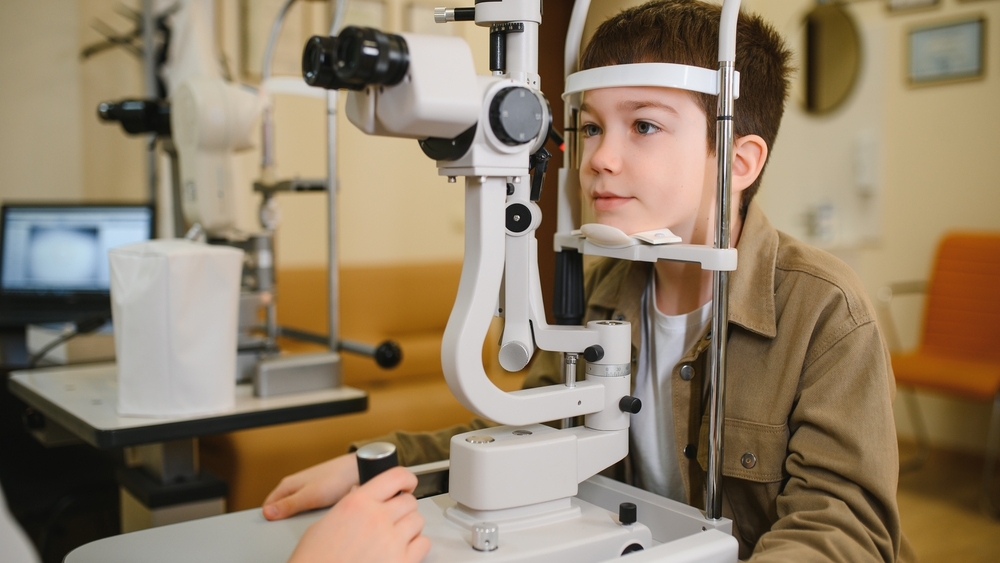
Boy undergoing eyesight examination with slit lamp biomicroscope in ophthalmology clinic back-to-school eye exam

Back-to-School Eye Exams: An Important Step for Academic Success

As the school year begins, many parents focus on gathering school supplies, organizing schedules, and preparing their children for the classroom. But there’s one essential item that’s often overlooked—an annual eye exam. Good vision is foundational to a child’s ability to learn, and yet vision issues can often go unnoticed, especially by children themselves.


Why Eye Exams Matter More Than You Think

Did you know that 80% of what children learn in school is presented visually? From reading and writing to using digital devices and viewing the board, clear vision is essential. However, vision screenings done at school or pediatric offices are not comprehensive. They may miss issues like eye teaming, focusing problems, or even moderate refractive errors such as nearsightedness, farsightedness, and astigmatism.

How Vision Problems Impact Learning

Children with undiagnosed vision issues may struggle to focus, avoid reading, or fall behind academically. In fact, many symptoms of vision problems can be mistaken for behavioral issues, such as ADHD or lack of interest. Common signs to watch for include:

  • Frequent squinting or tilting the head
  • Holding books or screens very close
  • Complaints about headaches or tired eyes
  • Difficulty paying attention in class
  • Poor reading comprehension or slow reading pace
  • Excessive eye rubbing
  • Eye Strain and Digital Learning

With the growing use of tablets and computers in schools, children are spending more time than ever in front of screens. This can lead to digital eye strain, also known as computer vision syndrome. Symptoms may include:

  • Blurred or double vision
  • Eye fatigue
  • Dry or irritated eyes
  • Difficulty refocusing from screen to distance

Annual eye exams can help identify and manage these issues early, ensuring your child is visually prepared for the demands of today’s learning environment.

When Should Children Have Their Eyes Examined?

The American Optometric Association recommends the following schedule:

  • First exam at 6 months
  • Second exam at age 3
  • Before starting kindergarten
  • Annually thereafter, or as recommended by your optometrist

Early detection of vision issues can prevent long-term learning difficulties and give your child the best chance for success—both in and out of the classroom.

Set Your Child Up for Success

As you prepare for the school year ahead, make sure an eye exam is on your checklist. A simple visit to your optometrist can make a world of difference in your child’s academic performance, confidence, and comfort.

Book your child’s back-to-school eye exam today—and help them start the year off seeing clearly and learning confidently.  Call 724-443-6767 or 724-226-0444 to schedule your child’s appointment.


About Bissell Eye Care: John D. Bissell, OD, is the owner of Bissell Eye Care, proudly serving the Northern Pittsburgh and Alle-Kiski Valley regions. Dr. Bissell has received advanced training through the International Academy of Low Vision Specialists, enabling him to help patients living with vision impairment and low vision challenges. With two convenient office locations and evening appointments available, Bissell Eye Care offers comprehensive eye exams for the entire family—starting as young as six months. Our services include ocular disease detection and treatment, prescription eyeglasses and sunglasses, specialty activewear eyewear, contact lenses, and dedicated low vision evaluations for those with significant vision impairment and vision loss. We accept most vision and health insurance plans. To learn more, visit bisselleyecare.com or call our Bakerstown office at 724-443-6767 or our Natrona Heights office at 724-226-0444.
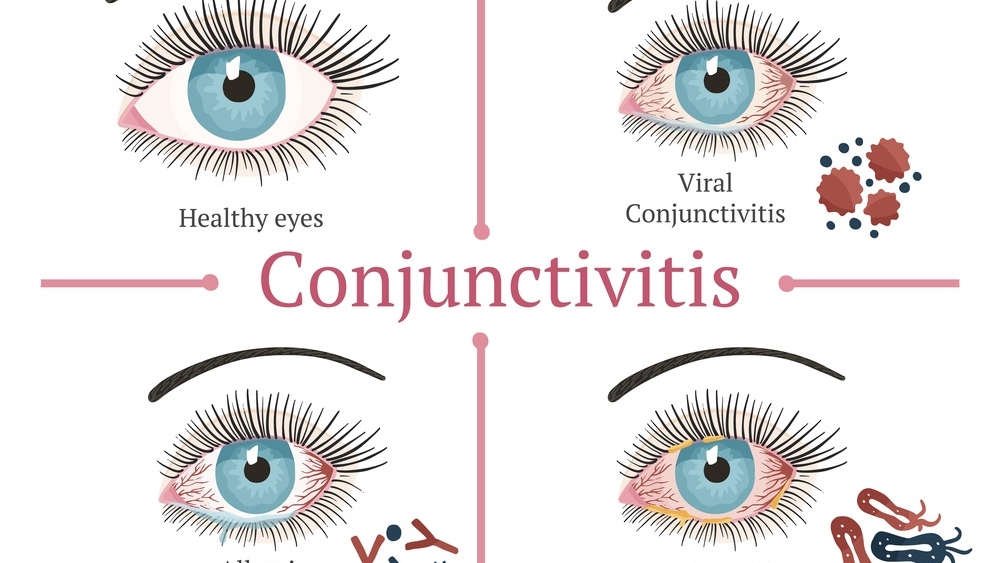
A-Square-outline-divided-in-4-quadrants-showing-an-illustration-with-4-eyeballs-with-different-types-of-conjunctivitis.

Is it Pink Eye?

Flu season is in full swing with the flu and conjunctivitis often referred to as pink eye often goes hand in hand with a cold or flu. While it might sound like a minor inconvenience, pink eye can be uncomfortable and, in some cases, highly contagious. Nonetheless, proper handwashing can be the key to not spreading those nasty germs.

Pink eye, or conjunctivitis, is caused by inflammation of the conjunctiva, which is the tissue that lines the inside of the eyelid and helps to keep the eyelid and eyeball moist. The condition can be caused by bacteria, a virus, allergens, or other irritants. The same viruses that cause colds and the flu—such as adenovirus, enterovirus, and influenza virus—can also cause pink eye.

Cold and flu viruses can cause pink eye by traveling through the tear duct from the nose to the eye. However, most pink eye cases are caused by failing to wash your hands after you blow your nose or if you unknowingly touch a surface or object that someone with the flu or a cold has recently touched. If you then rub your eyes, you’re transferring the virus or bacteria to your eyes.

  • Viral Conjunctivitis is the most common form of pink eye and is often associated with the same viruses responsible for the common cold. It is highly contagious and can spread through respiratory droplets or by touching contaminated surfaces.
  • Bacterial Conjunctivitis is caused by bacteria such as Staphylococcus or Streptococcus and is a result of exposure to contaminated hands, towels, or other personal items. It is also highly contagious and may cause more severe symptoms than viral conjunctivitis.
  • Allergic Conjunctivitis is associated with allergens like pollen, pet dander, or dust mites leading to pink eye symptoms. Unlike viral or bacterial conjunctivitis, this type is not contagious.
  • Irritant Conjunctivitis occurs with exposure to irritants like smoke, chlorine, or harsh chemicals can cause irritation and redness in the eyes, resembling pink eye symptoms. This form of conjunctivitis is also not contagious.

Symptoms that present with conjunctivitis include:

  • Gritty feeling in the eye or both eyes
  • Excessive tearing
  • Itchy or burning sensation
  • Discharge and/or swollen eyelids
  • Pink Discoloration
  • Sensitivity to light

Various forms of conjunctivitis are contagious so take these steps to avoid “sharing the joy” with others:

  • Practice good hygiene and teach your children how to properly wash their hands.
  • Don’t touch your face with your hands.
  • Avoid using cosmetics and eye care items and discard those currently used (particularly mascara) when first diagnosed with conjunctivitis to prevent spreading the infection.
  • Change towels and washcloths daily and avoid sharing with others.
  • Avoid wearing contact lenses and dispose of those used at the start of the infection.

Pink eye can last from 10 days to two weeks, but there are several treatment options available depending on the cause and severity that can help alleviate your symptoms. Topical steroid drops and/or antibiotics based on which type of conjunctivitis you have will be used to treat conjunctivitis. Viral conjunctivitis much like the common cold must run the course and only in severe cases are steroids used.

The best course of action is to schedule an appointment with your optometrist to properly diagnose and treat your infection. At Bissell Eye Care, we also have tests that examine the optic nerve to ensure there’s not an underlying problem that can become more serious. If in doubt, don’t delay – have your eyes checked for infection.


About Bissell Eye Care: John D. Bissell, OD owns and operates Bissell Eye Care servicing Northern Pittsburgh and Alle-Kiski Valley regions. With two locations to treat patients, we offer evening and Saturday appointments. Bissell Eye Care provides comprehensive eye examinations for the entire family beginning as early as 6 months, ocular disease detection and treatment, eyeglasses, sunglasses, activewear, contact lenses, and low vision examinations for those with significant vision loss. We accept most types of vision and health insurance plans. For more information, visit bisselleyecare.com or call our Bakerstown Office at 724-443-6767 or Natrona Heights office at 724-226-0444.

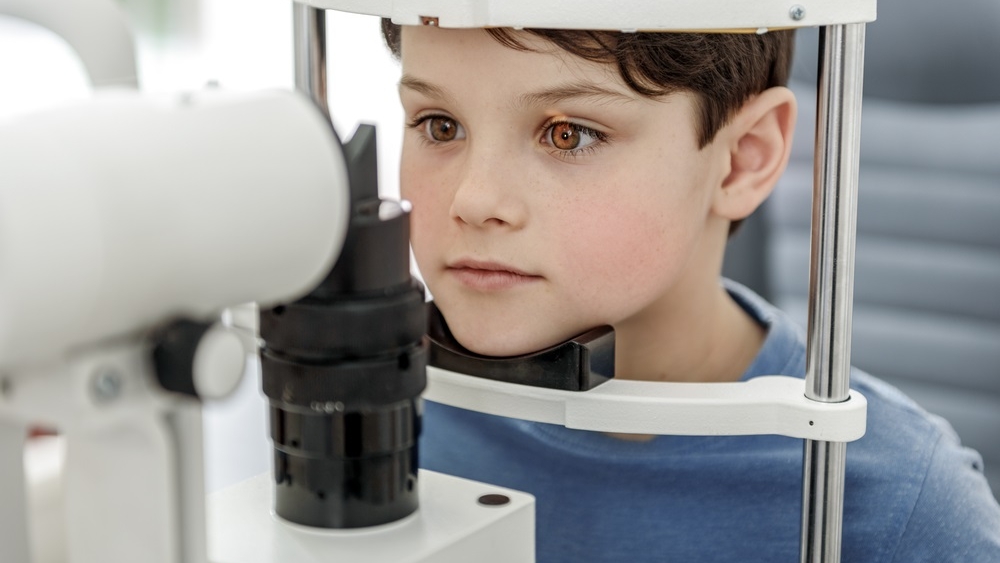
Attentive boy is looking in special apparatus, checking his eye sight.

From Blurry to Brilliant: How Eye Exams Improve Learning Outcomes in Children

As parents, we prioritize our children’s overall health and well-being by making sure they receive proper nutrition, regular check-ups, and vaccinations. However, one aspect of their health that is sometimes overlooked is their vision. The ability to see clearly plays a crucial role in a child’s learning and development. Undiagnosed vision problems can significantly impact their educational progress and overall quality of life.

The Connection between Vision and Learning:

According to the American Optometric Association, one in four school-age children has a vision disorder, yet school vision screenings miss up to 75 percent of children with vision problems. Vision is essential for the learning process, as it allows children to gather information from their surroundings. Children’s Clear Vision states, “It is estimated that over 60% of problem learners have undiagnosed vision problems and 80% of learning in the classroom is visual”. In the early years of a child’s life, they rely heavily on visual cues to explore their environment, learn language, and develop fine motor skills. Thus, any undetected vision problems can hinder their ability to absorb and process information effectively.

Common Vision Problems in Children:

Several vision problems can affect children, including refractive errors (nearsightedness, farsightedness, astigmatism), lazy eye (amblyopia), crossed or misaligned eyes (strabismus), and difficulty focusing (accommodative disorders). These conditions may occur independently or in combination, leading to challenges in reading, writing, and comprehension.

The Impact of Vision Problems on Learning:

Academic Performance: Uncorrected vision problems can hamper a child’s academic performance. They may struggle to read, write, and maintain focus, leading to difficulties in various subjects. Over time, this can lead to a lack of confidence and decreased motivation to learn.

Developmental Delays: Vision problems can cause developmental delays in young children. Early childhood is a critical period for brain development, and any disruption in visual input can impede the formation of neural connections. This can hinder the acquisition of important skills, such as hand-eye coordination, spatial awareness, and visual-motor integration.

Behavioral Issues: Undiagnosed vision problems can manifest as behavioral issues. Children may become frustrated, exhibit poor concentration, or act out in the classroom. These behaviors can be misinterpreted as attention deficit hyperactivity disorder (ADHD) or learning disabilities, leading to unnecessary interventions or medications.

Benefits of Early Intervention:

Improved Learning: Timely identification and correction of vision problems enable children to see clearly and efficiently process visual information. This improves their reading, writing, and comprehension skills, leading to better academic performance and overall learning outcomes.

Enhanced Development: Addressing vision problems early on can minimize the risk of developmental delays. By providing children with clear vision, they can more effectively explore their environment, develop fine motor skills, and acquire essential visual-spatial abilities crucial for activities such as sports and art.

Boosted Confidence: Clear vision allows children to fully participate in various activities, both in and outside the classroom. Improved academic performance and increased participation contribute to enhanced self-esteem and confidence, fostering a positive attitude towards learning and social interaction.

Regular comprehensive eye exams at Bissell Eye Care play a vital role in ensuring early detection and intervention for vision problems in children. These exams evaluate various aspects of vision, such as visual acuity, eye alignment, focusing ability, and eye health.

By identifying and addressing vision problems early on, we can prevent potential learning difficulties and developmental delays. Investing in their visual well-being empowers children to fully explore their world, excel academically, and grow into confident individuals. Let’s prioritize eye exams for kids, and provide them with the clear vision they need to thrive.

To schedule your child’s eye exam call one of our offices at 724-443-6767 or 724-226-0444.


About Bissell Eye Care: John D. Bissell, OD owns and operates Bissell Eye Care servicing Northern Pittsburgh and Alle-Kiski Valley regions. With two locations to treat patients, we offer evening and Saturday appointments. Bissell Eye Care provides comprehensive eye examinations for the entire family beginning as early as 6 months, ocular disease detection and treatment, eyeglasses, sunglasses, activewear, contact lenses, and low vision examinations for those with significant vision loss. We accept most types of vision and health insurance plans. For more Information, visit bisselleyecare.com or call our Bakerstown Office at 724-443-6767 or Natrona Heights office at 724-226-0444.

The-words-New-Years-Resolutions-written-in-different-colors-on-chalkboard

Eye Care And New Year’s Resolutions

Your eyesight holds the key to your independence. As we turn the page to a new year, taking care of your eyesight should be on your “To Do” list. Resolutions for better health often include, eating better, exercising, or cutting down on sugar intake. While many people have resolutions to improve their health, they tend to not include an annual medical physical, 6-month dental visits, a hearing evaluation, and an annual eye exam.


3 Tips for Optimal Eye Health & Eye Care

Schedule A Check-up

As you turn the page to a new vision insurance year, put an annual eye exam on the list.

Give your eyes some rest

Give your eyes a break from screen time – both computers and smart devices.  People might say that it is their function to see, so why not use them to see. But never forget that excess of anything can have adverse effects. Enjoy the outdoors and relax your eyes.

Spread awareness about eye care

Encourage your friends and family to have an annual eye exam. You never know when this awareness will help someone with an eye problem and save their eyesight!

You or your children may receive an annual vision screening at work or school. What people don’t realize is that a vision screening is much less comprehensive than an eye exam. Vision screenings usually only take a few minutes and are often performed by volunteers, not by a certified optometrist and are designed to detect major vision problems. An eye screening is ineffective at detecting subtle vision problems or overall health diseases, which if left untreated can rob you of your vision or lead to ongoing health problems.

Comprehensive eye exams that are performed by the optometrists at Bissell Eye Care are designed to not only evaluate your visual acuity, but also to check the overall health of your eye. During your exam we will also check for signs of eye problems such as glaucoma, cataracts, macular degeneration and detached retina.

As an added health bonus, these exams can also detect early signs of health problems such as diabetes, high blood pressure and stroke risk; all based on the appearance of the delicate blood vessels and other structures within the eye.

As the New Year brings about resolve to change, consider your body’s overall health. Scheduling annual visits to Bissell Eye Care, but also to your medical doctor for a yearly physical can help to keep your body in top shape and provide early detection of any medical conditions before they become serious problems. Early detection is key to obtaining the best chance of treatment providing a positive outcome. Call our office at 724-443-6767 or 724-226-0444 today to schedule your annual eye exam. Wishing you the best of health in 2023.


 About Bissell Eye Care: John D. Bissell, OD owns and operates Bissell Eye Care servicing Northern Pittsburgh and Alle-Kiski Valley regions. With two locations to treat patients, we offer evening and Saturday appointments. Bissell Eye Care provides comprehensive eye examinations for the entire family beginning as early as 6 months, ocular disease detection and treatment, eyeglasses, sunglasses, activewear, contact lenses, and low vision examinations for those with significant vision loss. We accept most types of vision and health insurance plans. For more Information, visit bisselleyecare.com or call our Bakerstown Office at 724-443-6767 or Natrona Heights office at 724-226-0444.

Elderly couple in park after a bike ride -Take Charge of Your Health

TAKE CHARGE OF YOUR HEALTH

September is a perfect time to celebrate Healthy Aging Month. As summer winds down fall activities and upcoming holidays are top of mind. We often get so caught up with our daily routine that we forget to take care of ourselves. This month reminds us of the importance of following a healthy lifestyle to ensure we age comfortably.

Healthy aging refers to the continuous process of making lifestyle improvements that keep a person physically and mentally sharp, throughout life. The choices you make today may affect the quality of your life down the road. Diet and exercise are key components to healthy aging.

Move More, Sit Less.

Staying active can help you prevent, delay, and manage chronic diseases, improve balance and stamina, reduce the risk of falling, and improve brain health. Aim for moderate physical activity, like walking, at least 150 minutes a week (22-30 minutes a day) and muscle strengthening activities, at least 2 days a week. Things such as utilizing hand weights, carrying groceries or other activities that involve the use of your muscles. Always consult with your doctor before starting a new exercise regimen.

Use Technology to Measure Your Results

Fitbits and online apps can help track healthy eating habits and steps. Have you set a new goal to walk 10,000 steps a day? Perhaps fresh vegetables and salads are becoming a staple in your refrigerator.

Schedule Regular Checkups

As we look at the components of staying healthy – we also look at regular exams. When was the last time you had a physical, dental or eye exam? By staying up to date with regular medical exams, you can be proactive in changes that may be occurring with your health.

Seeing your eye doctor is not just about needing glasses. During the exam, you are also going to be screened for other diseases …..diabetes, cataracts, glaucoma and macular degeneration.  After the age of 40, everyone should be tested regularly for macular degeneration, especially if there is a family history of the disease.

Did you know during a comprehensive eye exam, underlying health problems can be uncovered? These are things the doctors at Bissell Eye Care look for during your exam and may uncover a health issue you may not be aware of.

  • Diabetes affects the small capillaries in the retina of the eyes. These blood vessels may leak blood or a yellowish fluid, and this may be discovered in an eye exam.
  • Hypertension presents when blood vessels in the eye exhibit bends, kinks or tears, and this may be an indication of high blood pressure.
  • Autoimmune disorders are recognized by inflammation of the eye which may be a sign of Lupus or another autoimmune disorder.
  • High cholesterol can be found with a yellowish appearance or a yellow ring around your cornea. There also may be plaques in the blood vessels of the retina which could indicate elevated cholesterol.
  • Thyroid disease will often present as bulging eyes or protruding eyeballs.
  • Cancer can be present if the structure of your eye is unusual. Ocular melanoma can develop in the cells that make pigmentation in the eye. Your eye exam can also help detect skin cancer. Basal cell carcinomas can appear on the eyelid. In any of these cases, you would be referred to a specialist.
  • Tumors can present with a droopy eyelid or irregularly shaped pupils and could possibly indicate a neck tumor or an aneurysm (Source: Digital Journal).

Just like having annual physical and regular health screenings help to detect disease, the most important lesson learned is to have an annual eye exam. Early detection of eye disease is the key to healthy vision as you age. Give our offices a call at 724-443-6767 or 724-226-0444 to schedule your annual eye exam.


About Bissell Eye Care: John D. Bissell, OD owns and operates Bissell Eye Care servicing Northern Pittsburgh and Alle-Kiski Valley regions. With two locations to treat patients, we offer evening and Saturday appointments. Bissell Eye Care provides comprehensive eye examinations for the entire family beginning as early as 6 months, ocular disease detection and treatment, eyeglasses, sunglasses, activewear, contact lenses, and low vision examinations for those with significant vision loss. We accept most types of vision and health insurance plans. For more information, visit bisselleyecare.com or call our Bakerstown Office at 724-443-6767 or Natrona Heights office at 724-226-0444.

Confident Girl Wearing Glasses Against Eye Chart

Back to School Eye Exams

As the 2020–2021 school year begins parents and school districts alike are making decisions on in-person, hybrid, or remote learning.  Regardless of how your children will be learning, this is a great time to schedule your kids’ annual eye exams.

August is Children’s Eye Health and Safety month.  As a good rule of thumb, you should have your children’s eye examined by an eye care professional during their well visits starting around the age of three and also before the start of each school year.  If your children struggle to see, it may inhibit their ability to learn as they head back to school this year.

Pupil dilation is performed to purposefully increase the size of the pupils during an eye exam so that the eye doctors at Bissell Eye Care can fully examine the health of the optic nerve and retina. The exam is critical to preventing and treating eye conditions that could potentially lead to vision loss.

The view to the back of the eye is limited when the pupil is not dilated. When your pupil is small we can see your optic nerve and macula but the view is limited. To see the entire retina, the pupil must be dilated. This is achieved through the use of eye drops.

Comprehensive eye exams look into the back of the eye for overall eye health but are also able to detect things such as:

  • Ptosis (drooping of the eyelid)
  • Color deficiency (color blindness)
  • Amblyopia (lazy eye)
  • Strabismus (cross eyes)

Often children receive a screening at school or through other means that provide parents with a false sense of security.  According to the American Optometric Association, “Parents of children who “pass” a vision screening are often given a false sense that their child’s eyes are healthy, when they may have a serious, undiagnosed eye or vision condition. These screenings provide less than 4% of the information generated during a comprehensive eye exam and they miss up to 75% of children with vision problems. These children are less likely to receive timely treatment for their vision problem, allowing the impairment to become worse and to have a greater impact on their health and development.”

Early detection of vision problems can make a big difference when it comes to your child’s ability to learn.  If they suffer to see, they will more than likely suffer to learn as many people learn by sight.

Keeping your children’s eyes safe is another part of maintaining healthy vision.  Did you know those eye injuries are the leading cause of vision loss in children?  There are a few basic rules that you should follow to help ensure that your child is not one of the 42,000 sports-related eye injuries that occur each year.

  • All children should wear protective eye gear while participating in sports or physical activities.
  • Be sure to purchase age-appropriate toys and avoid those toys which have sharp or pointy edges.

No matter how they are learning this year, give your kids the best chance of success by scheduling a comprehensive eye exam.  Make sure that your children can see clearly.   Protecting their ability to see will help them be successful as they head back to school this year!


About Bissell Eye Care: John D. Bissell, OD owns and operates Bissell Eye Care servicing Northern Pittsburgh and Alle-Kiski Valley regions. With two locations to treat patients, we offer evening and Saturday appointments. Bissell Eye Care provides comprehensive eye examinations for the entire family beginning as early as 6 months, ocular disease detection and treatment, eyeglasses, sunglasses, activewear, contact lenses, and low vision examinations for those with significant vision loss. We accept most types of vision and health insurance plans. For more information, visit bisselleyecare.com or call our Bakerstown Office at 724-443-6767 or Natrona Heights office at 724-226-0444.

Women's Eye Health - Health Concept: WOMEN'S HEALTH text drawn on paper with heart to the side

TIPS TO BETTER EYE HEALTH

Women's Eye Health - Health Concept: WOMEN'S HEALTH text drawn on paper with heart to the sideDo you take your eyes for granted? Often patients take their eyesight for granted until they begin having problems with their vision. When day-to-day activities become challenging, that will trigger a call for an eye appointment. Having good vision and healthy eyes may determine your ability to remain independent and self-sufficient.

Studies have shown that women make up 65 percent of AMD cases; 61 percent of glaucoma and cataract patients are women, and 66 percent of blind patients are women. On average women live longer and many eye problems are age-related. Some eye conditions, such as dry eye, are more common in women, young and old. Often women put their family’s health and screenings before themselves and neglect regular eye care.

In general, women are more susceptible to autoimmune diseases than men, many of which affect vision, such as lupus, Sjögren’s syndrome and hyper thyroiditis. In addition, pregnancy can cause vision changes due to the hormonal changes pregnant women experience. As women age and go through menopause, dry eye occurs at double the rate.

Prevention is key to preventable vision loss. The good news is most vision loss is preventable. Here are some simple steps to take control of your eye health today:

  1. Early signs of disease or changes in vision may begin at 40. Get a yearly comprehensive medical eye exam. An exam by an eye care professional skilled in medical and surgical eye care provides the opportunity to identify diseases and conditions that are not symptomatic in the early stages.
  2. Know your family history. Certain eye diseases can be inherited – macular degeneration and glaucoma in your family’s history can increase your risk by 50% for macular degeneration and from four to nine times for glaucoma. If you haven’t talked with family members about their eye conditions, now is the time to do so.
  3. Eat healthy foods. A diet low in fat and rich in fruits, vegetables and whole grains benefit the entire body, including the eyes.
  4. Stop smoking. Smoking increases the risk for eye diseases such as cataract and age-related macular degeneration. Tobacco smoke worsens dry eye.
  5. Wear sunglasses. Exposure to ultraviolet UV light raises the risk of eye diseases, including cataracts, fleshy growths on the eye and cancer.
  6. Bacteria will form from your eyelashes and requires daily eyelid hygiene. Like brushing your teeth, your eyelids need daily care. Hot compresses help keep tear producing glands working at top efficiency.

In a comprehensive eye exam at Bissell Eye Care, our state-of-the-art technology allow us to look at the overall health of your eyes. During these exams, we may discover conditions that affect your eyes in addition to perhaps uncovering an underlying condition in your overall general health. This will ultimately help your primary care provider enhance your overall health and wellness.

Be proactive, stay healthy and protect your eyesight with regular eye exams.

About the author: John D. Bissell, owner of Bissell Eye Care and Tri-State Low Vision Services, offers comprehensive eye examinations for the entire family, ocular disease detection and treatment, eye glasses, sun glasses, active wear, contact lenses, and low vision examinations for those with significant vision loss. He has undergone specialized training for treatment of low vision by the International Academy of Low Vision Specialists utilizing customized telescopic eyeglasses, prisms and telescopic implants for patients who qualify. The practice accepts most types of vision and health insurance plans.