October Is Eye Injury Prevention Month

Skilled carpenter cutting a piece of wood in his woodwork workshop, using a circular saw, and wearing safety googles and earmuffs, with other machinery in the background

October is Eye Injury Prevention Month. Did you know that nearly 2.5 million people suffer eye injuries each year in the United States, and nearly one million people have lost some degree of vision as a result of their injury? Do you always wear protective eyewear when performing home repairs or maintenance?

According to the fifth-annual Eye Injury Snapshot conducted by the American Academy of Ophthalmology and the American Society of Ocular Trauma found that:

  • Most people believe that eye injuries are most common on the job — especially in factories and on construction sites. But in fact, nearly half of all eye injuries occurred in the home.
  • Home repairs, yard work, cleaning, and cooking caused more than 40 percent of eye injuries.
  • More than a third of those injuries in the home happened in the kitchen, bedroom, bathroom, living or family room.
  • More than 40 percent of eye injuries every year are related to sports or recreational activities.
  • More than 78 percent of people were not wearing eyewear at the time of injury. Only 5.3 percent of those who were wearing eyewear

Most injuries could have been prevented by wearing protective eyewear.

Could your job land you in the doctor’s office or the ER with an eye injury? According to the U.S. Bureau of Labor Statistics, more than 20,000 workplace eye injuries happen each year. Injuries on the job often require one or more missed workdays for recovery. The Bureau of Labor Statistics states that nearly three out of every five workers injured were not wearing eye protection at the time of an accident. While you may believe it unnecessary to wear protective glasses at your job, consider the alternative of losing eyesight in one or both eyes.

Small business owners and independent contractors, you aren’t immune. How often do you work a “side job” without the proper eye protection? Whether you work for a large manufacturing company or are an independent business owner, you are subject to injury. Are you willing to take a risk as it could mean the loss of work, wages and career with no safety net to ensure your financial future?

To help prevent eye injuries and make your workplace safer and take steps to protect your eyesight. Follow the OSHA rules regulations and guidelines.

Eye injuries are not limited to the workplace. Think about the things you do around the house to get ready for winter. Flying debris or other small particles can be created from outside jobs such as trimming shrubs, raking leaves, mowing the lawn and cleaning up after a wind storm. These particles can get into your eyes and have the potential to scratch or damage your eye. Put on protective eyewear before you use a lawnmower, power trimmer or edger and be sure to check for rocks and stones when mowing as they can become dangerous projectiles as they shoot from these machines.

When we think of fall cleanup –many things can occur around the house to get your home ready for winter. Closing up swimming pools, cleaning windows and gutters, as well as other projects around the house that involve the use of chemicals can lead to injury. Splashing chemicals can burn your eyes causing permanent damage. When using household chemicals, be sure to work in a well-ventilated area and keep the spray nozzle pointed away from you. Read the labels of chemicals and cleaners carefully, and don’t mix products.

Flying fragments, fumes, dust particles, sparks can occur in the workshop or while doing woodworking projects. For those car buffs, battery acid sparks and debris from damaged or improperly jump-started auto batteries can severely damage your eyes. Learn the proper way to jump-start an automobile, and keep protective goggles in the trunk of your car to use for those emergencies and every day repairs.
We recommend that every household have at least one pair of ANSI-approved protective eyewear to be worn when doing projects and activities at home to safeguard against eye injuries.

At Bissell Eye Care, we have many options for safety and sports eyewear available both our Bakerstown and Natrona Heights locations. If you would like to invest in your eye health, consider purchasing a reliable pair of safety glasses! As always, UV Protection is also important for optimum ocular health. Ensuring that the exposure of the eye to harmful UV radiation is as limited as possible is equally as important as wearing protective glasses during risky activities. Sunglasses may be covered under your insurance care provider (especially if they are dispensed with your current prescription).

If you have any questions or concerns or would like to schedule an appointment for an eye examination, call us today! Knowledge is power, keep yourself safe and eyes healthy through proper eye safety protection.

About Bissell Eye Care: John D. Bissell, OD owns and operates Bissell Eye Care servicing Northern Pittsburgh and Alle-Kiski Valley regions. With two locations to treat patients, we offer evening and Saturday appointments. Bissell Eye Care provides comprehensive eye examinations for the entire family beginning as early as 6 months, ocular disease detection and treatment, eyeglasses, sunglasses, activewear, contact lenses, and low vision examinations for those with significant vision loss. We accept most types of vision and health insurance plans. For more information, visit bisselleyecare.com or call our Bakerstown Office at 724-443-6767 or Natrona Heights office at 724-226-0444.


Halloween Costume Safety Tips

Happy group of children in costumes during Halloween party playing around the table with pumpkins and bottle of potion

From the candy to Halloween costumes, this is a fun-filled time for kids and parents. Although it’s been a warm October, the signs of fall are certainly around us. The leaves on the trees are turning, haunted houses are popping up. There’s a nip in the air, pumpkin patches are in full swing and children’s Halloween costumes are being planned. We wanted to offer a few tips on dressing your little ghouls and goblins.

Does your costume block your vision?
Masks, wigs and eye patches may make an outfit complete, but make sure these accessories don’t significantly obstruct your field of view. Some masks are very dangerous for children because they make it hard to breathe, block their side vision, and can cause a trip hazard. Consider decorating your child’s face with non-toxic face paint or makeup. Make sure wigs and beards don’t cover your kids’ eyes, noses, or mouths.

Avoid over the counter decorative contact lenses.
Although it’s illegal to sell decorative contact lenses without a valid prescription, FDA says the lenses are sold on the Internet and in retail shops and salons. Don’t buy or wear decorative contact lenses that have not been prescribed by an eye doctor. The decorative lenses make the wearer’s eyes appear to glow in the dark, create the illusion of vertical “cat eyes,” or change the wearer’s eye color. These lenses are particularly popular for teens.
Decorative lenses from unlicensed manufacturers may be made from inferior plastic or may contain toxic dyes. Besides, untrained individuals may not follow proper hygiene in inserting or removing the devices. Eye infections related to improper wearing and handling of contact lenses can rapidly develop into corneal ulcers, which can cause permanent blindness.

No long costumes.
Long costumes can cause a trip hazard. To prevent falls, avoid oversized and high-heeled shoes. Make sure the rest of the costume fits well. Be sure your child’s costume ends above their ankles to avoid a fall. Use well-fitting shoes or boots for safe walking. Make sure your child’s costume is flame resistant and avoid baggy, billowing skirts and cloaks that might brush against a candle-lit jack-o’-lantern or luminary.

Use FDA approved makeup.
If you decide to disguise your child with makeup instead of a mask, use hypo-allergenic options and keep it away from the eyes. Make sure that any color additives to the face paint are FDA approved (check the Summary of Additives on the FDA website). When applying makeup near or around the eye, stay away from the lid margin, or lash line—the area where you would normally apply eyeliner. If you are applying make-up very close to the eye, use only products approved for use in that area such as an eyeliner or eyeshadow. Do not use blush or lip-liner to create a “red” effect. It is a good idea to carry a damp towel or washcloth in case the makeup begins to run while trick-or-treating.

Don’t allow sharp objects to be used as props.
Some costumes don’t seem complete without swords or wands. Elementary and nursery schools are very strict in prohibiting these props for school parties. Sharp, pointed props endanger your child’s eyes as well as the eyes of other children. If your child must carry a sword, find a belt carrier or scabbard where the sword can stay safely nestled while the kids roam the neighborhood. Buy or construct only accessories made of soft or flexible materials.

Make sure costumes are reflective.
If the costume your child chooses is not made of reflective material, sew on reflective fabric strips or use stick-on strips of reflective tape. You want your child to be seen, especially crossing streets in the dark. Place reflective material on the front, back and sides of your child’s costume. Give kids flashlights with fresh batteries. Kids may also enjoy wearing glow sticks as bracelets or necklaces. According to Safe Kids Worldwide, the risk of children being hit by a car is higher on Halloween than on any other day of the year.

Use the Buddy System.
Small children should always be accompanied by an adult. Older children should never trick or treat alone. Review with children how to call 9-1-1 (or their local emergency number) if they ever have an emergency or become lost.

Check Your Child’s Candy.
When they get home, it’s time to check the loot! Discard any candy with holes in the wrappers, or homemade goodies unless it is from someone you know. You may want to limit how much candy they can have following a night of haunting!

Happy haunting….be informed, be safe and have a Happy Halloween.

About Bissell Eye Care: John D. Bissell, OD owns and operates Bissell Eye Care servicing Northern Pittsburgh and Alle-Kiski Valley regions. With two locations to treat patients, we offer evening and Saturday appointments. Bissell Eye Care provides comprehensive eye examinations for the entire family beginning as early as 6 months, ocular disease detection and treatment, eyeglasses, sunglasses, activewear, contact lenses, and low vision examinations for those with significant vision loss. We accept most types of vision and health insurance plans. For more information, visit bisselleyecare.com or call our Bakerstown Office at 724-443-6767 or Natrona Heights office at 724-226-0444.

Dry Eyes and Healthy Aging

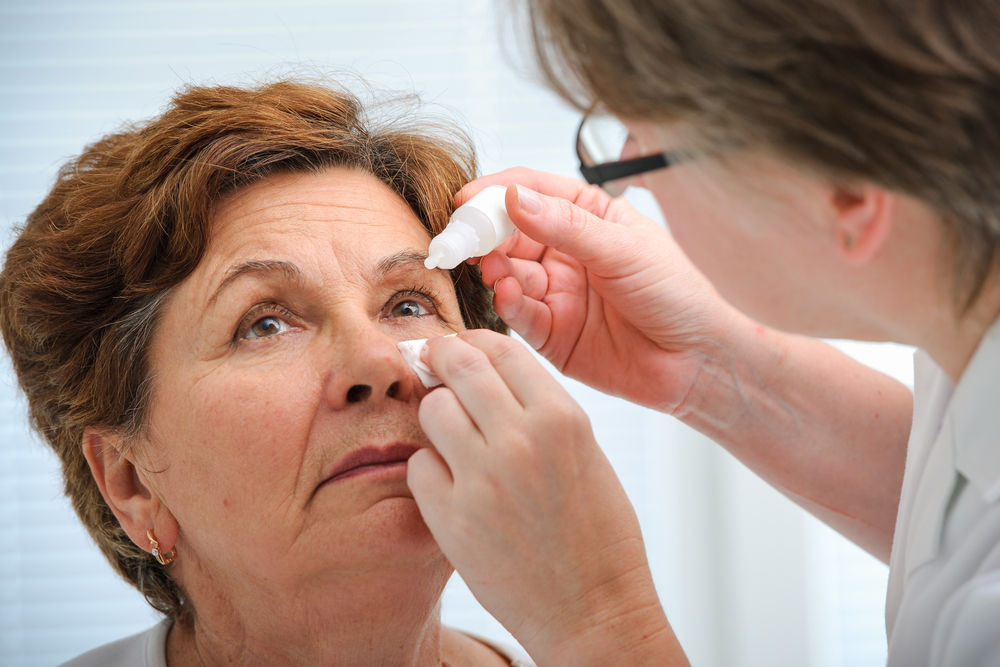
Eye drops for dry eyes

We’re rolling into another season of the year as summer winds down and the nights are getting dark earlier. September is National Healthy Ageing Month and we want to point out some advantages of annual exams and health visits. When it comes to your vision many diseases can be slowed down, stopped, or even reversed if caught early. Having routine screenings helps to give a baseline for your doctor to better be able to notice changes in your eyes.

If your eyes aren’t giving you any discomfort, they may become a second thought. However, a condition called dry eye can become unpleasant, painful and create a gritty feeling as well as blurred vision. Based on data from the National Health and Wellness Survey, 6.8 percent of the United States adult population (approximately 16.4 million people) have been diagnosed with Dry Eye Disease with women more likely to develop dry eyes after menopause.

Tears are made up of three layers. The layer closest to the cornea is a thin mucus that helps tears adhere to the surface. The middle layer contains the watery portion of the tears. The outer layer is composed of fatty oils. A proper mix helps maintain healthy tears, which coat and lubricate the eyes, nourish cells, wash away dust and other irritants to ward off infection and keep the surface smooth so you can see clearly.

Certain medical conditions can impact our tear function, triggering dry eye — among them, systemic autoimmune diseases (such as rheumatoid arthritis and lupus), as well as diabetes, strokes and thyroid problems. Antihistamines, decongestants, blood pressure medications, antidepressants, and anti-anxiety medication, and hormone replacement therapy to relieve symptoms of menopause can also lead to dry eyes.
If you suffer from dry eyes, these tips can help alleviate dry eye symptoms:

  • Take a tech break – using the 20 20 20 rule. Look away from the screen every 20 minutes, focusing on something 20 feet in the distance for at least 20 seconds.
  • Increase moisture in your environment with the use of a humidifier.
  • Protect your eyes from nature’s elements with wrap-around frames to protect from wind, frigid temps and bright sunlight.
  • Limit contact usage by switching to daily disposable lenses or wear glasses
  • Over-the-counter eye drops may provide some relief but prescription artificial tears may add relief if over the counter options don’t work.
  • Clean eyelids regularly with a mild cleanser or eyelid scrub such as Ocusoft.

Vision loss is not always noticeable immediately. Many times an individual can lose a significant amount of vision before it becomes noticeable. When vision loss is detected early, the person stands a much greater chance of being able to slow down or even prevent their vision loss.

Medical screenings are important too. Annual physicals, bloodwork, and regular cancer screenings can be a pivotal point of identifying a problem and taking the proper steps to treat it. These screenings also provide peace of mind that you are as healthy as you can be.

Diet and exercise also play in role in healthy aging. It’s easy to come home from a long day at the office, run through the take out window and grab a quick bite. Taking time to plan and cook meals on the weekend allows for better eating habits and healthier food all around.

Put regular exercise into your routine that will help shed some unwanted pounds. Take a walk at lunch or right after work if you can. As we grow older, gone are the responsibilities of running kids to their various activities. Make taking care of yourself the priority and put exercise into your calendar.

While we, at Bissell Eye Care, focus on vision and helping our patients to see to the best of their ability, we want to stress that importance of not just routine eye appointments, but all suggested medical appointments and screenings. As we age it becomes more important than ever to take care of yourself. The quality of our lives as we age, will depend on what we do today.

About Bissell Eye Care: John D. Bissell, OD owns and operates Bissell Eye Care servicing Northern Pittsburgh and Alle-Kiski Valley regions. With two locations to treat patients, we offer evening and Saturday appointments. Bissell Eye Care provides comprehensive eye examinations for the entire family beginning as early as 6 months, ocular disease detection and treatment, eyeglasses, sunglasses, activewear, contact lenses, and low vision examinations for those with significant vision loss. We accept most types of vision and health insurance plans. For more information, visit bisselleyecare.com or call our Bakerstown Office at 724-443-6767 or Natrona Heights office at 724-226-0444.

BACK TO SCHOOL EYE EXAMS


Attentive boy is looking in special apparatus, checking his sight. Portrait

A Back to School comprehensive eye exam can be a key to your child’s success at school. Will your child be among the 86% of children that don’t have a comprehensive vision exam before returning to school or entering school/preschool for the first time?

Vacations are almost over and we’re entering the back to school mode, a time for excitement and learning. Our children receive so much information at school….are they ready to thrive in today’s fast-paced and challenging educational environment? Technology can often add additional strain to your eyes. As schools issue iPads and computers, children spend more time in front of a screen.

Although a child may have 20/20 vision, they may experience a vision problem that could impact their ability to learn. Even if there are no complaints during the summer about blurry vision or headaches, children still need to have frequent eye exams. Just like their bodies are rapidly growing, children’s eyes are changing as well.

Having a clear vision is an essential part of the school experience because so much of learning is visual. An undiagnosed eye problem could result in an academic setback in just a few short months. Some behavior problems could be linked to vision issues. These students may seem uninterested or unfocused in school when in actuality they simply cannot see clearly.

Eye issues such as strabismus (misaligned eyes), astigmatism or amblyopia (lazy eye) are also detectable through an eye exam. For some eye conditions, vision can be permanently affected if the problem is not corrected. Regular exams mean earlier diagnosis and earlier treatment.

Myopia, or nearsightedness, is a common condition in children which often develops around the age of 6 or 7. This condition results when the cornea is curved too much or when the eye is longer than normal. When light comes into the eye, it is focused in front of the retina instead of directly on the retina and the child’s vision is blurred.

Nearsightedness can worsen rapidly, especially between the ages of 11 and 13, which means that an eye prescription can change dramatically over a short period of time. Changing eyesight is not a reason for worry, and vision tends to stabilize in the later teenage years and early twenties. During the growing years, it is important to make regular eye appointments with your child’s eye doctor. Making comprehensive eye exams a part of your back-to-school tradition guarantees that your children’s eyes are examined at least once every year.

Eighty percent of all learning is performed through vision. Especially with young children, learning to read and the ability track words is the building block of their educational experience. The longer a vision problem goes undiagnosed and untreated, the more a child’s brain will learn to accommodate the vision problem. This can lead to poor academics and frustration for all concerned.

At Bissell Eye Care, we look for delayed motor development, frequent eye rubbing, excessive blinking, failure to maintain eye contact, eye tracking skills, and the inability to maintain a gaze. These types of symptoms can affect the child’s ability to concentrate and learn.

Learning is fun. Make sure your child is equipped with the right tools to succeed. Start your child on the right track to learning with clear vision. From the doctors and staff at Bissell Eye Care, wishing you the best in the upcoming school year!

About the author: John D. Bissell, owner of Bissell Eye Care and Tri-State Low Vision Services, offers comprehensive eye examinations for the entire family, ocular disease detection and treatment, eye glasses, sun glasses, active wear, contact lenses, and low vision examinations for those with significant vision loss. He has undergone specialized training for treatment of low vision by the International Academy of Low Vision Specialists utilizing customized telescopic eyeglasses, prisms and telescopic implants for patients who qualify. The practice accepts most types of vision and health insurance plans.

Corneal-Topography

STATE-OF-THE-ART TECHNOLOGY IN EYE CARE

Corneal-TopographyEarlier this year, you may remember us talking about our OCT machine. OCT Angiography (OCTA) is a quick non-invasive piece of equipment which performs a test, allowing your eye doctor to see retinal vessels during your annual eye exam. OCTA is the only non-invasive way to visualize the vascular structure of your retina.

The machine allows us to look at the eye in a similar manner as an MRI. It takes a piece by piece view of the eye. Our optometrists then look at this imagery and are able to determine the health of your eyes, or if there are any concerns that need to be further addressed.

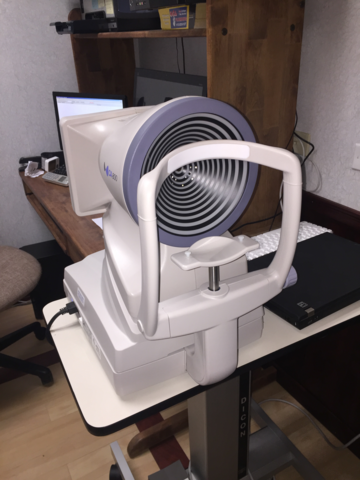
Our newest piece of equipment is located in the Natrona Heights office – a Topcon Corneal Topography Machine. Corneal topography is a procedure used to monitor and measure changes that may occur to the shape and integrity of the cornea of your eye.

Computerized corneal topography (also known as computer assisted corneal topography, computer assisted keratography, or video keratography) is a computer-assisted diagnostic technique in which a special instrument projects a series of light rings on the cornea, creating a color-coded map of the corneal surface as well.

The series of illuminated rings, referred to as a placido disc, are reflected back into the instrument. This process delivers accurate, high resolution images of the anterior corneal surface. Corneal topography testing provides the optometrists with a detailed description of various curvature and shape characteristics of the cornea. This type of testing is particularly helpful in pre and post op surgery.

Corneal-Topography-State-of-the-art-Technology

This information provided in the testing illustrates corneal astigmatism, detection of corneal pathologies and perfection of contact lens fitting. Through the use of the corneal topography machine, it provides the perfect platform for contact lens fitting. Simulation software is used in tandem with the testing, which automatically selects the best fitting contact lens based upon a complete contact lens database for all the main manufacturers.

If we break this down in very basic terms, when you look at a mountain, the OCT test looks at the land terrain by section and the Corneal Topography test is like a drone looking down at the overall shape of the mountain. If you combine both together, you are able to have a very comprehensive view of the overall structure of the mountain.

Bissell Eye Care invests in these types of diagnostic technologies to provide you and your family with comprehensive eye care services. If you have questions about these diagnostic tools, or other eye care concerns, give our office a call at 724-443-6767 or 724-226-0444.

About the author: John D. Bissell, owner of Bissell Eye Care and Tri-State Low Vision Services, offers comprehensive eye examinations for the entire family, ocular disease detection and treatment, eye glasses, sun glasses, active wear, contact lenses, and low vision examinations for those with significant vision loss. He has undergone specialized training for treatment of low vision by the International Academy of Low Vision Specialists utilizing customized telescopic eyeglasses, prisms and telescopic implants for patients who qualify. The practice accepts most types of vision and health insurance plans.

DIABETES AWARENESS MONTH

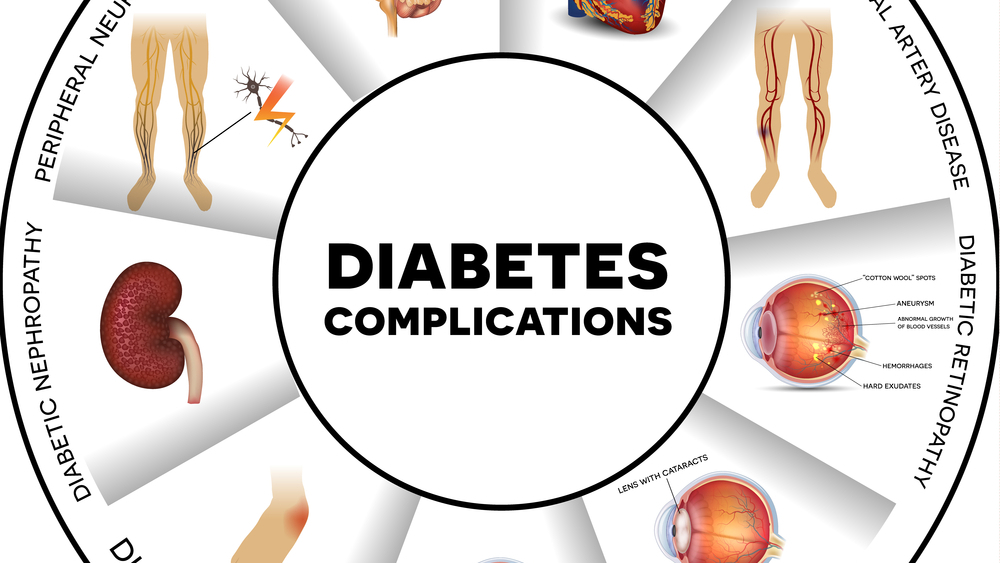
If you are one of the estimated 29.1 million people that have diabetes, then you have most likely had a discussion with you doctor about possible health related issues that comes with the disease. Diabetes also can have a negative effect on your eyesight. Obtaining regular screenings will allow you to monitor your health and react to any changes that may have occurred.

While it is important for everyone to maintain routine visits with their optometrist, people with diabetes need to be especially vigilant in scheduling their annual exams. Diseases such as Glaucoma, cataracts, and retinopathy are best treated when they are detected early. Talk to your eye doctor about any concerns or vision loss you may be experiencing for the best chances of early detection and treatment.

Glaucoma occurs when pressure builds inside the eye and is 40% more likely to occur in individuals who have diabetes. The pressure pinches blood vessels that carry blood to the retina and optic nerve. Vision is gradually lost as the retina and nerves are damaged from the increase in pressure. There are several treatments available for Glaucoma; however, some treatments may require surgery. Early detection of high pressure may be able to be managed by medication. Maintaining the proper eye pressure is key to preventing permanent damage to the eye.

As we age, many people run a higher risk of developing cataracts. Those with diabetes are 60% more likely to develop them. By detecting cataracts early you can help to slow down the progression. The typical corrective action for cataracts is to remove the lens of the eye. Patients then would typically receive a new transplanted lens. In people with diabetes, vision can get worse after the removal of the lens and glaucoma may start to develop so additional treatment may be necessary.

Retinopathy is a general term used for all disorders of the retina that are caused by diabetes. The good news that there have been giant strides in the past decade on treatment for retinopathy.

Have you noticed a pattern? Particularly those with diabetes must be extra vigilant with screenings and health checkups. The key to being able to keep your vision as clear as possible when you suffer from diabetes is early detection. Keep in mind that you often can lose more than 60% of your vision before you begins to see significant differences. Talk with your doctor if you have diabetes so you know what symptoms to look for and schedule your annual vision screening.

About the author: John D. Bissell, owner of Bissell Eye Care and Tri-State Low Vision Services, offers comprehensive eye examinations for the entire family, ocular disease detection and treatment, eye glasses, sun glasses, active wear, contact lenses, and low vision examinations for those with significant vision loss. He has undergone specialized training for treatment of low vision by the International Academy of Low Vision Specialists utilizing customized telescopic eyeglasses, prisms and telescopic implants for patients who qualify. The practice accepts most types of vision and health insurance plans.

HAVE YOU SPENT DOWN YOUR FLEXIBLE SPENDING ACCOUNT?

Perhaps you over budgeted for this year’s Flexible Spending Account (FSA) and coming to the end of the year have too much left in the account. Are you taking steps to use up those monies? Depending on your employer and the type of plan you have, left over monies may or may not be eligible to carry over into 2015. So now is the time to act.

Confused on how and what an FSA is? A Flexible Spending Account (FSA) is a tax-favored program offered by employers that allows their employees to pay for eligible out-of-pocket health care and dependent care expenses with pre-tax dollars. By using pre-tax dollars to pay for eligible health care and dependent care expenses, an FSA gives you an immediate discount on these expenses that equals the taxes you would otherwise pay on that money.

In other words, with an FSA, you can both reduce your taxes and get more for your money by saving from 20% to more than 40% of what you would normally pay for out-of-pocket health care and dependent care expenses with after-tax (as opposed to taxed) dollars.

Your participation in any FSA is completely voluntary, and it’s important to remember that unlike other Federal benefits, your FSA election is only effective for one Benefit Period. In other words, you must enroll each year that you choose to participate. If you do not enroll during Open Enrollment in November and December each year, you will not be able to participate in the next Benefit Period, unless you experience a Qualifying Life Event that allows you to make an election outside of Open Enrollment.

The most common type of FSA is used to pay for medical, vision and dental expenses not paid for by insurance; usually deductibles, copayments, and coinsurance for the employee’s health plan. Over-the-counter medical devices, such as bandages, crutches, and eyeglass repair kits are allowable. Generally, allowable items are the same as those allowable for the medical tax deduction, as outlined in IRS publication 502.

Some employers choose to issue a debit card to their employees who participate in the FSA. Participants may use the debit card to pay for their FSA-eligible expenses at the point of sale. Pharmacies and grocery stores who choose to accept the debit card as payment must disallow transactions at point of sale if the participant attempts to pay for items that are not eligible under an FSA. In addition, employers still must require employees to provide itemized receipts for all expenses charged to the debit card.

The key in budgeting and using the FSA account is unless your employer approves carrying monies forward into the next year, these pretax dollars must be spent in the current calendar year. So as the year comes to a close, if you have monies left in your account, consider purchasing a new pair of eye glasses, extra contact lenses, contact solution or some other type of approved medical deduction so you don’t lose monies you’ve put into your account.

About the author: John D. Bissell, owner of Bissell Eye Care and Tri-State Low Vision Services, offers comprehensive eye examinations for the entire family, ocular disease detection and treatment, eye glasses, sun glasses, active wear, contact lenses, and low vision examinations for those with significant vision loss. He has undergone specialized training for treatment of low vision by the International Academy of Low Vision Specialists utilizing customized telescopic eyeglasses, prisms and telescopic implants for patients who qualify. The practice accepts most types of vision and health insurance plans.

bissell-sized

BISSELL EYE CARE EXPANDS LOCATIONS

bissell-sizedAs a high school student, Dr. John Bissell always knew he wanted to be an optometrist.  He job shadowed under Dr. Roger Johnson and learned first-hand what owning your own practice meant.   In April 2010, Dr. Bissell had an opportunity to purchase his first practice in Bakerstown.

During Dr. Bissell’s early years in private practice, Dr. Johnson continued to serve as a mentor.  Bissell Eye Care has quickly grown over the past four years to become a premiere eye care center serving the northern Pittsburgh suburbs.

The time has come for Dr. Johnson to retire and the mentor is passing the torch to the mentee as Dr. Bissell expands his practice.  Dr. Bissell has purchased Dr. Johnson’s practice and is now practicing out of both Bakerstown and Natrona Heights office located at 1629 Union Ave, Natrona Heights, PA 15065, phone (724) 226-0444.

Dr. Johnson will continue to see patients a couple of days a week in the Natrona Heights office until he helps Dr. Bissell with the transition of the practice.  Patients will receive the same great service that both doctors have delivered over the years.  We look forward to serving the northern Pittsburgh suburbs and now the Alle-Kiski Valley for years to come.

About the author:  John D.  Bissell, owner of Bissell Eye Care and Tri-State Low Vision Services, offers comprehensive eye examinations for the entire family, ocular disease detection and treatment, eye glasses, sun glasses, active wear, contact lenses, and low vision examinations for those with significant vision loss. He has undergone specialized training for treatment of low vision by the International Academy of Low Vision Specialists utilizing customized telescopic eyeglasses, prisms and telescopic implants for patients who qualify.  The practice accepts most types of vision and health insurance plans.

Guess Frames

TIPS ON CHOOSING EYEGLASS FRAMES

Guess FramesIt’s time to update your look here are some tips on choosing the best eyeglass frames for your facial features and body makeup.  Don’t be overwhelmed with the amount of eyeglass frames and styles to choose from.    Our technicians are trained to help you select the best fit for your face and body make up from the many brands of eye glass frames featured in our showroom.

Cosmopolitan Magazine recently highlighted how celebrities are choosing the right style to fit their facial features.  Glasses become a focal point, being one of the first things noticed about you, so it’s important to choose eyeglasses that flatter you and are consistent with the image you want to portray.

These are things we consider in helping you make your selection:

Prescription — Some prescriptions such as bifocals may require a maximum/minimum depth or thickness of glass or height.  This may eliminate some types of frames.

Body scale — choose glasses that are in keeping with your body scale and the size of your facial features. For example, if you have a small body scale then choose frames with a small to medium-thick frame.  Likewise you want to be sure if you have a rounder face, the frames don’t look too small.

Lifestyle — consider where you will wear the glasses. Will they be practical for the activity or event? For example: will they stay on for your sporting activity or should you invest in protective sportswear? If you are in outside sales and are in and out of the car multiple times a day, transition lenses may not be the best option.

Your coloring — choose glasses that are in your best color range and that will work with the clothes you intend to wear them with.

Style personality — And finally, do the glasses reflect your personality and complete the image you wish to project? For example, if you favor dramatic, statement clothes and accessories you will be best with statement eyeglasses as well. Go for bold colors, exaggerated design details and heavy-looking frames rather than frameless or light-looking glasses.

So now that we’ve got you thinking about what you may want your next pair of frames to look like, stop in, browse our showroom and see the new selections for spring fashion!

About the author:  John D.  Bissell, owner of Bissell Eye Care and Tri-State Low Vision Services, offers comprehensive eye examinations for the entire family, ocular disease detection and treatment, eye glasses, sun glasses, active wear, contact lenses, and low vision examinations for those with significant vision loss. He has undergone specialized training for treatment of low vision by the International Academy of Low Vision Specialists utilizing customized telescopic eyeglasses, prisms and telescopic implants for patients who qualify.  The practice accepts most types of vision and health insurance plans.

Eye Injuries and Snowball Fights

Avoid eye injuries from snowball fights. Pittsburgh has seen a good dose of winter already.  We’ve encountered delays and school closings due to the arctic temperatures. But those same winter conditions are ripe for eye injuries received as a result of a good snowball fight.

The fact is that children and adults will always enjoy a good romp in the snow, making snow forts, snow angels sledding and throwing snowballs. So, please play it safe and avoid eye injuries.  Never aim for the head and do not use snowballs that contain chunks of ice or other debris.

During the winter season, emergency room doctors see a number of injuries related to sports like skiing, snowboarding, snow tubing, and sledding. Regular eyeglasses and contact lenses do not offer adequate protection from sports-related eye injuries. We recommend the use of protective eye wear for winter sports, including downhill skiing, snowboarding, and snow tubing.  The lenses are made with polycarbonate lenses, so they’re impact resistant and good for all sports.

On a sunny day on the ski slopes, the snow can create sun glare that is harmful to your eyes.  In addition to tinted goggles for skiing, it’s good to have a pair of sunglasses on hand for hanging out in the lodge. Ski goggles help to protect your eyes from wind and ice particles, as well as minimize injury during a fall.

Cold-related injuries common to winter and snow sports that related to cold and wet conditions include:

•           Blisters on toes, heels and feet caused by the friction of wet socks and badly fitting footwear can cause blisters on

•           Sprains and strains and soft tissue injuries due to less elasticity in ligaments causing injuries in knees, shoulders and wrists due to falls while skiing, snowboarding or ice skating.

•           Hypothermia occurs when the body’s temperature falls below 35°C. Symptoms include: shivering, drowsiness and lack of coordination. The person may lie down to rest, lapse into unconsciousness and die if not treated quickly.

•           Frostbite – this occurs when the tissues of the skin freeze. Ice crystals in and around skin cells block the movement of blood through the fine blood vessels (capillaries), which means the skin is deprived of oxygen and nutrients and dies.  We’ve seen some of that on the news recently.

•           Sunburn – ultraviolet radiation is present, even in cold and cloudy conditions. This, and the reflections off the snow, can cause sunburn to exposed skin. What many people may think is ‘windburn’ is actually sunburn.

•           Snow blindness – this is sunburn of the cornea of the eye, caused by ultraviolet radiation. Symptoms include painful, watery eyes and temporary blurring of vision equipment.

Most cold related injuries can be prevented with planning, adequate preparation and proper equipment.

About the author:  John D.  Bissell, owner of Bissell Eye Care and Tri-State Low Vision Services, offers comprehensive eye examinations for the entire family, ocular disease detection and treatment, eye glasses, sun glasses, active wear, contact lenses, and low vision examinations for those with significant vision loss. He has undergone specialized training for treatment of low vision by the International Academy of Low Vision Specialists utilizing customized telescopic eyeglasses, prisms and telescopic implants for patients who qualify.  The practice accepts most types of vision and health insurance plans.