
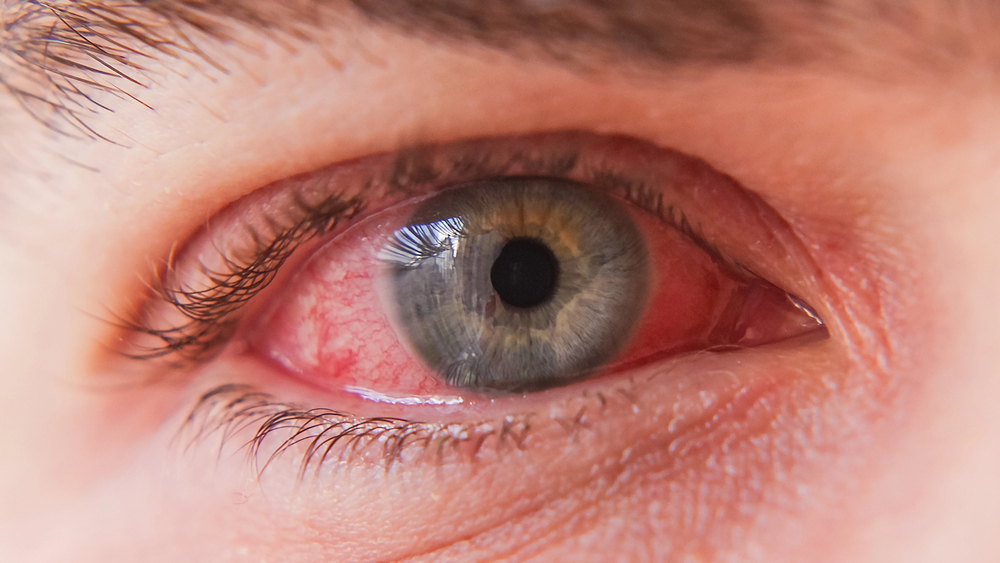
severe-flu-season-and-pink-eye

Severe Flu Season and Pink Eye

What You Need to Know to Protect Your Eyes

This flu season has been especially severe, with viruses spreading quickly through schools, workplaces, and communities. Along with influenza and other respiratory illnesses, eye infections—particularly pink eye (conjunctivitis)—tend to rise during peak flu season. Understanding the different types of pink eye, how it spreads, and how to prevent it can help protect both your eye health and overall wellness.

What Is Pink Eye?

Pink eye, or conjunctivitis, is an inflammation of the conjunctiva—the clear tissue covering the white part of the eye and the inside of the eyelids. It often causes redness, irritation, discharge, and watering of the eyes. While pink eye is common and usually not serious, some forms are highly contagious and require prompt care.

Types of Pink Eye

There are several types of pink eye, each with different causes and treatments:

1. Viral Pink Eye

Viral conjunctivitis is the most common type and is often associated with colds, the flu, or other upper respiratory infections. It spreads easily through coughing, sneezing, and contact with contaminated surfaces.

Symptoms may include:

  • Red or watery eyes
  • Burning or gritty sensation
  • Light sensitivity
  • Clear or watery discharge

Viral pink eye usually resolves on its own, but it can be very contagious.

2. Bacterial Pink Eye

Bacterial conjunctivitis is caused by bacteria and is more common in children, though adults can be affected as well.

Symptoms may include:

  • Thick yellow or green discharge
  • Crusting of the eyelids, especially in the morning
  • Redness and swelling

Antibiotic eye drops or ointments are often prescribed to speed recovery and reduce contagiousness.

3. Allergic Pink Eye

Allergic conjunctivitis is not contagious and is triggered by allergens such as pollen, dust, or pet dander.

Symptoms may include:

  • Itching
  • Redness in both eyes
  • Tearing and swelling

Treatment typically includes allergy eye drops and avoiding known triggers.

4. Irritant or Chemical Pink Eye

This type is caused by exposure to smoke, chemicals, chlorine, or foreign objects. Symptoms usually improve once the irritant is removed and the eye is flushed.

Prevention: Handwashing Matters More Than Ever

During a severe flu season, good hygiene is your first line of defense against pink eye and other infections.

Key prevention tips include:

  • Wash hands frequently with soap and water for at least 20 seconds
  • Avoid touching or rubbing your eyes
  • Do not share towels, washcloths, makeup, or eye drops
  • Disinfect commonly touched surfaces like doorknobs, phones, and keyboards
  • Replace eye makeup after an eye infection
  • Practice proper contact lens hygiene and never sleep in lenses unless prescribed

Parents should encourage frequent handwashing at home and remind children to avoid touching their eyes at school.

Treatment and When to See the Doctors at Bissell Eye Care

If you develop symptoms of pink eye, it’s important to schedule an eye exam. Our doctors can determine the type of conjunctivitis and recommend appropriate treatment. Using the wrong medication—or waiting too long—can prolong symptoms or increase the risk of spreading the infection.

Seek care promptly if you experience:

  • Eye pain or light sensitivity
  • Blurred vision
  • Symptoms that worsen or do not improve
  • Thick discharge or swelling

Protect Your Eyes During Flu Season

With the severe flu season underway, staying vigilant about eye health is essential. Pink eye may seem minor, but it can disrupt daily life and spread quickly without proper care.

Simple steps like handwashing, avoiding eye contact, and timely eye exams go a long way in keeping your eyes healthy. If you or a family member notice signs of pink eye, contact the doctors at Bissell Eye Care for guidance and treatment.

Healthy habits today can help keep your eyes—and your family—seeing clearly all season long.


About Bissell Eye CareJohn D. Bissell, OD, is the owner of Bissell Eye Care, proudly serving the Northern Pittsburgh and Alle-Kiski Valley regions. Dr. Bissell has received advanced training through the International Academy of Low Vision Specialists, enabling him to help patients living with vision impairment and low vision challenges. With two convenient office locations and evening appointments available, Bissell Eye Care offers comprehensive eye exams for the entire family—starting as young as six months. Our services include ocular disease detection and treatment, prescription eyeglasses and sunglasses, specialty activewear eyewear, contact lenses, and dedicated low vision evaluations for those with significant vision impairment and vision loss. We accept most vision and health insurance plans. To learn more, visit bisselleyecare.com or call our Bakerstown office at 724-443-6767 or our Natrona Heights office at 724-226-0444.

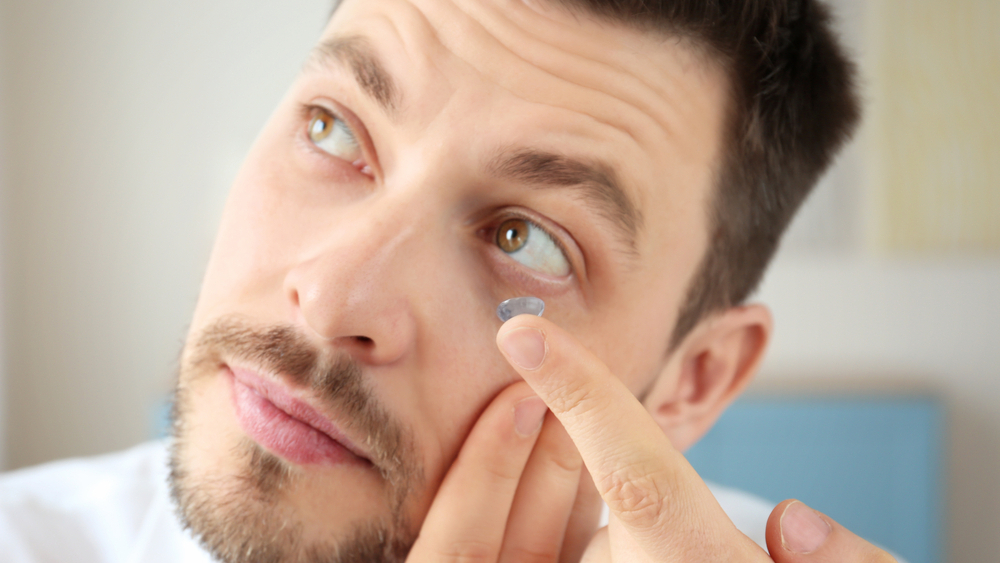
man wtih head tilted back putting eye drops in eyes pink eyes

Pink Eye 101: Causes, Types, and Seasonal Triggers

As another season of cold and flu ramps up, another unwelcome visitor often tags along—pink eye, also known as conjunctivitis. Pink eye is a common condition, particularly during colder months, when respiratory illnesses are more prevalent. Let’s take a closer look at what causes pink eye during this time, the different types of conjunctivitis, and how to protect your eyes.

Why Does Cold and Flu Season Lead to More Cases of Pink Eye?

The cold and flu season creates the perfect environment for the spread of viruses and bacteria, which are leading culprits of pink eye. Here’s how it happens:

Respiratory Infections: Viruses like adenovirus, often responsible for colds, can also cause viral conjunctivitis. Sneezing, coughing, or touching your eyes after handling contaminated surfaces spreads the virus quickly.

Weakened Immune System: When your body is busy fighting off a cold or the flu, your immune system may be less effective at protecting your eyes from infection.

Close Contact Indoors: During colder months, people tend to spend more time indoors, increasing close contact and the likelihood of sharing germs.

Types of Conjunctivitis

There are three main types of pink eye, each with distinct causes and symptoms:

Viral Conjunctivitis:

  • Cause: Viruses like adenovirus, often linked to colds.
  • Symptoms: Watery discharge, redness, and irritation in one or both eyes.
  • Contagiousness: Highly contagious and often spreads in schools, workplaces, or households.

Treatment: No specific treatment; symptoms typically resolve within 7-14 days. Use a cold compress and artificial tears to relieve discomfort.

Bacterial Conjunctivitis:

  • Cause: Bacteria such as Staphylococcus or Streptococcus.
  • Symptoms: Thick, yellow, or greenish discharge that may cause eyelids to stick together, redness, and swelling.
  • Contagiousness: Extremely contagious and often spread through direct contact or shared items like towels.

Treatment: Requires antibiotics, either in the form of eye drops or ointments, prescribed by the doctors at Bissell Eye Care or your primary care doctor.

Allergic Conjunctivitis:

  • Cause: Allergens like pollen, pet dander, or dust mites.
  • Symptoms: Itchy, watery eyes, redness, and swelling. Symptoms often occur in both eyes.
  • Contagiousness: Not contagious.

Treatment: Over-the-counter or prescription allergy medications and eye drops can help.

How to Prevent Pink Eye During Cold and Flu Season

There are several steps you can take to reduce your risk of pink eye:

Wash Your Hands Frequently: Use soap and water to wash your hands thoroughly, especially after touching your face, coughing, or sneezing.

Avoid Touching Your Eyes: Try to avoid rubbing your eyes, as this can transfer germs directly to the eye.

Disinfect Common Surfaces: Regularly clean surfaces like doorknobs, keyboards, and smartphones to prevent the spread of bacteria and viruses.

Use Your Own Towels and Makeup: Sharing items like face towels, eye makeup, or contact lens cases can increase the risk of spreading pink eye.

Practice Respiratory Hygiene: Cover your mouth and nose with a tissue or your elbow when you sneeze or cough, and dispose of tissues immediately.

Stay Home If You’re Sick: If you have cold or flu symptoms, staying home can help prevent the spread of germs to others.

While many cases of pink eye resolve on their own, you should see the doctors at Bissell Eye Care if:

  • Your symptoms persist for more than a week.
  • You experience significant pain, blurred vision, or sensitivity to light.
  • You have a weakened immune system or an existing eye condition.

Our doctors can diagnose the type of conjunctivitis you have and recommend the best course of treatment to get you back to feeling—and seeing—your best.

Pink eye may be common during cold and flu season, but with proper hygiene and quick action, you can protect your eyes and reduce the risk of spreading this condition. If you suspect you or your child may have pink eye, don’t hesitate to schedule an appointment by calling 724-443-6767 or 724-226-0444. Healthy eyes are always worth it!


About Bissell Eye Care: John D. Bissell, OD owns and operates Bissell Eye Care servicing Northern Pittsburgh and Alle-Kiski Valley regions. With two locations to treat patients, we offer evening appointments. Bissell Eye Care provides comprehensive eye examinations for the entire family beginning as early as 6 months, ocular disease detection and treatment, eyeglasses, sunglasses, activewear, contact lenses, and low vision examinations for those with significant vision loss. We accept most types of vision and health insurance plans. For more information, visit bisselleyecare.com or call our Bakerstown Office at 724-443-6767 or Natrona Heights office at 724-226-0444.

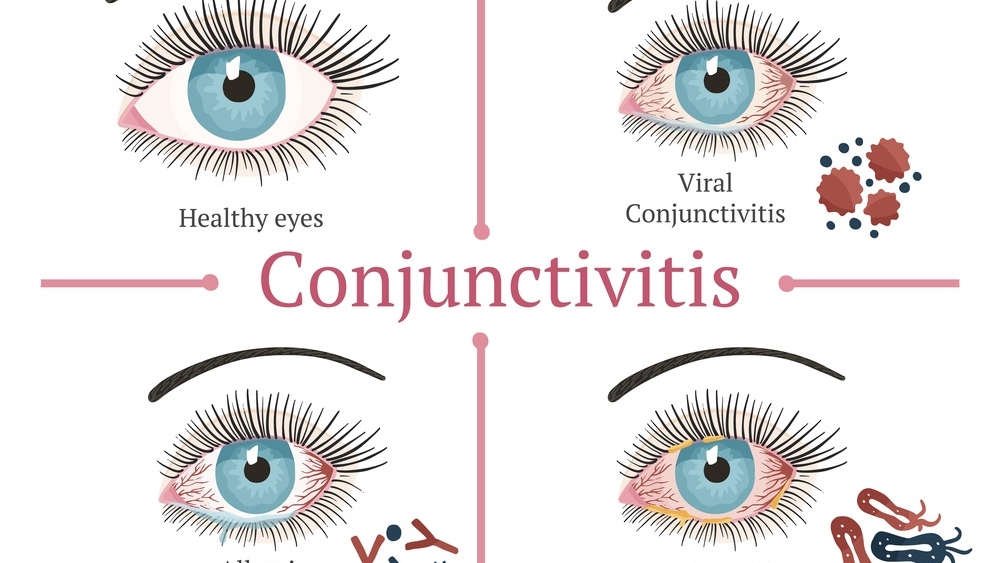
A-Square-outline-divided-in-4-quadrants-showing-an-illustration-with-4-eyeballs-with-different-types-of-conjunctivitis.

Is it Pink Eye?

Flu season is in full swing with the flu and conjunctivitis often referred to as pink eye often goes hand in hand with a cold or flu. While it might sound like a minor inconvenience, pink eye can be uncomfortable and, in some cases, highly contagious. Nonetheless, proper handwashing can be the key to not spreading those nasty germs.

Pink eye, or conjunctivitis, is caused by inflammation of the conjunctiva, which is the tissue that lines the inside of the eyelid and helps to keep the eyelid and eyeball moist. The condition can be caused by bacteria, a virus, allergens, or other irritants. The same viruses that cause colds and the flu—such as adenovirus, enterovirus, and influenza virus—can also cause pink eye.

Cold and flu viruses can cause pink eye by traveling through the tear duct from the nose to the eye. However, most pink eye cases are caused by failing to wash your hands after you blow your nose or if you unknowingly touch a surface or object that someone with the flu or a cold has recently touched. If you then rub your eyes, you’re transferring the virus or bacteria to your eyes.

  • Viral Conjunctivitis is the most common form of pink eye and is often associated with the same viruses responsible for the common cold. It is highly contagious and can spread through respiratory droplets or by touching contaminated surfaces.
  • Bacterial Conjunctivitis is caused by bacteria such as Staphylococcus or Streptococcus and is a result of exposure to contaminated hands, towels, or other personal items. It is also highly contagious and may cause more severe symptoms than viral conjunctivitis.
  • Allergic Conjunctivitis is associated with allergens like pollen, pet dander, or dust mites leading to pink eye symptoms. Unlike viral or bacterial conjunctivitis, this type is not contagious.
  • Irritant Conjunctivitis occurs with exposure to irritants like smoke, chlorine, or harsh chemicals can cause irritation and redness in the eyes, resembling pink eye symptoms. This form of conjunctivitis is also not contagious.

Symptoms that present with conjunctivitis include:

  • Gritty feeling in the eye or both eyes
  • Excessive tearing
  • Itchy or burning sensation
  • Discharge and/or swollen eyelids
  • Pink Discoloration
  • Sensitivity to light

Various forms of conjunctivitis are contagious so take these steps to avoid “sharing the joy” with others:

  • Practice good hygiene and teach your children how to properly wash their hands.
  • Don’t touch your face with your hands.
  • Avoid using cosmetics and eye care items and discard those currently used (particularly mascara) when first diagnosed with conjunctivitis to prevent spreading the infection.
  • Change towels and washcloths daily and avoid sharing with others.
  • Avoid wearing contact lenses and dispose of those used at the start of the infection.

Pink eye can last from 10 days to two weeks, but there are several treatment options available depending on the cause and severity that can help alleviate your symptoms. Topical steroid drops and/or antibiotics based on which type of conjunctivitis you have will be used to treat conjunctivitis. Viral conjunctivitis much like the common cold must run the course and only in severe cases are steroids used.

The best course of action is to schedule an appointment with your optometrist to properly diagnose and treat your infection. At Bissell Eye Care, we also have tests that examine the optic nerve to ensure there’s not an underlying problem that can become more serious. If in doubt, don’t delay – have your eyes checked for infection.


About Bissell Eye Care: John D. Bissell, OD owns and operates Bissell Eye Care servicing Northern Pittsburgh and Alle-Kiski Valley regions. With two locations to treat patients, we offer evening and Saturday appointments. Bissell Eye Care provides comprehensive eye examinations for the entire family beginning as early as 6 months, ocular disease detection and treatment, eyeglasses, sunglasses, activewear, contact lenses, and low vision examinations for those with significant vision loss. We accept most types of vision and health insurance plans. For more information, visit bisselleyecare.com or call our Bakerstown Office at 724-443-6767 or Natrona Heights office at 724-226-0444.

Happy face kid smile.Close up portrait joy child outdoors. Little boy playful smiling holding dandelions on eyes as eyeglasses. Joyful childhood, summer day. Background green grass

Mild Winter Brings Early Allergy Season And Eye Infections

The mild winter and early spring in Pittsburgh have been one for the record books. While this might sound like a welcome change for many, it’s also resulted in an early high allergy season and an uptick in cases of conjunctivitis, or pink eye.

Conjunctivitis is an inflammation or infection of the conjunctiva, the thin, clear layer of tissue that lines the inside of the eyelid and covers the white part of the eye. It can be caused by a variety of factors, including viruses, bacteria, allergens, and irritants.

Are you experiencing these symptoms?

  • Redness in the white of the eye or inner eyelid
  • Itchy eyes
  • Swelling of the eyelid
  • Blurred vision
  • Increased amount of tears

The three most common types of conjunctivitis are:

  • Viral Conjunctivitis: is caused by a virus, typically the same virus that is a result of having a common cold. It’s highly contagious and can be spread through direct contact with an infected person or by touching contaminated surfaces. Symptoms include redness, itching, tearing, and discharge from the eyes. There is no specific treatment for viral conjunctivitis, but symptoms can be managed with artificial tears, cold compresses, and over-the-counter medications for pain relief.
  • Bacterial Conjunctivitis: is caused by bacteria and can be either acute or chronic. It’s also highly contagious and can be spread through direct contact with an infected person or by touching contaminated surfaces. Symptoms include redness, itching, tearing, and discharge from the eyes, often accompanied by crusting or stickiness. Unlike viral conjunctivitis, bacterial conjunctivitis can be treated with antibiotic eye drops or ointment. Did you know the bacteria that causes pink eye is the same bacteria that cause strep throat? Both bacterial and viral conjunctivitis are easily spread from person to person.
  • Allergic Conjunctivitis: is caused by an allergic reaction to an irritant, such as pollen, dust, or pet dander. It’s not contagious and typically affects both eyes. Symptoms include redness, itching, tearing, and swelling of the eyelids. Allergic conjunctivitis can be treated with antihistamines, decongestants, and topical corticosteroids.

In addition to these three main types of conjunctivitis, there are also other types that are less common but can still cause significant discomfort and irritation.

These include:

  • Chemical Conjunctivitis: is caused by exposure to irritants such as smoke, fumes, or chemicals. Symptoms include redness, tearing, and a feeling of burning or stinging in the eyes.
  • Neonatal Conjunctivitis: affects newborn babies and is typically caused by a bacterial infection acquired during delivery. Symptoms include redness, swelling, and discharge from the eyes. It can be treated with antibiotic eye drops or ointment.
  • Giant Papillary Conjunctivitis: is a chronic condition that typically affects contact lens wearers or people with artificial eyes. It’s caused by the buildup of protein deposits on the surface of the eye and can result in redness, itching, tearing, and discomfort when wearing contact lenses.

If you are experiencing eye irritation symptoms, take steps to avoid rubbing or touching your eyes, practice good hygiene, and avoid potential irritants.  These actions can help minimize symptoms and promote healing.

Overall, conjunctivitis can be a frustrating and uncomfortable condition to deal with, but it can be effectively managed with proper treatment and care. If you’re experiencing symptoms of conjunctivitis, it’s important to contact the doctors at Bissell Eye Care at 724-443-6767 or 724-226-0444 for an accurate diagnosis and treatment plan.


 About Bissell Eye Care: John D. Bissell, OD owns and operates Bissell Eye Care servicing Northern Pittsburgh and Alle-Kiski Valley regions. With two locations to treat patients, we offer evening and Saturday appointments. Bissell Eye Care provides comprehensive eye examinations for the entire family beginning as early as 6 months, ocular disease detection and treatment, eyeglasses, sunglasses, activewear, contact lenses, and low vision examinations for those with significant vision loss. We accept most types of vision and health insurance plans. For more Information, visit bisselleyecare.com or call our Bakerstown Office at 724-443-6767 or Natrona Heights office at 724-226-0444.

watery eyes

Why Do My Eyes Water?

Our bodies produce tears to keep our eyes lubricated, and to help remove any foreign bodies. But when the body produces too many tears, or tear drainage is affected, the result is excessively watery eyes. While not necessarily harmful, watery eyes can be troublesome and irritating. Thankfully, this condition can usually be treated quickly and effectively.

Watery eyes are characterized by an excess of tears, which can give the eyes a glassy look, and may result in tears running or dripping from the eyes.

In older adults, persistent watery eyes may occur as the aging skin of the eyelids sags away from the eyeball, allowing tears to accumulate and flow out. Dry eye syndrome, also called keratitis sicca, keratoconjunctivitis sicca, or xerophthalmia is a recurrent or persistent sensation of dryness of the eyes. The condition is uncomfortable and it can interfere with your quality of life. You may have trouble keeping your eyes open or you may not be able to work or drive due to severe dryness of your eyes. Dry eye disease can vary from mild to extremely severe.

Reflex Tears

Dry eyes can actually cause your eyes to water. The tears are similar to the tear production that is triggered when something gets in your eye. They are called reflex tears. Reflex tears don’t have the same lubricating qualities as the tears that normally protect your eyes, so they do not prevent dry eyes.

Infant and Toddler Watery Eyes Causes

Watery eyes can be a symptom of numerous medical conditions. A likely cause of watery eyes in infants can be blocked tear ducts. These often resolve on their own.

Other causes of watery eyes in infants and toddlers include infections like conjunctivitis (pink eye) or the common cold. Like adults, your child may experience watery eyes from irritants or hay fever.

Your child’s watery eyes can also be a symptom of a common cold. Children are more susceptible to colds than adults because they’ve not built up immunity and often touch their eyes, nose, and mouth, causing more germs to spread. Your child may develop watery eyes along with other cold symptoms like a stuffed or runny nose and sneezing.

Conjunctivitis, also known as pink eye, may be causing the watery eyes. This can occur in children or adults at any time. Pink eye occurs when a virus or, less commonly, bacteria get into the eye. Conjunctivitis can also be caused by irritation.

Teens And Older Adults With Too Many Tears

Tear over-secretion is usually caused by irritation or inflammation of the surface of the eye. This can occur for a number of reasons, including eyelash and eyelid problems or allergies. Oddly, a dry eye problem can sometimes cause watery eyes because the eye produces excess tears to combat the irritation and dryness.

Treatments

In the case of excessive tear production, watery eyes can often be treated very simply, with eye drops, warm compresses or sometimes medication. Treatment for tear drainage problems is usually surgical, but there’s no need to worry, as most surgical treatments are quick and highly effective.

The various causes of watery eyes in babies and toddlers require different treatments. Some require minimal action on the part of the parents, while other treatments include prescription medications or surgery.

Contact our office at 724-443-6767 or 724-226-0444 with any concerns you may have regarding watery eyes or any other eye condition.


About Bissell Eye Care: John D. Bissell, OD owns and operates Bissell Eye Care servicing Northern Pittsburgh and Alle-Kiski Valley regions. With two locations to treat patients, we offer evening and Saturday appointments. Bissell Eye Care provides comprehensive eye examinations for the entire family beginning as early as 6 months, ocular disease detection and treatment, eyeglasses, sunglasses, activewear, contact lenses, and low vision examinations for those with significant vision loss. We accept most types of vision and health insurance plans. For more nformation, visit bisselleyecare.com or call our Bakerstown Office at 724-443-6767 or Natrona Heights office at 724-226-0444.
Beautiful little curly girl blowing dandelion, horizontal shot

Spring Weather, Allergies and Eye Infections

Spring has sprung and the buds are ready to burst. For some individuals it means watery eyes and eye infections! It’s that time of the year, the time when the weather becomes warmer, you want to get outside and all the plants and trees start to bloom. As spring approaches learn how to help prevent watery eye symptoms and avoid eye infections.

Among eye infections associated with allergies, pink eye is one the most common. Pink eye or conjunctivitis is inflammation of the thin, clear covering of the white of the eye and the inside of the eyelids. While this part of the eye is clear it contains small blood vessels. When an infection occurs these blood vessels dilate, giving the eye the red color. These infections are more frequently experienced by those who are in close proximity to others such as students, school workers, daycare workers and medical professionals. Did you know the bacteria that cause pink eye is the same bacteria that cause strep throat? Both bacterial and viral conjunctivitis are easily spread from person to person.

Bacterial and Viral Pink Eye are contagious and are spread by direct contact with an infected person’s bodily fluids, usually through hand-to-eye contact. Not cleaning contact lenses properly can also lead to infection. We talk about decorative contacts a lot during the Halloween season. These types of contacts pose infection risks as well. Allergic pink eye is not contagious and is often associated with pollen, dust, or sometimes pet dander.

Treatments

  • Allergic: Allergy medications can often help to prevent or shorten the duration of the infection. It is a common practice to start the medication prior to allergy season or known flare-ups.
  • Bacterial: An optometrist appointment is necessary and they will prescribe eye drops.
  • Viral: This form of infection will run its course over several days. Using a cold wet compress will help relieve some of the symptoms. Do not share this compress as the viral form of conjunctivitis is the most contagious.As we approach spring and allergy season follow these tips to help prevent eye infections.

Stop the Spread

  • Don’t share items such as washcloths, tissues, or towels.
  • Avoid rubbing or touching your eyes after covering your mouth to cough or sneeze.
    Never share contact lenses with anyone.
  • Bacteria can live in makeup. This can cause pink eye which can lead to a dangerous infection of the cornea. Do not use eye makeup while your eyes are infected. Replace your makeup if you have an eye infection. And never share eye makeup with others.
  • If you experience seasonal allergies, consult your doctor on how to minimize symptoms.
    Wash hands frequently, especially in areas of high public traffic (schools, daycares, public places).

If you do experience an infection, don’t hesitate to contact the doctors at Bissell Eye Care to confirm if you will need medication to help combat the infection and prevent future eye damage.


About Bissell Eye Care: John D. Bissell, OD owns and operates Bissell Eye Care servicing Northern Pittsburgh and Alle-Kiski Valley regions. With two locations to treat patients, we offer evening and Saturday appointments. Bissell Eye Care provides comprehensive eye examinations for the entire family beginning as early as 6 months, ocular disease detection and treatment, eyeglasses, sunglasses, activewear, contact lenses, and low vision examinations for those with significant vision loss. We accept most types of vision and health insurance plans. For more information, visit bisselleyecare.com or call our Bakerstown Office at 724-443-6767 or Natrona Heights office at 724-226-0444.

Contact Lenses

TIPS TO AVOID MISUSE OF CONTACT LENSES

Contact lenses – you either love them or can’t wear them. If you are a contact lens wearer you have more than likely noticed how far we have come in the development of contact lenses since you started using them. Perhaps you have also been guilty of ignoring the wearing and care instructions from your optometrist. In a recent study 99% of people admitted they practiced at least one bad habit with their contact lenses and that puts them at a higher risk for eye infections.

Contacts are a convenient alternative to wearing eyeglasses. If you are like many Americans you have become quite accustomed to your contacts and may sometime forget you have them in. This usually leads to pushing the envelope on wearing them or leaving contacts in at times when you should not. Contaminated solutions can lead to infection. Are you changing the solution in your cases daily?

While contacts are more convenient and provide a greater range of clarity than glasses, improper handling can lead to eye infections. People who wear contact lenses have a higher risk for keratitis, an infection of the cornea, the clear outer covering of your eye. They’re also called corneal ulcers. Viruses, bacteria, fungi, and a rare but serious eye parasite can also cause keratitis.

Depending on the type of contact lenses you have, some of the most common misuses for contacts are:

  • Wearing contact lenses overnight while sleeping.
  • Napping while wearing lenses.
  • Nonuse of a sterile wetting solution
  • Topping off your disinfecting solution in lens storage case rather than emptying it and using new solution.
  • Using your contact lenses longer than recommended.
  • Not replacing the lens storage case at least once every 3 months.

Not surprising that of those surveyed nearly one-third of respondents reported having red and or painful eye pain that resulted in a visit to the doctor.

Mild pinkeye can be caused by solutions used for cleaning contacts. It is important to clean your contacts thoroughly to remove any virus or bacteria from the contacts after having pinkeye. If the contacts are not thoroughly cleaned, they can re-infect your eye. Do not wear contact lenses until the pinkeye is gone. Sterilize your contacts, and clean your storage case. If you wear disposable contacts, use a new pair when your eye has cleared and it is safe to wear contacts again. Wait at least 2 days after the symptoms are gone before you wear contacts again.

Following these steps along with the recommended use from the contact lens manufacturer will help to prevent eye irritation or infection. If you do find that your eye becomes irritated take the contact lenses out immediately and use your prescription glasses. If the irritation and pain become worse or does not improve, seek medical attention immediately as these are signs of an infection in the eye.

Enjoy clearer vision with contact lenses, but follow the recommendations for care and cleaning to prevent infection.

About Bissell Eye Care: John D. Bissell, OD owns and operates Bissell Eye Care servicing Northern Pittsburgh and Alle-Kiski Valley regions. With two locations to treat patients, we offer evening and Saturday appointments. Bissell Eye Care provides comprehensive eye examinations for the entire family beginning as early as 6 months, ocular disease detection and treatment, eyeglasses, sunglasses, activewear, contact lenses, and low vision examinations for those with significant vision loss. We accept most types of vision and health insurance plans. For more information, visit bisselleyecare.com or call our Bakerstown Office at 724-443-6767 or Natrona Heights office at 724-226-0444.

Depositphotos_16276245_S

Prepare for Flu Season and Conjunctivitis

The 2019 – 2020 flu season is in full swing with the flu and conjunctivitis often going hand in hand.  Experts are predicting epidemic levels of cold and flu will continue during peak flu season.  It seems like everywhere you turn, someone is sick.  For those individuals who received a flu shot your symptoms may not be quite as severe.  Nonetheless, proper handwashing can be the key to not spreading those nasty germs.

When we think of the flu, things such as body aches, fever, and stomach viruses come to mind but flu season may also bring an unexpected surprise in the form of conjunctivitis most commonly referred to as “pink eye”.  Unfortunately, pink eye rides on the coattails of the flu and cold season and is adding to many people’s uncomfortable symptoms.

Pink eye, or conjunctivitis, is caused by inflammation of the conjunctiva, which is the tissue that lines the inside of the eyelid and helps to keep the eyelid and eyeball moist. The condition can be caused by bacteria, a virus, allergens, or other irritants. The same viruses that cause colds and the flu—such as adenovirus, enterovirus, and influenza virus—can also cause pink eye.

Cold and flu viruses can cause pink eye by traveling through the tear duct from the nose to the eye. However, most pink eye cases are caused by failing to wash your hands after you blow your nose or if you unknowingly touch a surface or object that someone with the flu or cold has recently touched. If you then rub your eyes, you’re transferring the virus or bacteria to your eyes.

There are three types of conjunctivitis:  1) Bacterial   2) Allergic and 3) Viral Conjunctivitis. 

Symptoms that present with conjunctivitis include:

  • Gritty feeling in the eye or both eyes
  • Excessive tearing
  • Itchy or burning sensation
  • Discharge and/or swollen eyelids
  • Pink Discoloration
  • Sensitivity to light.

Conjunctivitis is contagious so take these steps to avoid “sharing the joy” with others:

  • Practice good hygiene and teach your children how to properly wash their hands
  • Don’t touch your face with your hands
  • Avoid using cosmetics and eye care items and discard those currently used (particularly mascara) when first diagnosed with conjunctivitis to prevent spreading the infection.
  • Change towels and washcloths daily and avoid sharing with others
  • Avoid wearing contact lenses and dispose of those used at the start of the infection.

Pink eye can last from 10 days to two weeks, but there are several treatment options available depending on the cause and severity that can help alleviate your symptoms. Topical steroid drops and/or antibiotics based on which type of conjunctivitis you have will be used to treat conjunctivitis.  Viral conjunctivitis much like the common cold must run the course and only in severe cases are steroids used.

The best course of action is to schedule an appointment with your optometrist to properly diagnose and treat your infection.  At Bissell Eye Care, we also have tests that examine the optic nerve to ensure there’s not an underlying problem that can become more serious.  If in doubt, don’t delay – have your eye’s checked for infection.

About Bissell Eye Care: John D. Bissell, OD owns and operates Bissell Eye Care servicing Northern Pittsburgh and Alle-Kiski Valley regions. With two locations to treat patients, we offer evening and Saturday appointments. Bissell Eye Care provides comprehensive eye examinations for the entire family beginning as early as 6 months, ocular disease detection and treatment, eyeglasses, sunglasses, activewear, contact lenses, and low vision examinations for those with significant vision loss. We accept most types of vision and health insurance plans. For more information, visit bisselleyecare.com or call our Bakerstown Office at 724-443-6767 or Natrona Heights office at 724-226-0444.

EYE INFECTIONS AND COLD AND FLU SEASON

Woman with watery eyes

Experts are predicting epidemic levels of cold and flu during the upcoming season. It seems like everywhere you turn, someone is sick. For those individuals who received a flu shot your symptoms may not be quite as severe, but we’ve also learned that the flu shot may not be as effective in 2015.

When we think of the flu, things such as body aches, fever, and stomach viruses come to mind but flu season may also bring an unexpected surprise in the form of conjunctivitis most commonly referred to as “pink eye”.

There are three types of conjunctivitis:

1) Bacterial 2) Allergic and 3) Viral Conjunctivitis.

Symptoms that present with conjunctivitis include:

  • Gritty feeling in the eye or both eyes
  • Excessive tearing
  • Itchy or burning sensation
  • Discharge and/or swollen eyelids
  • Pink Discoloration
  • Sensitivity to light

Conjunctivitis is contagious so take these steps to avoid “sharing the joy” with others:

  • Practice good hygiene and teach your children how to properly wash their hands
  • Don’t touch your face with your hands
  • Avoid using cosmetics and eye care items and discard those currently used (particularly mascara) when first diagnosed with conjunctivitis to prevent spreading the infection.
  • Change towels and washcloths daily and avoid sharing with others
  • Avoid wearing contact lenses and dispose of those used at the start of the infection.

Conjunctivitis treatment varies. Topical steroid drops and/or antibiotics based on which type of conjunctivitis you have will be used to treat conjunctivitis. Viral conjunctivitis much like the common cold must run the course and only in severe cases are steroids used.

The best course of action is to schedule an appointment with your optometrist to properly diagnose and treat your infection. At Bissell Eye Care, we also have tests that examine the optic nerve to ensure there’s not an underlying problem that can become more serious.


About the author: John D. Bissell, owner of Bissell Eye Care and Tri-State Low Vision Services, offers comprehensive eye examinations for the entire family, ocular disease detection and treatment, eye glasses, sun glasses, active wear, contact lenses, and low vision examinations for those with significant vision loss. He has undergone specialized training for treatment of low vision by the International Academy of Low Vision Specialists utilizing customized telescopic eyeglasses, prisms and telescopic implants for patients who qualify. The practice accepts most types of vision and health insurance plans.