


Do You Know Your FSA Balance?

It’s that time of year. Have you checked the balance in your Flexible Spending Accounts (FSA’s)? This pretax medical deduction can help you to spend less on your health care while experiencing the maximum tax benefit. There is a catch – you must use monies within the current calendar year to reap the rewards. By spending all of the money in your account before the year-end deadline, you ensure you are getting the most benefit from your hard-earned dollars.
FSA’s allow you to set money aside pre-tax from each paycheck… Continue reading
National Diabetes Awareness Month
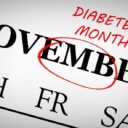
November is National Diabetes Awareness Month. For the over 10% of the United States population with diabetes, this month serves as a reminder to take care of your health. In particular for diabetics, regular eye exams are essential to maintaining your eyesight.
Because obesity is running ramped, being overweight and often not eating properly has led to an increasing diagnosis of diabetes among young and old alike. According to the American Federation for the Blind, approximately 33% of Americans with Diabetes are unaware they have the disease.
Importance of Eye… Continue reading
Seeing Clearly on Halloween: Tips to Keep You and Your Family Safe

With Halloween on the horizon, many parents may be concerned about their children’s safety and all that candy. But it is also important to remember to continue to take care of your eyes at this time of year!
Masks and Costumes
While costumes are fun, they can also present some potential problems. In particular, it is important to consider if you and your children can see clearly through a costume mask. Eye injuries due to costume masks are common this time of year, as masks often obscure our peripheral vision.… Continue reading
Eye Injury Prevention Month: How Can You Stay Safe?

October is Eye Injury Prevention Month. You can experience serious eye injuries while at home, at work, or at play. According to experts, more than 90 percent of eye injuries could be prevented with the use of protective eyewear and some simple precautions.
At Home: When to Use Eye Protection
Closing your pool? Cleaning the house in anticipation of the holidays? Eye injuries due to cleaning chemicals account for over 125,000 eye injuries each year. Eye injuries are also commonly caused during home improvement and yard work. Despite these… Continue reading
September is Healthy Aging Month

As a new season rolls around, the days become shorter, school is back in session, and summer winds down, September is a perfect time to celebrate Healthy Aging Month. Drawing on the “back to school” urge embedded in everyone from childhood, the observance month’s activities are designed to encourage people to rejuvenate and get going on positive measures that can impact the areas of physical, social, financial, and mental health. As the number of people age 45 and older grows every year, the focus of September’s Healthy Aging® Month is… Continue reading
Bifocal Contact Lenses & Aging

Your eyesight is the key to independence as we age and although bifocal contact lenses have been around for many years, until recently they weren’t very popular. New technology has changed that is bringing to market a greater variety of designs. If one design or brand doesn’t work for you, another might. People who once thought they could never benefit from contact lenses now have a second chance.
Often after the age of 40 people develop presbyopia, a condition that affects our ability to focus on objects that are nearby.… Continue reading
Road Trips & Night Driving Safety Tips

When vacation traveling comes to mind, some families prefer to travel at night. There may be less traffic, families may have young children, or a time element could be involved. But night driving can also present its challenges for those behind the wheel.
There’s no denying that late-night driving can be nerve-racking—especially during road trips. And for good reason—because of factors like low visibility and fatigue, driving in the dark can be more dangerous than driving when the sun is out. The National Safety Council (NSC) estimates that traffic… Continue reading
Back To School Eye Exams

For parents of school age children, that Staples commercial of “it’s the most wonderful time of the year back to school sale” comes to mind. As your child prepares for another year, it’s a great time to schedule their annual eye exams.
August is children’s eye health and safety month. As a good rule of thumb, you should have your child’s eyes examined by an eye care professional in their first year of life as an infantSEE exam and then they should have regular eye exams starting around preschool age… Continue reading
Distance Learning and Vision Problems

There are a number of changes that occurred during the past year as a result of the pandemic and distant learning. Many young students spent more time than ever staring at their computer screens, tablets and phones. Between school and social interaction and play, electronic devices seemed to be attached to kids and adults alike.
Because many kids spent last year learning from home, the vision screenings that typically occurred during the school year were delayed or not given at all. This has created a perfect storm for issues regarding… Continue reading
Tips for Choosing Sunglasses
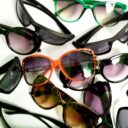
Available in many shapes and styles, sunglasses are more than fashion accessories – they are important tools to protect your eyes from ultraviolet (UV) rays, the radiation energy produced by the sun. UV rays are a contributing factor in developing cataracts. Did you know two types of radiation – UVA and UVB rays occur with exposure to sunlight? Ultraviolet radiation from the sun can cause cumulative damage to your eyes as you age, but you can protect your vision by wearing sunglasses every day.
Polarized sunglass lenses reduce light… Continue reading