NEW YEAR’S RESOLUTIONS

Are you ready for the New Year? During the holiday season many people take the opportunity to reflect on the year that has past, focus on new goals and make New Year’s Resolutions. Weight loss, financial freedom, healthy habits are among the top resolutions people make.

Resolutions for better health often include, eating better, exercising, or cutting down on sugar intake. While many people have resolutions to improve their health, they tend to not include an annual medical physical, 6 month dental visits and an annual eye exam.

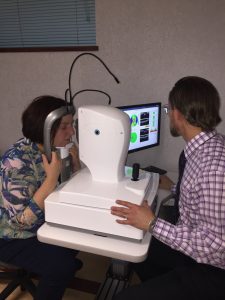
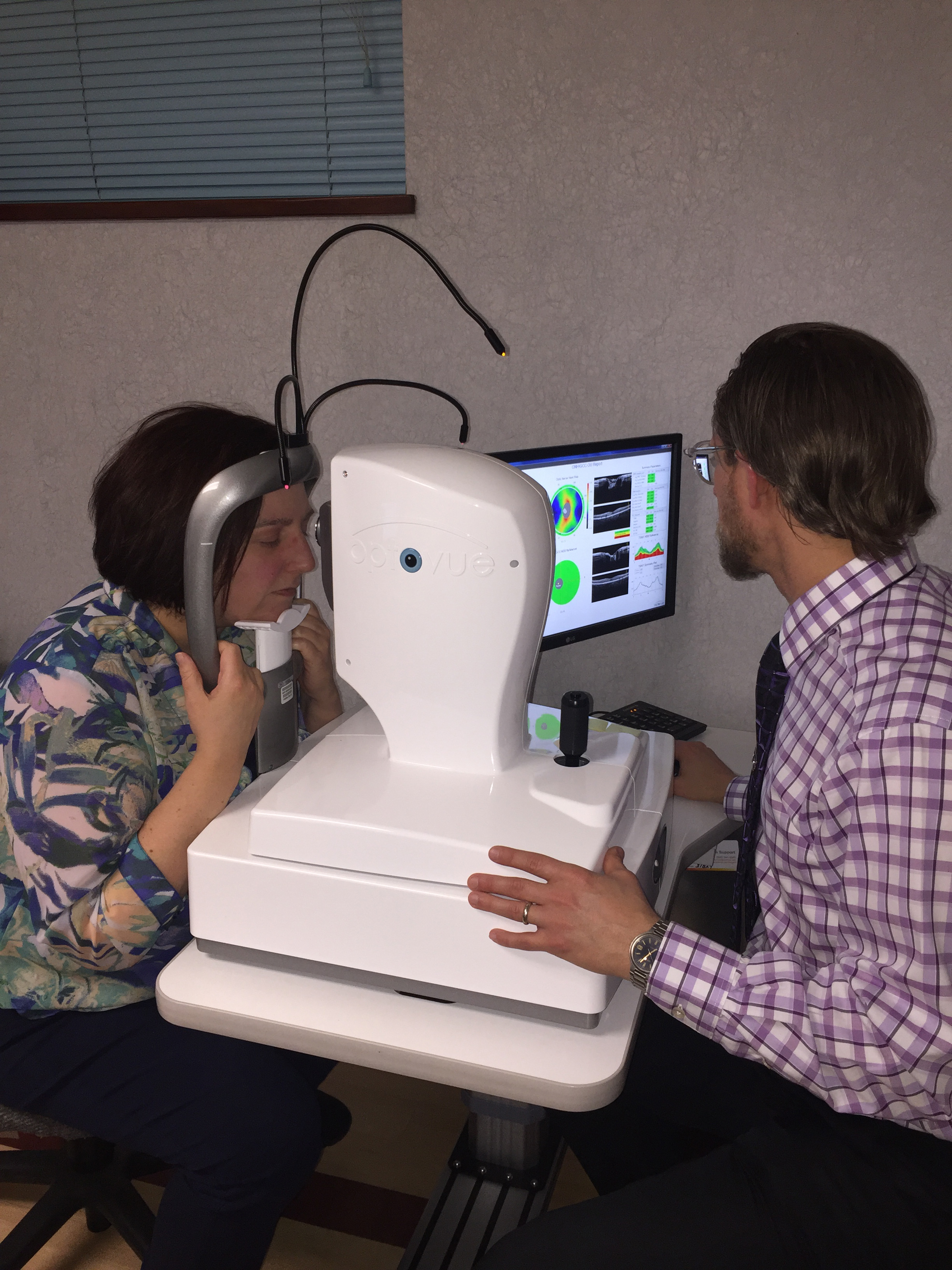
With the New Year in full swing there is no better time to schedule your eye exam. You or your children may receive an annual vision screening at work or school. What people don’t realize is that a vision screening is much less comprehensive than an eye exam.

Vision screenings usually only take a few minutes and are often performed by volunteers, not by a certified optometrist. Vision screenings are typically designed to detect major vision problems. What many people do not realize is that an eye screening is ineffective at detecting subtle vision problems or overall health diseases, which if left untreated can rob you of your vision or lead to ongoing health problems.

Eye exams that are performed by an optometrist are designed to not only evaluate your visual acuity, but also to check the overall health of your eye. During a comprehensive eye exam, the optometrist will also check for signs of eye problems such as glaucoma, cataracts, macular degeneration and detached retina.

As an added health bonus, your optometrist can also detect early signs of health problems such as diabetes, high blood pressure and stroke risk; all based on the appearance of the delicate blood vessels and other structures within the eye.

As the New Year brings about resolve to change, consider your body’s overall health. Scheduling annual visits to not only your optometrist, but also to your medical doctor for a yearly physical can help to keep your body in top shape and provide early detection of any medical conditions before they become serious problems. Early detection is key to obtaining the best chance of treatment providing a positive outcome. Wishing you the best in 2018.

About the author: John D. Bissell, owner of Bissell Eye Care and Tri-State Low Vision Services, offers comprehensive eye examinations for the entire family, ocular disease detection and treatment, eye glasses, sun glasses, active wear, contact lenses, and low vision examinations for those with significant vision loss. He has undergone specialized training for treatment of low vision by the International Academy of Low Vision Specialists utilizing customized telescopic eyeglasses, prisms and telescopic implants for patients who qualify. The practice accepts most types of vision and health insurance plans.

BALANCE CHECK ON FLEXIBLE SPENDING ACCOUNT BENEFITS

It’s that time of year. Have you checked the balance in your Flexible Spending Accounts (FSAs)? This pretax medical deduction can help you to spend less on your health care while experiencing the maximum tax benefit. There is a catch-you must use monies within the current calendar year to reap the rewards. By spending all of the money in your account before the year-end deadline, you ensure you are getting the most bang for your buck.

FSAs are pre-tax monies that are placed in an account and are available for use only on approved medical expenses. They differ from a health savings account, HSA, in that the money contributed can only be used for that calendar year. In other words the FSA accounts are use it or lose it. As the year quickly draws to a close the question becomes, have you used it? Being proactive in checking your balance allows you time to react before the year ends.

In October 2016, the IRS released its inflation adjustments which raised the limits for healthcare FSAs. In 2017, the annual FSA contribution limit is increasing by $50 from the previous year. Employees with this employer-sponsored benefit account can contribute a maximum of $2,600. While there are no exceptions that allow that money to be directly paid back to you, there are more options than you might expect as to how to spend the extra money. If you have monitored the amount spent during the year, you have an idea what is left to spend down as December quickly approaches.

There are two cases where you can get a little extra time to spend that money.

  1.  A rollover option. This allows you to move up to $500 to next year’s balance.
  2.  Grace period. Because most plans fall on the calendar year, this option allows you to use the moneys for up to 2 ½ months past the end of the year. Why is this? Because, during the first few months of the year your account has accrued little funds.

Most FSA accounts come with a debit card and usually have one or the other of these two options but CANNOT have both. However, if you are required to submit a claim, be sure to watch the claim windows in which you can ask for reimbursement.

How to spend FSA accounts?

If you have a high balance left in your account, don’t despair. The list of things that you can spend the money on however is pretty large, leaving many surprised what they can purchase using their FSA account. To get a full listing of what you’re allowed to spend FSA money on, visit an online FSA store. These stores only sell items that qualify approved purchases using your FSA account.

Some out-of-the ordinary expenses you can pay for using your FSA account also include:

  • Eye Exams, Eyewear and Contact Lenses
  • Chiropractor visits
  • Artificial teeth or limbs
  • Qualified service animals, such as a guide dog, including food and grooming costs
  • Travel that was required for medical treatment.

You may also use the FSA for expenses such as hearing, vision, and dental services even if you don’t have insurance for those services.

Keep track of your FSA account throughout the year. Spending in moderation throughout the year will also help to reduce the scramble to use money that you have left as the year comes to an end. Despite the hassle of having to make sure all the money is spent, FSA accounts are a good way to avoid paying taxes on money that is used for medical expenses.

About the author: John D. Bissell, owner of Bissell Eye Care and Tri-State Low Vision Services, offers comprehensive eye examinations for the entire family, ocular disease detection and treatment, eye glasses, sun glasses, active wear, contact lenses, and low vision examinations for those with significant vision loss. He has undergone specialized training for treatment of low vision by the International Academy of Low Vision Specialists utilizing customized telescopic eyeglasses, prisms and telescopic implants for patients who qualify. The practice accepts most types of vision and health insurance plans.

DIABETIC AWARENESS

November is Diabetes Awareness Month and we would like to talk about how this disease can affect your eyes. Diabetic eye disease is comprised of a group of eye conditions that affect people with diabetes. These conditions include diabetic retinopathy, cataracts, glaucoma, and diabetic macular edema or DME.

If you or a loved one suffer from diabetes, it is important to maintain annual eye exams to help prevent vision loss. It is even more important for those who suffer from diabetes to take their medication as prescribed, stay physically active and maintain a healthy diet. This will help to delay or even prevent vision loss from diabetes.

Diabetics should be aware of a few eye diseases that can affect people with diabetes.

  • Diabetic retinopathy. Diabetic retinopathy affects blood vessels in the retina which lines the back of the eye. It is one of the most common causes of vision loss among people with diabetes.
  • Diabetic macular edema or DME. This is an accumulation of fluid due to leaking blood vessels in the macula – part of the retina that controls our most detailed vision abilities.

Diabetic eye disease can also include cataracts and glaucoma. While these are not limited to individuals who have diabetes, it is more common for diabetics.

  • Cataracts. This is a clouding of the eye’s lens. Adults who have diabetes are 2-5 times more likely to develop cataracts at an earlier age than those without diabetes.
  • Glaucoma. For adults, having diabetes doubles the risk of glaucoma. This occurs when the optic nerve that connects your eyes to you brain is damaged.

Of all the diseases that diabetic eye disease is comprised of, a cataract is the only one that is reversible. A simple surgery can remove the cataract from the eye allowing for clear, normal vision. With all of the other diseases, once the damage is done there is no reversing it.

There is good news! Early detection and treatment can help to reduce the risk of blindness. Early detection is key to preventing damage to the eye that is irreversible. If you are diabetic let your optometrist know and be sure to maintain your annual visits and exams.

About the author: John D. Bissell, owner of Bissell Eye Care and Tri-State Low Vision Services, offers comprehensive eye examinations for the entire family, ocular disease detection and treatment, eye glasses, sun glasses, active wear, contact lenses, and low vision examinations for those with significant vision loss. He has undergone specialized training for treatment of low vision by the International Academy of Low Vision Specialists utilizing customized telescopic eyeglasses, prisms and telescopic implants for patients who qualify. The practice accepts most types of vision and health insurance plans.

HALLOWEEN COSTUME TIPS

Happy group of children in costumes during Halloween party playing around the table with pumpkins and bottle of potion

With shorter days upon us, the leaves changing, and the temperature getting cooler, it has become time to prepare for Halloween. This popular holiday can be an exciting and fun time for kids and adults alike.  Be sure as you choose your costume this year that you use the right makeup and avoid over the counter colored contact lenses.

When helping your kids choose their costume, or planning your own costume for the upcoming Halloween party, keep an eye out for possible safety concerns. Avoid trip hazards, and have a clear vision from underneath any masks you may wear.

After you have picked your costume, it comes time to plan out what, if any, kind of makeup you will be using. Keep in mind that you and your kids will most likely be walking a lot, or maybe showing off those new moves on the dance floor for indoor parties. This means that you are probably going to be sweating. As you sweat, makeup that you have on your face can run into your eyes. This can cause eye irritation, be painful and sometimes lead to infection. Be sure to use makeup on your face that is water based and oil free.

Not only are water based makeups easier to remove at the end of the night, they are safer, especially for the young ones. Oil based makeup can also clog pores, leaving your skin around your eyes irritated.

Another popular accessory to Halloween costumes are colored contact lenses. “Decorative” contacts can be found in all shapes and sizes, ranging from unique colors to shapes that look similar to cat or snake eyes. While these contacts look cool, it is important to have them properly fitted by your optometrist.

They will measure your eye and give you a prescription for decorative contacts that contain an expiration date. It is important to make sure that the contact properly fits your eye and that you purchase them from a licensed store that requires a prescription to purchase. Getting the wrong size contact can cause damage to your eye or even suction to your eye. This will not only cause discomfort and pain but may also lead to serious permanent damage.

As you browse the racks at your local Halloween store, or scroll through the pages of costumes on the internet, be sure to get the right makeup, allowing for easy removal. If you plan on using decorative contacts, don’t wait until the last minute to contact your optometrist about getting fitted for them.  Have a safe and happy Halloween!

About the author: John D. Bissell, owner of Bissell Eye Care and Tri-State Low Vision Services, offers comprehensive eye examinations for the entire family, ocular disease detection and treatment, eye glasses, sun glasses, active wear, contact lenses, and low vision examinations for those with significant vision loss. He has undergone specialized training for treatment of low vision by the International Academy of Low Vision Specialists utilizing customized telescopic eyeglasses, prisms and telescopic implants for patients who qualify. The practice accepts most types of vision and health insurance plans.
BEYOND THE GARDEN

For many, summertime means taking care of the garden. It also means less trips to the grocery store as you are able to find your favorite vegetables just a few steps from your back door.  This ease of access along with a free price tag often lead to many of us eating healthier throughout the summer.

As winter quickly approaches it is important to keep up the healthy diet that many of you enjoy during the summer months. A proper diet can help to reduce the chances of certain eye diseases.

Having a diet full of vitamins and nutrients is not only good for overall health, but in some cases, may help to prevent issues associated with vision loss. Nutrients that are linked with eye health are Vitamins C and E, B12, B9, B6, carotenoids, beta carotene, lutein and zeaxanthin.

Antioxidants are important in your diet as they help to deter build-up of waste products in the retina, reducing your risk for age related macular degeneration, or AMD for short. Vitamin B6 and Folate, or Vitamin B9, help to lower the blood chemical homocysteine, which helps to lower your risk for AMD.  Antioxidants also help to prevent protein from linking which can cause cataracts.

Some foods that contain eye-healthy nutrients are:

  • Dark green vegetables such as spinach and kale for lutein and vitamin E.
  • Yellow and orange fruits and vegetables for beta carotene and zeaxanthin.
  • Fruits and vegetables for vitamins C and E.
  • Fish for omega 3 fatty acids.
  • Citrus fruits, dried beans, green leafy vegetables, mushrooms and nuts for folic acid.
  • Dairy products, eggs, meat, and poultry for vitamin B12.

Avoid selecting carbohydrates such as white rice, white bread and pasta. These foods have a high glycemic index which means they are broken down rapidly into blood glucose or sugar. Choose breads and pasta made from whole grains and brown rice.

Keeping a healthy diet will not only help to improve your overall health, but also will help you to see clearly into the future. Choose foods that are high in vitamins and nutrients, even if that means going to the store to get them, until next year’s gardening season begins.

About the author: John D. Bissell, owner of Bissell Eye Care and Tri-State Low Vision Services, offers comprehensive eye examinations for the entire family, ocular disease detection and treatment, eye glasses, sun glasses, active wear, contact lenses, and low vision examinations for those with significant vision loss. He has undergone specialized training for treatment of low vision by the International Academy of Low Vision Specialists utilizing customized telescopic eyeglasses, prisms and telescopic implants for patients who qualify. The practice accepts most types of vision and health insurance plans.
Eye-Safety-in-Sports

WATCH THE BALL

Eye-Safety-in-SportsWith the school buses back on the road, it is easy to see that school is back in session. If your children are like many, this also means that fall sports have started back up again. Players suit up with the proper uniform, but having the right eyewear will also help your kids keep their eye on the ball, resulting in a great fall sports season.

From soccer, football, lacrosse, fall baseball and other contact sports, each year 42,000 athletes suffer eye injuries that result in a visit to their eye doctor or emergency room. Many of these injuries are preventable with the proper eye protection.

Many eye injuries from contact sports occur when impact from a ball or another player can lead to several different types of injuries. The injuries most commonly seen are corneal abrasions, fracturing of the orbital bone (eye socket), or swollen and detached retinas.

While eye injuries are more common in contact sports, they are not limited to these activities. Many students suffer damage to their eyes from not having the proper eye protection from the sun. Activities such as marching band, cheerleading, or even running cross country, tend to have the students outside in the sun for prolonged periods of time. The UV rays of the sun can sun burn an eye much like it can skin. This can result in a range of problems from discomfort and dry eye, to permanent loss of sight in extreme cases.

Now the good news! In most cases, the proper eye protection can prevent your children from having to endure these injuries. Spectators should also take precautions, especially with using sunglasses with UV protection.

Polycarbonate safety goggles offer great protection from injuries in sports such as basketball, racquetball, tennis and soccer. When looking for goggles, be sure they fit properly and that they are labeled ASTM F803 approved. These are the goggles that have been tested and are approved for impact sports.

If your child plays hockey or baseball, a helmet with a protective face shield will offer the most protection from a wild pitch, a flying puck or even a stick. Make sure the helmet fits properly and does not move around on their head or fall off. It is also important to have the shield fit snugly to your child’s face and chin.

For activities such as marching band, cheerleading, or cross country, be sure that your children are sporting a pair of sunglasses that have UV protection. Because these activities are not considered high impact contact sports, regular sunglasses with UV protection will help to prevent damage from the sun.

As your kids suit up this fall, be sure that their uniform includes the proper eye protection. Wishing you all a successful fall sporting season!

About the author: John D. Bissell, owner of Bissell Eye Care and Tri-State Low Vision Services, offers comprehensive eye examinations for the entire family, ocular disease detection and treatment, eye glasses, sun glasses, active wear, contact lenses, and low vision examinations for those with significant vision loss. He has undergone specialized training for treatment of low vision by the International Academy of Low Vision Specialists utilizing customized telescopic eyeglasses, prisms and telescopic implants for patients who qualify. The practice accepts most types of vision and health insurance plans.
SHORTER DAYS AND LONGER NIGHTS

As the leaves begin to change and the beautiful colors start to appear, it also becomes apparent that days are growing shorter and the nights are getting longer. For some Americans this means that they may struggle to see – particularly at night.

If you find you are becoming afraid to hit the road after dark because you struggle to see, now is the time to let your eye doctor know. The answer may be as simple as a pair of glasses, or it may mean that you need to get your cataracts taken care of. In any case, it is important to speak with your eye doctor to make sure there isn’t a more serious underlying issue.

Cataracts are one of the leading causes of night vision problems. As you age, cells grow and die behind your pupil. When the debris from dead cells builds up, it starts to cloud your vision. While cataracts are not painful they do make it difficult to see, especially at night. Cataracts are easily treatable and once removed you will find your night vision improves but also your vision in general may change.

A lack of Vitamin A may also be a reason for struggling with night vision. Vitamin A is found in carrots and leafy vegetables. It helps to keep the retina, the back of your eye where images are focused, healthy. Many Americans get enough vitamin A in their regular diet – that’s one of the reasons we always talk about a well-balanced diet. However, those with health problems such as celiac, gastric bypass or Crohn’s disease, may have problems absorbing the nutrients they need.

If you have recently been on a beach vacation, you might feel as though your vision is worse at night. This is more than likely correct as sustained bright sunlight can worsen night vision for up to two days. One way to avoid this is to wear sunglasses with UV protection. The wrap around style is best.

Regardless of why you suffer night vision loss, it is always a good idea to consult your eye doctor. While some forms of night vision loss may be permanent, there are several kinds that are treatable. If you do have difficulty seeing at night, be sure to clean your car windows and headlights before heading out for a night drive. As the leaves begin to fall, also remember the pavement becomes slippery when wet so give yourself extra room between you and the vehicle in front of you.

If you have questions about night driving or any other vision related issue, give our office a call at 724-443-6767 or 724-226-0444.

About the author: John D. Bissell, owner of Bissell Eye Care and Tri-State Low Vision Services, offers comprehensive eye examinations for the entire family, ocular disease detection and treatment, eye glasses, sun glasses, active wear, contact lenses, and low vision examinations for those with significant vision loss. He has undergone specialized training for treatment of low vision by the International Academy of Low Vision Specialists utilizing customized telescopic eyeglasses, prisms and telescopic implants for patients who qualify. The practice accepts most types of vision and health insurance plans.
ARE YOU READY FOR SCHOOL?

Back to school concept with school items and elements. vector banner design

As the first day of school rapidly approaches it is time for the annual back to school shopping for clothes, backpacks, pencils, pens and book covers. This is also a great time to schedule your kids’ annual eye exams. Did you know until the end of September 2017 we have a back to school sale – buy one pair and get a second pair 50% off? This sale isn’t limited just to your kids.

August is children’s eye health and safety month. As a good rule of thumb you should have your children’s eyes examined by an eye care professional during their well visits starting around the age of three, and also before the start of each school year. If your children struggle to see, it may inhibit their ability to learn as they head back to school this year.

Your children’s eye doctor can help to ensure that they are seeing clearly. These exams look into the back of the eye for overall eye health, but are also able to detect things such as:

  • Ptosis (drooping of the eyelid)
  • Color deficiency (color blindness)
  • Amblyopia (lazy eye)
  • Strabismus (cross eyes)

Early detection of vision problems can make a big difference when it comes to your child’s ability to learn. If they suffer to see, they will more than likely suffer to learn as many people learn by sight.

Keeping your children’s eyes safe is another part of maintaining healthy vision. Did you know that eye injuries are the leading cause of vision loss in children? There are a few basic rules that you should follow to help ensure that your child is not one of the 42,000 sports related eye injuries that occur each year.

  • All children should wear protective eye gear while participating in sports or physical activities.
  • Be sure to purchase age appropriate toys and avoid those toys which have sharp or pointy edges.

Give your kids the best chance of success this year by scheduling a comprehensive eye exam. Make sure that your children are able to see clearly. Protecting their ability to see will help them to have the best chance of success as they head back to school this year!

About the author: John D. Bissell, owner of Bissell Eye Care and Tri-State Low Vision Services, offers comprehensive eye examinations for the entire family, ocular disease detection and treatment, eye glasses, sun glasses, active wear, contact lenses, and low vision examinations for those with significant vision loss. He has undergone specialized training for treatment of low vision by the International Academy of Low Vision Specialists utilizing customized telescopic eyeglasses, prisms and telescopic implants for patients who qualify. The practice accepts most types of vision and health insurance plans.
THE SOLAR ECLIPSE

With the solar eclipse fast approaching, we see many news articles and TV interviews about the dangers of looking directly at the eclipse. As a child growing up, your parents more than likely than not told you to never look directly into the sun. Something that you probably ignored and still tried, just to be left seeing spots. On August 21, 2017, the United States will experience a solar eclipse and if you try to look at it, this too can leave you seeing spots; or in some cases, damage your retina.

A total solar eclipse happens when the sun is blocked from view by the moon. While it is much more common to see a partial solar eclipse, a total solar eclipse is much rarer. Here in Pennsylvania, we will see a partial eclipse, while southern states will see a full solar eclipse.

It is no surprise when we say that looking directly into the sun without proper eye protection can cause serious eye damage, even leading to vision loss. There are however safe ways to view a solar eclipse.

The safest way to look at the sun is by using solar-viewing glasses, eclipse glasses, or personal solar filters. All three of these are names for the same product. According to the safety recommendations from NASA, the lenses of these glasses are made from special filters that are hundreds of thousands of times darker than your UV protection sunglasses. The lenses on these solar-viewing glasses are so dark that you are not able to see anything other than the surface of the sun.

When you jump online to get your pair of glasses, beware, as NASA has changed the standards for glasses that are safe to use for viewing the sun. The new standard of ISO 12312-2 will ensure that you get the eye protection that you need. Some of the manufacturers that meet this standard are Rainbow Symphony, American Paper Optics, and Thousand Oaks Optical.

We want to stress that homemade filters or ordinary sunglasses, even sunglasses that are very dark, are not safe for looking at the sun, or an eclipse of the sun. If you plan on using binoculars or other magnifying devices, be sure to get the proper filter for them. Simply using solar-viewing glasses on them is not enough. The increased magnification can damage the lens of your solar-glasses and leave them less effective.

Be sure to protect your eyes on August 21, as you prepare to look at the moon as it crosses paths with the sun. While this rare occurrence is something to marvel, be sure to enjoy it with the proper eye protection so you don’t damage your eyes.

About the author: John D. Bissell, owner of Bissell Eye Care and Tri-State Low Vision Services, offers comprehensive eye examinations for the entire family, ocular disease detection and treatment, eye glasses, sun glasses, active wear, contact lenses, and low vision examinations for those with significant vision loss. He has undergone specialized training for treatment of low vision by the International Academy of Low Vision Specialists utilizing customized telescopic eyeglasses, prisms and telescopic implants for patients who qualify. The practice accepts most types of vision and health insurance plans.

EYE EXAMS FOR KIDS

Attentive boy is looking in special apparatus, checking his sight. Portrait

As parents, it is easy to know when your child is sick or needs to be taken to the doctor. It is often more difficult for your child to know and tell you when they aren’t seeing as clearly as they should be. This is especially true with infants and toddlers.

Unlike adults that have had regular exams, children who have never had an exam do not have a baseline to measure their vision from. The world is new and exciting to them and they may not notice that what they are seeing is not as clear as they should be. As a parent, you can help to ensure they are experiencing life to its fullest by scheduling routine eye exams.

According to the American Optometric Association, infants should have their first eye exam at 6 months of age. Children should then receive their next eye exam at the age of 3 and then again at age 5-6, before they enter kindergarten.

As your children age, it is recommended that they receive a comprehensive eye exam every two years if no vision correction is required and every year if vision correction is required. While pre-schools and elementary schools do provide free eye screenings, they are not nearly as involved as a screening by your optometrist.

School exams check the basics, using the Seeing Eye Chart but do not look into the eye to see if there are any other issues that need to be corrected before permanent damage occurs. Often these screenings are inaccurate and can miss important eye issues because they are always not done by eye doctors but by school nurses or medical assistants not trained to pick up advanced eye issues. Reading a chart or looking into a machine is not a proper assessment of the visual function of the eye. An eye doctor can see if a nonverbal or young child needs glasses by dilating them and using a special scope that shines light into their eyes to read their glasses prescription.

As children grow they use their vision to develop skills such as:

  • Eye teaming (binocularity) skills.
  • Focusing skills.
  • Peripheral awareness.
  • Eye movement skills.
  • Eye/hand coordination.

It is important to give your child the proper start as you get ready to send them on their first day of school. If they have trouble seeing they will struggle to learn. At a young age we learn from what we see, from how we see other people interact and what the teacher writes on the board. If your child does not have the ability to see clearly, they are already starting out a few steps behind.

As parents, we would do anything to be able to help our children to be the best they can be. Vision is often one area where children may not know that something isn’t right. If they have poor vision they most times won’t feel pain or discomfort, they will simply just struggle to see in clarity. For this reason, they may not tell you that they are having trouble as blurry vision may have become “normal” to them.

As you complete your back to school to do list, be sure to schedule your child’s eye exam.

About the author: John D. Bissell, owner of Bissell Eye Care and Tri-State Low Vision Services, offers comprehensive eye examinations for the entire family, ocular disease detection and treatment, eye glasses, sun glasses, active wear, contact lenses, and low vision examinations for those with significant vision loss. He has undergone specialized training for treatment of low vision by the International Academy of Low Vision Specialists utilizing customized telescopic eyeglasses, prisms and telescopic implants for patients who qualify. The practice accepts most types of vision and health insurance plans.